Shape Recognition Easy Math Worksheets for Ages 5-8
20 filtered results
-
From - To
Discover the excitement of learning with our Shape Recognition Easy Math Worksheets, specially designed for ages 5-8! These engaging and colorful worksheets help young learners master the basics of geometry by identifying, tracing, and drawing various shapes. Boost their confidence and fine motor skills while they explore playful exercises and fun challenges. Perfect for at-home reinforcement or classroom activities, our worksheets make shape recognition an entertaining and effective educational experience. Let your child or student embark on a journey of geometric discovery with our expertly crafted resources, fostering a love for math from an early age!
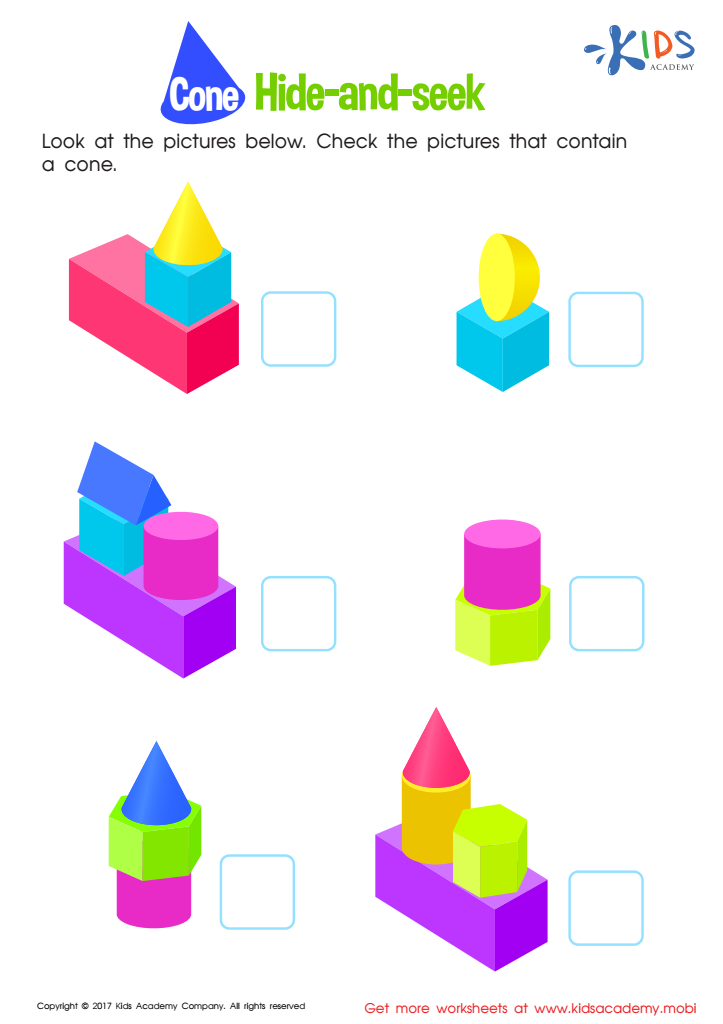
Cone Hide-and-Seek Worksheet
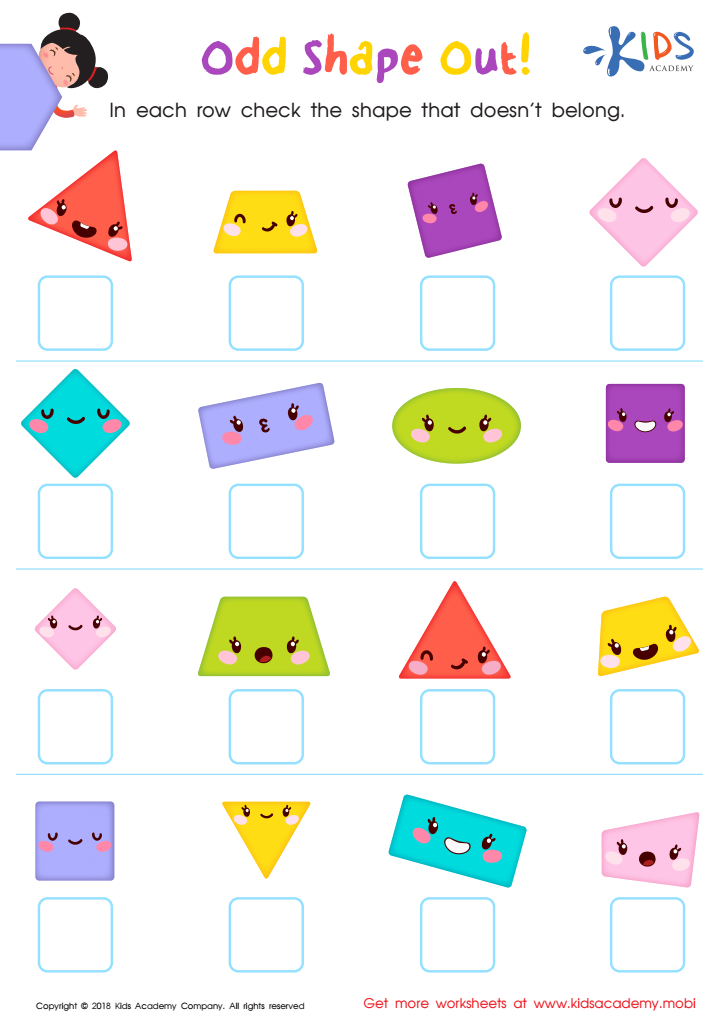
Odd Shape Out Worksheet for Grade 3
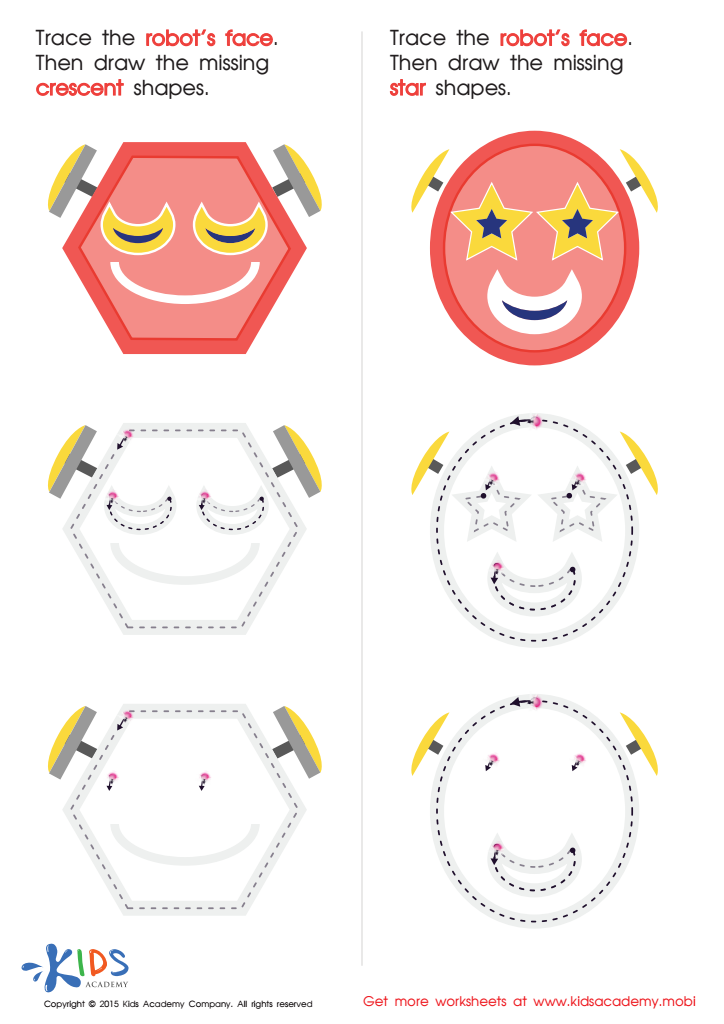
Composing a Robot's Face of Crescents And Stars Worksheet
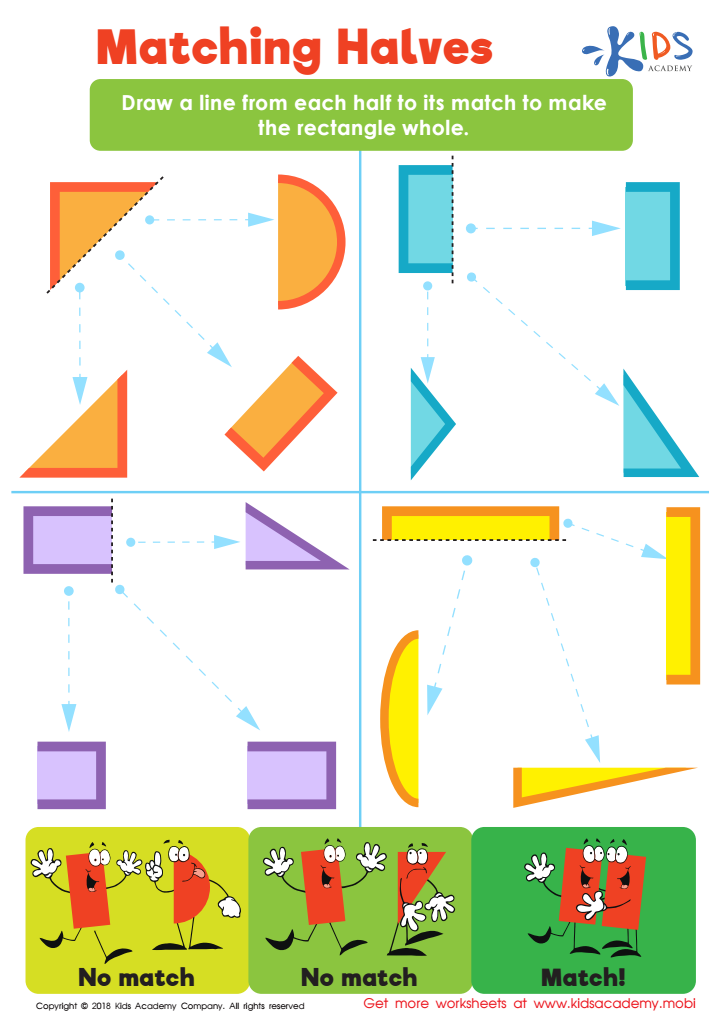
Matching Halves Worksheet
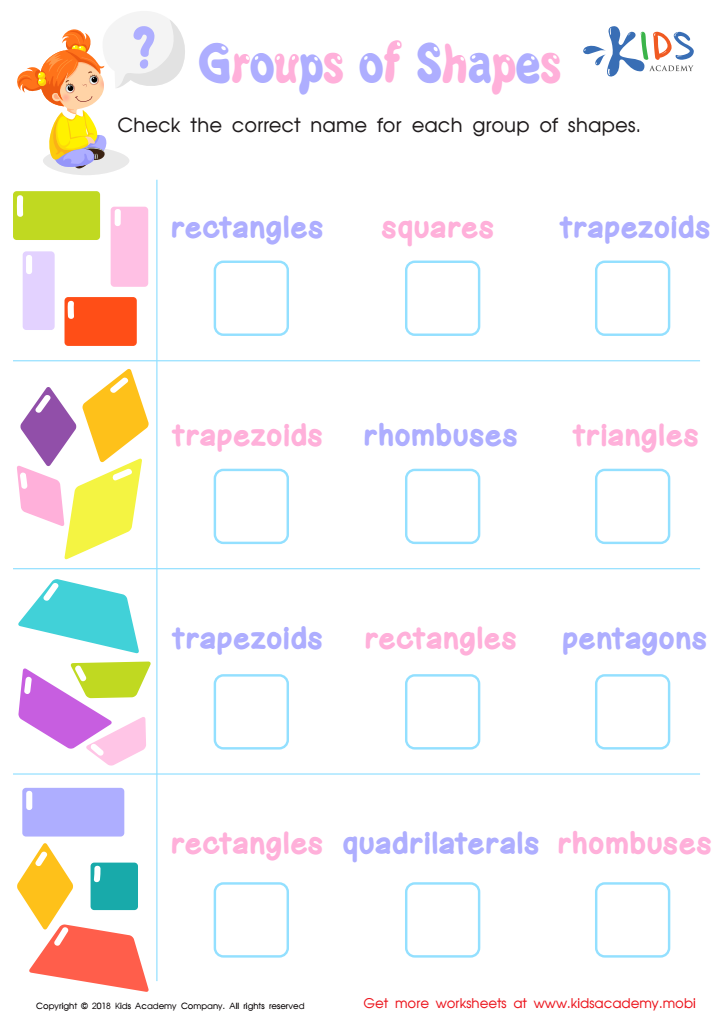
Groups of Shapes Worksheet
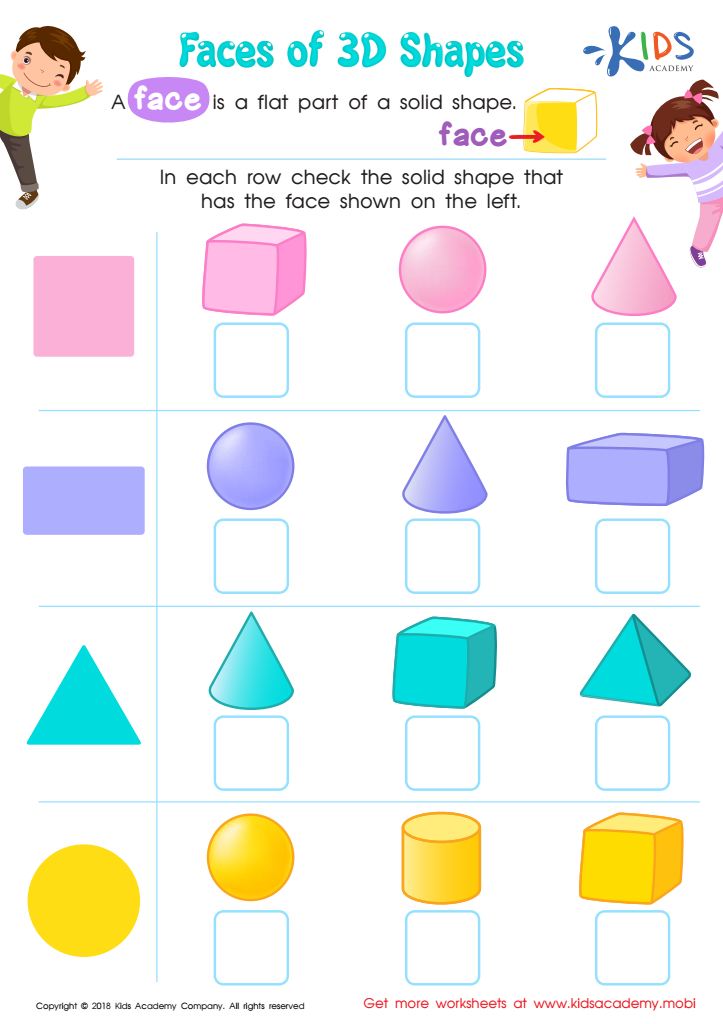
Faces of 3D Shapes Worksheet
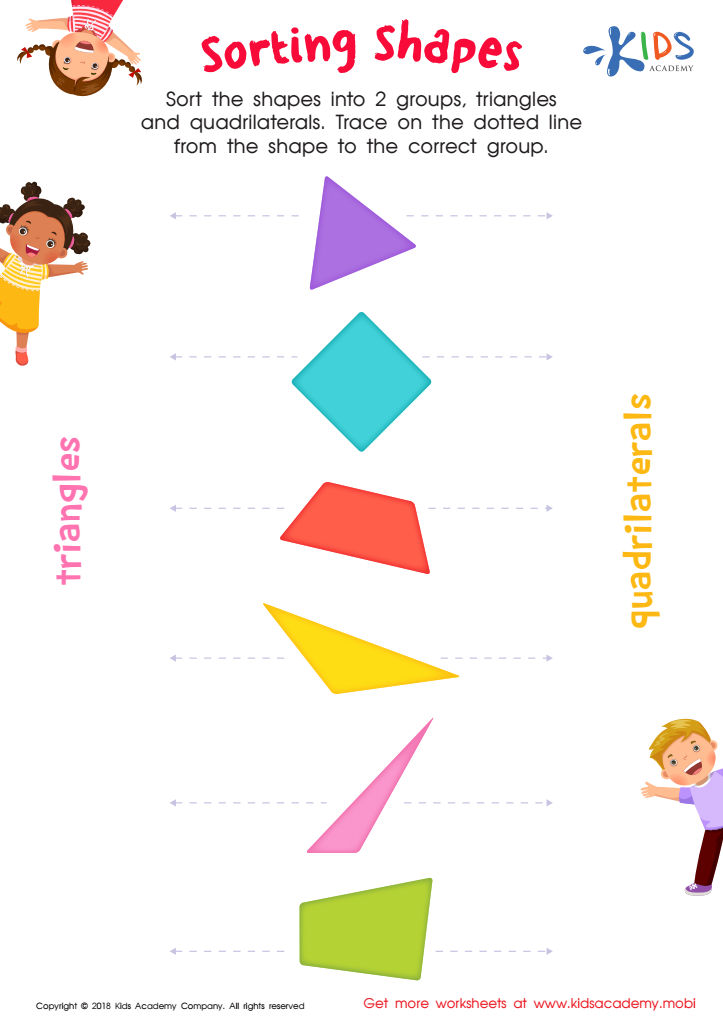
Sorting Shapes Worksheet
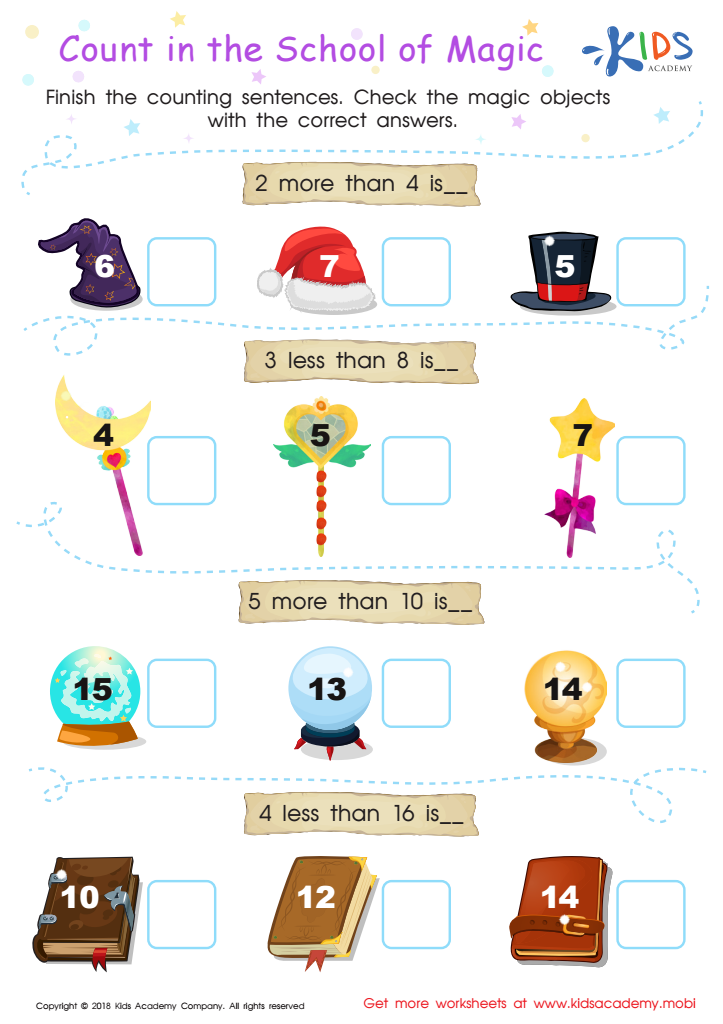
Count in the School of Magic Worksheet
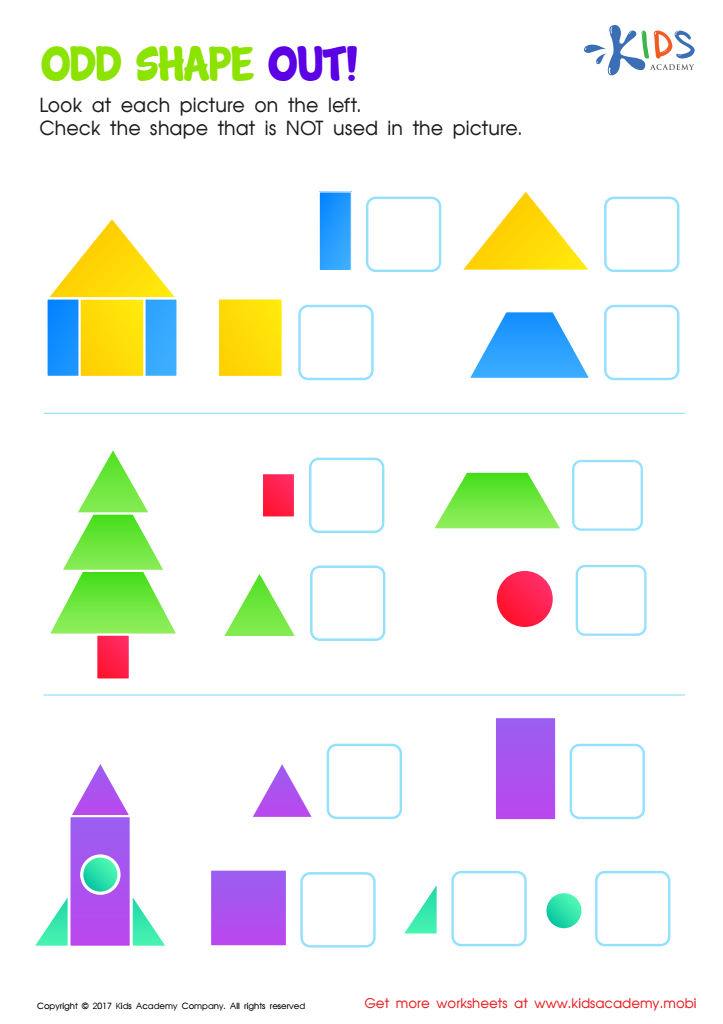
Odd Shape Out Worksheet for Grade 1
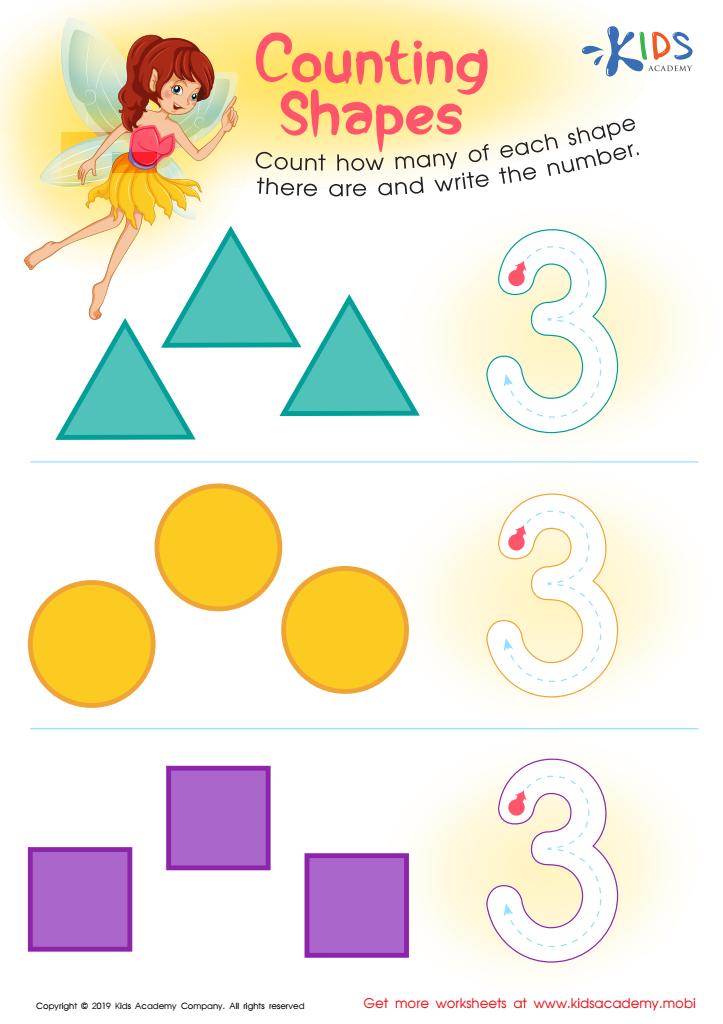
Counting Shapes Worksheet
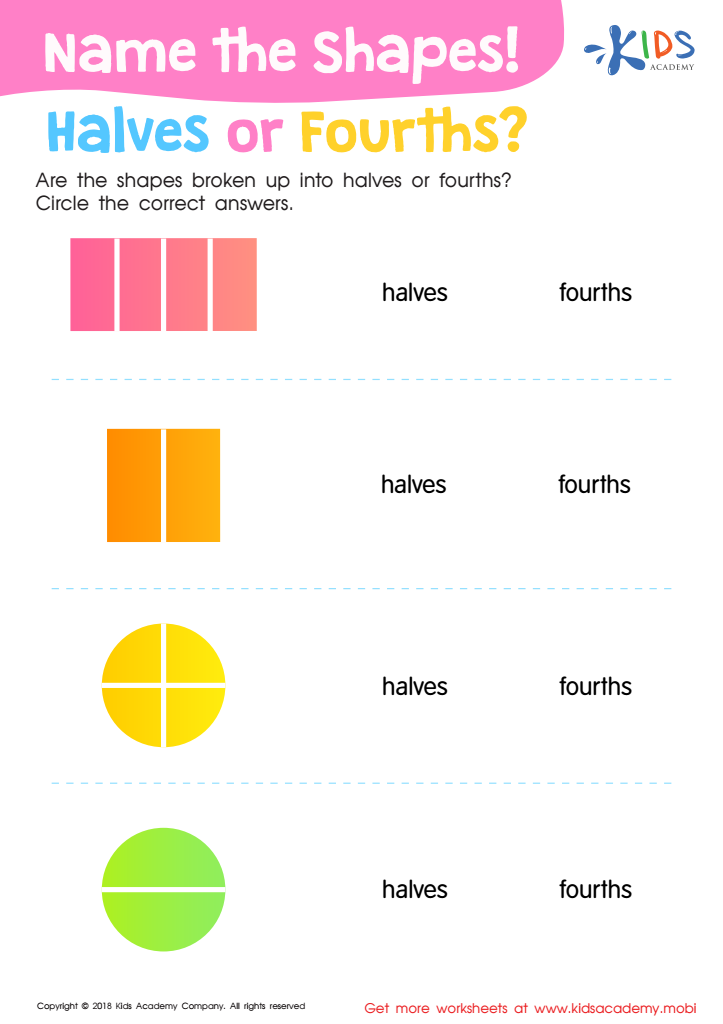
Name the Shapes Halves or Fourths? Worksheet
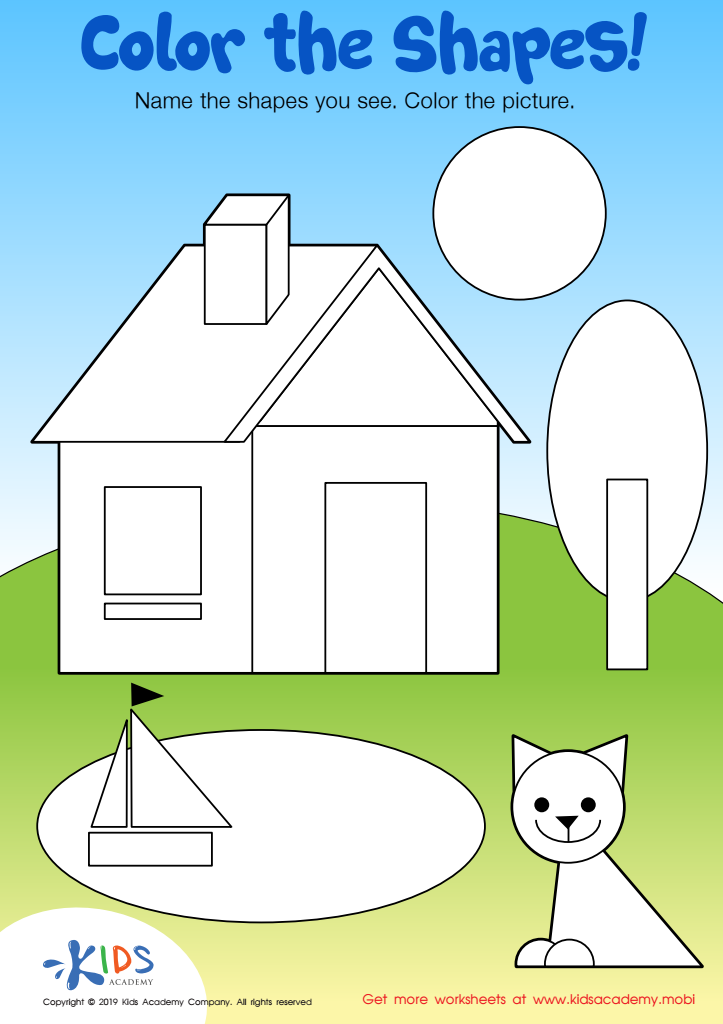
Color the Shapes Worksheet
 Assign to My Students
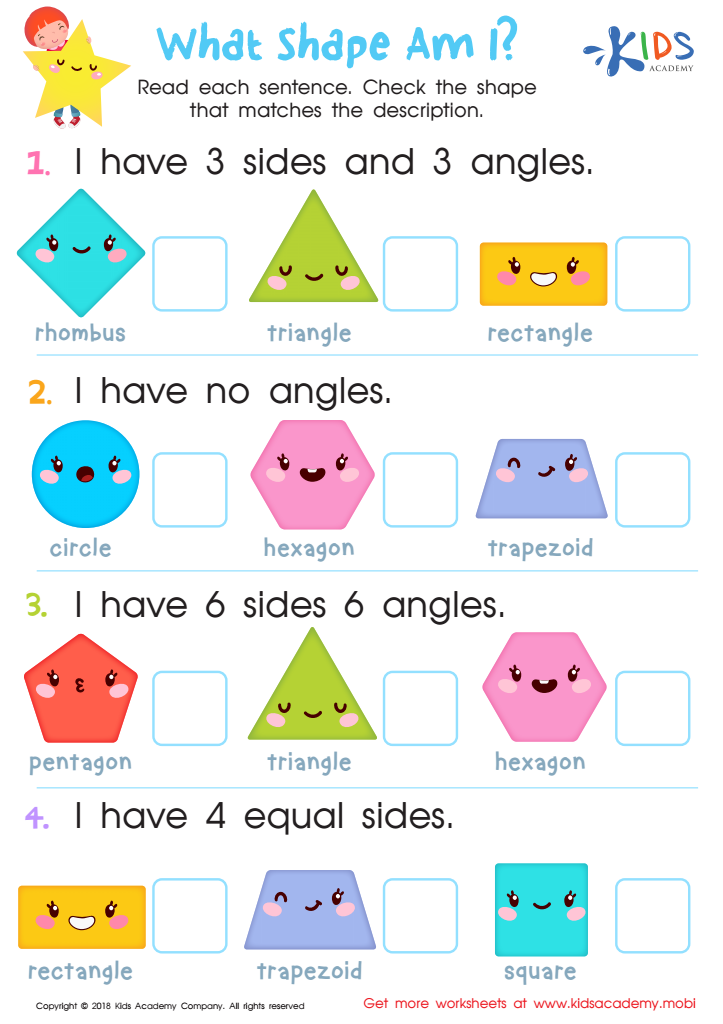
What Shape Am I? Worksheet
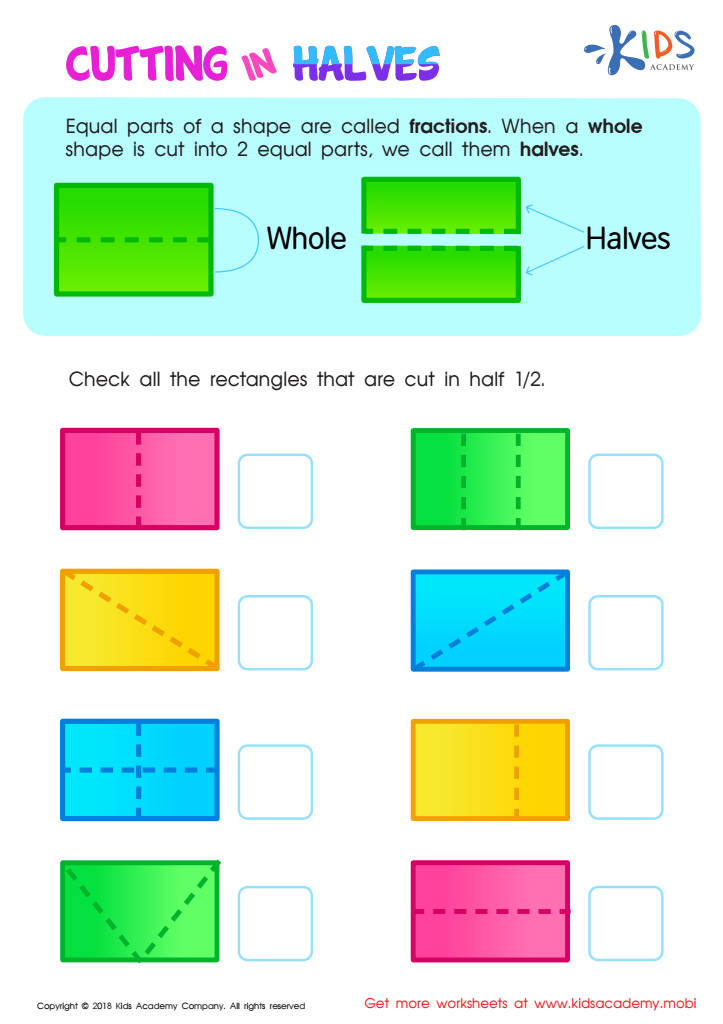
Cutting in Halves Worksheet
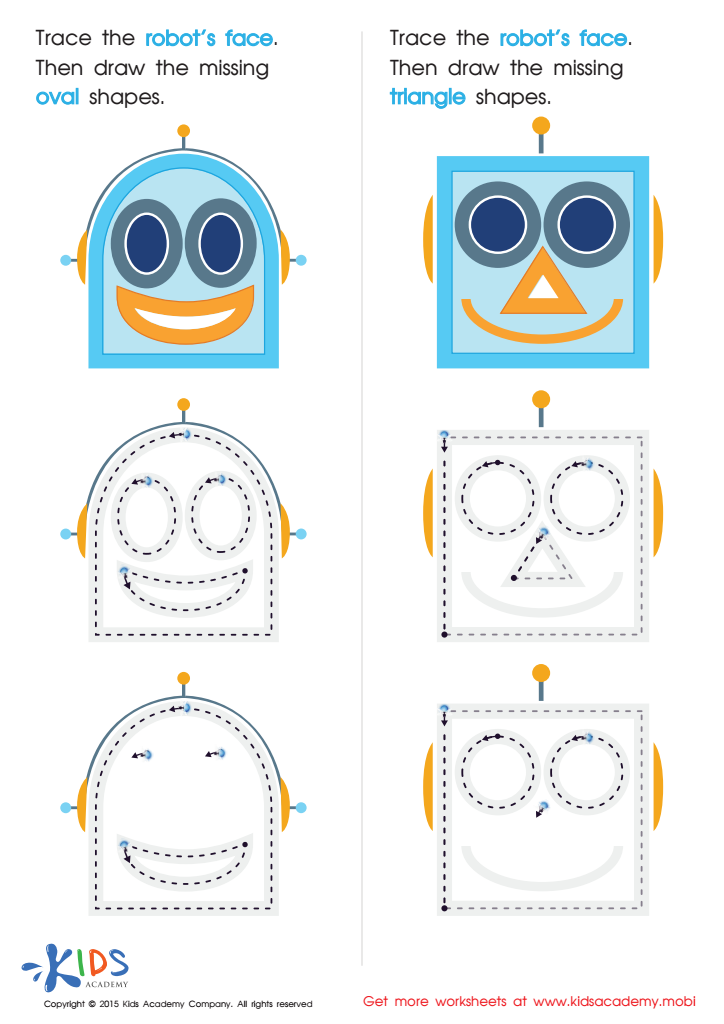
Drawing Ovals And Triangles with Fun Printable
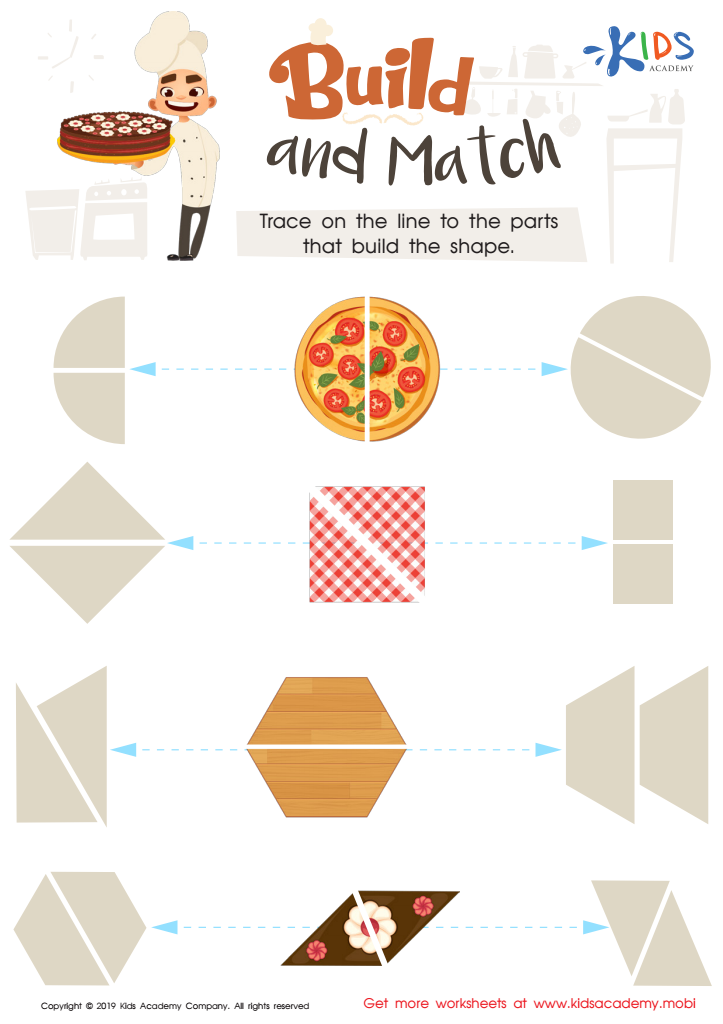
Build and Match Worksheet
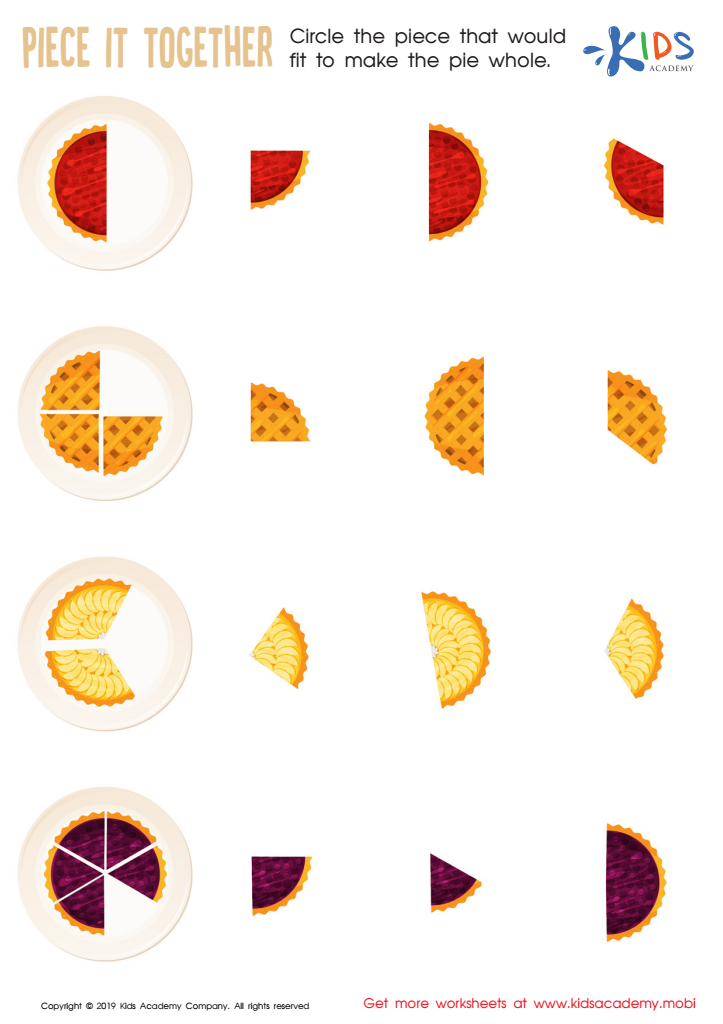
Piece it together Worksheet
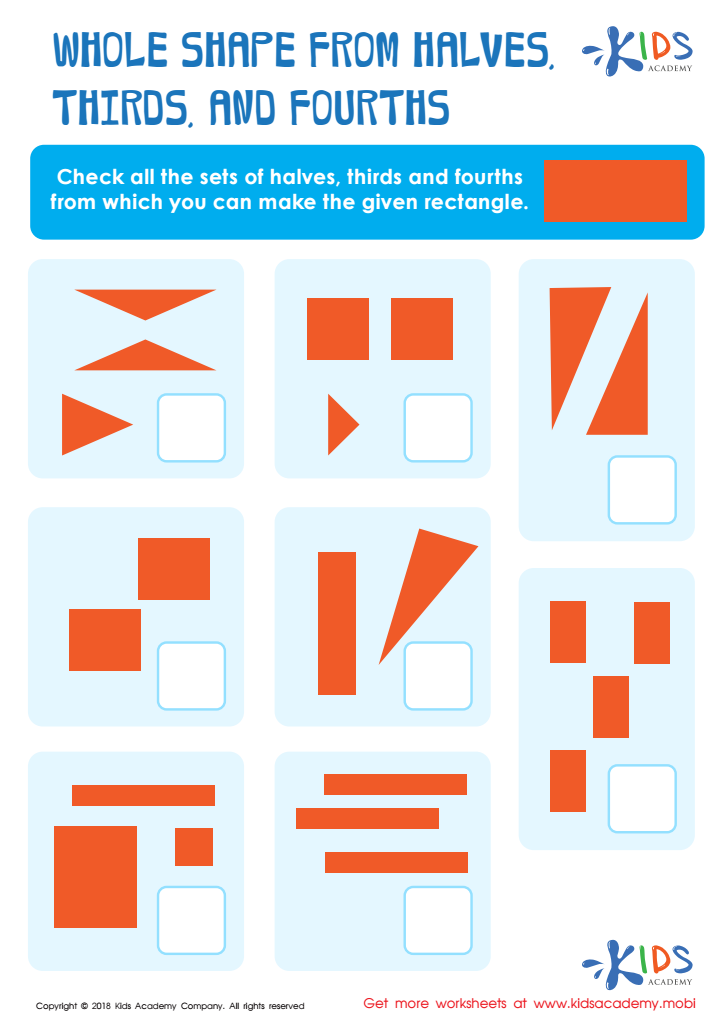
Whole Shape from Halves, Thirds and Fourths Worksheet
Ordering 11–20: Dot–to–dot Seashell Printable
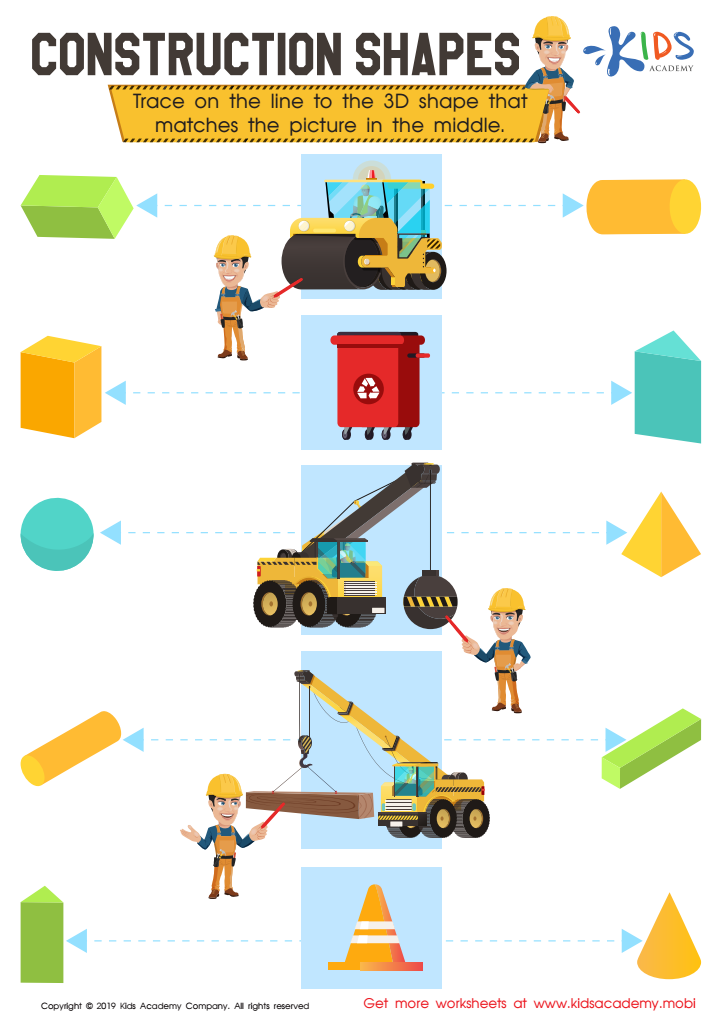
Construction Shapes Worksheet








Shape recognition is fundamental for young children's cognitive development and mathematical learning. For ages 5-8, engaging in shape recognition activities helps to develop critical skills that form the foundation for more complex mathematical concepts.
Firstly, recognizing and distinguishing shapes enhances visual-spatial reasoning. Children learn to notice similarities, differences, and dimensions, which are crucial for problem-solving and understanding the physical world around them. These skills translate directly to understanding geometry, an essential area of mathematics.
Secondly, shape recognition aids in developing language skills. When children learn to name and describe shapes, they expand their vocabulary and improve their ability to communicate abstract concepts. This enforces clear and precise use of language in mathematical contexts.
Thirdly, familiarization with shapes can also aid in recognizing patterns and structures. Patterns are a cornerstone of more advanced mathematical understanding, essential in areas such as algebra and arithmetic. Early proficiency in spotting and understanding patterns can streamline a child's ability to learn and recall complex ideas later.
Lastly, engaging with shapes can be fun and dynamic, helping keep young children interested in learning and promoting a positive attitude towards math from an early age. By making shape recognition part of their educational journey, parents and teachers ensure children build a strong foundational understanding in essential math concepts, fostering future academic success.








