Color recognition Easy Worksheets for Ages 5-9 - Page 2
38 filtered results
-
From - To

Japan Printable
 Assign to My Students

Deer Tracing Winter Words Worksheet
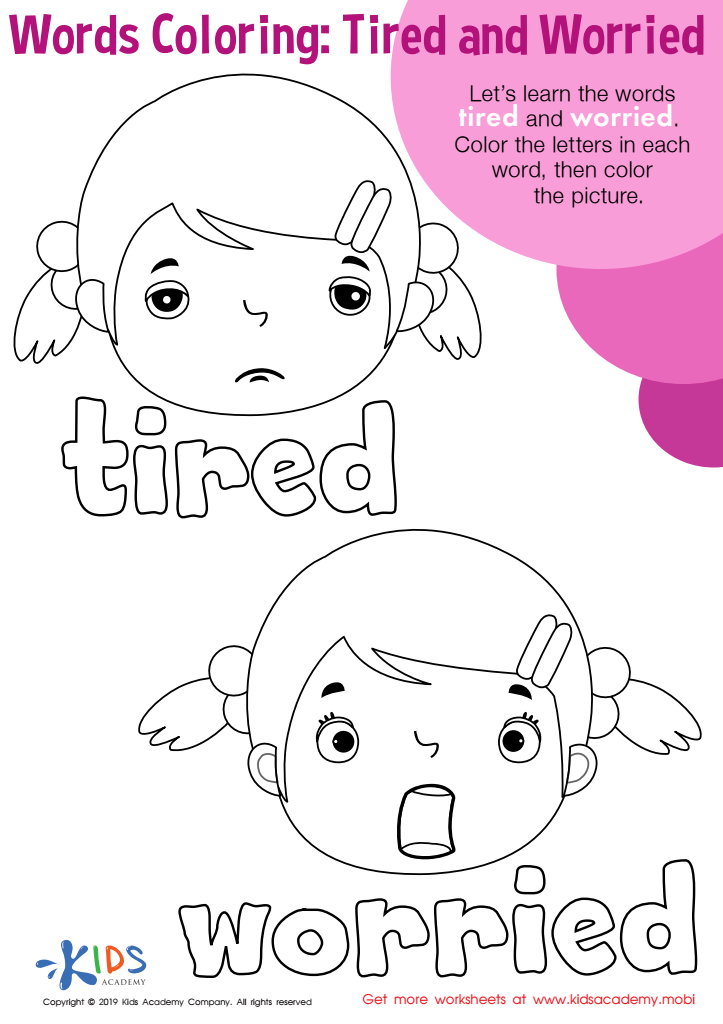
Tired and Worried Words Coloring Worksheet
Assign to My Students

Arizona Coloring Page Worksheet
Assign to My Students
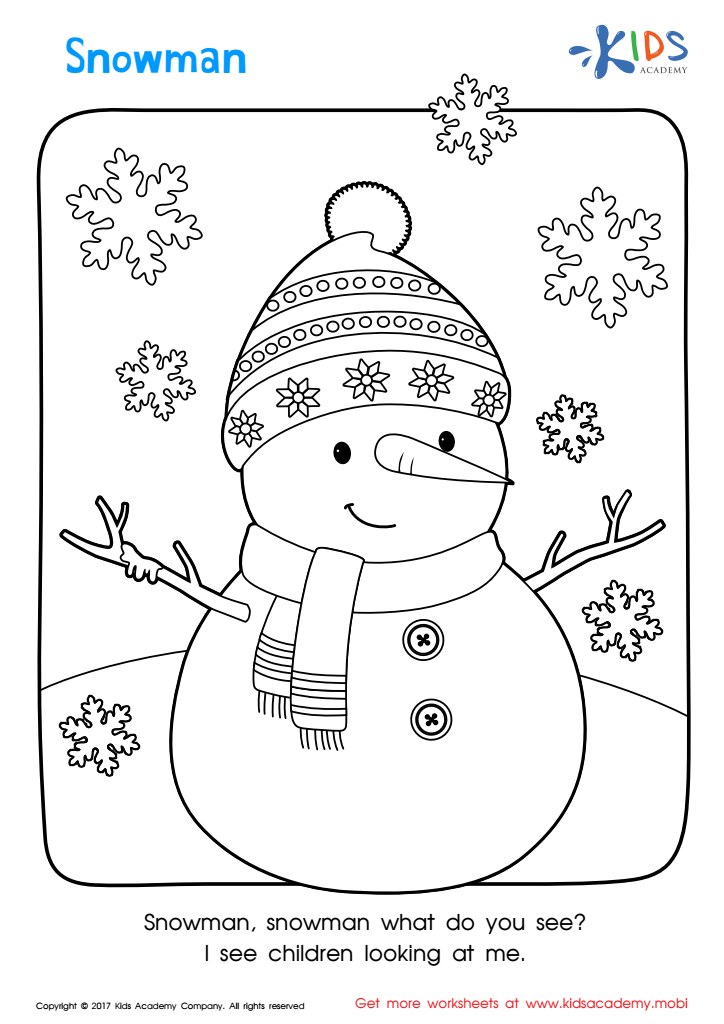
Christmas: Snowman Printable
Assign to My Students
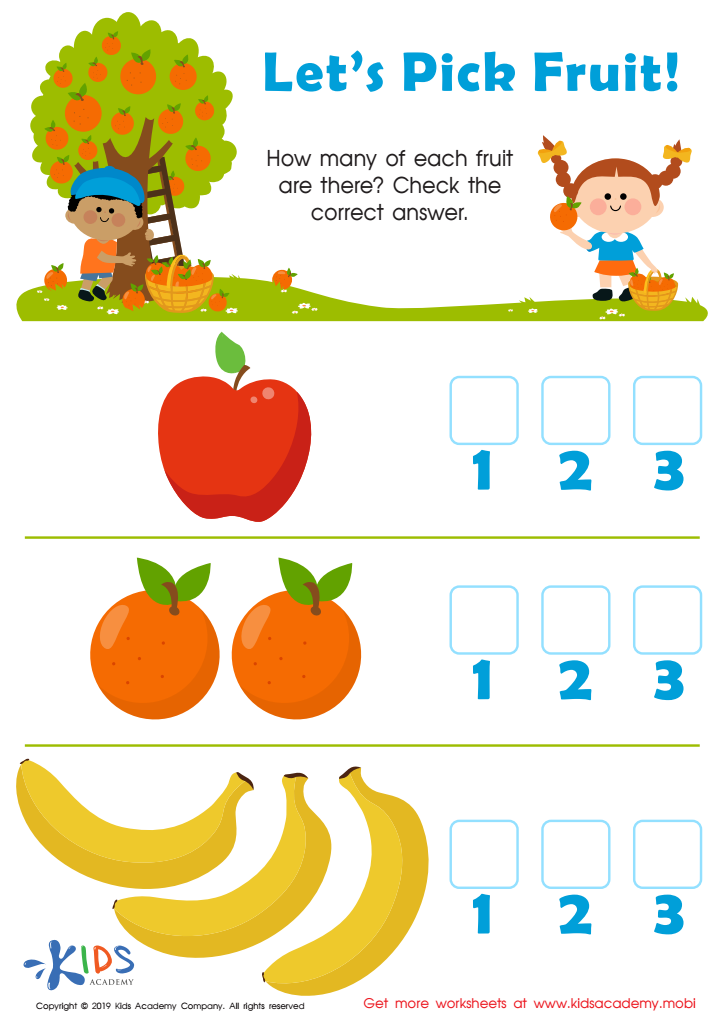
Let's Pick Fruit Worksheet
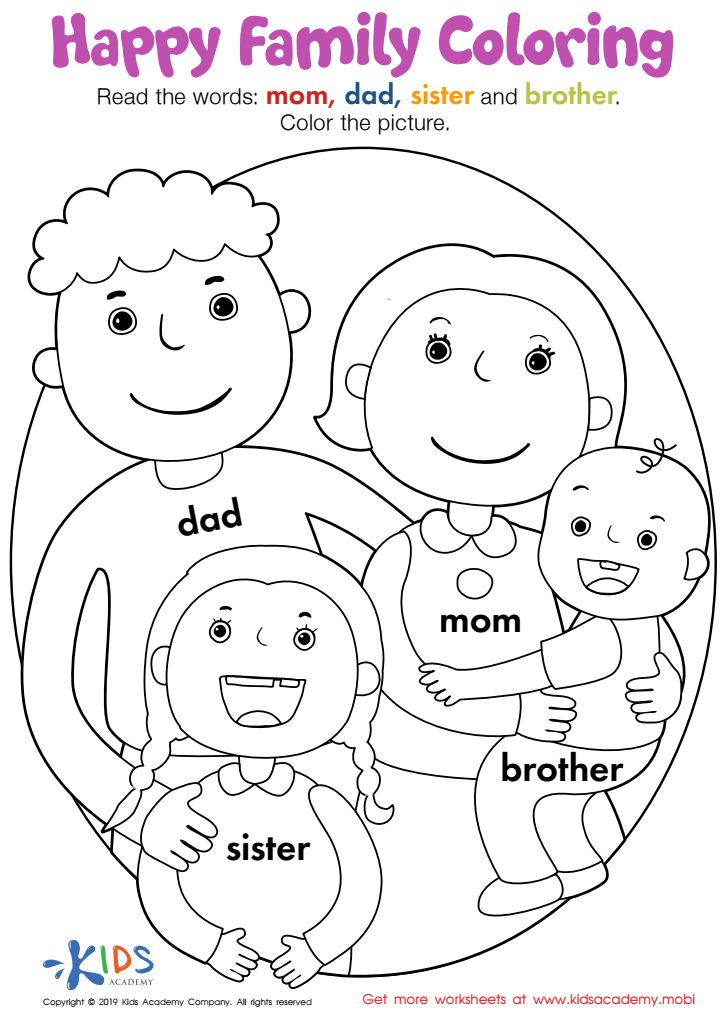
Happy Family Coloring Worksheet
Assign to My Students

Globe Coloring Page Worksheet
Assign to My Students
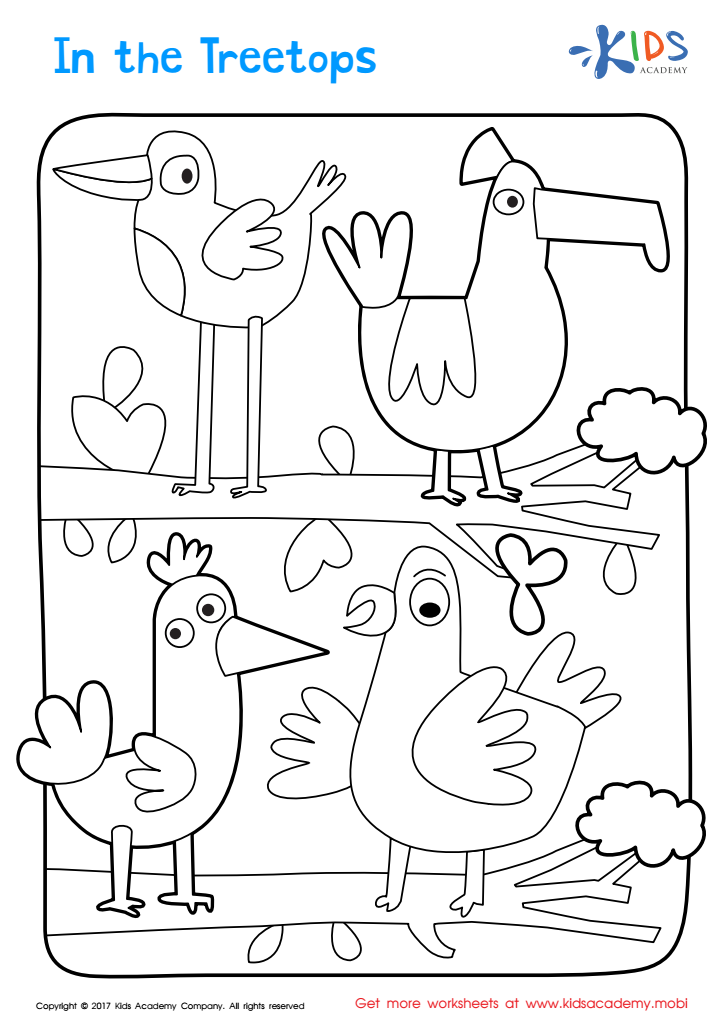
In the Treetops Coloring Page
Assign to My Students
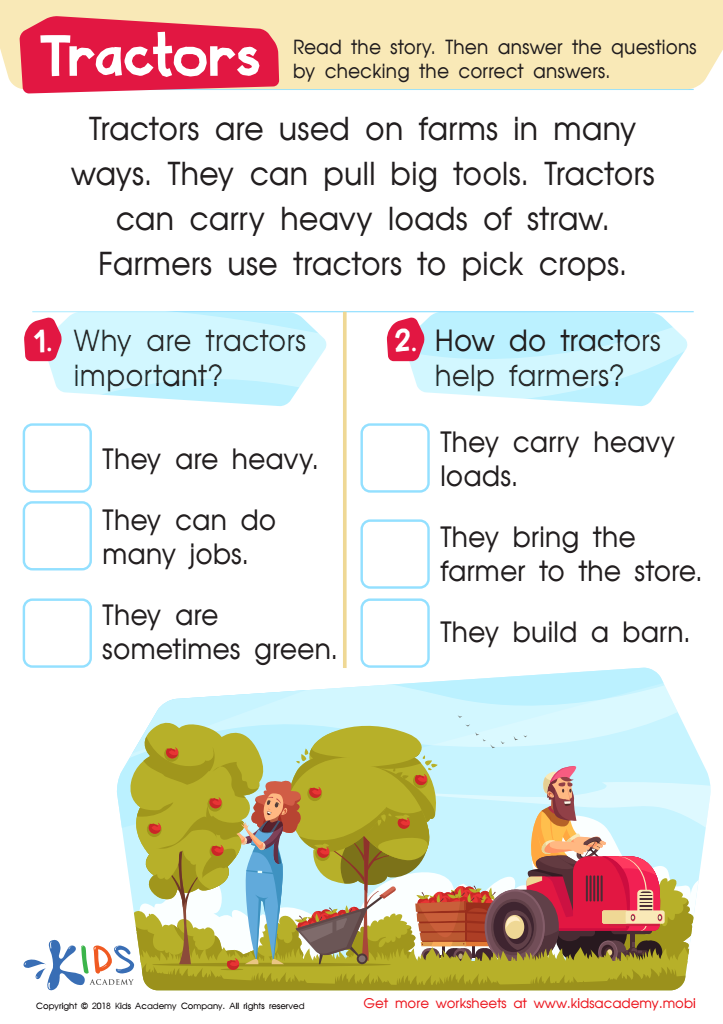
Tractors Worksheet
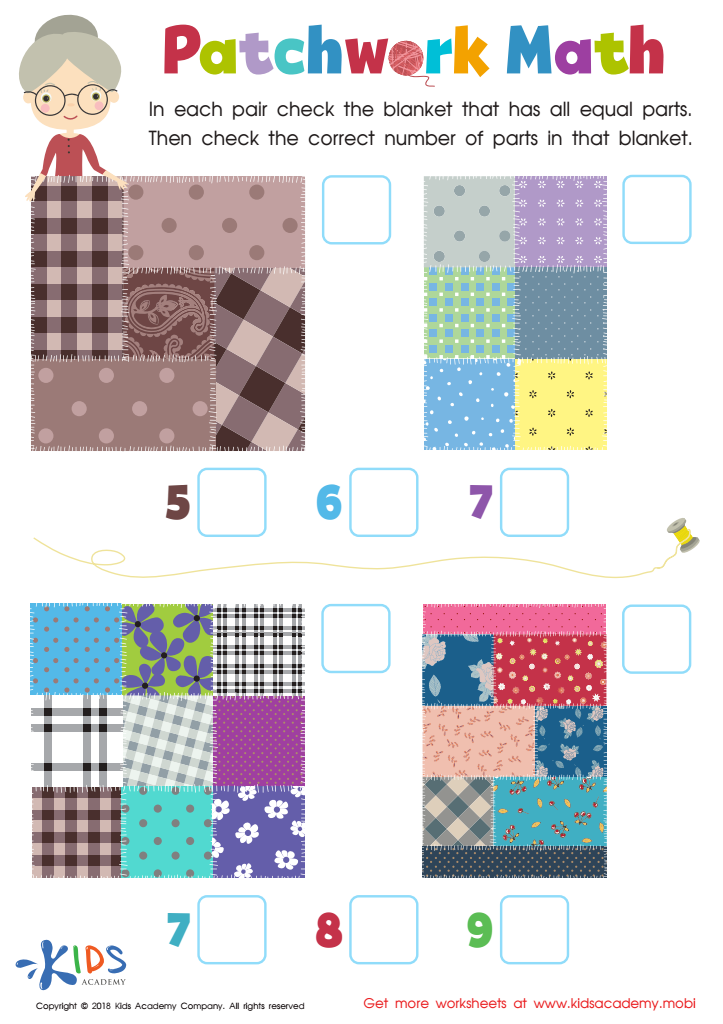
Patchwork Math Worksheet
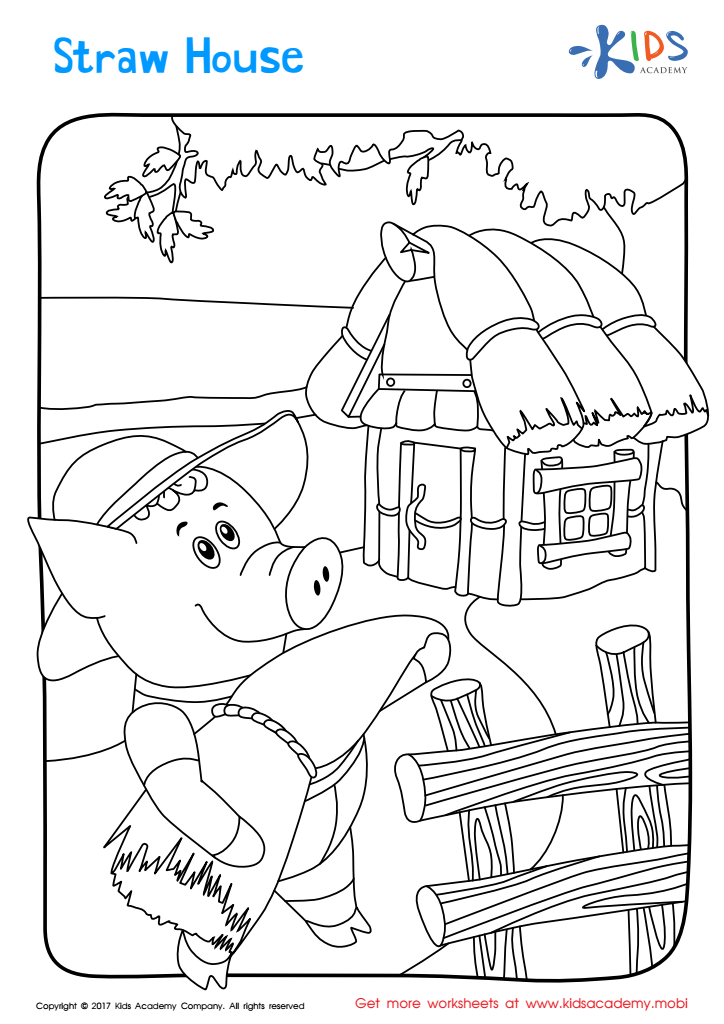
Straw House Printable Coloring Page
Assign to My Students
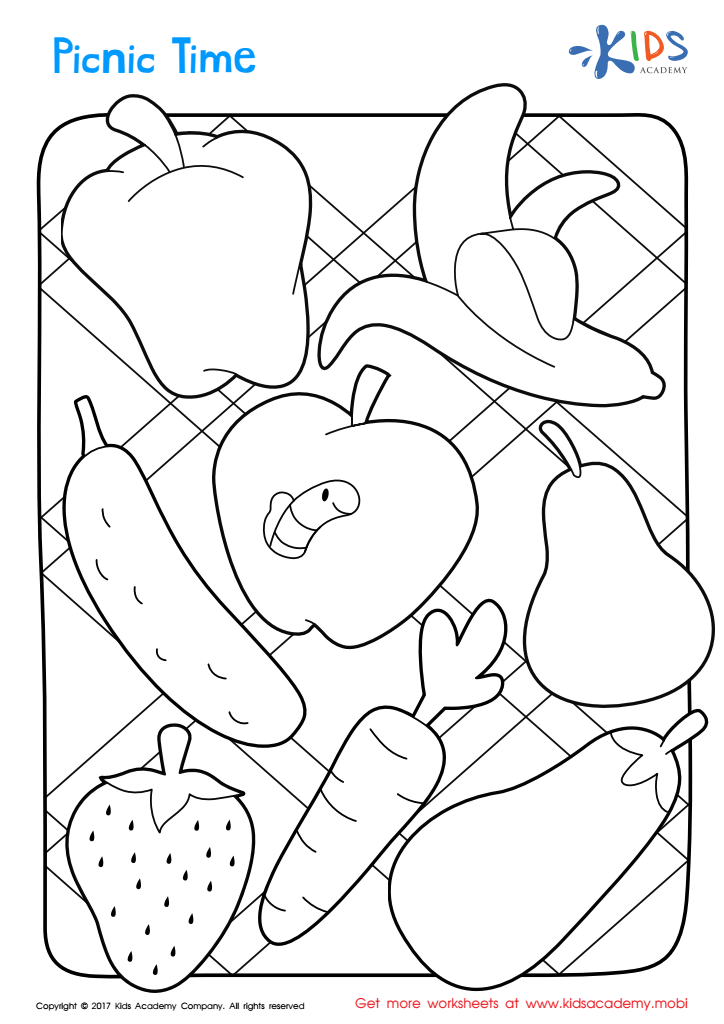
Picnic Time Coloring Page
Assign to My Students
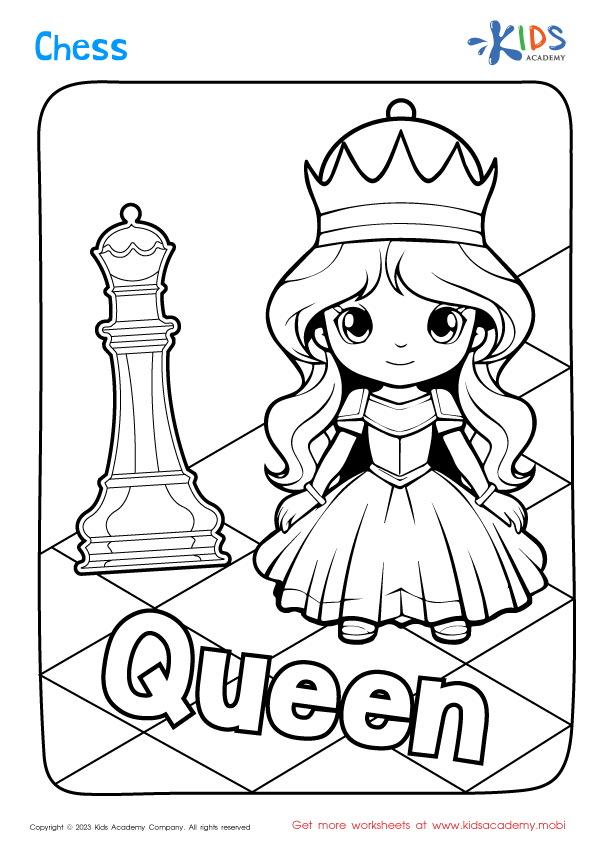








Color recognition is a vital skill for children aged 5 to 9, significantly impacting their cognitive development, language acquisition, and creativity. First, it supports the development of basic cognitive skills as children learn to identify, differentiate, and categorize colors, laying a foundation for more complex concepts in mathematics and science. Recognizing colors helps enhance their observational skills, fostering critical thinking.
Moreover, color recognition enriches language development. As children learn color names, they expand their vocabulary and improve their ability to express themselves. This linguistic growth is essential for effective communication both in and out of the classroom.
Creatively, understanding colors allows children to experiment with art and design, encouraging self-expression and innovation. It also plays a role in social contexts where colors may carry emotional or cultural significance, helping children develop social understanding.
Additionally, numerous daily activities, from choosing clothes to navigating the environment, require color recognition, making this skill practical and essential for everyday life.
Thus, parents and teachers should prioritize color recognition in early education to enhance children's overall development, paving the way for lifelong skills in communication, creativity, and critical thinking. Supporting this skill ultimately contributes to well-rounded, confident learners.








