Visual Perception Skills Easy Worksheets for Ages 5-9
5 filtered results
-
From - To
Discover fun and engaging visual perception skills worksheets designed specifically for children aged 5-9! Our easy-to-follow activities help young learners enhance their visual discrimination, figure-ground recognition, and spatial awareness. With colorful illustrations and interactive exercises, these worksheets make learning enjoyable while building essential cognitive abilities. Perfect for early learning classrooms or home study, our resources support skill development in a playful manner. Explore a variety of themes and challenges that cater to diverse learning styles, ensuring your child or student enhances their visual perception skills effectively. Dive into our collection today and watch their confidence and abilities blossom!
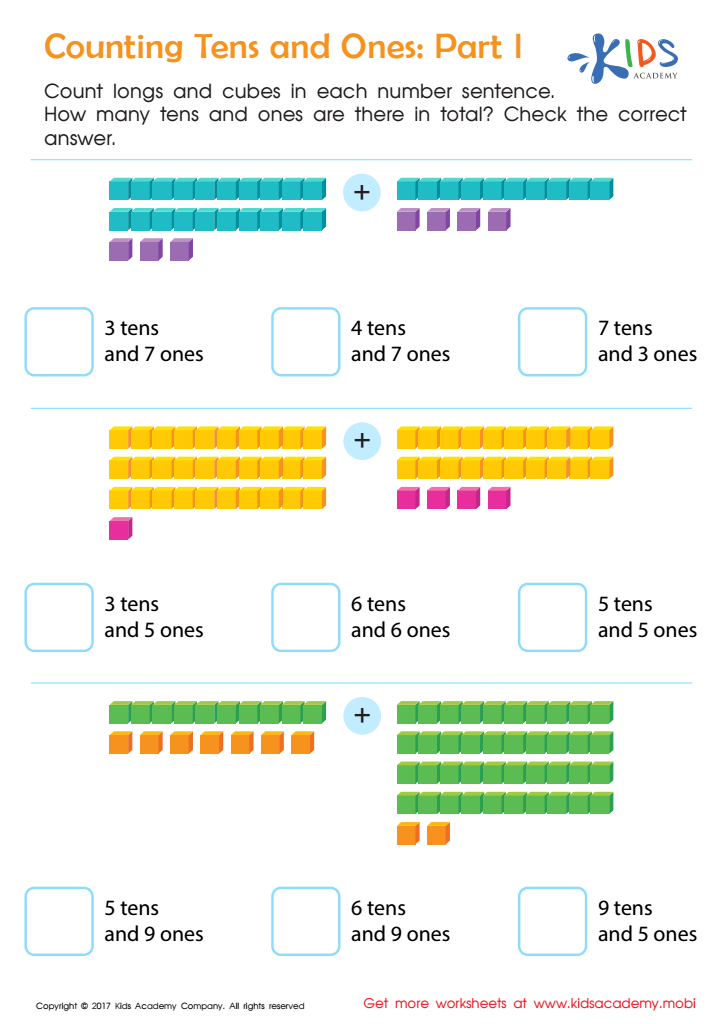
Counting Tens and Ones: Part 1 Worksheet
 Assign to My Students
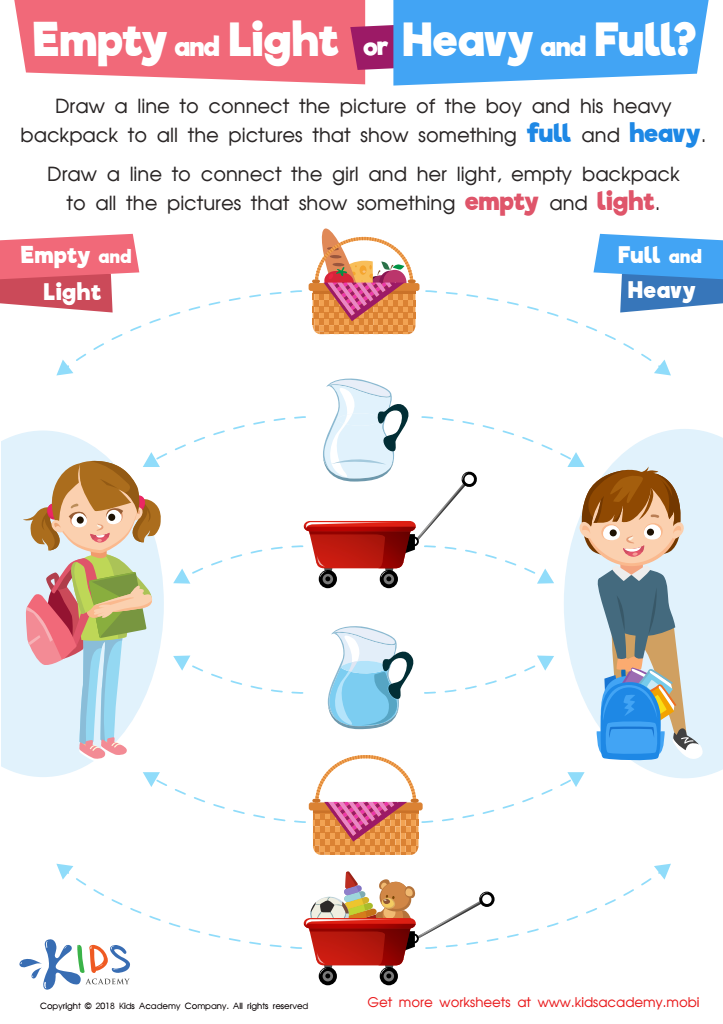
Empty and Light or Heavy and Full? Worksheet
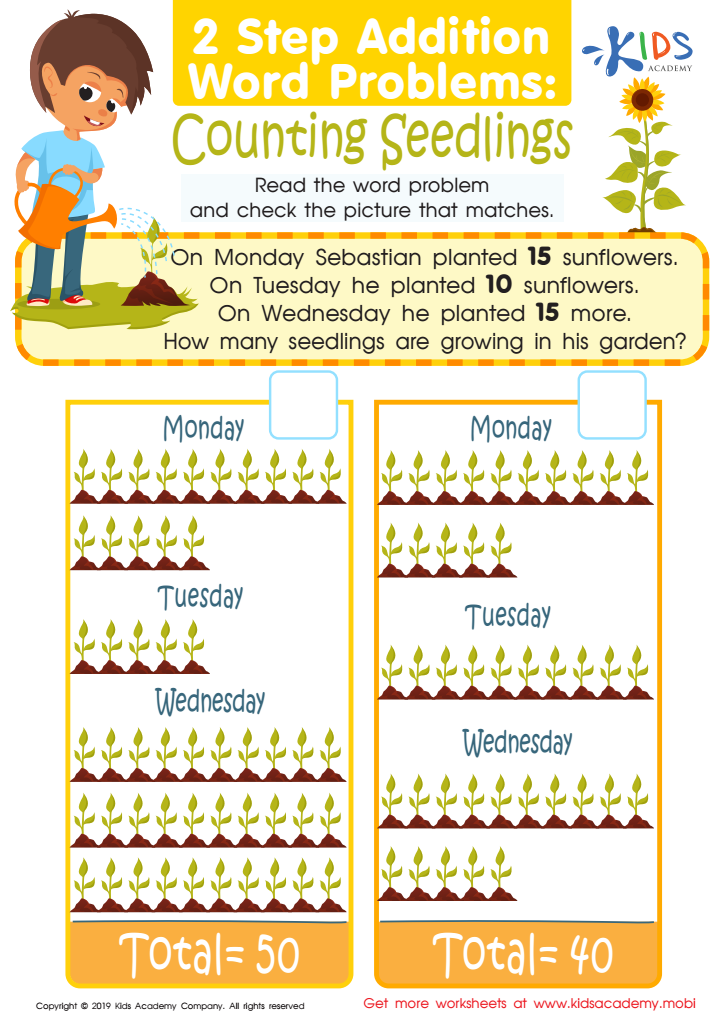
Counting Seedlings Worksheet
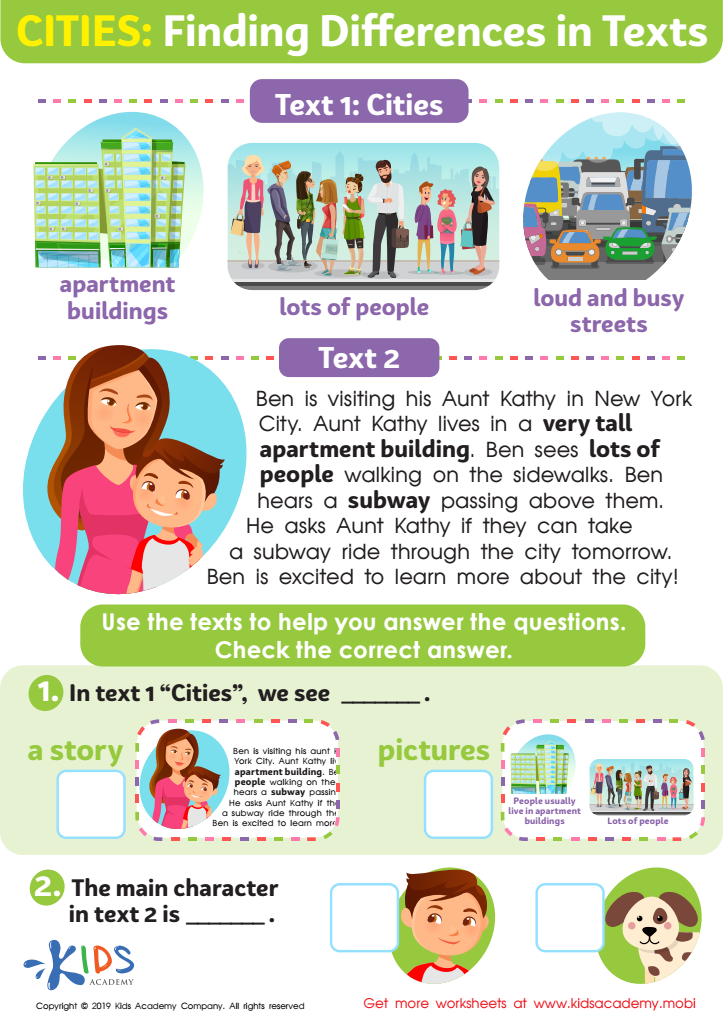
Cities: Finding Differences Worksheet
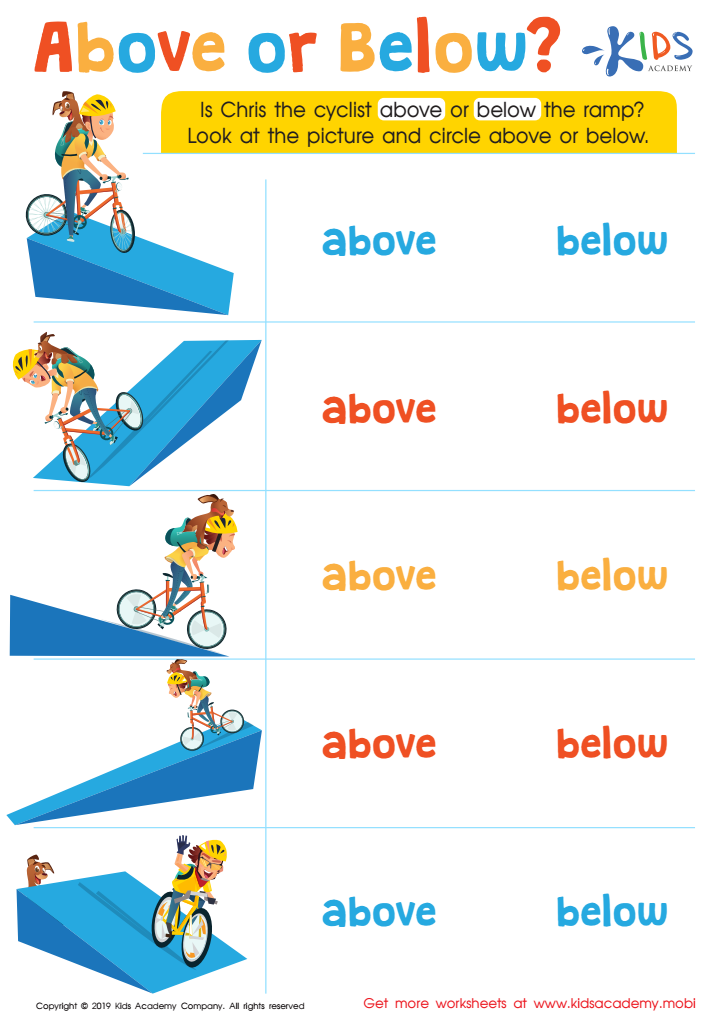
Above or Below? Worksheet




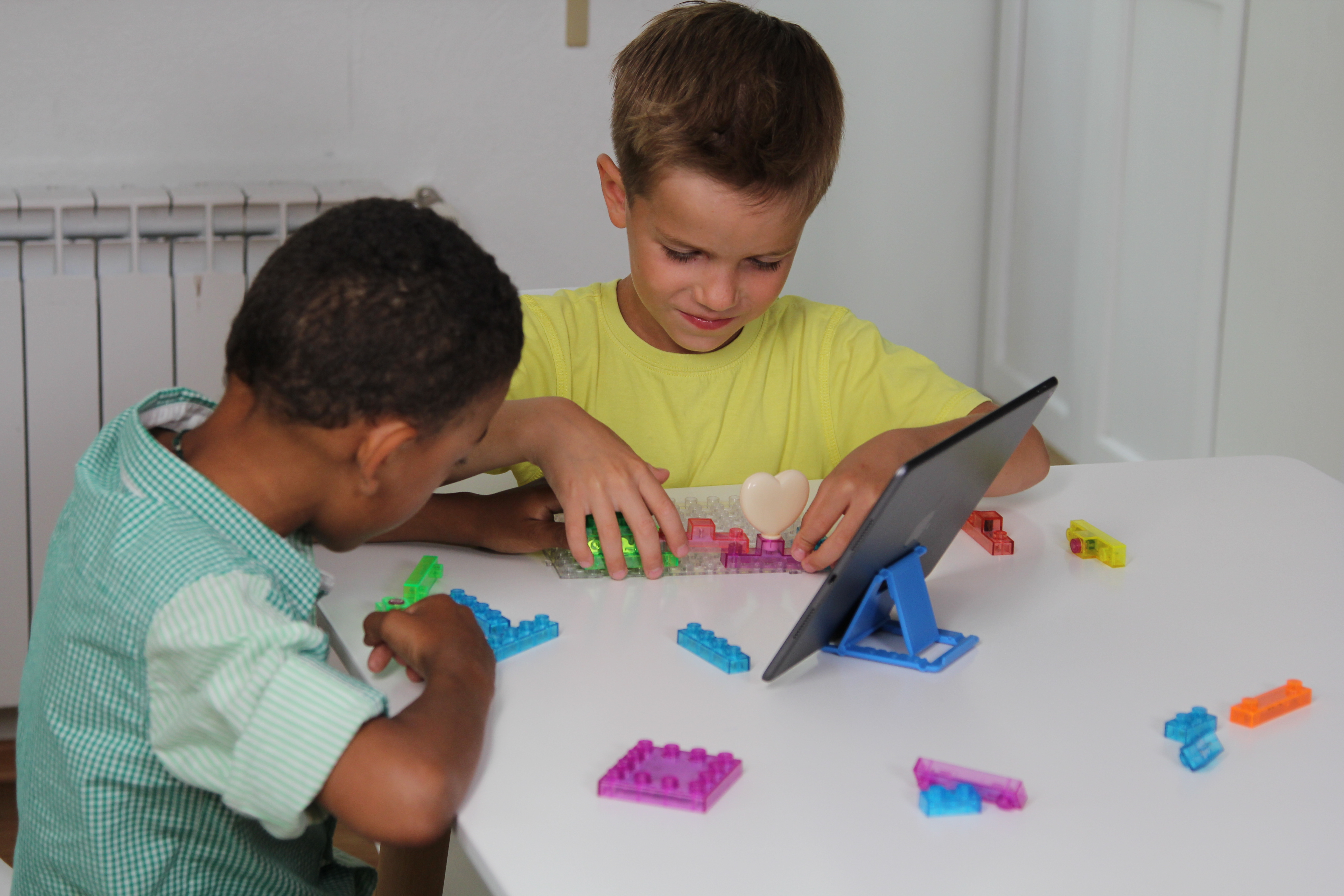



Visual perception skills are essential for children aged 5-9, as these skills significantly impact their learning and development. At this age, children are constantly exploring their environment and beginning to engage in formal education. Visual perception encompasses the ability to interpret and make sense of visual information, which is crucial for various academic tasks, including reading, writing, and math.
When parents and teachers focus on developing these skills, children become more adept at recognizing letters, shapes, and patterns, leading to better reading and comprehension abilities. Strong visual perception also supports fine motor skills, as children learn to coordinate their hand movements with what they see, enhancing their ability to write and draw.
Moreover, these skills contribute to a child’s overall cognitive development, boosting problem-solving abilities and spatial awareness. Children with strong visual perception skills are often more confident learners, as they can navigate their daily tasks with ease. In contrast, those struggling with these skills may experience frustration in school, impacting their self-esteem and enthusiasm for learning. By prioritizing visual perception skill development, parents and teachers can help create a positive foundation for lifelong learning and success.








