Fine Motor Skills Easy Math Worksheets for Ages 5-9
44 filtered results
-
From - To
Discover our engaging "Fine Motor Skills Easy Math Worksheets for Ages 5-9"! Designed to enhance both math proficiency and fine motor development, these worksheets provide varied activities that make learning fun and interactive. Each worksheet prompts children to develop crucial skills like counting, shaping, and sorting while strengthening their hand-eye coordination and dexterity. From tracing numbers to colorful manipulation tasks, our resources are ideal for early learners, whether at home or in the classroom. Perfect for reinforcing math concepts alongside physical skill-building, our easy-to-use worksheets create a well-rounded learning experience for children aged 5 to 9. Explore and watch your child excel!

Number 10 Printable
 Assign to My Students
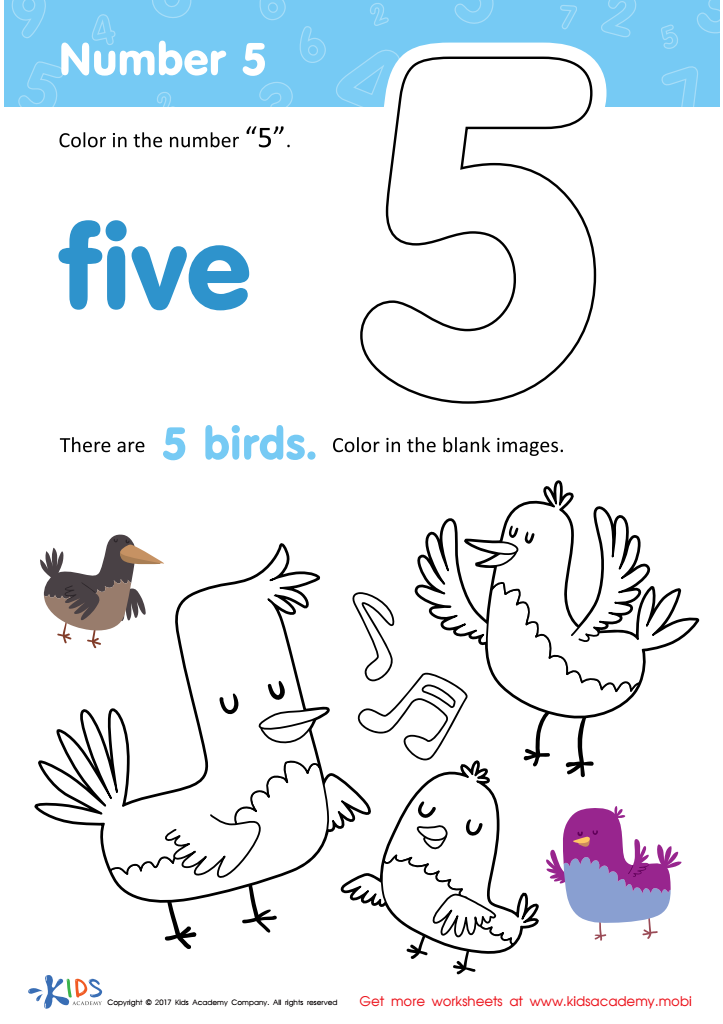
Number 5 Printable
Assign to My Students
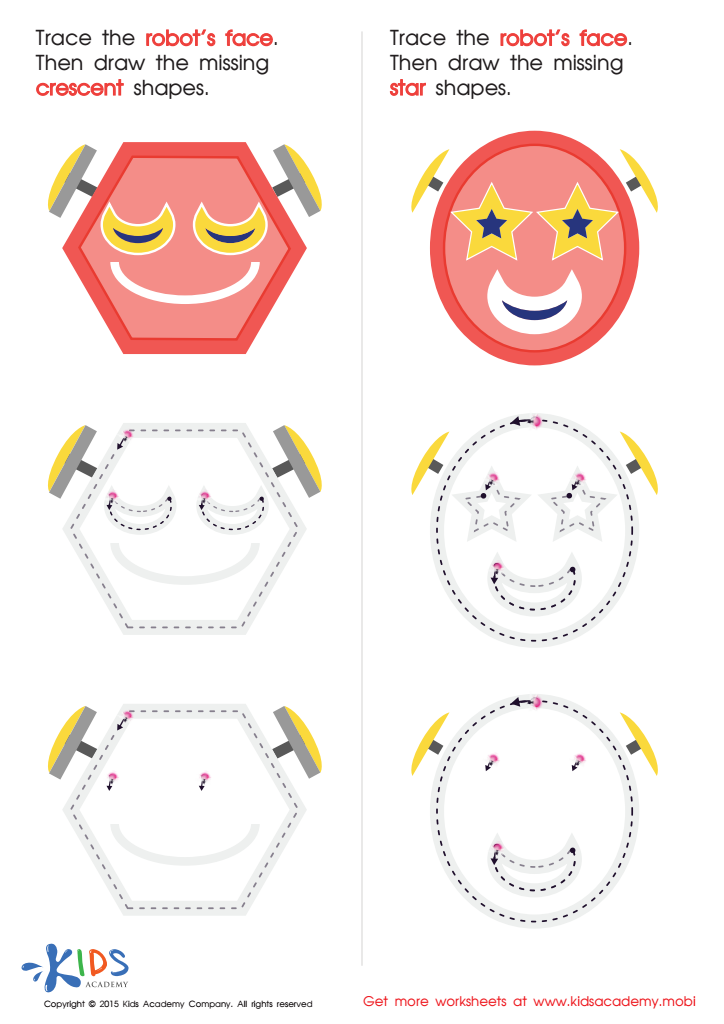
Composing a Robot's Face of Crescents And Stars Worksheet
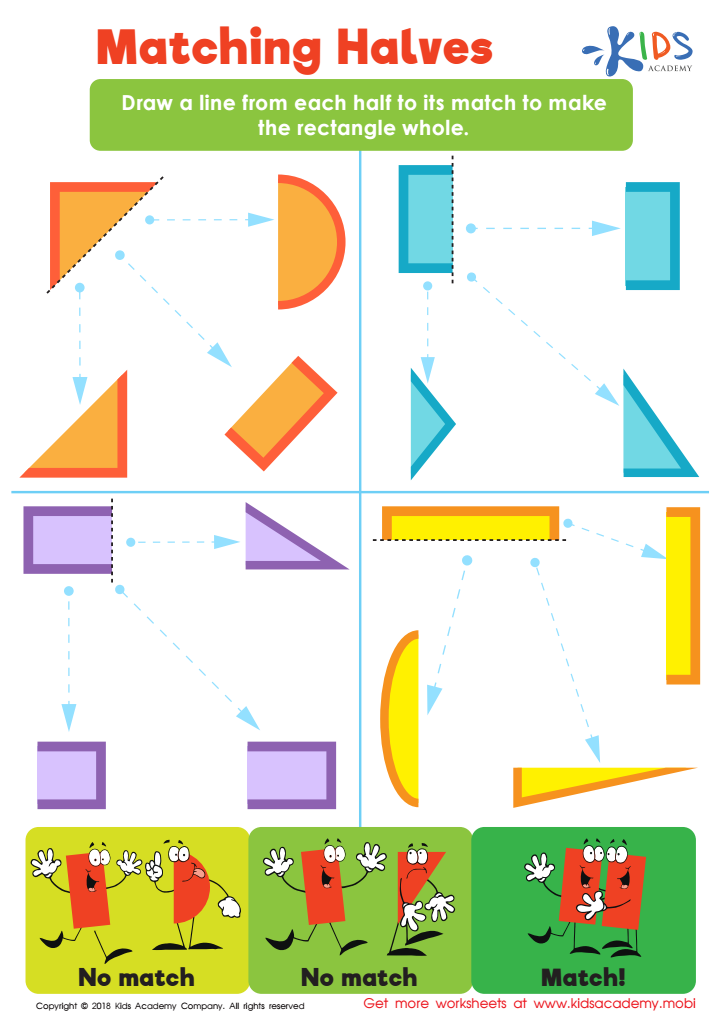
Matching Halves Worksheet
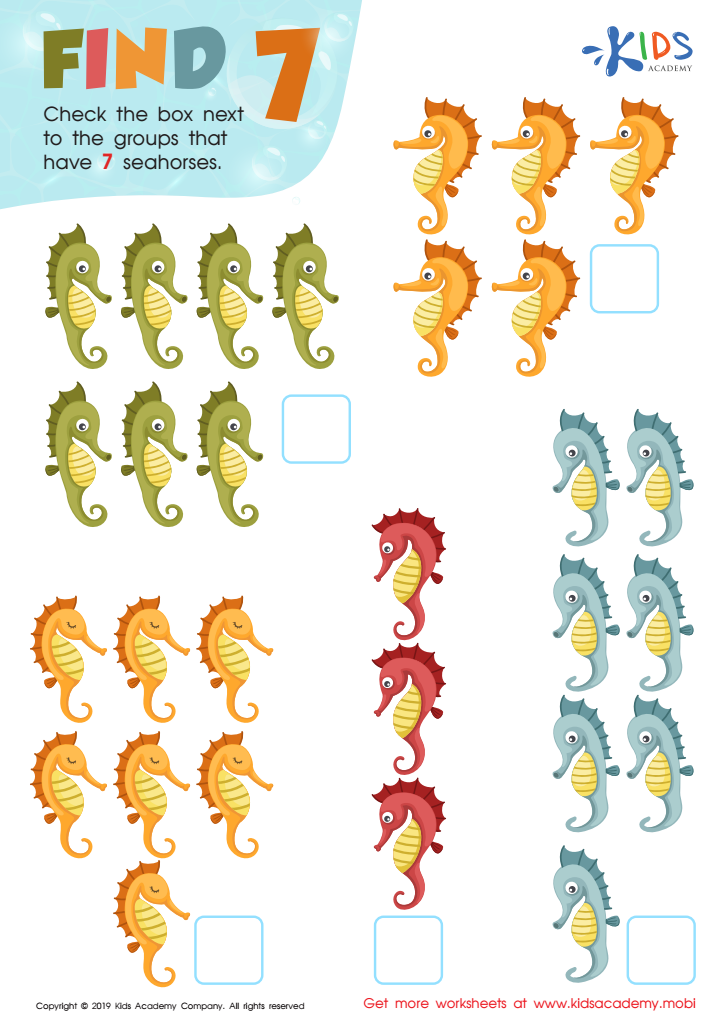
Find 7 Worksheet
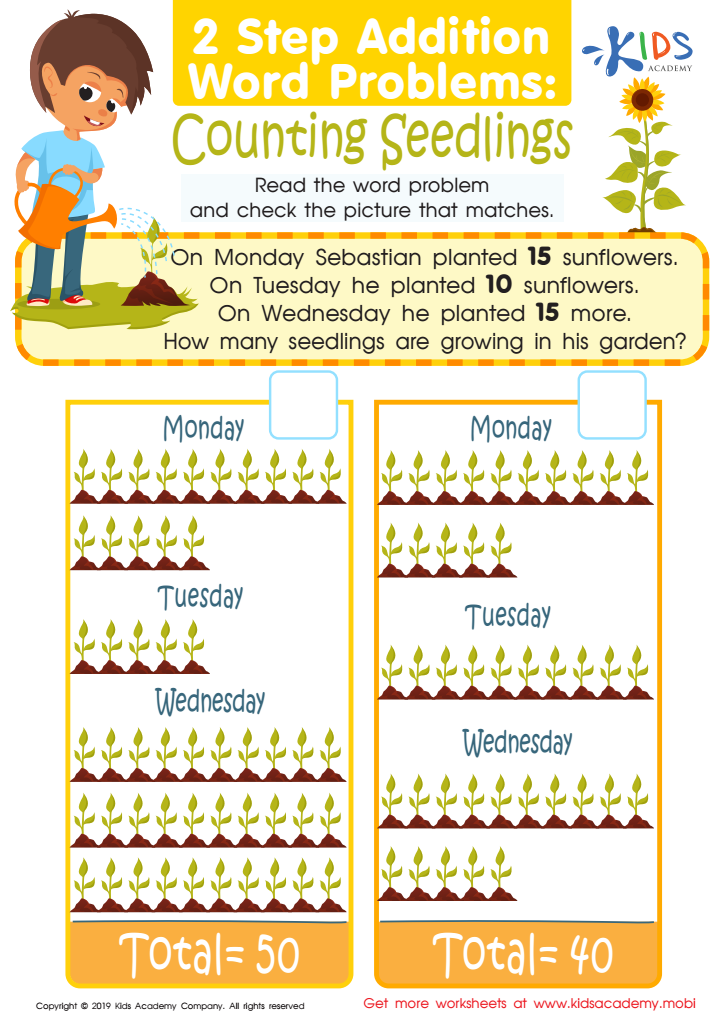
Counting Seedlings Worksheet
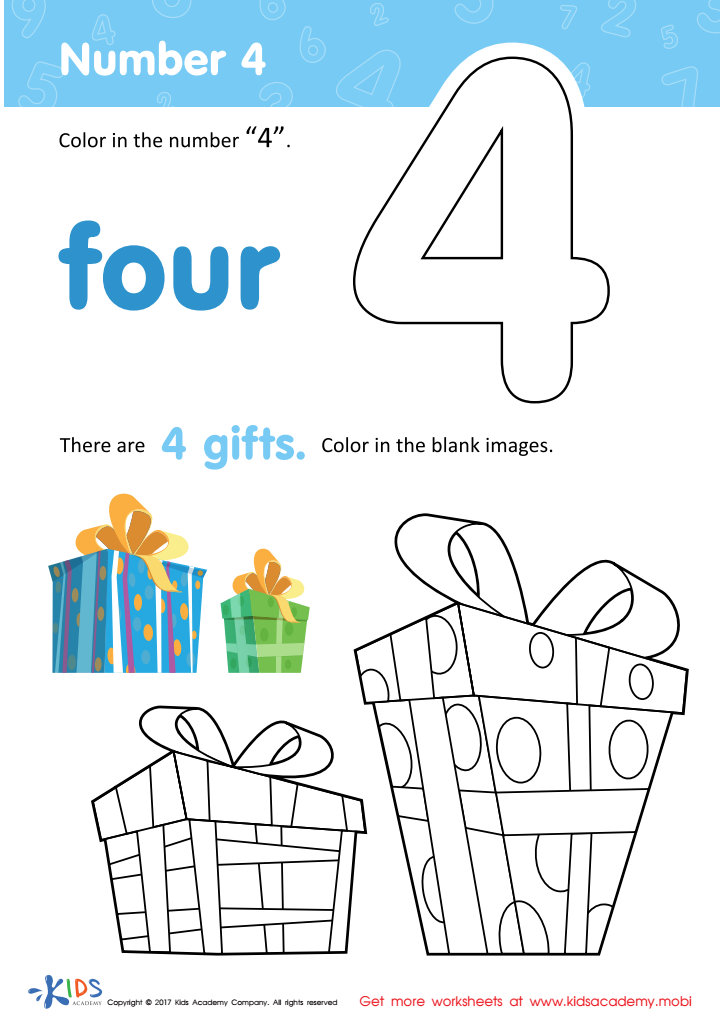
Number 4 Printable
Assign to My Students

Find 7 Eggs Worksheet
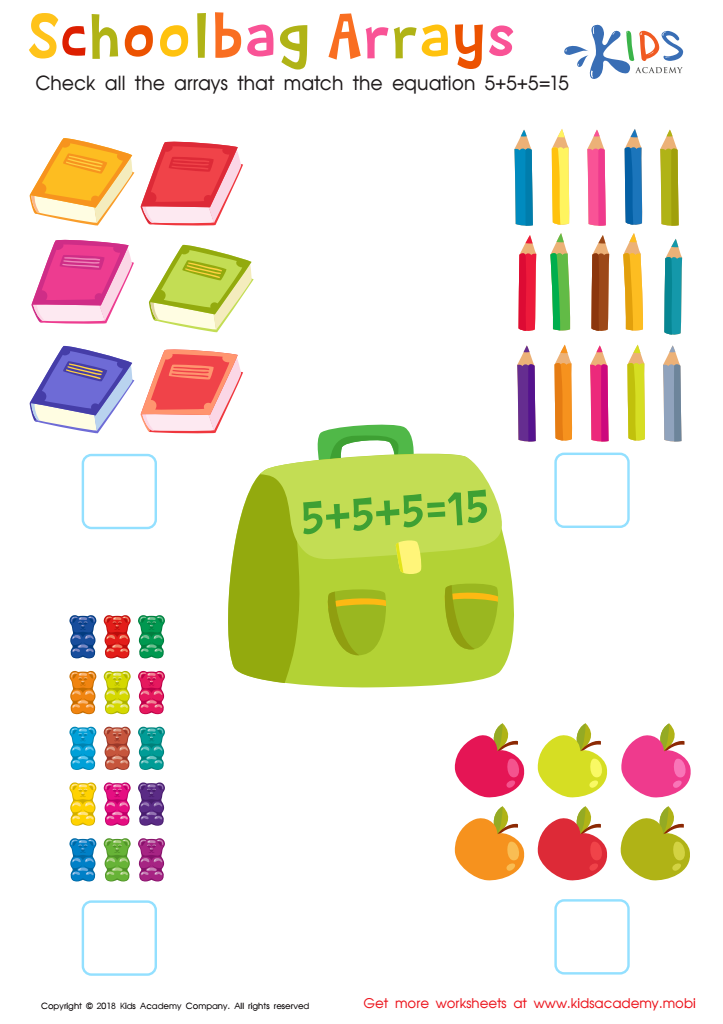
Schoolbag Arrays Worksheet
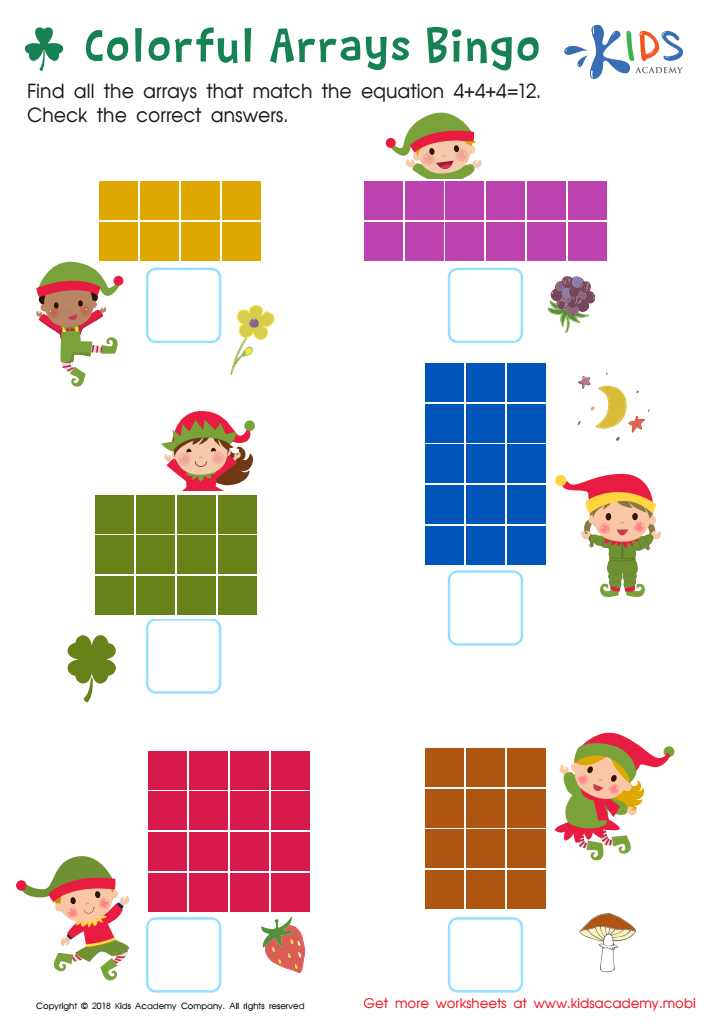
Colorful Arrays Bingo Worksheet
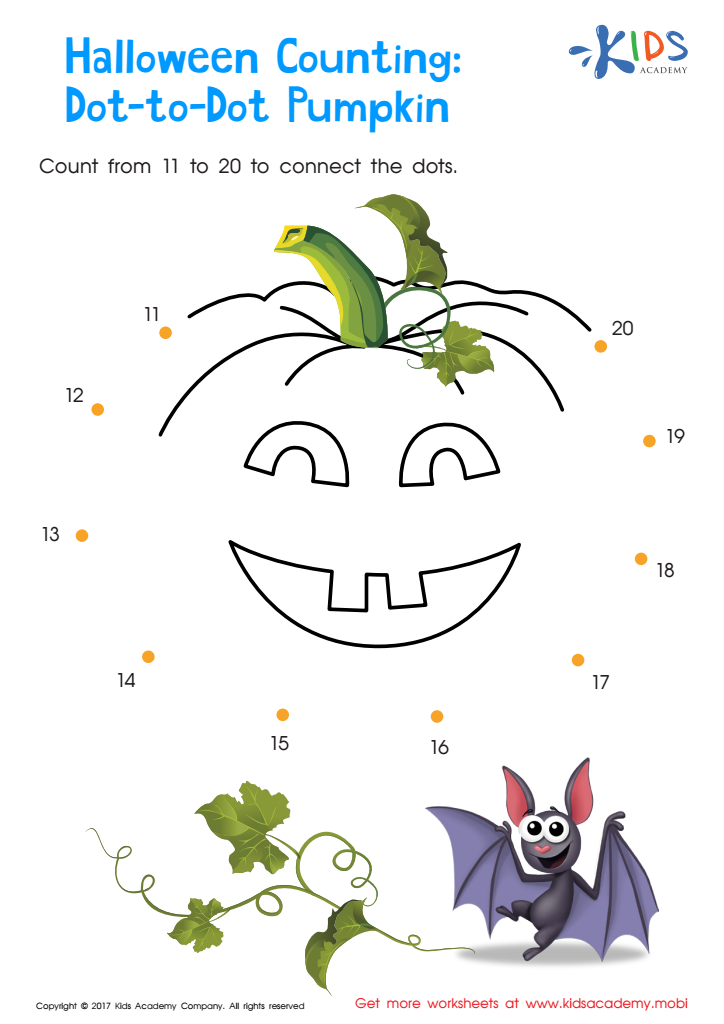
Ordering 11–20: Halloween Counting Worksheet
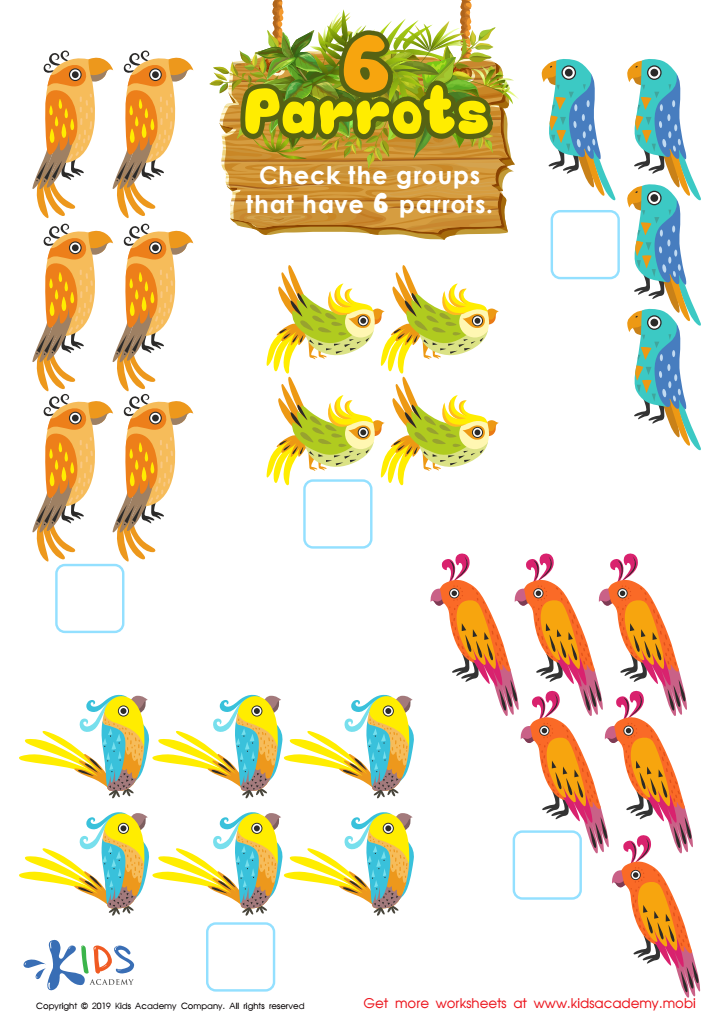
6 Parrots Worksheet
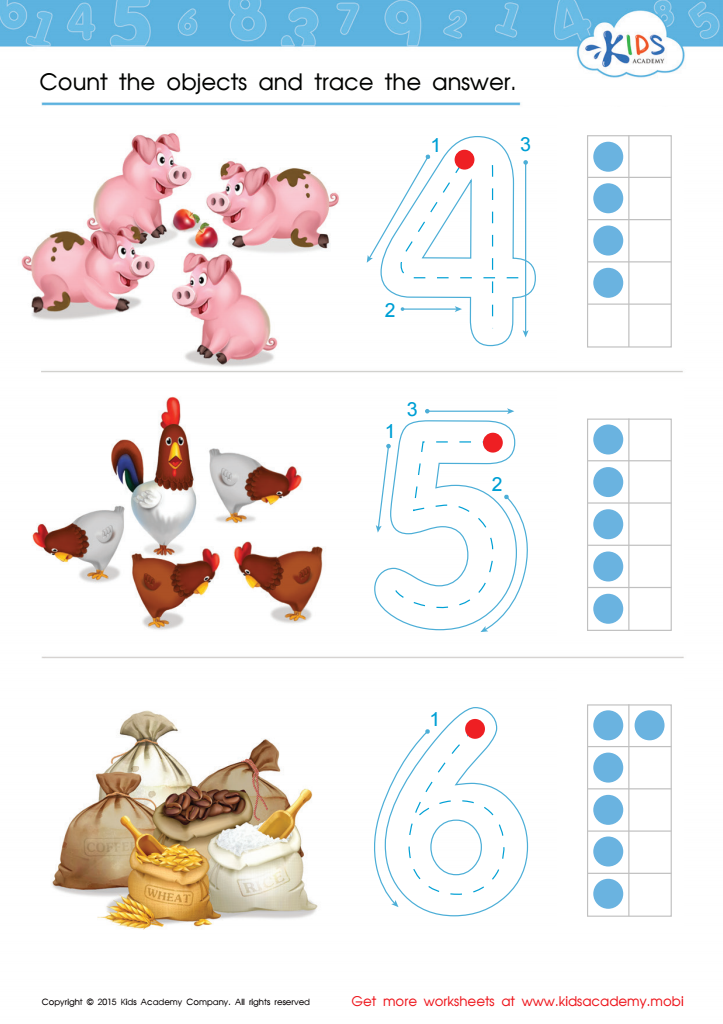
Count and Trace 4 – 6 Worksheet
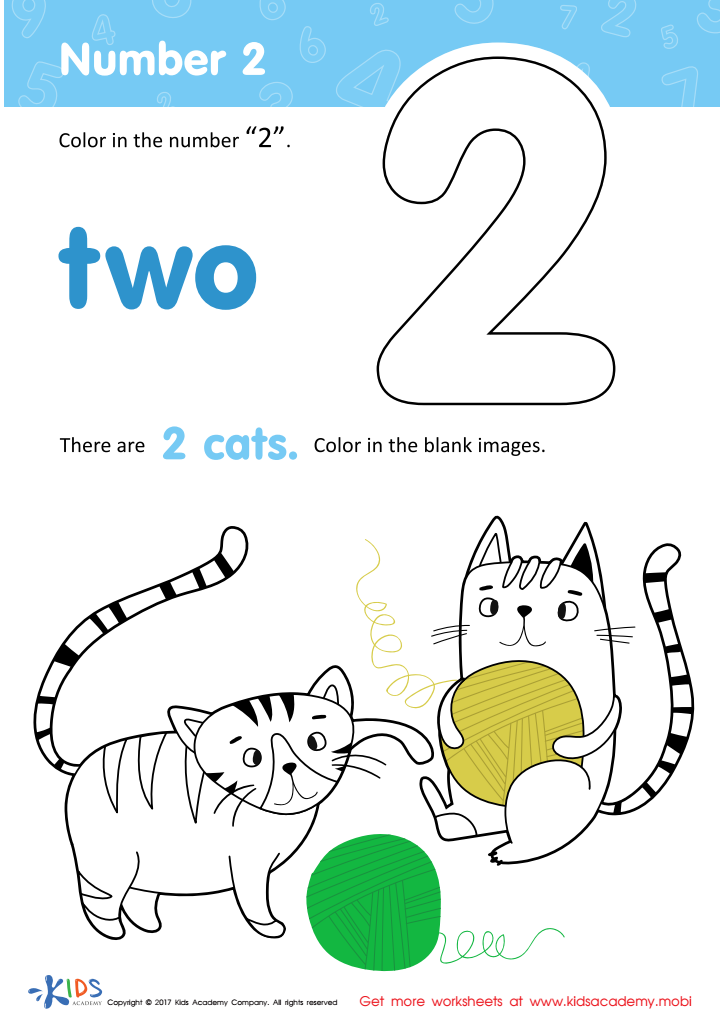
Number 2 Printable
Assign to My Students
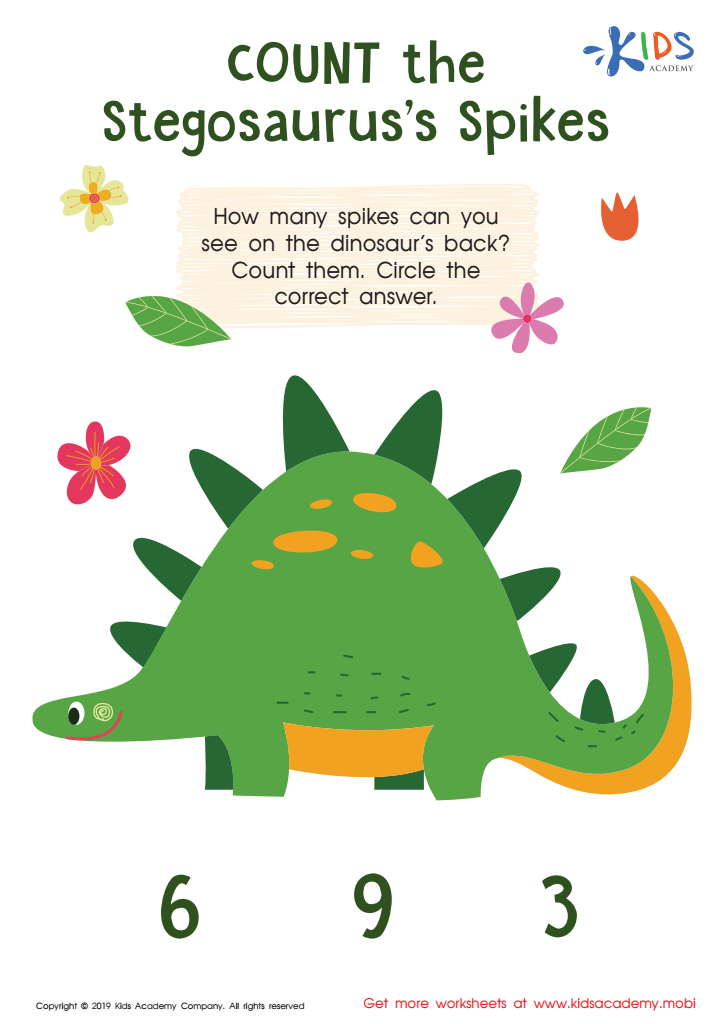
Count the Stegosaurus's Spikes Worksheet
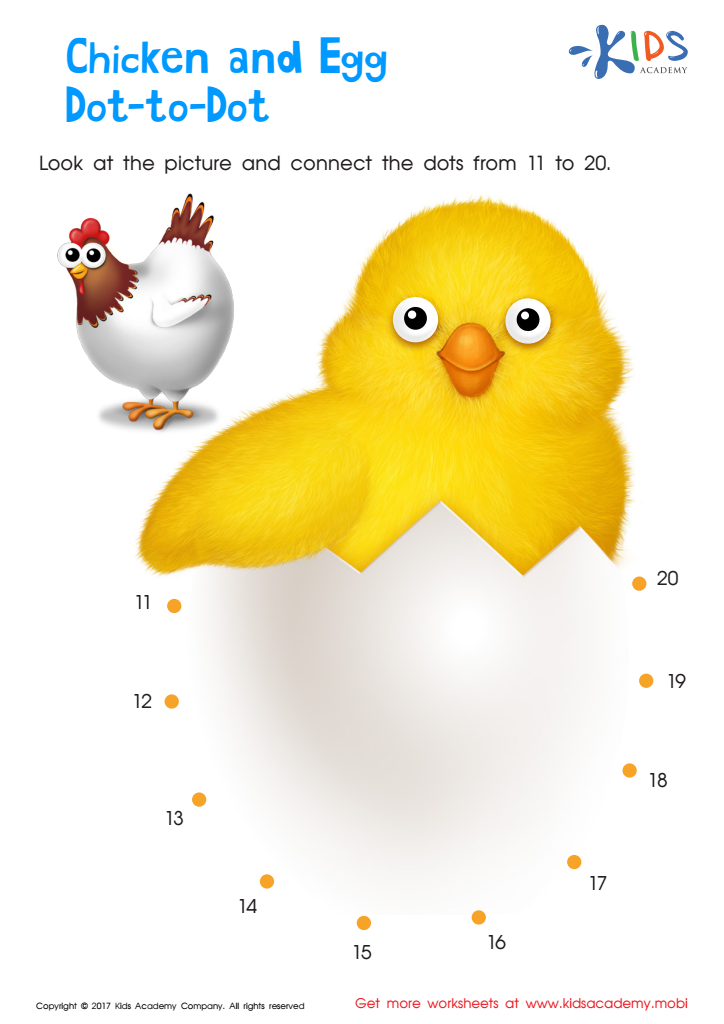
Ordering 11–20: Chicken & Egg Dot–to–dot Worksheet
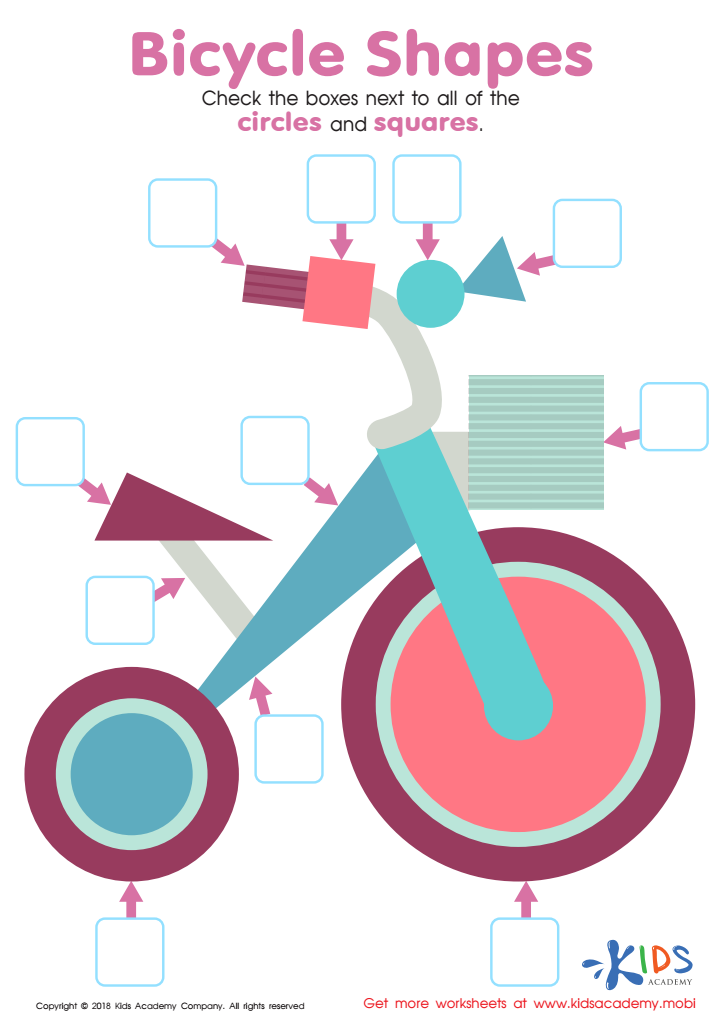
Bicycle Shapes Worksheet
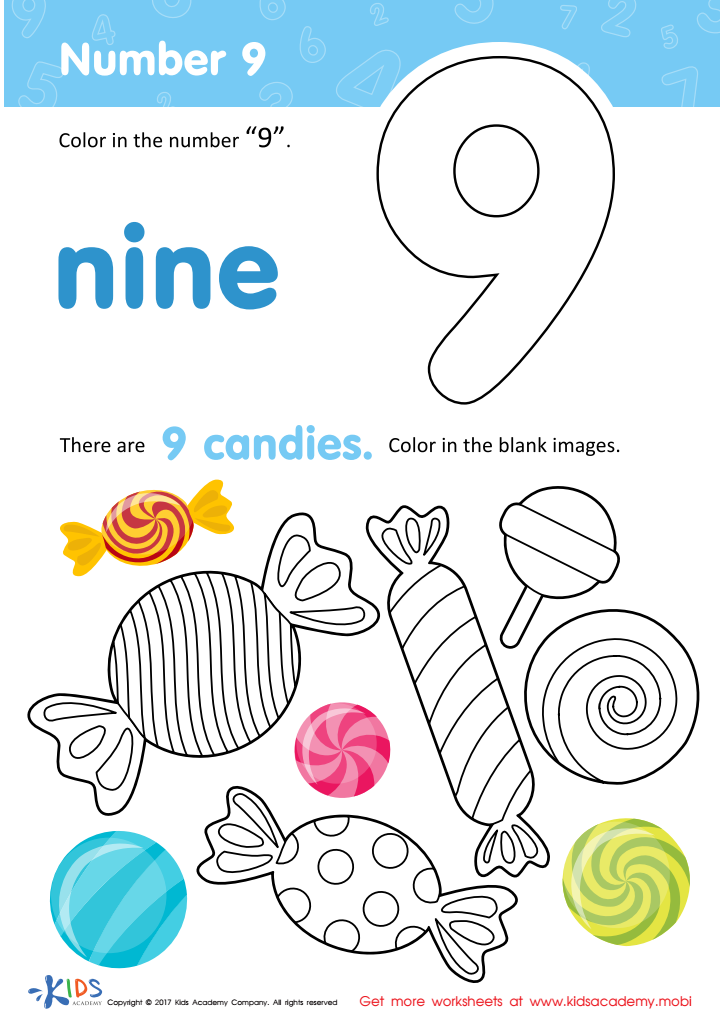
Number 9 Printable
Assign to My Students
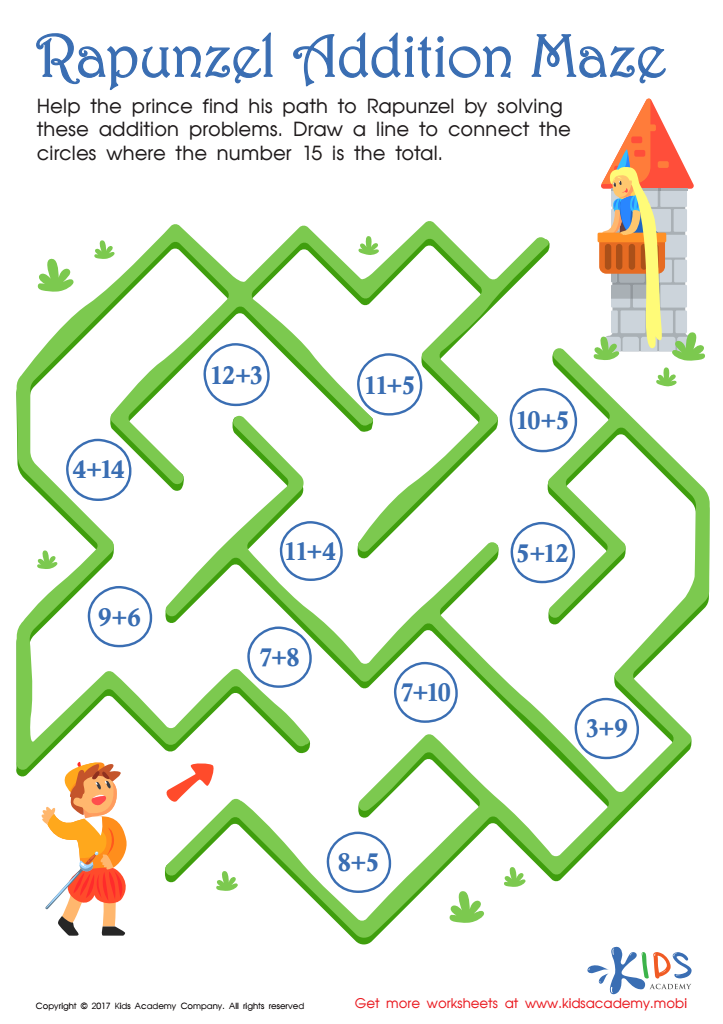
Rapunzel Addition Maze Worksheet
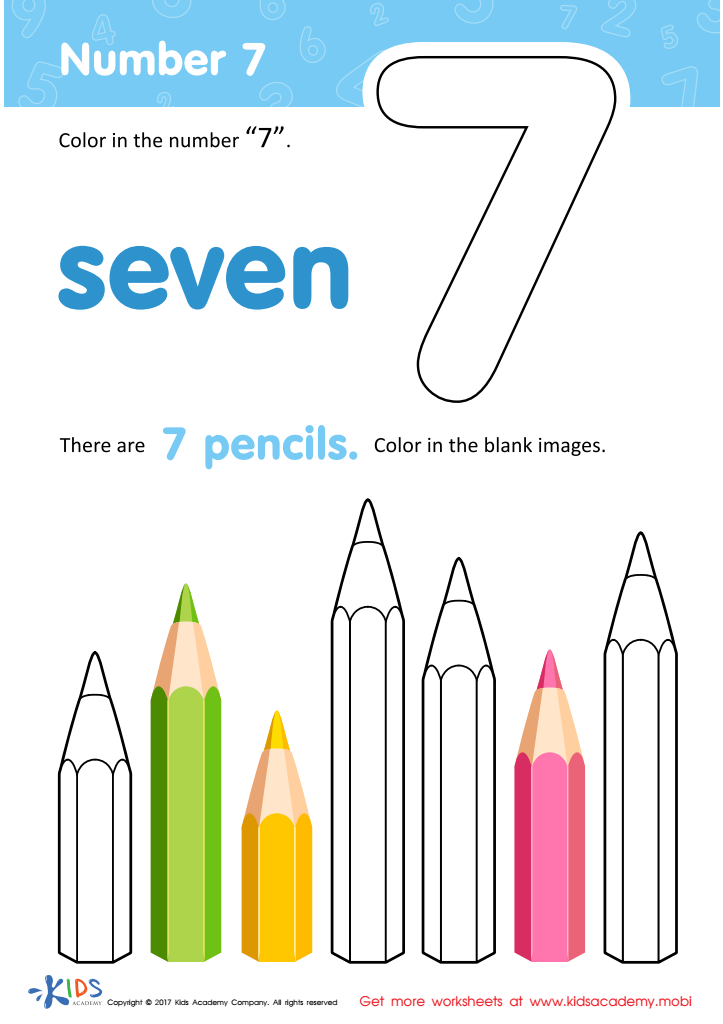
Number 7 Worksheet
Assign to My Students
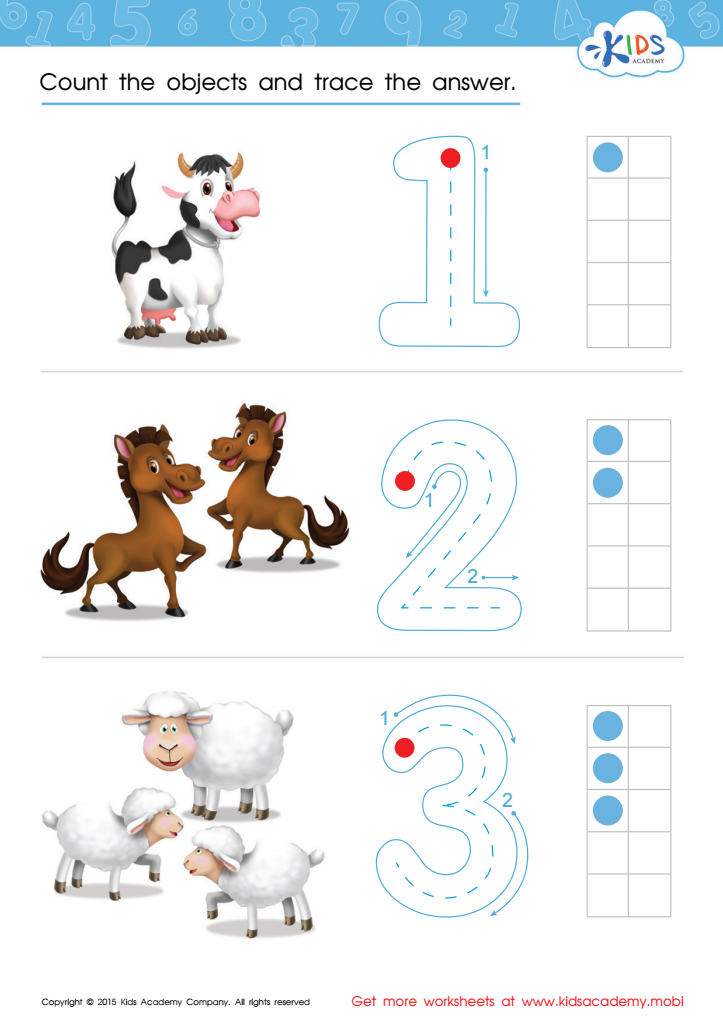
Count and Trace 1 – 3 Worksheet

Line up the Tigers Worksheet
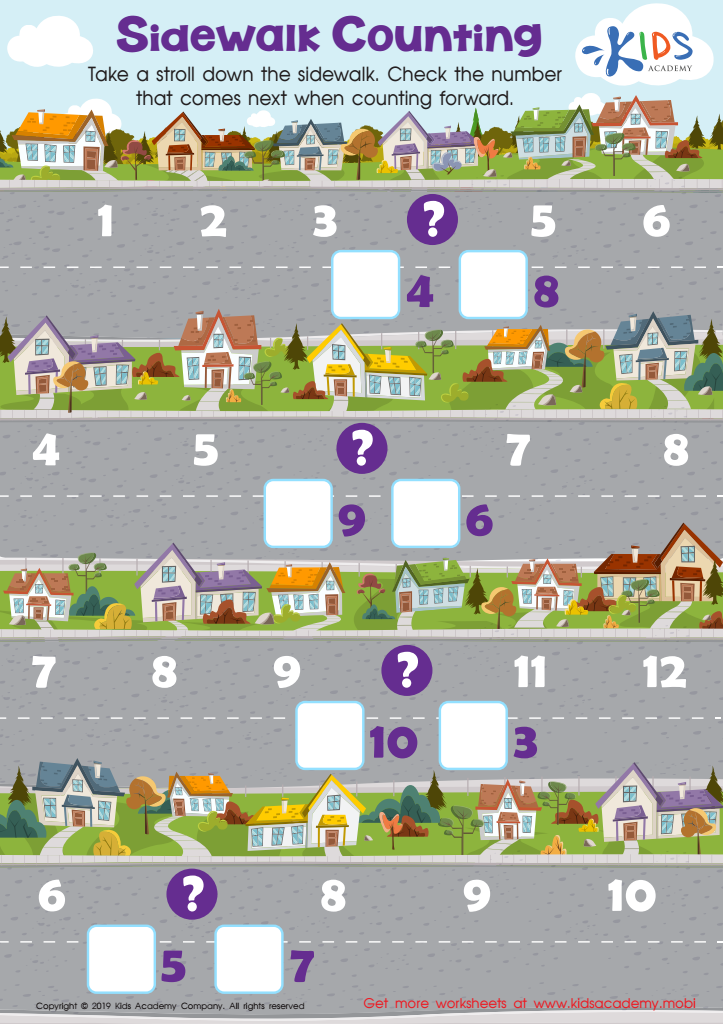
Sidewalk Counting Worksheet
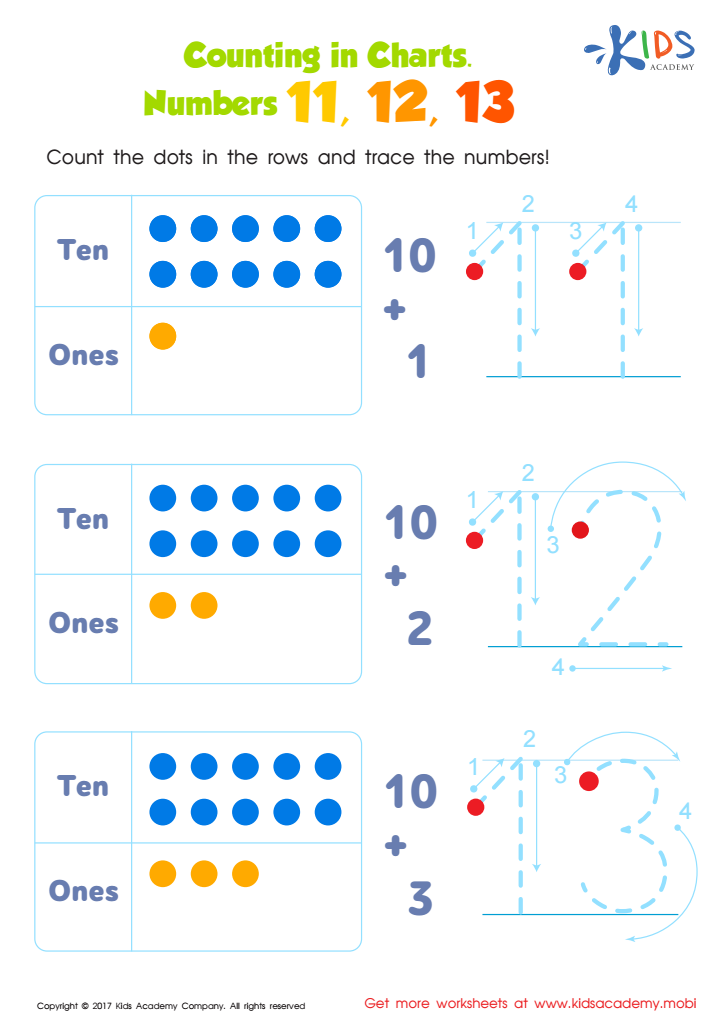
Number Tracing Worksheet For Kindergarten




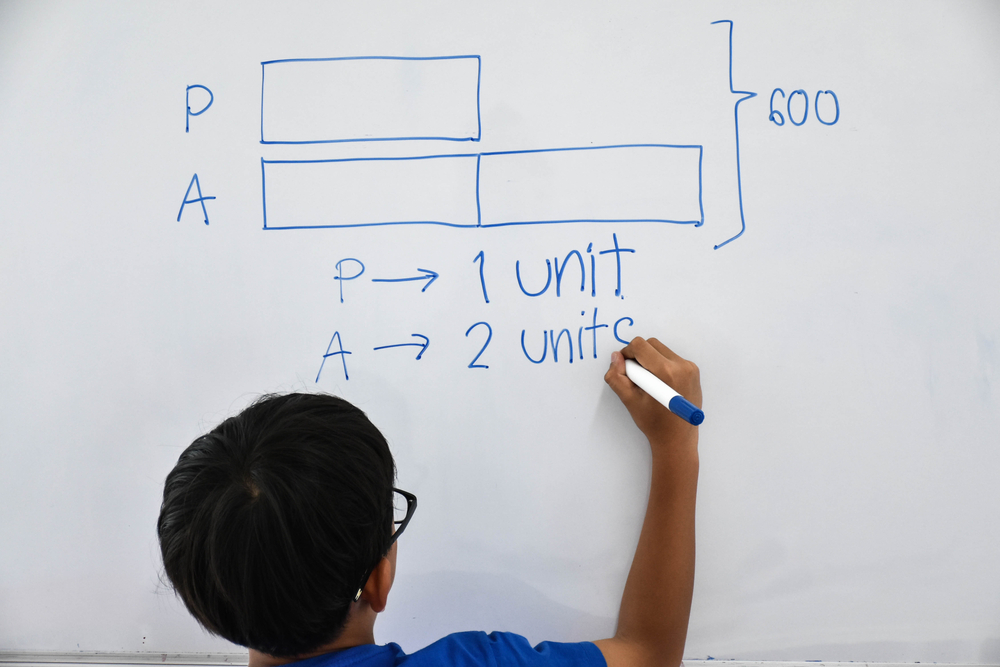



Fine motor skills are crucial for children's overall development, particularly in the early stages of learning. They encompass the small muscle movements required for tasks like writing, drawing, cutting, and manipulating objects. For children aged 5-9, having strong fine motor skills significantly enhances their ability to engage with math concepts in a fun and interactive way.
Fine motor skills contribute to children's confidence and independence as they navigate everyday activities and academic tasks. When children can easily grasp a pencil, cut shapes, or manipulate counters, they are more likely to feel empowered to tackle challenging math problems. This can foster a positive attitude toward math, paving the way for lifelong learning in mathematics.
Moreover, fine motor skills facilitate hands-on exploration of mathematical concepts, such as counting and sorting. Activities like building with blocks or using math manipulatives help reinforce understanding while improving dexterity. Teachers and parents should prioritize activities that enhance these skills because they create a strong foundation for future academic success, promoting not only mathematical proficiency but also critical thinking and problem-solving abilities. Supporting fine motor skill development through engaging, play-based activities ensures children are well-prepared for more complex learning challenges ahead.








