Fine Motor Skills Easy Worksheets for Ages 6-8 - Page 4
78 filtered results
-
From - To

Counting on the City Skyline: Dot-to-Dot Worksheet
 Assign to My Students
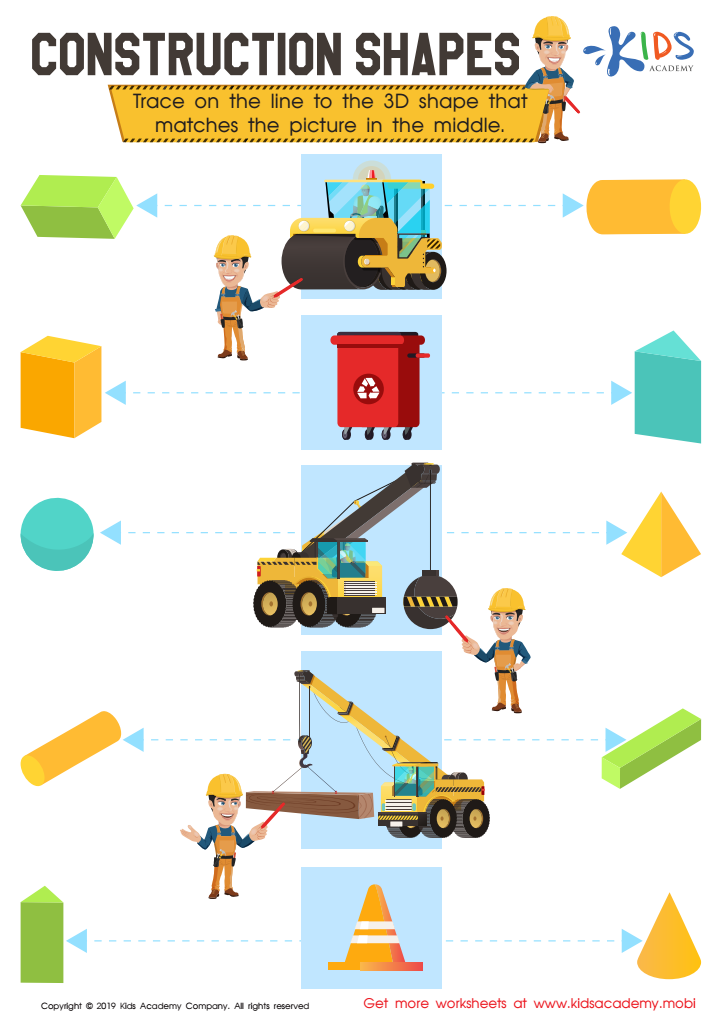
Construction Shapes Worksheet
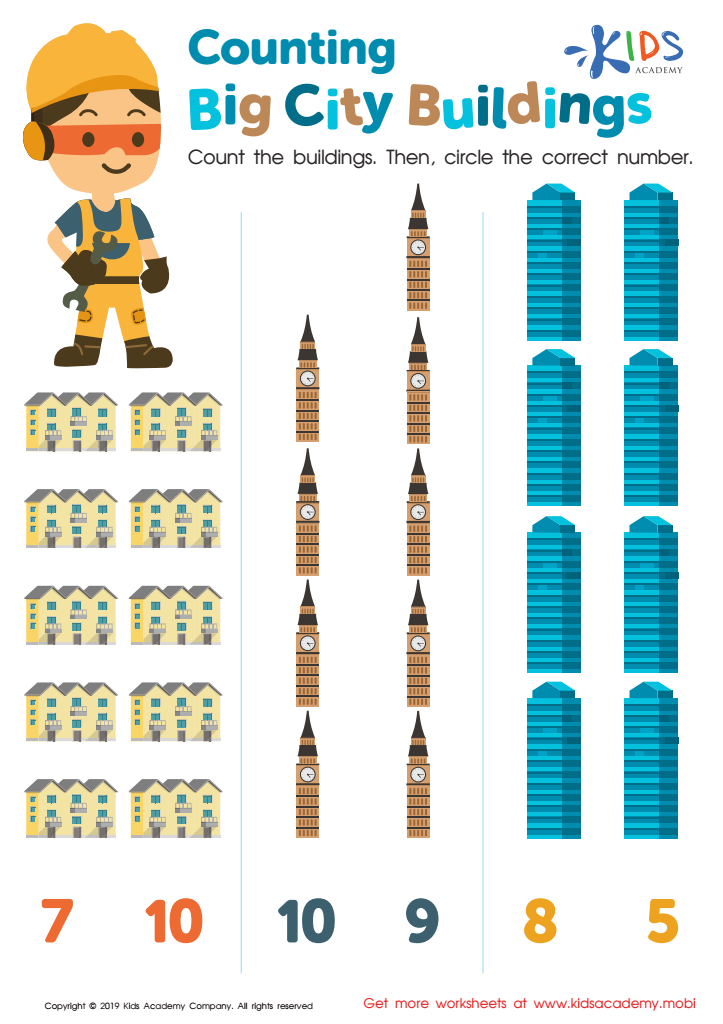
Counting Big City Buildings Worksheet

Night Sky Numbers Worksheet








Fine motor skills refer to the coordinated movements of small muscles, particularly in the hands and fingers. For children ages 6-8, developing these skills is crucial for several reasons. First, fine motor skills help children perform everyday tasks, such as writing, tying shoelaces, and using utensils. This independence boosts their confidence and self-esteem.
Second, strong fine motor skills are linked to academic success. As children begin writing more fluently and engaging in arts and crafts, they find it easier to express their ideas and creativity. Activities that promote fine motor development—such as drawing, cutting, and building—also enhance cognitive skills and problem-solving abilities.
Moreover, engaging in fine motor activities provides an opportunity for social interactions. Children can work cooperatively on projects, learning to share, take turns, and communicate effectively.
Lastly, parents and teachers play a critical role in fostering these skills through fun and engaging activities that keep children motivated. The development of fine motor skills has a ripple effect on overall learning and social skills, making it essential for caregivers to prioritize and support this area of growth in young children.








