Reading practice Easy Worksheets for Ages 6-8
4 filtered results
-
From - To
Discover our engaging reading practice worksheets designed specifically for kids aged 6 to 8! These easy worksheets offer fun and interactive ways to enhance reading skills, boost comprehension, and increase vocabulary. Perfect for both classroom and at-home learning, they include a variety of activities such as matching, fill-in-the-blanks, and short comprehension questions. Our resources are tailored to meet the developmental needs of early readers, making learning enjoyable and effective. Help your child build confidence in their reading abilities while developing a lifelong love for books. Explore our collection today and watch your young learner thrive!
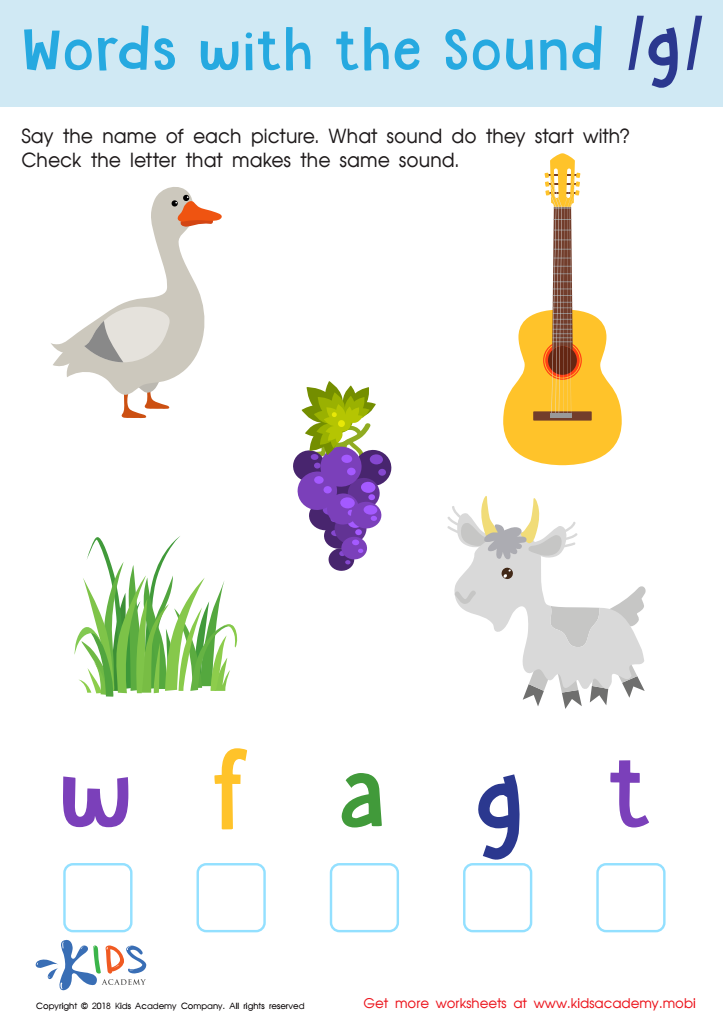
Words with sound g Reading Worksheet
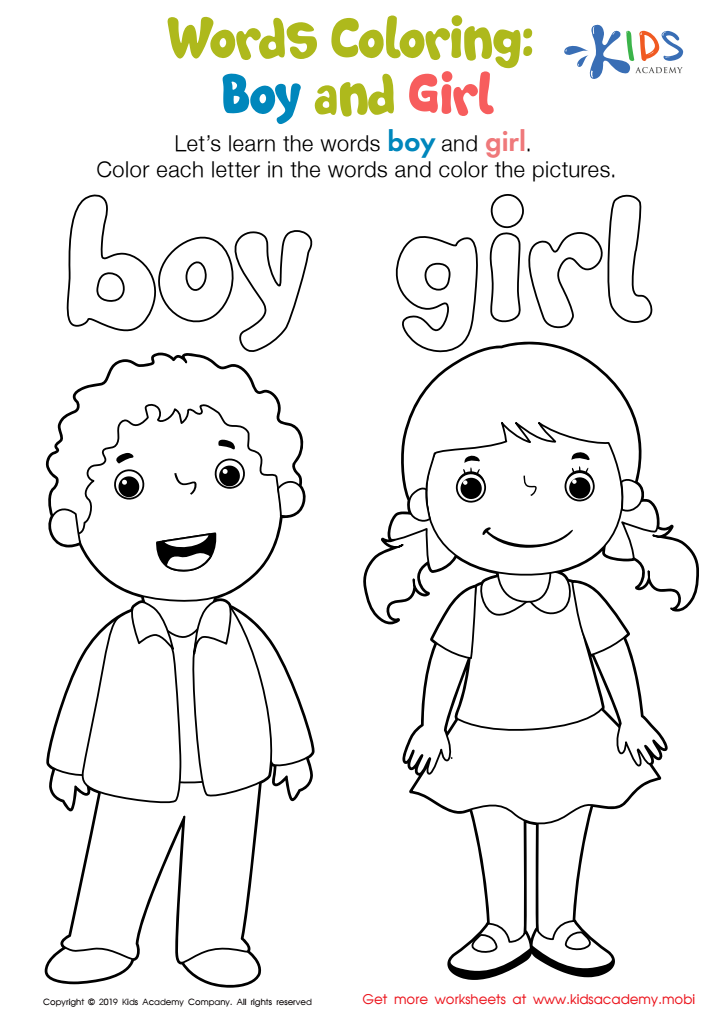
Boy and Girl Words Coloring Worksheet
 Assign to My Students

Nursery Rhymes: Twinkle Little Star Worksheet
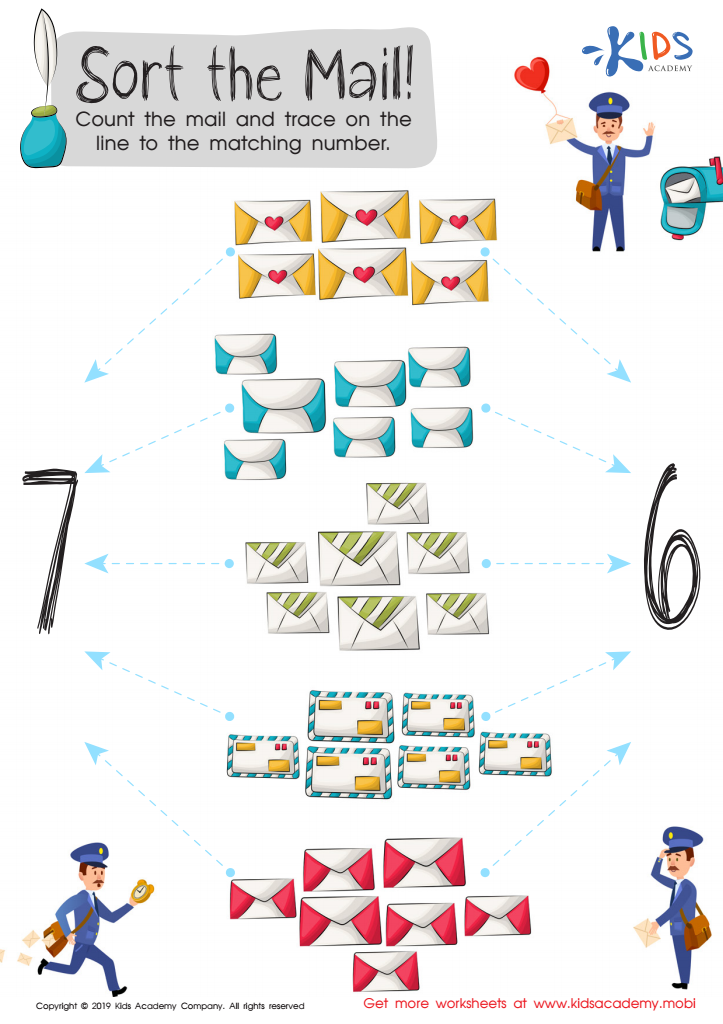
Sort the Mail Worksheet







Reading practice is crucial for children aged 6-8 as it lays the groundwork for their academic success and lifelong learning. During this age, children transition from learning to read to reading to learn, making fluid reading skills essential. Engaging regularly in reading improves vocabulary, comprehension, and critical thinking abilities, empowering children to understand and interact with the world around them.
For parents and teachers, prioritizing reading practice fosters a love of literature that can evolve into a lifelong passion. It enhances linguistic skills, promotes imagination, and cultivates empathy by exposing children to diverse perspectives. In addition, reading aids in developing concentration, discipline, and the ability to follow complex narratives.
Furthermore, strong reading skills correlate with better performance across subjects, leading to greater confidence and motivation in academic pursuits. Parents and teachers should also create a rich reading environment by providing age-appropriate books that spark interest and encourage discussions about stories. Collaborative storytelling can strengthen bonds and instill a sense of community around reading.
Ultimately, by emphasizing reading practice in early education, parents and teachers can equip children with the tools they need to thrive both academically and socially. This support during these formative years is invaluable for growing well-rounded individuals.








