Alphabet Recognition Easy Worksheets for Ages 6-9
6 filtered results
-
From - To
Discover our fun and engaging Alphabet Recognition Worksheets designed specifically for children aged 6-9! These easy-to-use printable worksheets promote early literacy skills by helping young learners identify and differentiate letters in an enjoyable way. Featuring colorful illustrations and interactive activities, these worksheets make learning the alphabet a thrilling experience for kids. Parents and educators will appreciate the convenience of these resources, which cater to various learning styles through games, puzzles, and handwriting practice. Foster your child's confidence in recognizing letters while reinforcing essential literacy foundations with our expertly crafted worksheets. Explore the joy of learning with our Alphabet Recognition collection today!
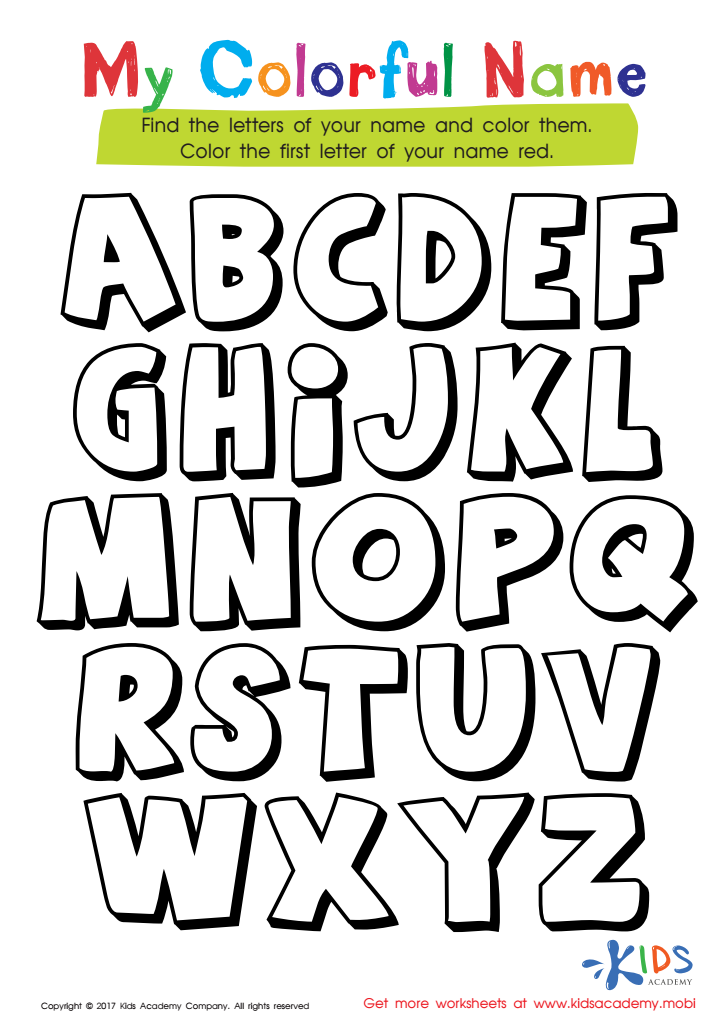
My Colorful Name Worksheet
 Assign to My Students
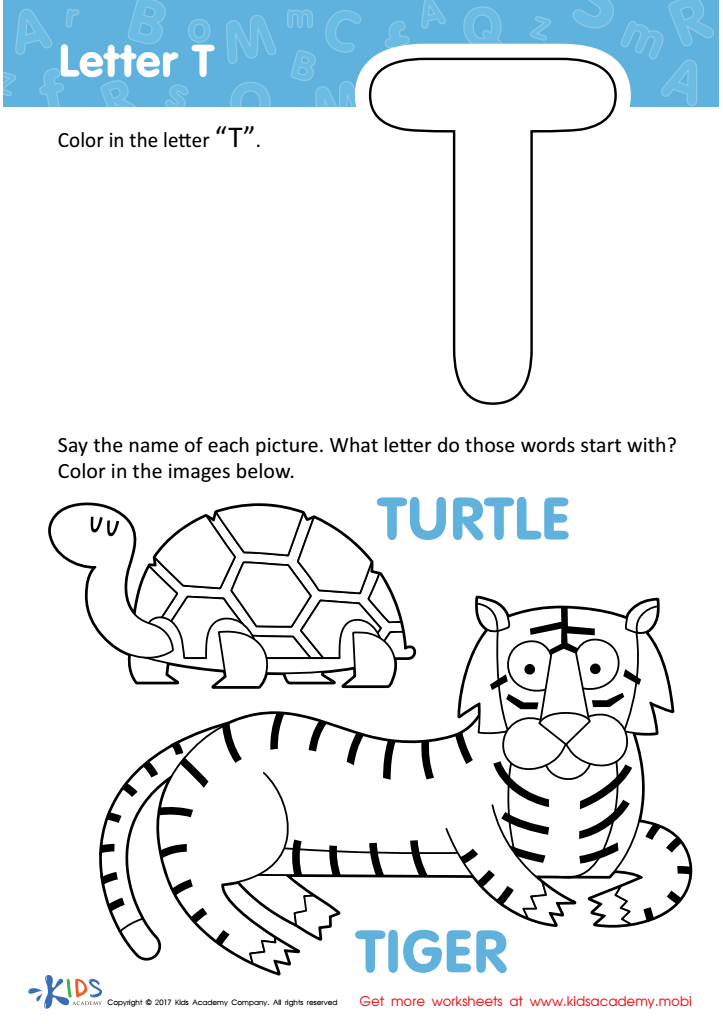
Letter T Coloring Sheet
Assign to My Students
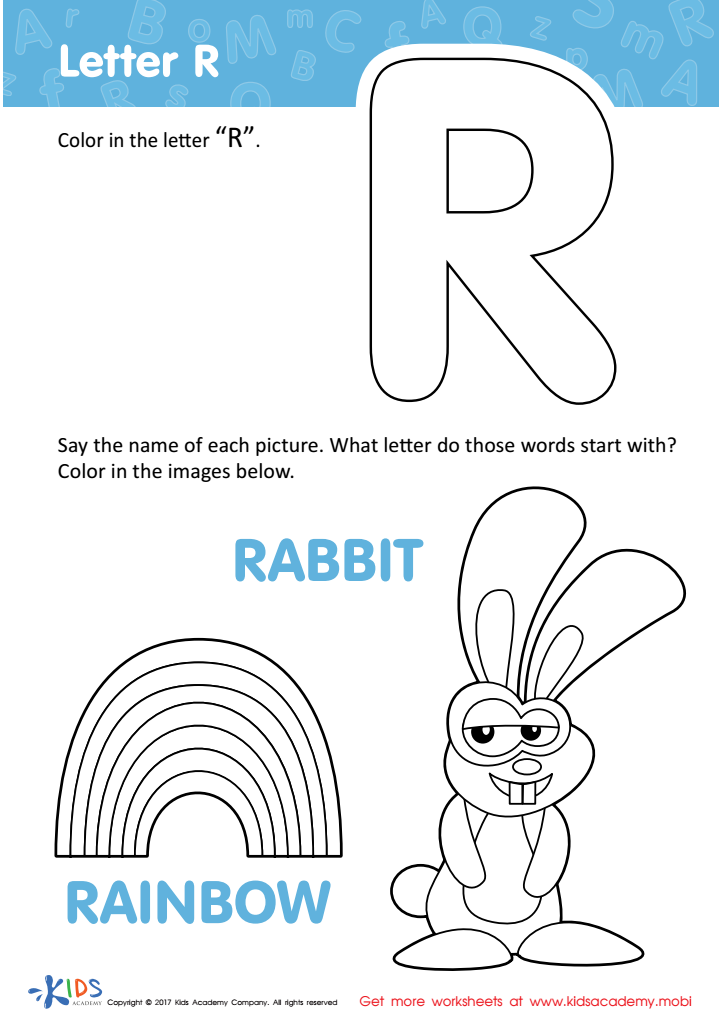
Letter R Coloring Sheet
Assign to My Students
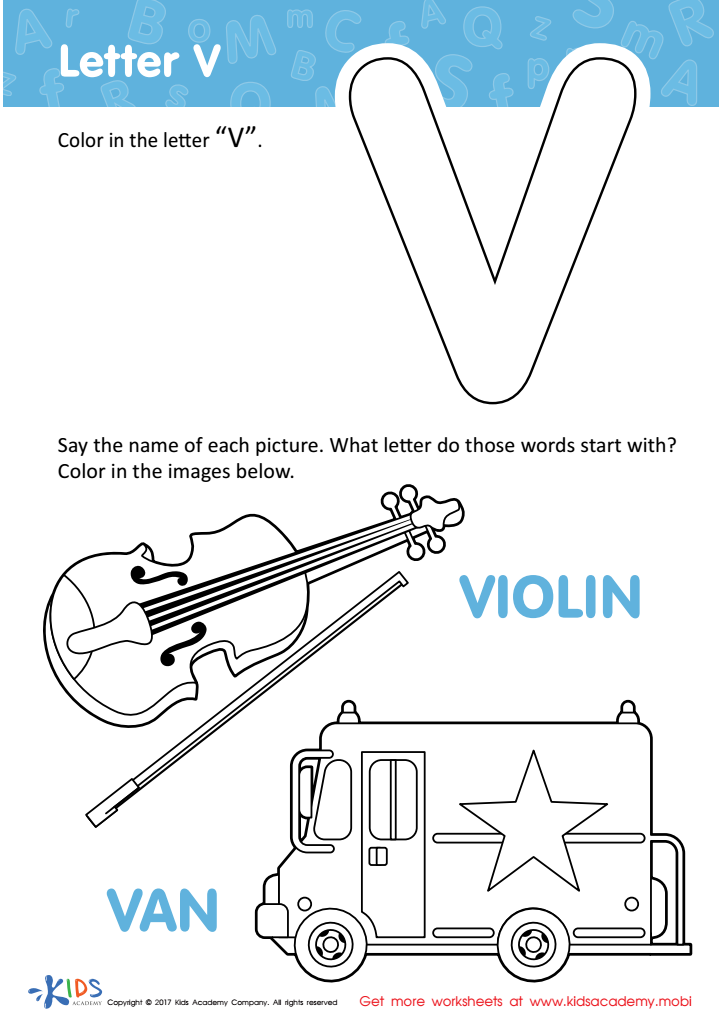
Letter V Coloring Sheet
Assign to My Students
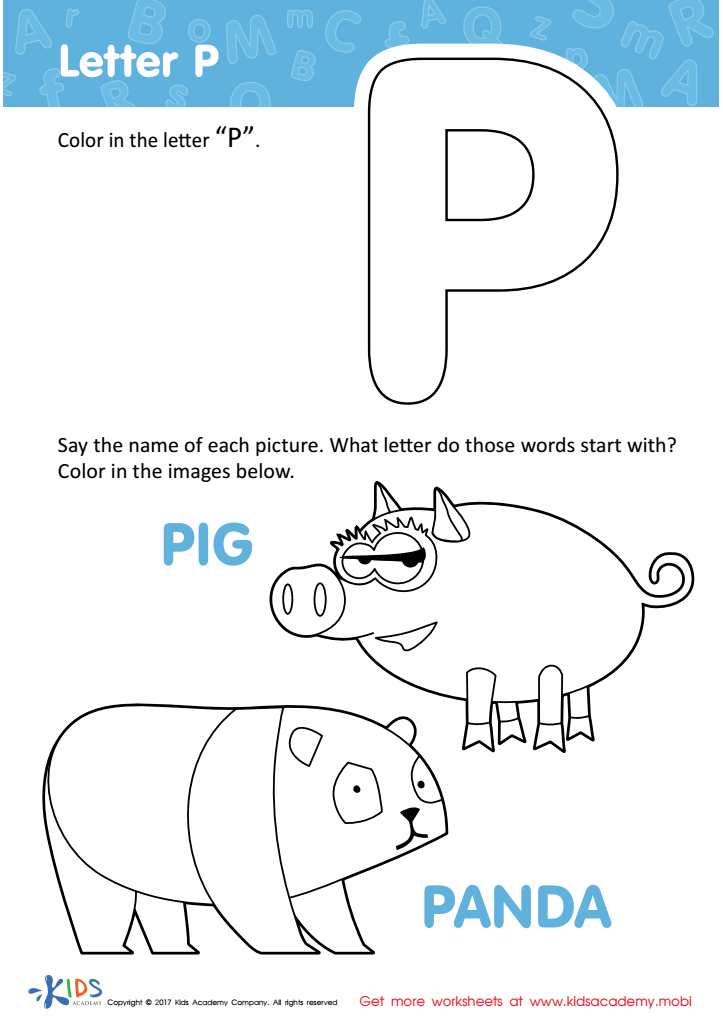
Letter P Coloring Sheet
Assign to My Students
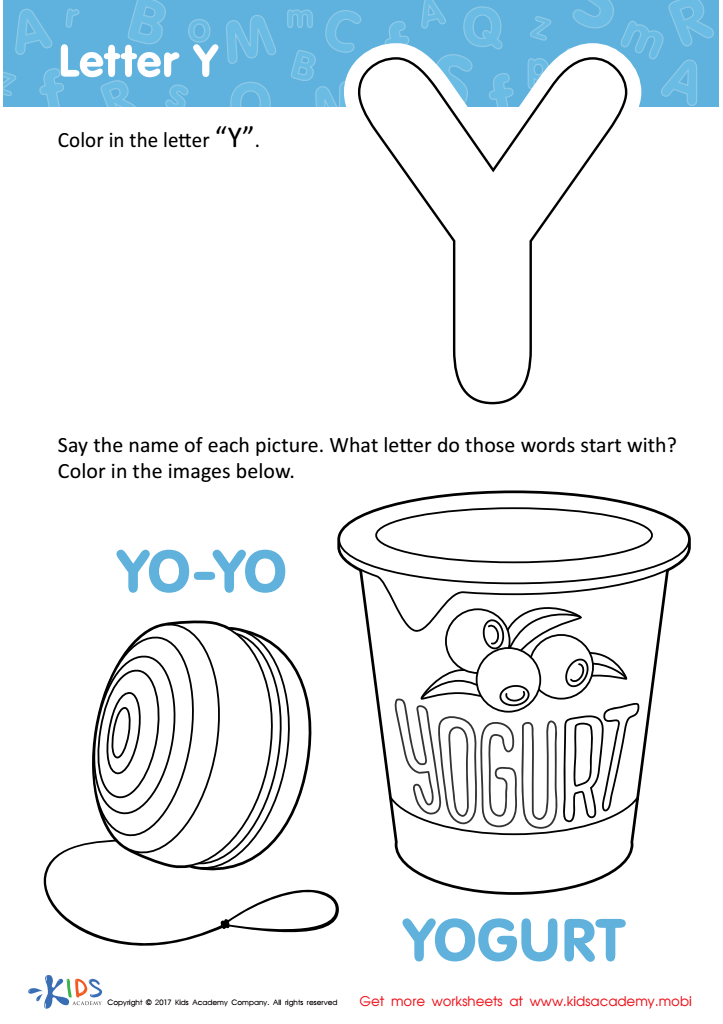
Letter Y Coloring Sheet
Assign to My Students








Alphabet recognition is a crucial foundational skill for children aged 6 to 9, and it deserves the attention of both parents and teachers. This skill sets the stage for literacy development, impacting reading, writing, and overall academic success. Early recognition of letters equips children with the ability to decode words, understand phonics, and ultimately grasp more complex language concepts.
Children who can confidently recognize letters demonstrate better reading fluency, allowing them to engage more thoroughly with texts and participate in discussions about what they read. This engagement boosts their vocabulary and comprehension skills, providing them with a stronger base for future learning. Moreover, being proficient in alphabet recognition fosters a sense of achievement and confidence in children, motivating them to pursue further literacy skills.
For parents and teachers, supporting alphabet recognition involves creating a rich language environment filled with books, games, and interactive activities. By reinforcing these skills early on, stakeholders can ensure that children develop a love for reading and learning, which has lifelong benefits. In summary, prioritizing alphabet recognition in early education not only enhances literacy skills but also promotes a positive and engaging learning experience for children.








