Fine Motor Skills Easy Worksheets for Ages 7-8 - Page 2
50 filtered results
-
From - To

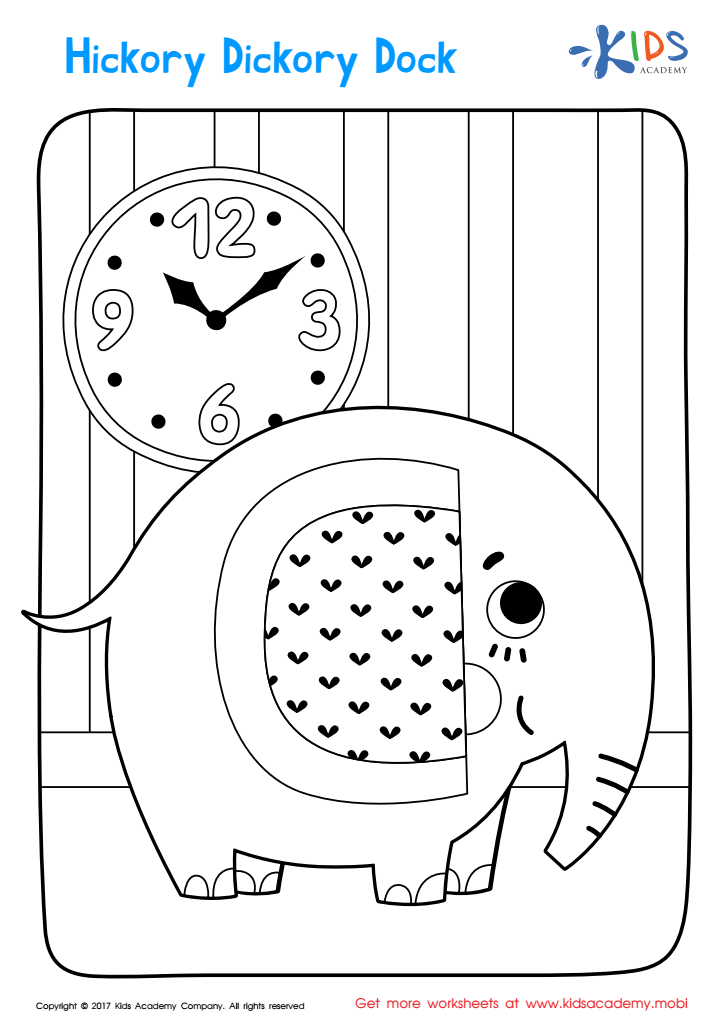
Hickory Dickory Dock Coloring Page
 Assign to My Students
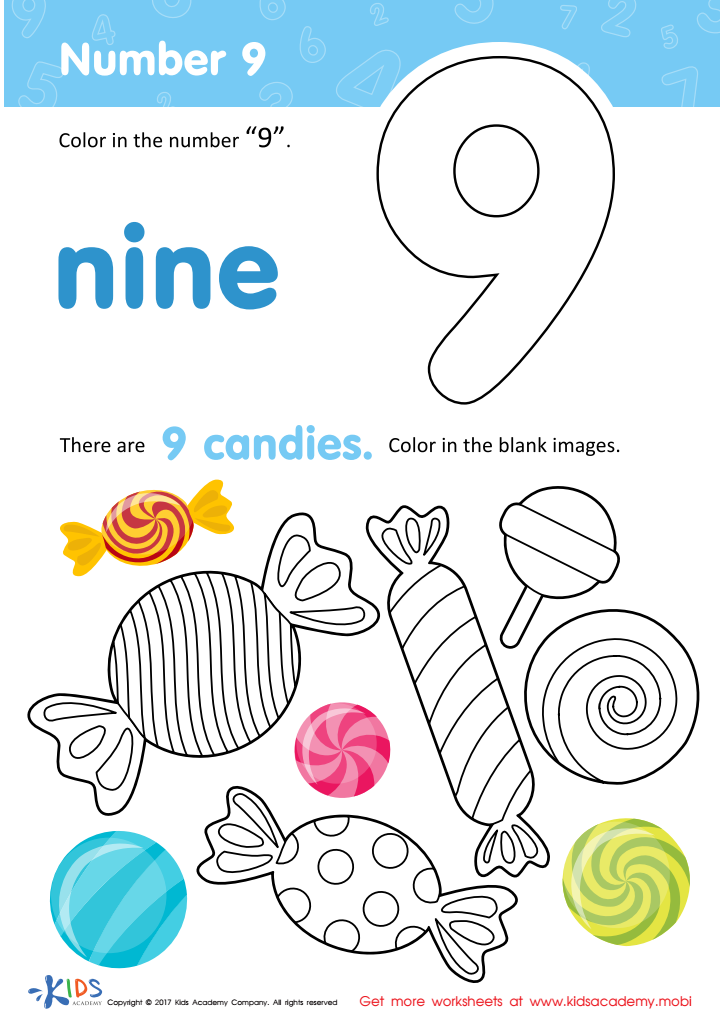
Number 9 Printable
Assign to My Students
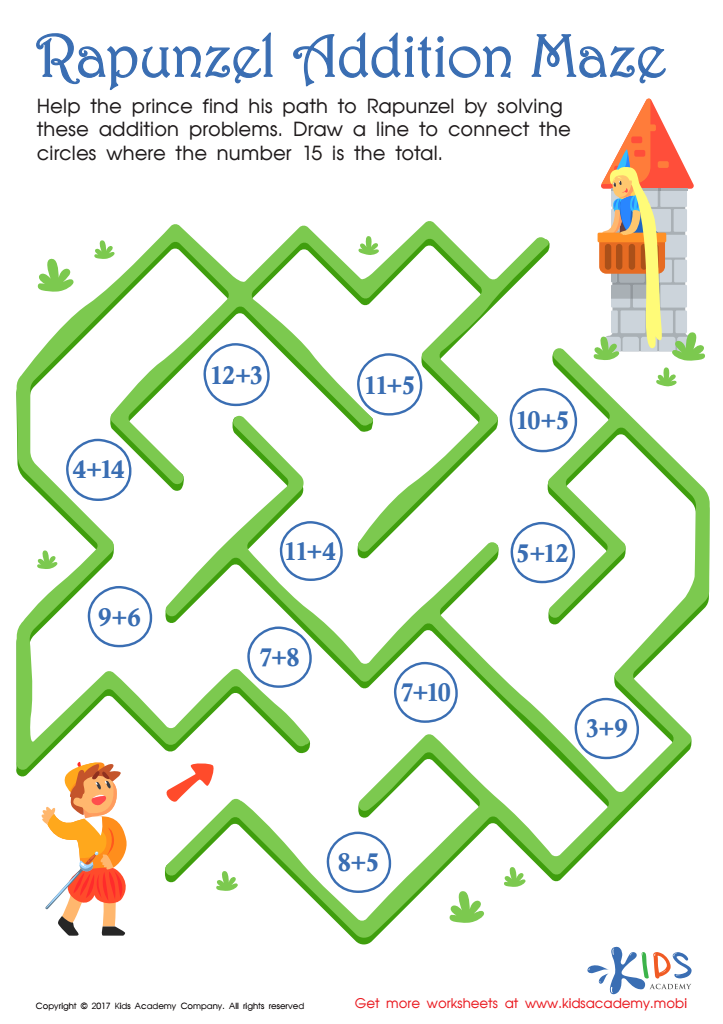
Rapunzel Addition Maze Worksheet
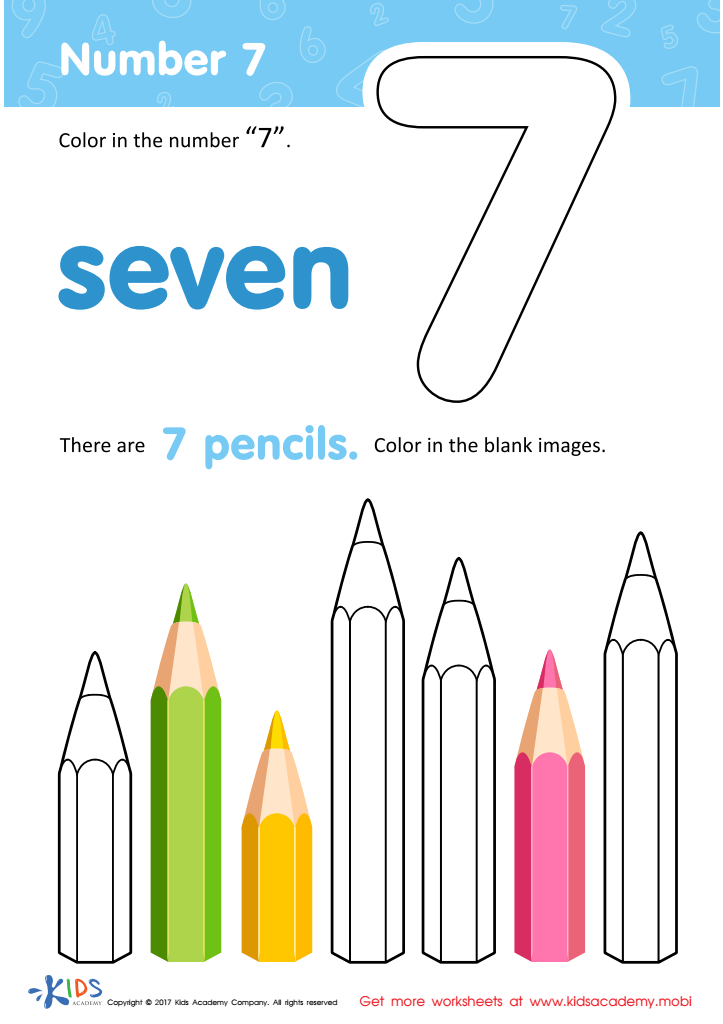
Number 7 Worksheet
Assign to My Students
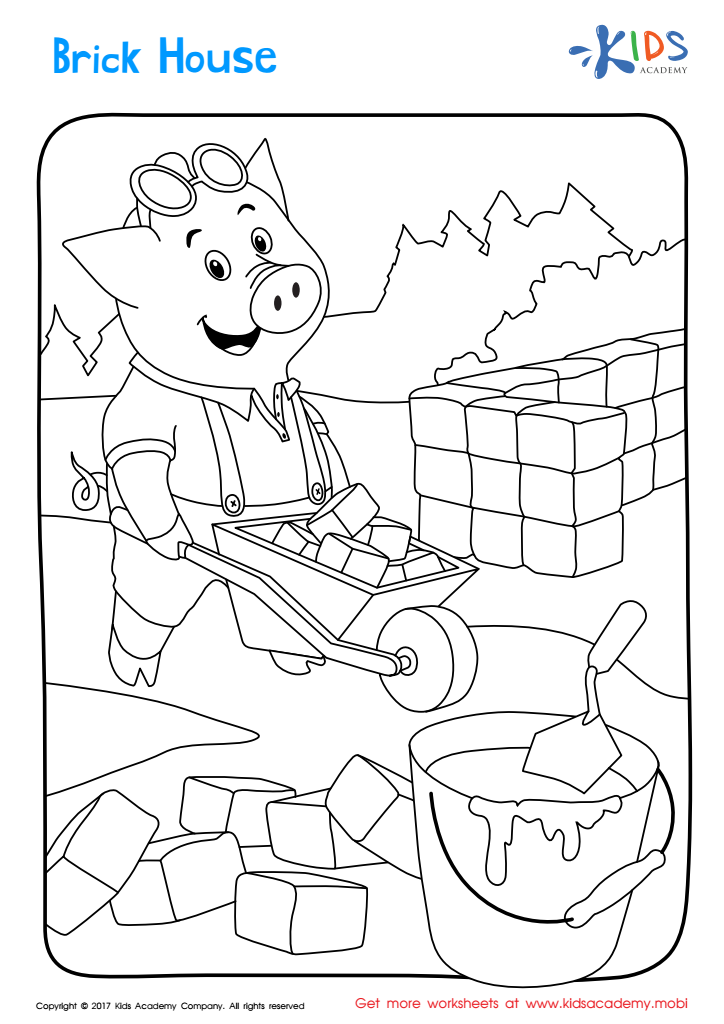
Brick House Printable Coloring Page
Assign to My Students
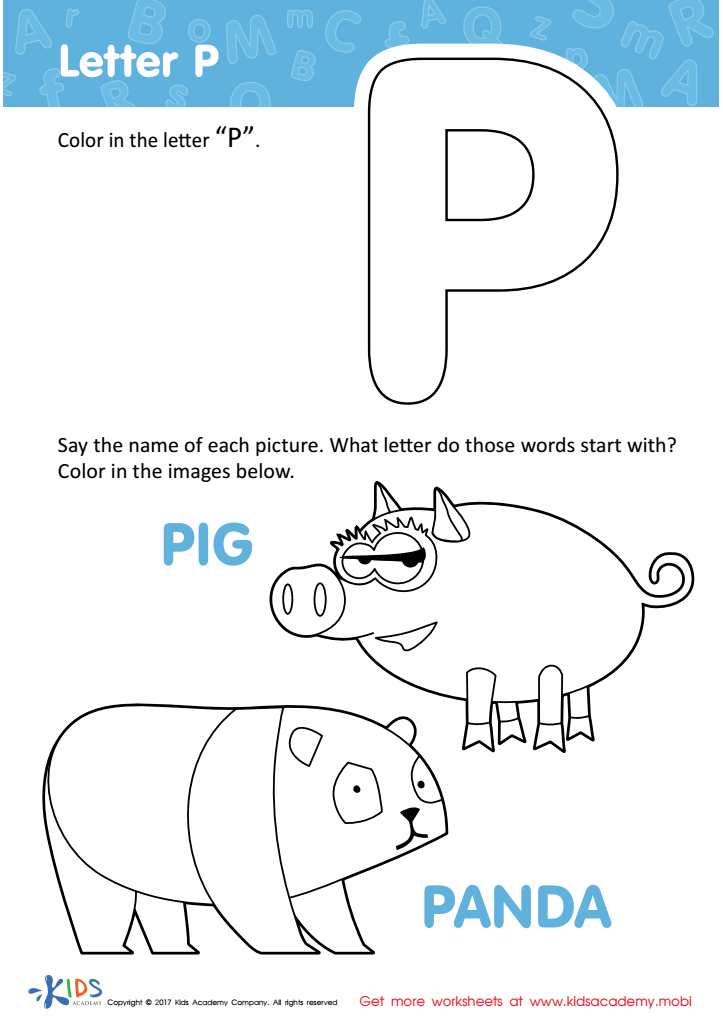
Letter P Coloring Sheet
Assign to My Students

Japan Printable
Assign to My Students
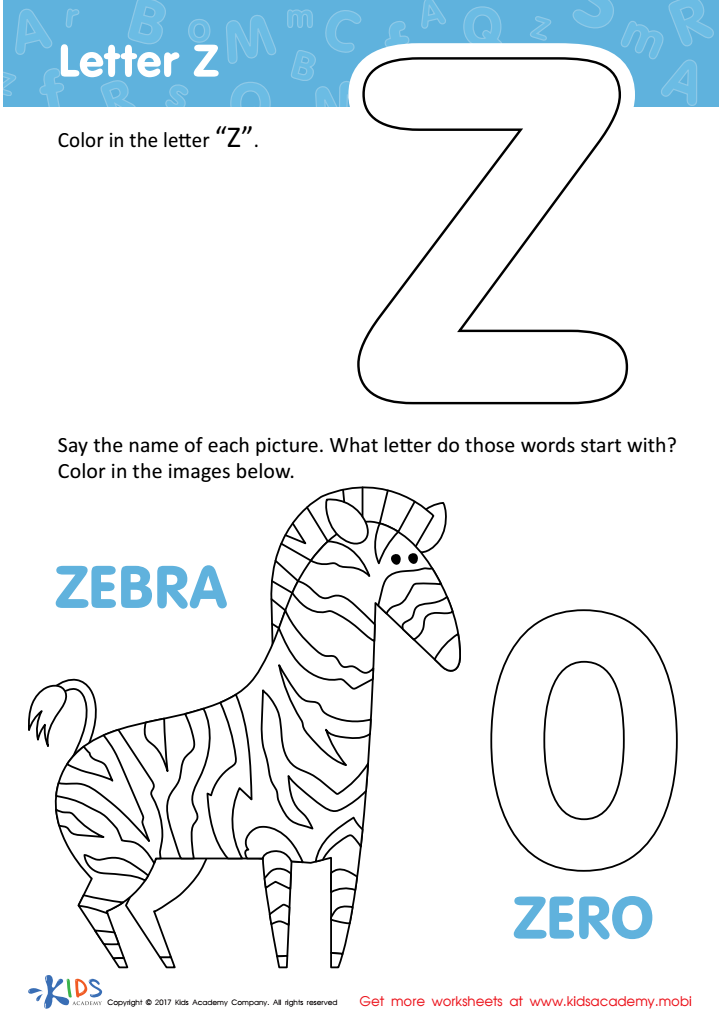
Letter Z Coloring Sheet
Assign to My Students
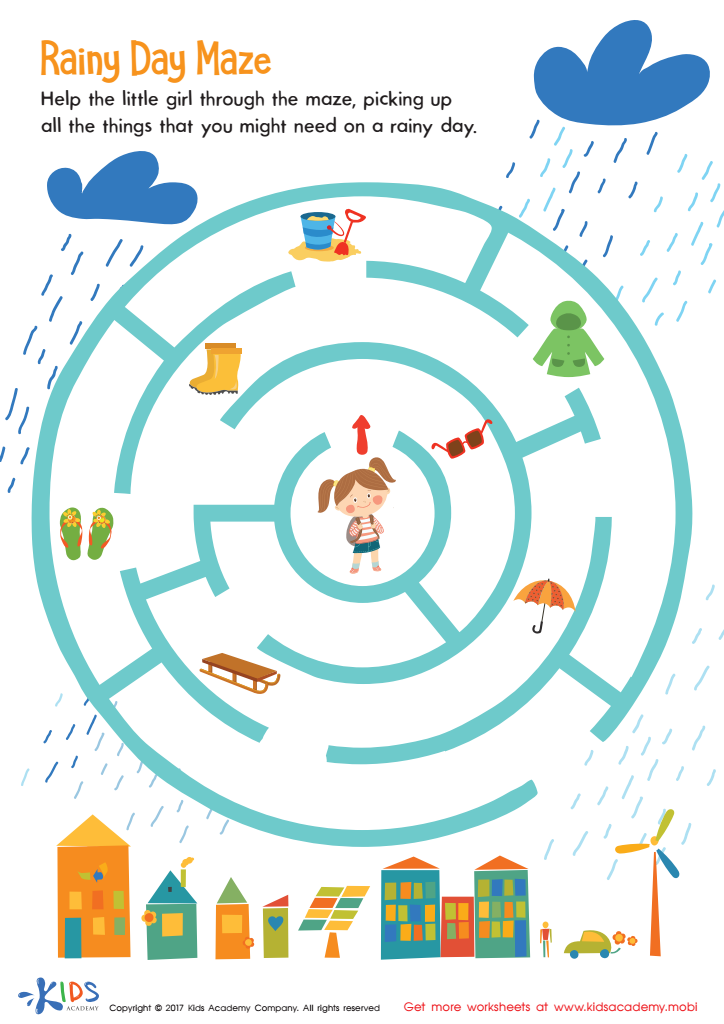
Rainy Day Maze Worksheet
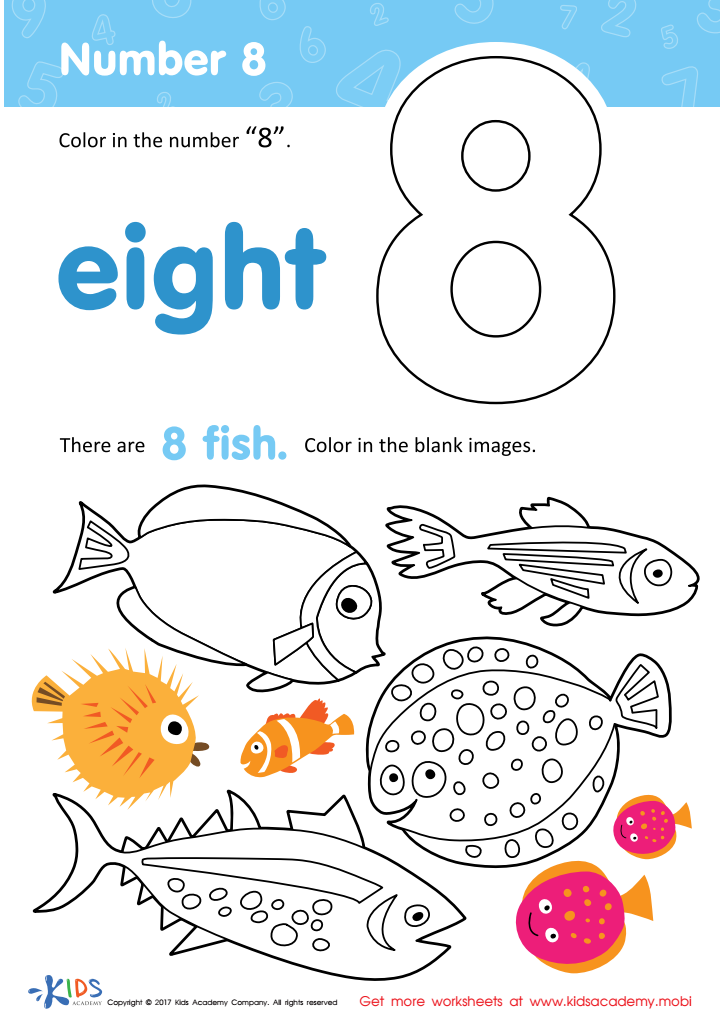
Number 8 Printable
Assign to My Students

Christmas: Snowman Printable
Assign to My Students

Happy Family Coloring Worksheet
Assign to My Students
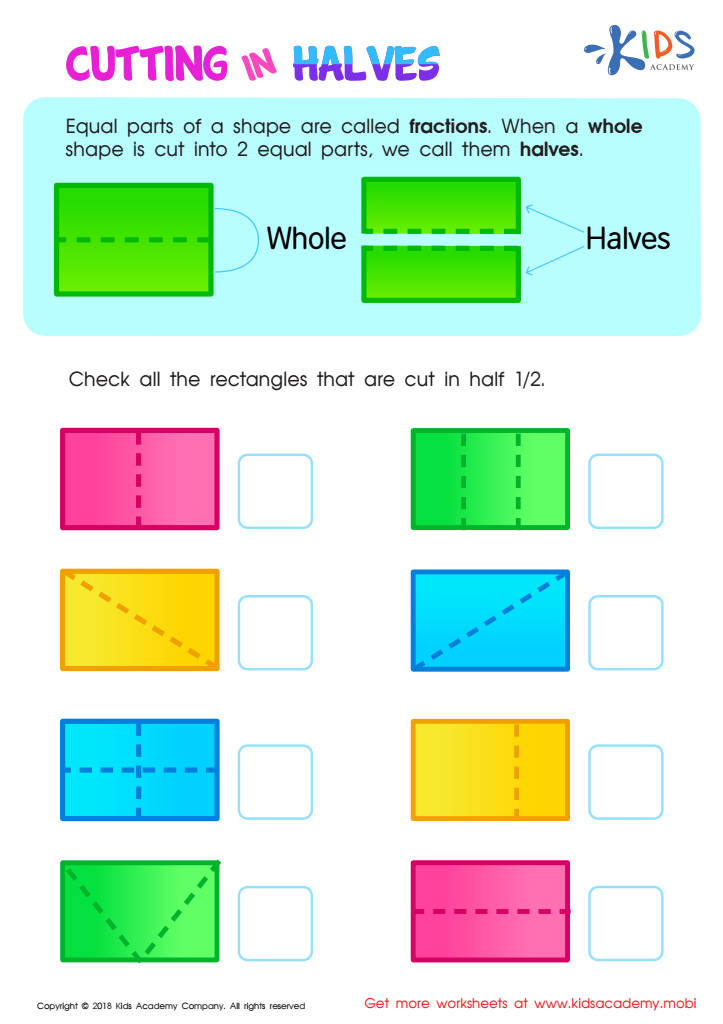
Cutting in Halves Worksheet
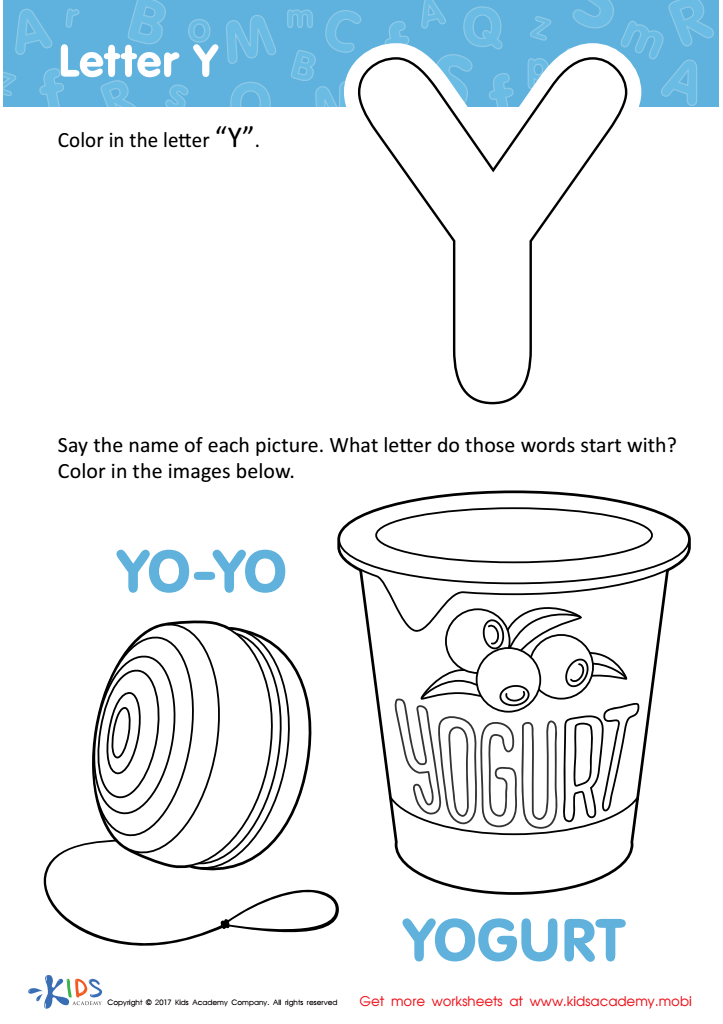
Letter Y Coloring Sheet
Assign to My Students

In the Treetops Coloring Page
Assign to My Students
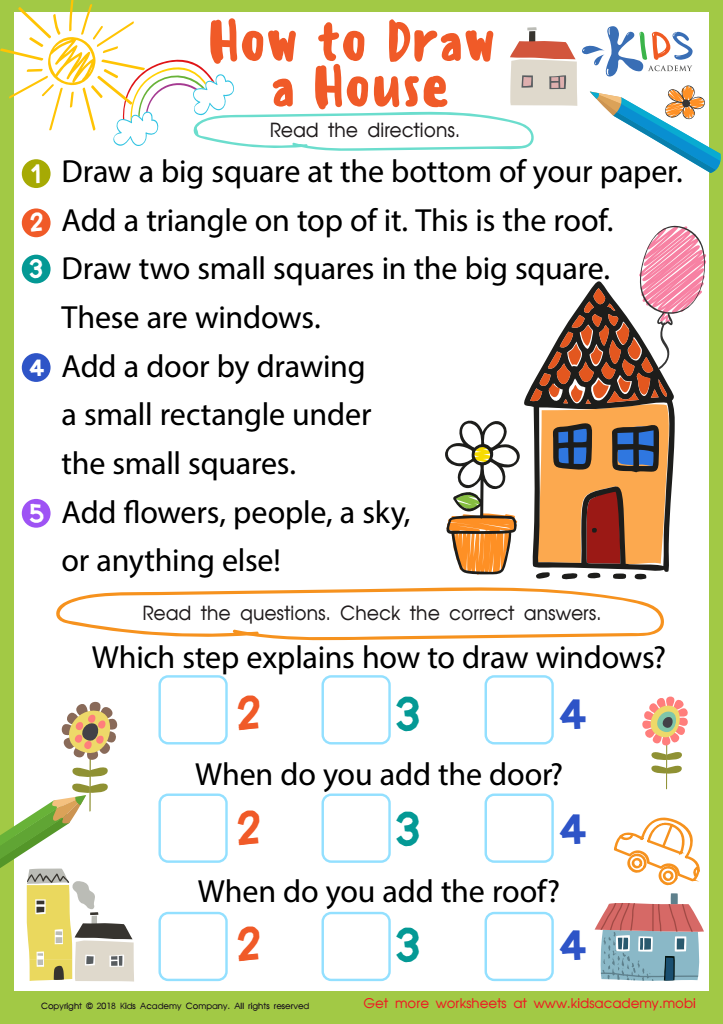
How to Draw House Worksheet
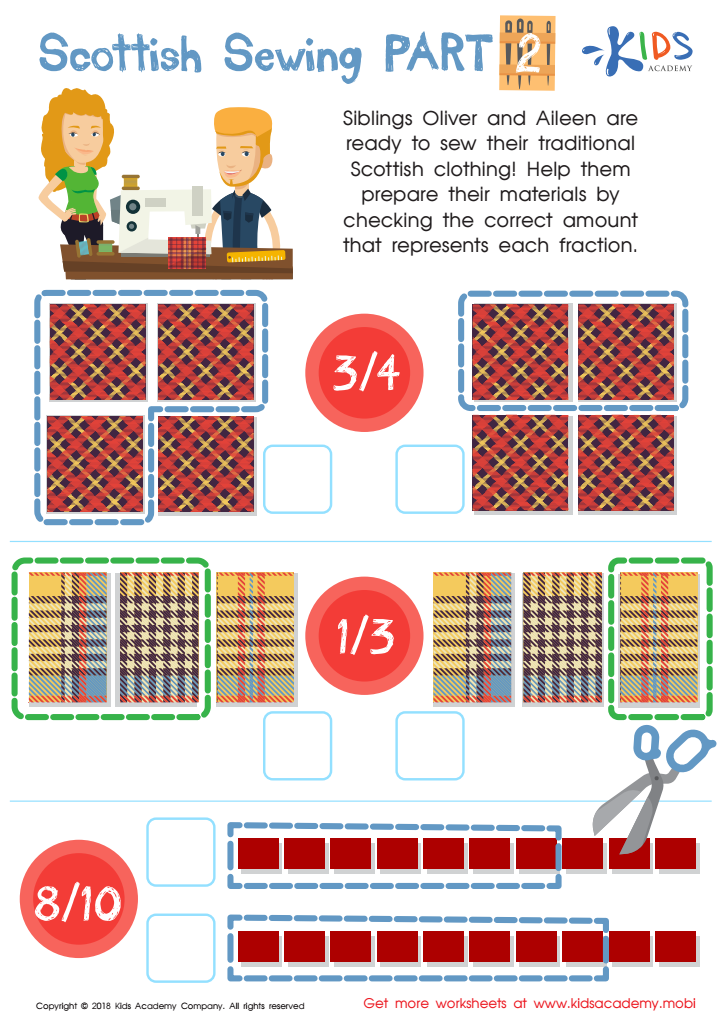
Scottish Sewing Part 2 Worksheet
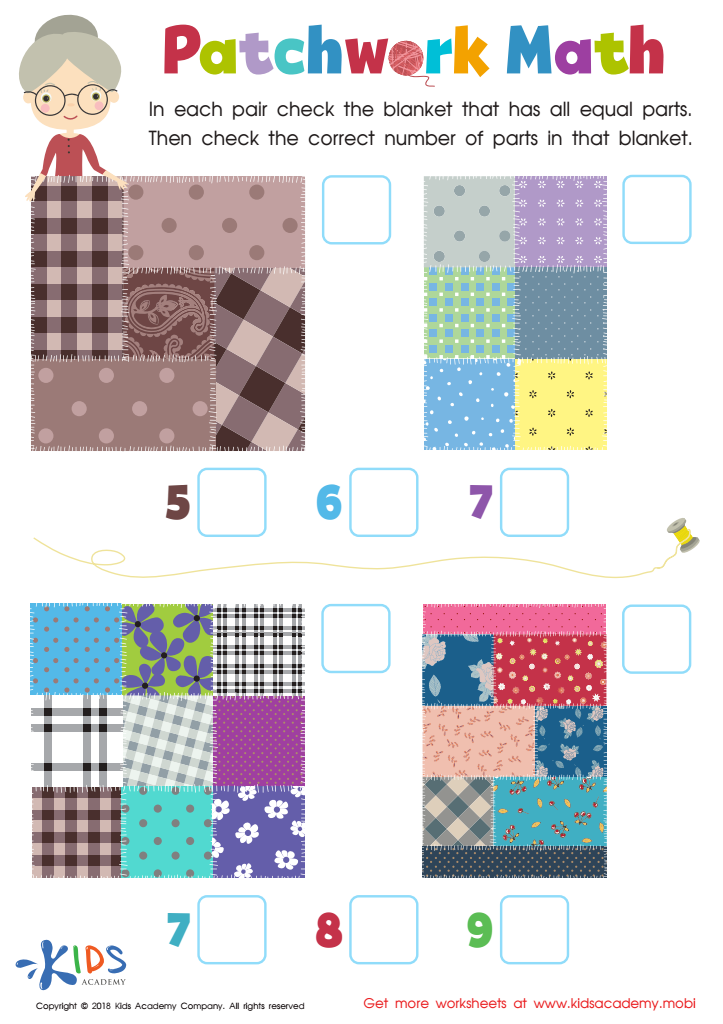
Patchwork Math Worksheet

Straw House Printable Coloring Page
Assign to My Students
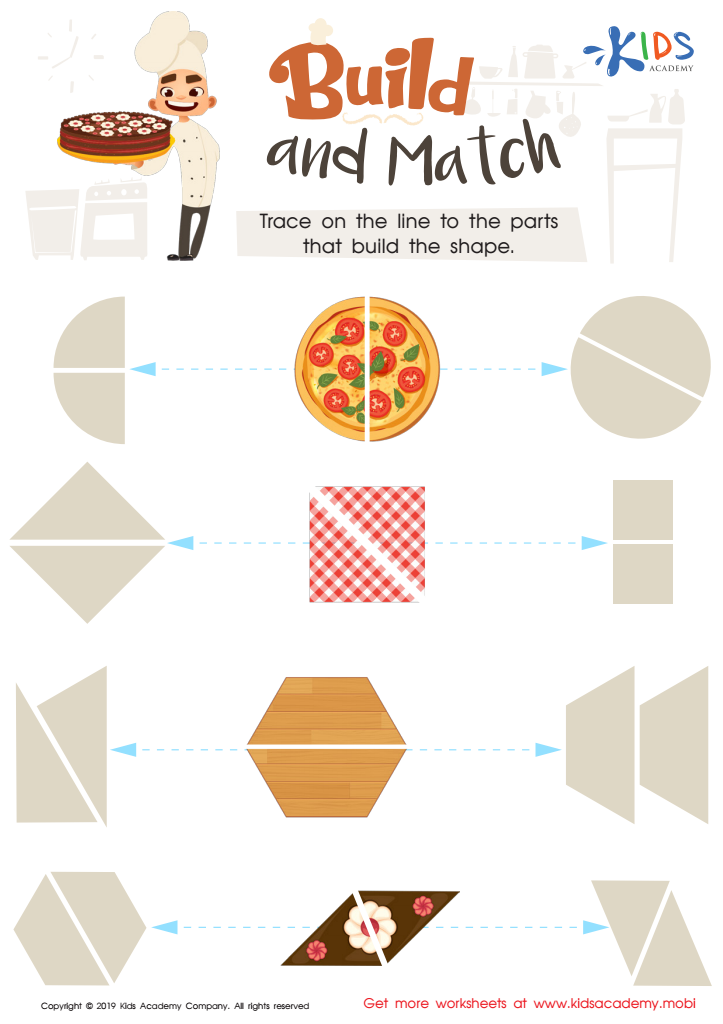
Build and Match Worksheet
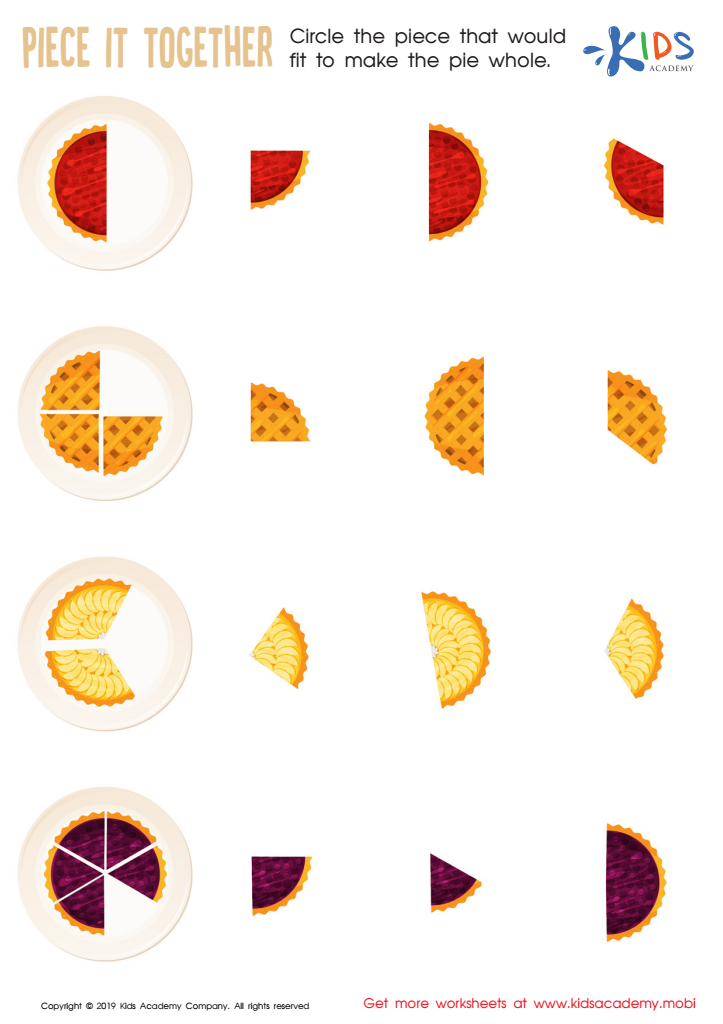
Piece it together Worksheet

Counting on the City Skyline: Dot-to-Dot Worksheet
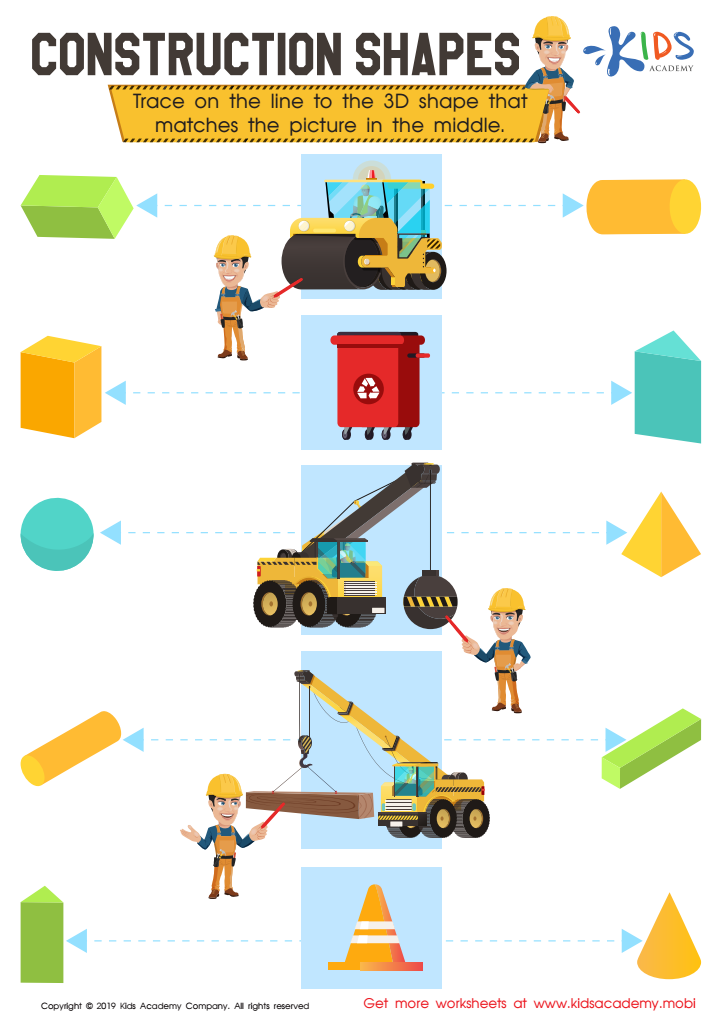
Construction Shapes Worksheet








Fine motor skills are crucial for children aged 7-8 as they support a child’s development in both academic and everyday activities. These skills involve the use of small muscles in the hands and fingers, which are essential for tasks like writing neatly, cutting with scissors, buttoning shirts, and using utensils. Parents and teachers should care about fine motor skills because they directly impact a child's ability to perform in school and at home.
At this age, children are navigating complex academic tasks, and strong fine motor skills enable them to express their creativity through art projects, complete written assignments, and engage in science experiments effectively. Furthermore, fine motor skills contribute to independence; children who can tie their shoes or zip their jackets feel more confident and empowered.
Moreover, fine motor skill development is closely linked to cognitive growth. Activities that strengthen these skills, like puzzles or building with blocks, enhance hand-eye coordination, concentration, and problem-solving abilities. By actively supporting the development of fine motor skills, parents and teachers can lay a solid foundation for children’s academic success, allow them to engage fully in school activities, and foster life skills that will serve them well into adulthood.








