Problem-Solving Skills Easy Worksheets for Ages 8-9 - Page 2
27 filtered results
-
From - To
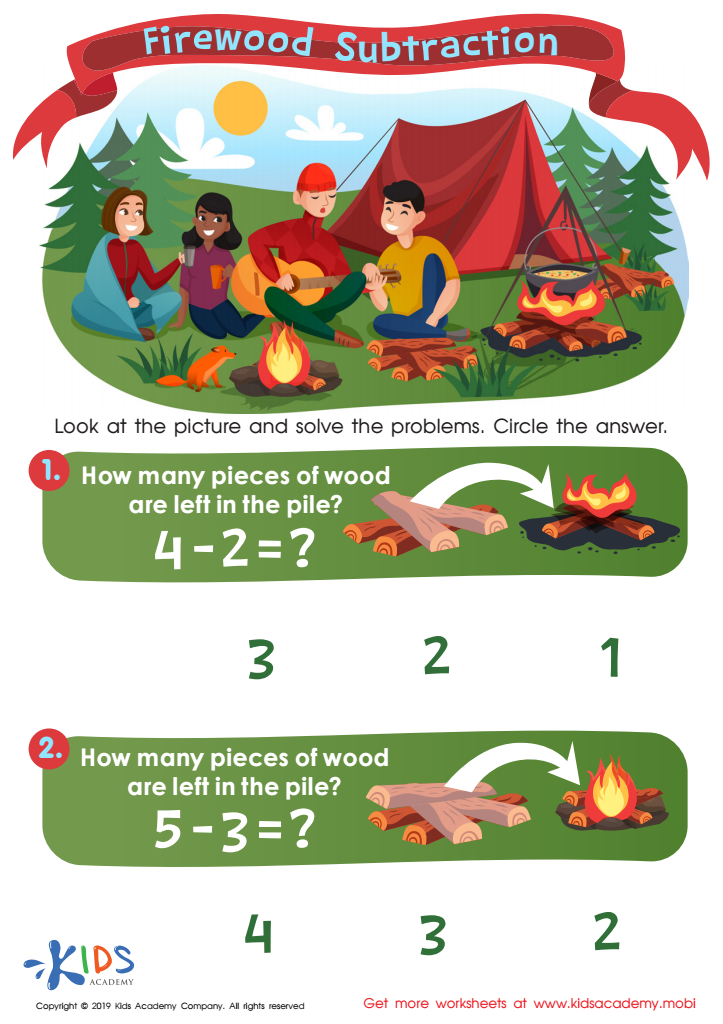
Firewood Subtraction Worksheet
 Assign to My Students

Piece it together Worksheet
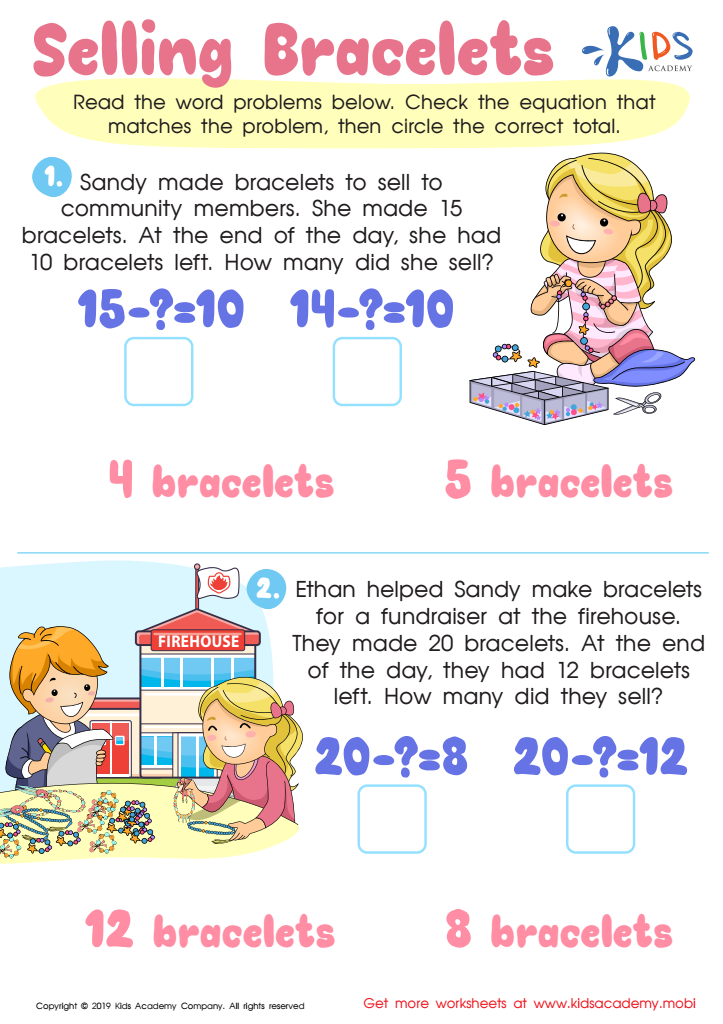
Selling the Bracelets Worksheet


.jpg)




Problem-solving skills are crucial for children ages 8-9 as they serve as a foundation for lifelong learning and personal development. At this age, children are rapidly developing their cognitive abilities, and nurturing problem-solving skills can significantly enhance their critical thinking, creativity, and independence. When parents and teachers prioritize these skills, they foster an environment that encourages exploration and resilience.
For children, engaging in problem-solving activities promotes analytical thinking. They learn to approach challenges methodically, break down complex tasks into manageable parts, and evaluate different solutions. This not only elevates their academic performance but also equips them with strategies for handling real-life situations, helping them become thoughtful decision-makers.
Furthermore, problem-solving enhances their social interactions. As children collaborate with peers to find solutions, they develop teamwork, communication, and empathy. Real-world problems often require collective effort, and early exposure to collaborative problem-solving prepares them for future communal endeavors.
Parents and teachers who emphasize problem-solving teach valuable skills that extend beyond academics. Encouraging a problem-solving mindset provides children with tools to navigate challenges confidently and nurtures a love for learning, ultimately shaping capable, well-rounded individuals.








