Subtraction practice Extra Challenge Worksheets for Ages 3-4
20 filtered results
-
From - To
Introducing our Subtraction Practice Extra Challenge Worksheets for Ages 3-4, designed to make learning fun and engaging! These unique worksheets focus on enhancing young learners' subtraction skills through colorful illustrations and interactive activities. Ideal for preschoolers, our extra challenges encourage critical thinking while developing foundational math abilities. Each worksheet includes varying difficulty levels, ensuring every child can embrace the challenge at their own pace. Boost their confidence as they solve problems, recognize patterns, and explore subtraction concepts in a playful way. Promote numerical understanding and memory retention with these captivating worksheets—perfect for teachers and parents looking to enrich early math education!
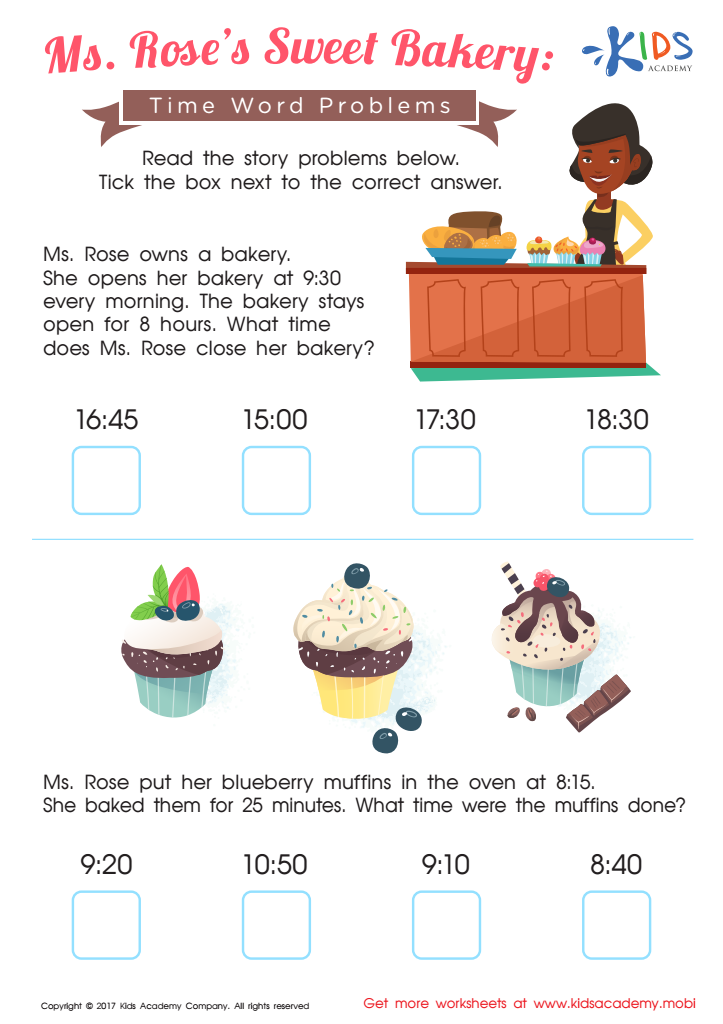
Ms. Roseв's Sweet Bakery Time Worksheet
 Assign to My Students
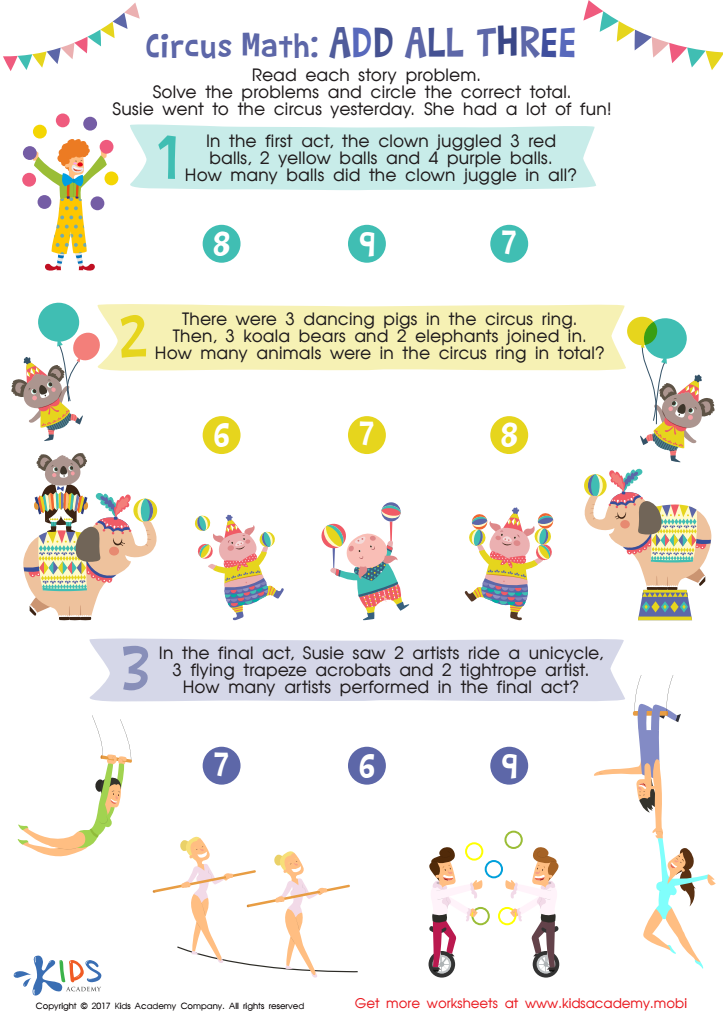
Circus Math Printable
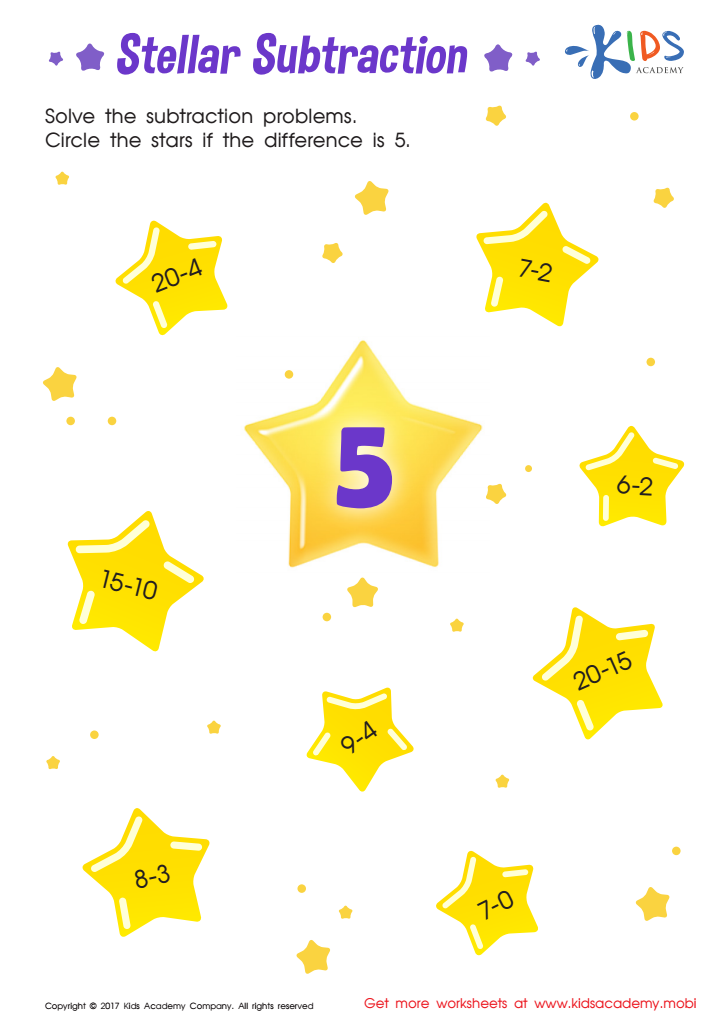
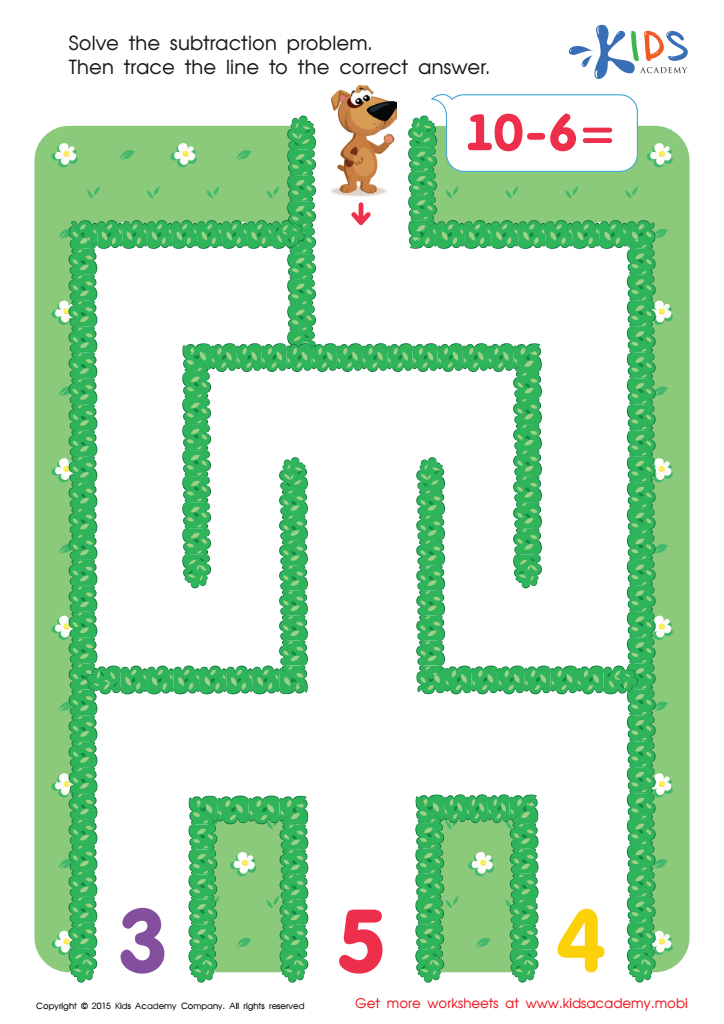
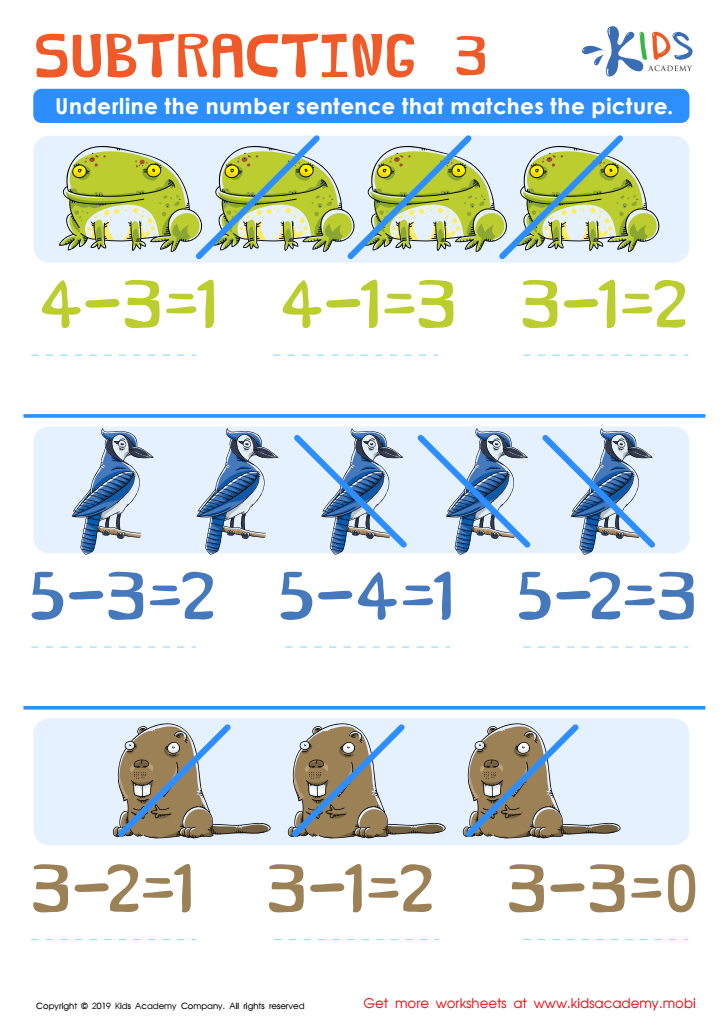
Subtracting 3 Worksheet
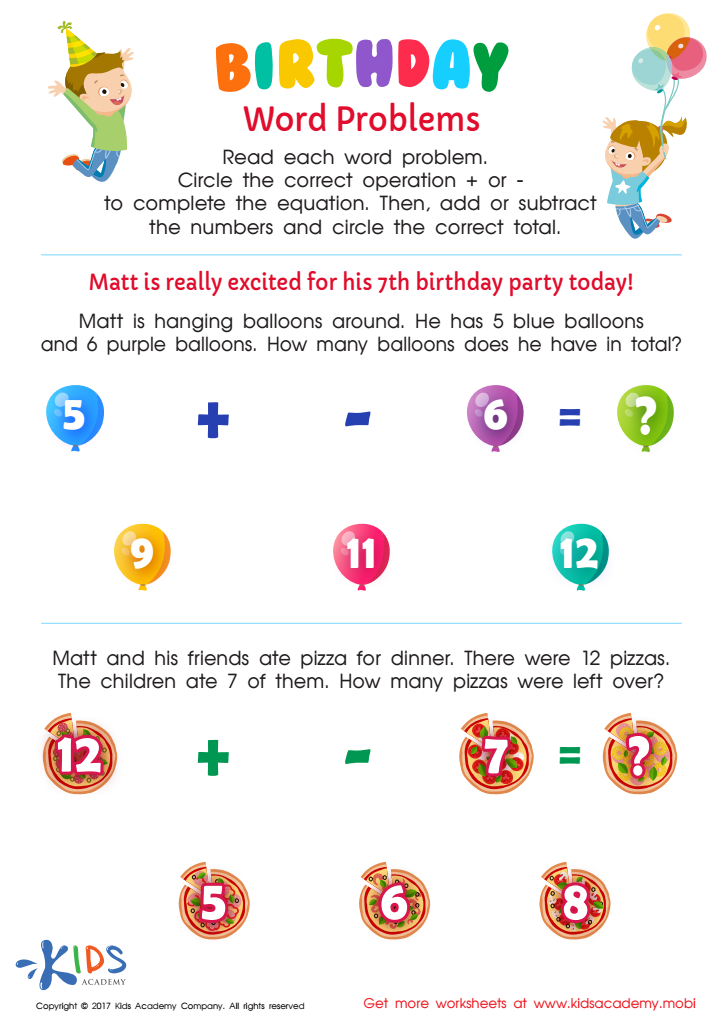
Birthday Word Problems Substraction Worksheet
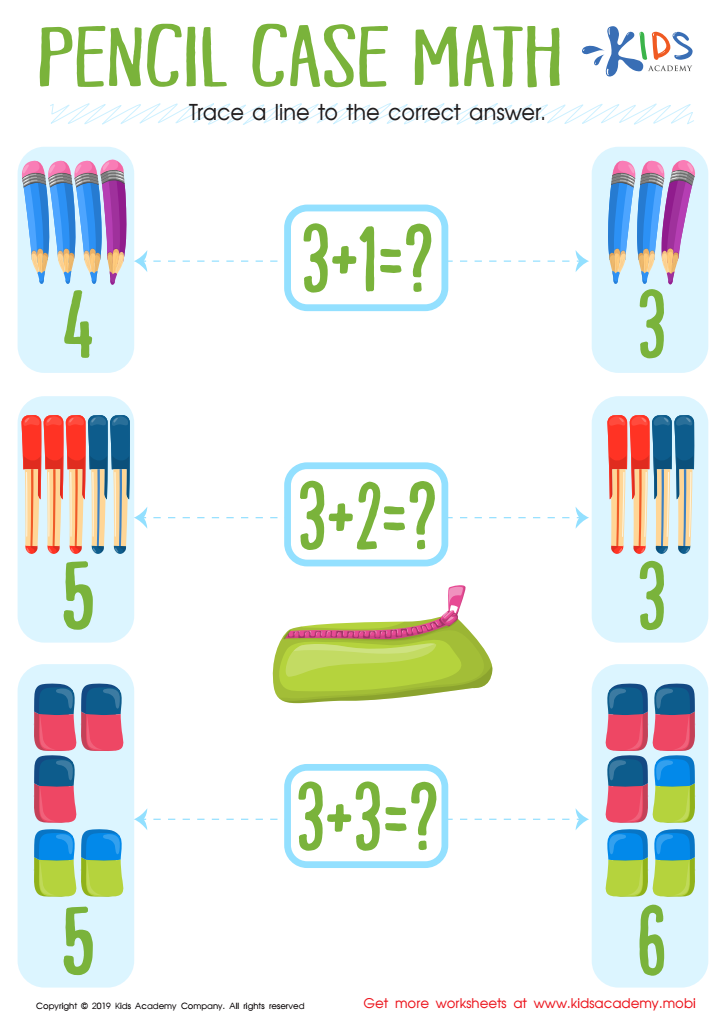
Pencil Case Math Worksheet
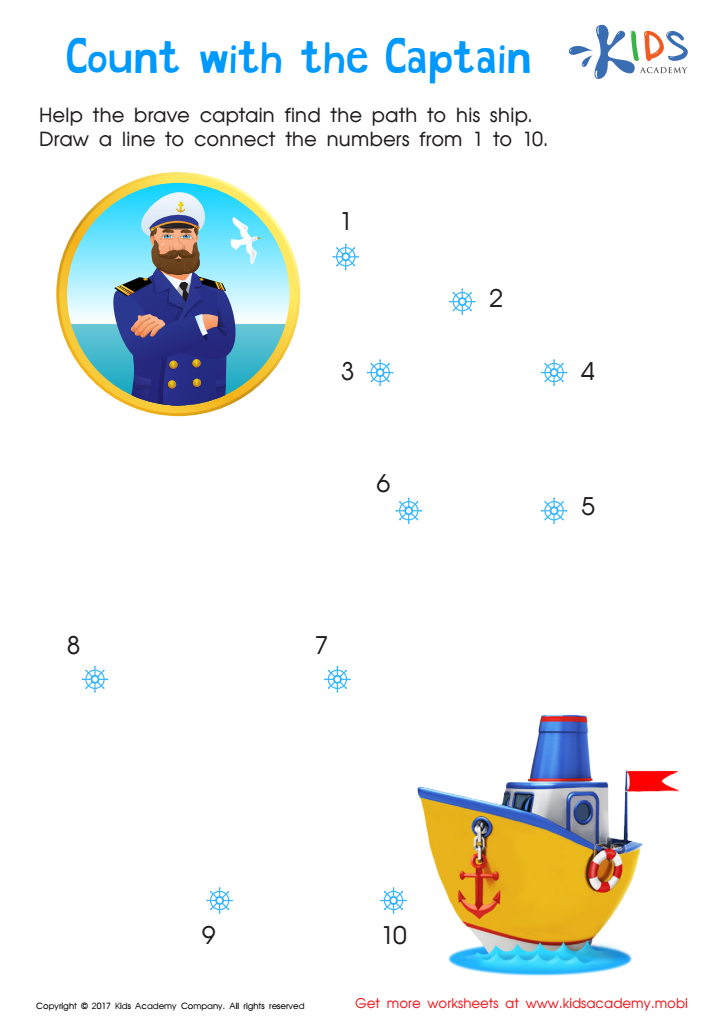
Count with the Captain Connect Dots Worksheet
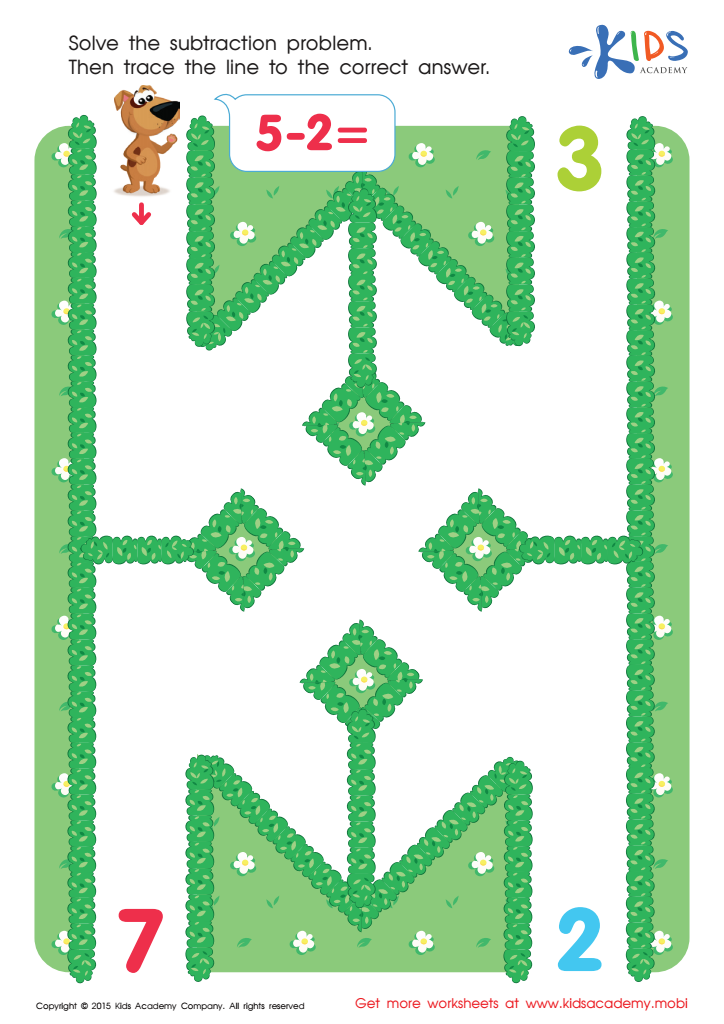
Five Minus Two Worksheet
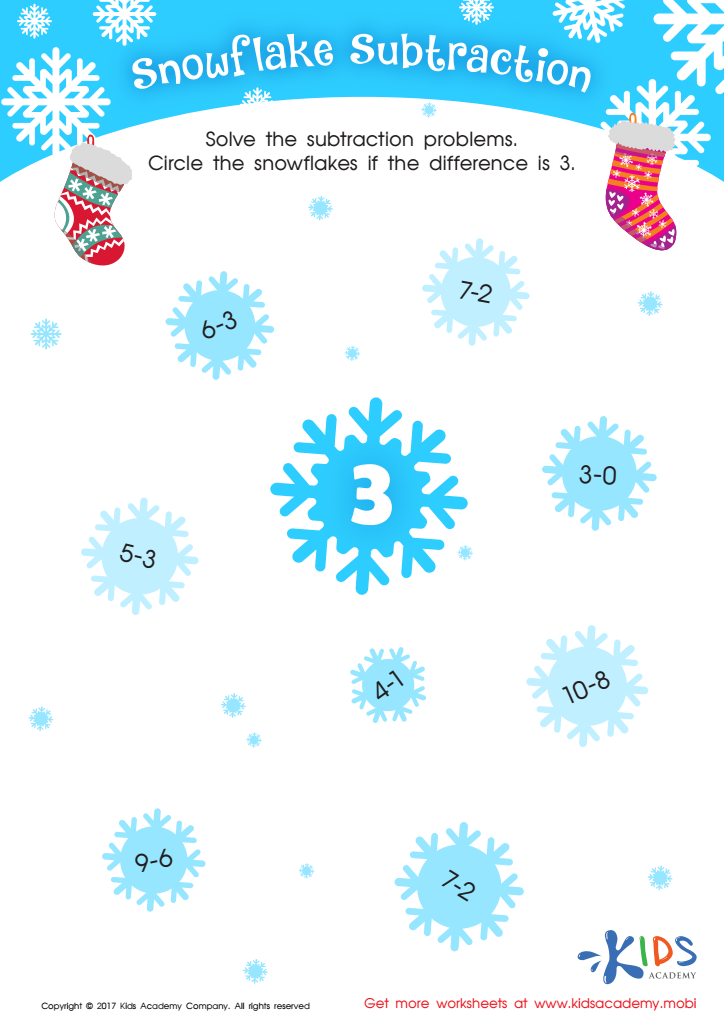
Snowflake Subtraction Worksheet
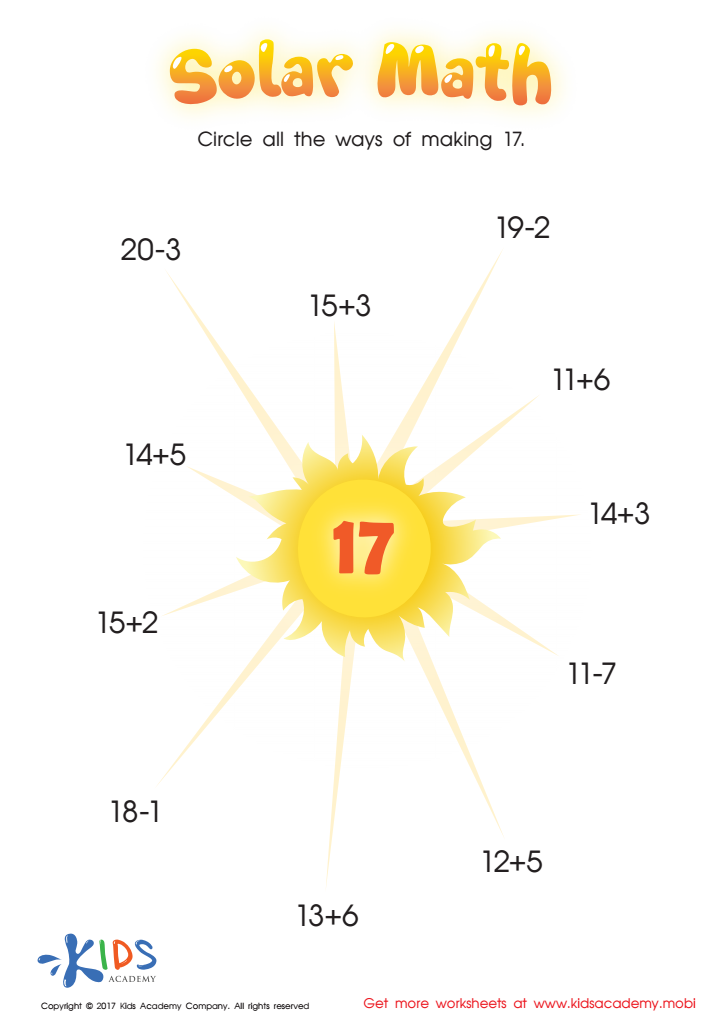
Solar Math Substraction Worksheet
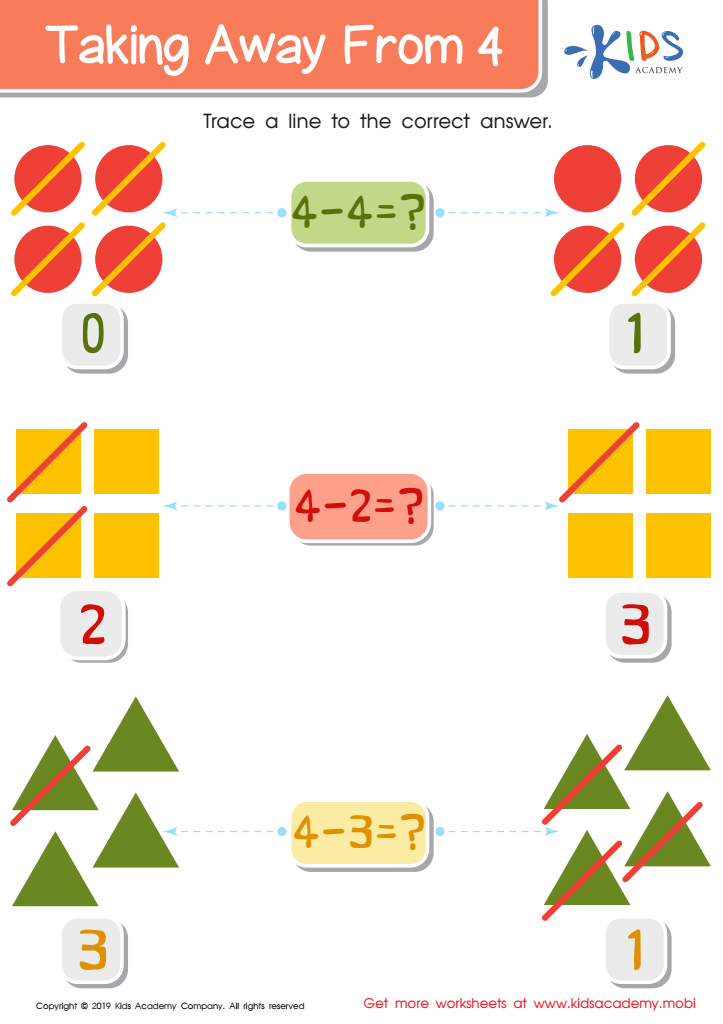
Taking Away from 4 Worksheet
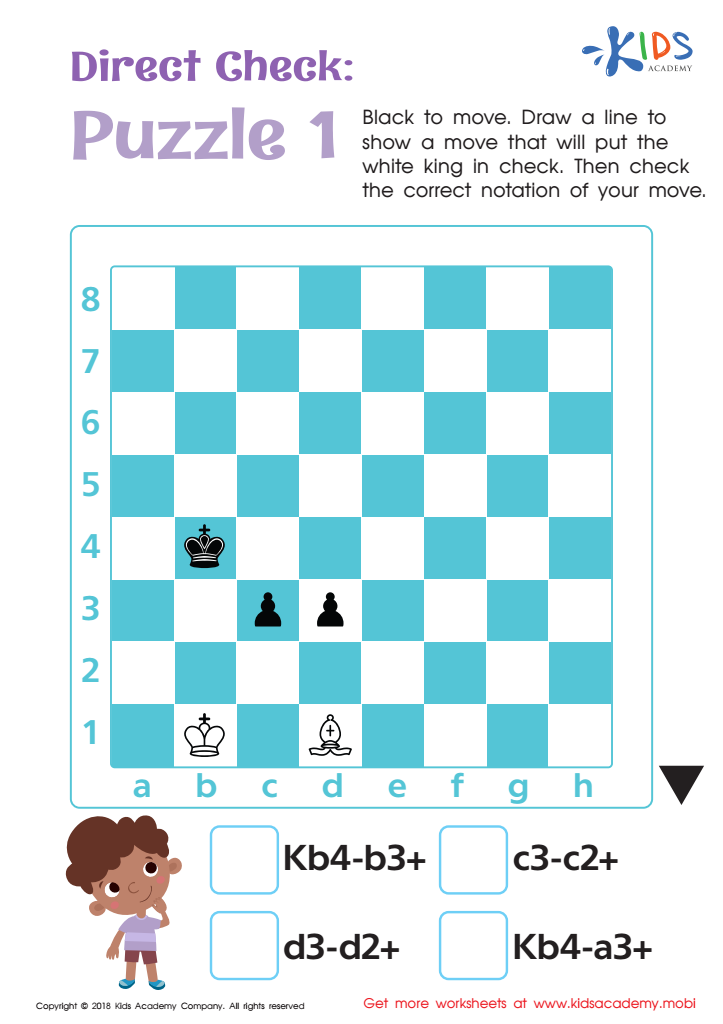
Direct Check: Puzzle 1 Worksheet
Math Puzzle Worksheet
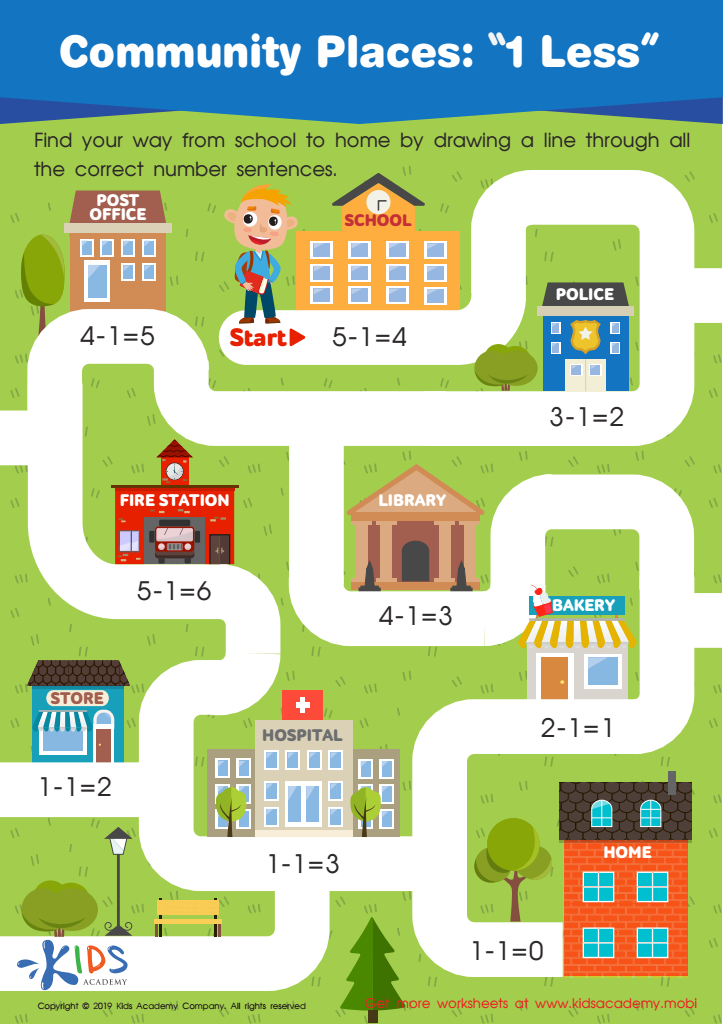
Community Places: 1 Less Worksheet
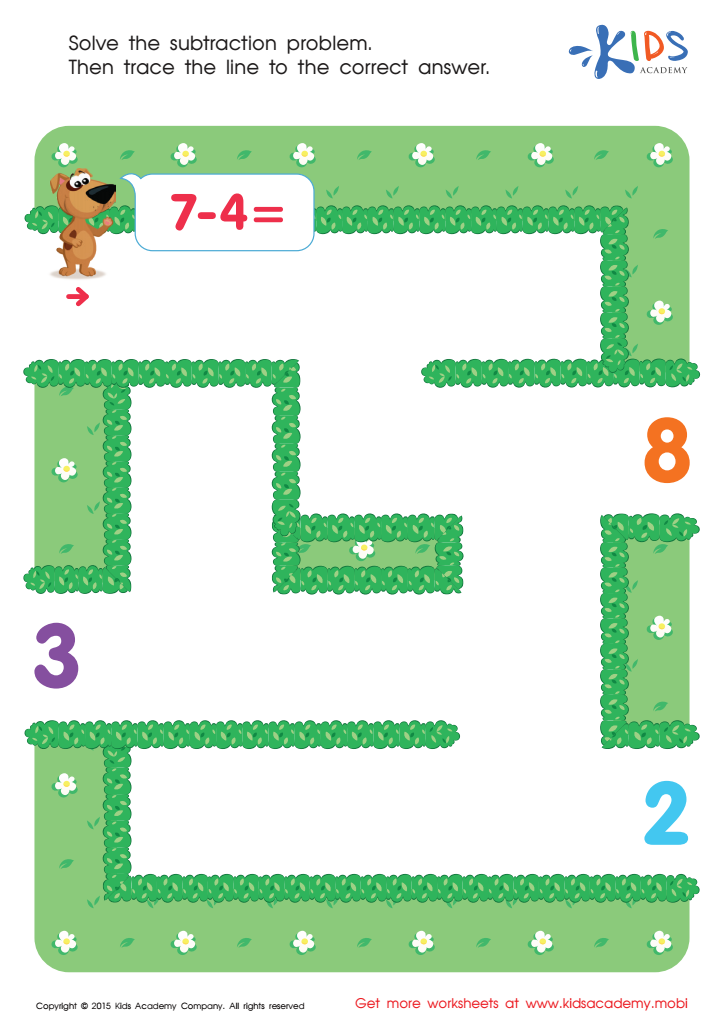
Subtraction Seven Minus Four Worksheet
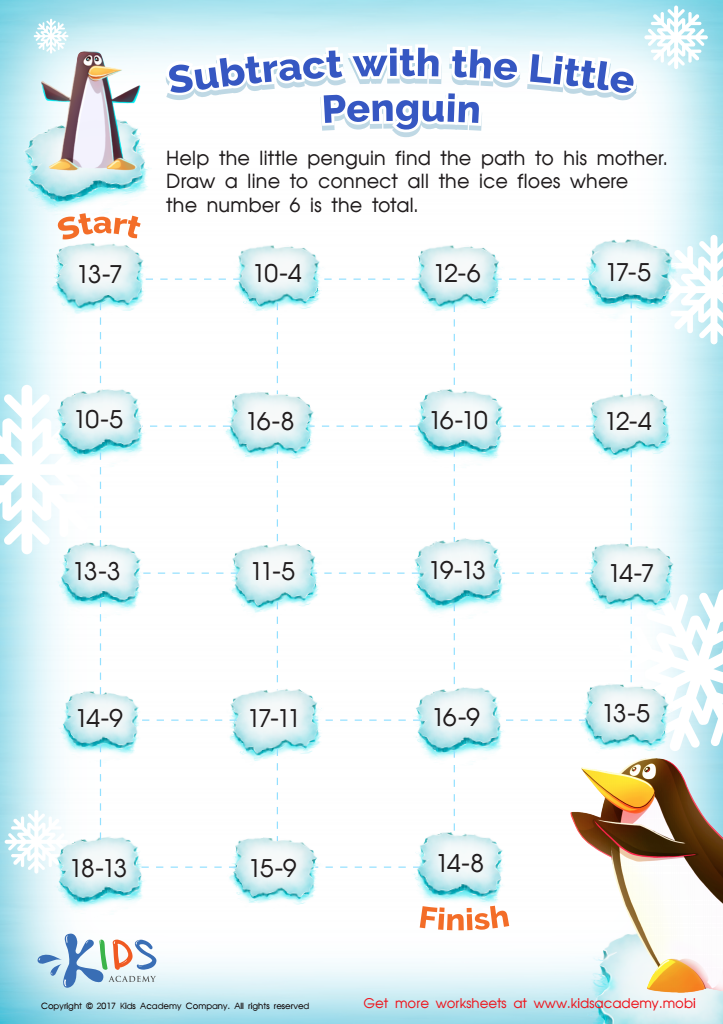
Subtract With The Little Penguin Substraction Worksheet
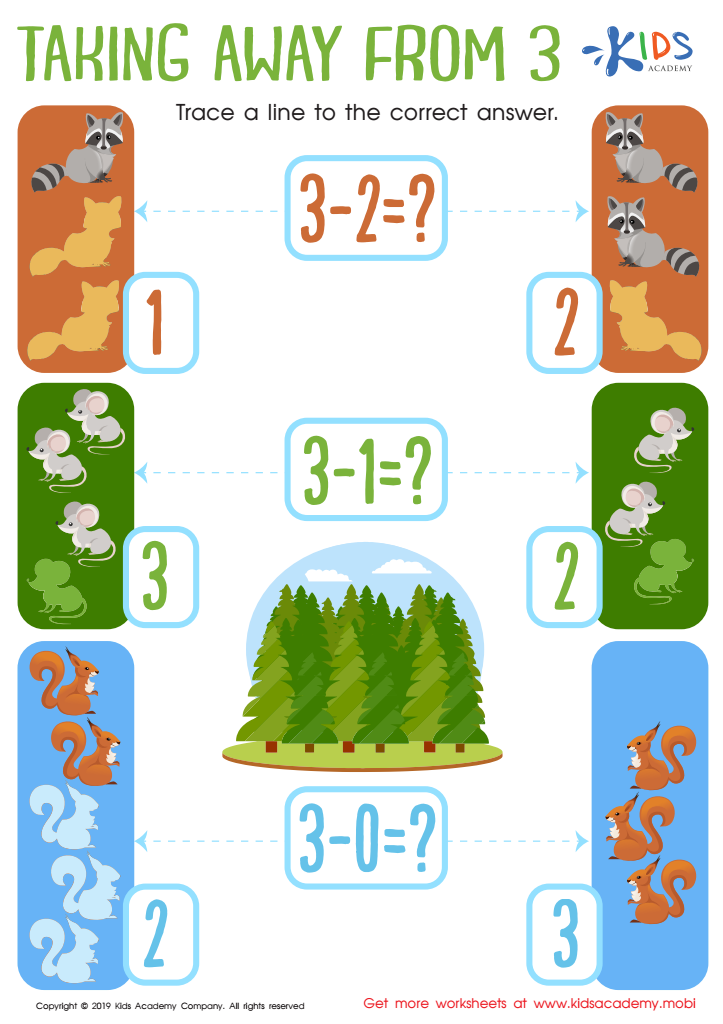
Taking Away From 3 Worksheet
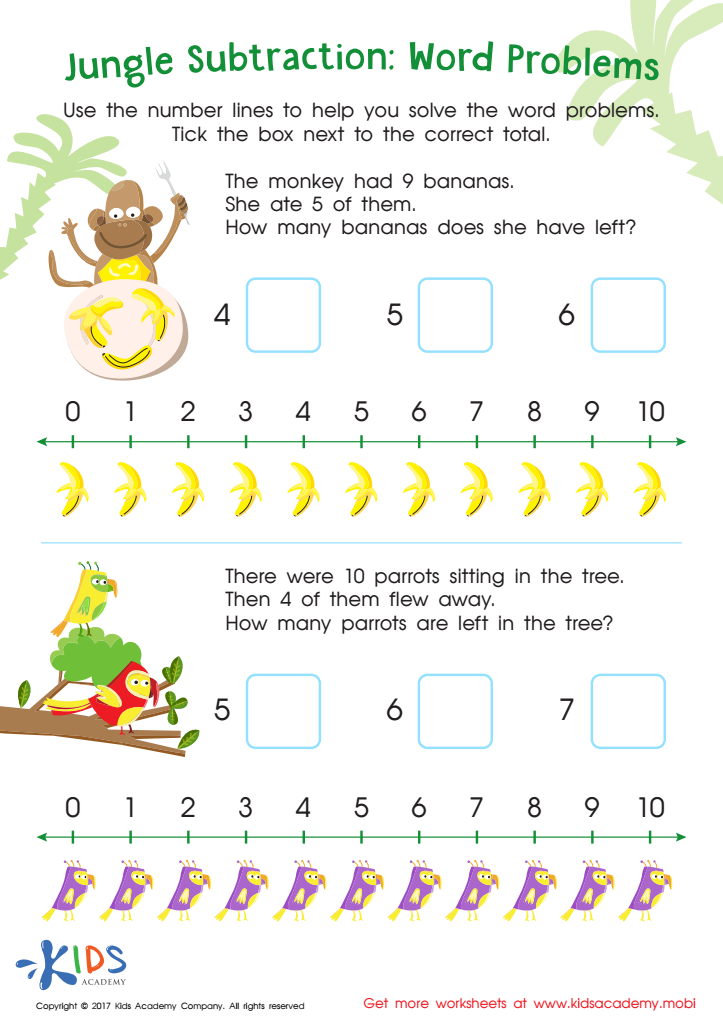
Jungle Subtraction Word Problems Substraction Worksheet
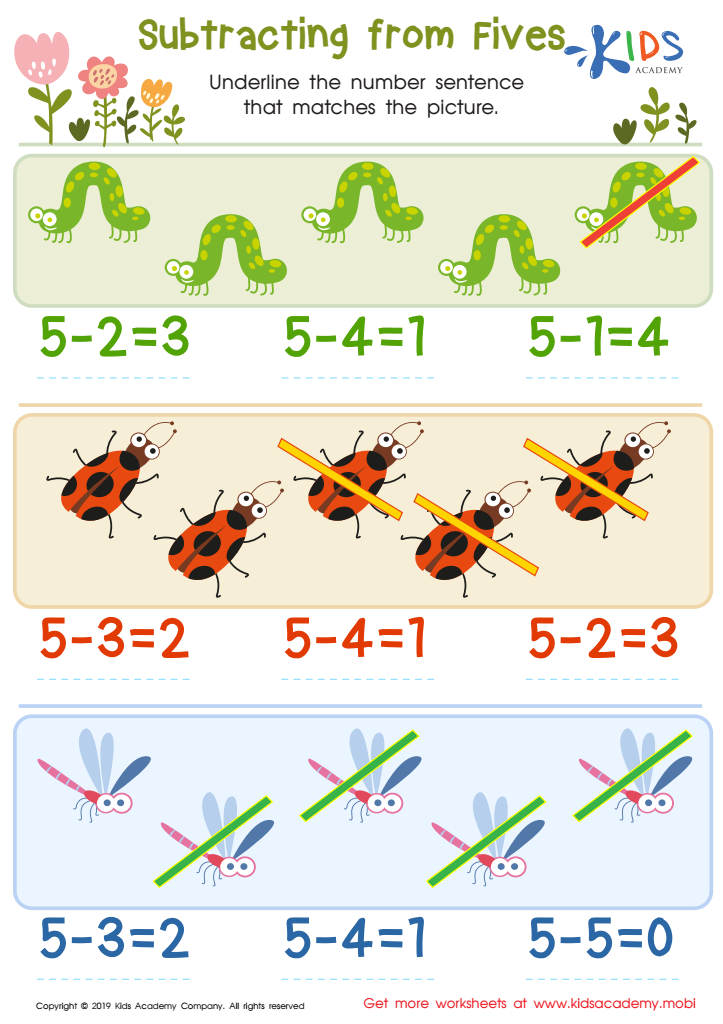
Subtracting From Fives Worksheet






Subtraction practice for ages 3-4 is essential for several reasons, making it crucial for parents and teachers to pay attention to this learning aspect. Firstly, early exposure to subtraction helps young children understand basic math concepts, fostering a strong foundation for later mathematical understanding. By introducing subtraction through engaging activities, children can build their number sense and problem-solving skills, which are vital for future academic success.
Moreover, practicing subtraction enhances cognitive development by encouraging critical thinking and logical reasoning. Children learn to recognize relationships between numbers and begin to grasp more complex mathematical concepts. Engaging in extra challenges can also promote persistence and resilience, as they learn to tackle problems, handle mistakes, and celebrate achievements.
In addition, subtraction practice can be woven into everyday life, making learning relatable and enjoyable. Whether through counting snacks, sharing toys, or playing games, parents and teachers can create a rich learning environment.
Lastly, additional challenges can boost a child's confidence, preparing them for more advanced topics. By prioritizing early subtraction practice, parents and teachers contribute significantly to children's intellectual growth and foster a lifelong love for learning. Ultimately, investing in this foundational skill paves the way for academic and personal success.








