Number Recognition Extra Challenge Worksheets for Ages 3-5 - Page 3
62 filtered results
-
From - To
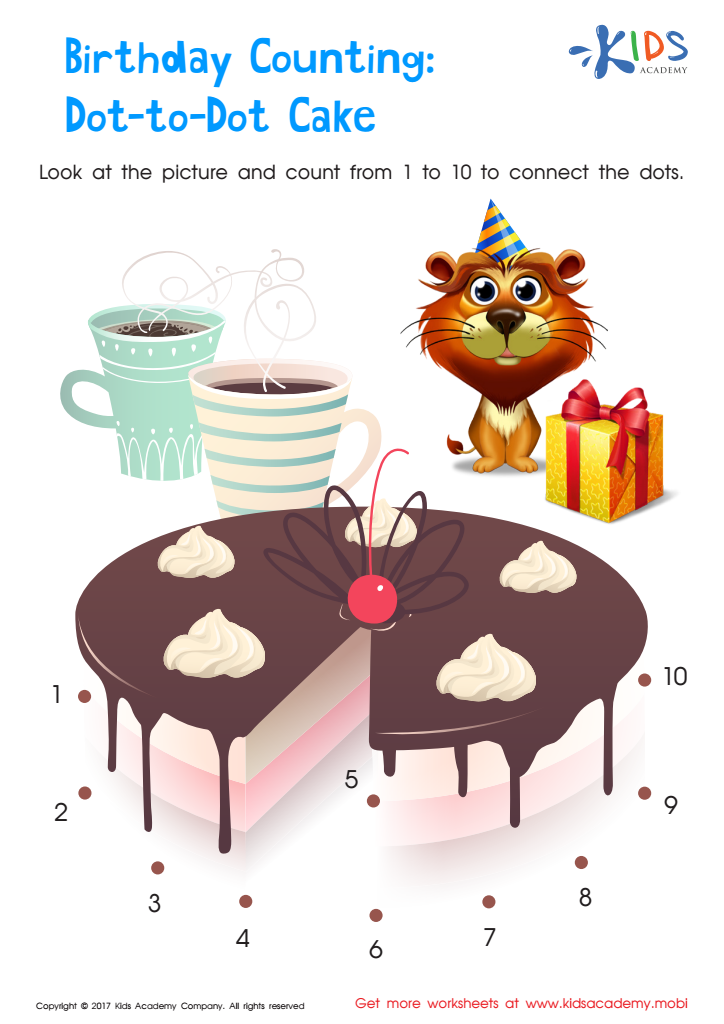
Birthday Counting Connect Dots Worksheet
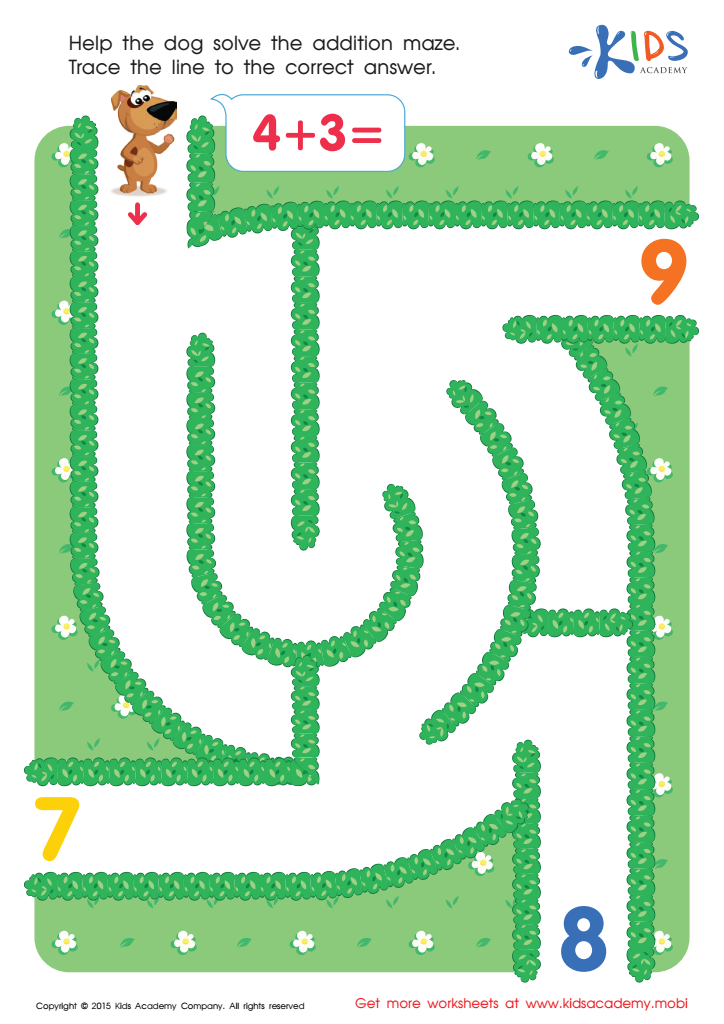
Addition Four And Three Worksheet
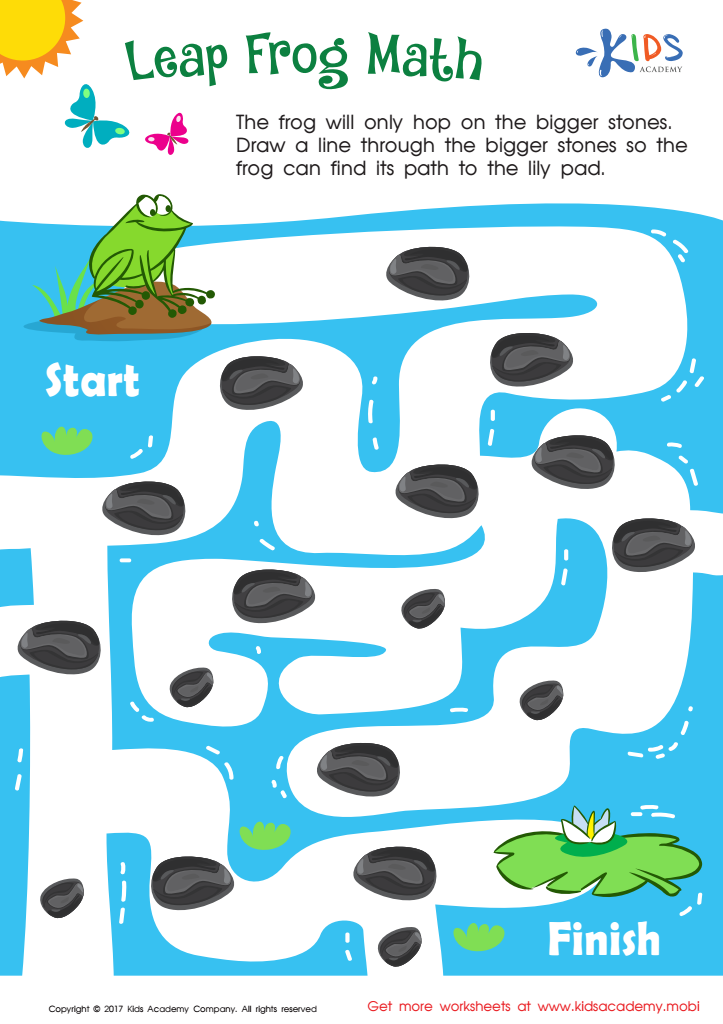
Math Puzzle Worksheet
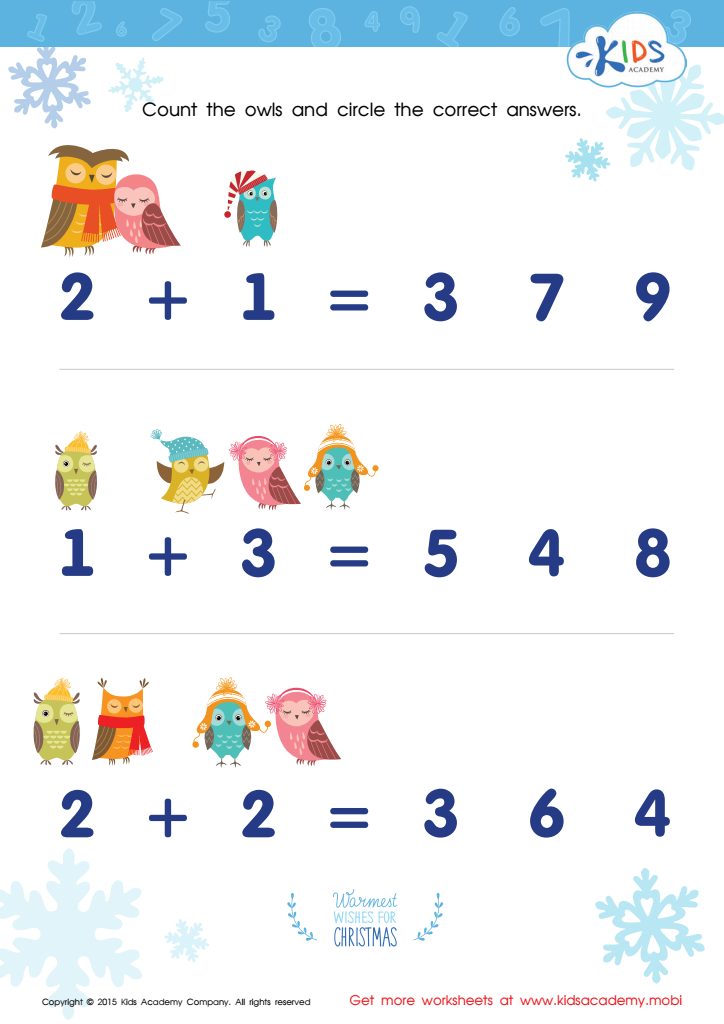
Count Little Owls Worksheet

Counting Worksheet: Let's Practice Counting
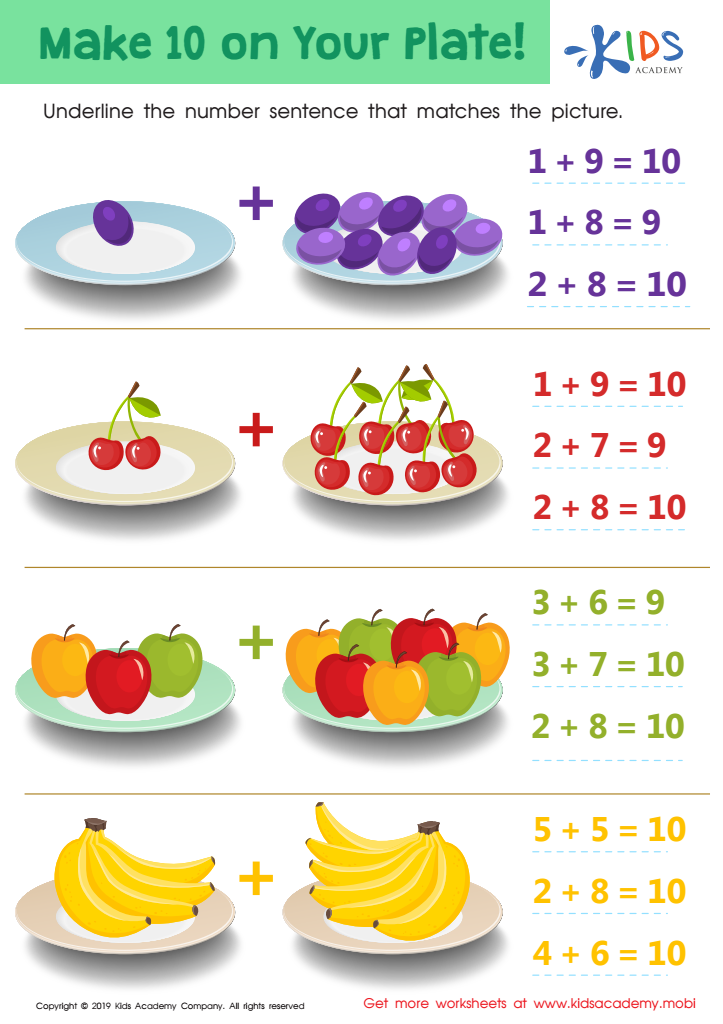
Make 10 on Your Plate! Worksheet
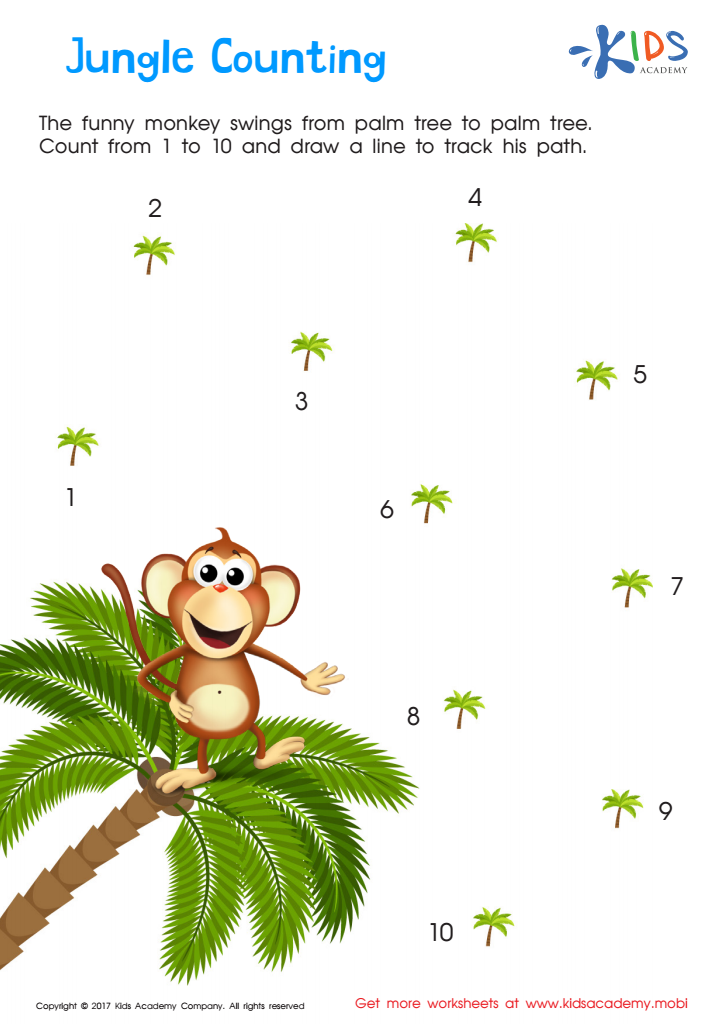
Jungle Counting Connect Dots Worksheet
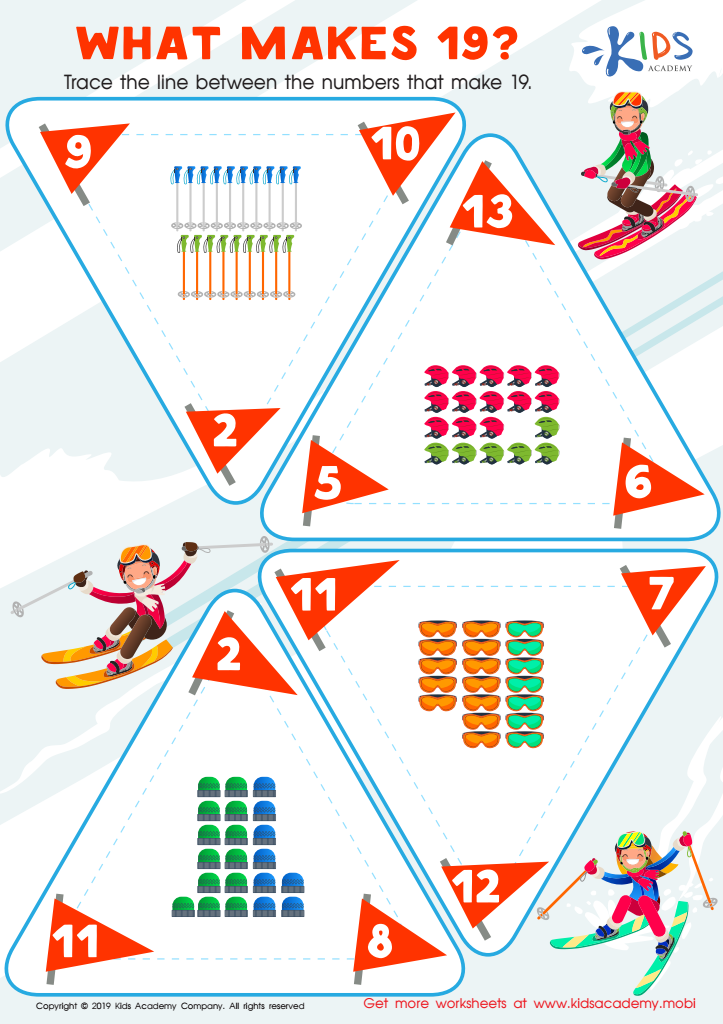
What Makes 19? Worksheet
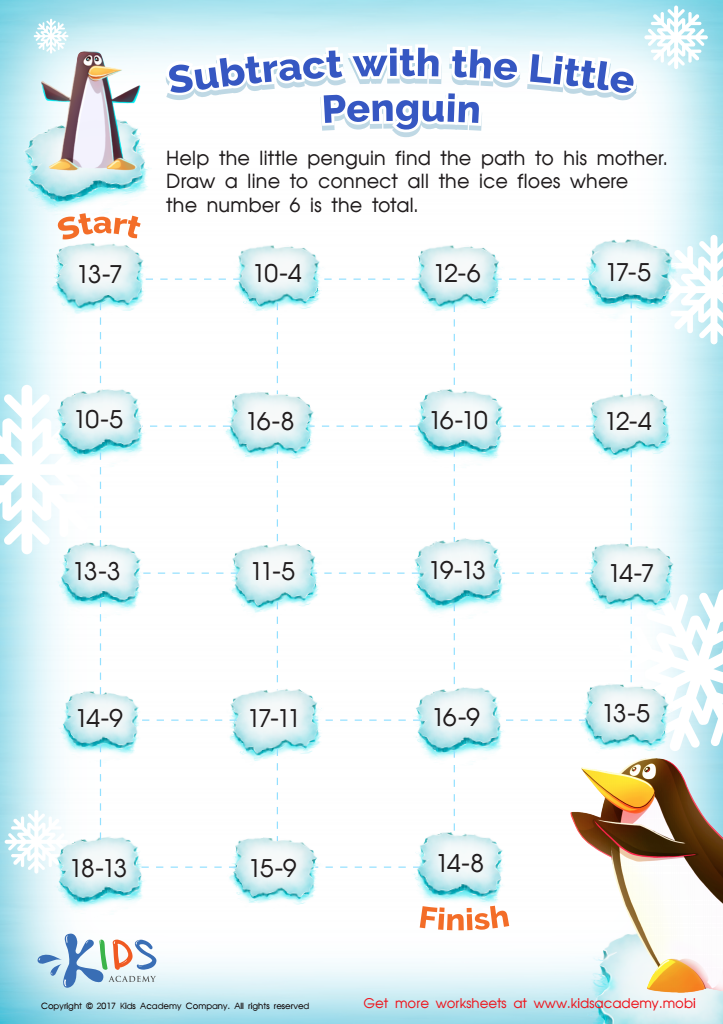
Subtract With The Little Penguin Substraction Worksheet
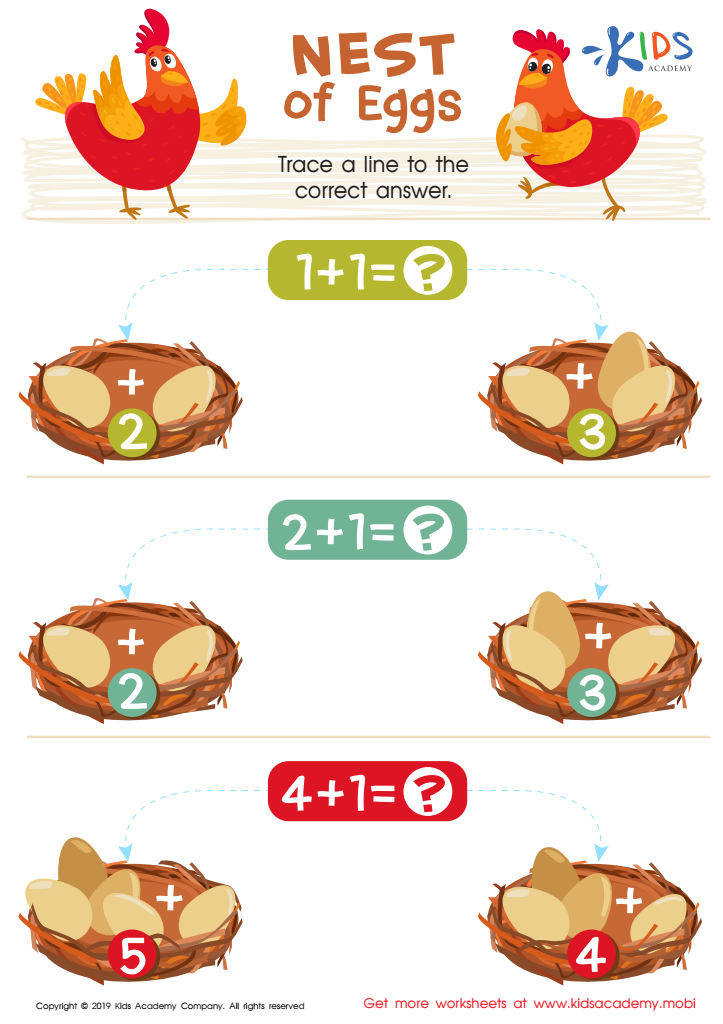
Nest of Eggs Worksheet
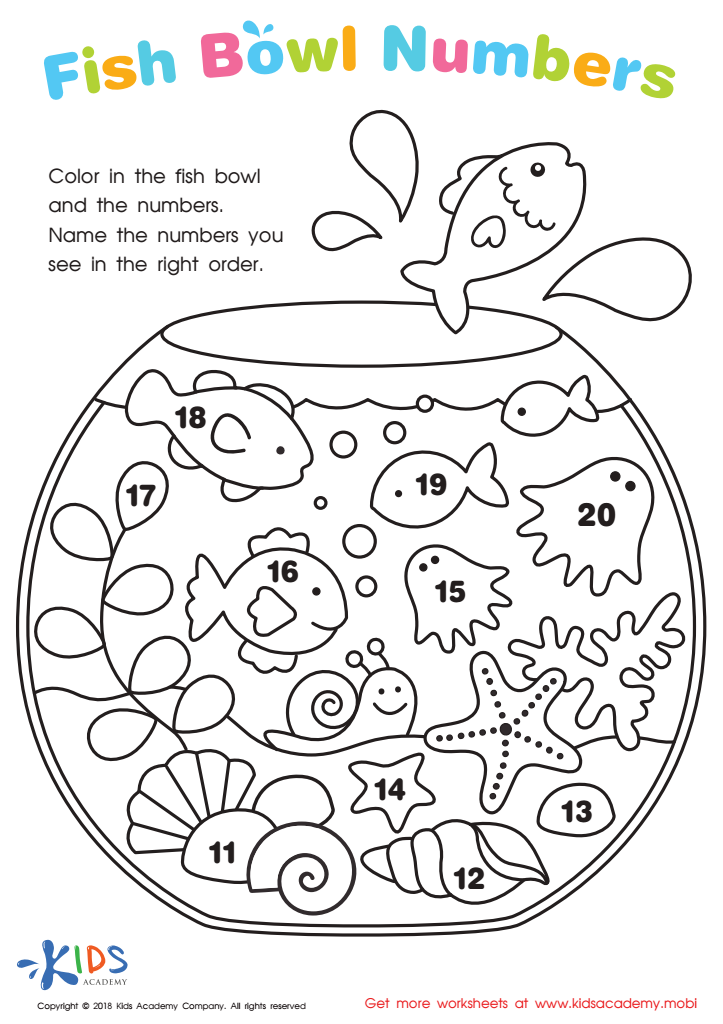
Fish Bowl Numbers Worksheet
 Assign to My Students
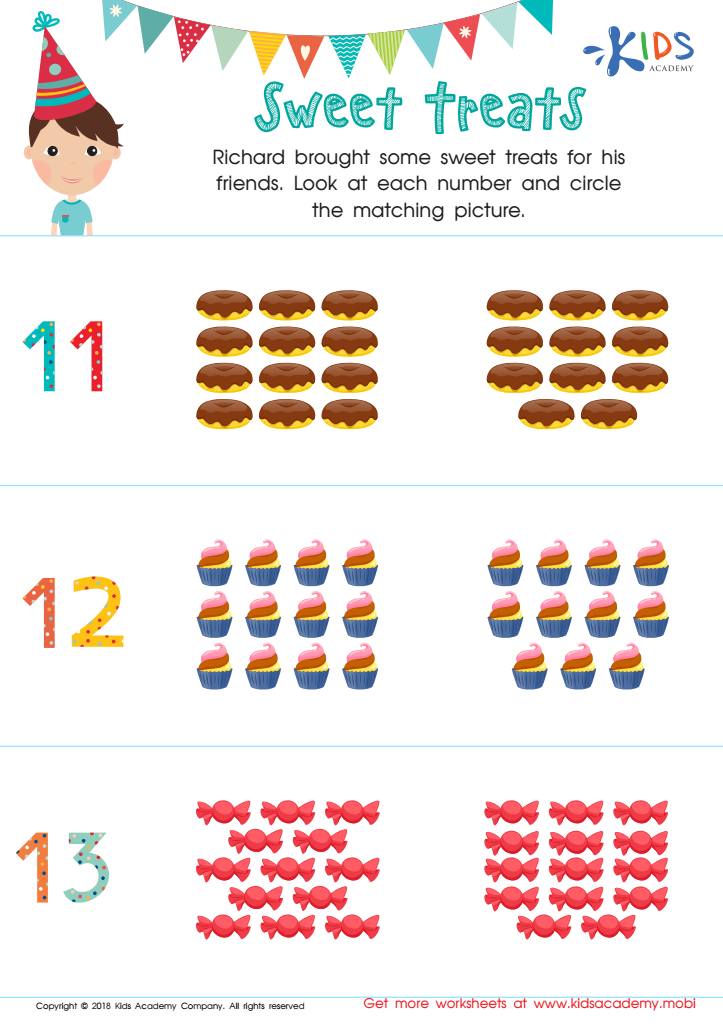
Kindergarten Math Worksheet Matching Numbers
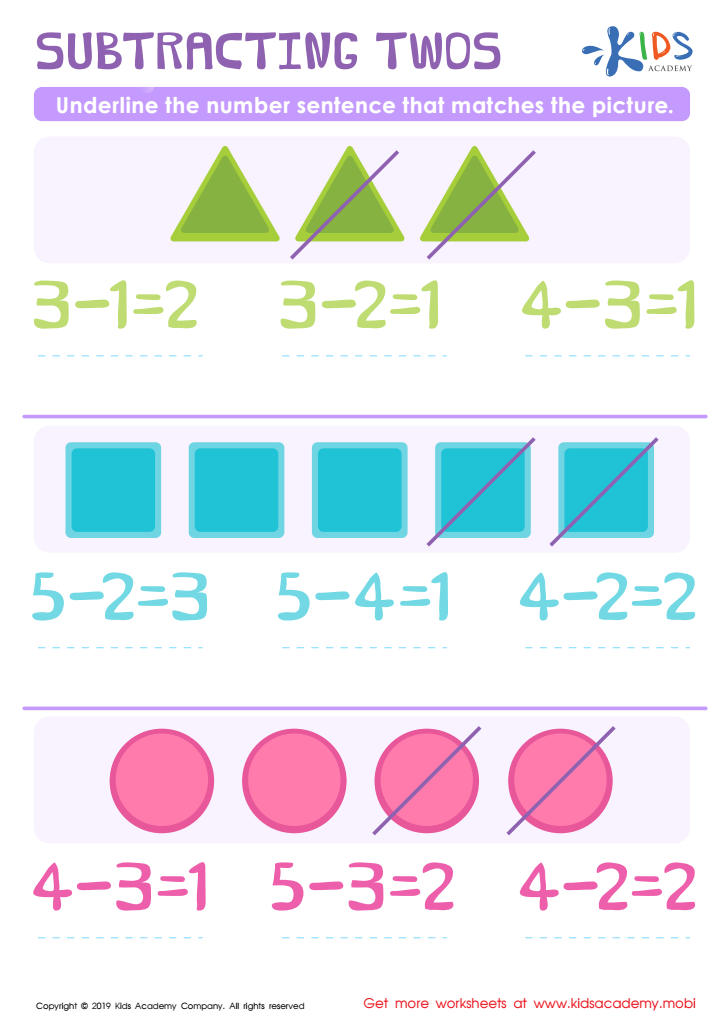
Subtracting Twos Worksheet
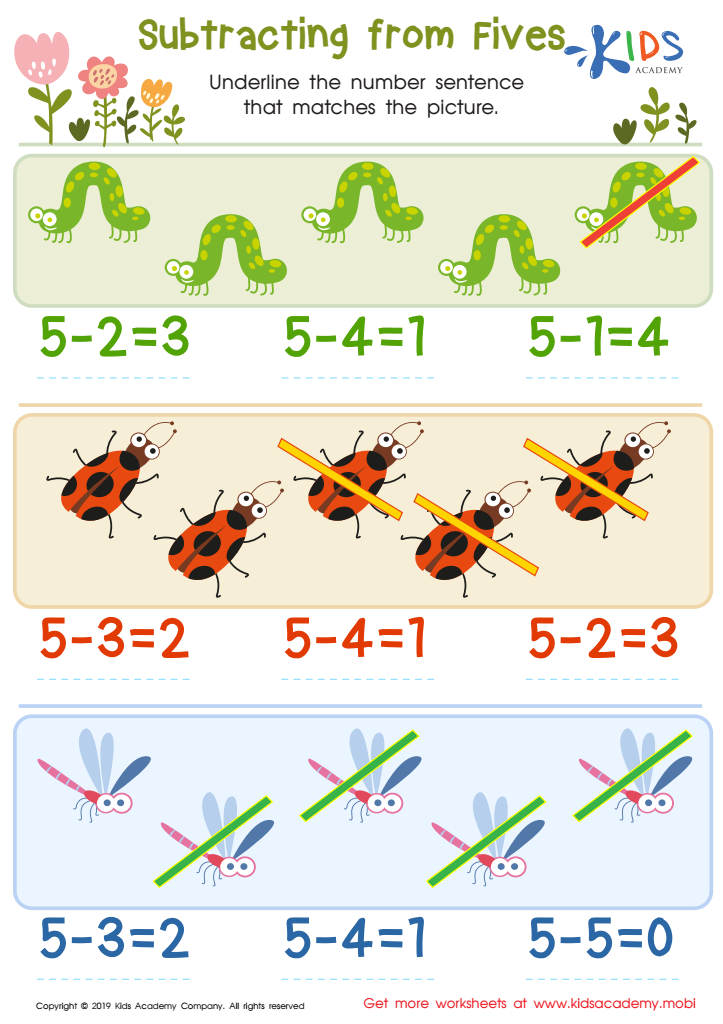
Subtracting From Fives Worksheet







Number recognition is a fundamental skill that forms the cornerstone of early childhood education. For children aged 3-5, focusing on number recognition through extra challenges can significantly enhance their cognitive development and academic foundation. Here’s why parents and teachers should prioritize this aspect of learning.
Firstly, early proficiency in number recognition contributes to mathematical literacy, a critical competency essential for success in subsequent years. As young children master recognizing and differentiating numbers, they build a crucial base for more complex mathematical concepts, such as addition, subtraction, and eventually more advanced operations.
Additionally, engaging in number recognition activities cultivates children's problem-solving skills and cognitive abilities. This age is primed for absorbing new information, and interacting with numbers helps create neural pathways that support overall intellectual growth.
On a social-emotional level, achieving milestones in number recognition boosts children's confidence and enthusiasm for learning. Successfully identifying numbers can foster a sense of accomplishment and motivate them to tackle further educational challenges with a positive mindset.
Lastly, introducing number recognition early ensures children grasp foundational skills before they transition into formal schooling. This preparatory step can ease their adaptation to structured classroom environments, making learning a more enjoyable and less daunting experience.
Overall, integrating number recognition challenges for young learners lays a robust groundwork for lifelong academic success and holistic development.








