Reading comprehension Extra Challenge Worksheets for Ages 3-7
60 filtered results
-
From - To
Enhance your child's reading skills with our Reading Comprehension Extra Challenge Worksheets for Ages 3-7! Designed to engage young learners, these worksheets feature age-appropriate stories and questions that promote critical thinking and comprehension abilities. Each worksheet encourages children to explore different themes, characters, and vocabulary, fostering a love for reading from an early age. Ideal for both classroom use and at-home learning, our interactive challenges help children build confidence as they answer questions, make predictions, and summarize stories. Support your child's educational journey today with our fun and effective reading comprehension resources, tailored for their eager minds!
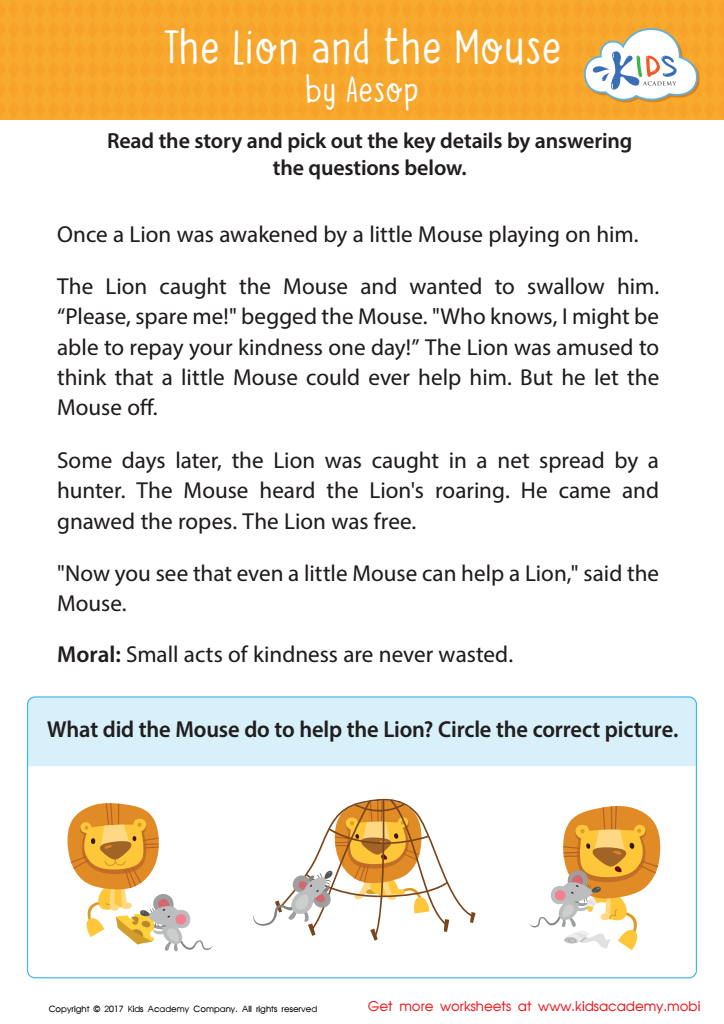
The Lion and The Mouse Sequencing Worksheet
 Assign to My Students
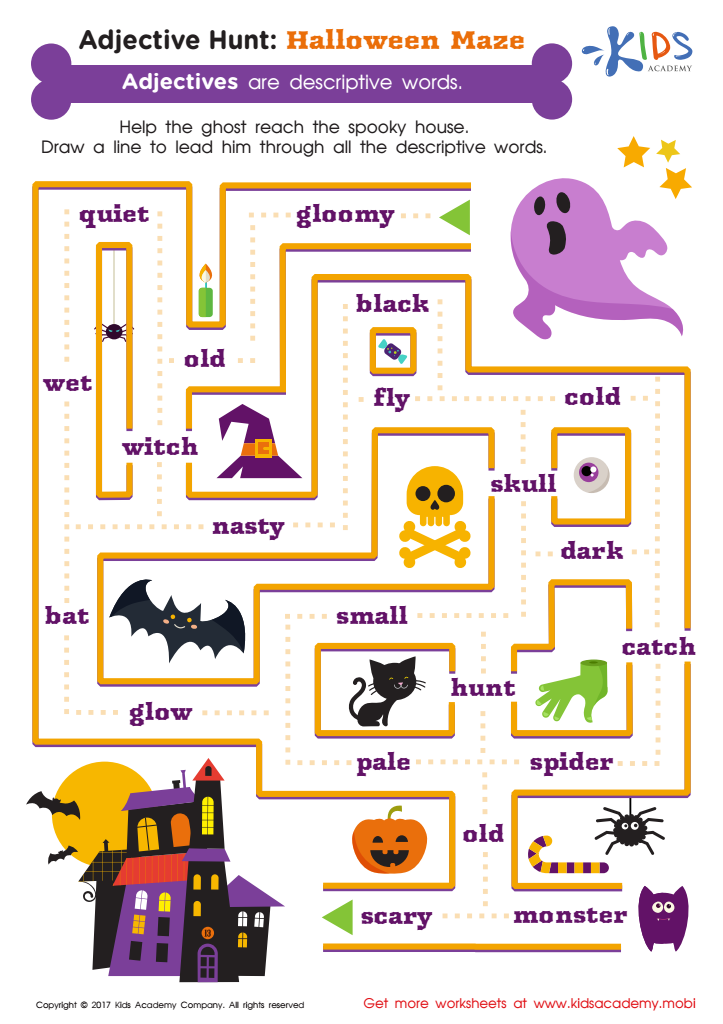
Adjective Hunt Printable
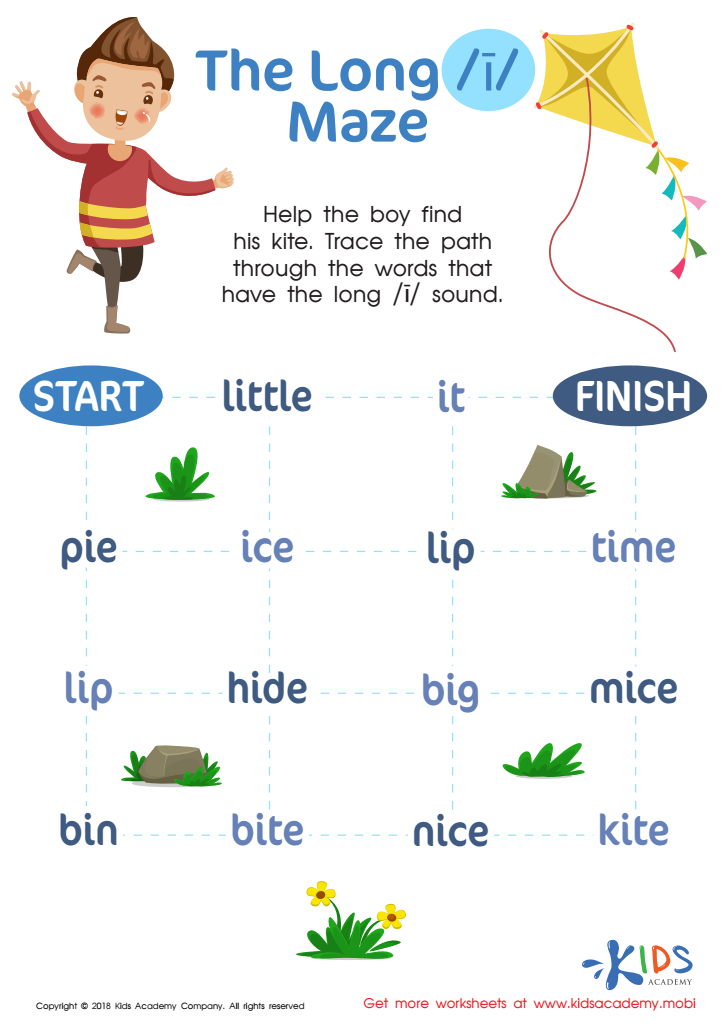
The Long I Maze Reading Worksheet
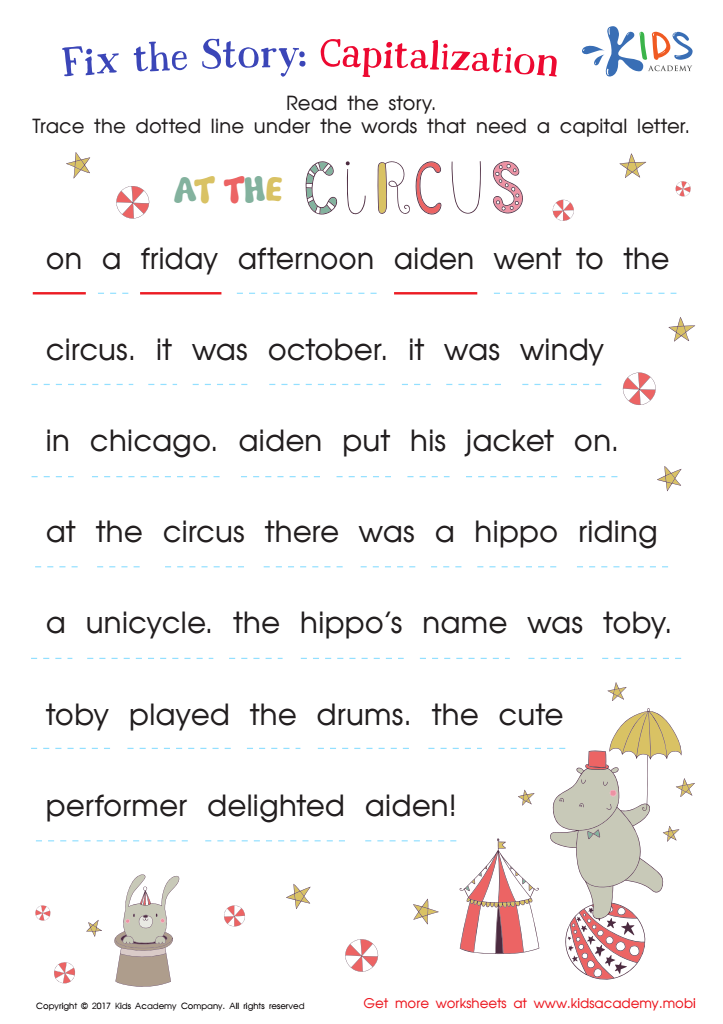
Capitalization: Fix the Story Worksheet
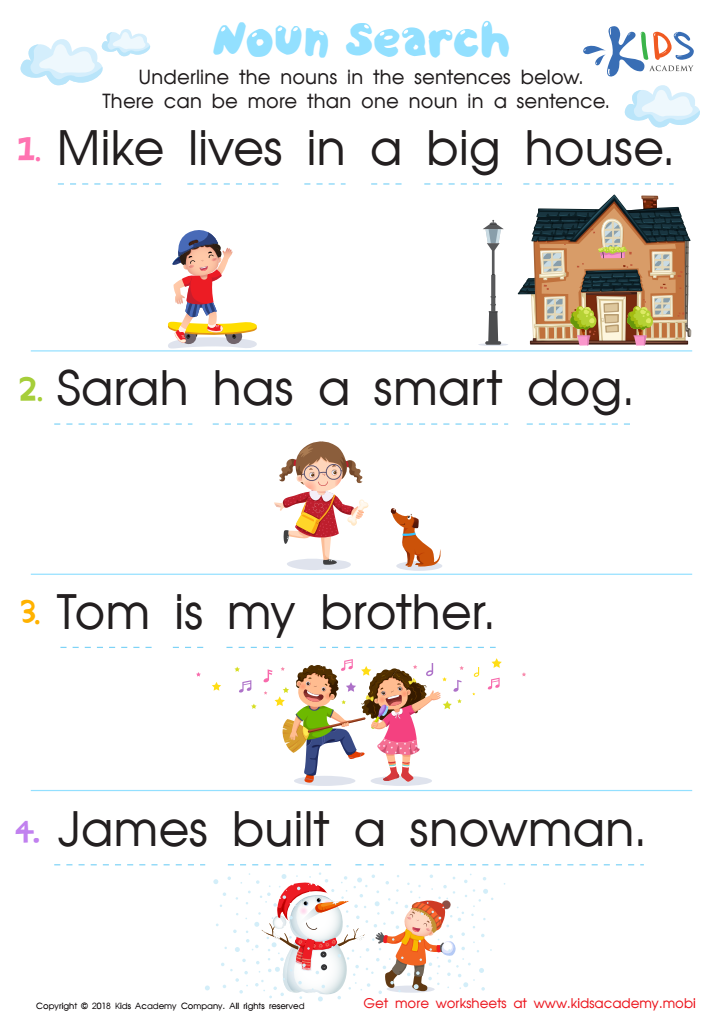
Noun Search Worksheet
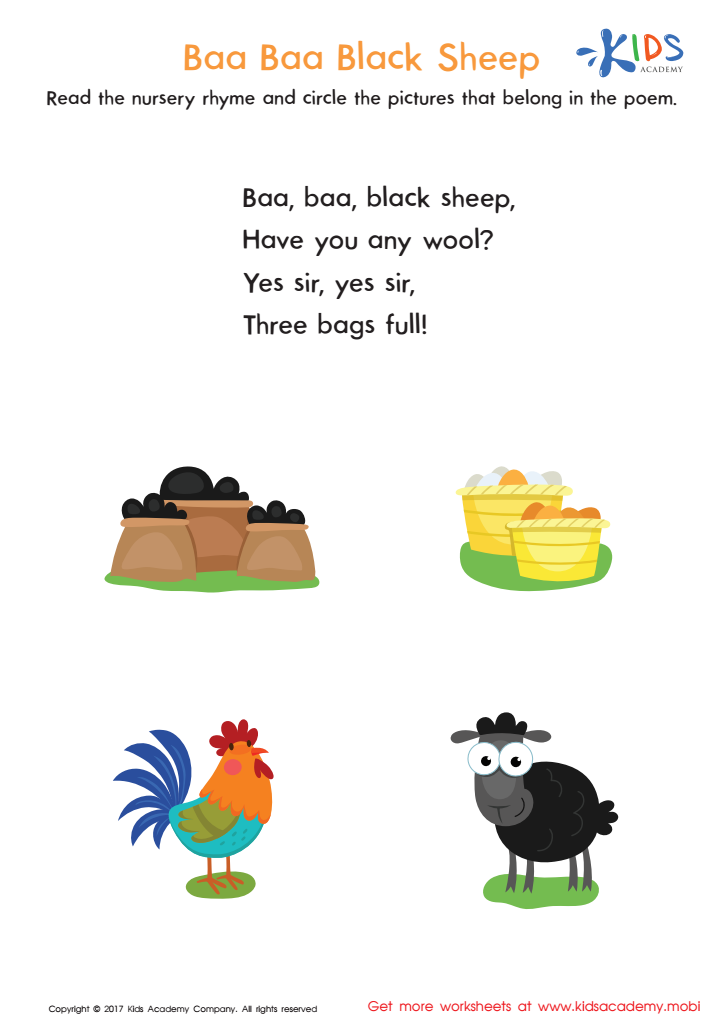
Baa Baa Black Sheep Printable
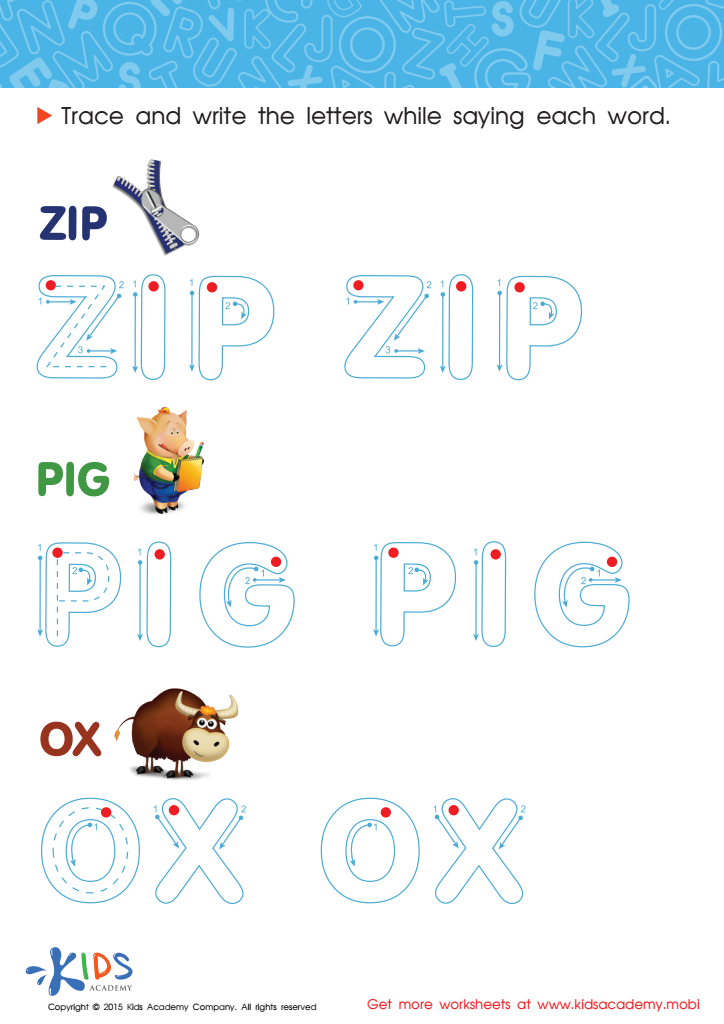
A Zip, a Pig and an Ox Spelling Worksheet
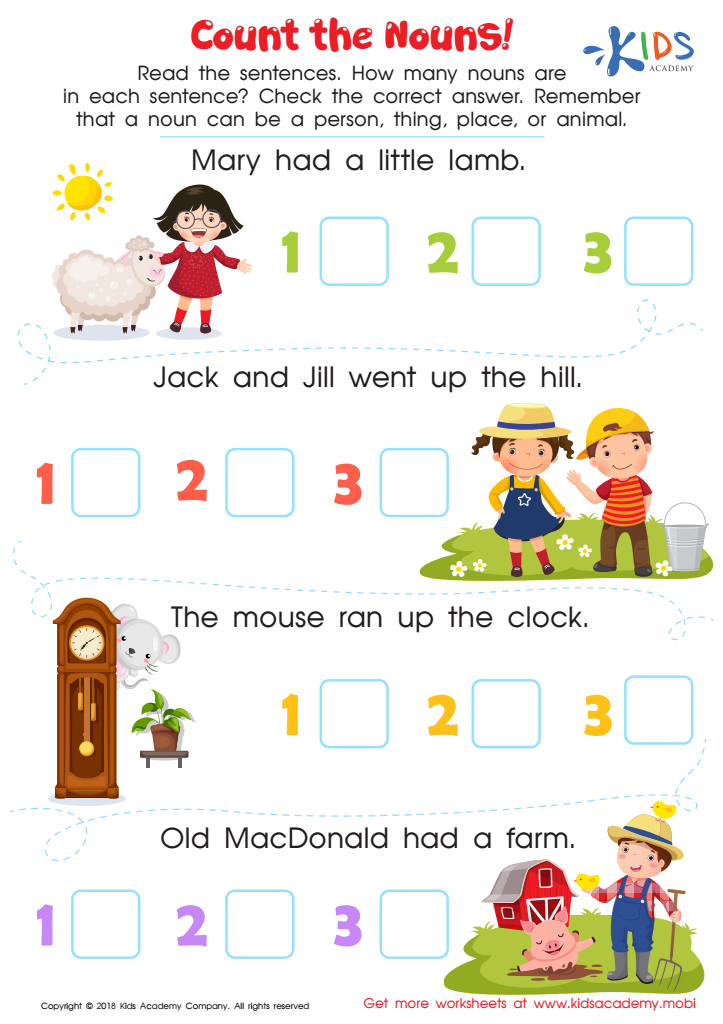
Count the Nouns Worksheet
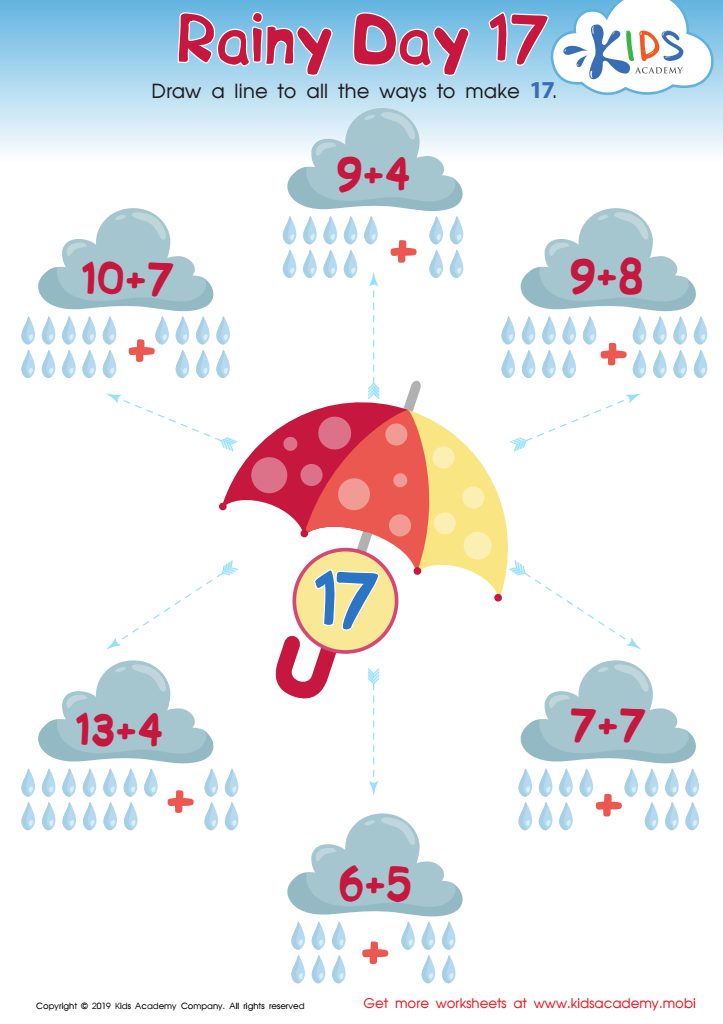
Rainy Day 17 Worksheet
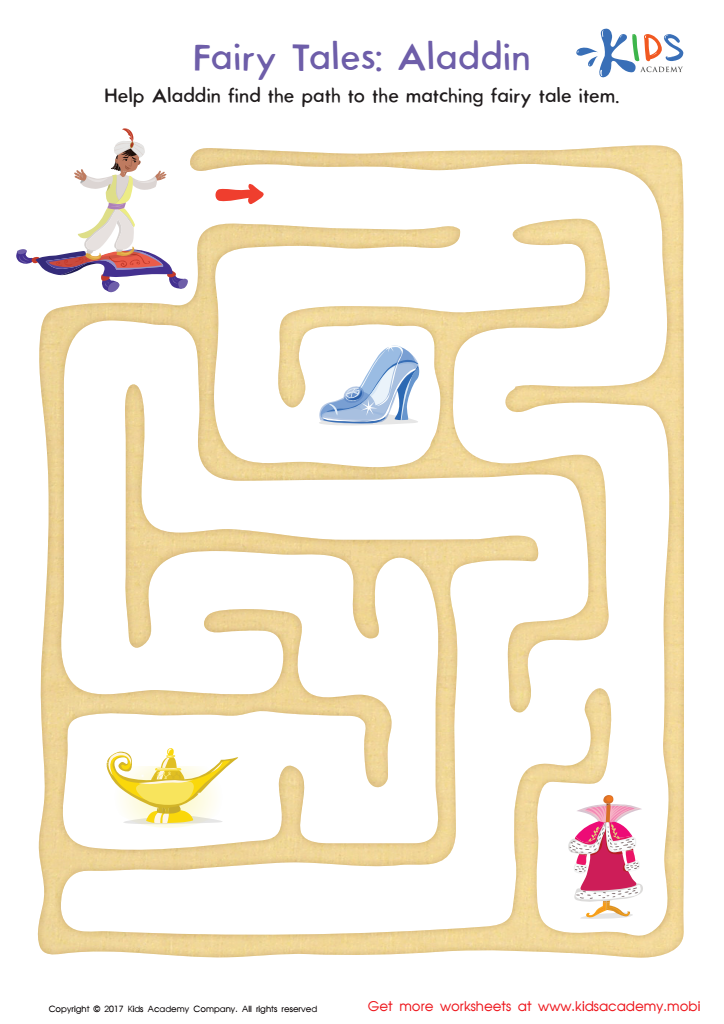
Fairy Tales Aladdin Printable
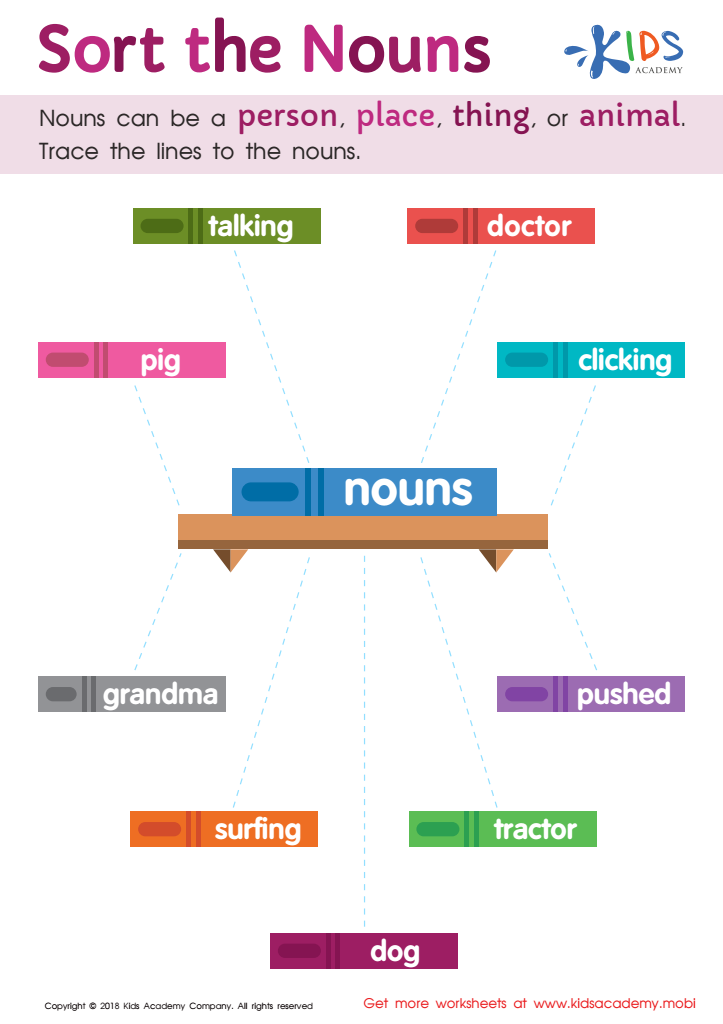
Sort the Nouns Worksheet
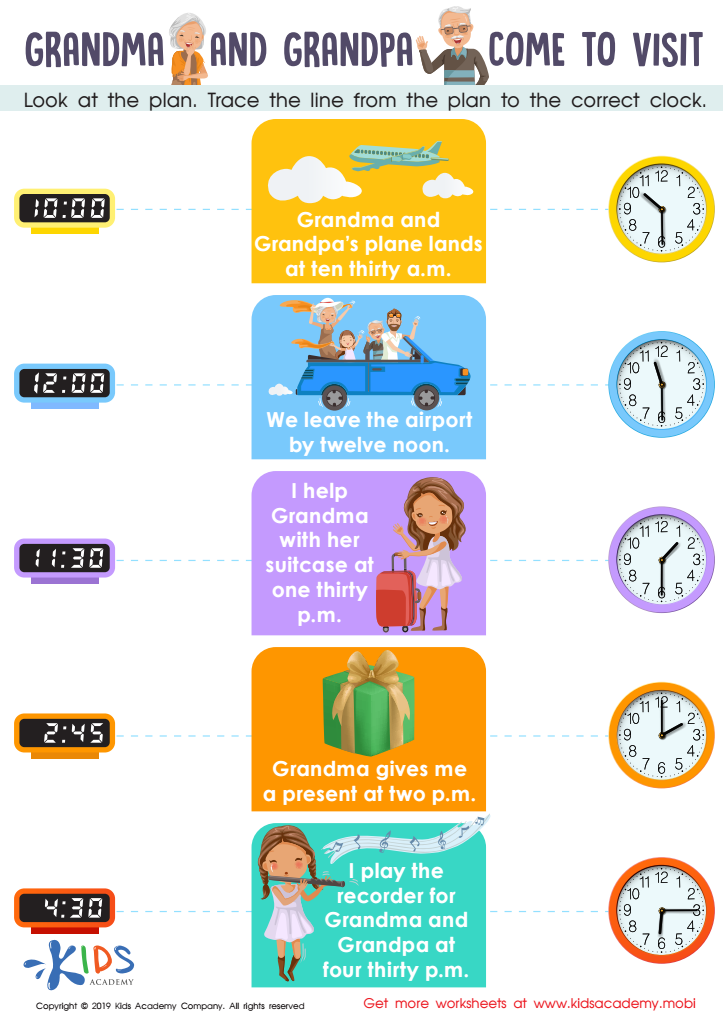
Grandpa and Grandma Come to Visit Worksheet
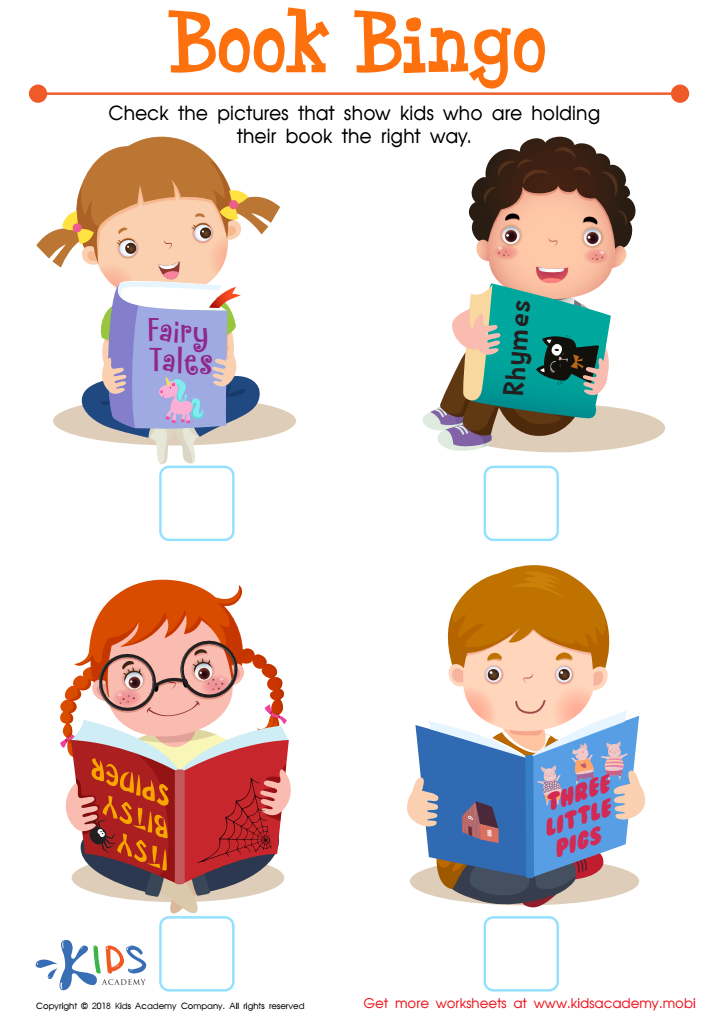
Book Bingo Worksheet
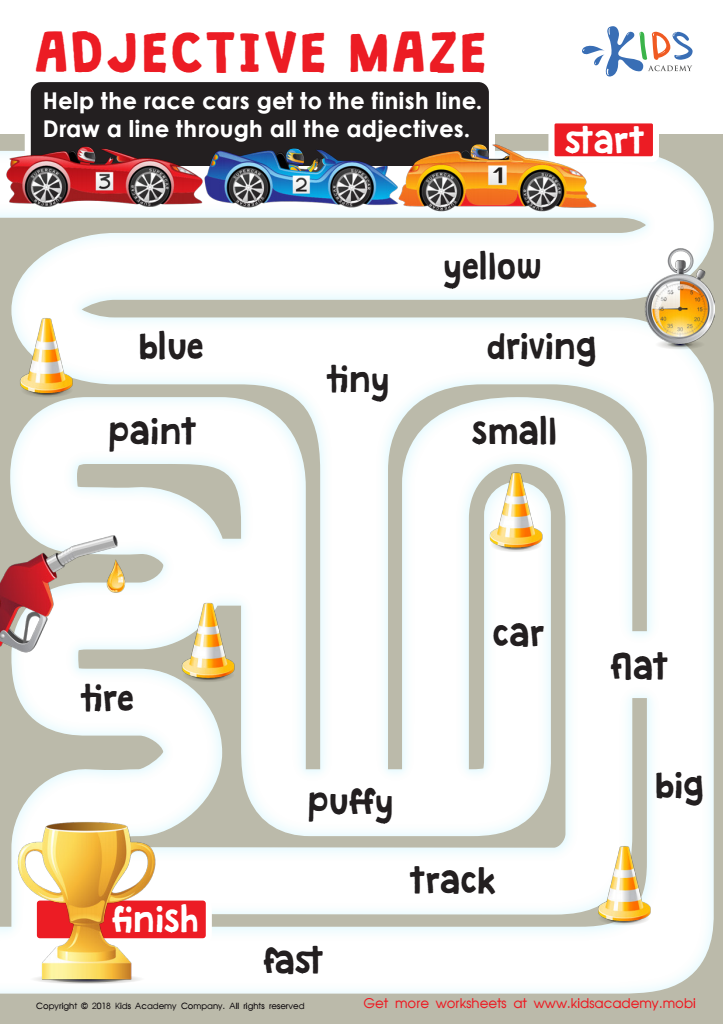
Adjective Maze Worksheet
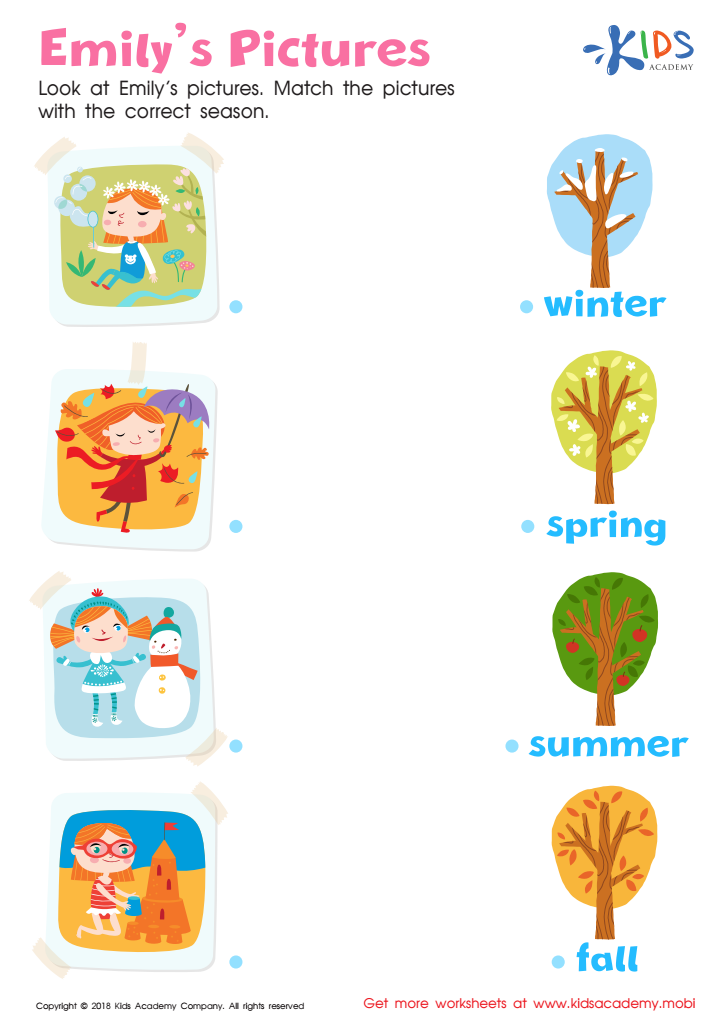
Emily's Pictures Worksheet
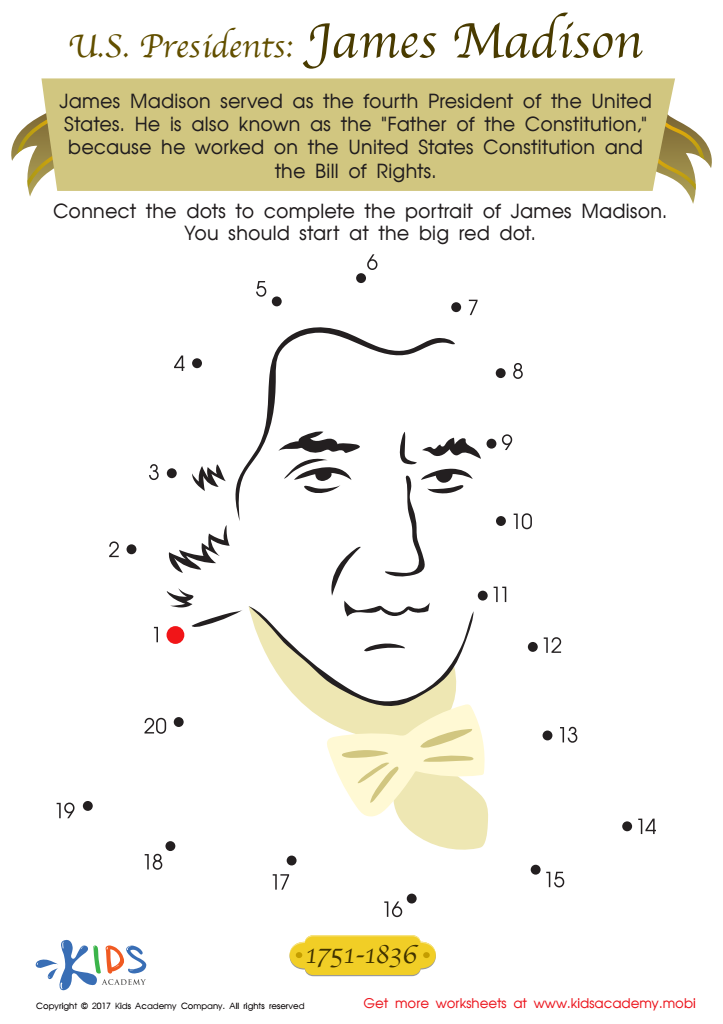
President Madison Printable
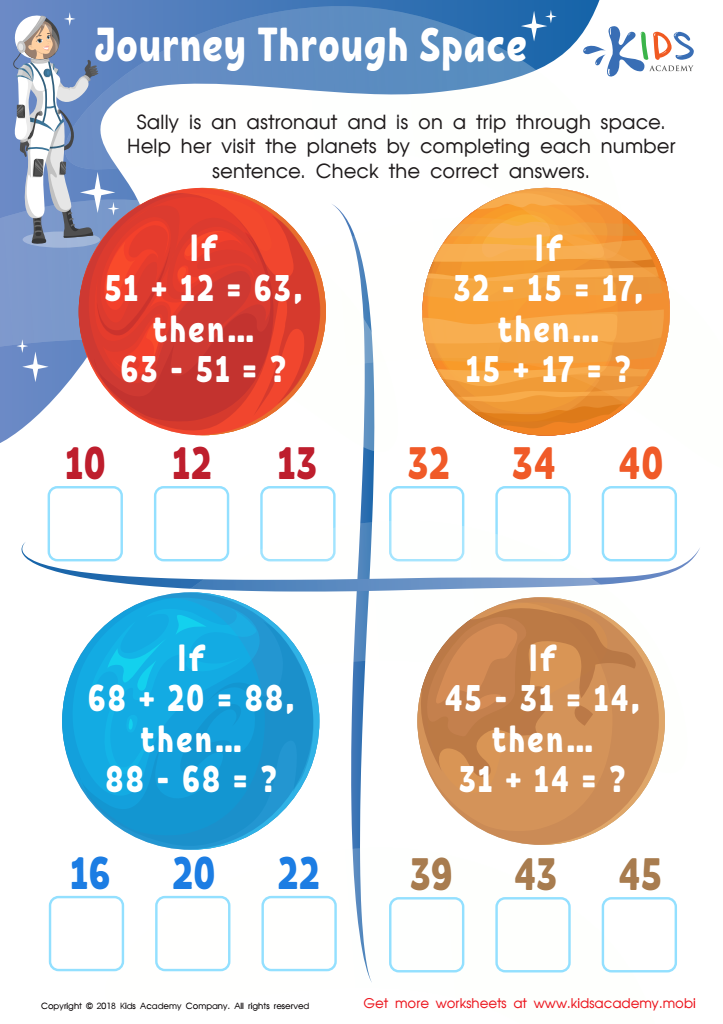
Journey Through Space Worksheet
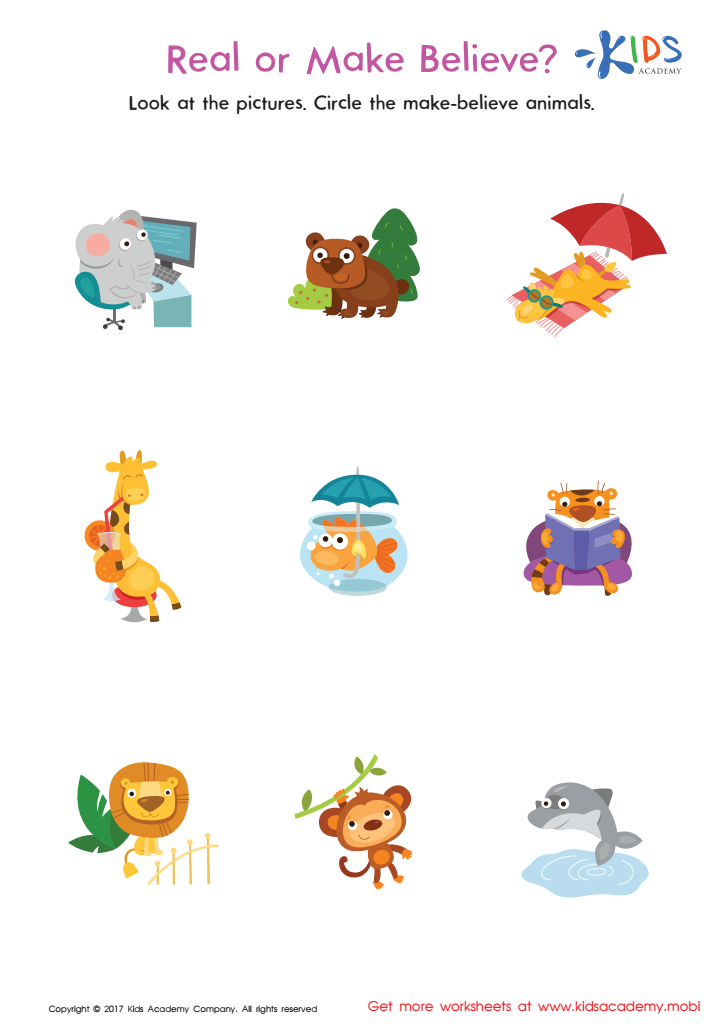
Fact or Make Believe Worksheet
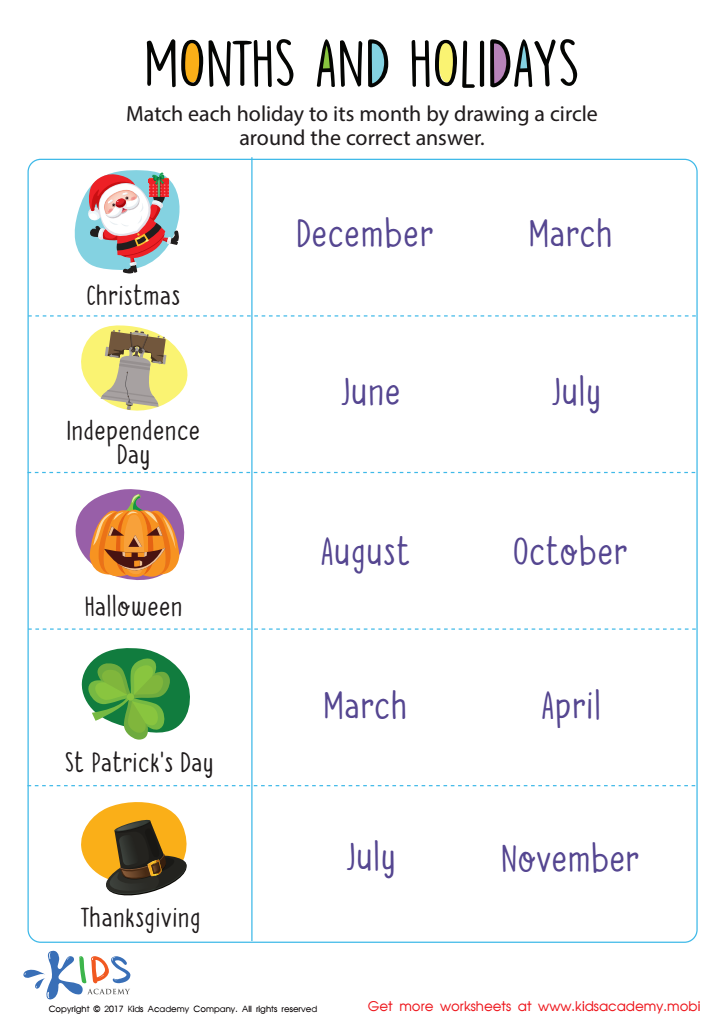
Months and Holidays Worksheet
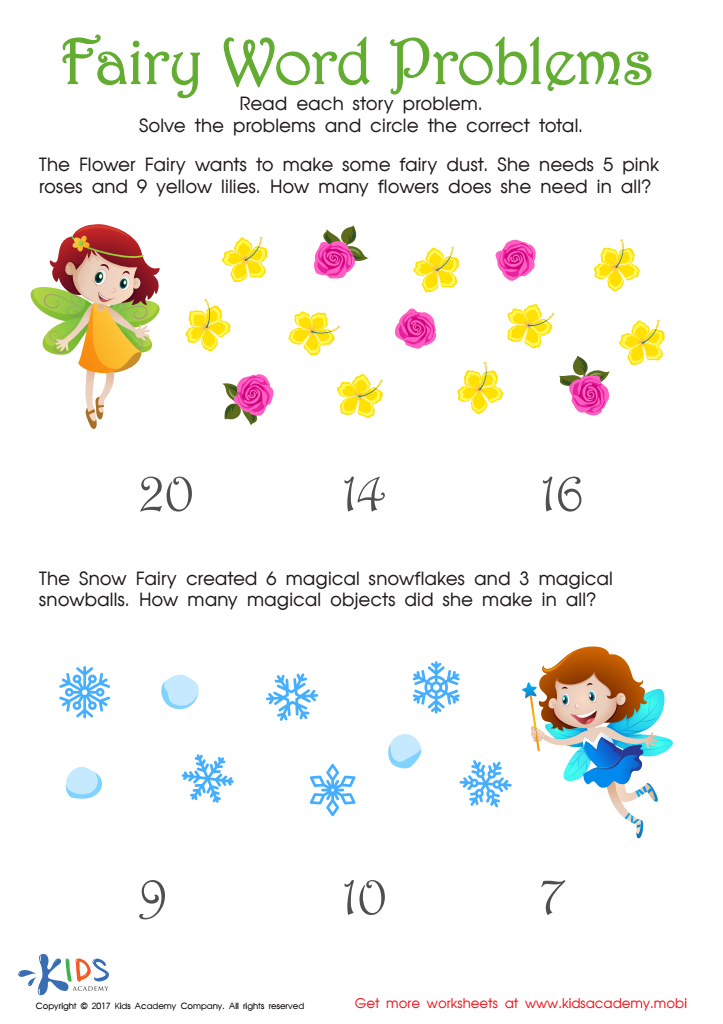
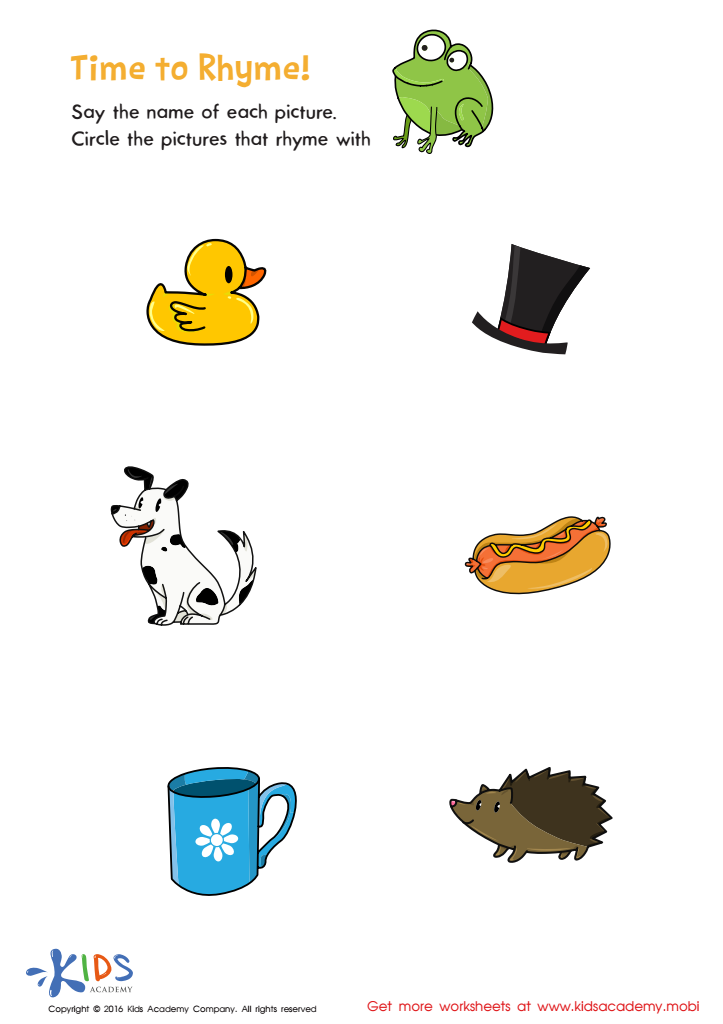
Rhyming Worksheet: Time to Rhyme Rhyming Worksheet
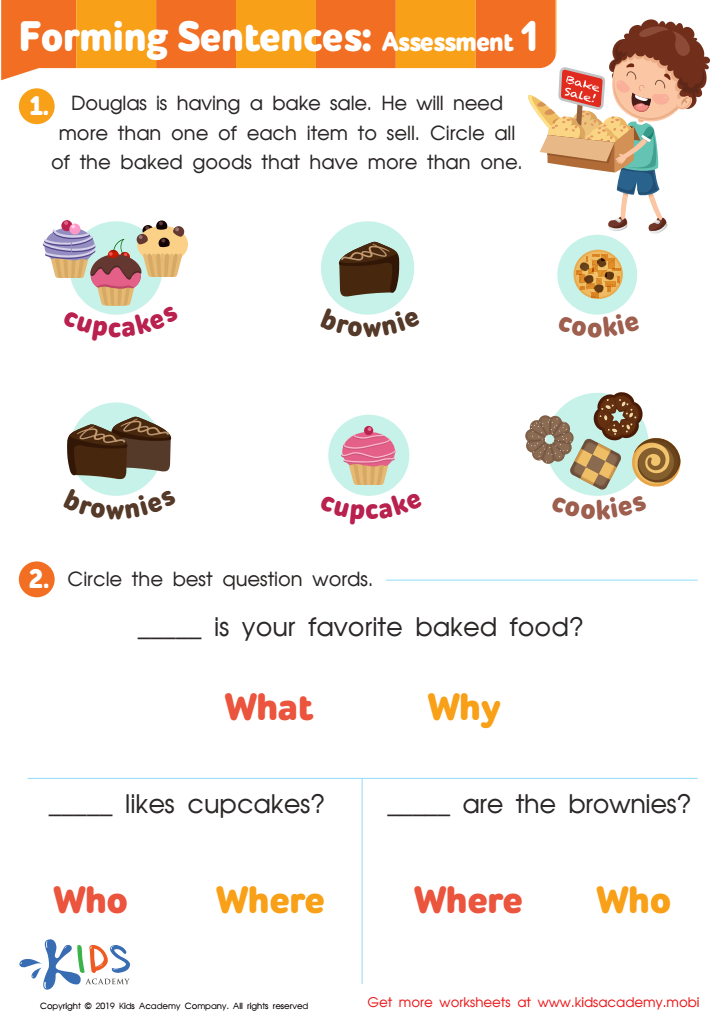
Forming Sentences: Assessment 1 Worksheet
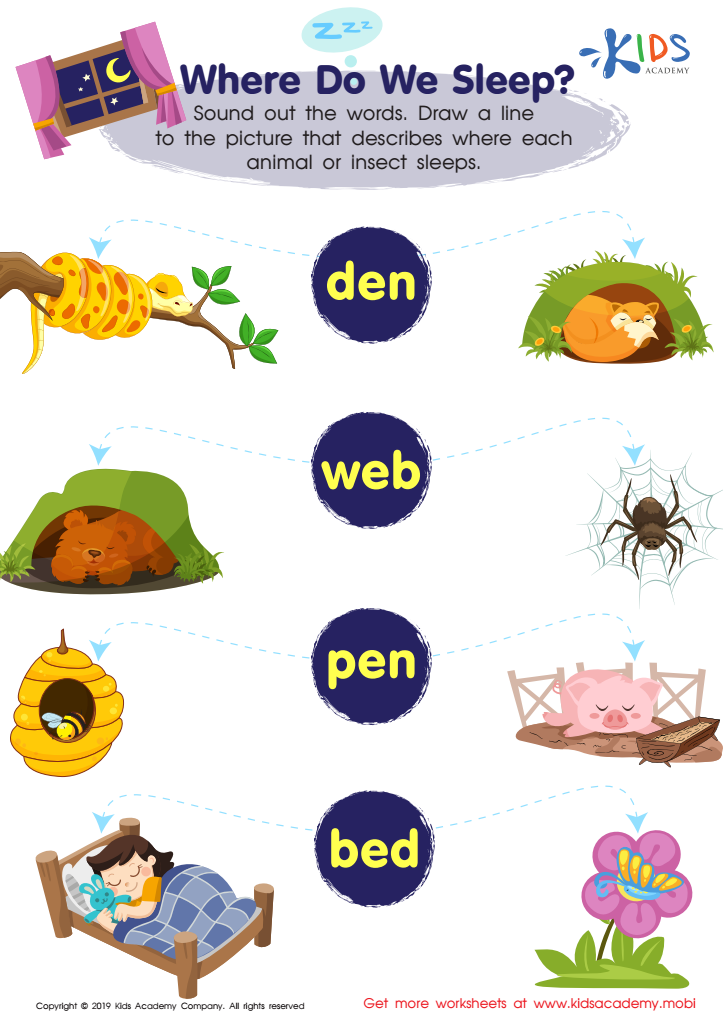
Where Do We Sleep Worksheet


.jpg)




.jpg)
Reading comprehension is a foundational skill essential for children aged 3-7, as it is pivotal for their academic success and personal development. Parents and teachers should care about fostering reading comprehension during these formative years because it shapes how children understand and engage with the world around them. At this stage, children are not only learning to read but also reading to learn.
Introducing extra challenges in reading comprehension helps develop critical thinking skills, enabling children to analyze texts, draw inferences, and identify themes. Encouraging children to think beyond the text boosts their ability to retain information and apply it in real-life scenarios. Additionally, improved reading comprehension enhances vocabulary, grammar, and writing skills, laying a solid literacy foundation for future academic subjects.
By focusing on reading comprehension, parents and teachers can motivate children to become enthusiastic readers. Engaging activities and challenges can foster a love for reading, instilling lifelong habits. Furthermore, fostering comprehension skills early can bridge gaps for various learners, ensuring all children have the tools needed to succeed. In summary, prioritizing reading comprehension challenges not only benefits literacy development but also empowers children to become thoughtful, independent learners.








