Vocabulary expansion Extra Challenge Worksheets for Ages 3-8 - Page 2
37 filtered results
-
From - To
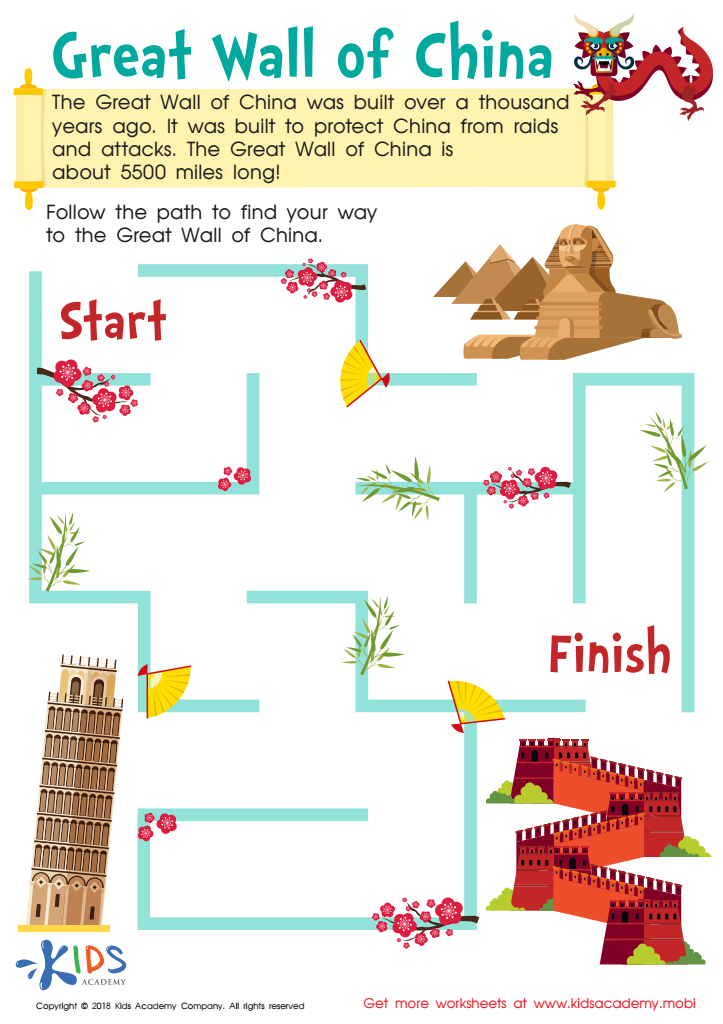
Great Wall of China Worksheet
 Assign to My Students
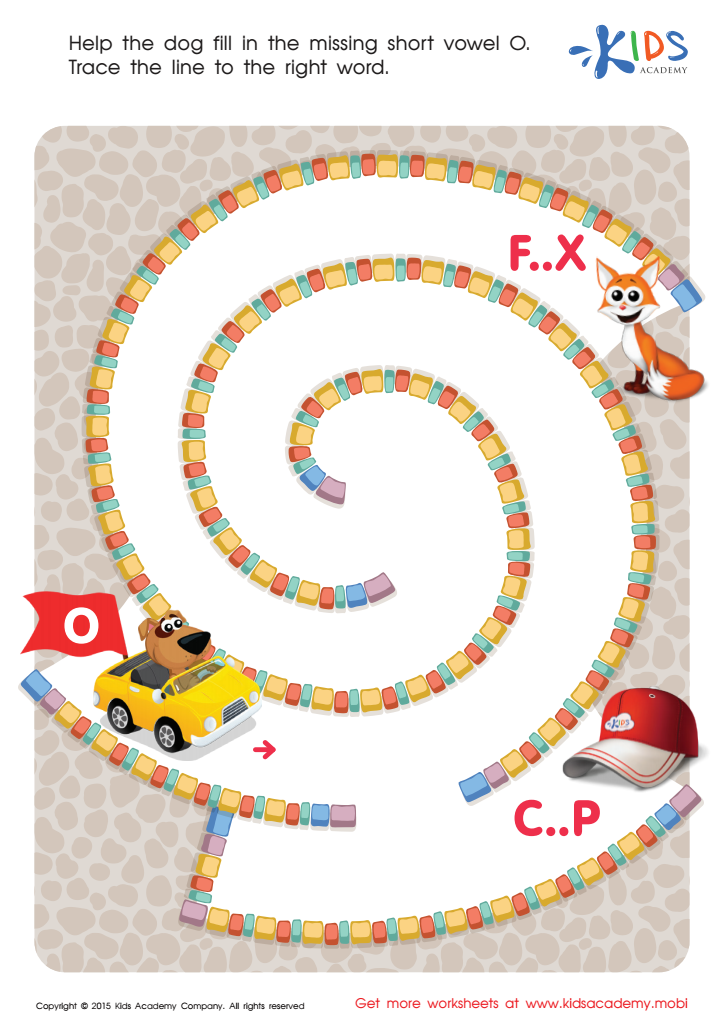
Short Vowel Sound O Worksheet
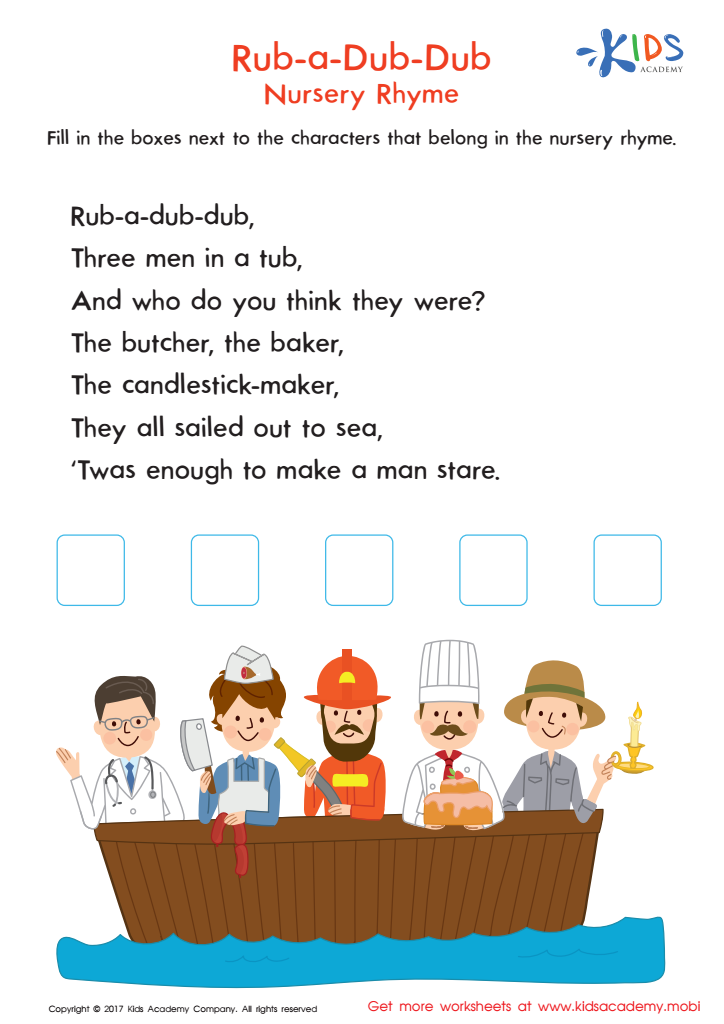
Rub a Dub Dub Printable
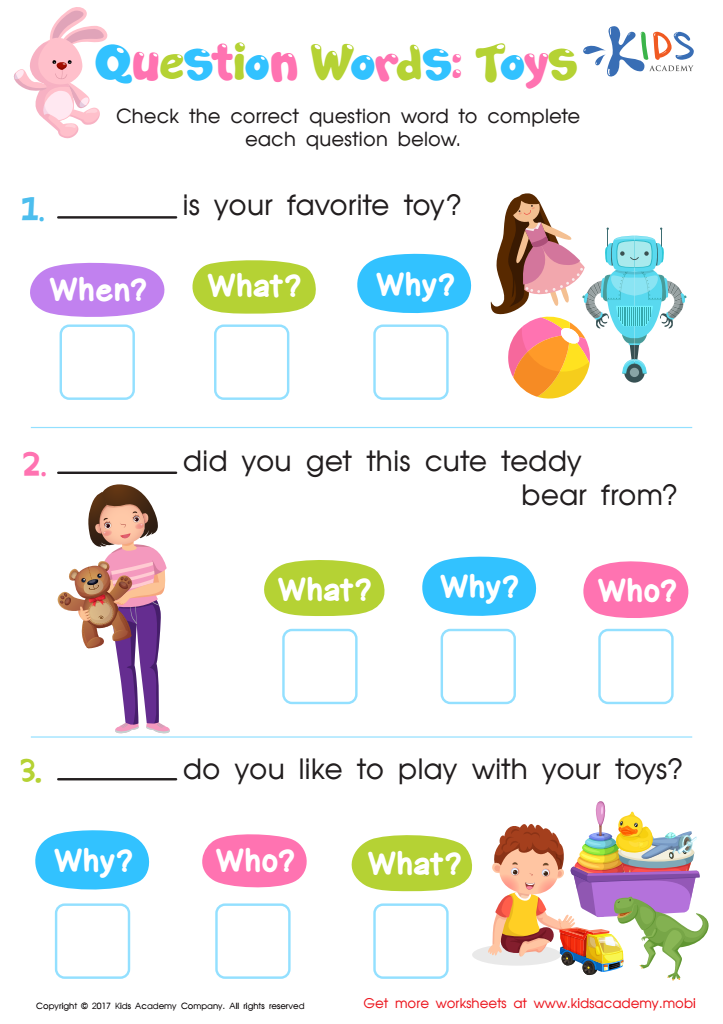
Question Words: Toys Worksheet
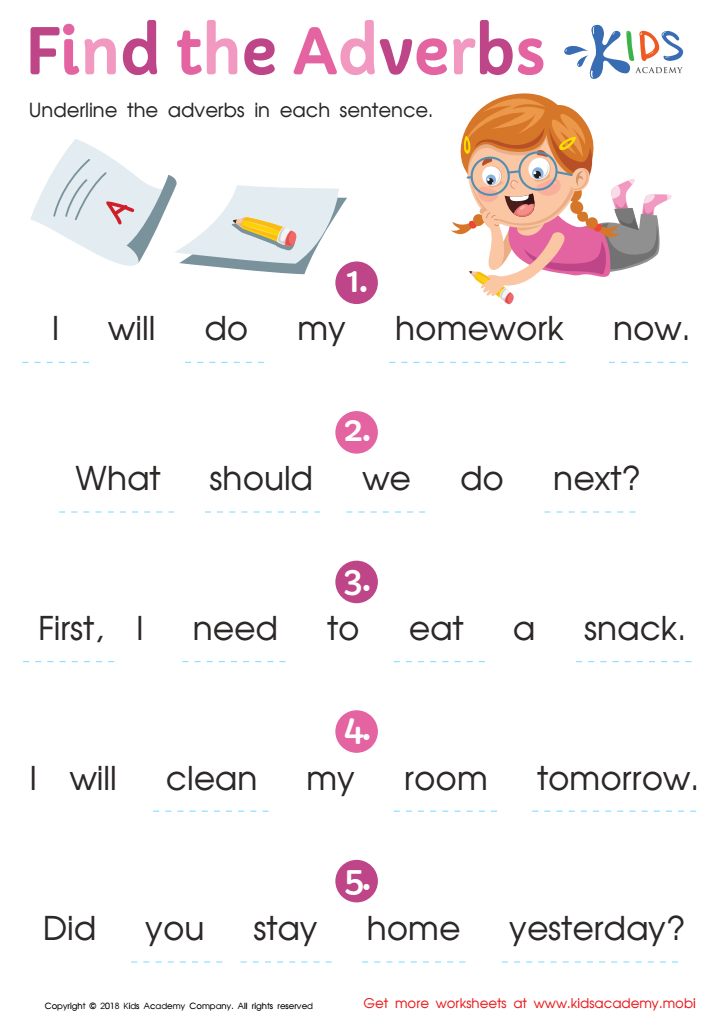
Finding the Adverbs Worksheet
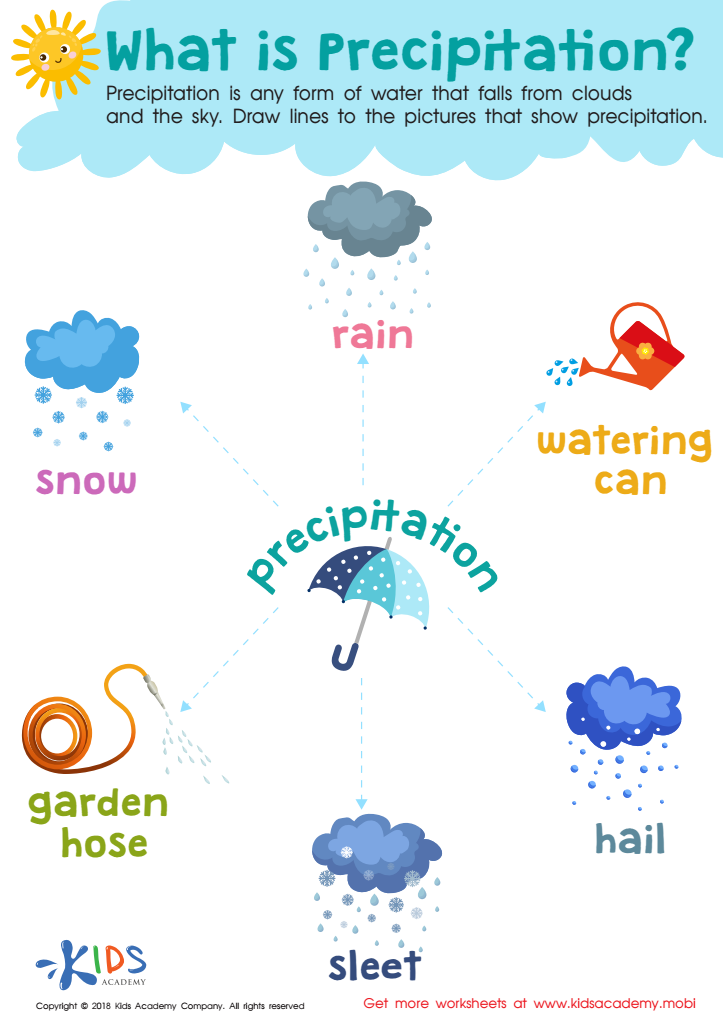
What Is Precipitation? Worksheet
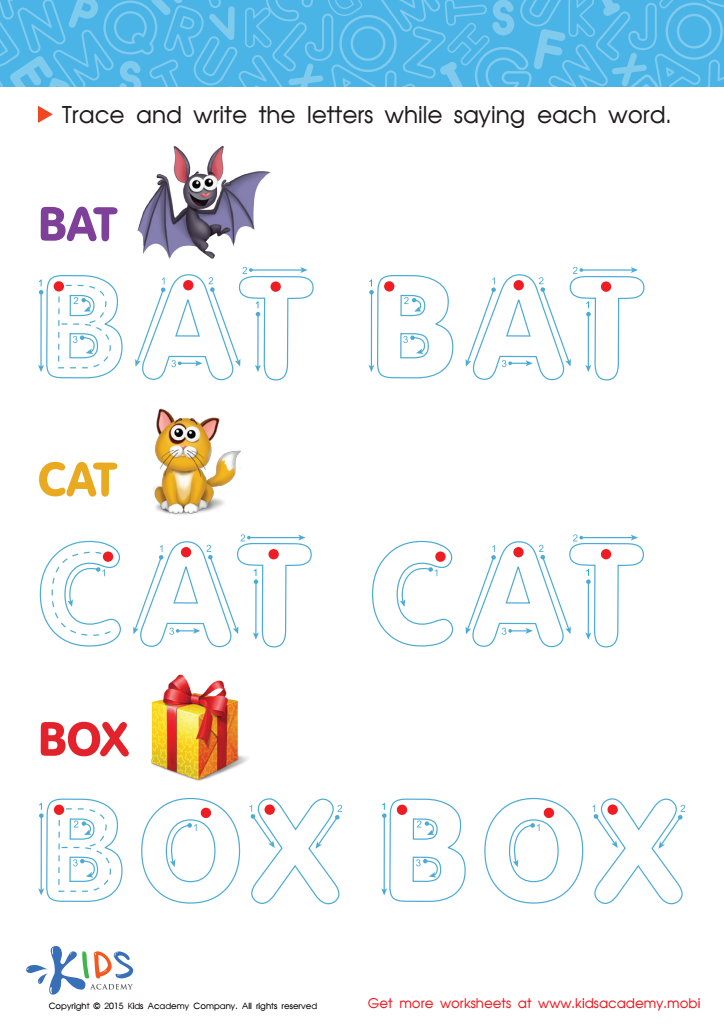
A Bat, a Cat and a Box Spelling Worksheet
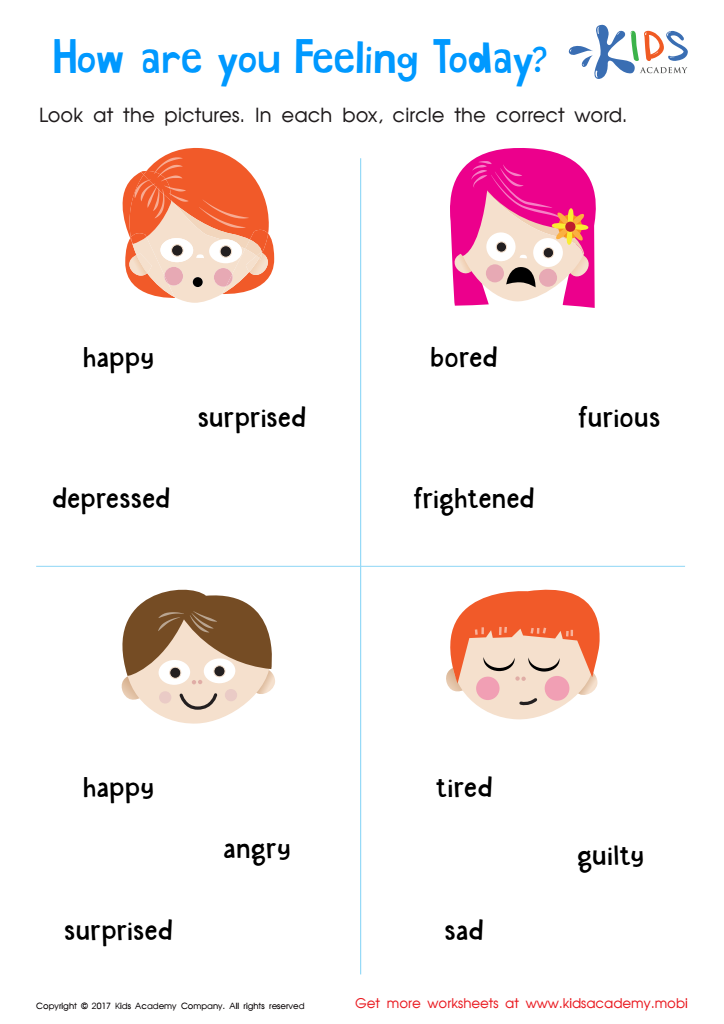
Understanding Feelings Worksheet
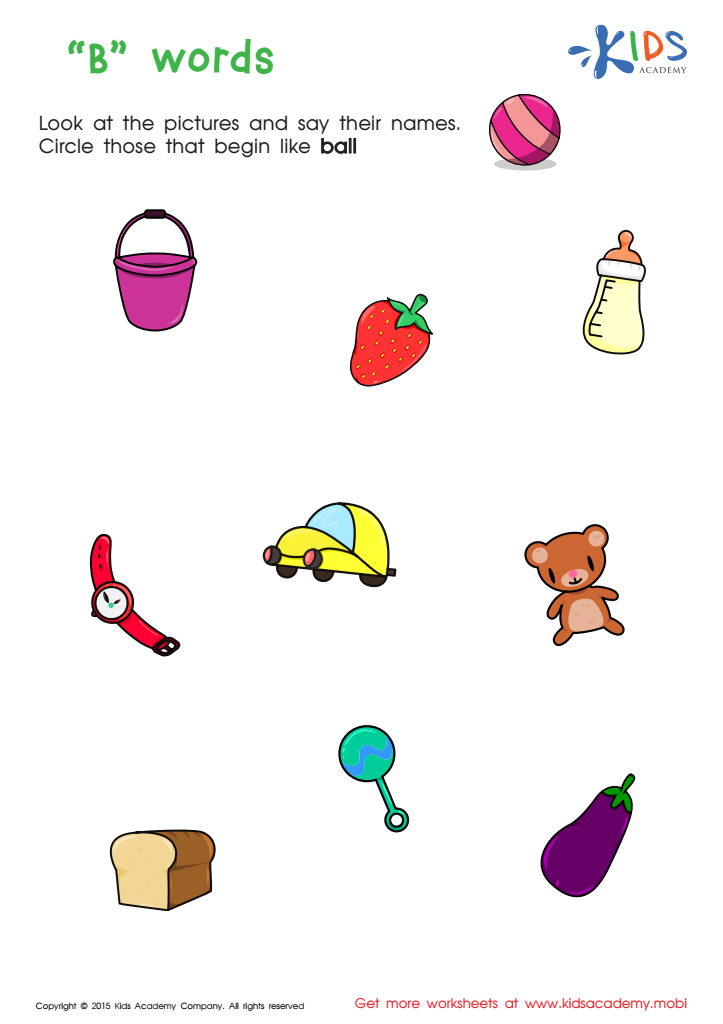
First Words Worksheet
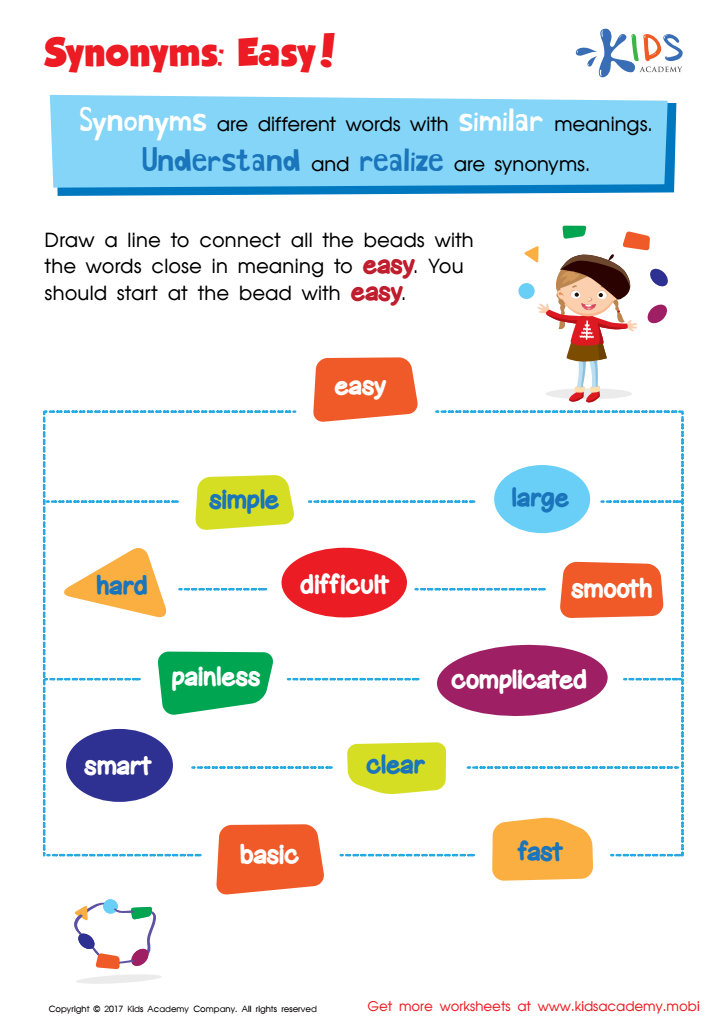
Free Synonym Worksheet
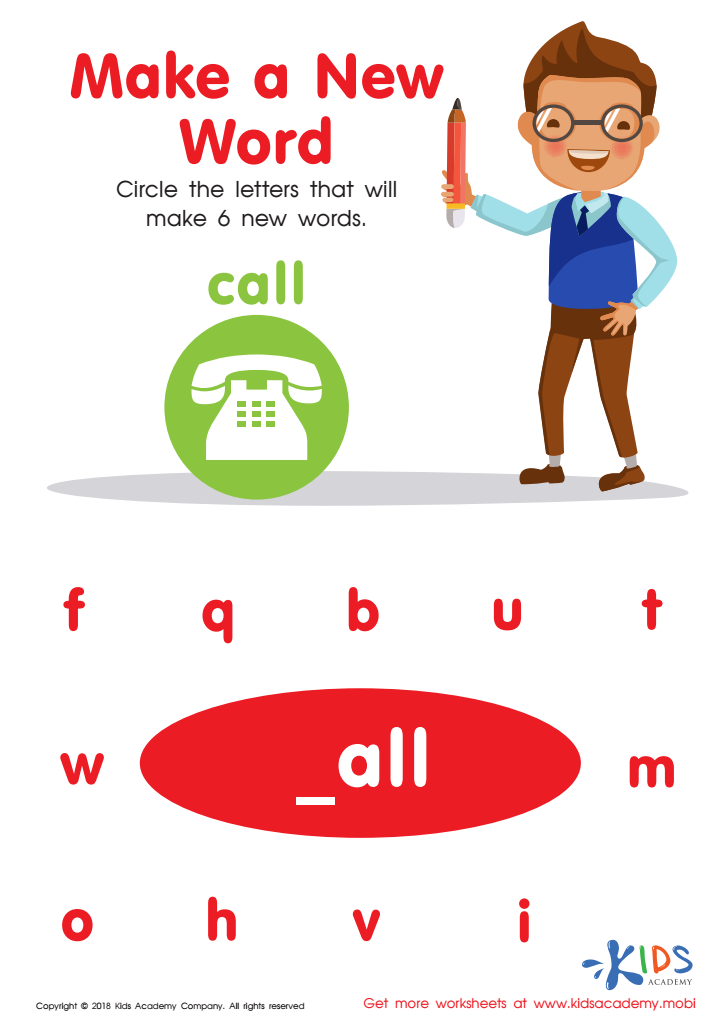
Make a New Word Worksheet
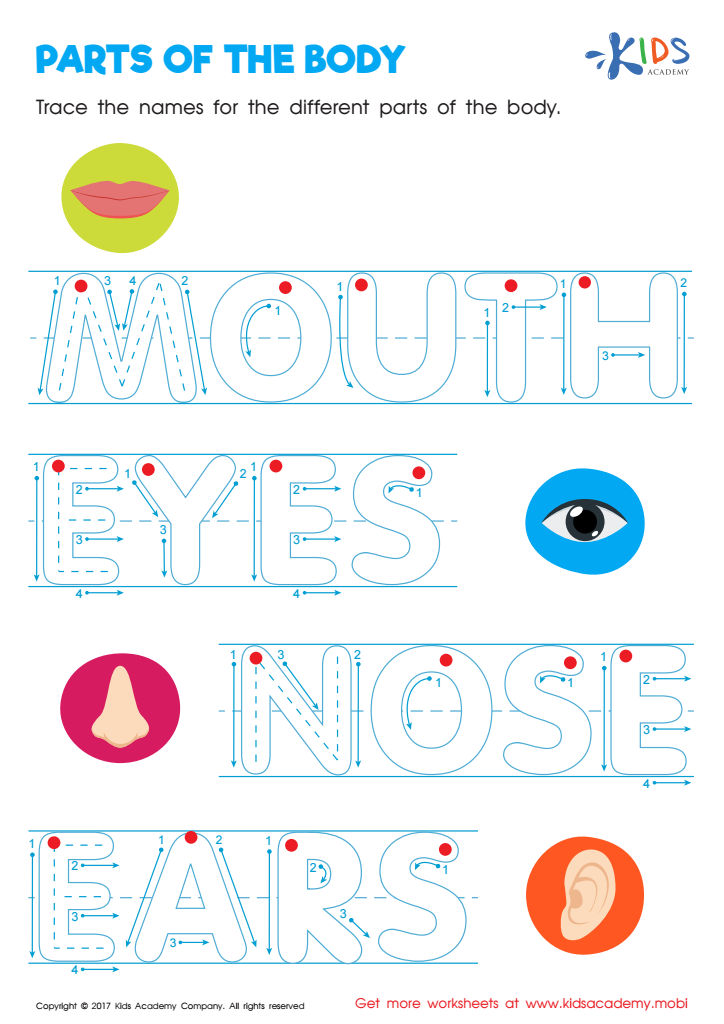
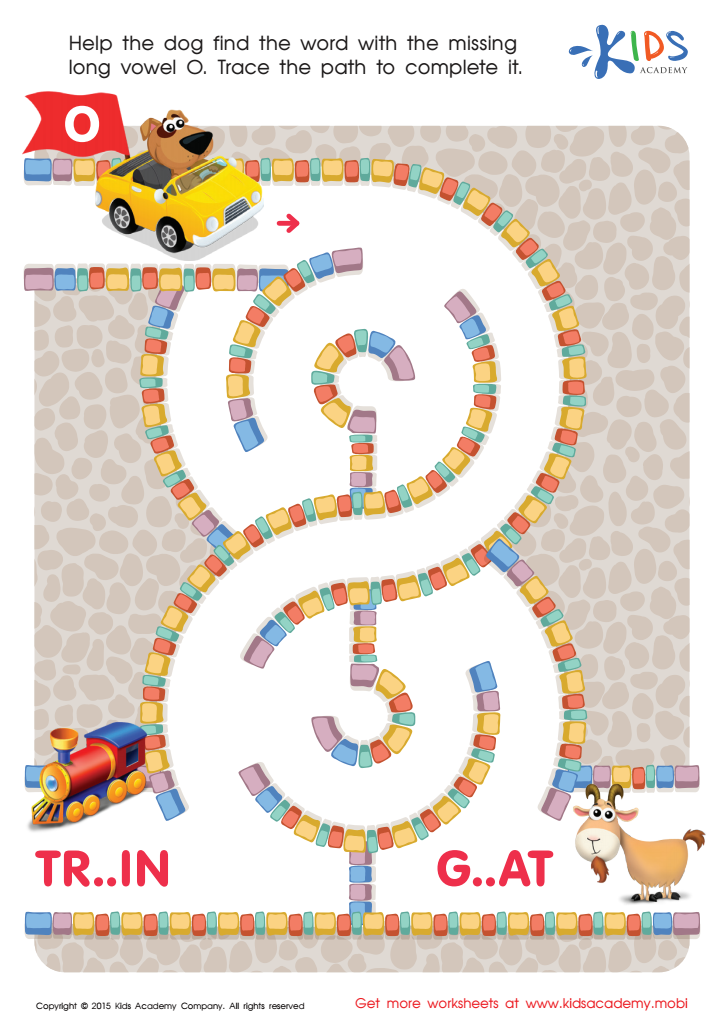
Long Vowel Sound O Worksheet








Vocabulary expansion is crucial for children ages 3-8, as it forms the foundation for effective communication, reading comprehension, and overall academic success. During these formative years, children are like sponges, eagerly absorbing new words and concepts. Engaging them in vocabulary-rich activities not only enhances their language skills but also fosters critical thinking and creativity, leading to better problem-solving abilities.
When parents or teachers prioritize vocabulary expansion, they help children develop the necessary tools to express their thoughts, emotions, and ideas clearly. A robust vocabulary enhances literacy skills, crucial for academic achievement in later grades. Furthermore, verbal proficiency builds confidence, equipping children to participate meaningfully in conversations and discussions.
Interactive strategies—like storytelling, imaginative play, rhymes, and educational games—help make learning enjoyable and effective. Moreover, children who grasp a diverse vocabulary at an early age often face fewer challenges in reading and writing tasks later.
In essence, investing in vocabulary expansion through fun and engaging challenges not only prepares children academically but also lays the groundwork for lifelong learning. Supporting this growth should be a top priority for parents and teachers, fostering active, curious, and articulate learners ready to navigate the world around them.








