Number Sequencing Extra Challenge Numbers Worksheets for Ages 3-8
6 filtered results
-
From - To
Boost your child's number sequencing skills with our "Number Sequencing Extra Challenge Numbers Worksheets for Ages 3-8". These engaging and educational worksheets are designed to make learning fun and effective. Perfect for preschoolers, kindergarteners, and early graders, they help children strengthen their understanding of numerical order through various hands-on activities and puzzles. Ideal for at-home practice or classroom use, these worksheets encourage critical thinking and problem-solving skills. Enhance your child's math foundations with our expertly crafted number sequencing challenges, supporting academic success and confidence in young learners. Download and start your extra challenge today!
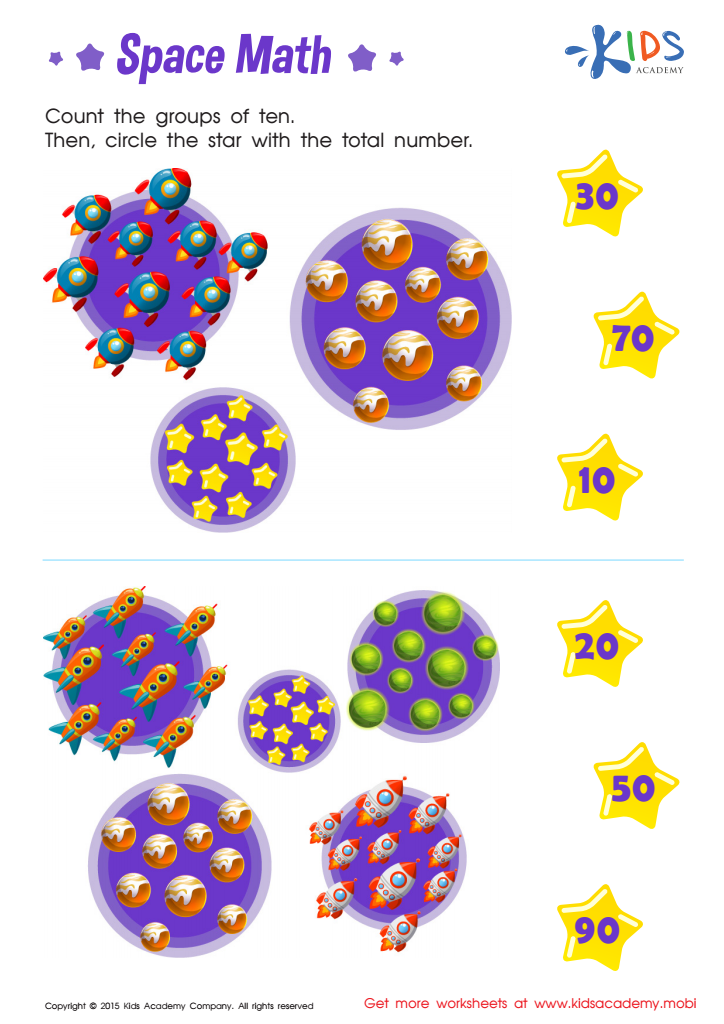
Learn dozens: Space math Worksheet
 Assign to My Students
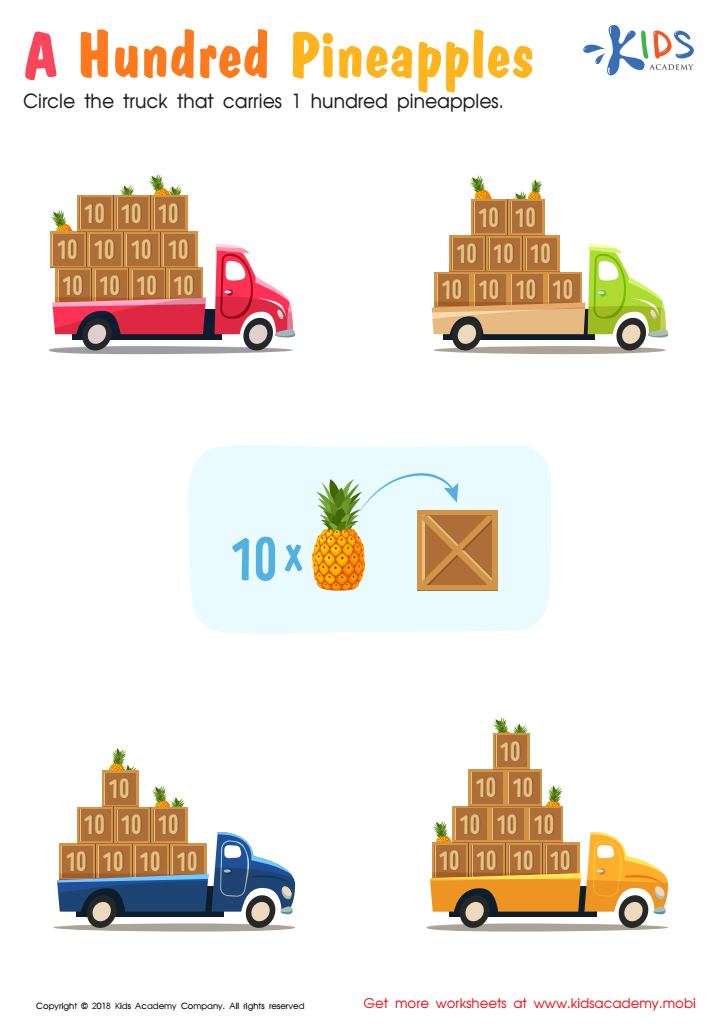
A Hundred Pineapples Worksheet
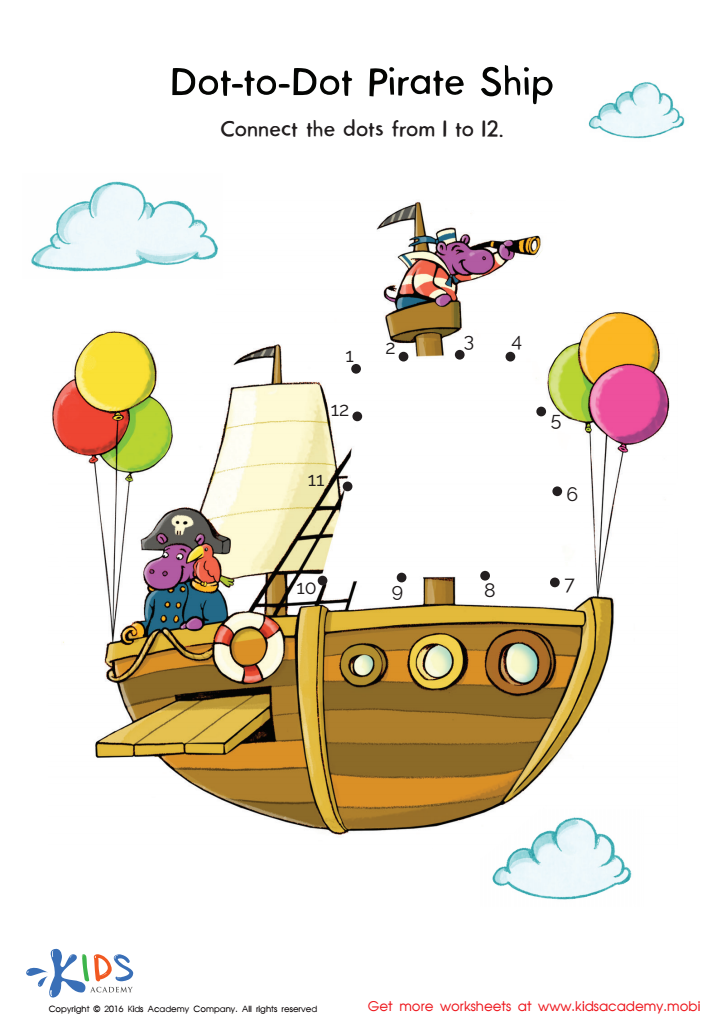
Pirate Ship Connect Dots Worksheet
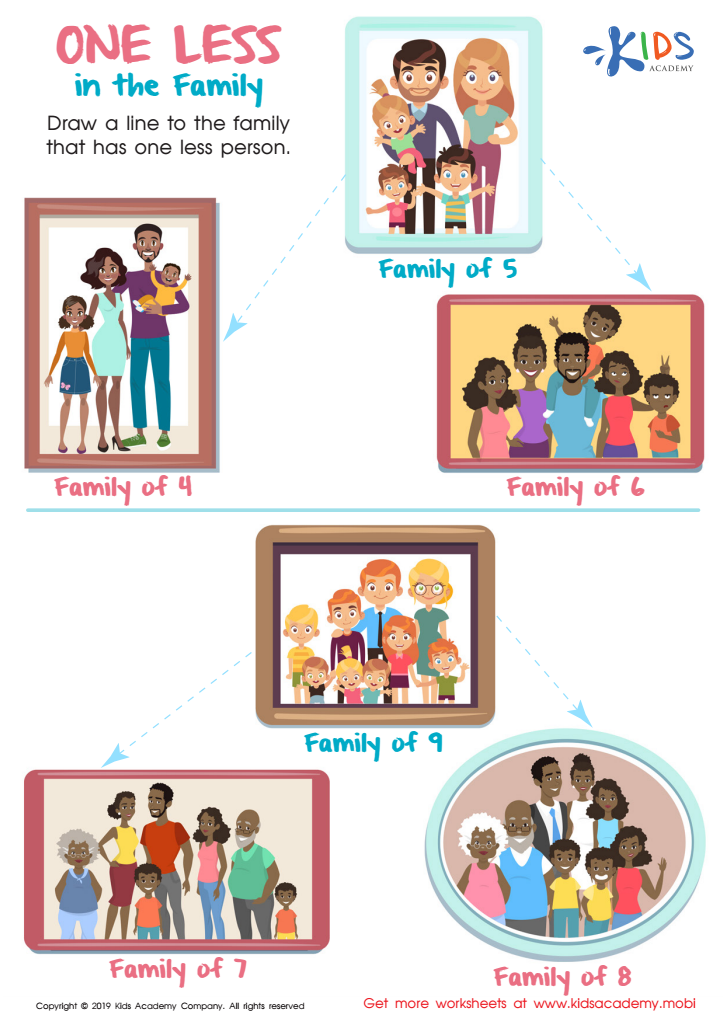
One Less in the Family Worksheet
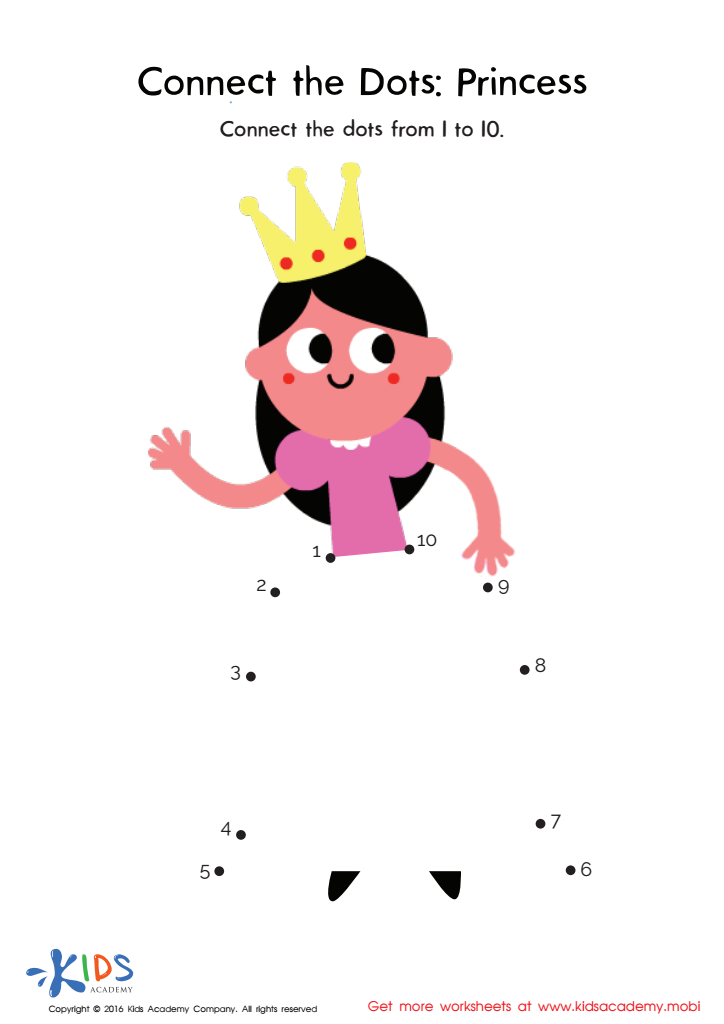
Princess Connect Dots Worksheet








Number sequencing challenges are vital for young children, particularly those aged 3-8, because they lay a critical foundation for mathematical understanding and cognitive development. Engaging in number sequencing helps children grasp fundamental concepts such as order, pattern recognition, and numeric relationships. These skills are essential not only for mathematics but also for overall problem-solving abilities and logical thinking.
When children practice number sequencing, they enhance their memory retention and concentration. This repetitive and systematic approach to numbers supports their brain development through consistent cognitive exercises. For younger children (ages 3-5), sequencing simple numbers sharpens counting skills and number recognition, establishing a readiness for more complex math tasks. As they progress (ages 6-8), more challenging sequences promote advanced thinking by requiring them to predict subsequent numbers and understand ascending or descending order.
Parents and teachers should prioritize number sequencing activities since these exercises directly impact a child's confidence and academic performance in mathematics. Having a strong grasp in early math concepts can also directly influence their future success in other STEM-related areas. Children's enjoyment derived from successfully mastering sequencing tasks further cultivates a positive attitude towards learning and nurtures continued curiosity and resilience in problem-solving activities.