Filters

28 filtered results

Clear all filters
Favorites
With answer key
Interactive

28 filtered results

Difficulty Level

Grade


Check out this FREE Trial Lesson on Matching for age 3-8!

Lesson 5- Combine and Find New Shapes

Favorites
With answer key
Interactive
  • 3-8
  • Matching
  • Extra Challenge
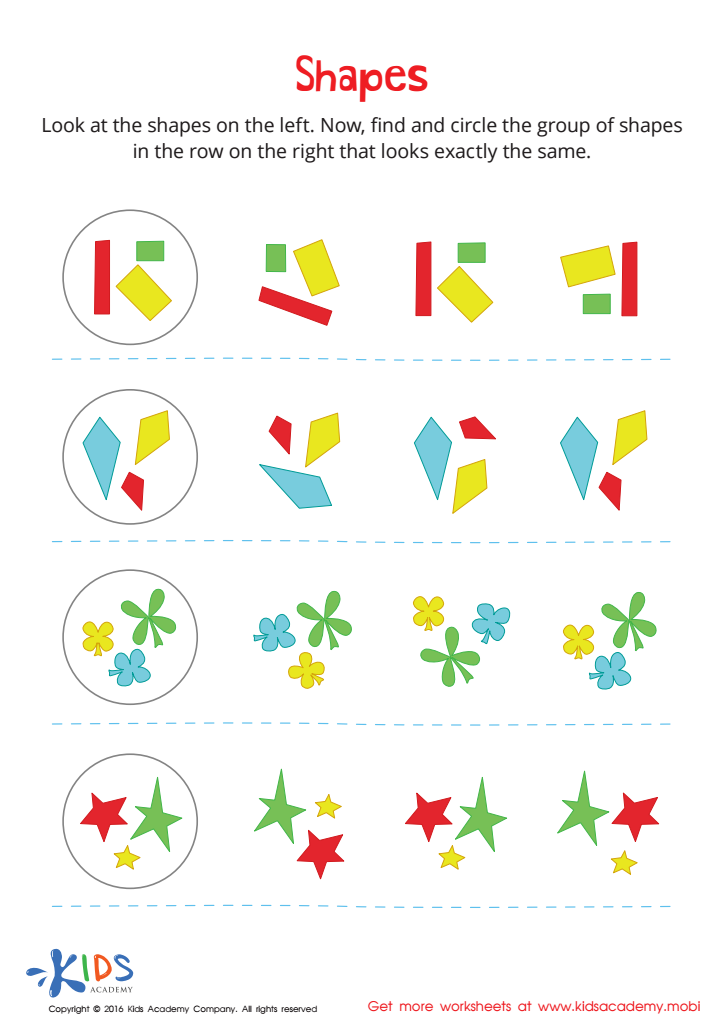
Preschool Matching Worksheet

Shapes Worksheet

This fun worksheet will challenge your child to recognize tricky patterns, sort through similar ones, and create strategies to get the right answer. It'll also help them to strengthen problem-solving skills and build confidence. With more challenging tasks, your child will be ready to tackle higher level math and sequencing skills.
Shapes Worksheet
Worksheet
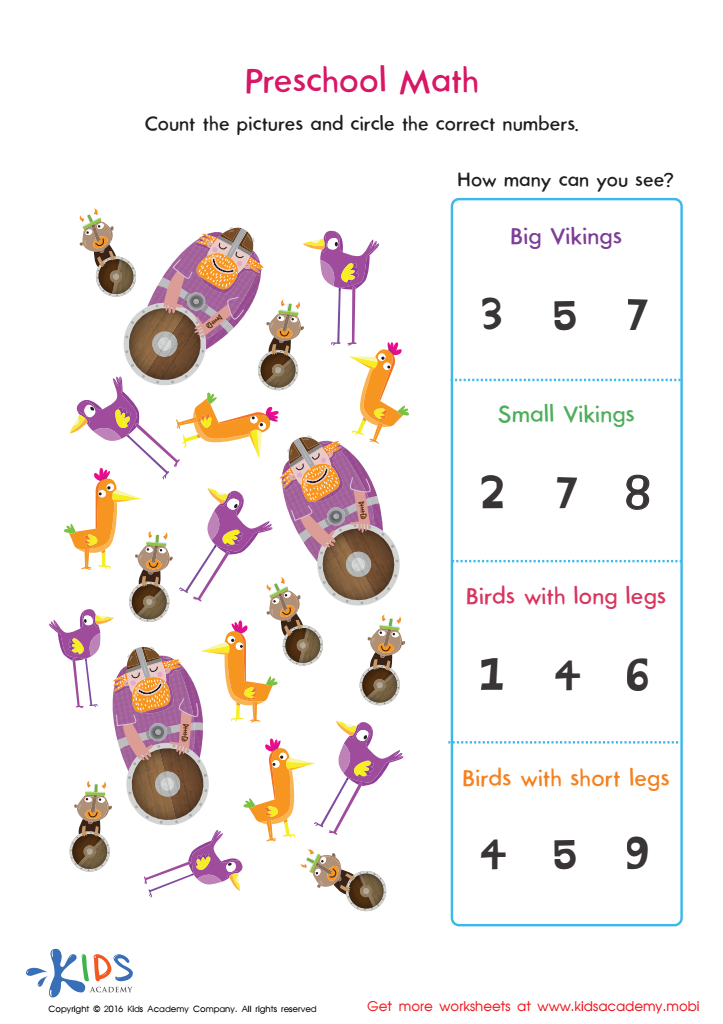
Printable Counting Worksheet for Preschool

Counting Worksheet: Preschool Math

Help your child practice counting and reading at the same time!
Counting Worksheet: Preschool Math
Worksheet
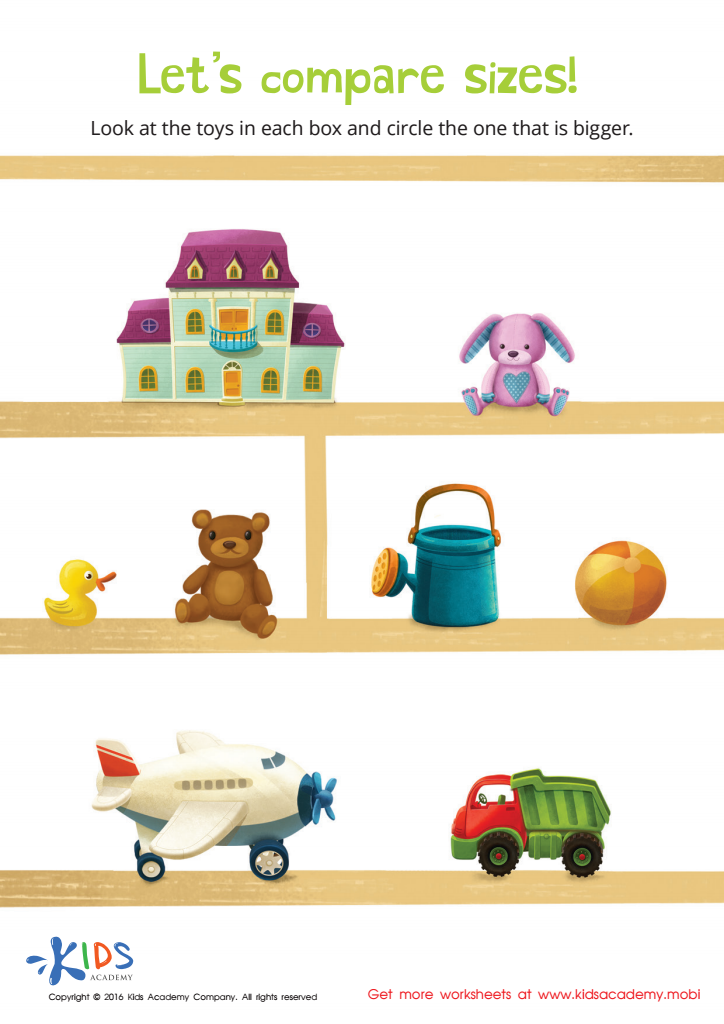
Size Comparison Worksheet

Classifying by Size Sorting Worksheet
Help your preschooler recognize differences in size using this fun worksheet! Your child will engage in important spatial recognition and problem-solving skills while talking with you about objects that can be small or large. Enjoy the vibrant pictures together!
Classifying by Size Sorting Worksheet
Worksheet
Sudoku worksheet pdf

Sudoku Worksheet

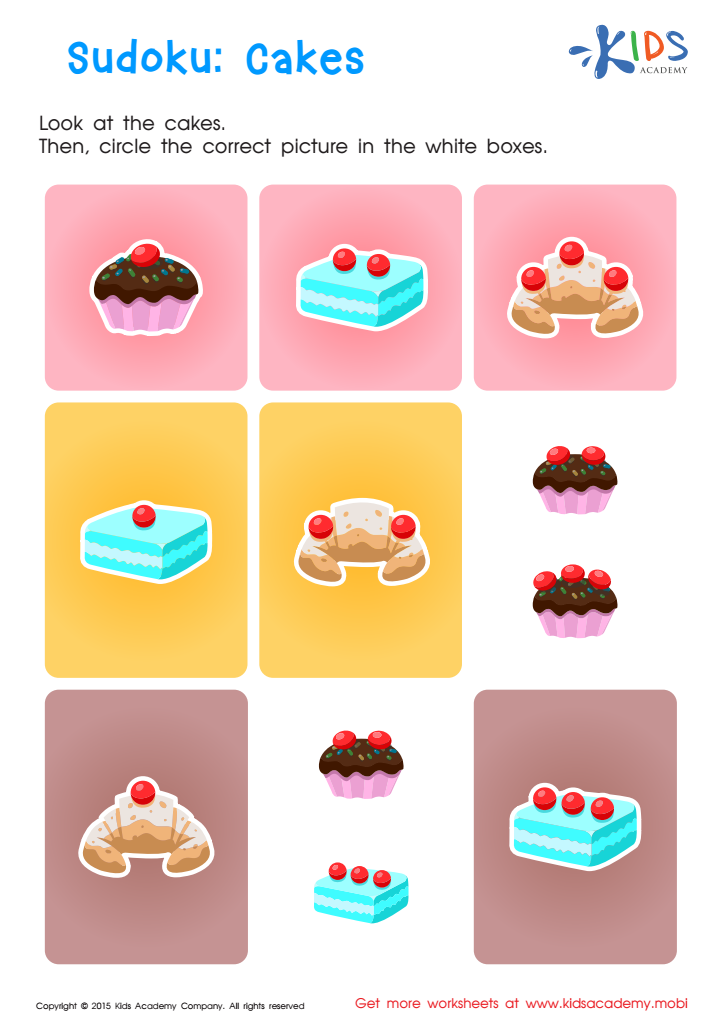
Playing sudoku helps kids develop pattern and logic recognition, key skills for problem solving. Get your free printable PDF worksheet and begin the fun! Kids can have fun and build problem-solving skills with this exciting sudoku PDF worksheet! Adults love solving sudoku puzzles, so get your free printable PDF and start your child early with this vibrant and challenging puzzle. They'll learn to recognize patterns and form logical reasoning, essential for future problem solving. Try it out today!
Sudoku Worksheet
Worksheet


Extra Challenge Matching for ages 3-8 is a crucial developmental tool that promotes early learning and cognitive growth in young children. At this age, children are naturally curious and eager to explore their environment. Engaging in structured activities like Extra Challenge Matching nurtures their problem-solving skills, enhances memory, and foster critical thinking by encouraging them to identify patterns, classify items, and make connections between concepts.

Parents and teachers should care about this kind of matching activity because it lays a strong foundation for future learning. Developing these cognitive skills early on can lead to increased academic success as children progress through their education. Moreover, these matching games are enjoyable and often presented in playful, interactive formats, making them an effective way to engage children’s interest and motivation.

In addition, such activities can aid in social skills development, as parents and teachers can involve peers in games, fostering collaboration and communication. Extra Challenge Matching can also accommodate different learning styles and needs, making it inclusive for all children. By advocating for and implementing these kinds of educational activities, parents and teachers play an instrumental role in shaping well-rounded, capable learners ready to tackle future challenges.