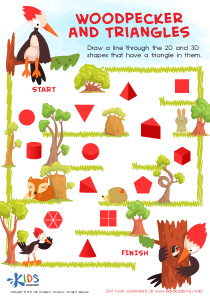
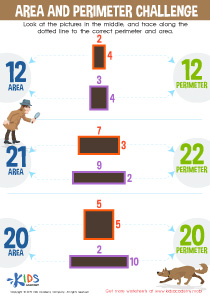
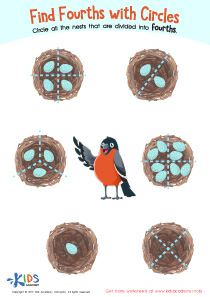
Shape Recognition Extra Challenge Tracing Shapes Worksheets for Ages 3-8
4 filtered results
-
From - To
Explore our "Shape Recognition Extra Challenge Tracing Shapes Worksheets" designed for children ages 3-8. These engaging worksheets enhance shape recognition skills while offering a fun, interactive approach to learning. Each worksheet features a variety of shapes for kids to trace, helping improve fine motor skills and hand-eye coordination. Perfect for classroom use or at-home learning, this resource supports early math development while keeping young learners entertained. Parents and educators will appreciate the structured challenges that encourage children to recognize and differentiate between various shapes. Download these worksheets today and watch your child's confidence in shape recognition grow!
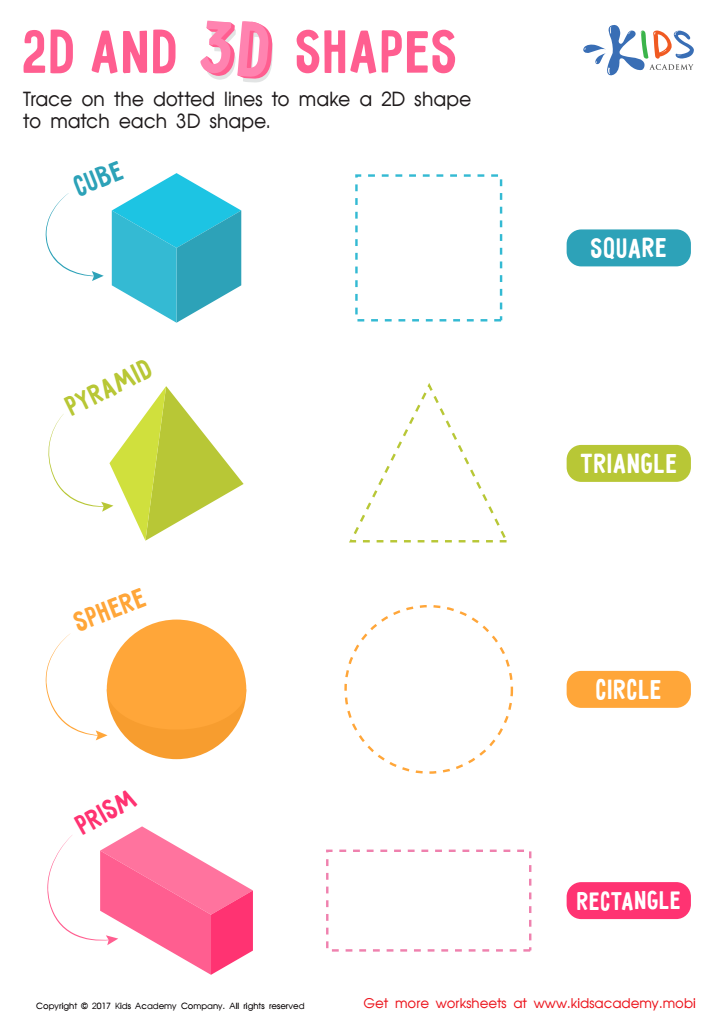
2D and 3D Shapes Worksheet
 Assign to My Students
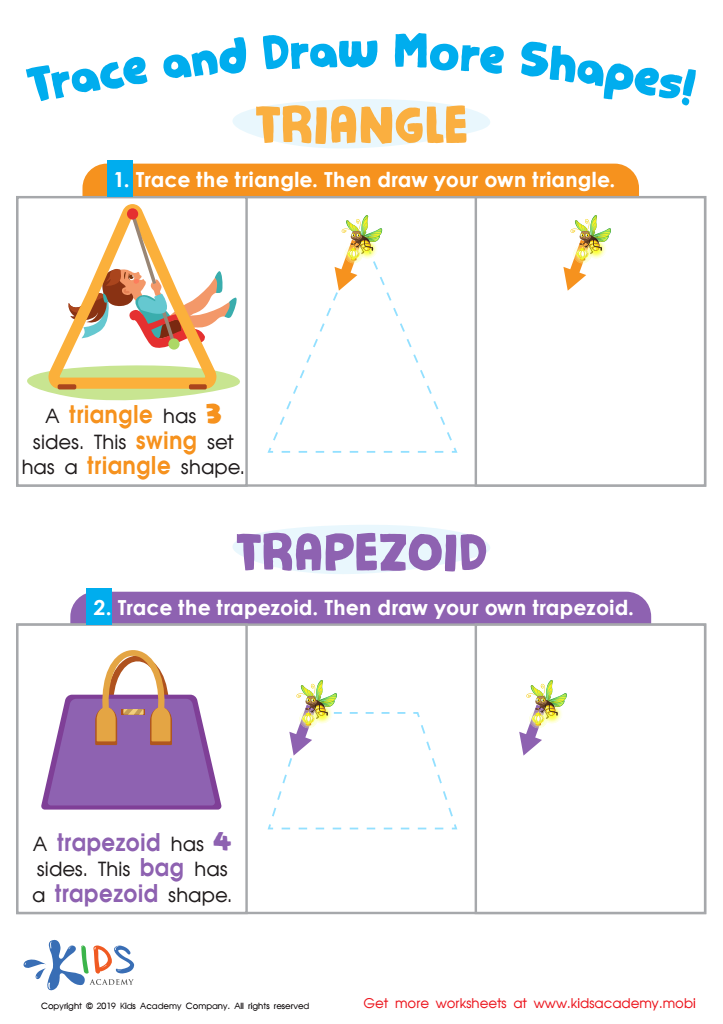
Trace and Draw More Shapes Worksheet
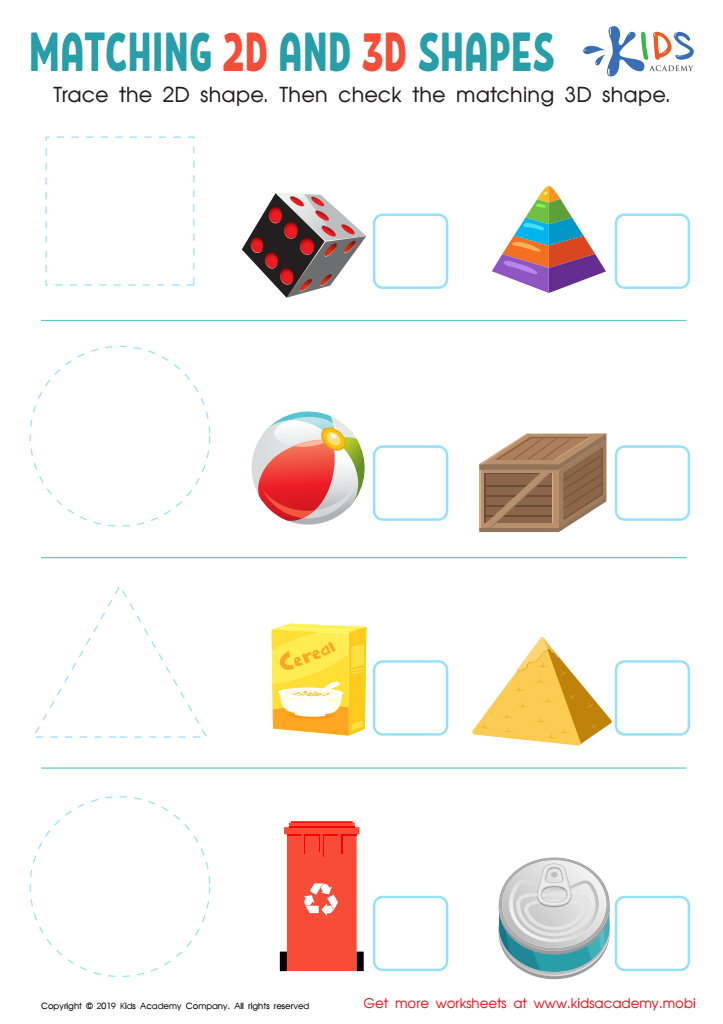
Matching 2D and 3D Shapes Worksheet
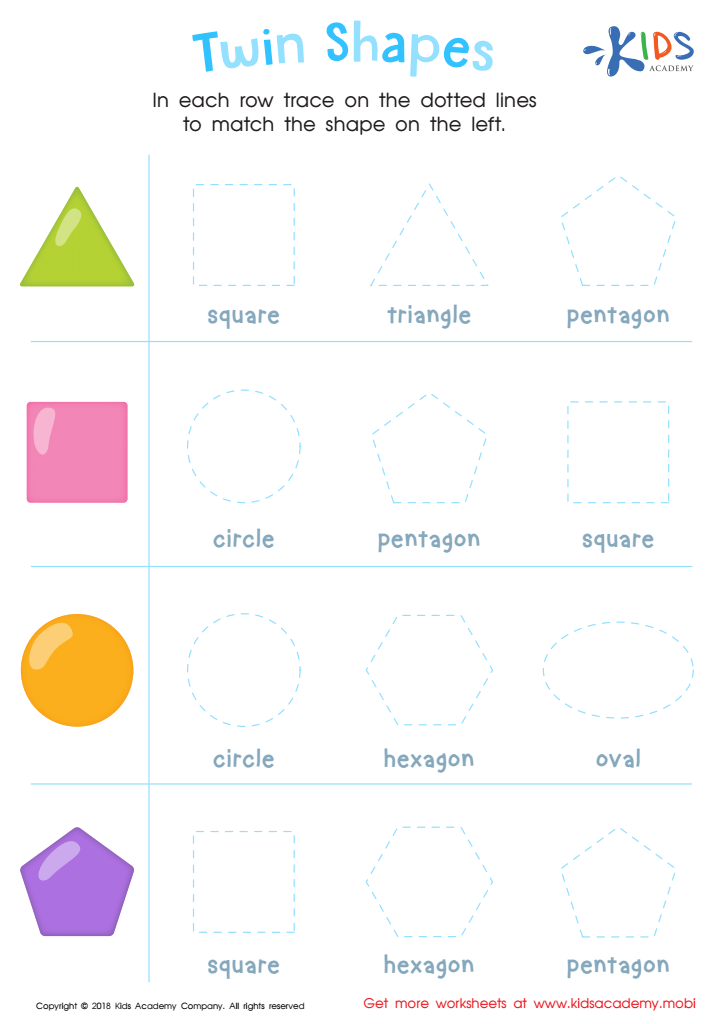
Twin Shapes Dot-to-Dot Worksheet








Shape recognition and tracing activities are essential for young children's cognitive and motor skill development. Engaging in shape recognition extra challenges not only sharpens their ability to identify various geometric forms but also enhances observational skills that are crucial for overall problem-solving competency. For parents and teachers, facilitating activities such as tracing shapes can significantly foster fine motor skills, which are necessary for tasks like writing, drawing, and even everyday life skills.
Moreover, these activities promote critical thinking as children learn to categorize and differentiate shapes, laying the groundwork for mathematical concepts they will encounter later in life. An understanding of shapes is foundational for geometry, spatial awareness, and even measures, providing children with a sturdy base for their future education. Engaging children in fun tracing exercises also encourages active participation and makes learning enjoyable, crucial for their overall engagement and motivation.
Furthermore, tracing activities can serve as a great bonding experience between parents, teachers, and children. It allows adults to interact and support the children through their learning journey, reinforcing positive learning behaviors and building confidence. Ultimately, the importance of shape recognition and tracing helps shape young minds for both academic success and approachable real-world applications.