Filters

28 filtered results

Clear all filters
Favorites
With answer key
Interactive

28 filtered results

Difficulty Level

Grade


Check out this FREE Trial Lesson on Matching for age 3-9!

Lesson 5- Combine and Find New Shapes

Favorites
With answer key
Interactive
  • 3-9
  • Matching
  • Extra Challenge
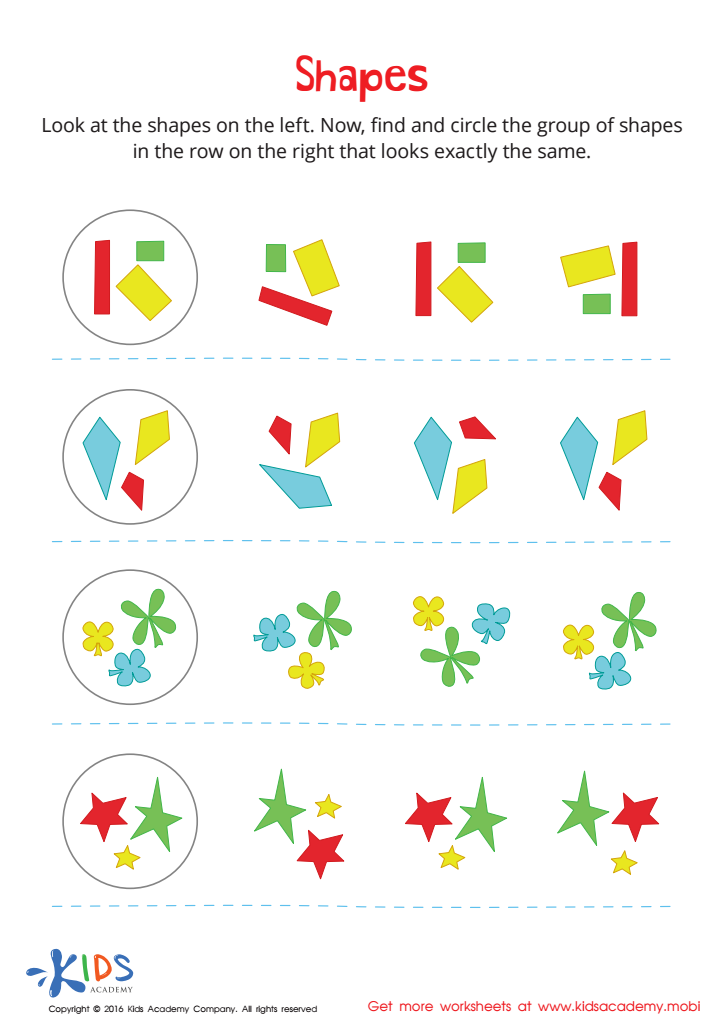
Preschool Matching Worksheet

Shapes Worksheet

This fun worksheet will challenge your child to recognize tricky patterns, sort through similar ones, and create strategies to get the right answer. It'll also help them to strengthen problem-solving skills and build confidence. With more challenging tasks, your child will be ready to tackle higher level math and sequencing skills.
Shapes Worksheet
Worksheet
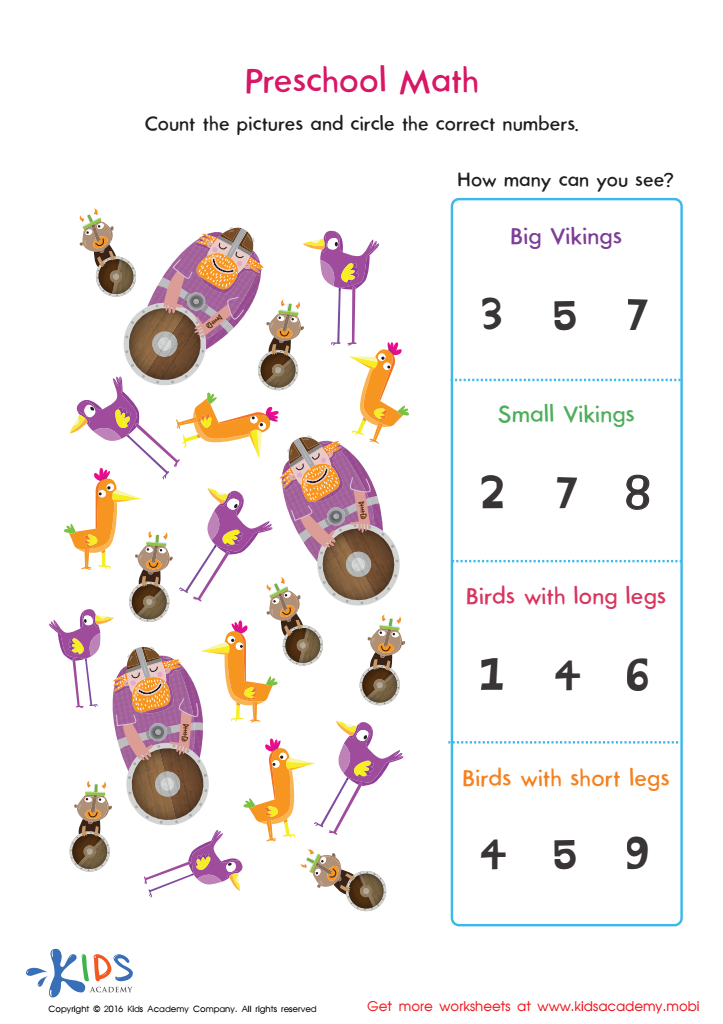
Printable Counting Worksheet for Preschool

Counting Worksheet: Preschool Math

Help your child practice counting and reading at the same time!
Counting Worksheet: Preschool Math
Worksheet
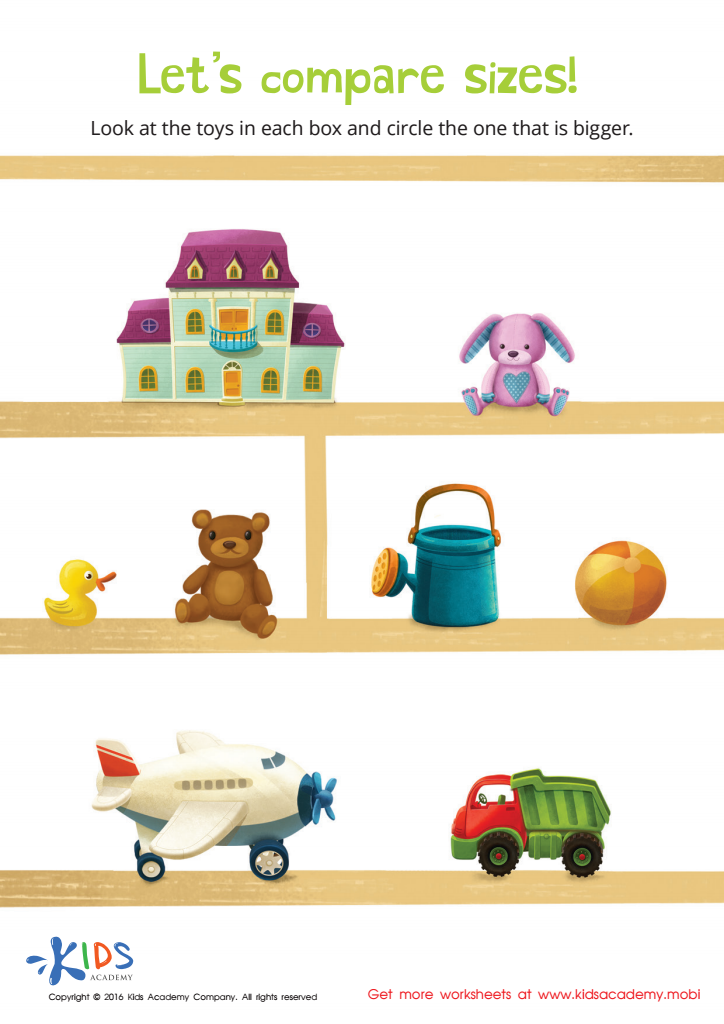
Size Comparison Worksheet

Classifying by Size Sorting Worksheet
Help your preschooler recognize differences in size using this fun worksheet! Your child will engage in important spatial recognition and problem-solving skills while talking with you about objects that can be small or large. Enjoy the vibrant pictures together!
Classifying by Size Sorting Worksheet
Worksheet
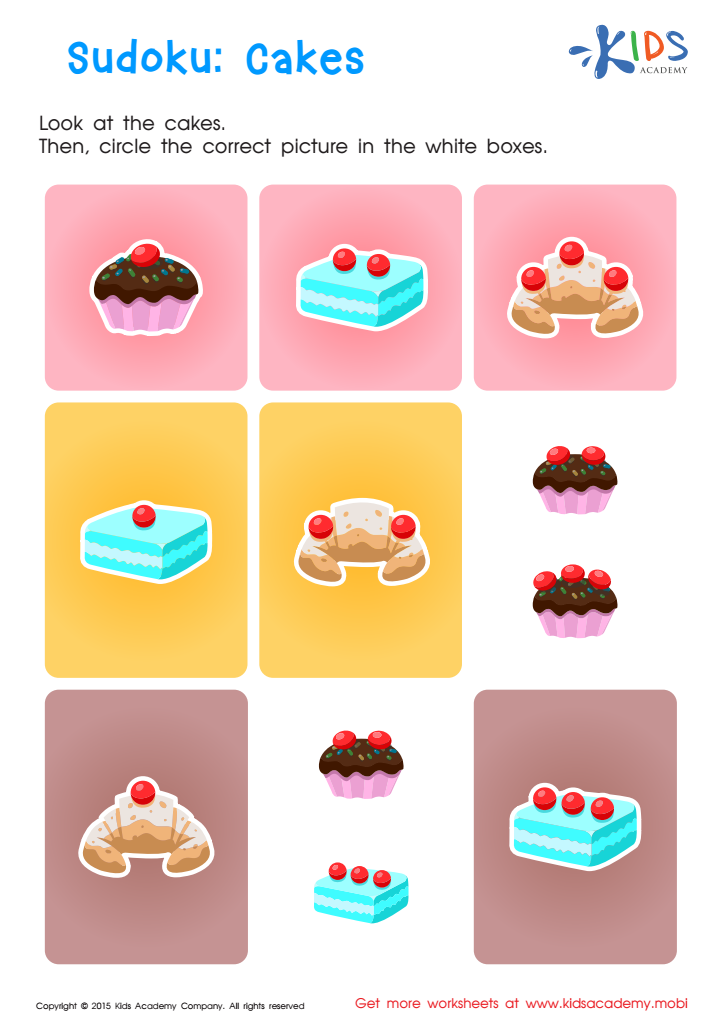
Sudoku worksheet pdf

Sudoku Worksheet

Playing sudoku helps kids develop pattern and logic recognition, key skills for problem solving. Get your free printable PDF worksheet and begin the fun! Kids can have fun and build problem-solving skills with this exciting sudoku PDF worksheet! Adults love solving sudoku puzzles, so get your free printable PDF and start your child early with this vibrant and challenging puzzle. They'll learn to recognize patterns and form logical reasoning, essential for future problem solving. Try it out today!
Sudoku Worksheet
Worksheet


Extra Challenge Matching for ages 3-9 is an essential educational tool that enhances cognitive abilities, problem-solving skills, and emotional resilience in young learners. It nurtures critical thinking and encourages intelligence beyond the classroom by introducing multi-faceted challenges applicable in real-world scenarios. This method aligns with developmental milestones, helping children build neural connections through playful and engaging activities.

Parents and teachers should embrace Extra Challenge Matching because it promotes not only academic growth but also social skills such as collaboration, communication, and empathy. It enables children to work together to solve problems, fostering a sense of community and belonging.

Additionally, Extra Challenge Matching helps recognize individual strengths and weaknesses, allowing tailored teaching approaches that support each child's unique learning journey. This adaptability is vital as every child learns at their own pace, ensuring no one is left behind.

Moreover, fostering an environment that values extra challenges instills a growth mindset, encouraging children to embrace difficulties and learn from failure. They become more resilient and adaptable, preparing them for future challenges in a rapidly changing world. Overall, incorporating Extra Challenge Matching into early education instills a lifelong love for learning, benefiting both children and caregivers alike.