Number Sequencing Extra Challenge Worksheets for Ages 4-6
9 filtered results
-
From - To
Discover our "Number Sequencing Extra Challenge Worksheets for Ages 4-6," designed to enhance children's foundational math skills while making learning fun! These engaging worksheets encourage young learners to master number patterns and sequences through various stimulating activities. Perfect for at-home practice or classroom use, our printable resources offer challenges that reinforce counting, critical thinking, and problem-solving abilities. Features include vibrant illustrations, clear instructions, and a variety of exercises to cater to different learning styles. Equip your little ones with essential sequencing skills while sparking their curiosity and love for numbers. Start their mathematical journey with our exciting worksheets today!
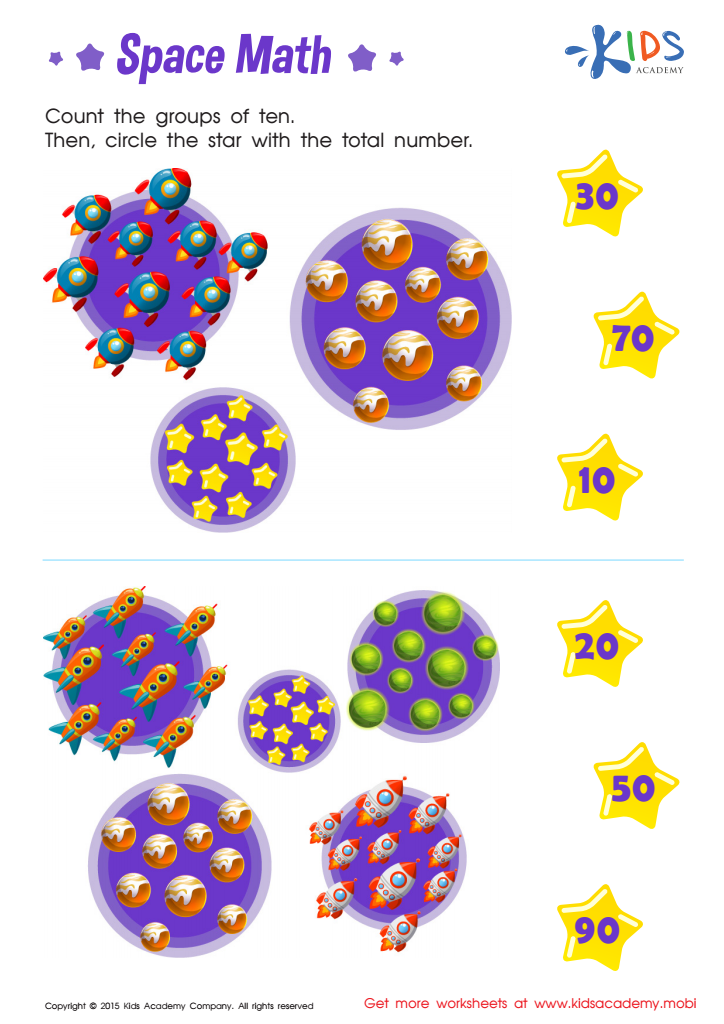
Learn dozens: Space math Worksheet
 Assign to My Students
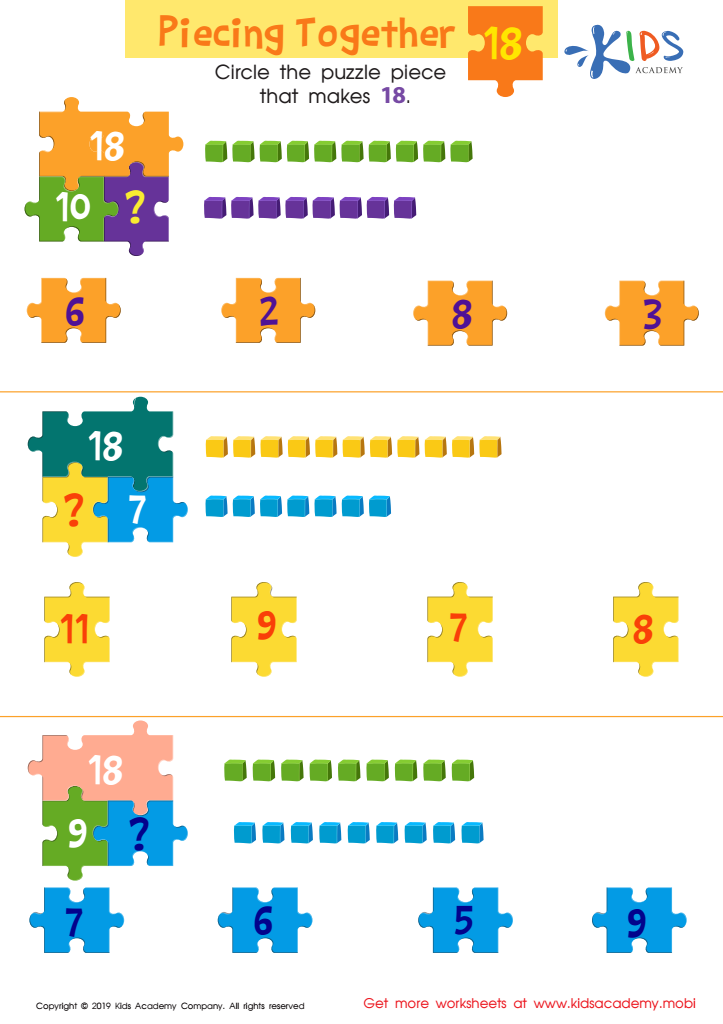
Piecing Together 18 Worksheet
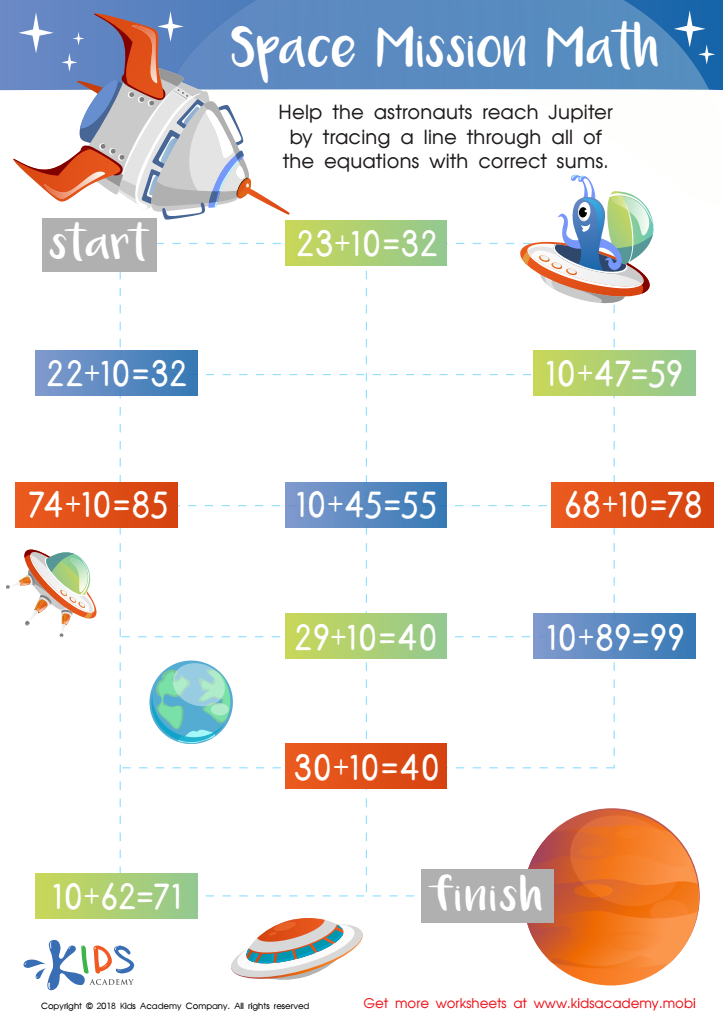
Space Mission Math Worksheet

Pirate Ship Connect Dots Worksheet
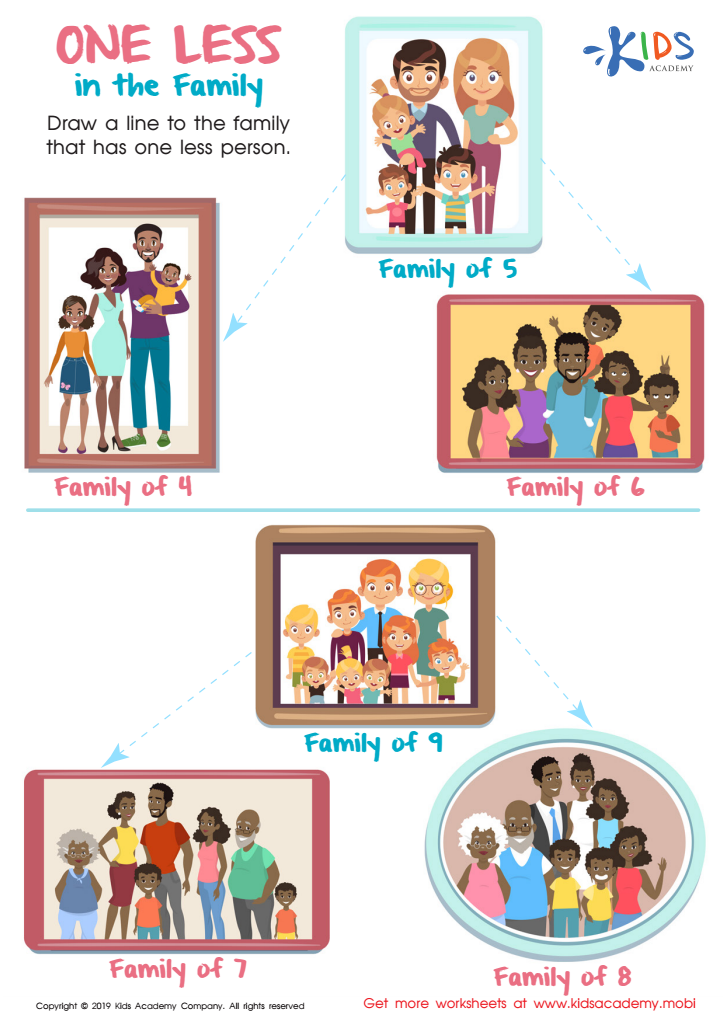
One Less in the Family Worksheet
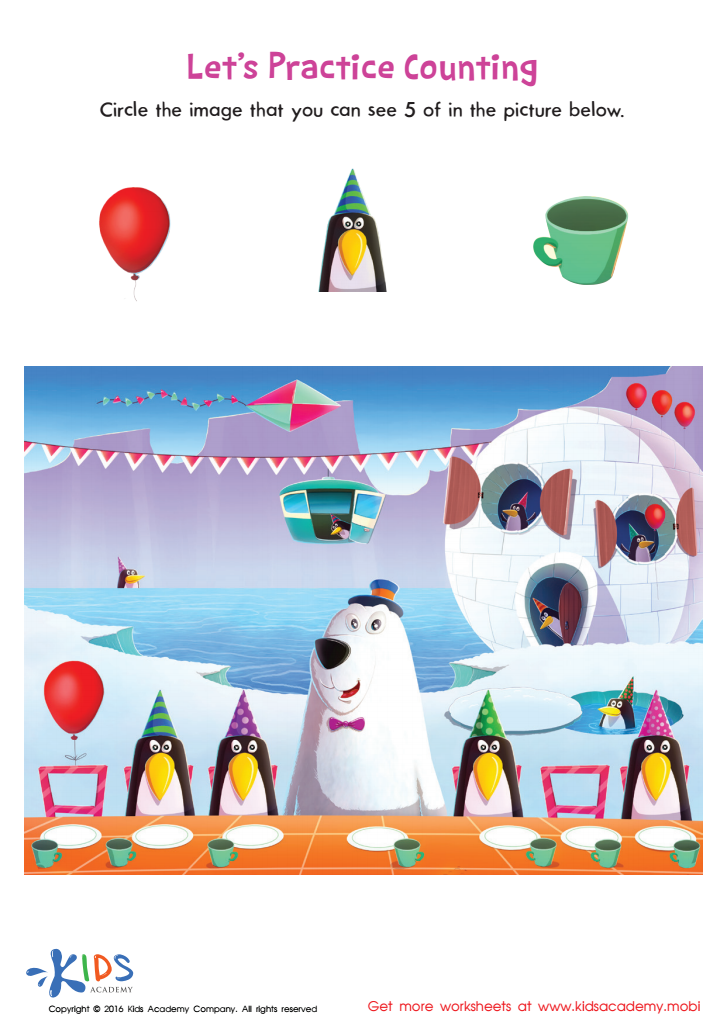
Counting Worksheet: Let's Practice Counting
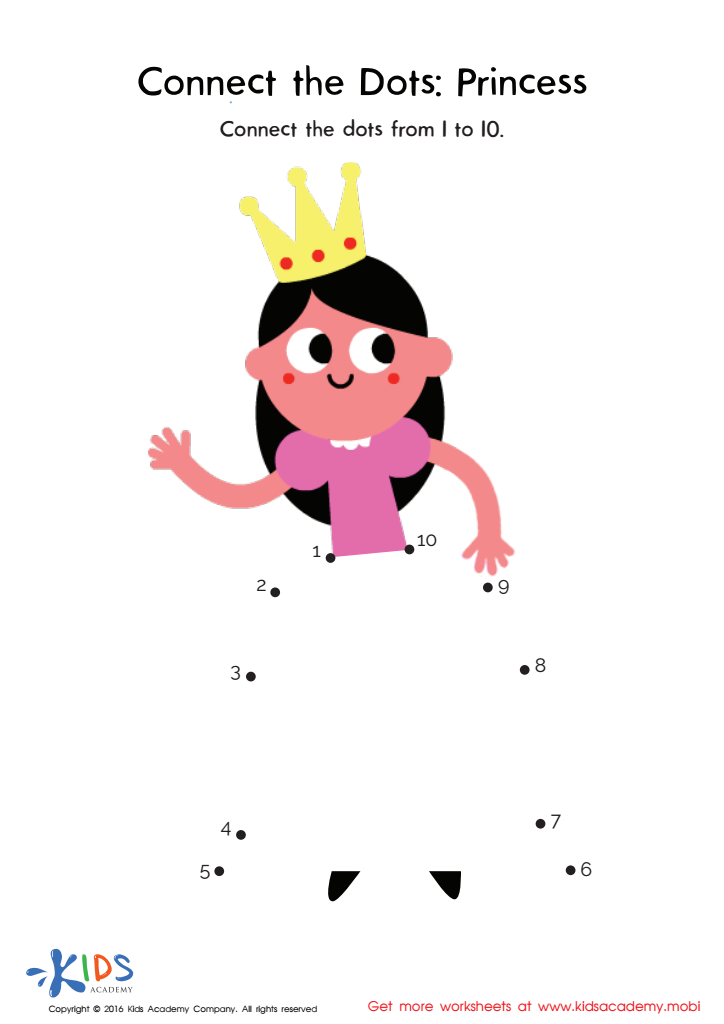
Princess Connect Dots Worksheet



%20(1).jpg)




Number sequencing is a fundamental skill that establishes the groundwork for mathematical understanding in young children aged 4 to 6. Parents and teachers should care about engaging their children with extra challenges in number sequencing for several reasons.
First, it nurtures cognitive development. Sorting numbers in a sequence requires critical thinking and problem-solving abilities, enhancing children’s reasoning skills. This forms the basis for future math concepts such as addition, subtraction, and patterns.
Second, number sequencing promotes fine motor skills and hand-eye coordination. Activities involving physical objects, such as counting beads or arranging number cards, provide a tactile experience that aids kinesthetic learners.
Furthermore, fostering an interest in number sequencing at an early age boosts confidence in math. By presenting numbers in fun and engaging ways, children are more likely to develop a positive attitude toward mathematics.
Lastly, involving children in extra challenges encourages a growth mindset. It teaches them that making mistakes is part of learning and that persistence leads to improvement.
In summary, prioritizing number sequencing challenges supports children's cognitive, motor, and emotional development, laying a solid foundation for their future academic success in mathematics.








