Number Sequencing Extra Challenge Worksheets for Ages 4-7
10 filtered results
-
From - To
Introduce your young learner to the exciting world of numbers with our "Number Sequencing Extra Challenge Worksheets for Ages 4-7"! Designed specifically for children, these engaging worksheets help develop essential math skills such as recognizing patterns, ordering numbers, and understanding sequences. Featuring fun and interactive exercises, they make learning both enjoyable and educational. Perfect for both classroom and home use, these worksheets challenge young minds and build a strong mathematical foundation. With vibrant designs and age-appropriate tasks, your child will love mastering number sequencing while boosting their confidence. Elevate your child’s math journey today!
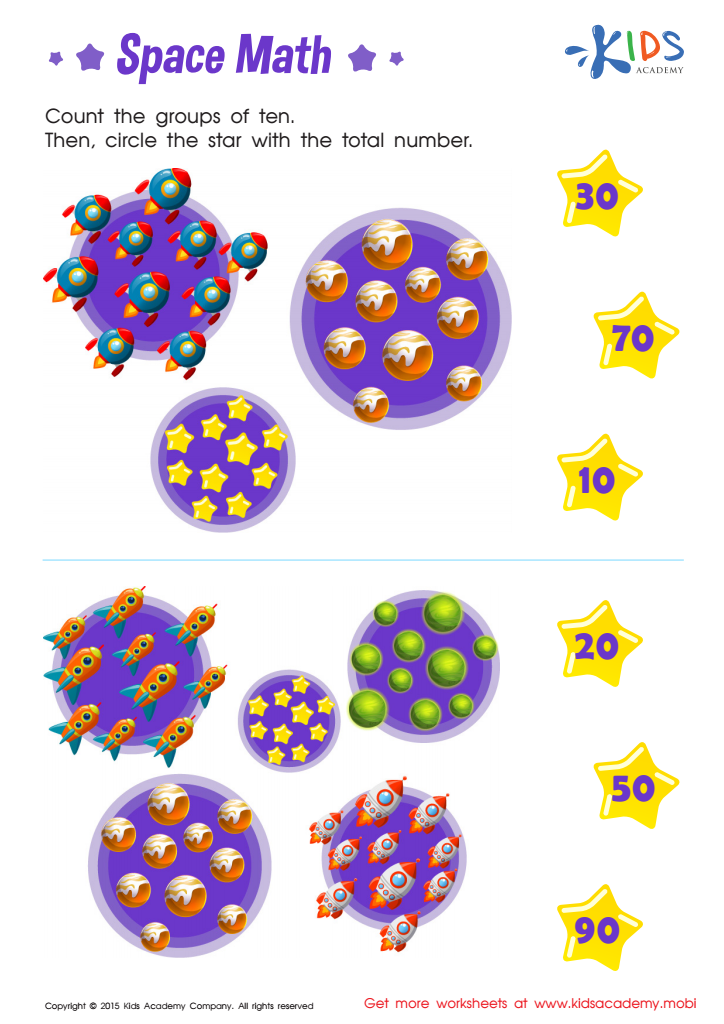
Learn dozens: Space math Worksheet
 Assign to My Students
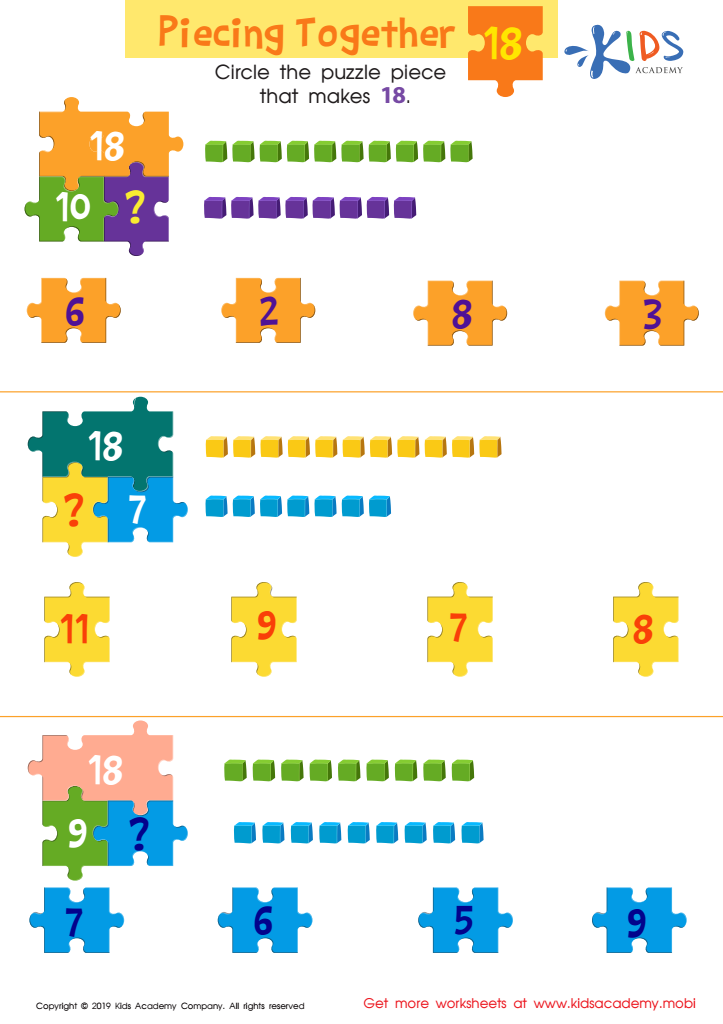
Piecing Together 18 Worksheet
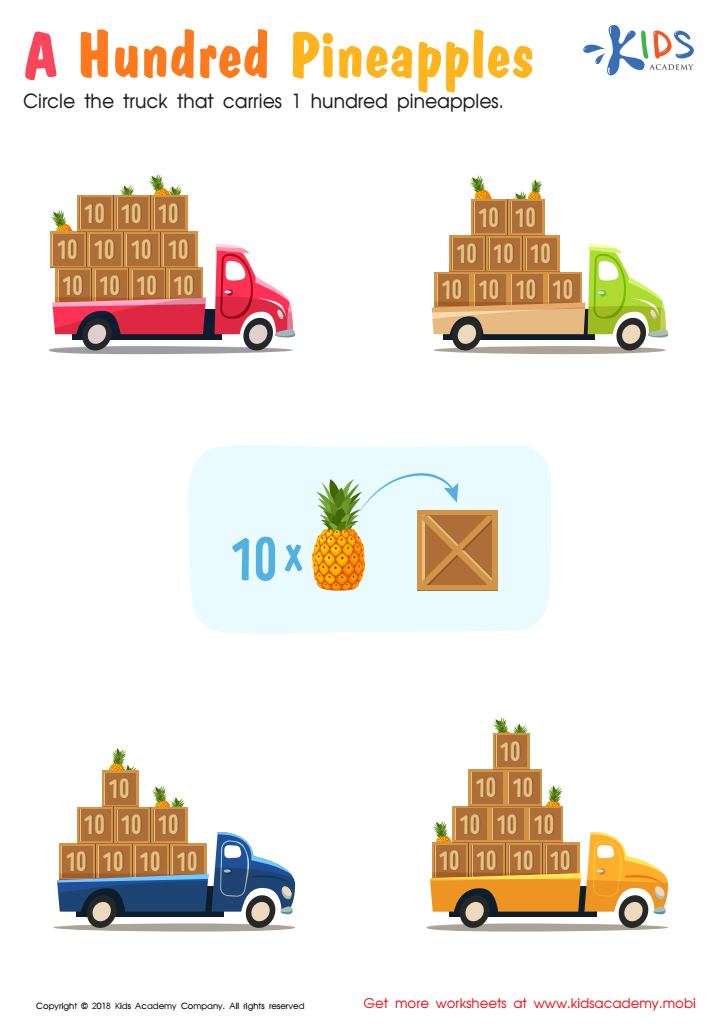
A Hundred Pineapples Worksheet
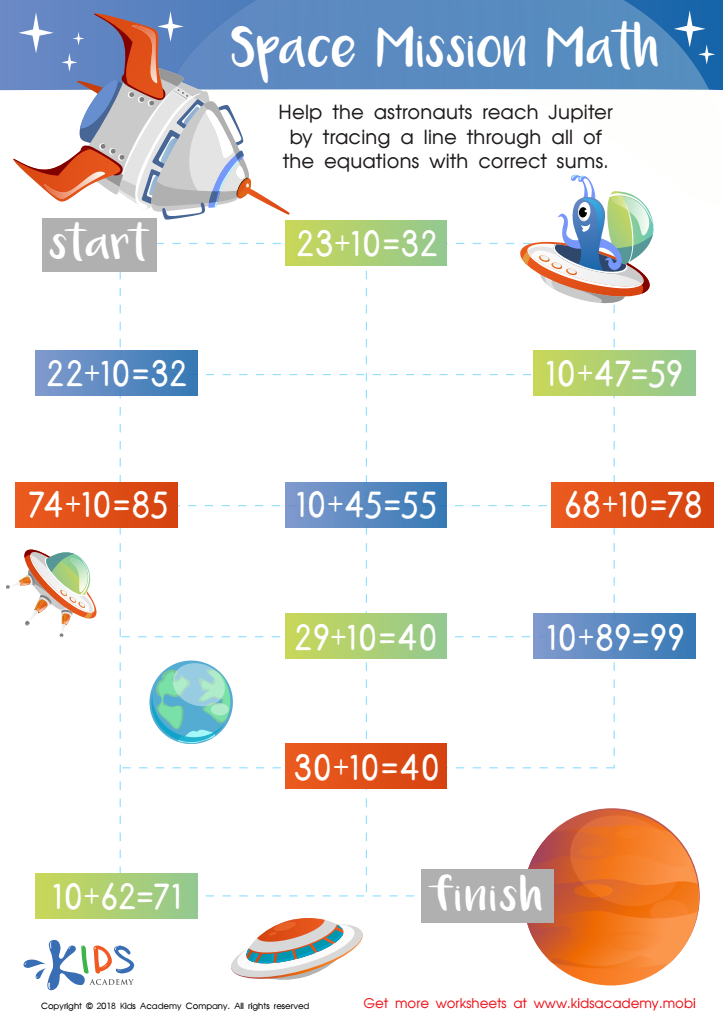
Space Mission Math Worksheet

Pirate Ship Connect Dots Worksheet
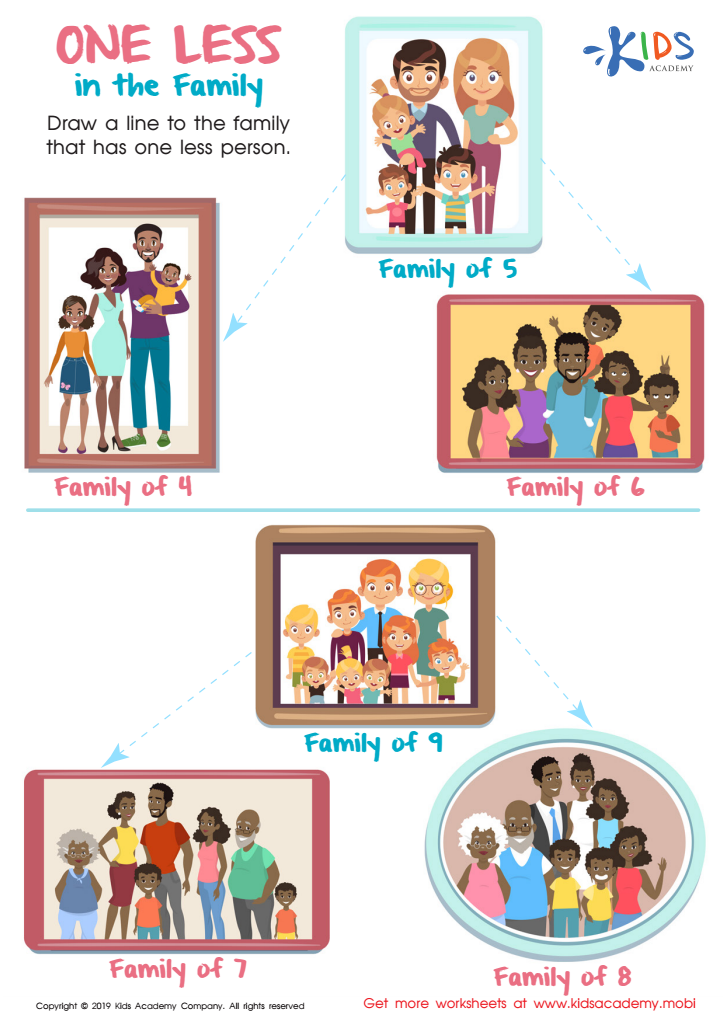
One Less in the Family Worksheet

Counting Worksheet: Let's Practice Counting
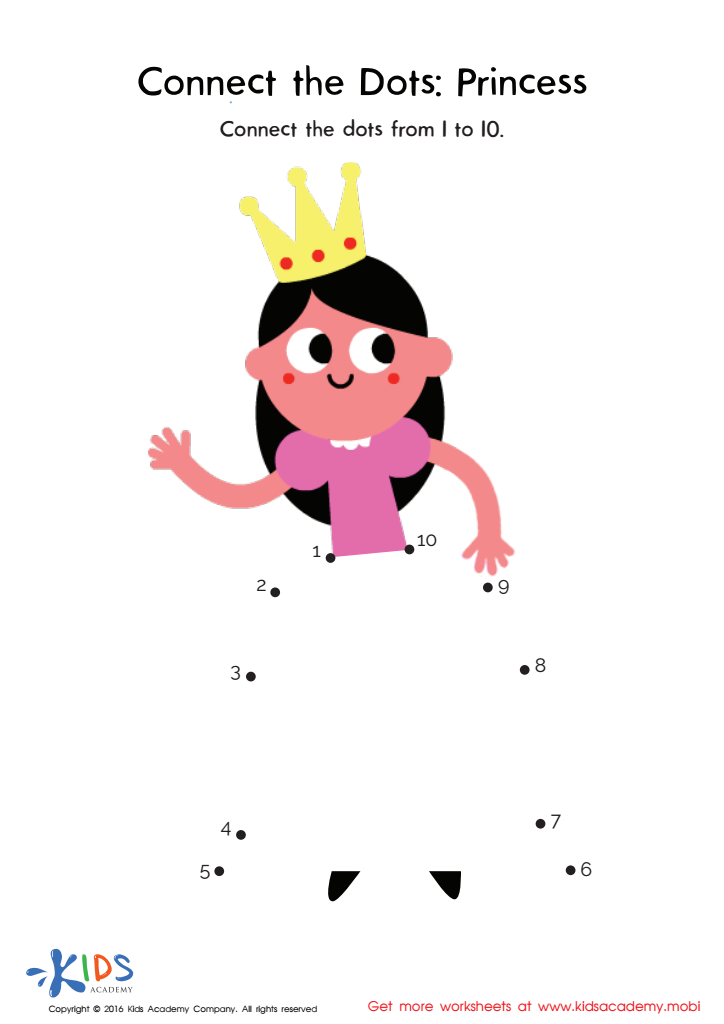
Princess Connect Dots Worksheet







Number sequencing is a foundational skill for early mathematics, pivotal for children aged 4-7. When parents and teachers invest in number sequencing extra challenges, they foster crucial cognitive development and problem-solving abilities. Enhanced exposure to these activities improves a child's understanding of numeric order, patterns, and the logical progression of numbers, thereby solidifying basic math skills.
Number sequencing exercises can also support a confident, positive attitude towards math. As children successfully complete these challenges, they develop a sense of achievement and resilience, which is particularly crucial at this formative stage where long-term attitudes towards mathematics are often established.
Moreover, these challenges often refine other essential skills such as memory, attention to detail, and logical reasoning. Sequencing exercises demand that children not only recognize numbers but also understand their relationships, promoting higher-order thinking.
Socially, engaging in number sequencing can create opportunities for collaborative learning, fostering communication and teamwork. For teachers, these challenges provide a metric for assessing individual progress and tailoring instruction to meet specific needs.
Ultimately, number sequencing extra challenges lay the groundwork for more complex mathematical concepts, ensuring children are well-prepared for future academic success and everyday problem-solving. Investing in these early skills is key, offering long-lasting benefits that extend far beyond the classroom.








