Basic Math Skills Extra Challenge Worksheets for Ages 4-8 - Page 2
34 filtered results
-
From - To
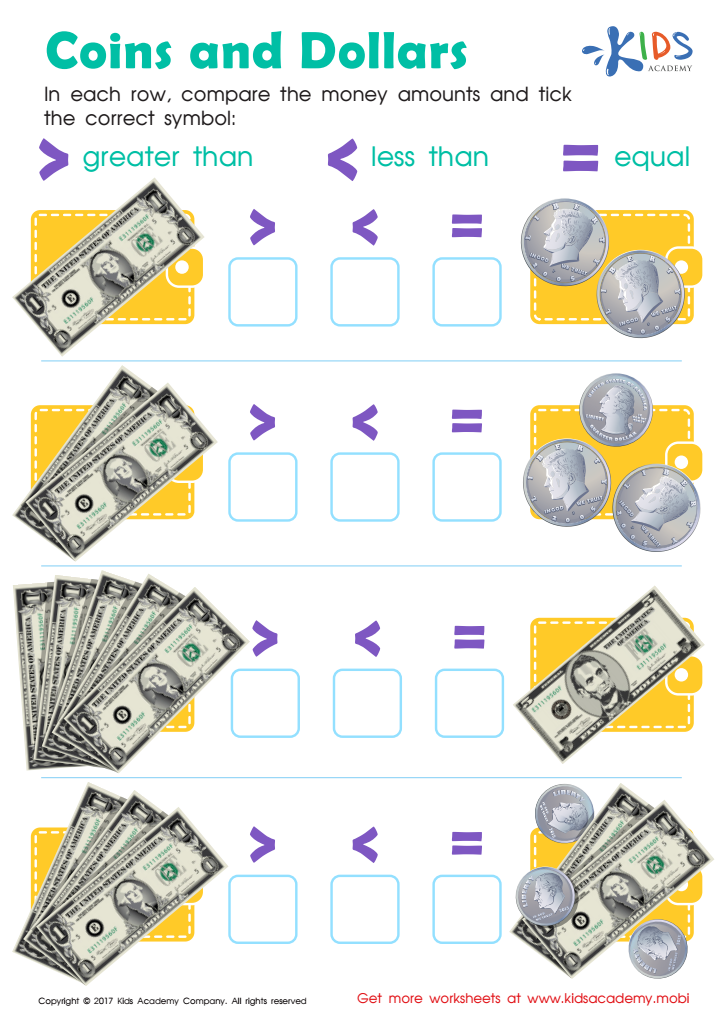
Money: Coins Dollars Printable
 Assign to My Students
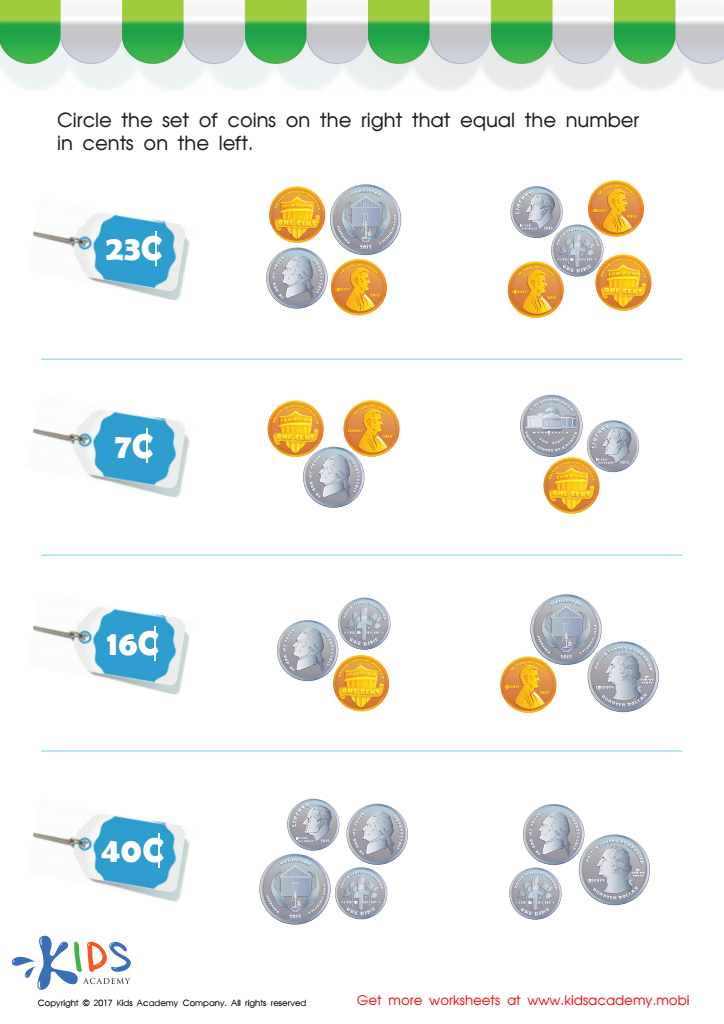
Picking the Coins You Need Money Worksheet
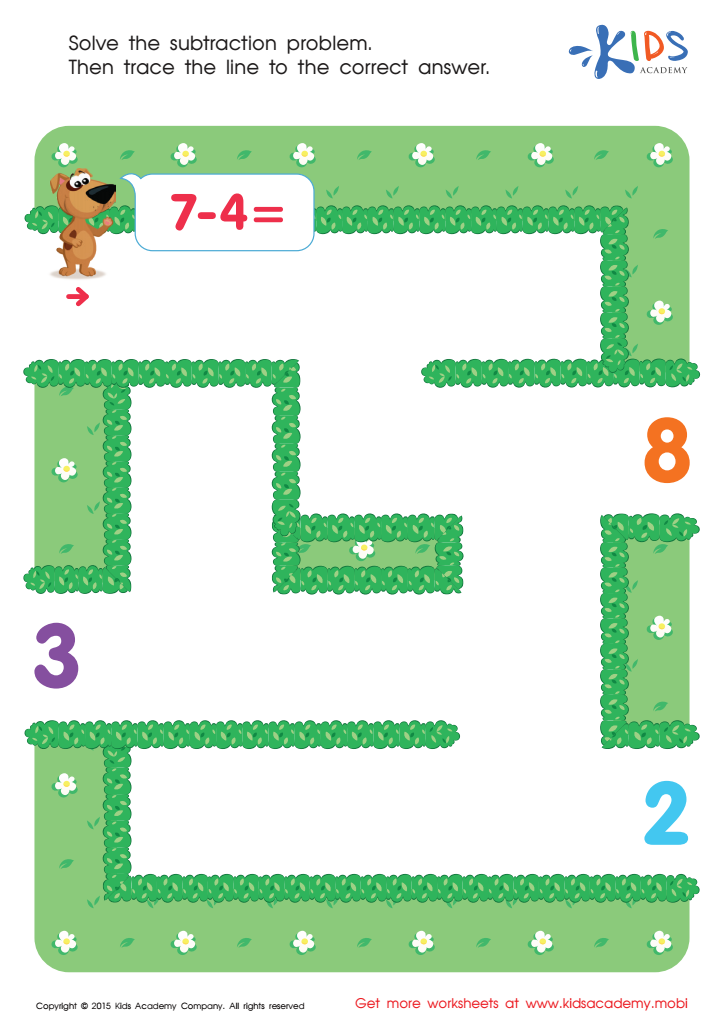
Subtraction Seven Minus Four Worksheet
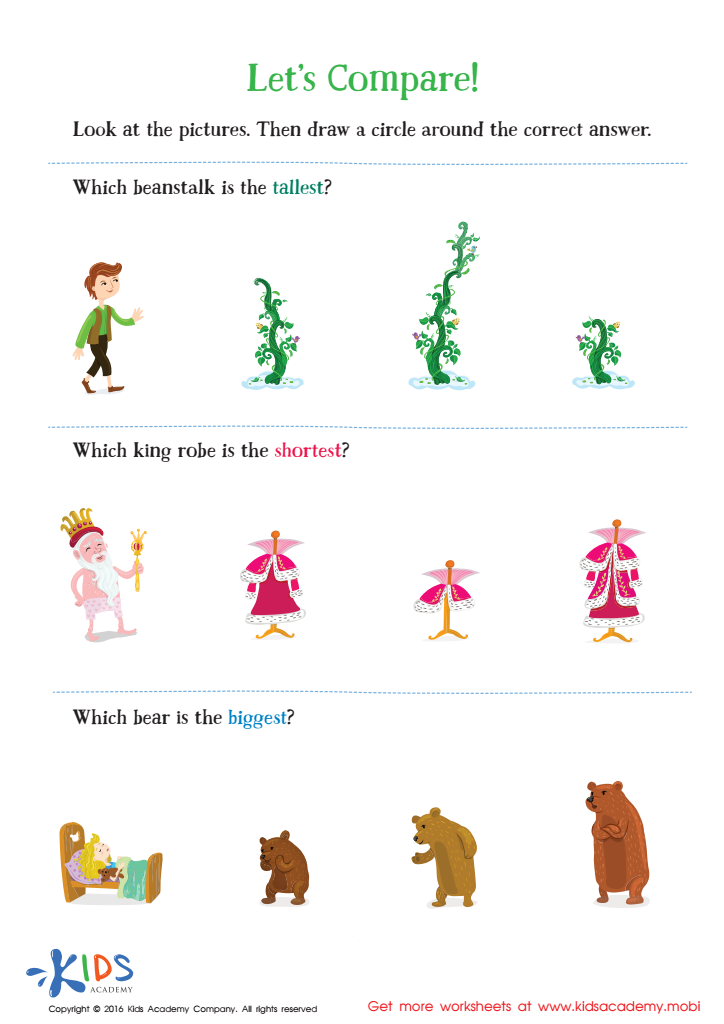
Fairy Tale Worksheet: Let's Compare
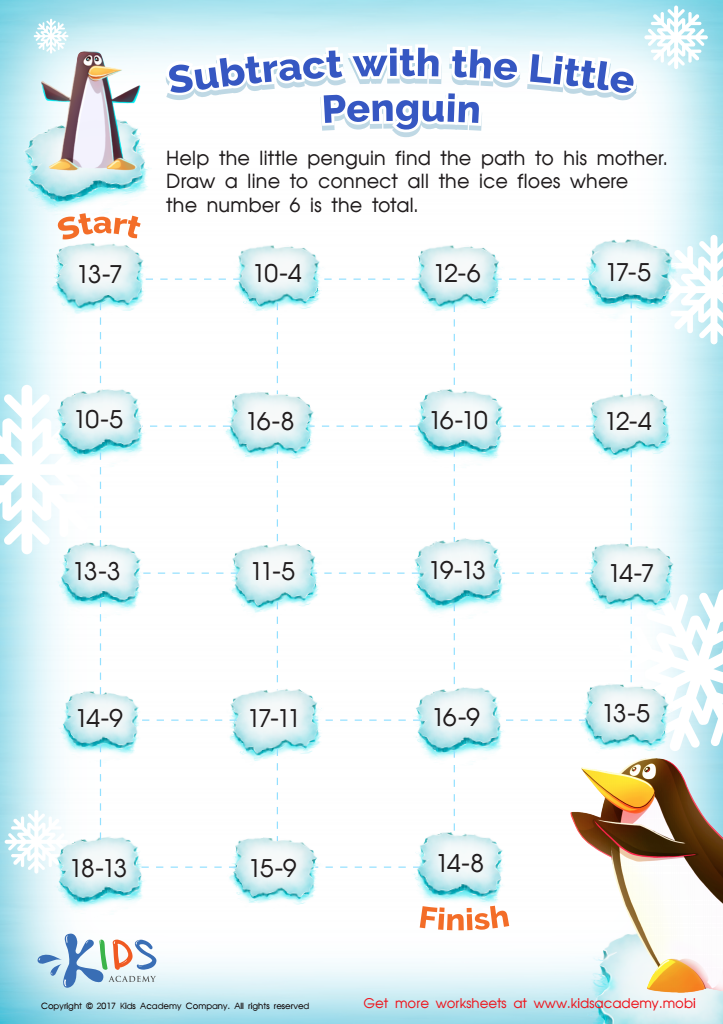
Subtract With The Little Penguin Substraction Worksheet
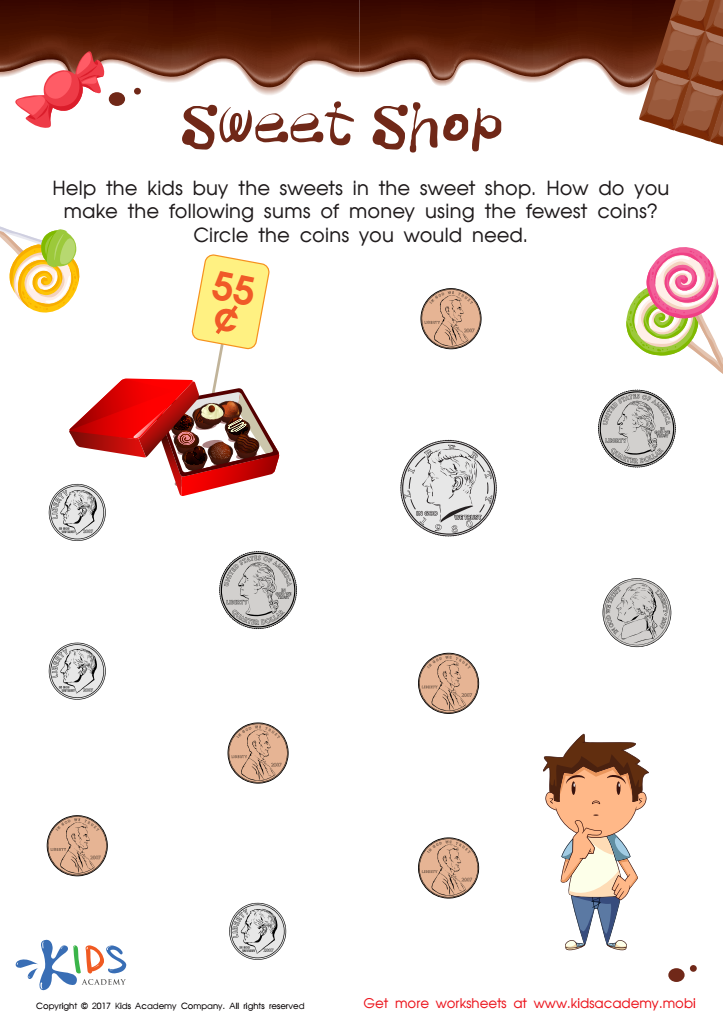
Sweet Shop – Counting Coins Worksheet
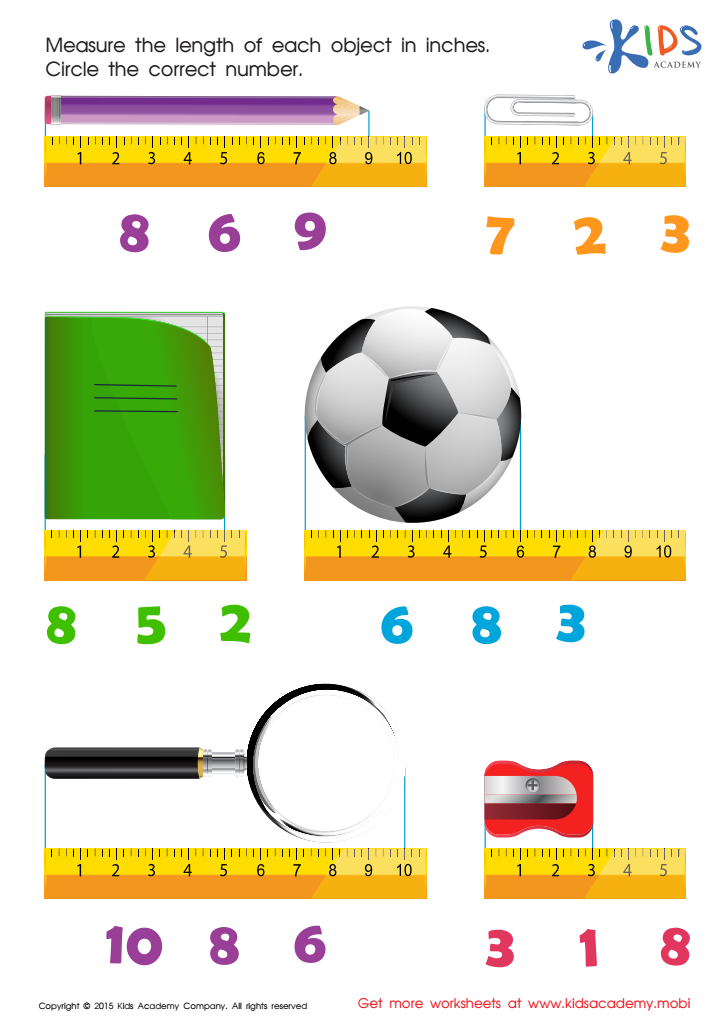
Learning measuring objects in inches Worksheet
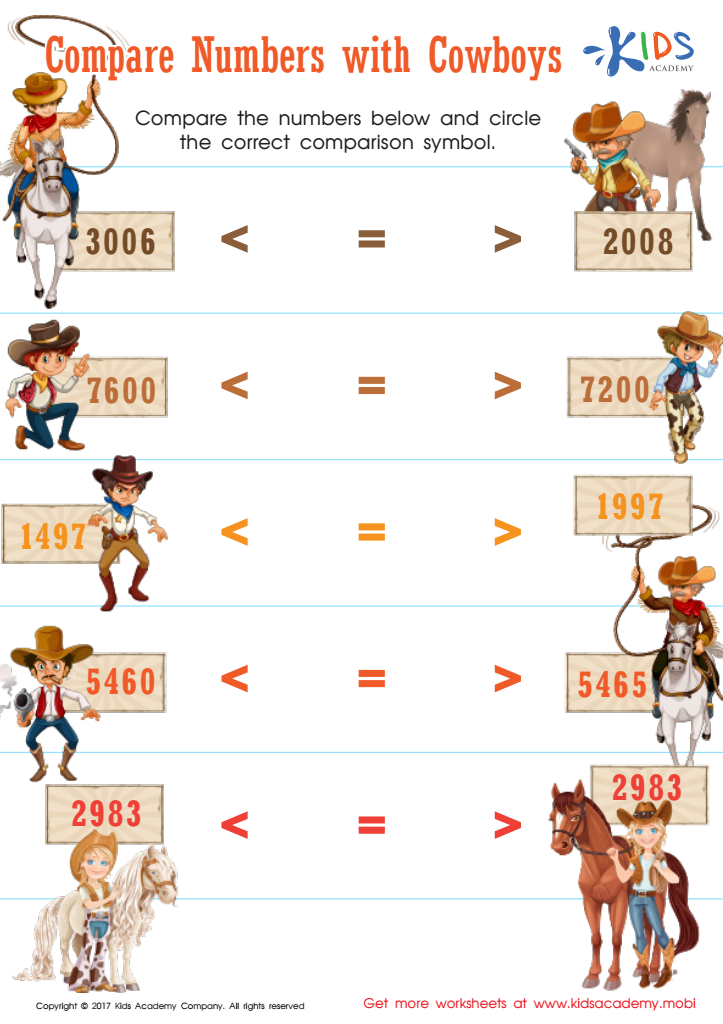
Compare Numbers Worksheet for 3rd Grade
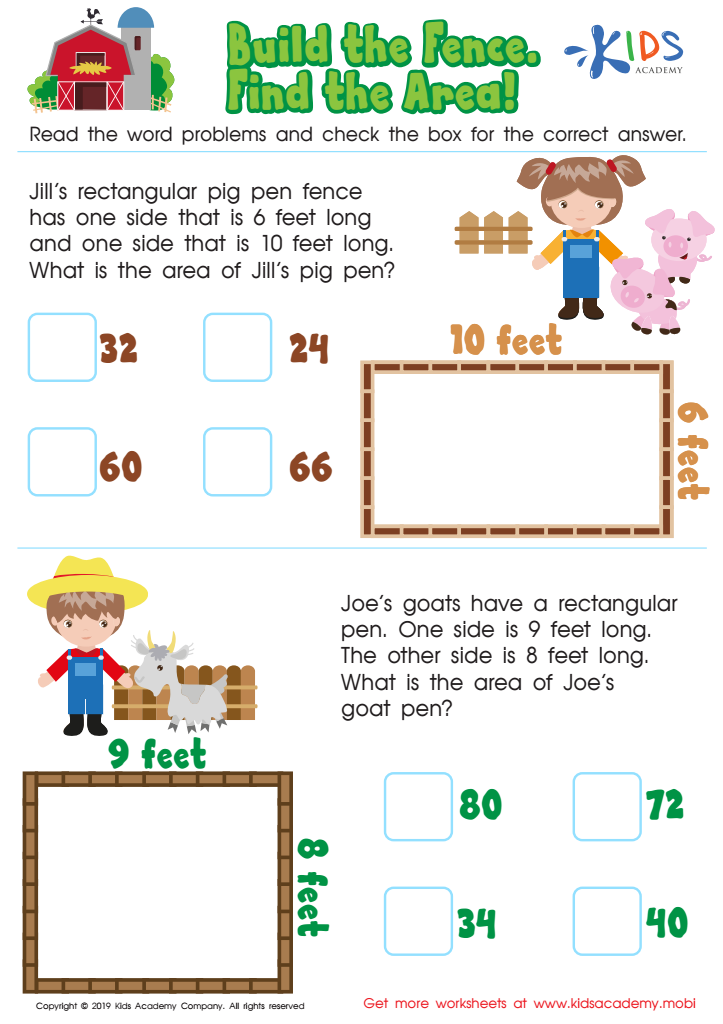
Build the Fence, Find the Area Worksheet
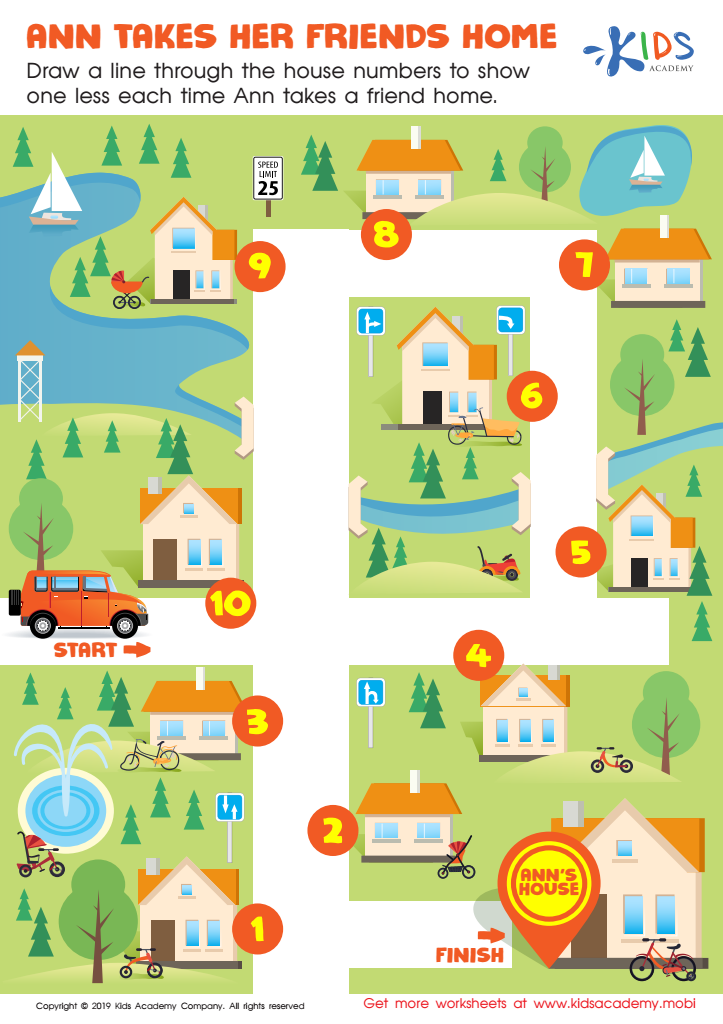
Ann Takes her Friends Home Worksheet






Developing basic math skills at a young age is crucial for children's cognitive development and future academic success. For ages 4-8, engaging in extra math challenges can provide numerous benefits that parents and teachers shouldn't overlook.
Firstly, mastering foundational skills builds confidence. Young children who achieve success in early math forms, such as counting, basic arithmetic, and recognizing patterns, develop a sense of accomplishment. This boosts their confidence, making them more willing to tackle complex tasks in the future.
Secondly, math skills are strongly linked to problem-solving abilities. Extra challenges encourage children to think critically and approach problems methodically. These early experiences bolster their reasoning skills, which are transferable to many other subjects and life situations.
Moreover, early math proficiency is a strong predictor of academic performance. Studies have shown that children who start school with strong math skills tend to perform better in later grades. This sets a foundation for learning more advanced concepts in higher education and even in their future careers.
Lastly, fun and interactive math challenges keep young minds engaged and motivated. Learning through games and activities can make math enjoyable, thus fostering a lifelong interest and positive attitude towards the subject. For these reasons, paying attention to developing basic math skills through extra challenges is essential for both parents and educators.








