Filters

28 filtered results

Clear all filters
Favorites
With answer key
Interactive

28 filtered results

Difficulty Level

Grade


Check out this FREE Trial Lesson on Matching for age 4-8!

Lesson 5- Combine and Find New Shapes

Favorites
With answer key
Interactive
  • 4-8
  • Matching
  • Extra Challenge
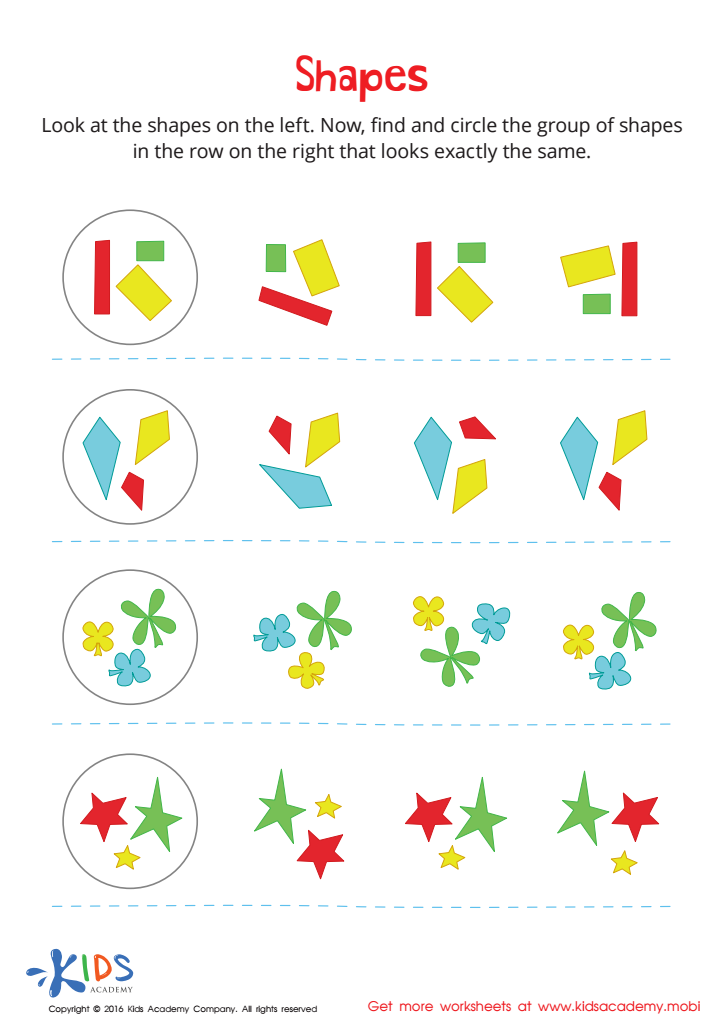
Preschool Matching Worksheet

Shapes Worksheet

This fun worksheet will challenge your child to recognize tricky patterns, sort through similar ones, and create strategies to get the right answer. It'll also help them to strengthen problem-solving skills and build confidence. With more challenging tasks, your child will be ready to tackle higher level math and sequencing skills.
Shapes Worksheet
Worksheet
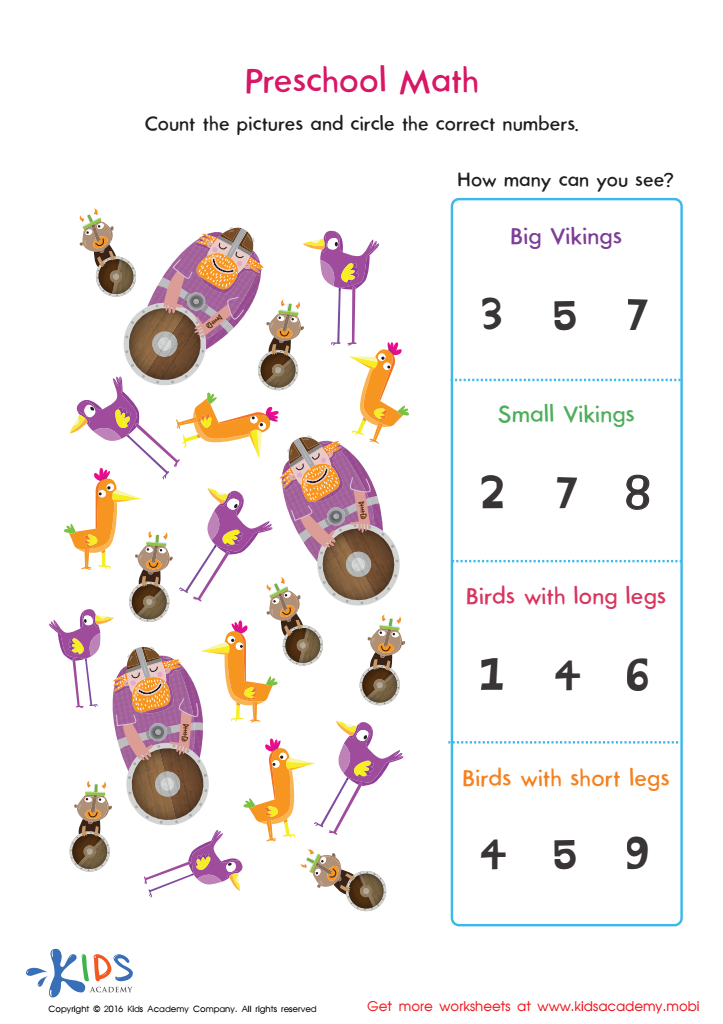
Printable Counting Worksheet for Preschool

Counting Worksheet: Preschool Math

Help your child practice counting and reading at the same time!
Counting Worksheet: Preschool Math
Worksheet
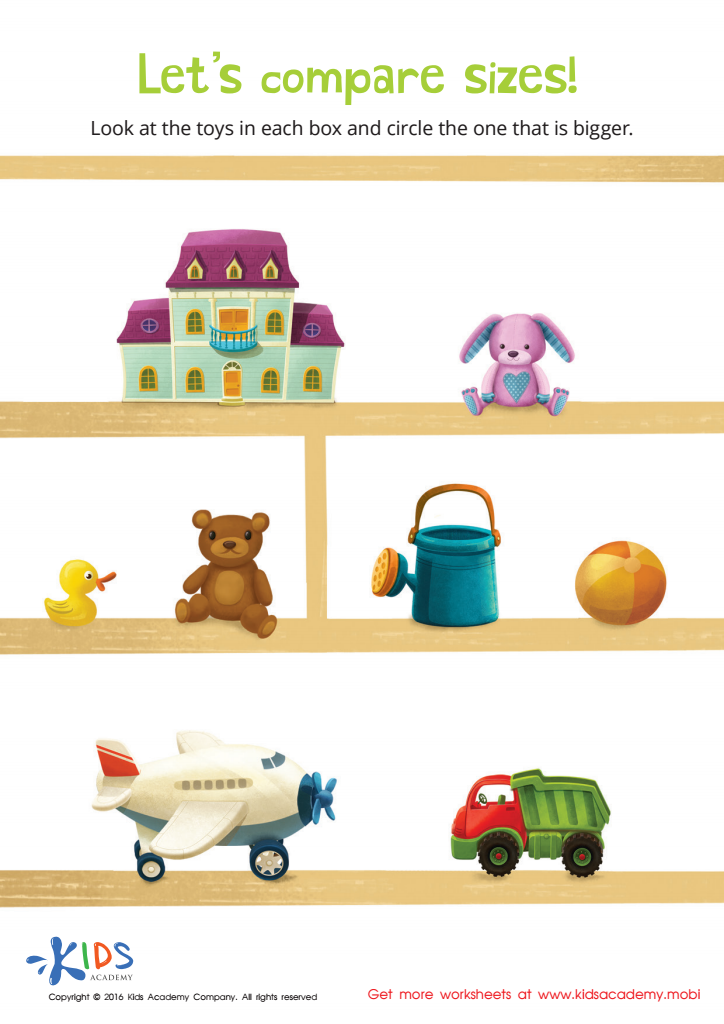
Size Comparison Worksheet

Classifying by Size Sorting Worksheet
Help your preschooler recognize differences in size using this fun worksheet! Your child will engage in important spatial recognition and problem-solving skills while talking with you about objects that can be small or large. Enjoy the vibrant pictures together!
Classifying by Size Sorting Worksheet
Worksheet
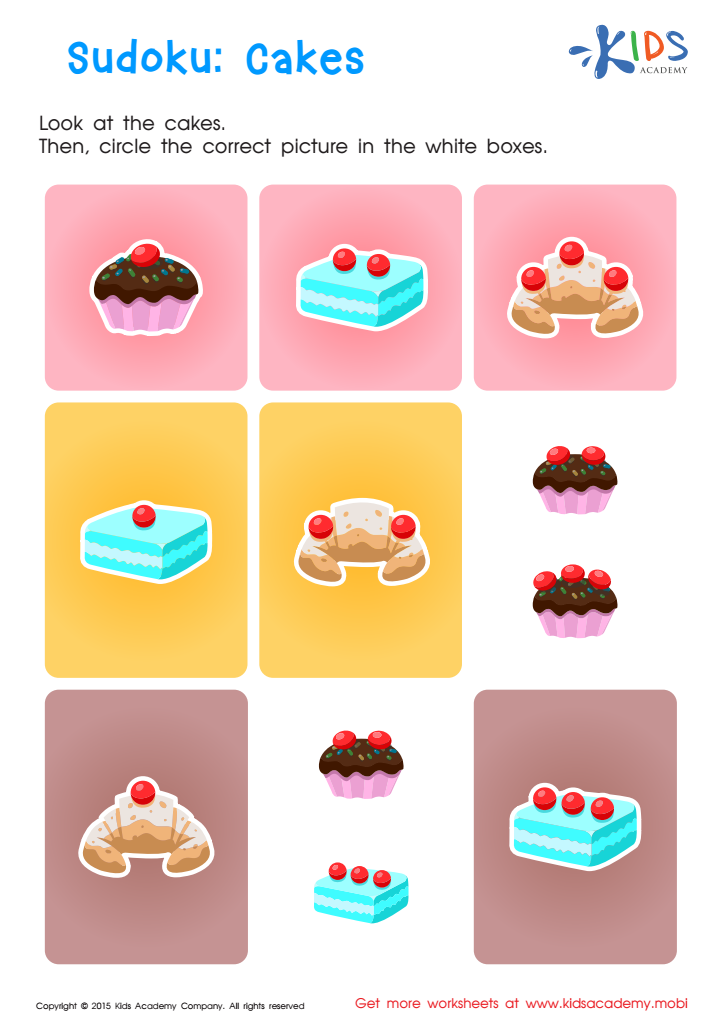
Sudoku worksheet pdf

Sudoku Worksheet

Playing sudoku helps kids develop pattern and logic recognition, key skills for problem solving. Get your free printable PDF worksheet and begin the fun! Kids can have fun and build problem-solving skills with this exciting sudoku PDF worksheet! Adults love solving sudoku puzzles, so get your free printable PDF and start your child early with this vibrant and challenging puzzle. They'll learn to recognize patterns and form logical reasoning, essential for future problem solving. Try it out today!
Sudoku Worksheet
Worksheet


Extra Challenge Matching (ECM) for ages 4-8 is a vital educational tool that aligns with developmental milestones during early childhood. Parents and teachers should prioritize ECM because it enhances cognitive skills such as memory, attention, and critical thinking. In this age group, children are naturally curious, and ECM helps harness that curiosity while providing targeted challenges that foster deeper understanding and retention of concepts.

Moreover, ECM fosters social skills by encouraging collaborative play; when children engage in matching games, they learn to communicate, negotiate, and resolve conflicts. Additionally, ECM can be tailored to individual learning styles and abilities, ensuring that every child receives an opportunity to excel at their own pace.

Furthermore, early dual-exposure to matching games promotes a positive attitude towards learning, helping children build confidence as they experience success and mastery. This early engagement in educational activities contributes to lifelong learning habits that can drive future academic success.

Ultimately, by investing time in programs like ECM, parents and teachers nurture a love for learning, equip children with essential problem-solving skills, and cultivate an environment that encourages intellectual curiosity, all foundational elements for both personal and academic growth.