Fine Motor Skills Extra Challenge Worksheets for Ages 4-9
47 filtered results
-
From - To
Help your child excel with our "Fine Motor Skills Extra Challenge Worksheets for Ages 4-9" on Kids Academy! Designed to enhance dexterity and precision, these engaging activities include tracing, cutting, pasting, and more. Perfect for young learners, they support early handwriting and creativity while making learning fun. With a variety of challenging exercises, kids build the fine motor skills essential for academic and everyday tasks. Each worksheet is thoughtfully crafted to motivate and challenge, ensuring a rewarding educational experience. Boost your child’s confidence and skill set with our expertly designed printables. Explore today and start your journey to success!
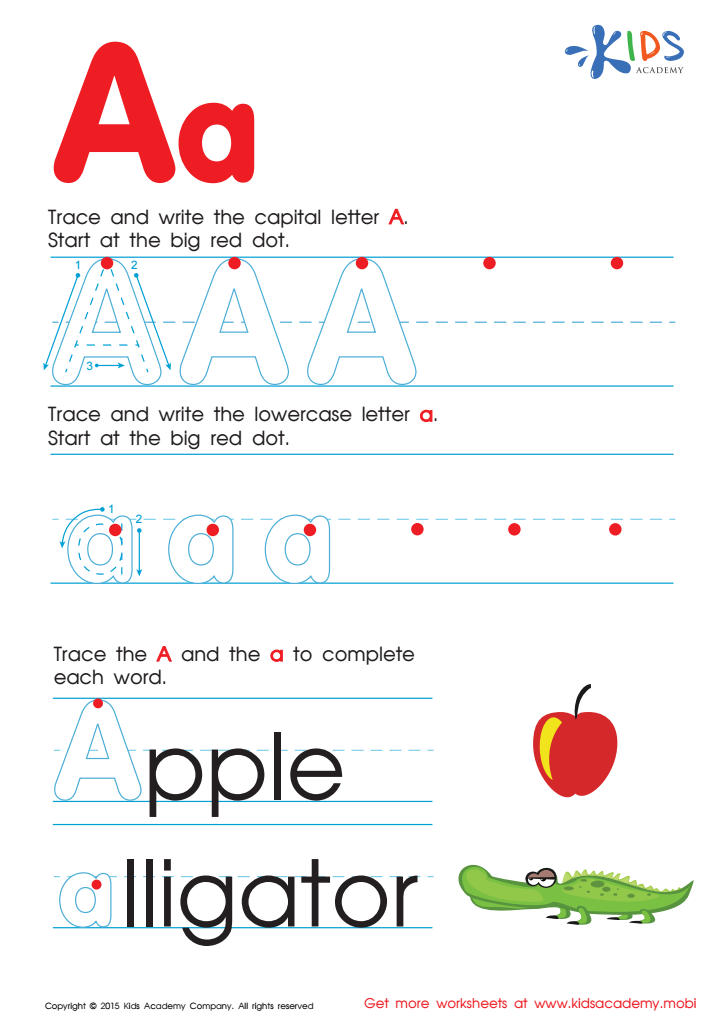
Letter A Tracing Page
 Assign to My Students
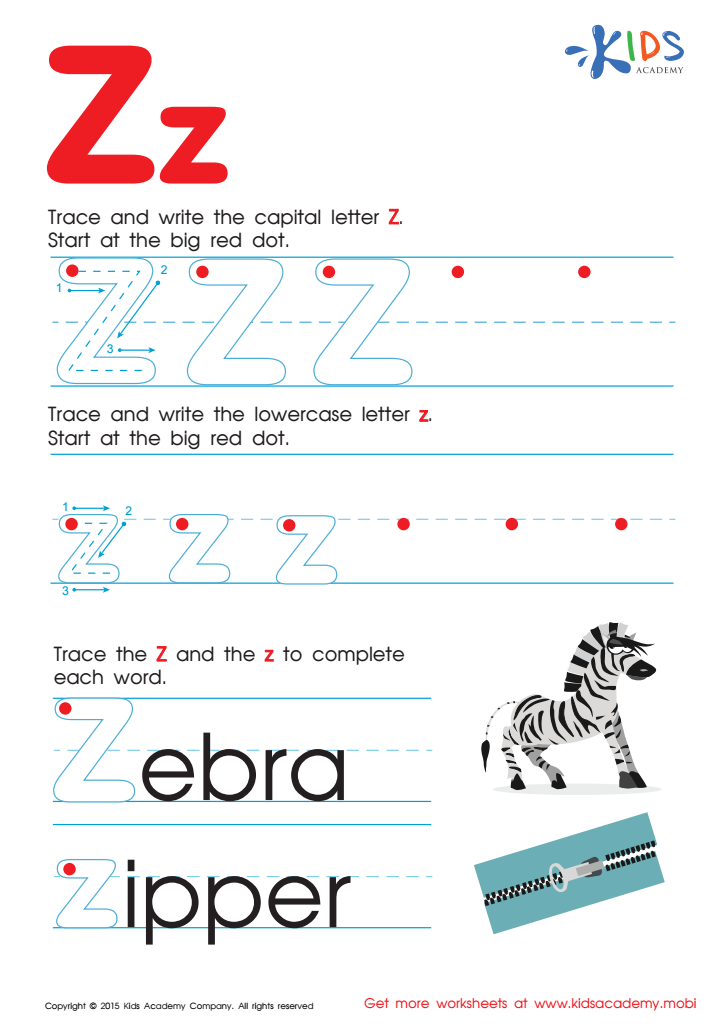
Letter Z Tracing Page
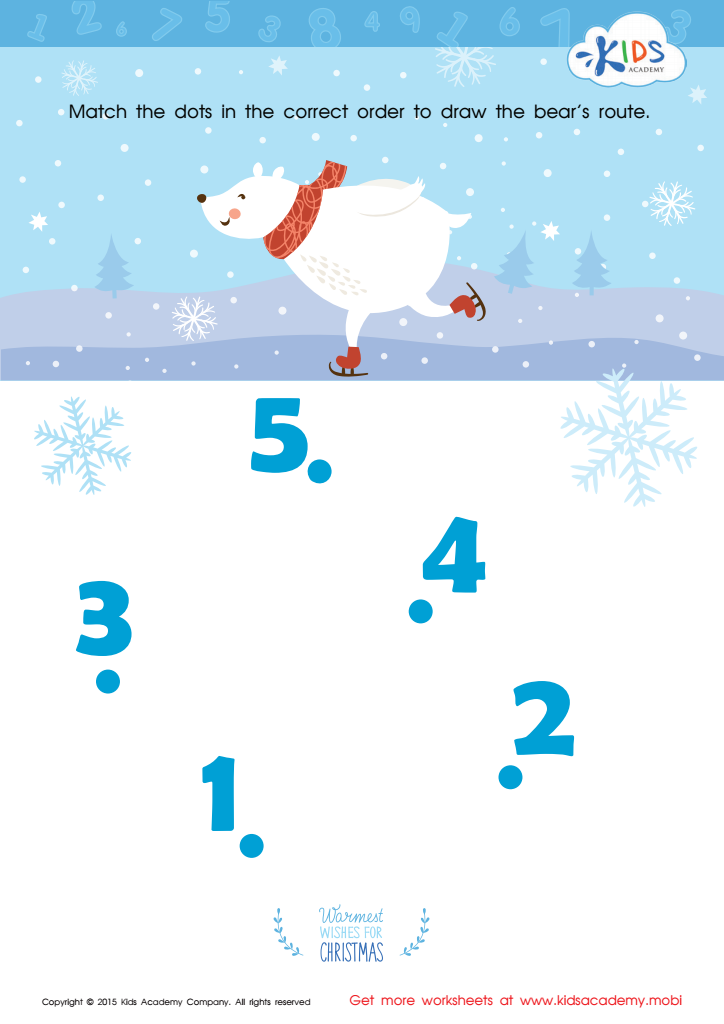
Drawing the Bear's Route by Number Worksheet
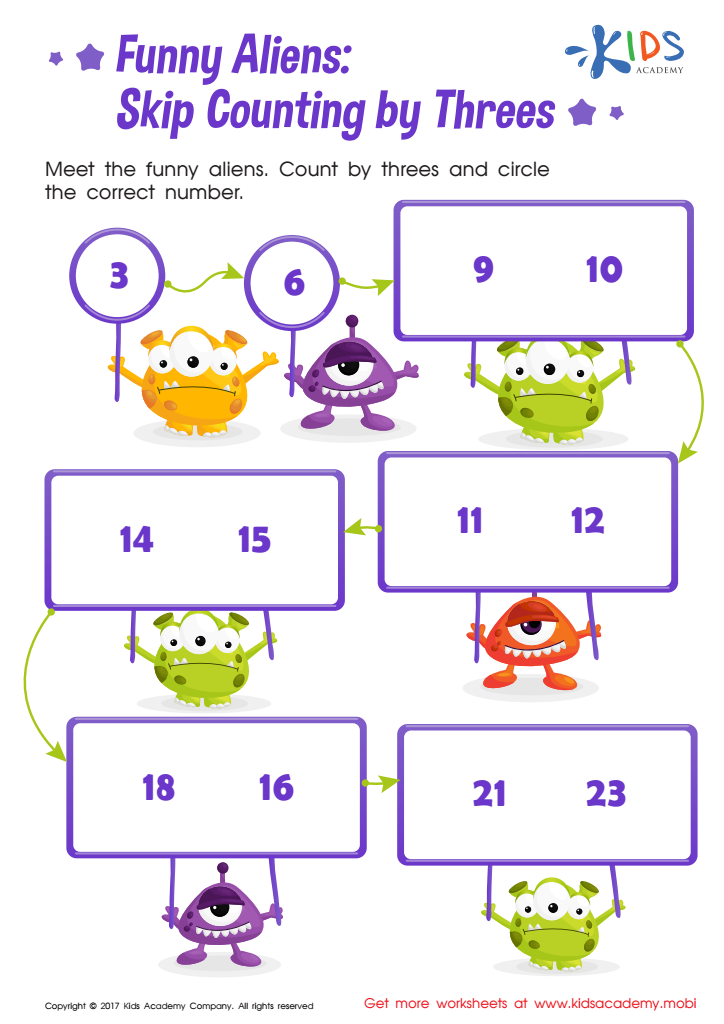
Skip Counting by 3s: Funny Aliens Printable
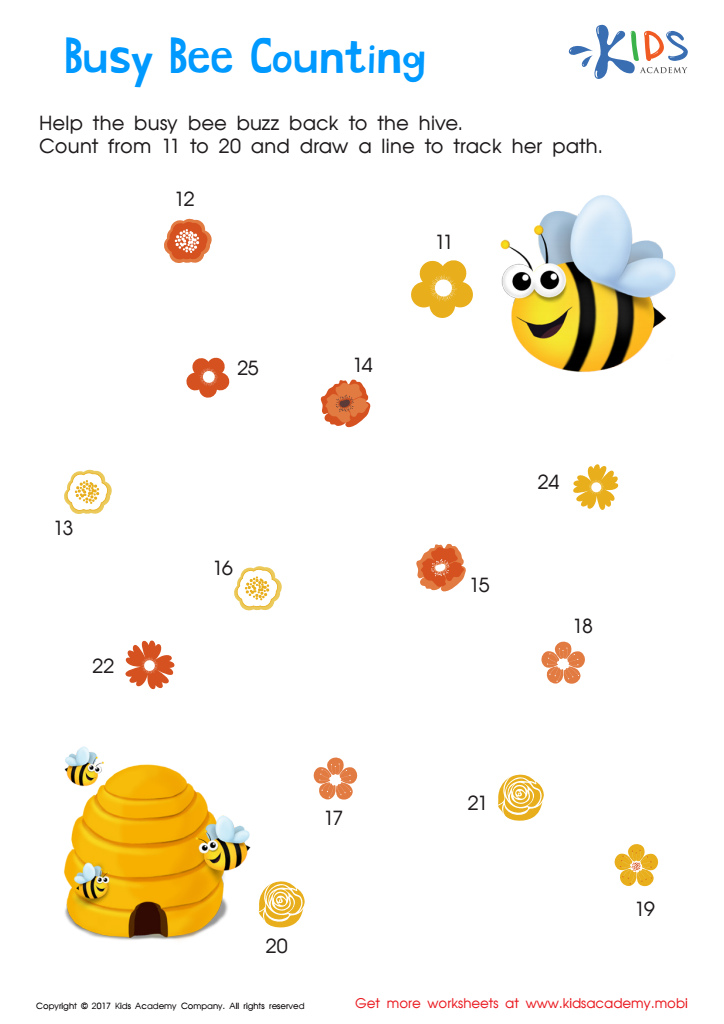
Ordering 11–20: Busy Bee Counting Worksheet
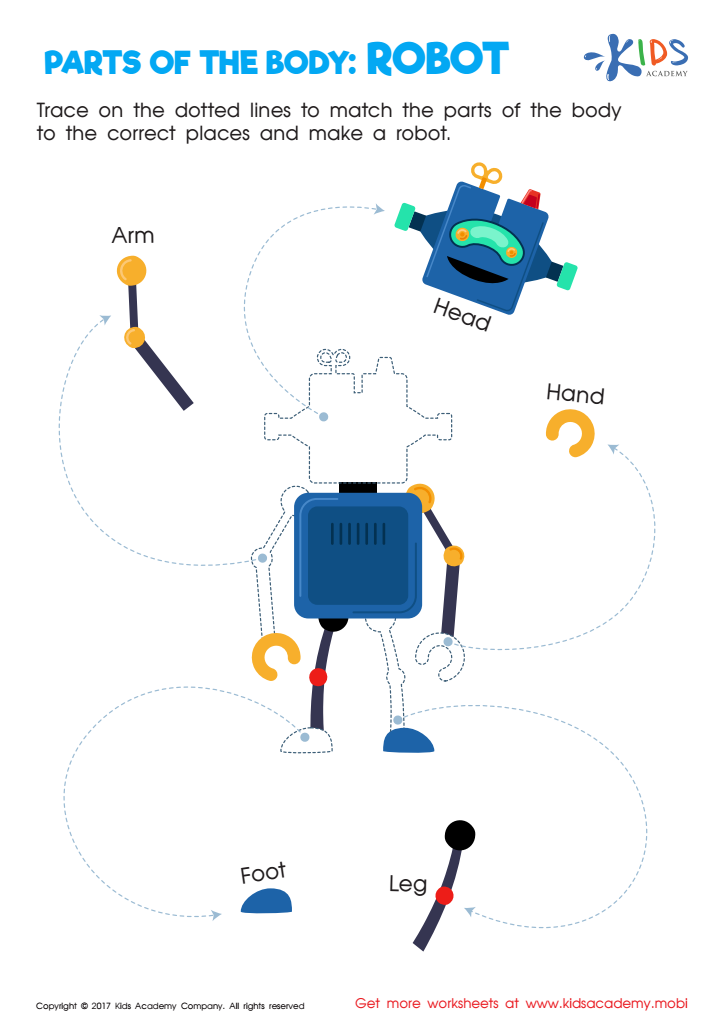
Robot Printable

Baa Baa Black Sheep Printable
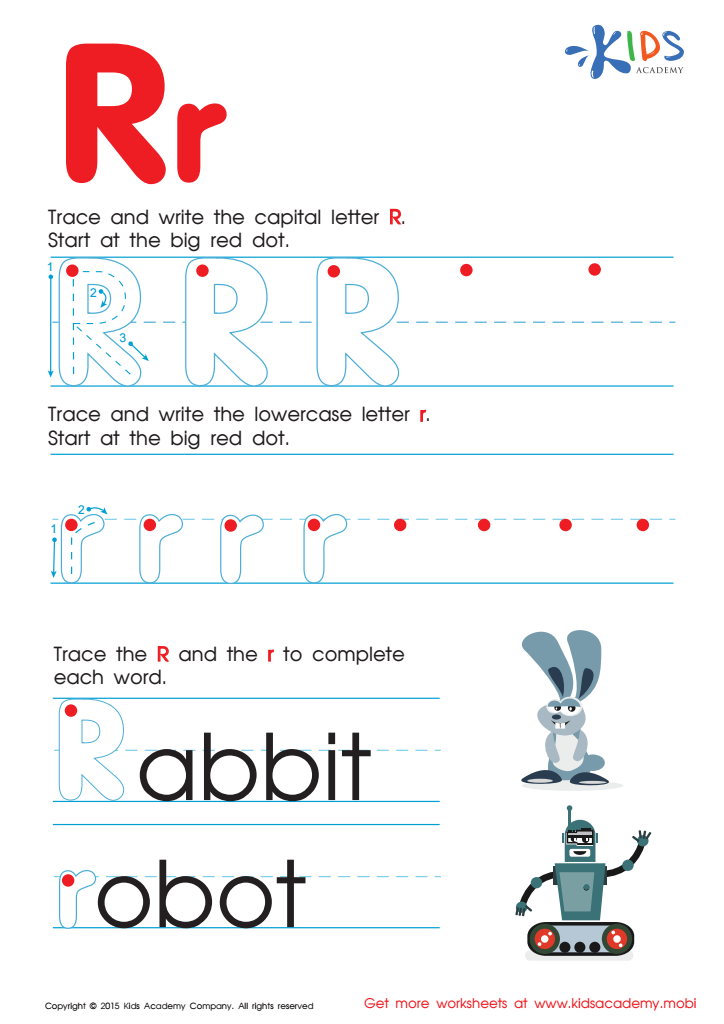
Letter R Tracing Page
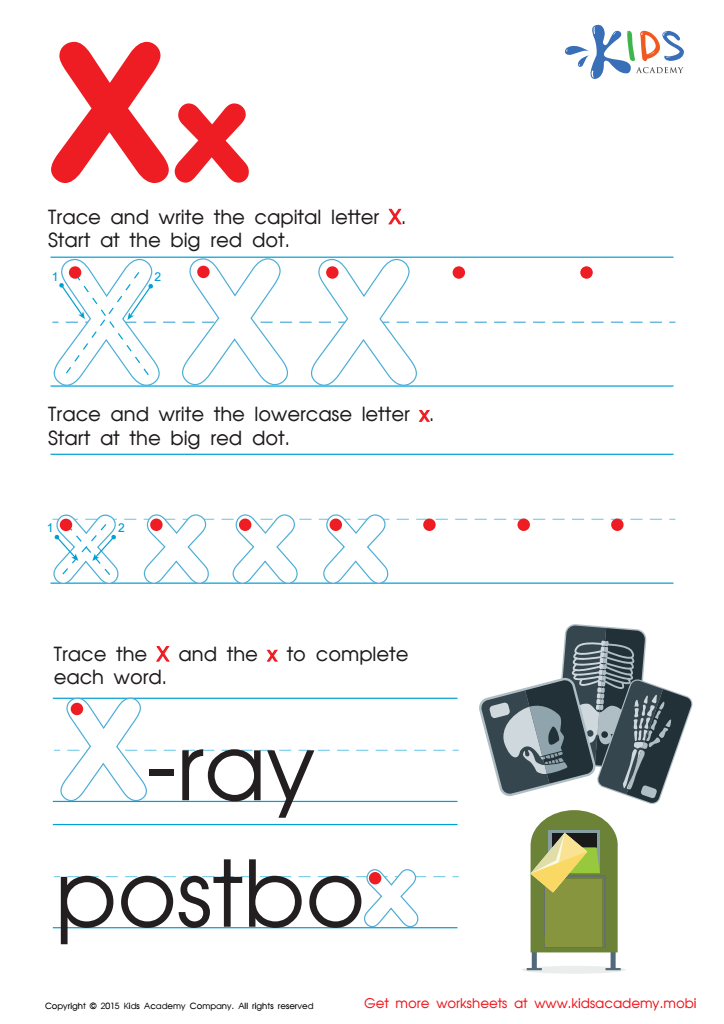
Letter X Tracing Page
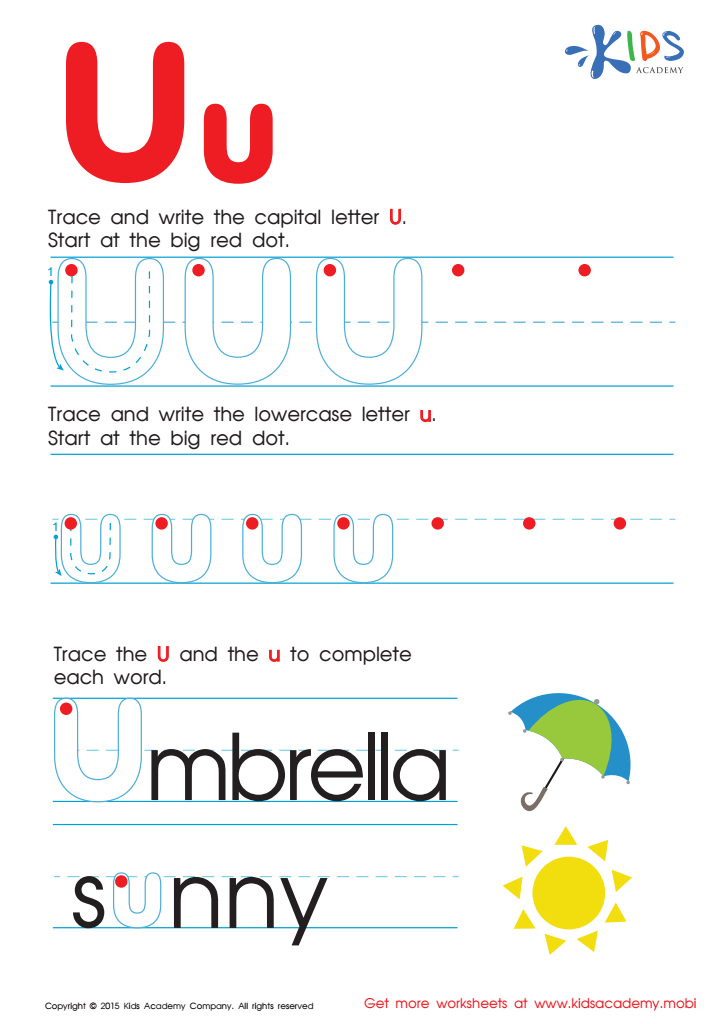
Letter U Tracing Page
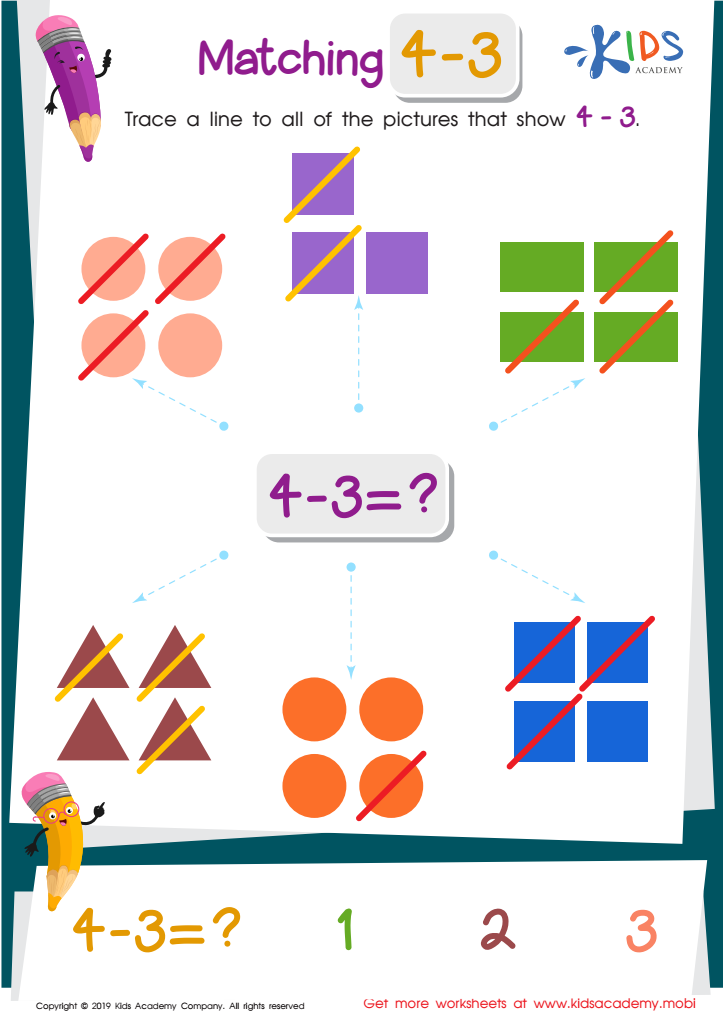
Matching 4 – 3 Worksheet
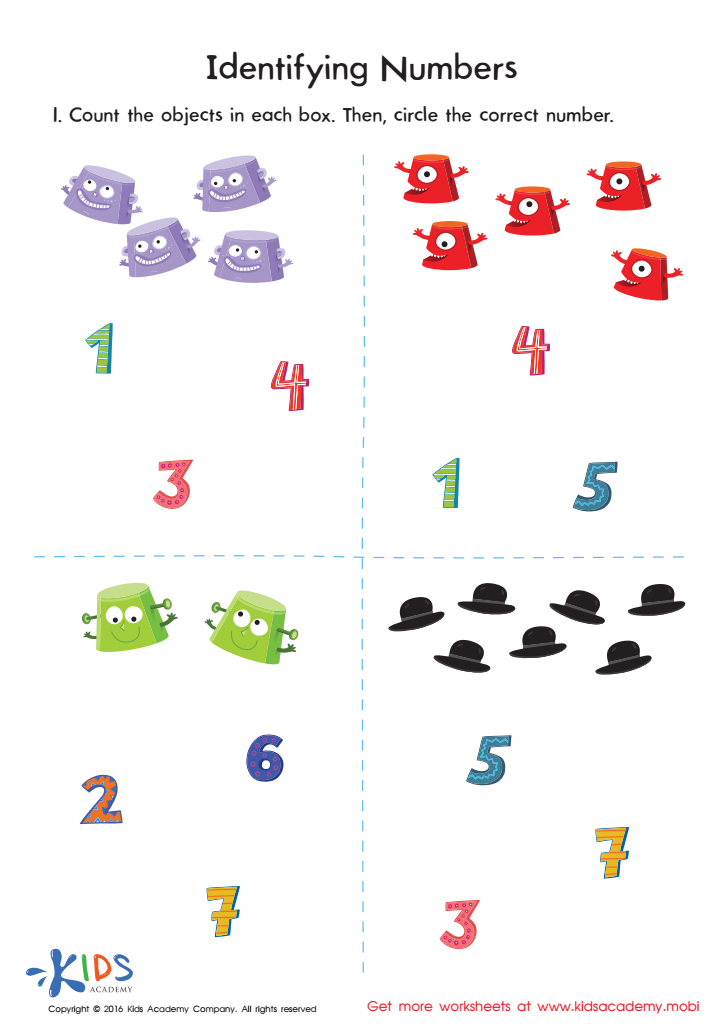
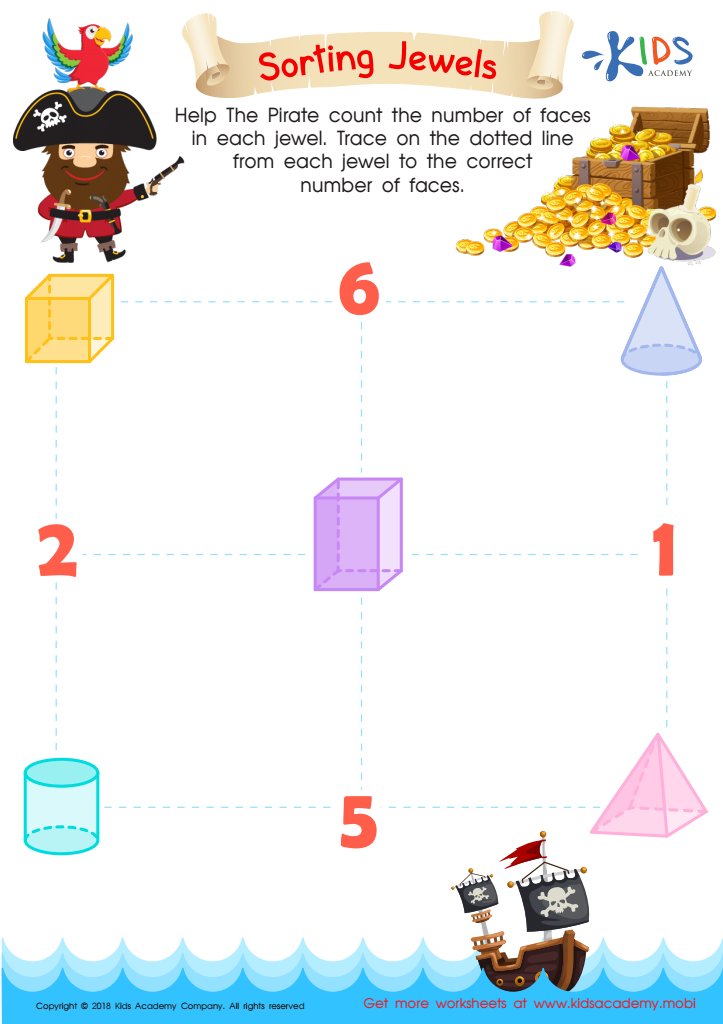
Sorting Jewels Worksheet
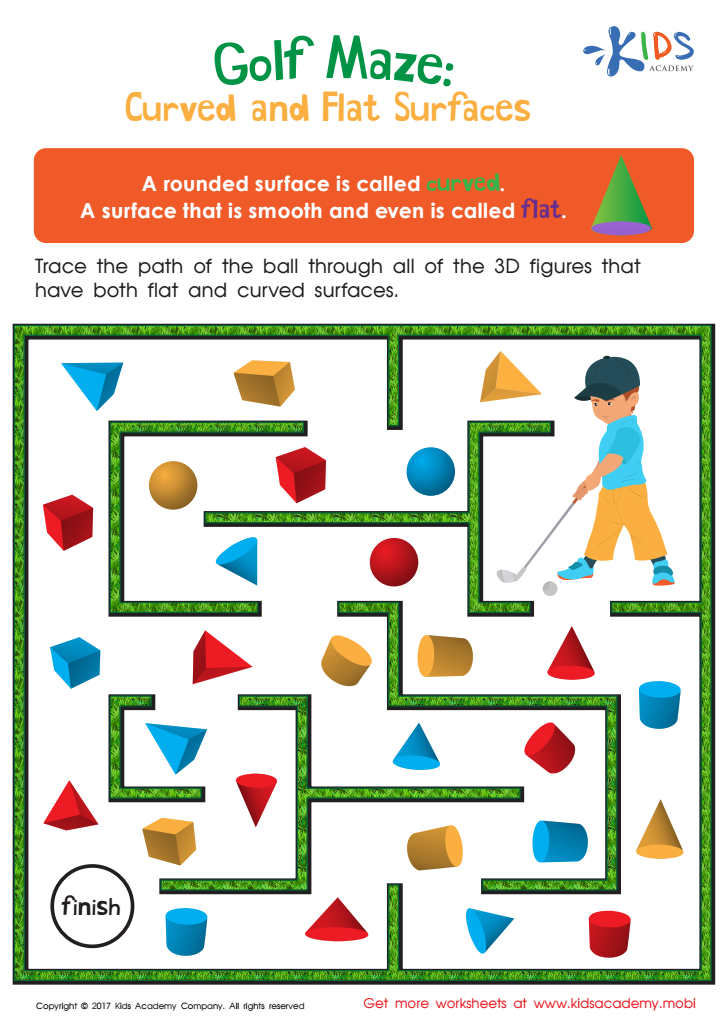
Golf Maze: Curved and Flat Surfaces Worksheet

Sort the Monster's Socks Worksheet
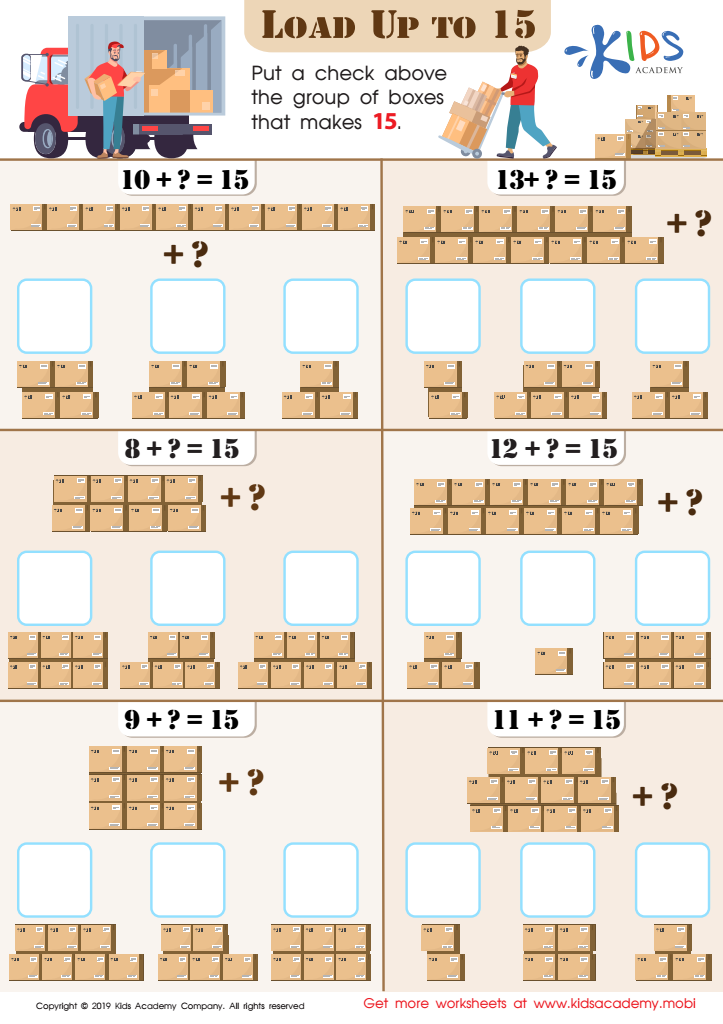
Load up to 15 Worksheet

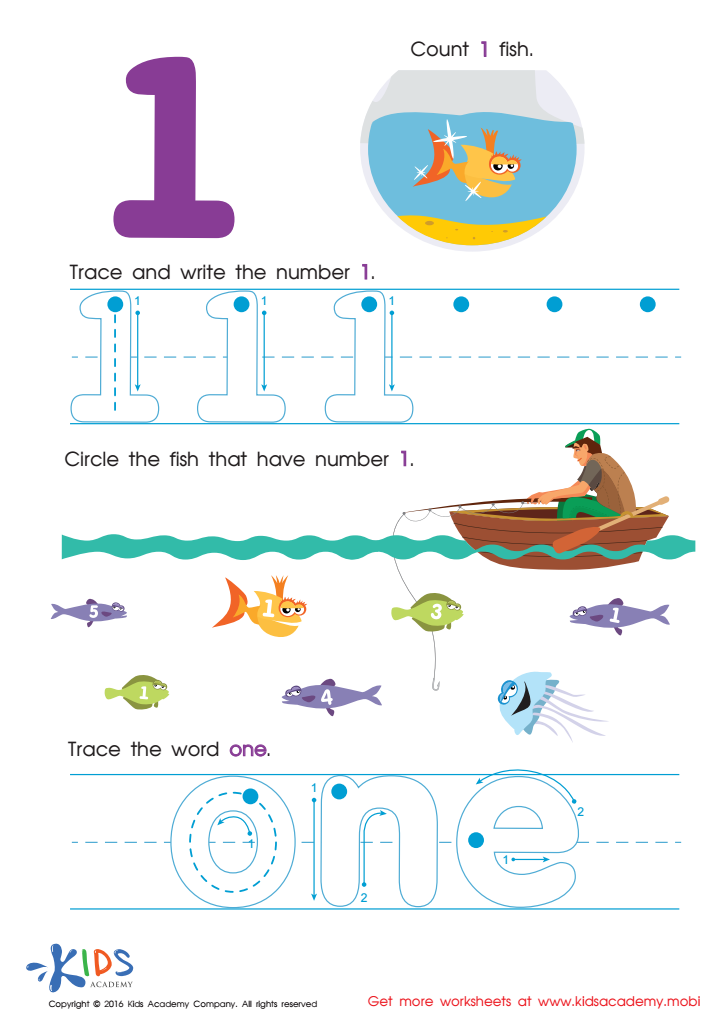
Learning to Write 1 Worksheet

Matching: Shapes and Colors Worksheet

Apple Tree Counting Worksheet

Count and Match Points 6 Math Worksheet
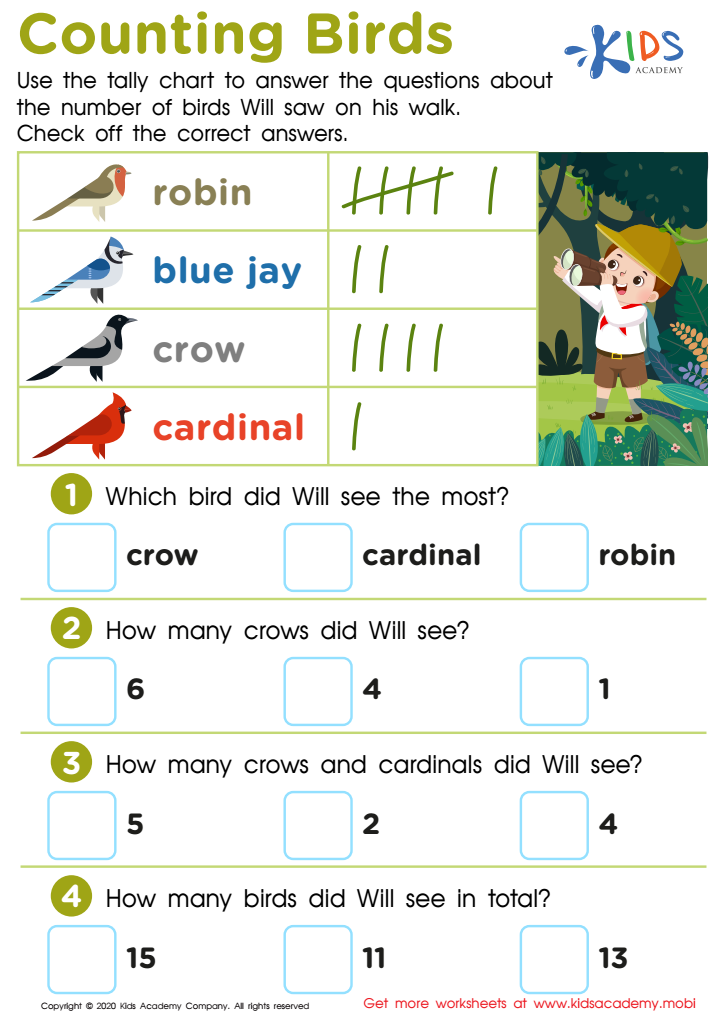
Counting Birds Worksheet
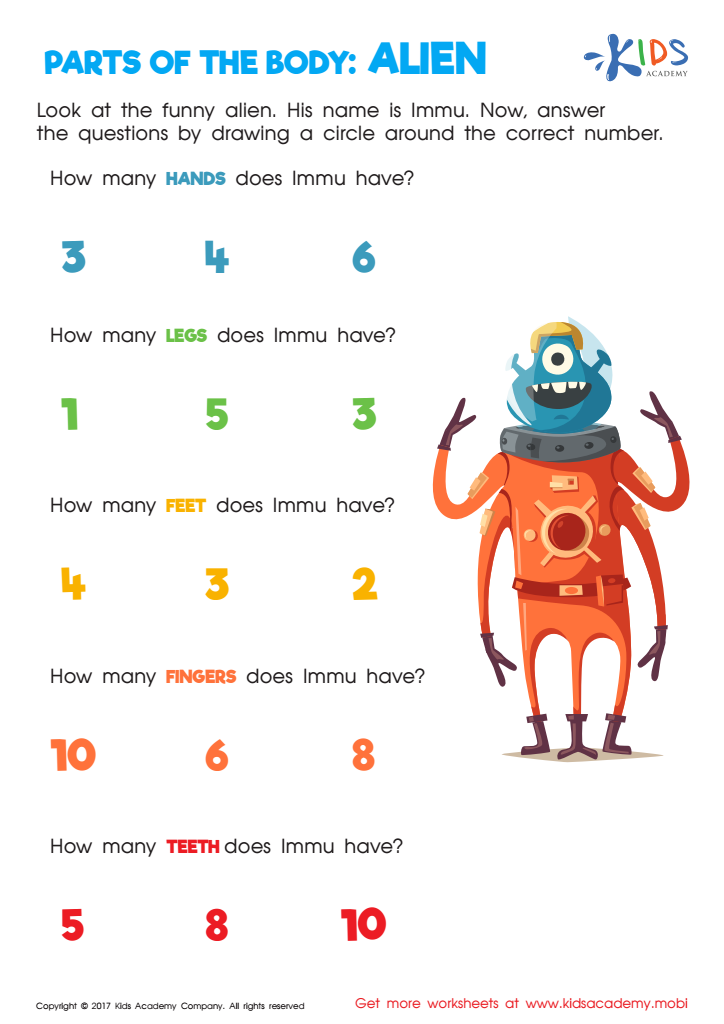
Alien Worksheet







Fine motor skills refer to the coordination between small muscles, specifically in the hands and fingers, that allow for precise movements. For children aged 4-9, developing these skills is crucial as it directly impacts their ability to perform everyday tasks efficiently. Parents and teachers should care about fine motor skills' cultivation because it fosters independence and autonomy in children when managing daily activities such as buttoning clothes, tying shoelaces, using utensils, and brushing teeth.
In an academic setting, well-developed fine motor skills are integral to writing, drawing, cutting, and manipulating small objects, which are foundational for school readiness and success. Writing, in particular, requires a good grip and controlled hand movements, ensuring legibility and endurance during longer tasks.
Fine motor skill challenges also impact cognitive development. Engaging with activities that promote these skills enhances children's problem-solving abilities, hand-eye coordination, and spatial awareness. Additionally, tasks requiring fine motor skills often come with an intrinsic educational element, like counting beads or shaping letters, further solidifying academic concepts.
Lastly, fine motor activities can also stimulate creativity and boost confidence, as children feel proud when they can accomplish tasks on their own. Early intervention by parents and teachers can thus provide support where necessary, ensuring children do not lag in these crucial developmental areas.








