Number Sequencing Extra Challenge Worksheets for 4-Year-Olds
8 filtered results
-
From - To
Enhance your child's numerical skills with our Number Sequencing Extra Challenge Worksheets for 4-Year-Olds! These engaging worksheets are designed to boost cognitive development through fun and interactive activities. Your little learners will explore the concepts of order and pattern recognition as they practice sequencing numbers in various formats. With colorful illustrations and age-appropriate challenges, these worksheets will make learning an exciting adventure. Ideal for both home and classroom settings, these resources will help children develop essential math skills while fostering their problem-solving abilities. Give your child the gift of confidence and curiosity in numbers — download our worksheets today!
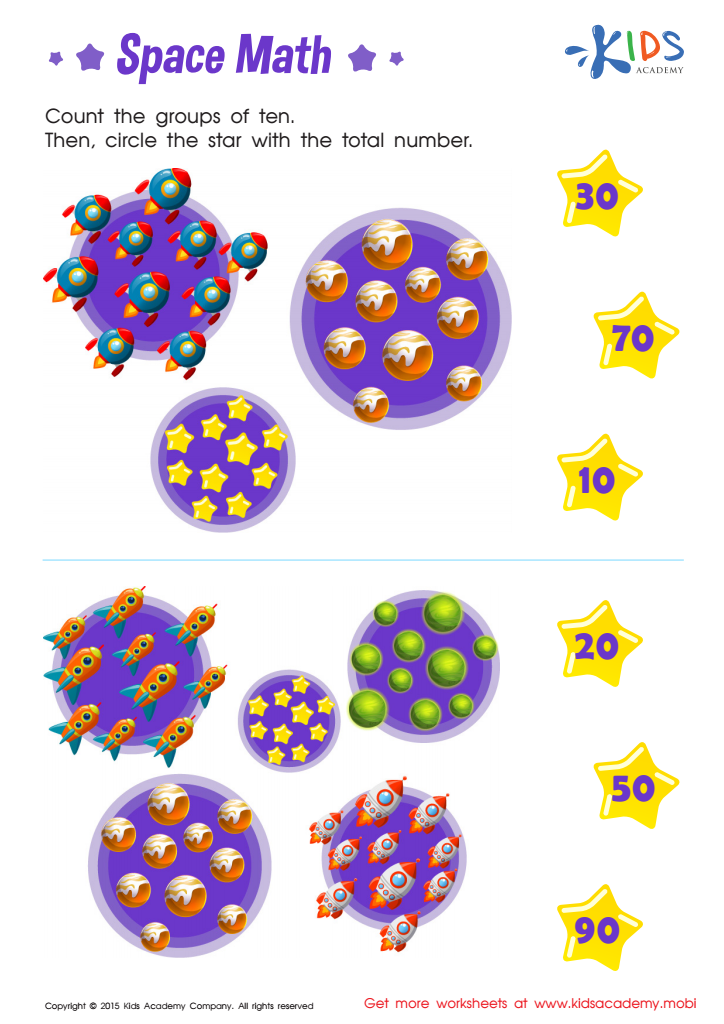
Learn dozens: Space math Worksheet
 Assign to My Students
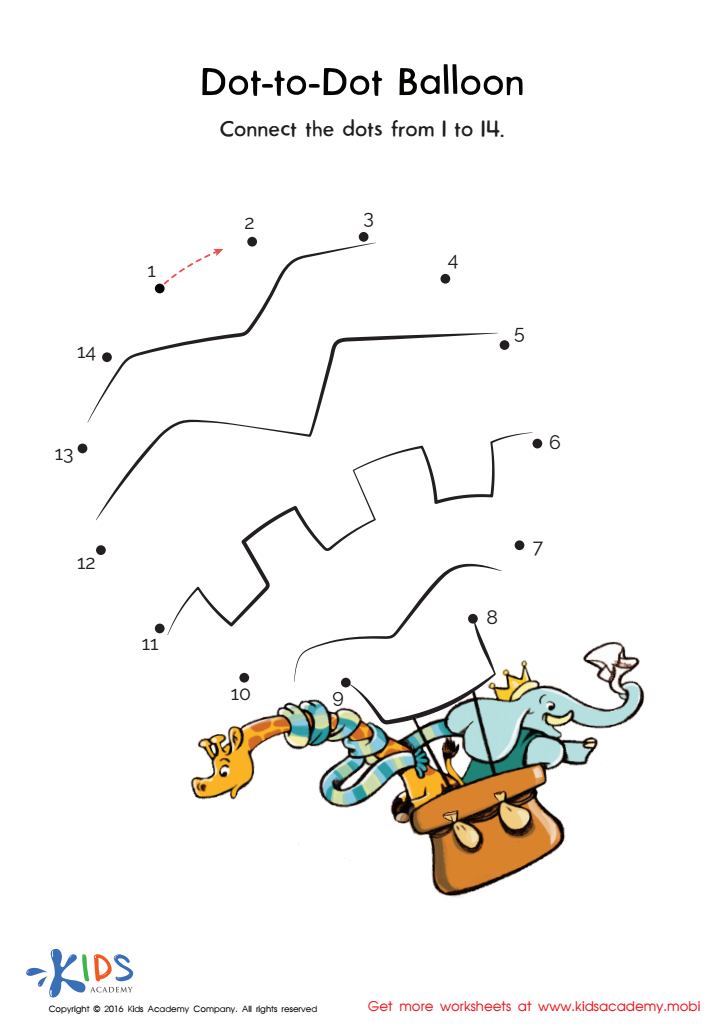
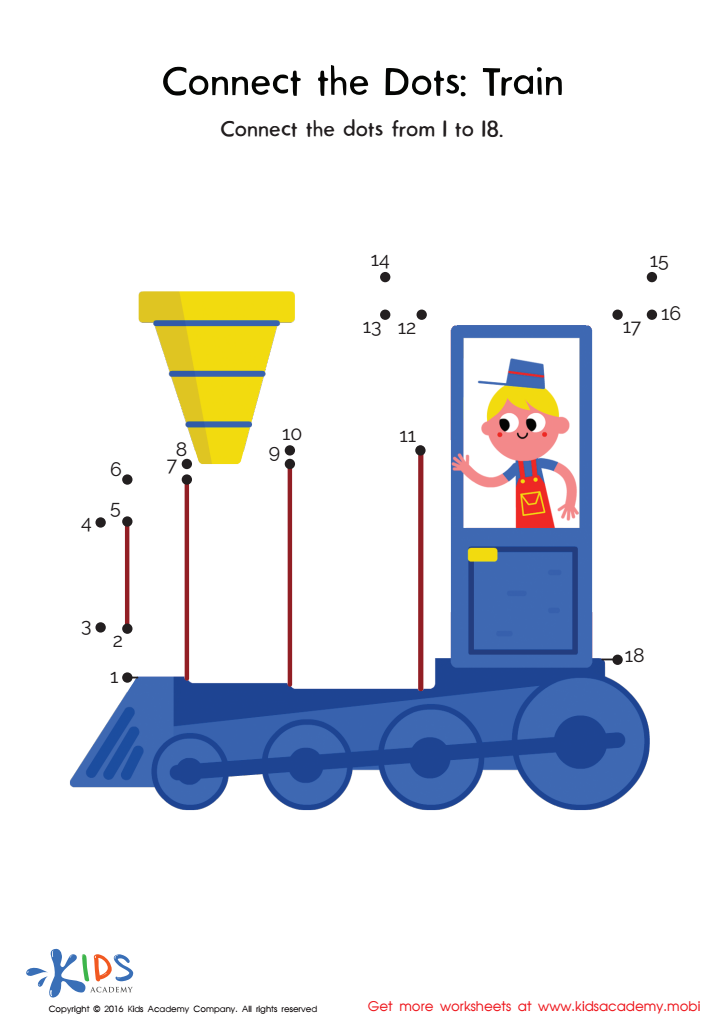
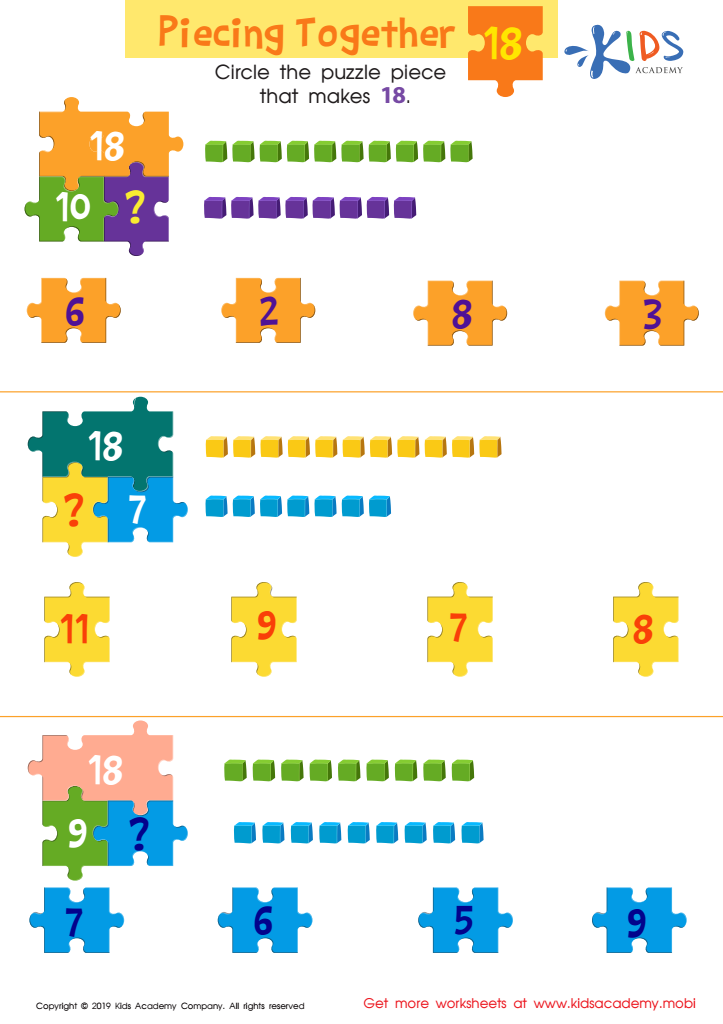
Piecing Together 18 Worksheet

Pirate Ship Connect Dots Worksheet
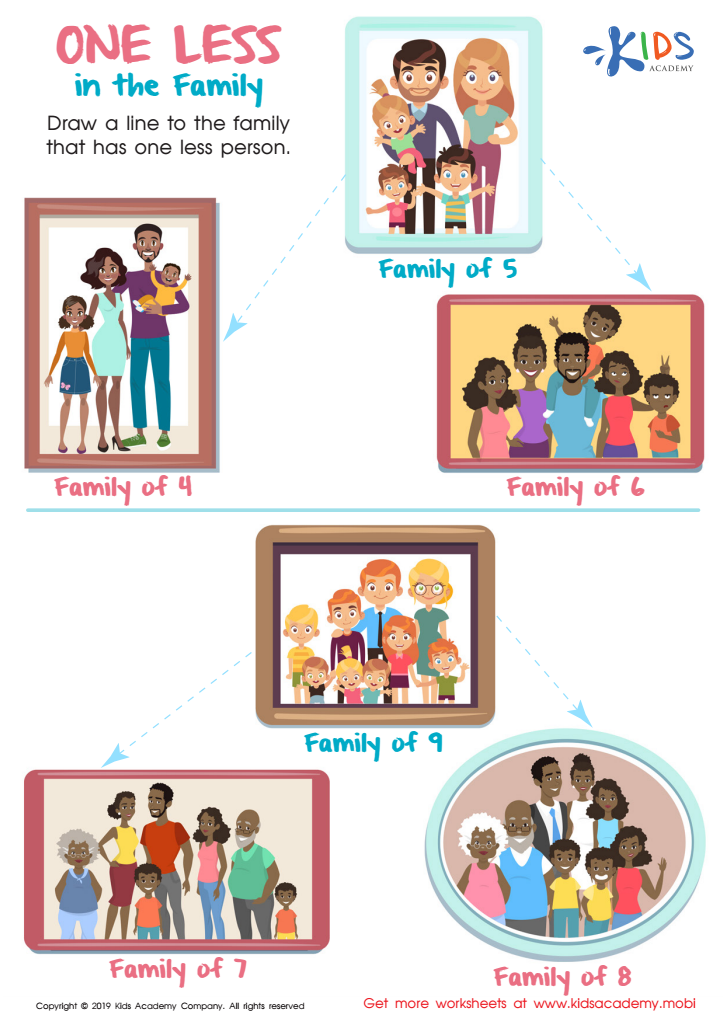
One Less in the Family Worksheet
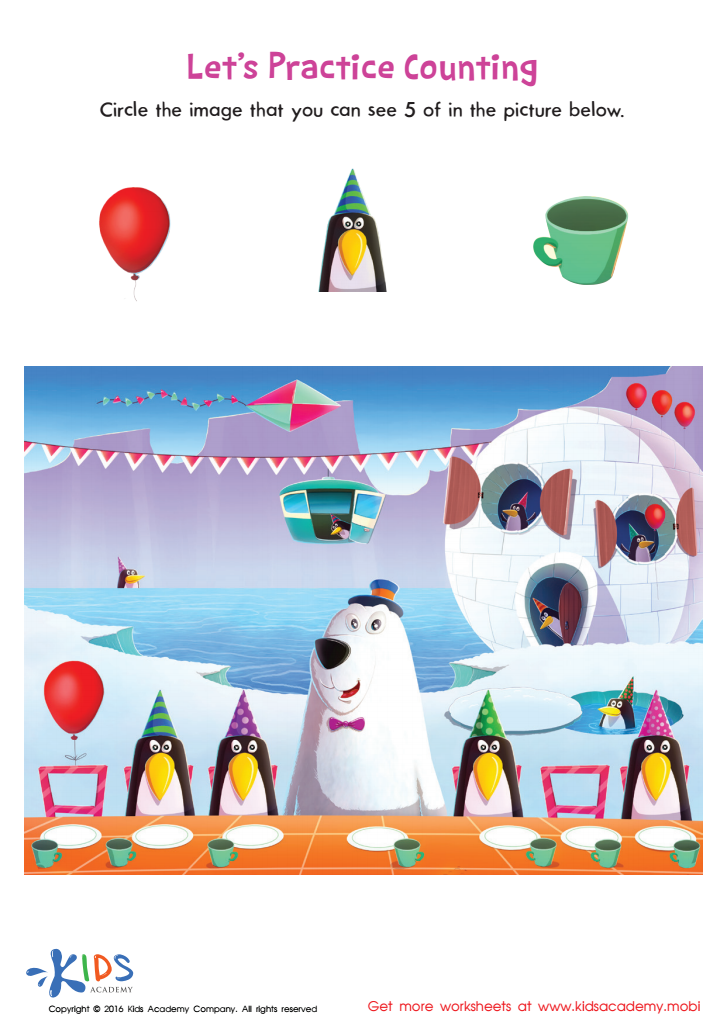
Counting Worksheet: Let's Practice Counting
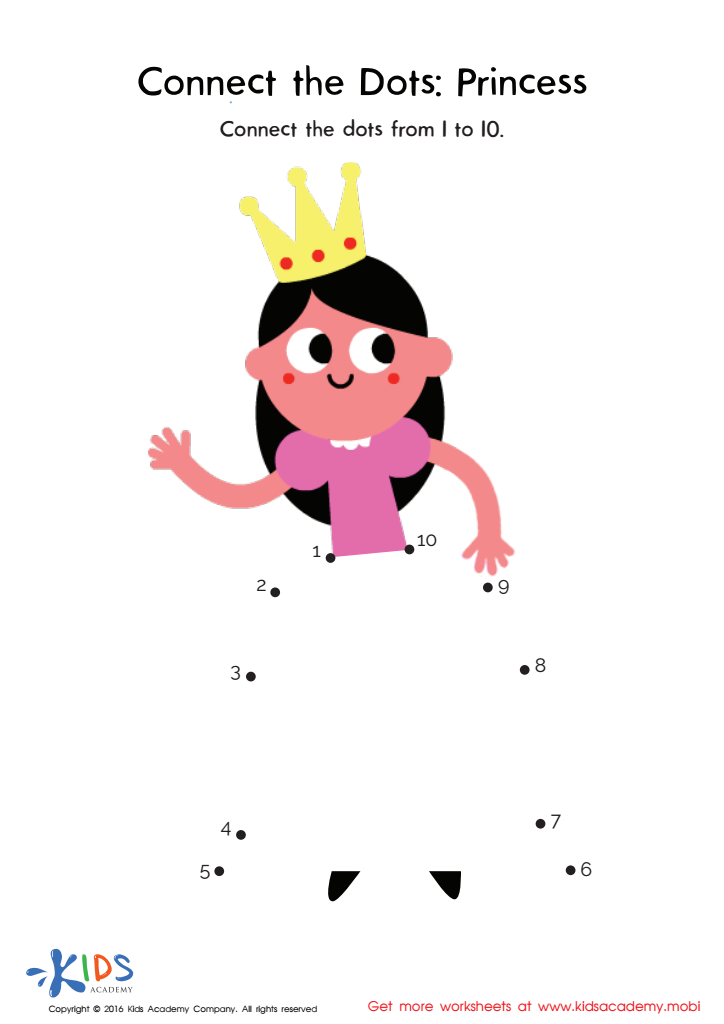
Princess Connect Dots Worksheet







Number sequencing is a foundational skill that greatly influences a child's mathematical development. For 4-year-olds, engaging in number sequencing activities can enhance their understanding of numbers, counting, and overall cognitive skills. Parents and teachers should care about incorporating these extra challenges for several reasons.
Firstly, sequentially arranging numbers helps children recognize patterns and develop critical problem-solving skills. When children learn to sequence, they improve their memory and ability to follow logical steps, fostering better mathematical reasoning.
Secondly, these activities can promote language development as children learn to articulate number sequences, boosting their communication skills. They may also engage in social play, collaborating with peers or family members, which fosters teamwork and interpersonal skills.
Moreover, tackling extra challenges keeps children motivated and stimulated, aiding in their overall confidence and willingness to tackle more complex tasks in the future. Using fun and engaging methods, such as games or songs, can make learning enjoyable and memorable.
In conclusion, prioritizing number sequencing extra challenges for young learners lays a strong foundation, ensuring they are prepared for more advanced mathematical concepts while simultaneously growing in other essential developmental areas. This holistic growth benefits their future academic success and personal development.








