Number Sequencing Extra Challenge Worksheets for Ages 5-6
9 filtered results
-
From - To
Our "Number Sequencing Extra Challenge Worksheets for Ages 5-6" are specially designed to boost your child's numerical skills through engaging and challenging activities. These worksheets prompt young learners to identify, predict, and sequence numbers accurately, enhancing their logical thinking. Each task encourages attention to detail and critical problem-solving abilities, ensuring children grasp essential math concepts in a fun and interactive manner. Perfect for both classroom use and home practice, they are an ideal resource for parents and educators seeking to advance their child's number sequencing proficiency. Set the stage for a solid mathematical foundation with our expertly crafted worksheets.
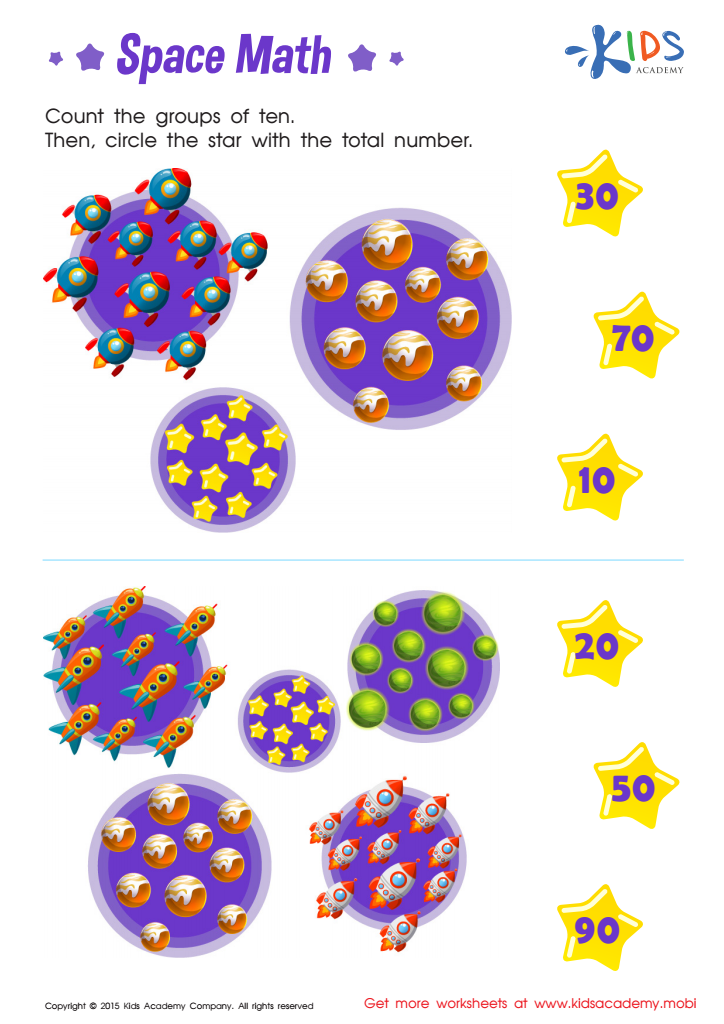
Learn dozens: Space math Worksheet
 Assign to My Students
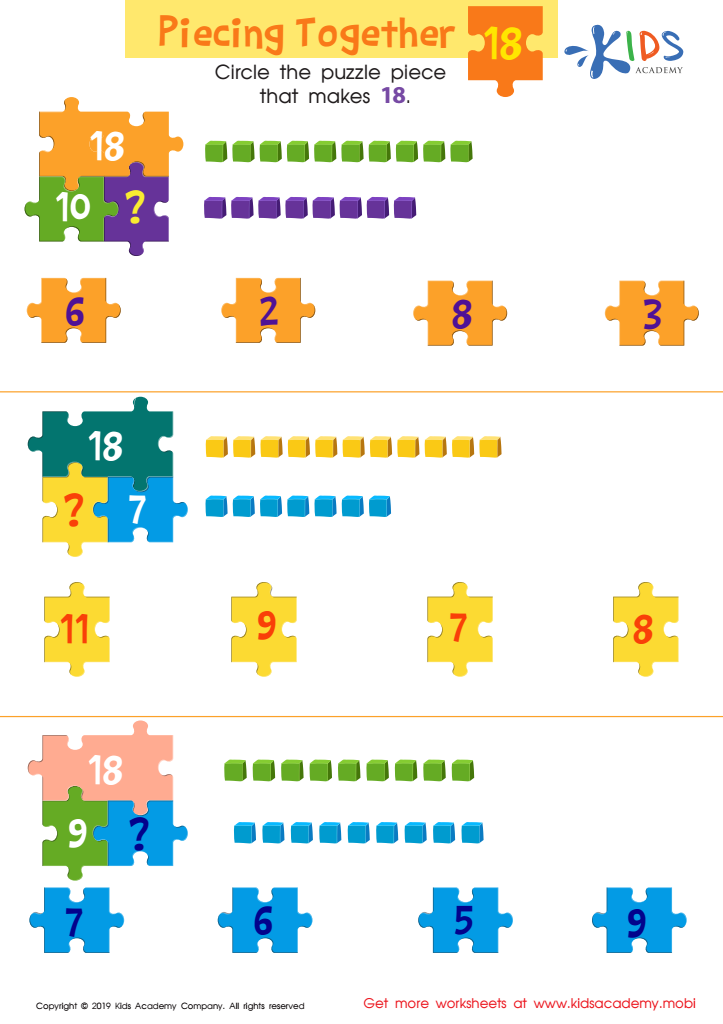
Piecing Together 18 Worksheet
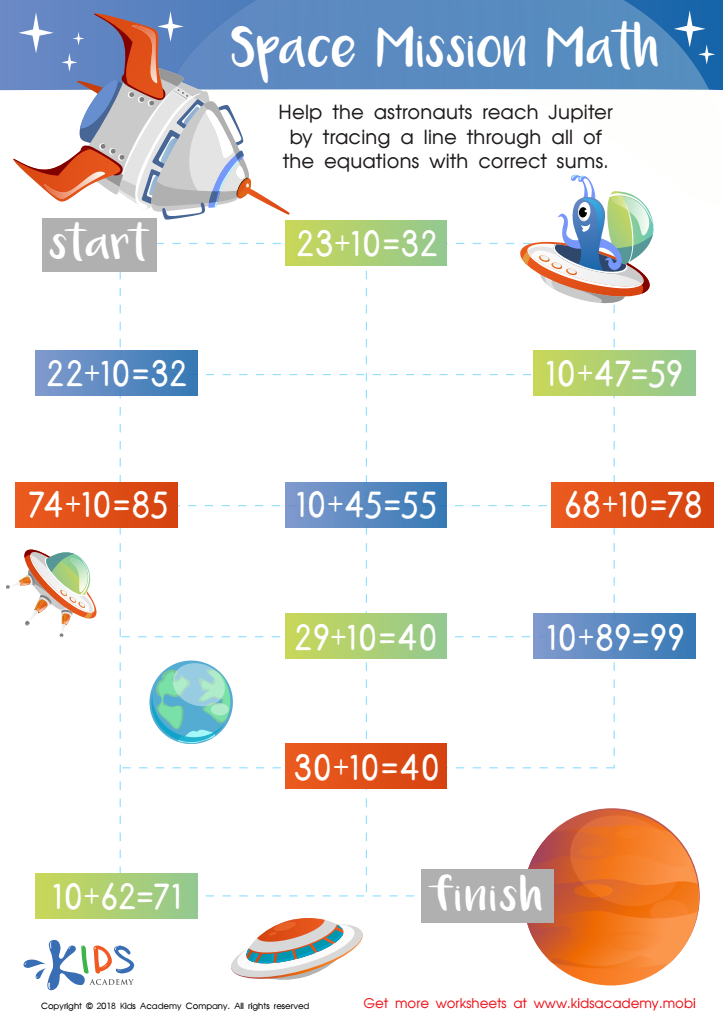
Space Mission Math Worksheet

Pirate Ship Connect Dots Worksheet
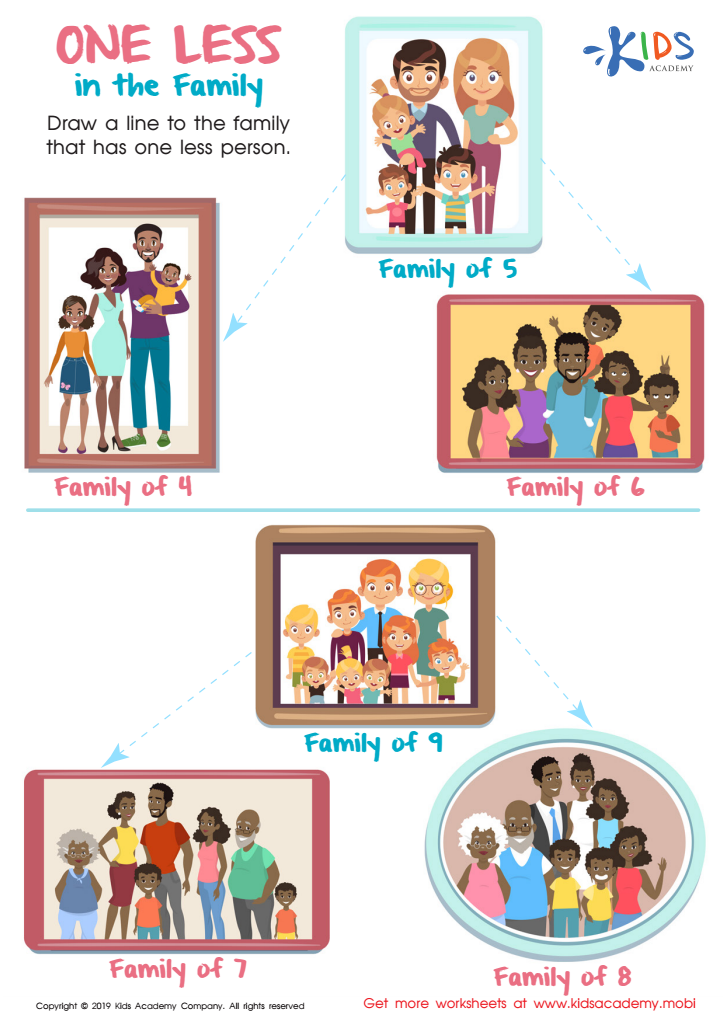
One Less in the Family Worksheet
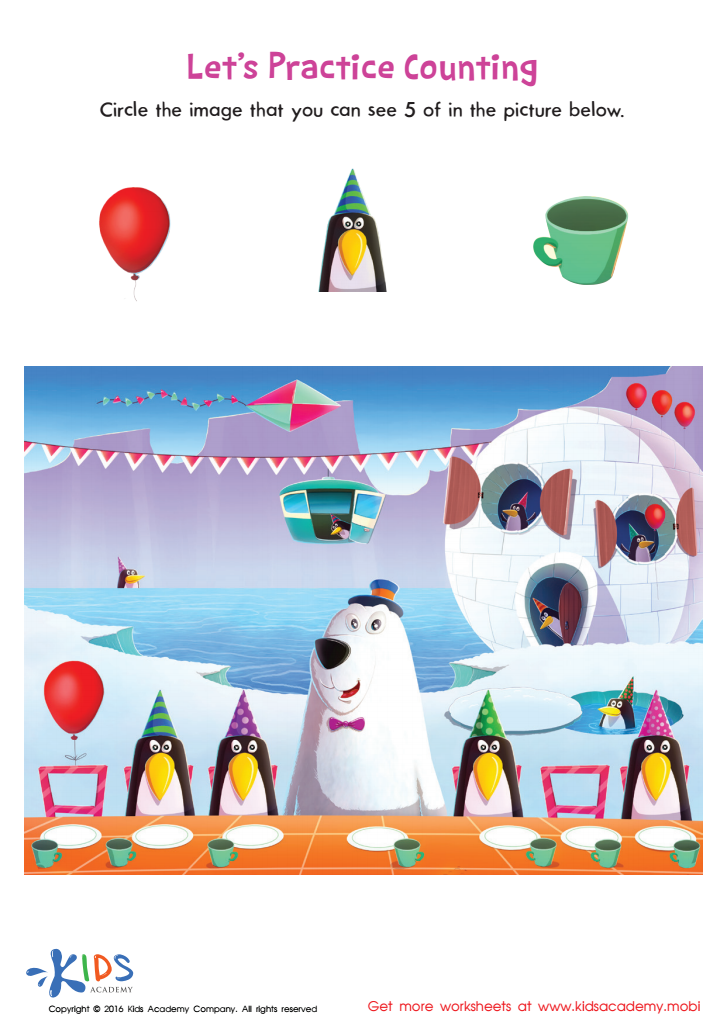
Counting Worksheet: Let's Practice Counting
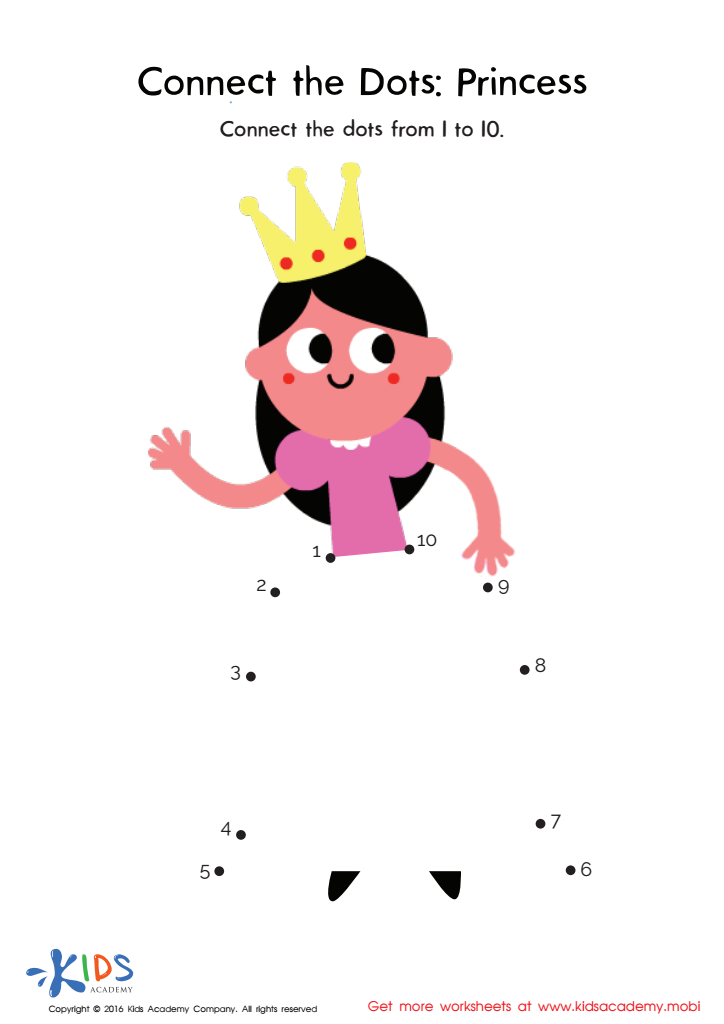
Princess Connect Dots Worksheet


.jpg)



.jpg)

Number sequencing is fundamental in early childhood education because it lays the groundwork for essential math skills. For children aged 5-6, engaging in a Number Sequencing Extra Challenge can significantly enhance their cognitive and developmental growth. This activity requires them to recognize patterns, understand numerical order, and develop logical thinking—all key concepts that support more advanced mathematical problem-solving later on.
Moreover, number sequencing promotes concentration and improves memory. When children repeatedly practice number sequences, they enhance their ability to remember not just sequences but other related information, reinforcing their overall learning capacity. These challenges also foster patience and perseverance as they strive to solve progressively difficult tasks.
In addition, this type of activity helps children build confidence in their numerical abilities. Successfully completing number sequences gives them a sense of accomplishment, encouraging a positive attitude towards learning in general. It can also be a collaborative exercise where parents or teachers join in, turning it into a bonding experience that strengthens the child's social skills and increases their motivation to learn.
Lastly, early mastery of number sequencing ensures that children are better prepared to tackle more complex math topics as they progress in their education, such as arithmetic operations, problem-solving, and data analysis, thereby setting a solid foundation for future academic success.








