Problem-Solving Skills Extra Challenge Geometry Worksheets for Ages 5-8
12 filtered results
-
From - To
Boost your child’s critical thinking and spatial awareness with our “Problem-Solving Skills Extra Challenge Geometry Worksheets for Ages 5-8”! Carefully designed to engage young minds, these worksheets provide a fun and educational way to enhance geometry learnings. From shapes and patterns to solving intricate puzzles, our challenges help children master essential geometry concepts while stimulating their problem-solving abilities. Perfect for classroom activities or at-home enrichment, each worksheet balances difficulty with excitement, making learning a thrilling adventure. Equip your 5 to 8-year-olds with the skills they need to excel and nurture their love for math with our expertly crafted geometry worksheets!
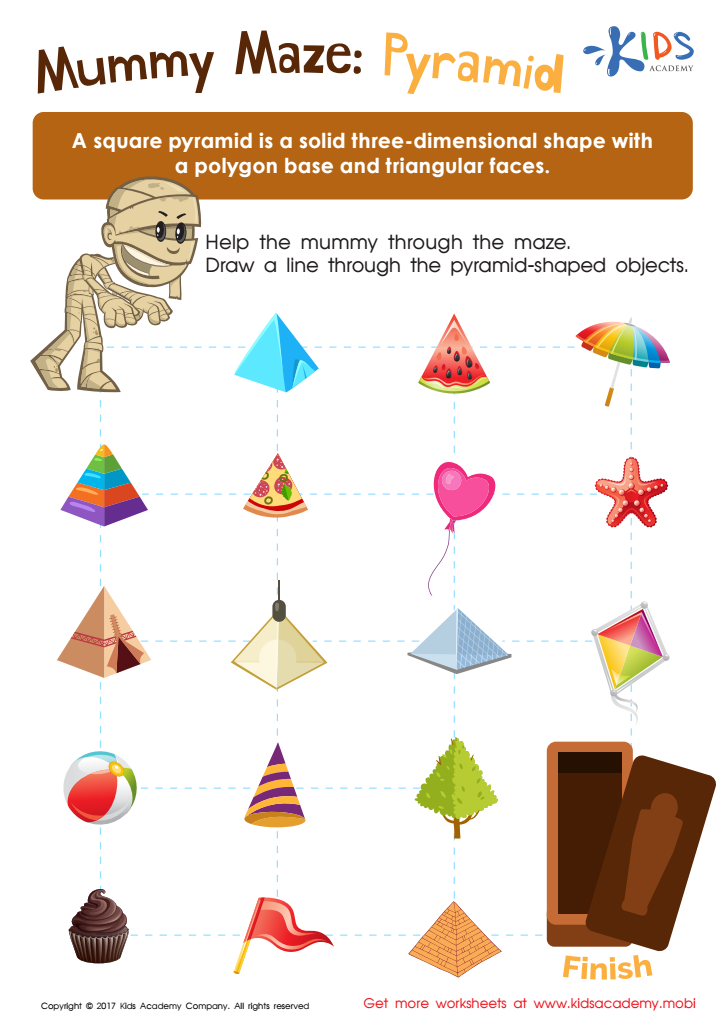
Mummy Maze: Pyramid Printable
 Assign to My Students











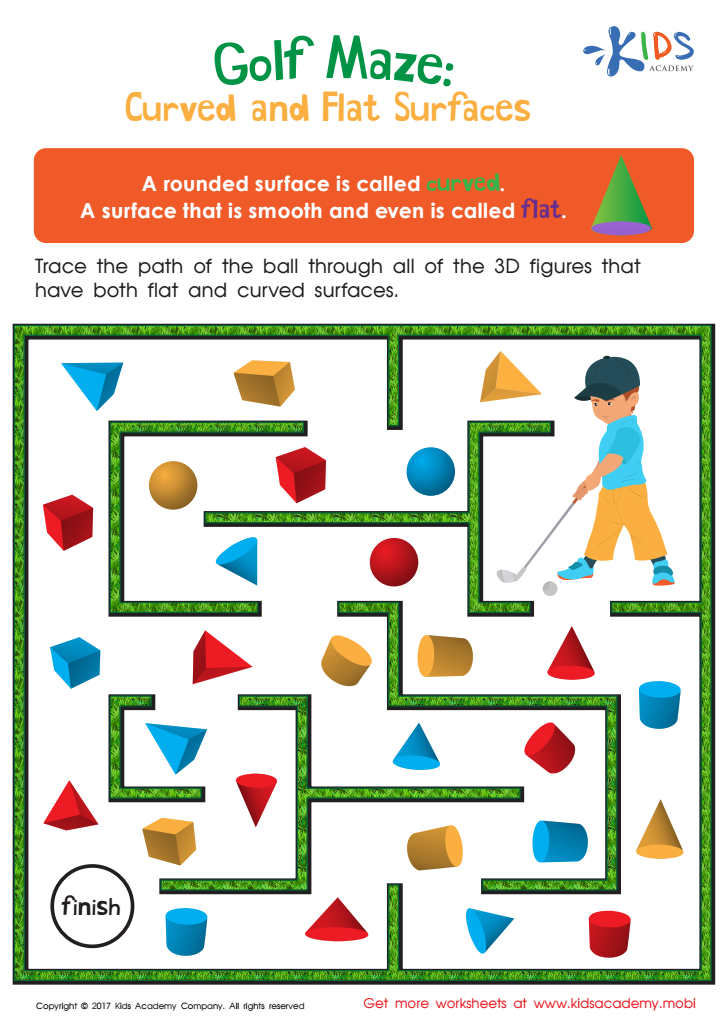
Golf Maze: Curved and Flat Surfaces Worksheet
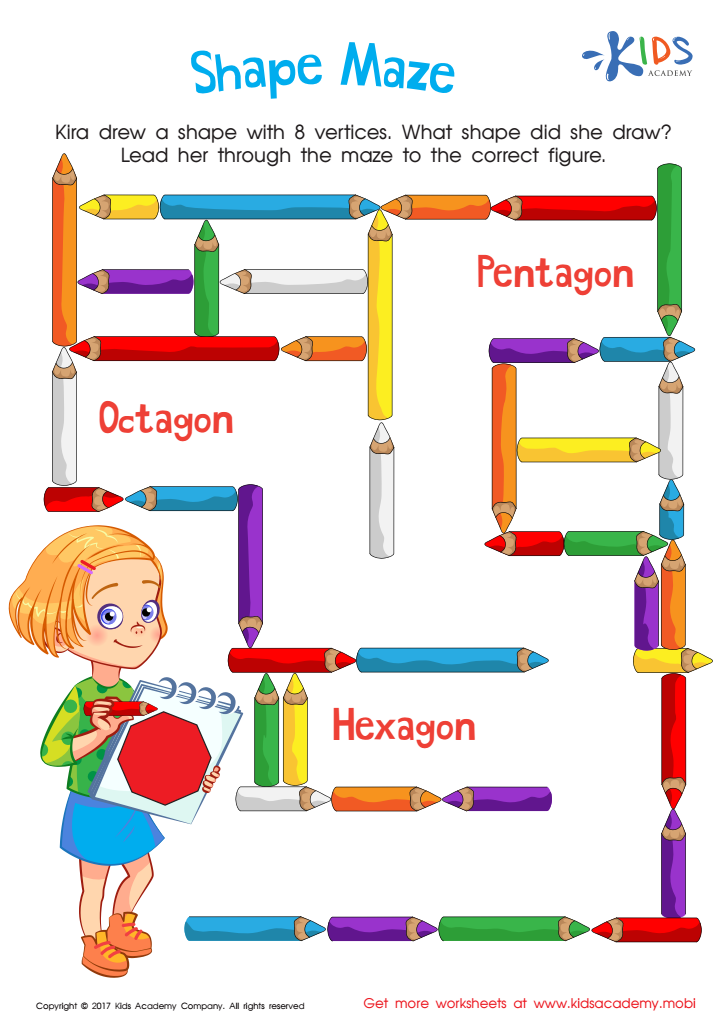
Shape Maze Worksheet
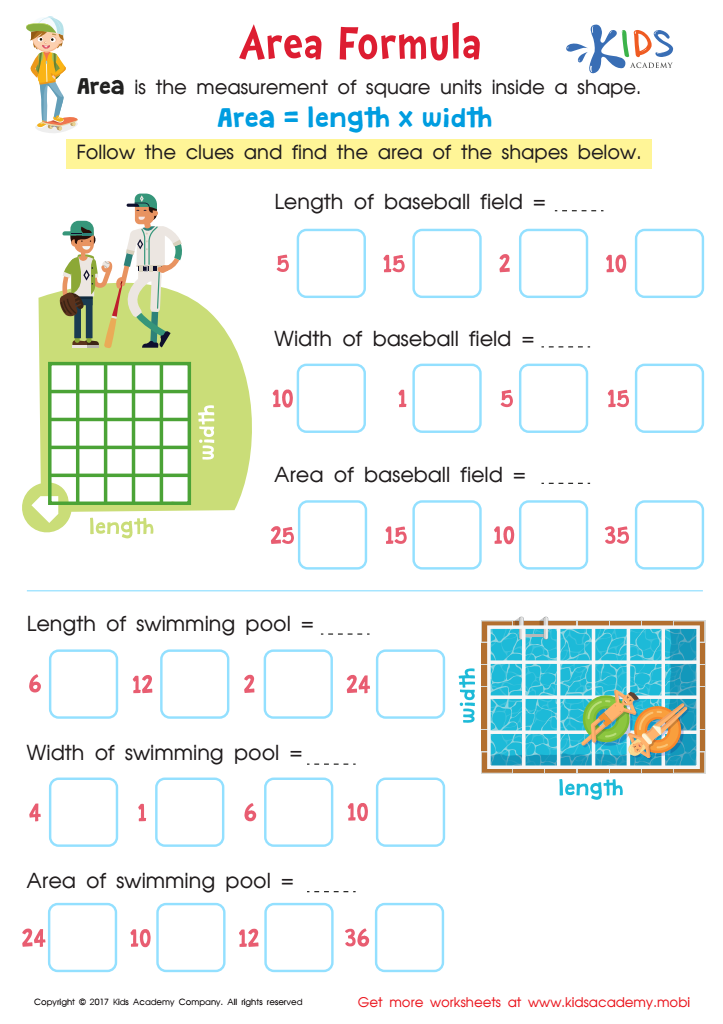
Area Formula Worksheet
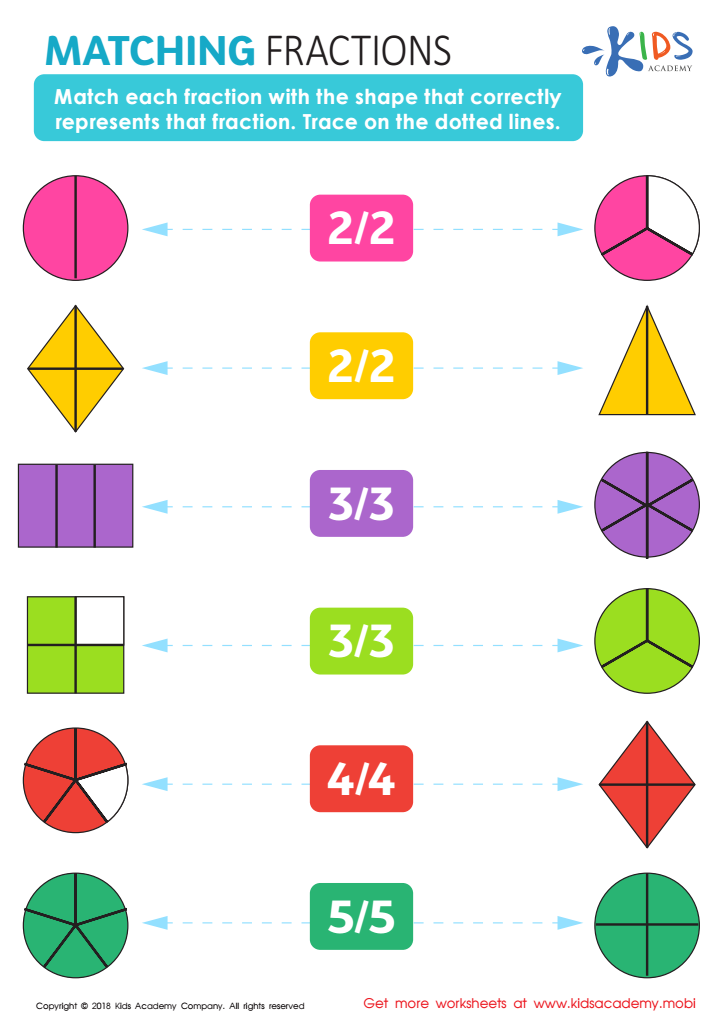
Matching Fractions Worksheet
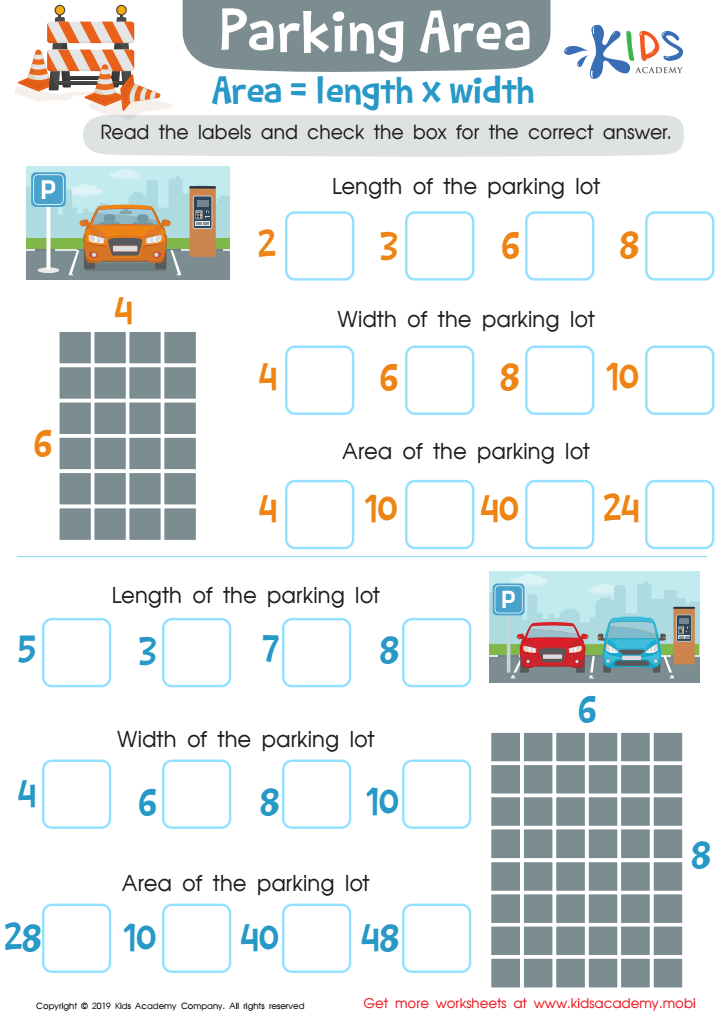
Parking Area Worksheet
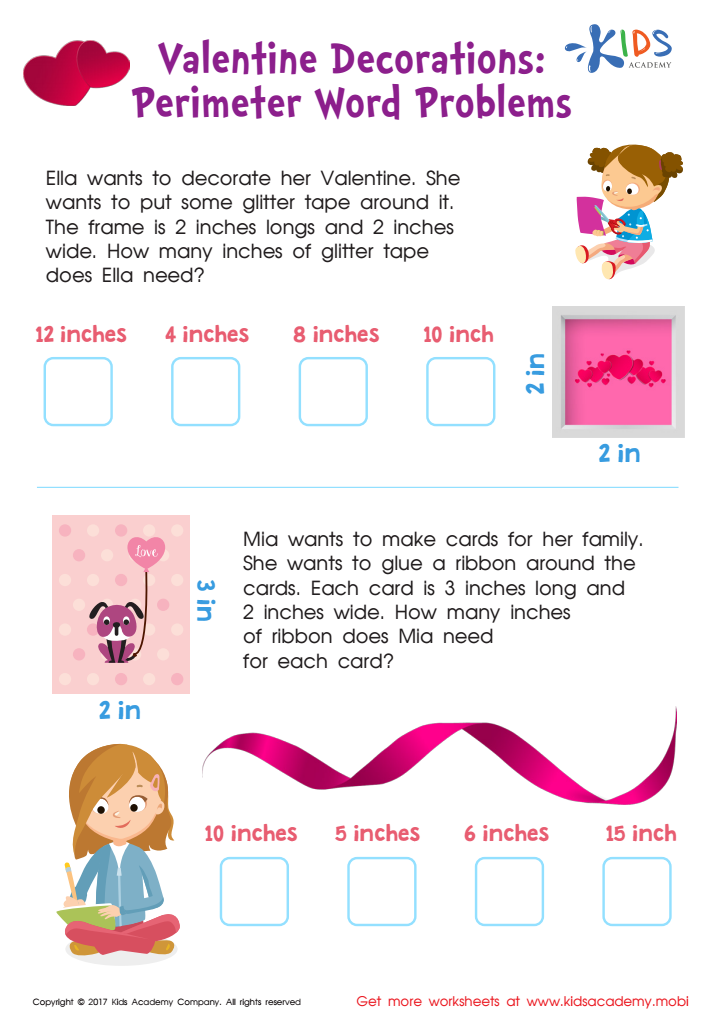
Perimeter Word Problems Worksheet
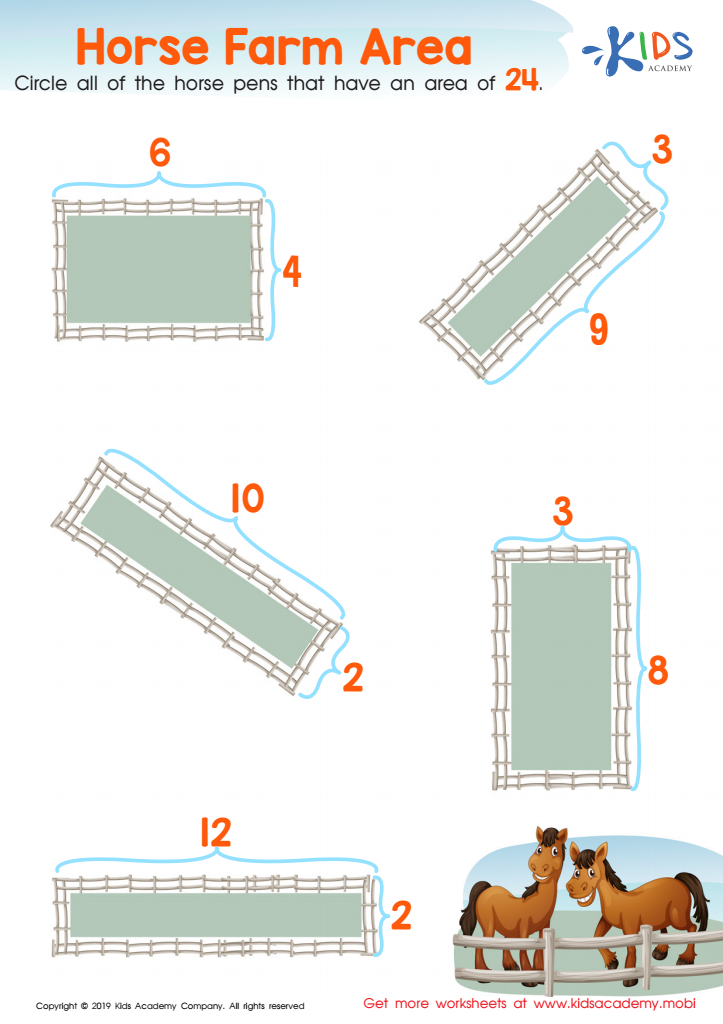
Horse Farm Area Worksheet
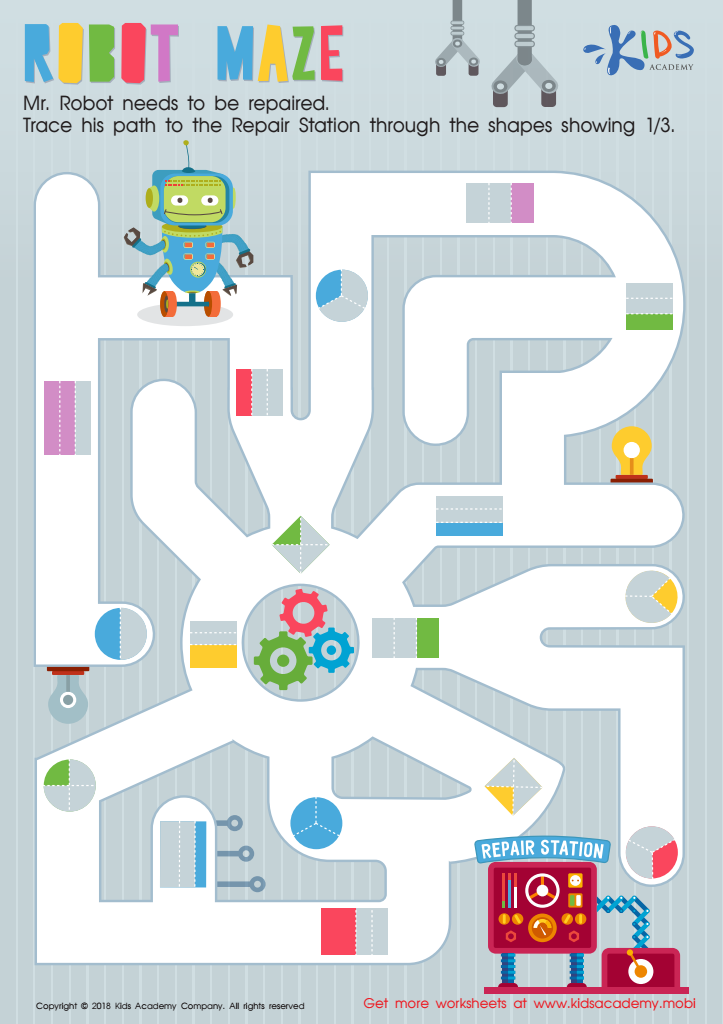
Robot Maze Worksheet
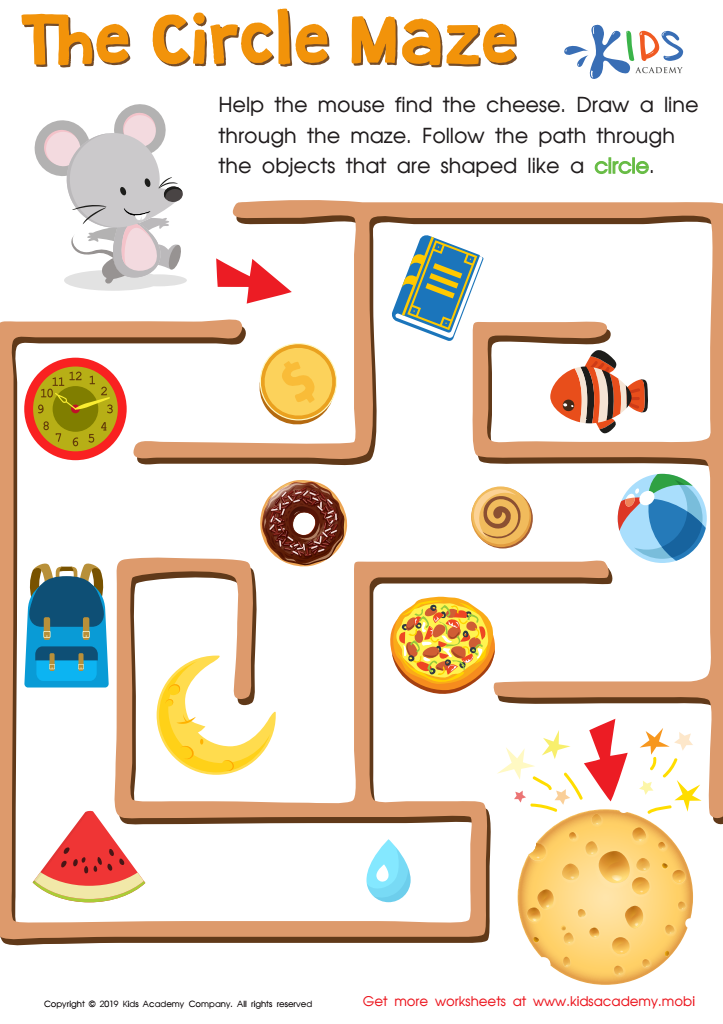
The Circle Maze Worksheet
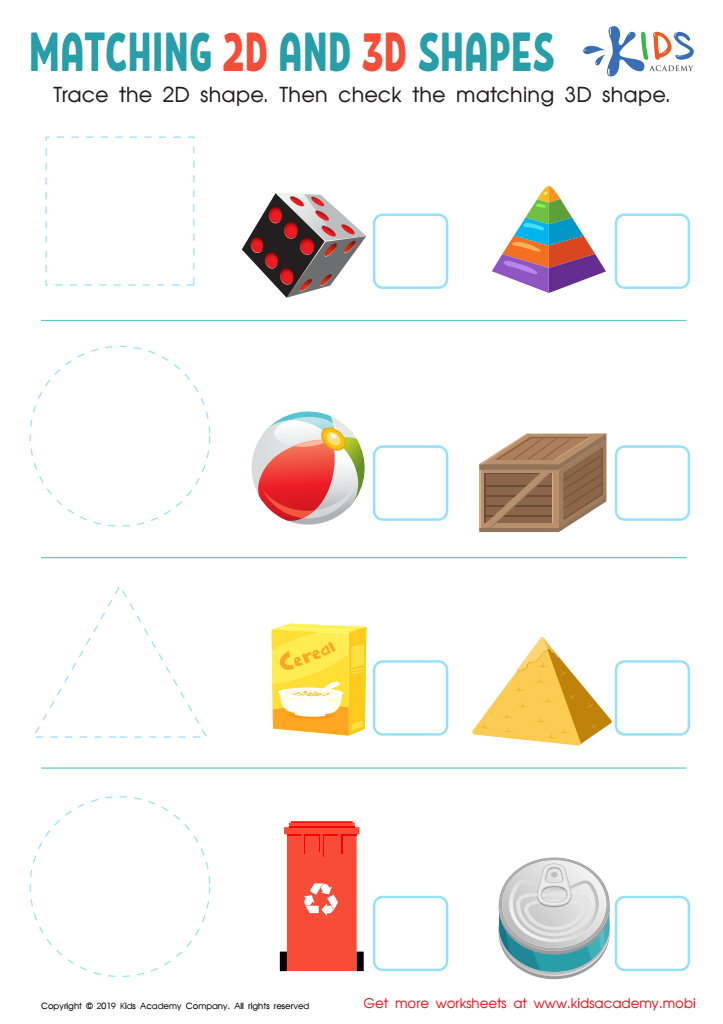
Matching 2D and 3D Shapes Worksheet
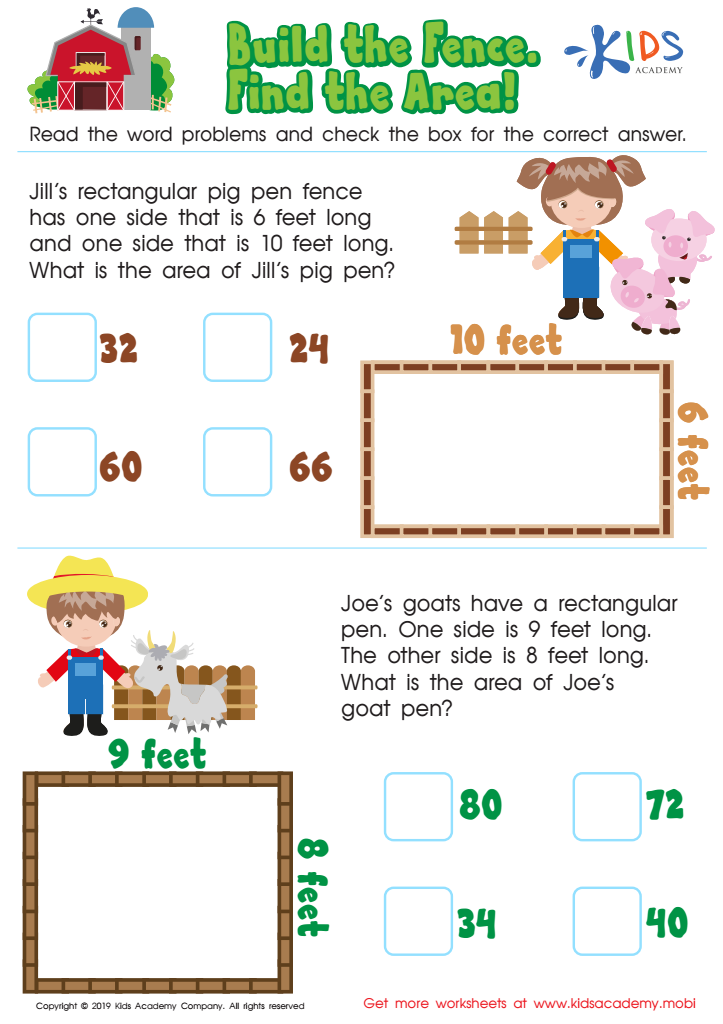
Build the Fence, Find the Area Worksheet








Developing problem-solving skills, particularly through engaging activities like extra challenge geometry exercises, is vital for young children aged 5-8. At this tender age, children's brains are exceptionally malleable and ready to absorb foundational skills that will serve them throughout their educational journeys and life. Hence, parents and teachers should deeply care about incorporating problem-solving activities to stimulate intellectual growth.
First and foremost, geometry challenges help children grasp abstract concepts by relating them to tangible shapes and figures. This tangible interaction fosters spatial awareness, a critical cognitive skill that underpins success in fields related to math, science, and even technology. Additionally, tackling geometric puzzles nurtures logical reasoning, critical thinking, and the ability to analyze patterns, which are universally applicable problem-solving skills.
Moreover, these activities enhance fine motor skills and hand-eye coordination through drawing shapes or managing puzzle pieces. Important social and emotional skills such as patience, persistence, and collaboration—when solving problems with peers—are also cultivated.
Fostering an early affinity for problem-solving through engaging and age-appropriate geometry activities lays down a pathway: children become more resilient learners, curious explorers, and better equipped to face complex challenges in the future, both academically and in everyday life. This holistic development should thus encourage parents and teachers to prioritize problem-solving skill enhancement from a young age.








