Shape identification Extra Challenge Worksheets for Ages 5-9
6 filtered results
-
From - To
Enhance your child's learning experience with our Shape Identification Extra Challenge Worksheets, designed for ages 5-9! These engaging worksheets go beyond basic shape recognition, encouraging kids to explore complex shapes and their properties through fun activities. Ideal for home or classroom use, they promote critical thinking and problem-solving skills while keeping young learners entertained. Our resources cater to varying skill levels, making it easy for parents and educators to tailor the challenges to each child's needs. Dive into a world of geometric fun with our printable worksheets and foster a love for shapes in your child today!
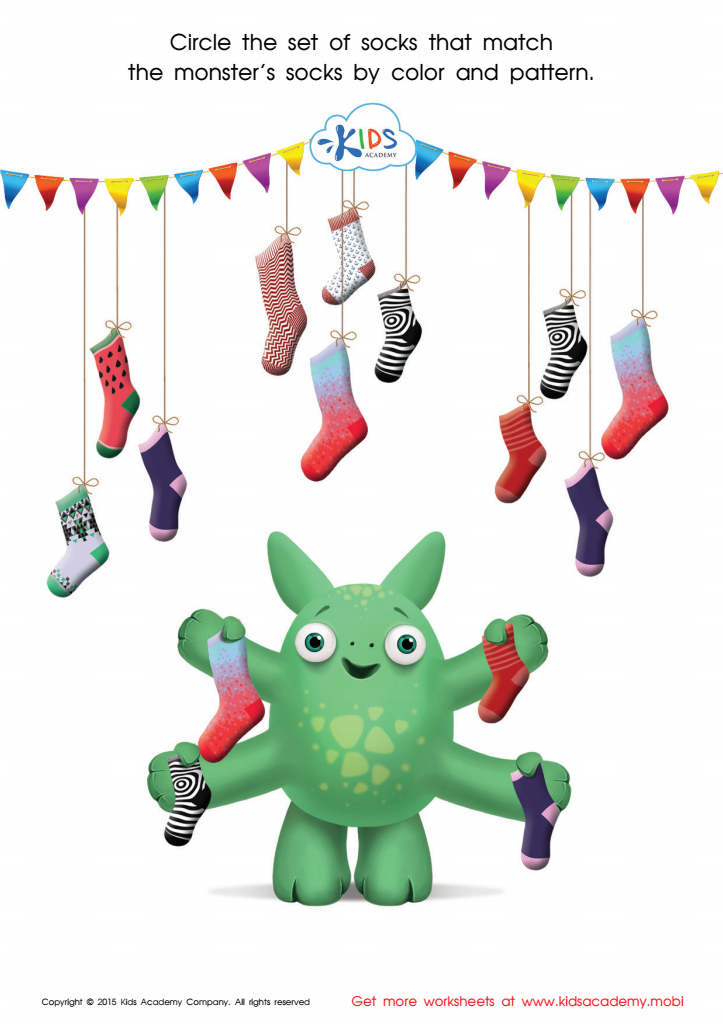
Sort the Monster's Socks Worksheet
 Assign to My Students
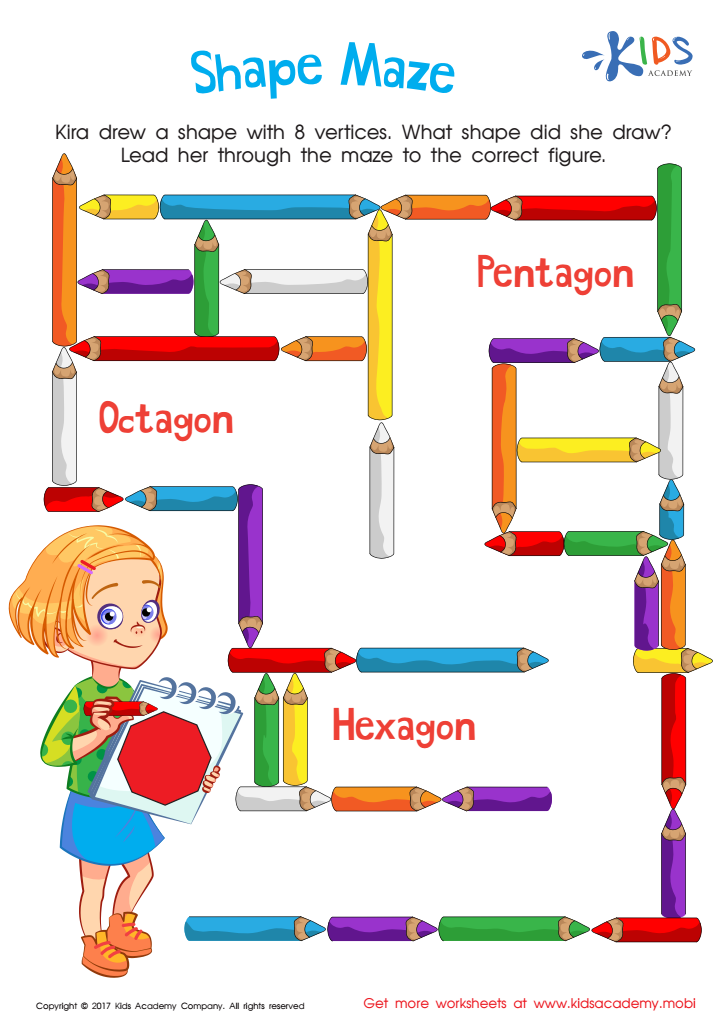
Shape Maze Worksheet
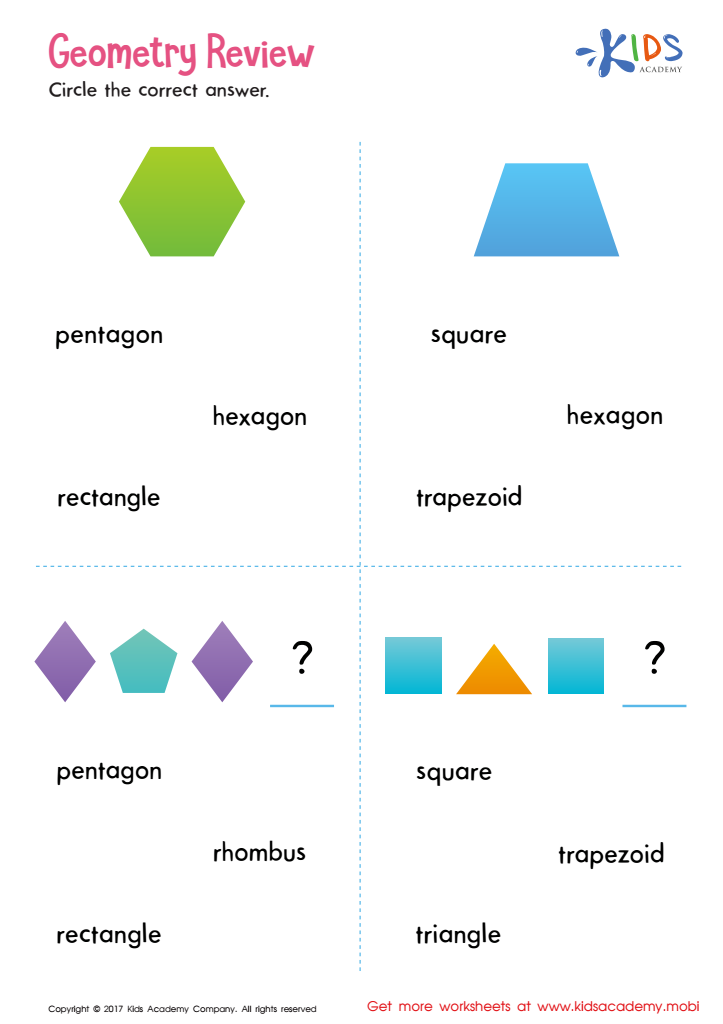
Geometry Review Printable
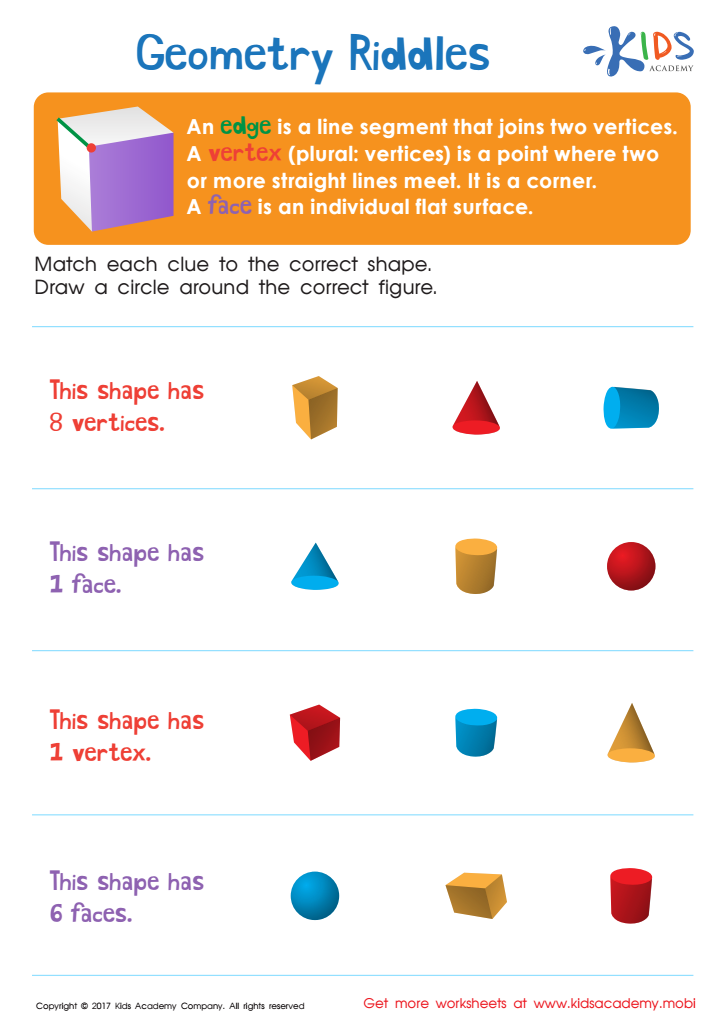
Geometry Riddles Printable
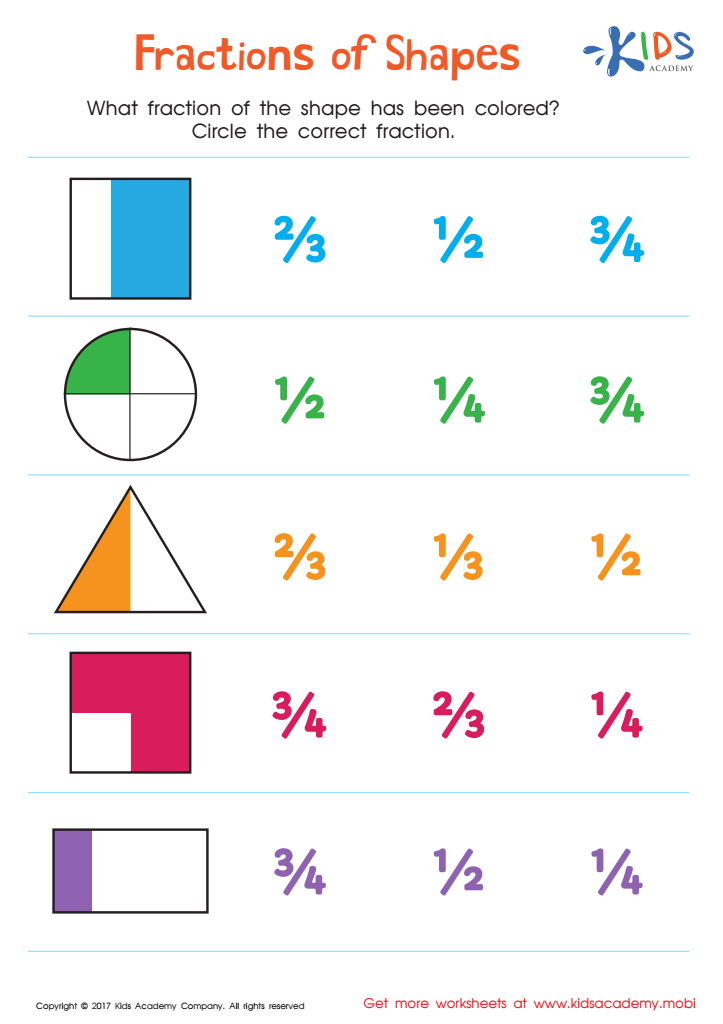
Fractions of Shapes: Math Concept Worksheet
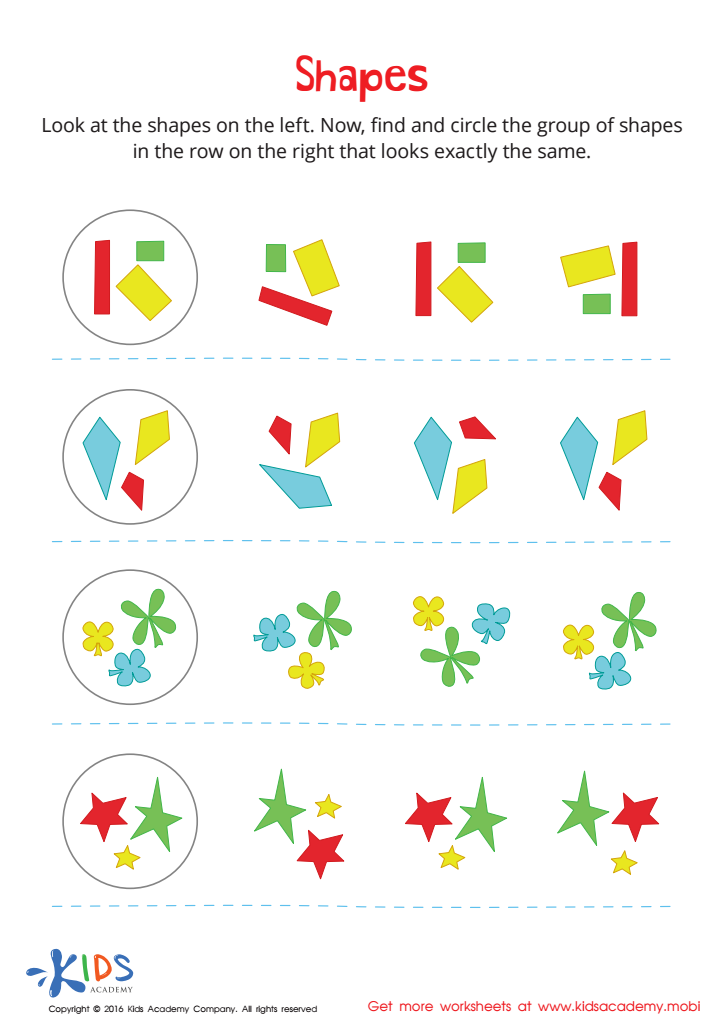
Shapes Worksheet






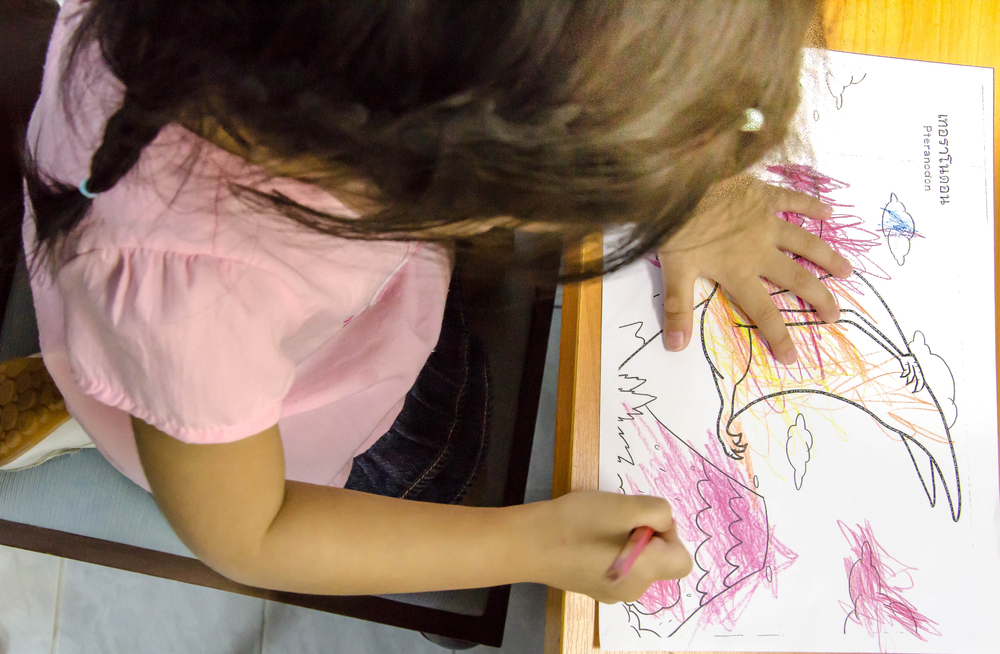
.jpg)
Shape identification is a fundamental skill that lays the groundwork for a child’s spatial awareness and mathematical understanding. For parents and teachers, introducing shape identification challenges to children aged 5-9 is crucial for several reasons.
Firstly, shape recognition supports cognitive development. By distinguishing between different shapes, children enhance their analytical and problem-solving skills. This foundational skill is essential for more advanced concepts in mathematics, such as geometry and spatial reasoning, which children will encounter in later grades.
Secondly, participating in shape challenges fosters creativity and curiosity. Engaging in activities like identifying shapes in everyday objects or creating drawings encourages children to explore their environments and think critically about the world around them.
Moreover, shape identification promotes fine motor skills through hands-on activities like cutting, sorting, or building. These activities not only make learning fun but also enhance coordination and dexterity.
Finally, shape challenges can strengthen parent-child or teacher-student relationships through collaborative learning. This cooperation creates a positive learning environment where children feel supported and motivated.
In summary, shape identification Extra Challenge programs benefit children cognitively, socially, and physically, making them a valuable focus for parents and teachers alike.








