Shape Recognition Extra Challenge Geometry Worksheets for Ages 5-9
13 filtered results
-
From - To
Introducing our "Shape Recognition Extra Challenge Geometry Worksheets" tailored for children ages 5-9! Perfect for budding mathematicians, these worksheets are crafted to make learning geometry both fun and effective. Children will advance their skills in identifying and distinguishing between various geometric shapes. From simple circles and triangles to more complex polygons, young learners are encouraged to explore and recognize shapes in different forms, fostering strong foundational skills in geometry. Each worksheet is designed to be engaging, nurturing intellectual curiosity, and enhancing shape recognition abilities. Empower your child's mathematical journey with our expertly designed challenge worksheets!
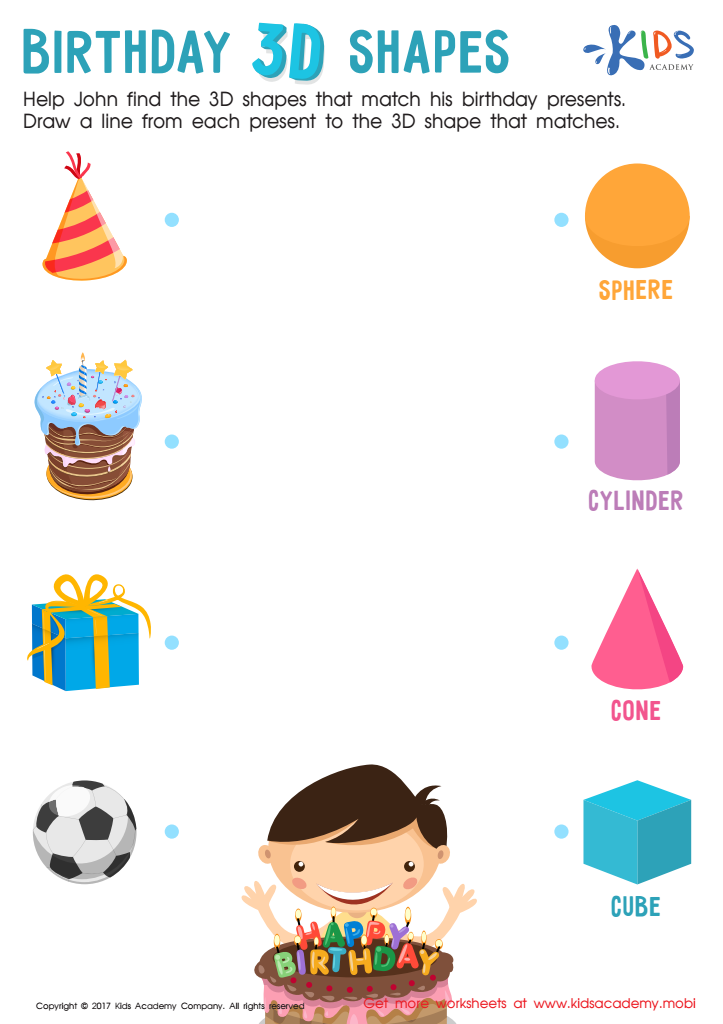
Birthday 3D Shapes Worksheet
 Assign to My Students











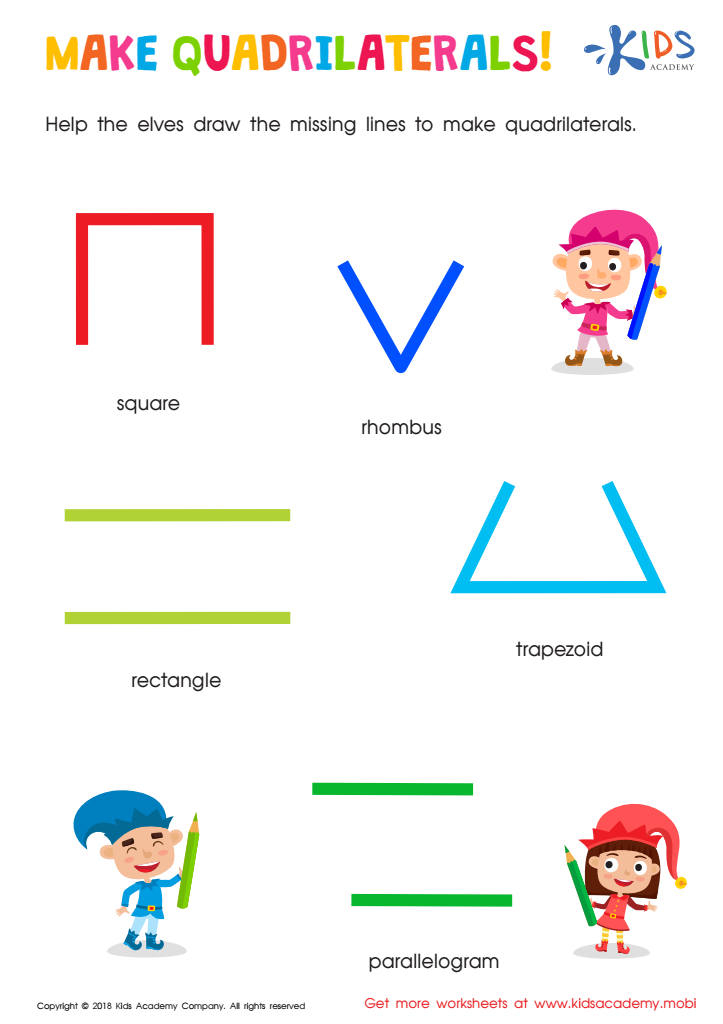
Make Quadrilaterals Worksheet
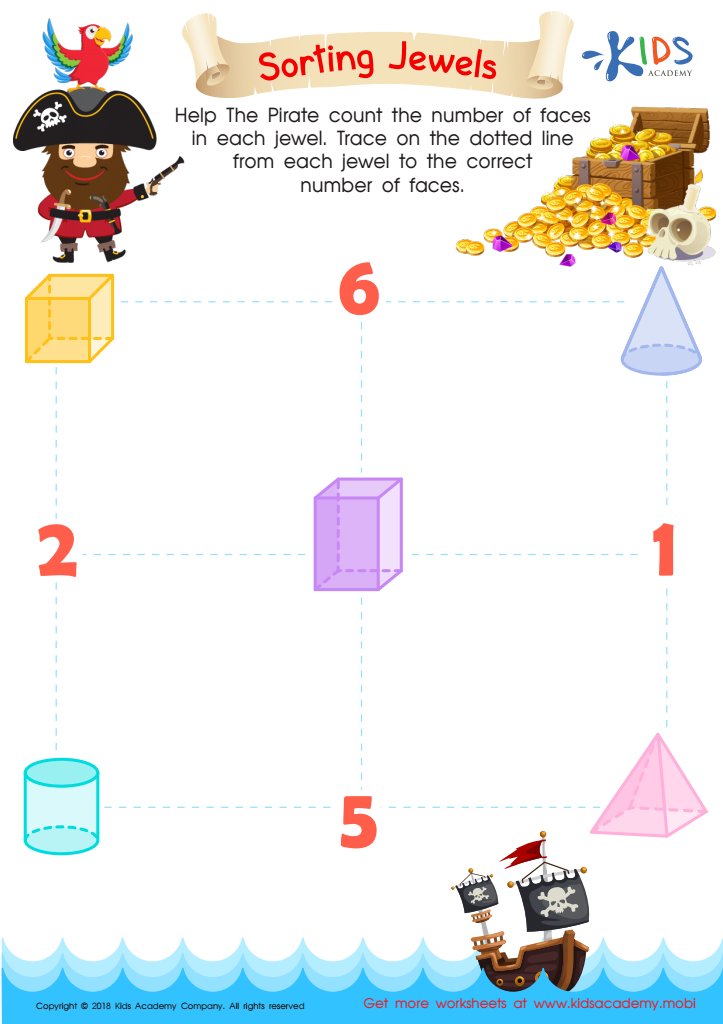
Sorting Jewels Worksheet
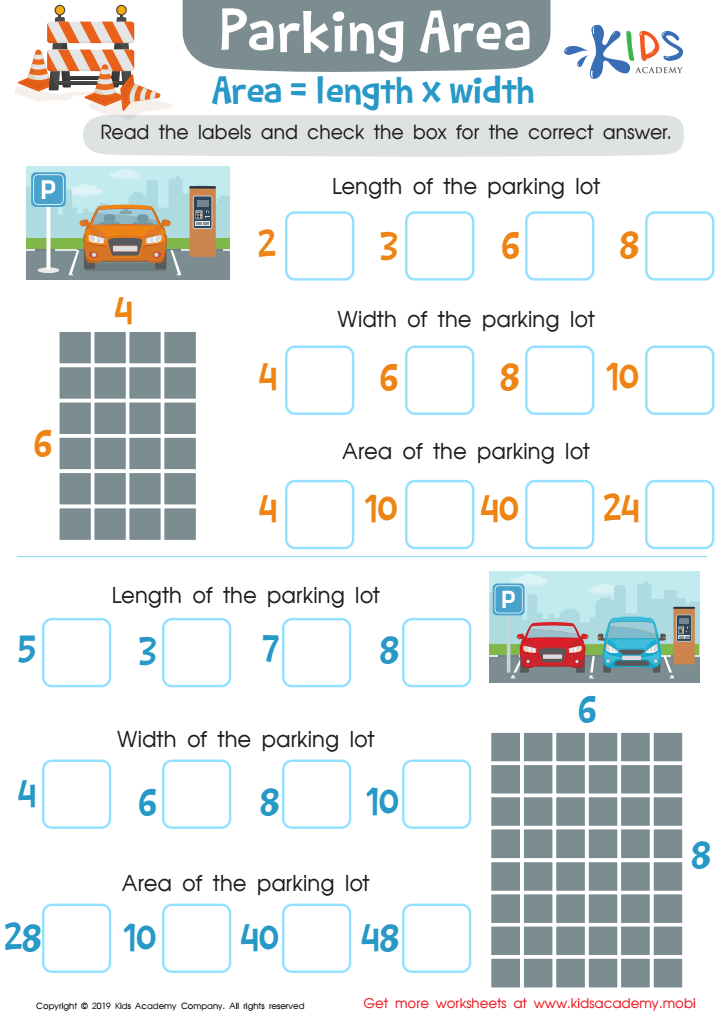
Parking Area Worksheet
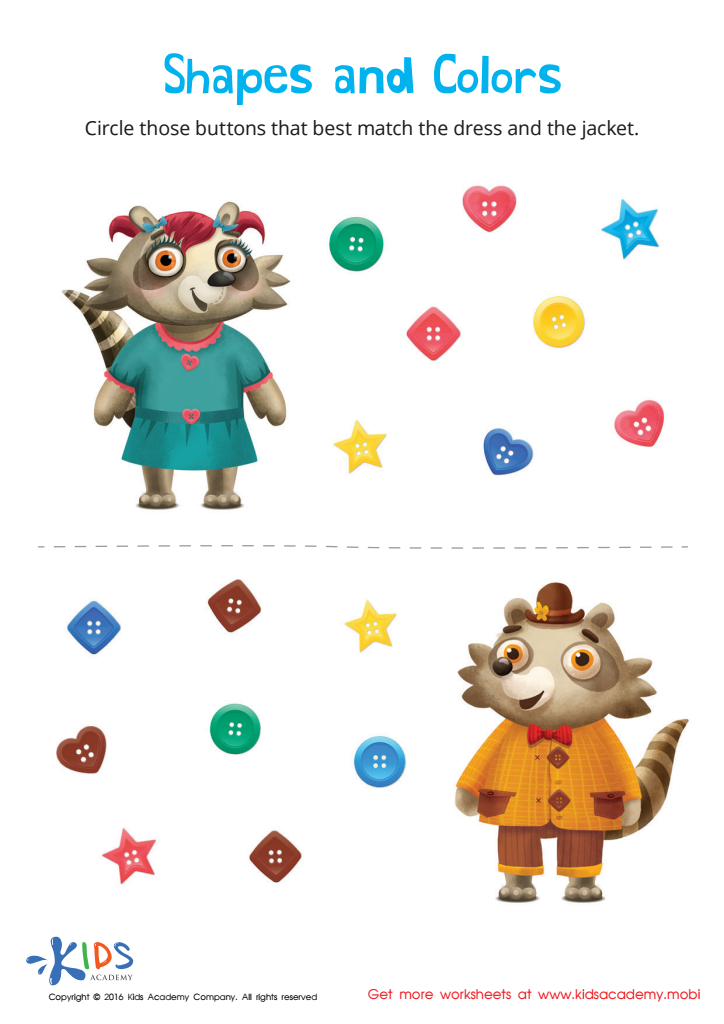
Matching: Shapes and Colors Worksheet
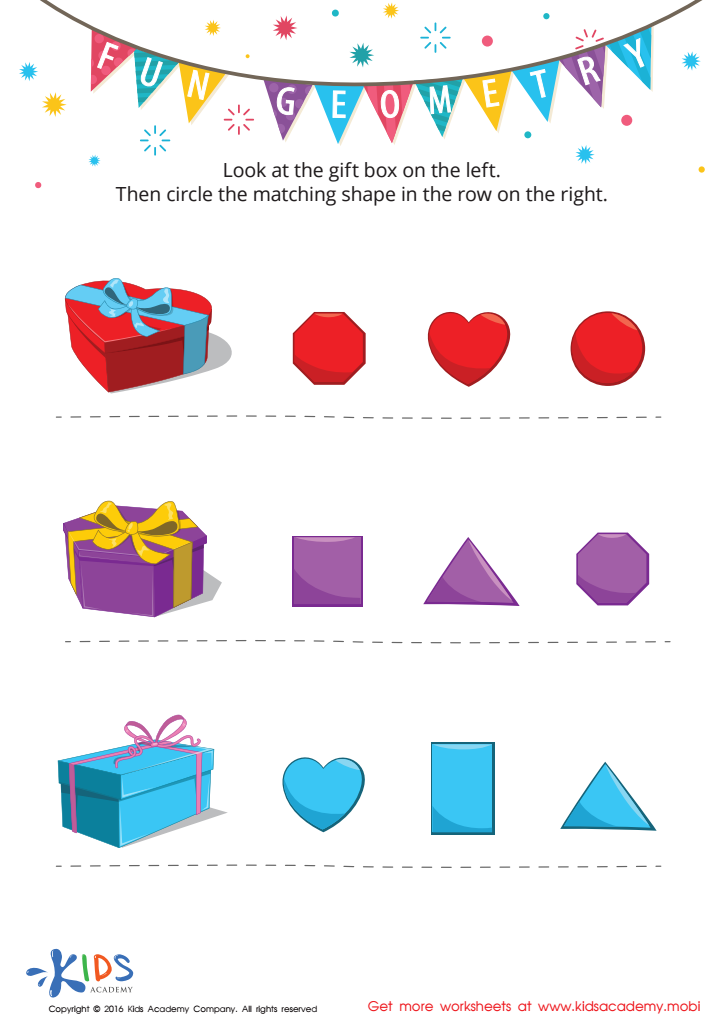
Fun Geometry Worksheet
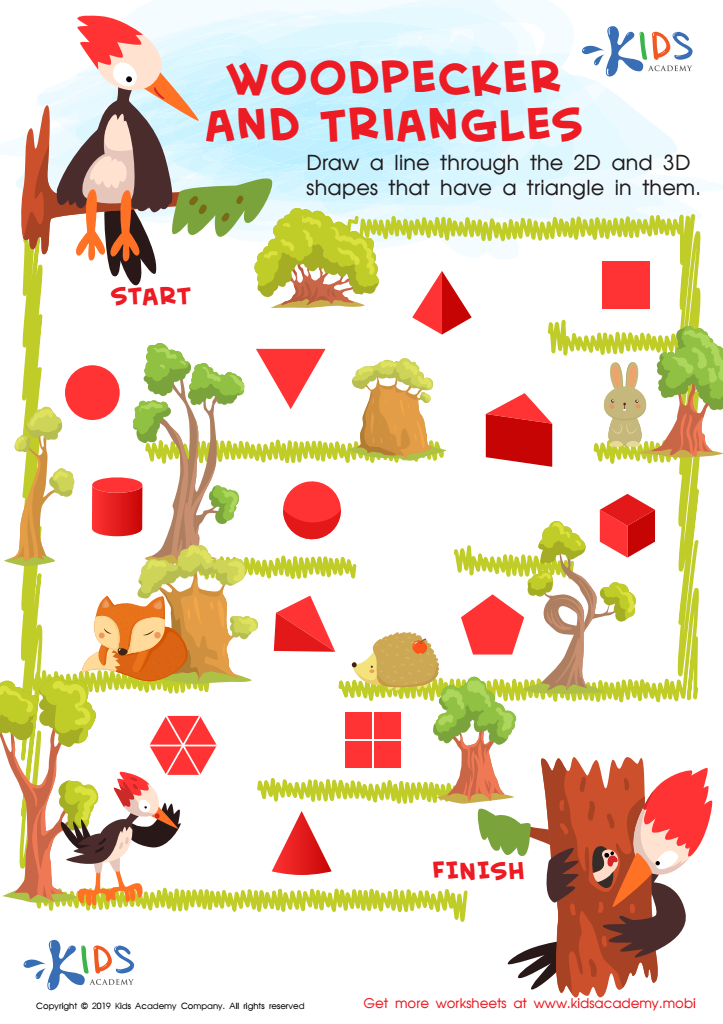
Woodpecker and Triangles Worksheet
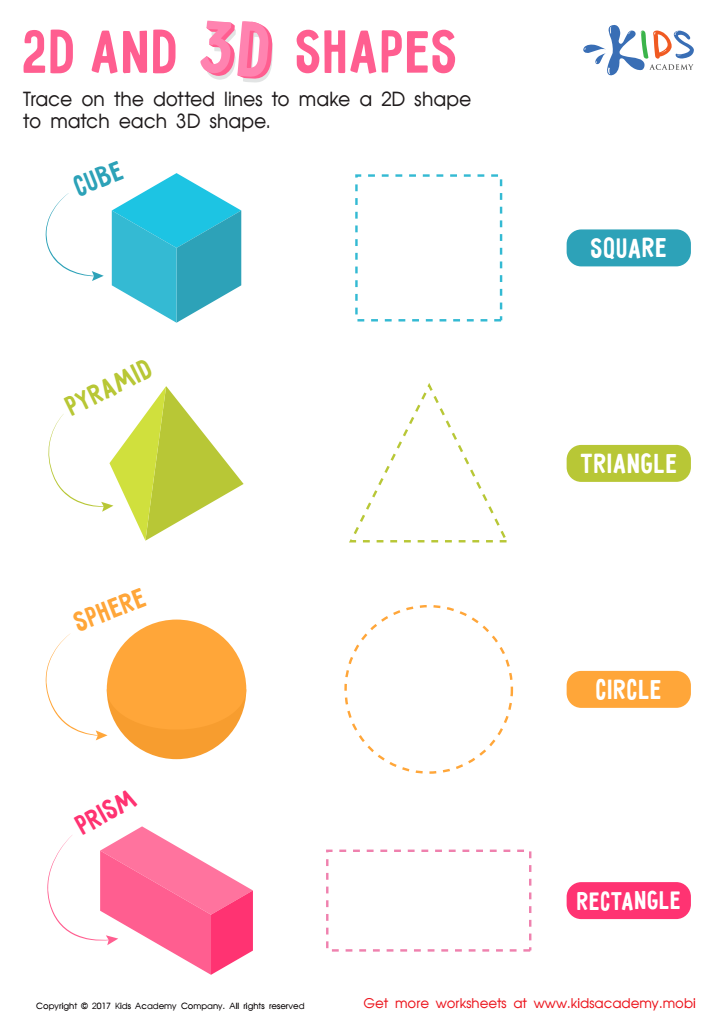
2D and 3D Shapes Worksheet
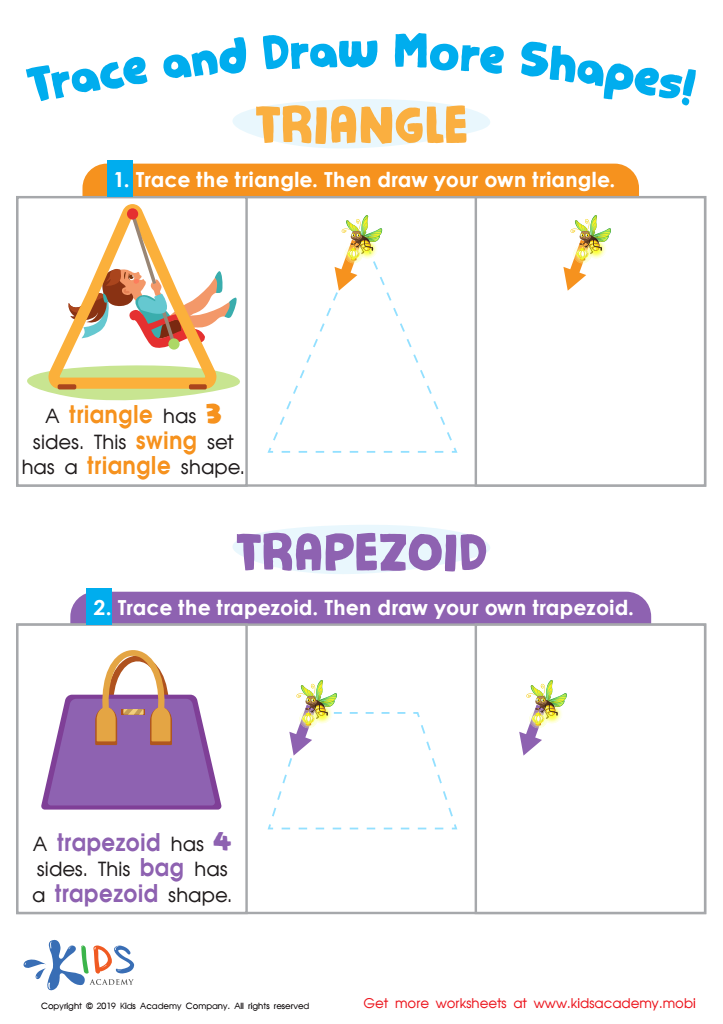
Trace and Draw More Shapes Worksheet
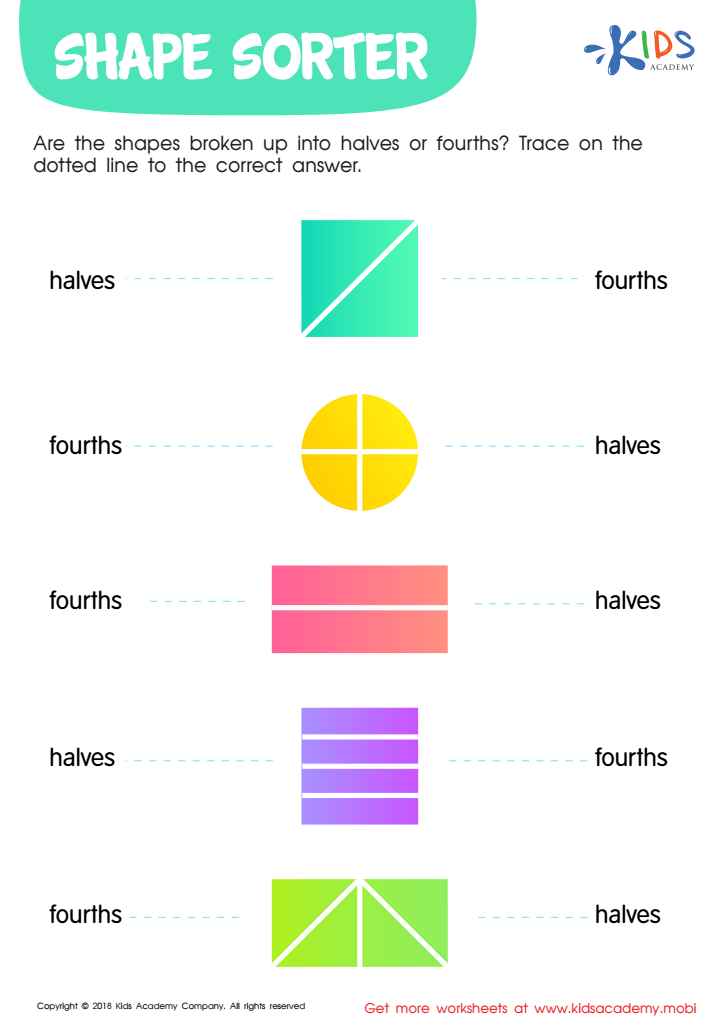
Shape Sorter Worksheet
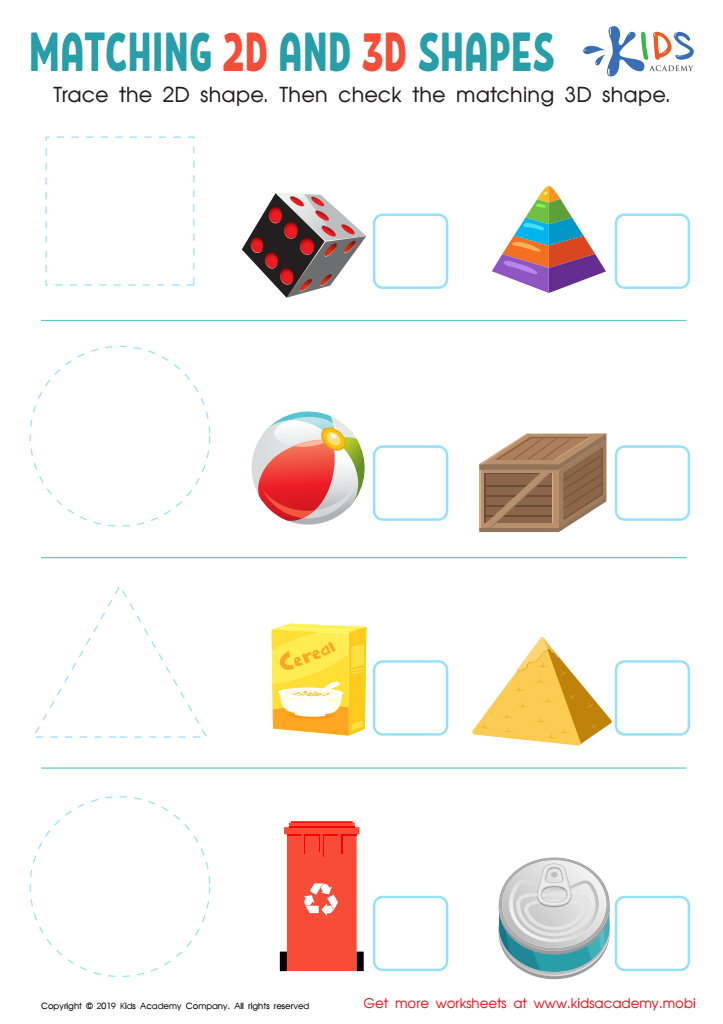
Matching 2D and 3D Shapes Worksheet
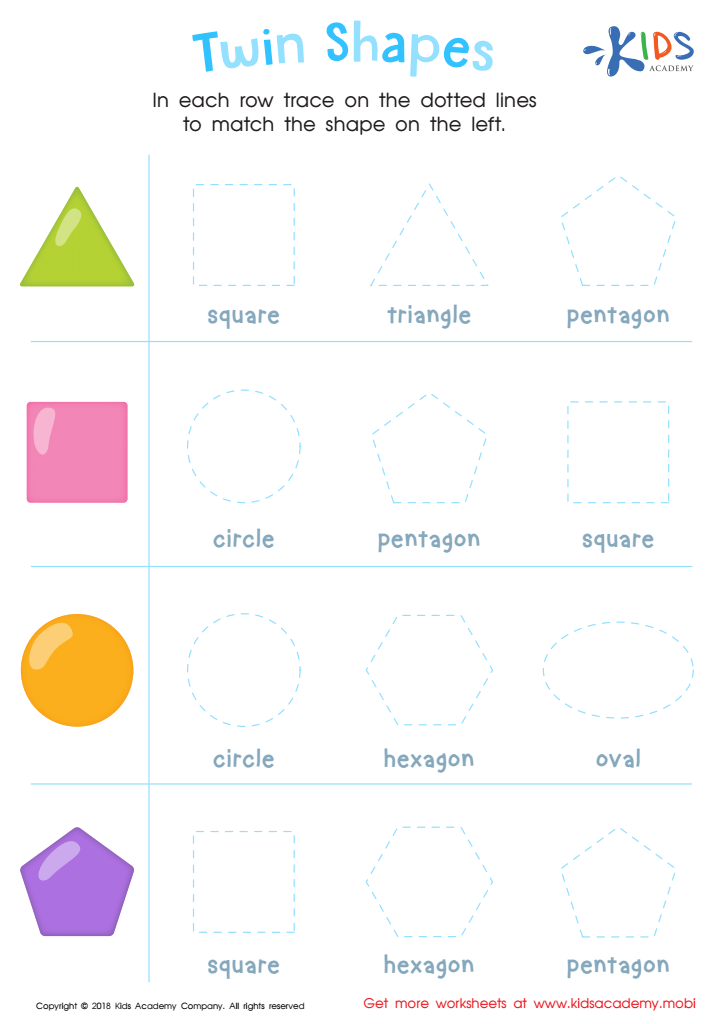
Twin Shapes Dot-to-Dot Worksheet
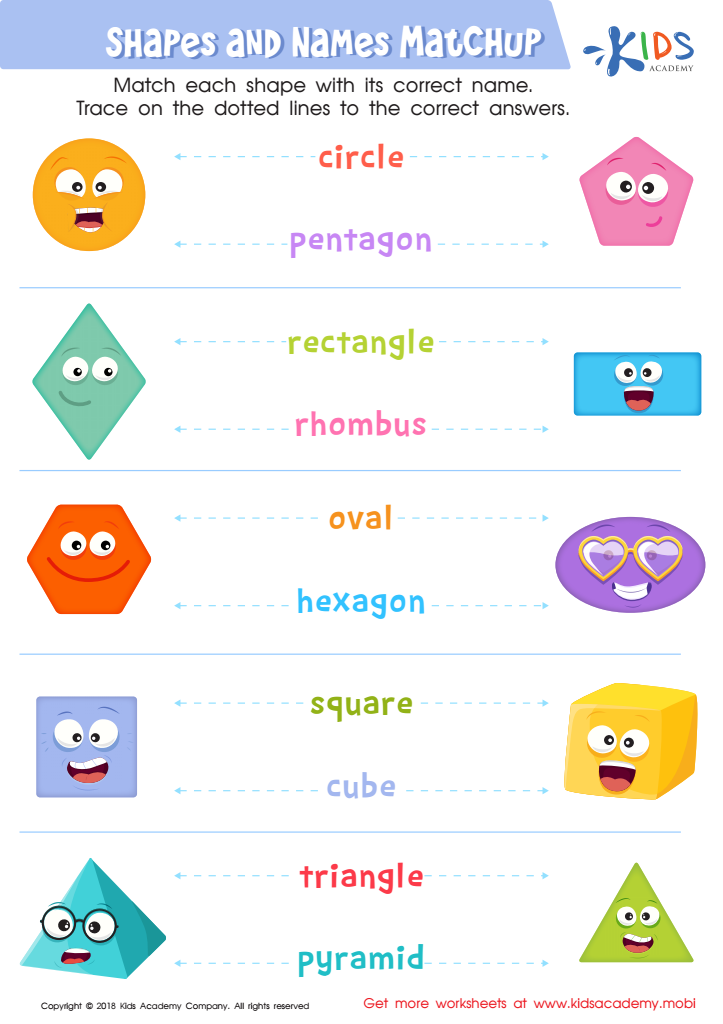
Shapes and Names Matchup Worksheet








Shape recognition is a foundational skill in early childhood education, crucial for the cognitive, mathematical, and spatial development of children aged 5-9. Parents and teachers should prioritize activities like the "Shape Recognition Extra Challenge Geometry" because it offers several key benefits.
Firstly, understanding shapes promotes essential pre-math skills. Children who can recognize and name shapes will more easily grasp geometry, measurement, and other mathematical concepts. Shapes help in distinguishing and understanding various properties, such as size, symmetry, and patterns.
Secondly, shape recognition skills bolster language development. By learning and using shape-related vocabulary, children enhance their descriptive language abilities, which are critical for effective communication and reading comprehension.
Thirdly, this type of challenge nurtures spatial reasoning, an important aspect of problem-solving and critical thinking. Engaging with shapes allows children to understand the relationships between objects, which is vital for tasks ranging from navigating physical spaces to working on complex puzzles.
Lastly, it supports fine motor skills development. Activities like drawing or assembling shapes require precise hand movements, which strengthen motor coordination and control.
Therefore, incorporating shape recognition challenges in early education ensures children develop a well-rounded set of skills that will support their academic success and everyday life.