Number Sequencing Extra Challenge Math Worksheets for Ages 5-9
10 filtered results
-
From - To
Boost your child’s math skills with our "Number Sequencing Extra Challenge Math Worksheets," designed specifically for ages 5-9! These engaging worksheets provide students with a fun and interactive way to enhance their understanding of number sequences. Each activity is tailored to challenge young learners, progressively building their confidence and proficiency in recognizing patterns and ordering numbers. Perfect for homeschool or classroom use, these worksheets promote critical thinking while making learning enjoyable. Whether your child is mastering basic sequencing or advancing to more complex patterns, our diverse selection of exercises is crafted to meet their unique development needs. Start the challenge today!
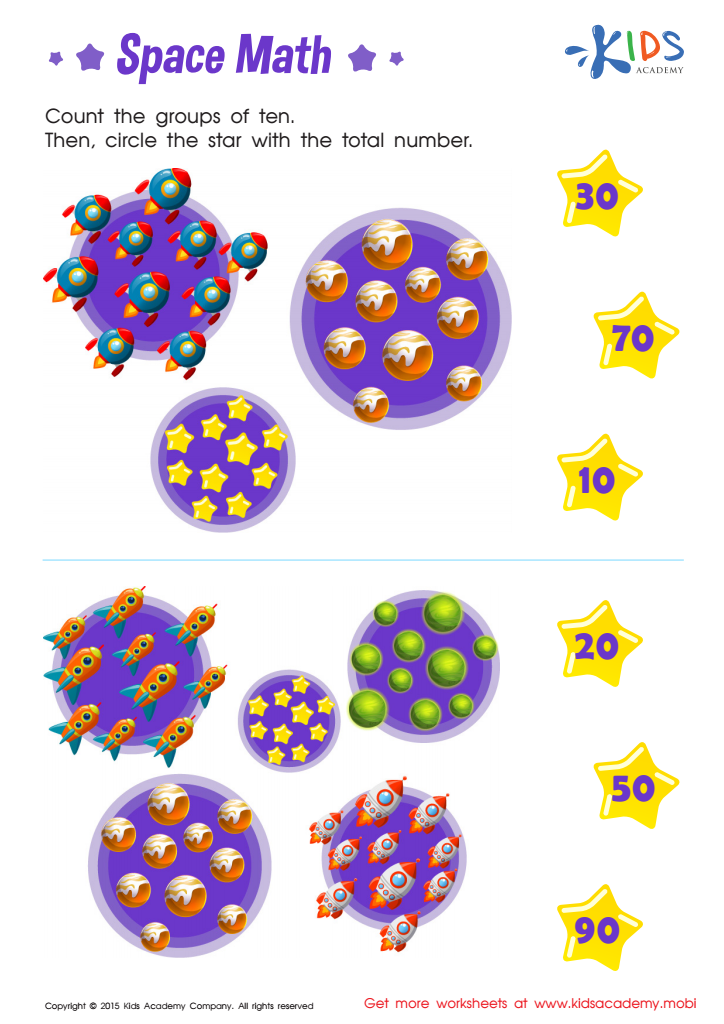
Learn dozens: Space math Worksheet
 Assign to My Students
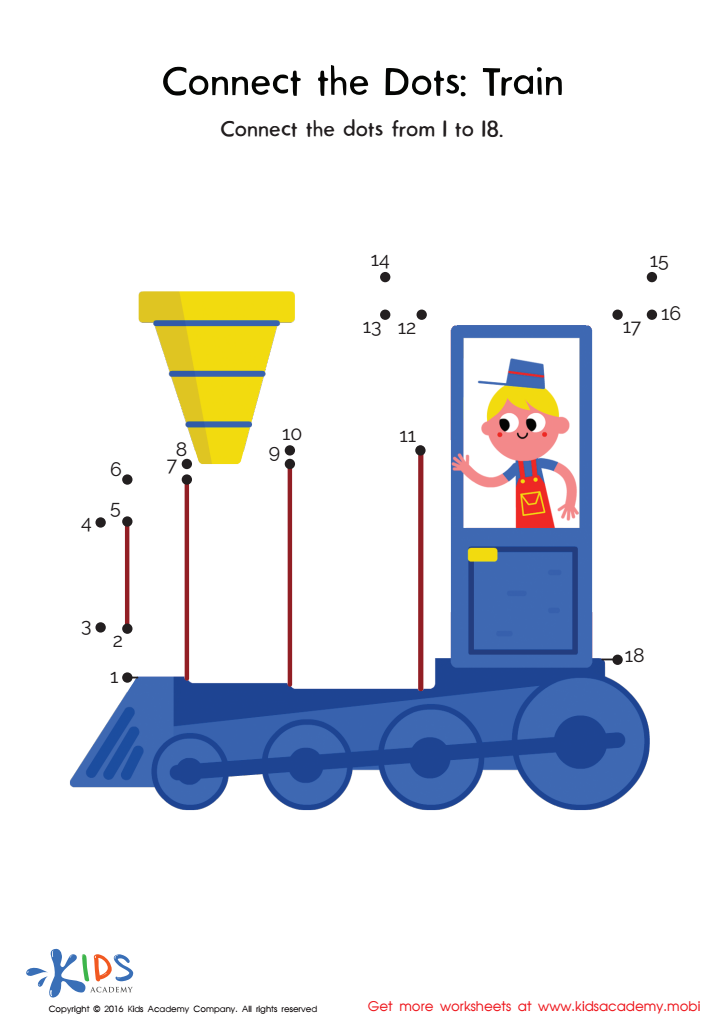
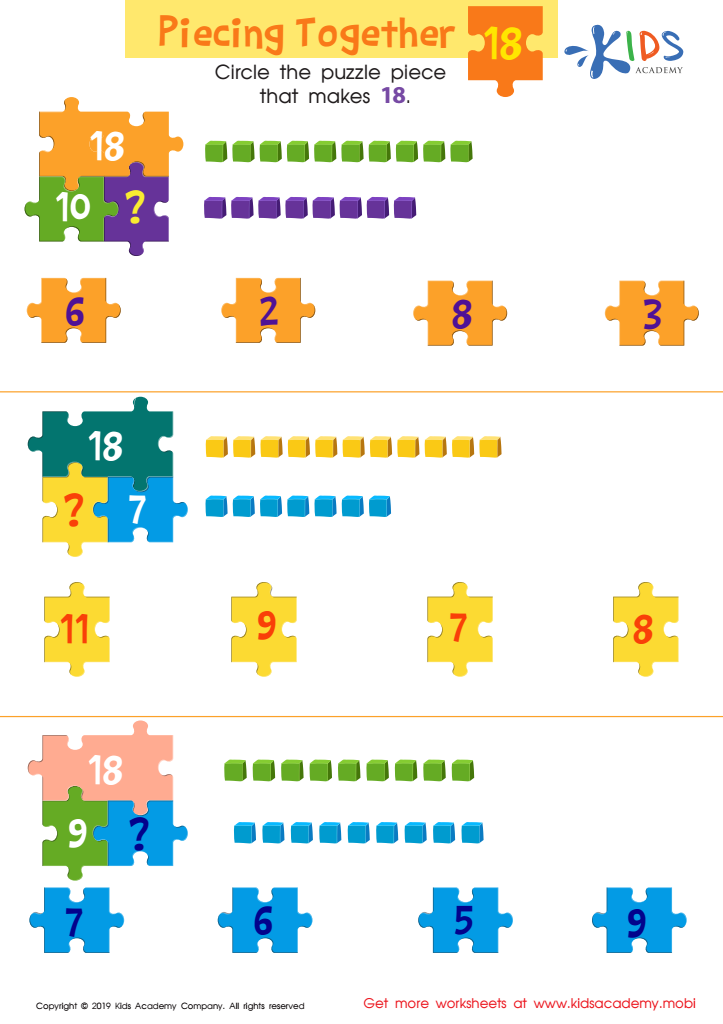
Piecing Together 18 Worksheet
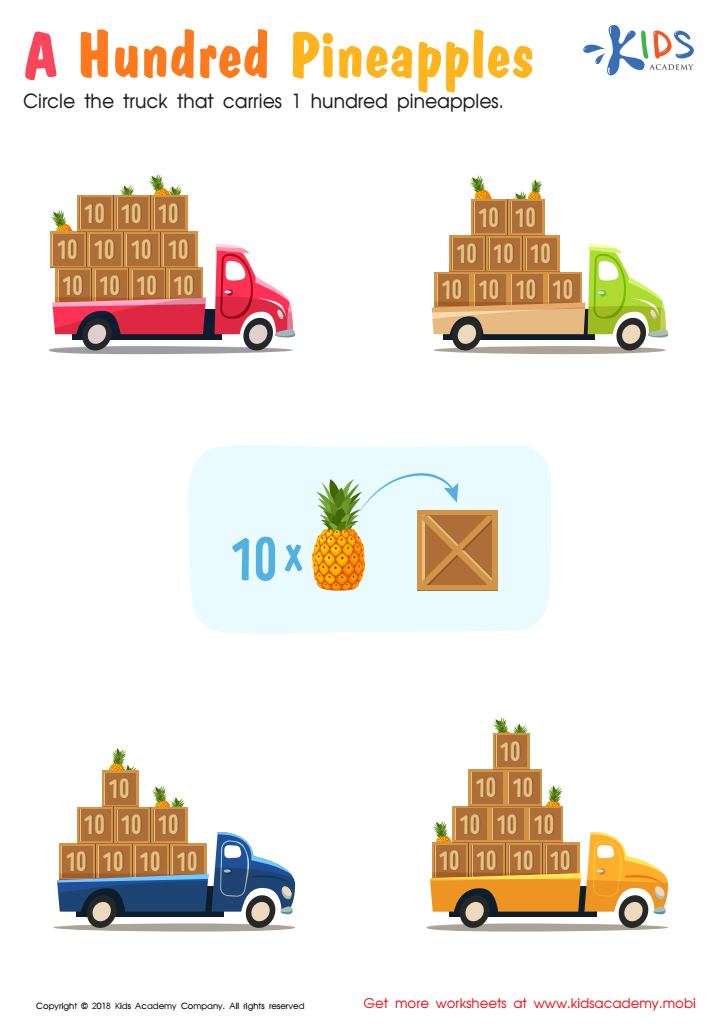
A Hundred Pineapples Worksheet
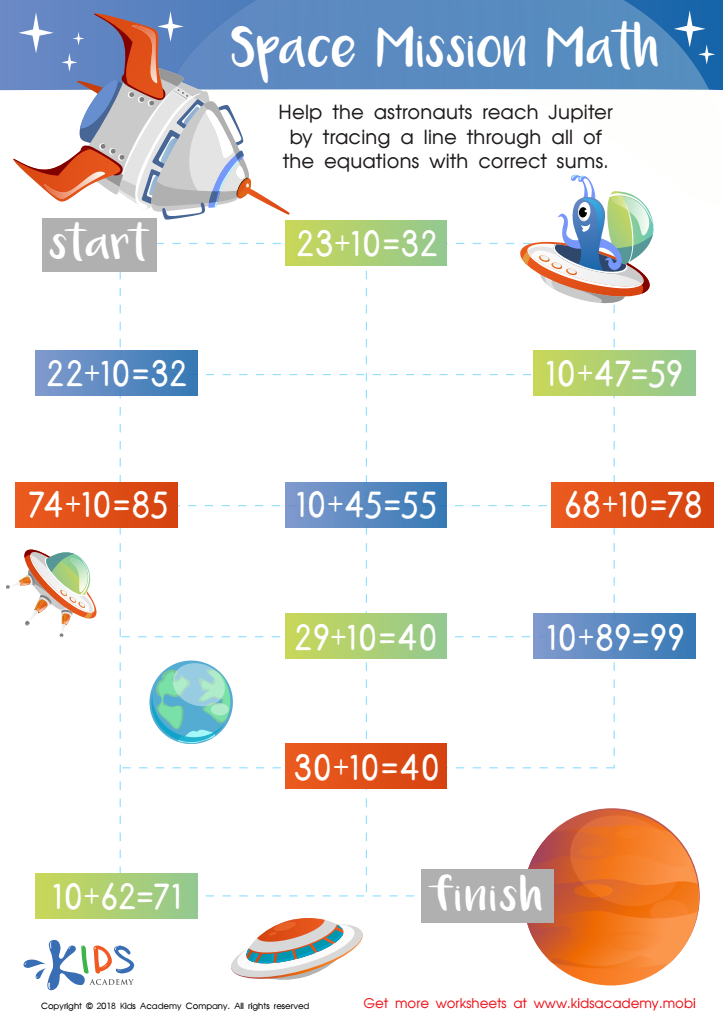
Space Mission Math Worksheet

Pirate Ship Connect Dots Worksheet
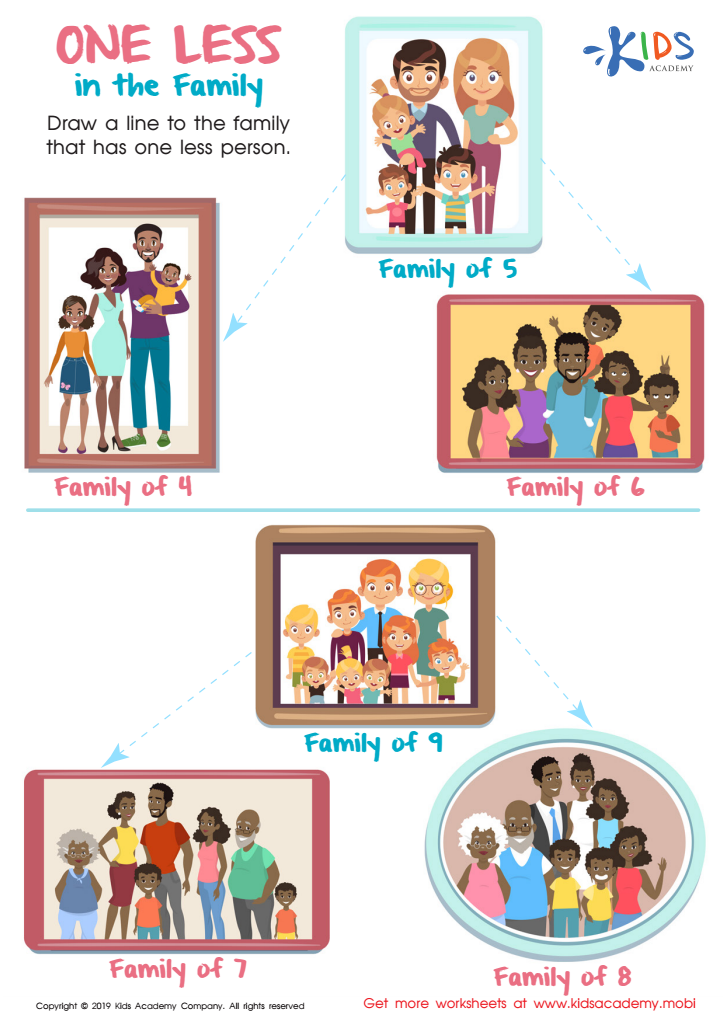
One Less in the Family Worksheet
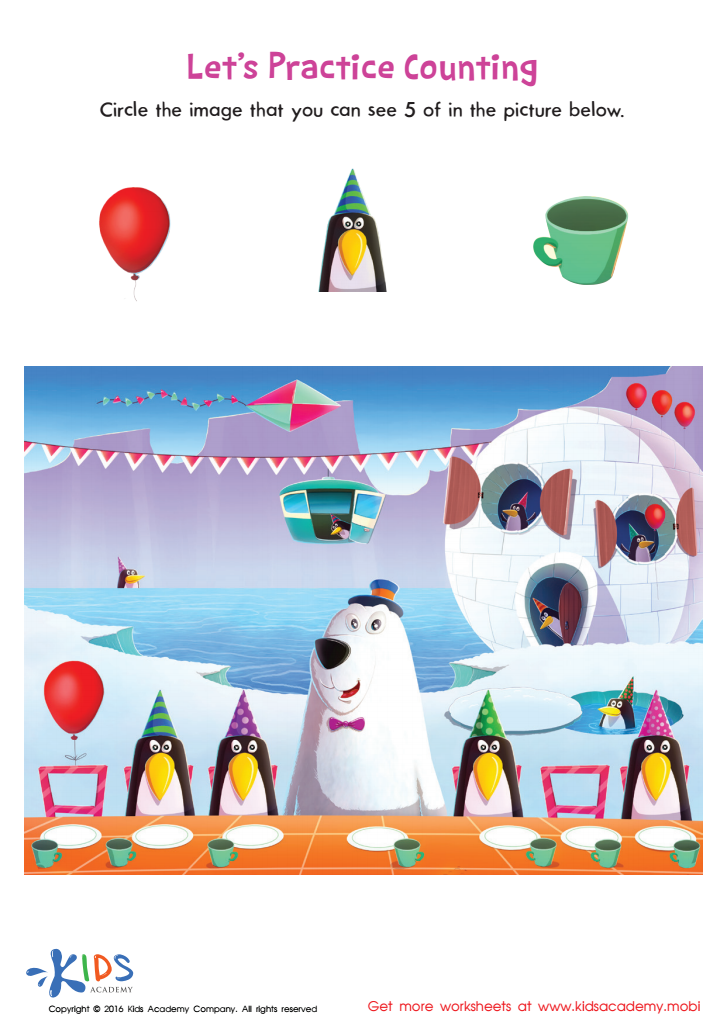
Counting Worksheet: Let's Practice Counting
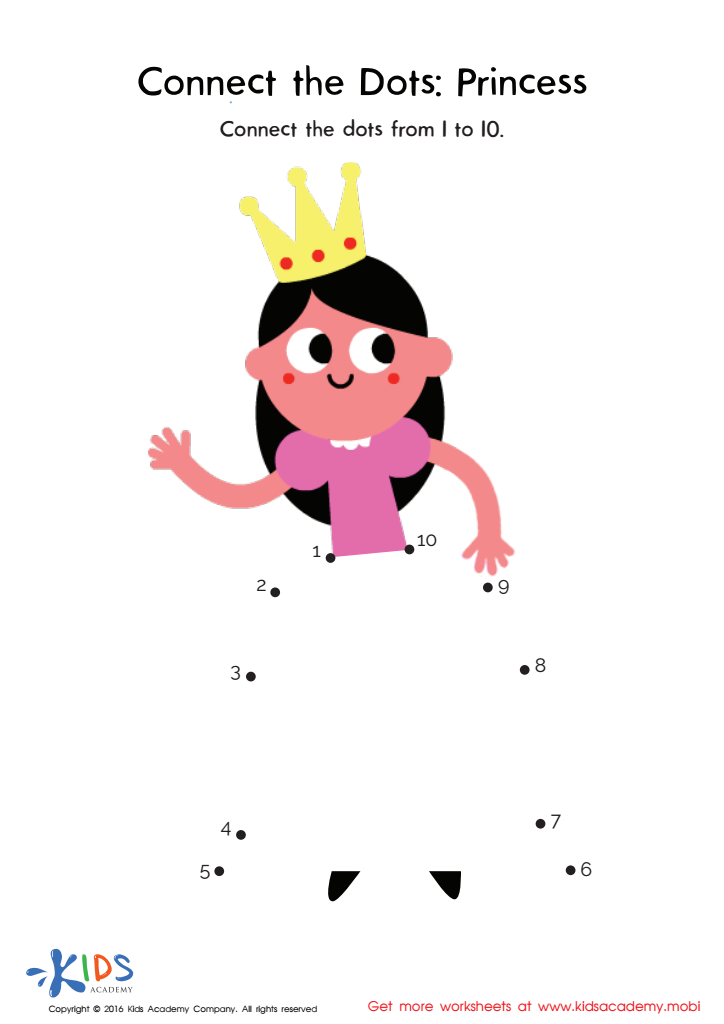
Princess Connect Dots Worksheet








Parents and teachers should prioritize Number Sequencing Extra Challenge Math for Ages 5-9 because it lays a critical foundation for mathematical understanding. During these formative years, children develop essential skills such as pattern recognition, critical thinking, and problem-solving. Number sequencing activities help young learners grasp the concept of order and relationship between numbers, which is fundamental in advanced mathematics.
Engaging with challenging sequencing tasks fosters cognitive development and enhances number sense. It encourages children to think abstractly and analytically, preparing them for more complex mathematical concepts in later grades. Moreover, these activities can promote resilience and perseverance, as children learn to tackle difficult challenges and embrace the learning process.
Additionally, using games and interactive tools makes learning enjoyable, helping children build a positive attitude toward math. Encouraging creativity and fun in education can significantly influence their academic journey. Furthermore, these skills are applicable beyond mathematics; they play a vital role in everyday activities, like telling time and organizing events.
Ultimately, committing to Number Sequencing Extra Challenge Math not only boosts math proficiency but also supports overall cognitive development, ensuring children are equipped for future academic success.