Fine Motor Skills Extra Challenge Worksheets for Ages 6-7 - Page 2
44 filtered results
-
From - To
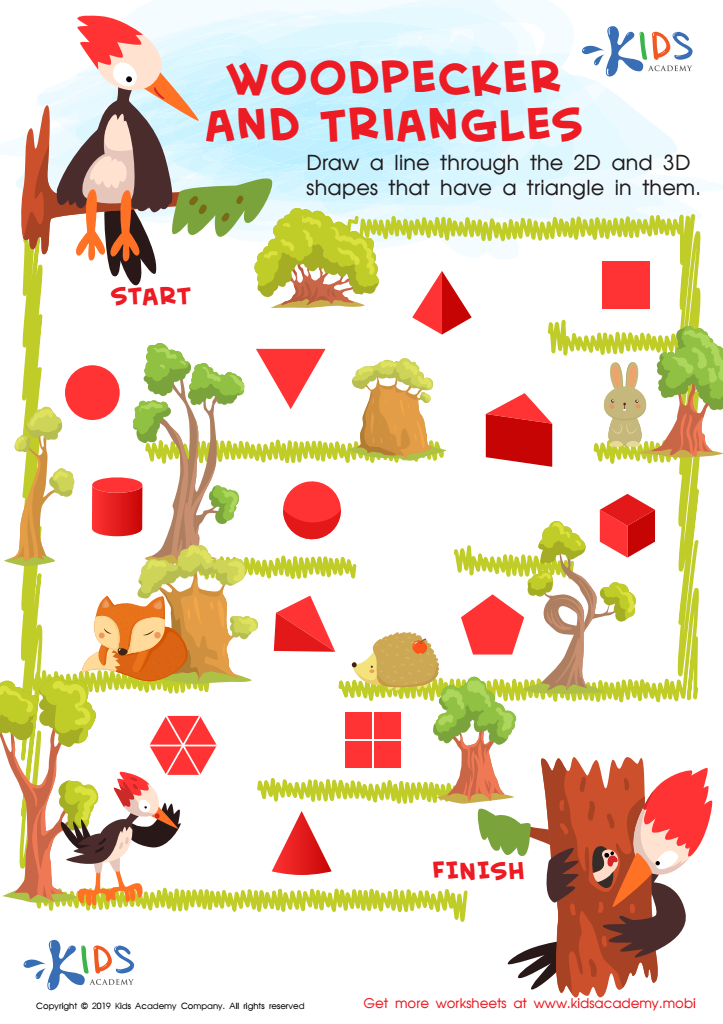
Woodpecker and Triangles Worksheet
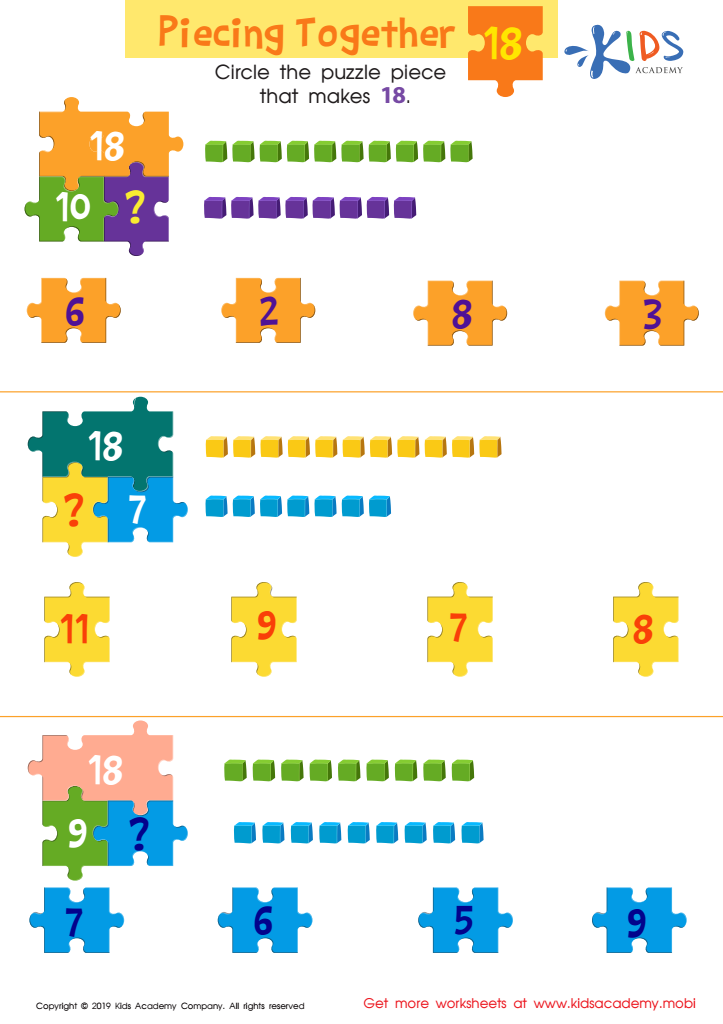
Piecing Together 18 Worksheet
Learn Number For Kindergarten Worksheet
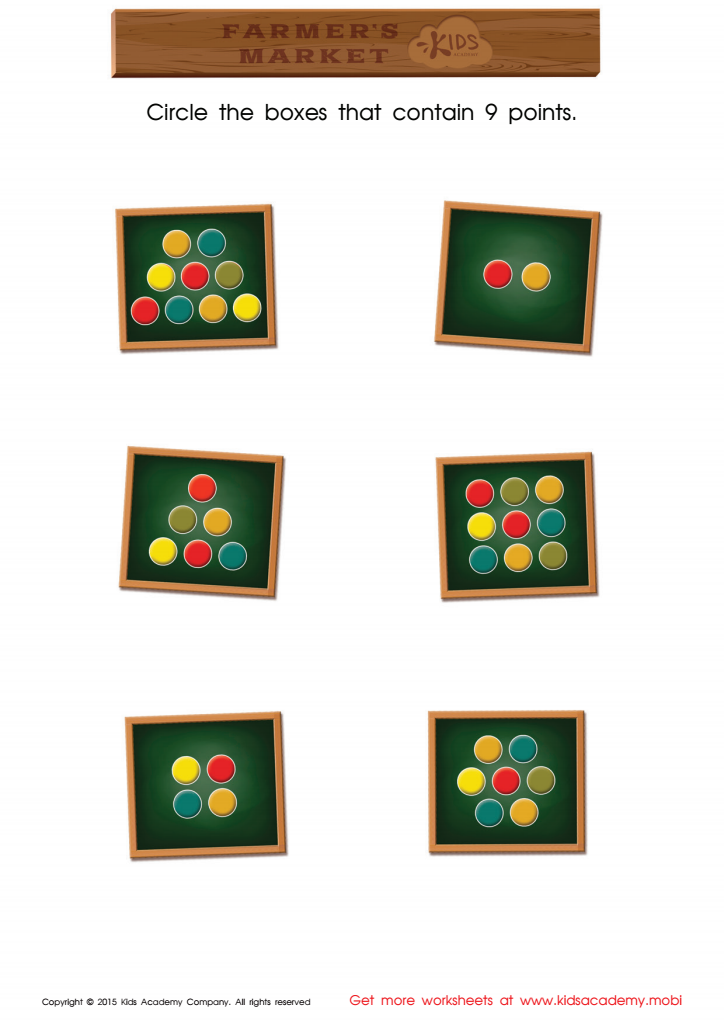
Count and Match Points 9 Math Worksheet
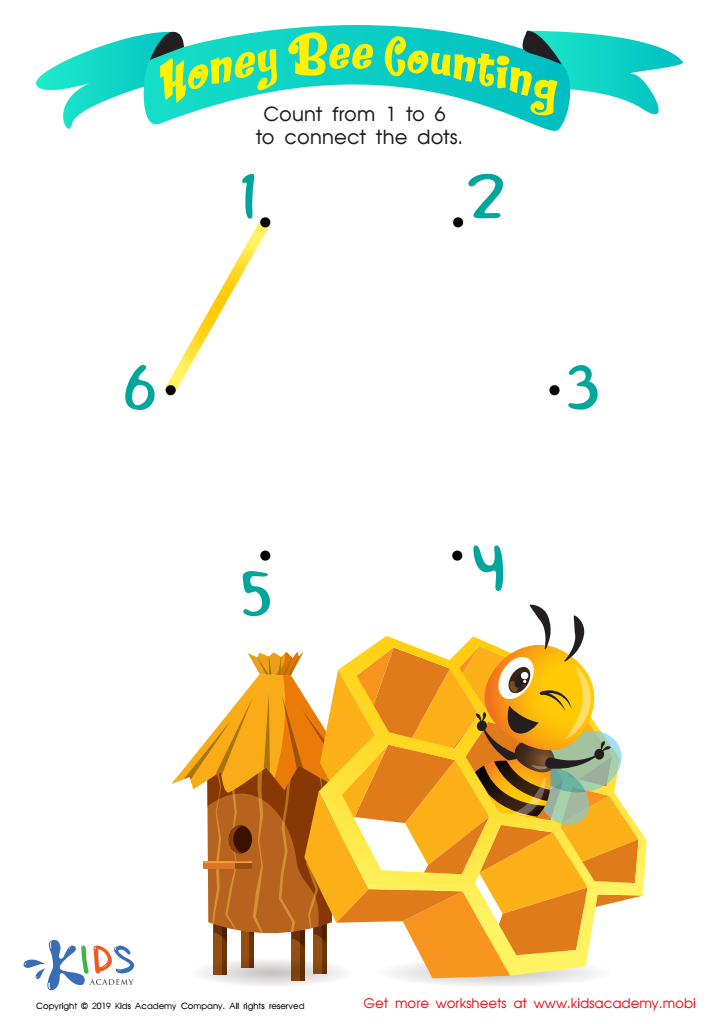
Honey Bee Counting Worksheet
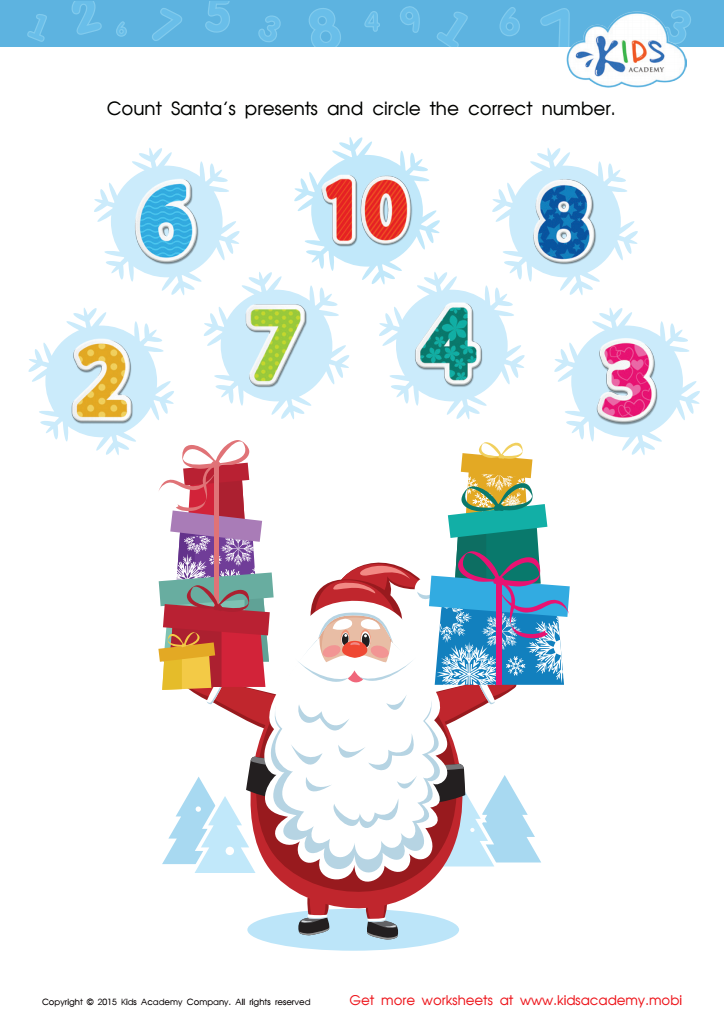
Count Santa's Presents Worksheet
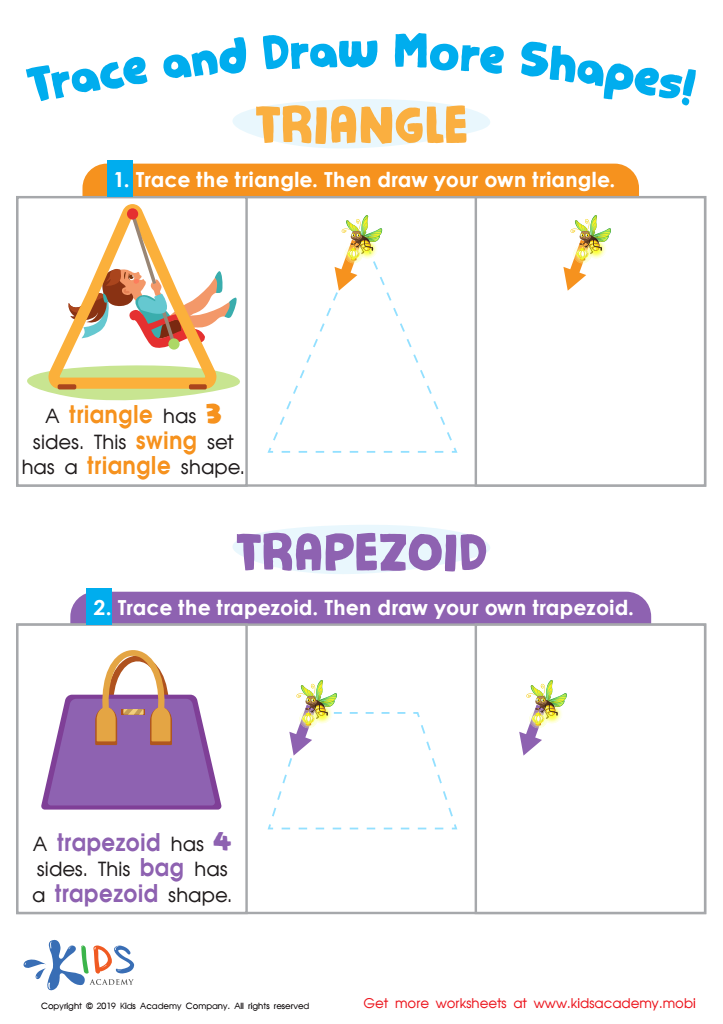
Trace and Draw More Shapes Worksheet
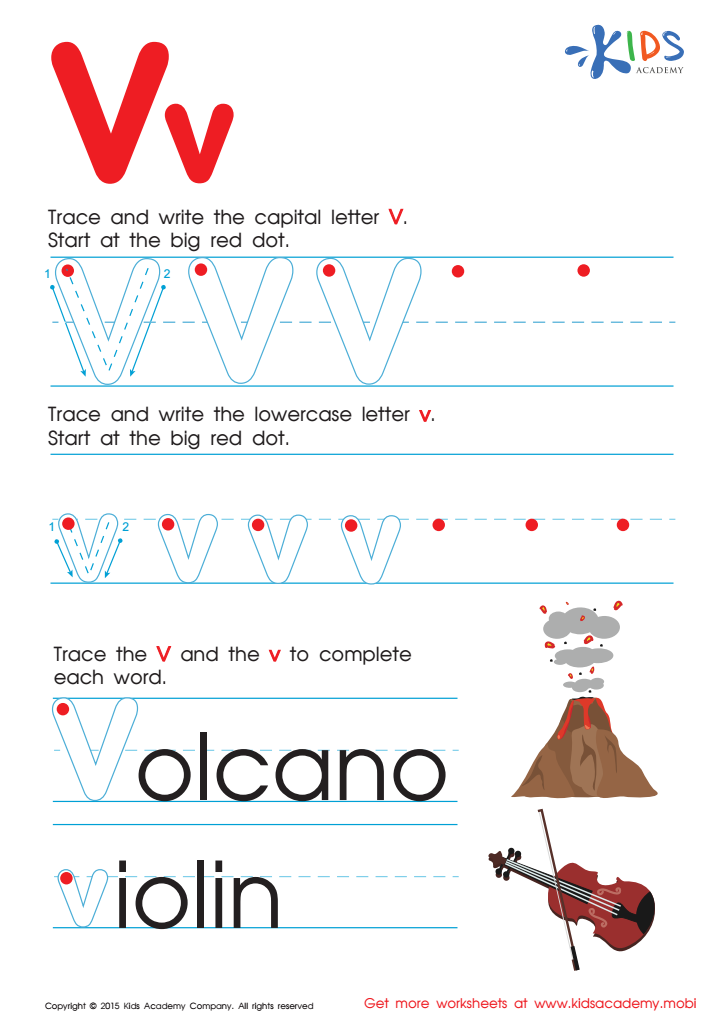
Letter V Tracing Page
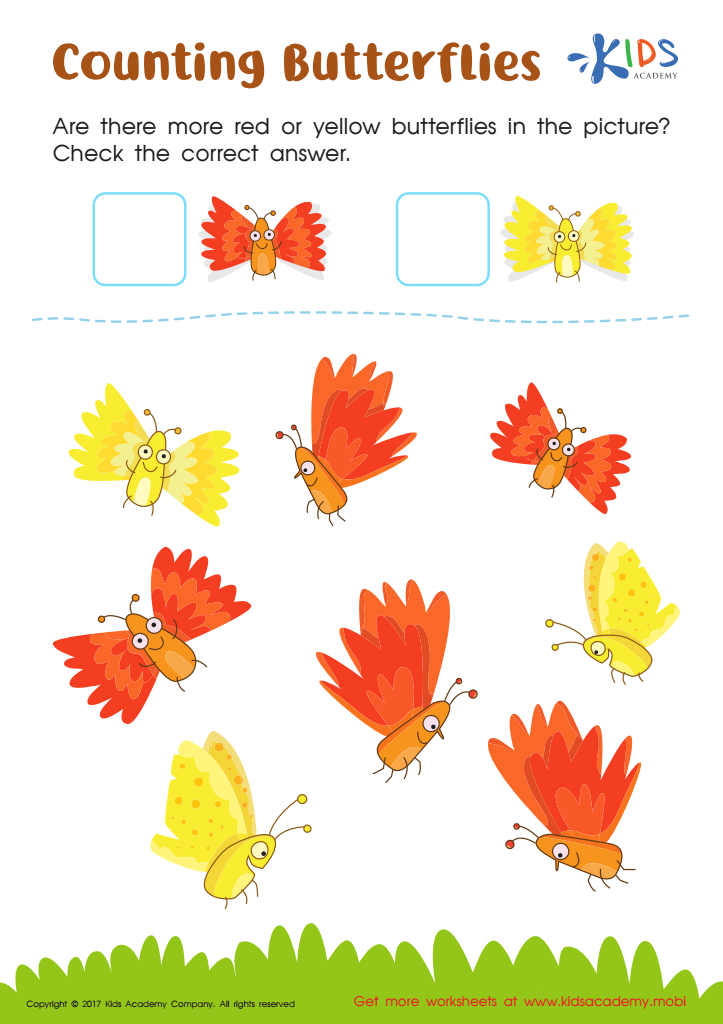
Counting Butterflies Worksheet
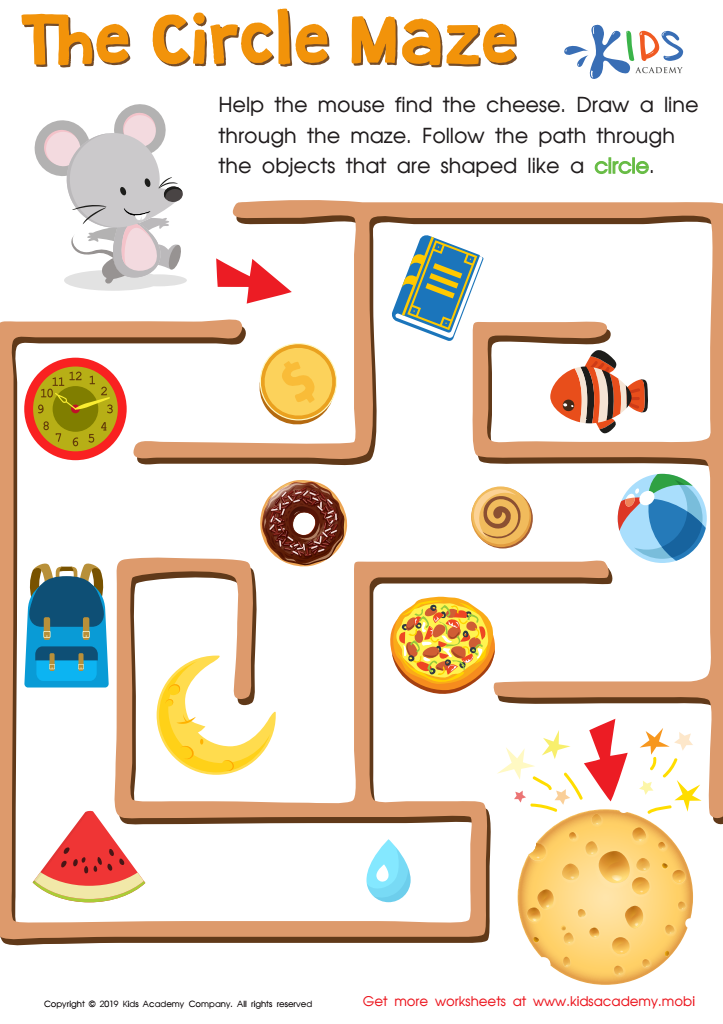
The Circle Maze Worksheet

Santa Claus Tracing Winter Words Worksheet
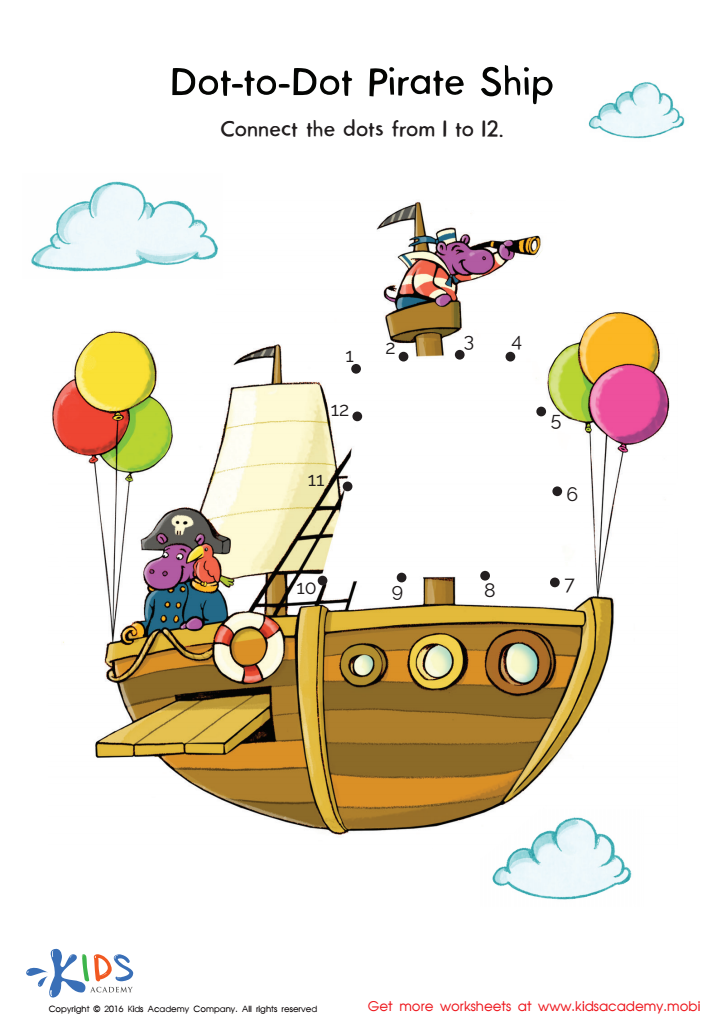
Pirate Ship Connect Dots Worksheet
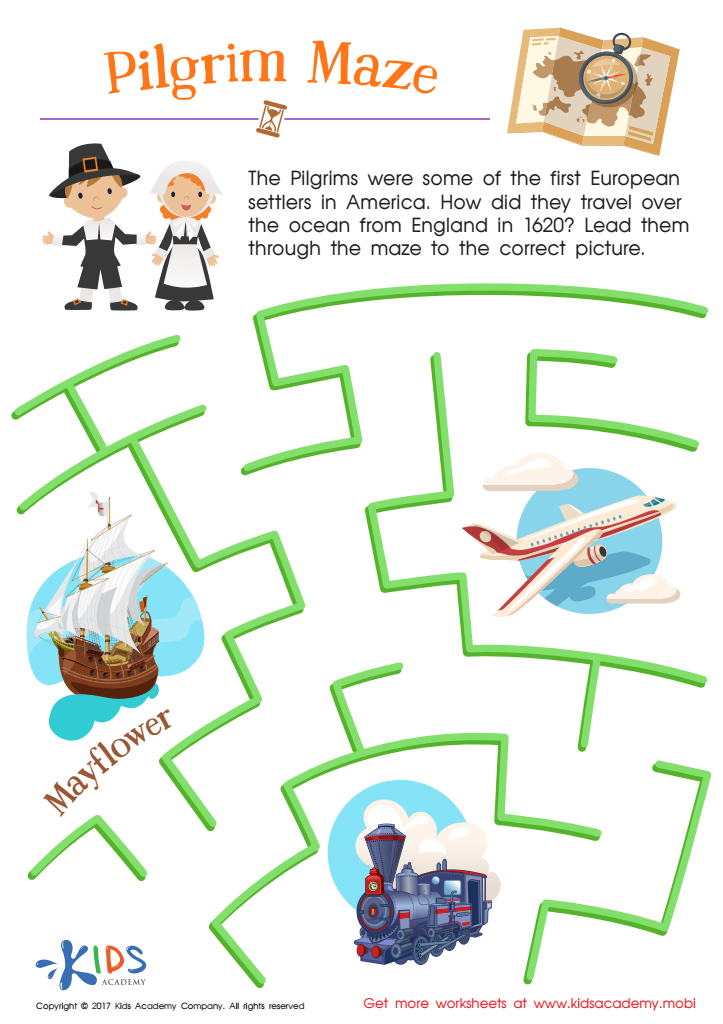
Pilgrim Maze Worksheet
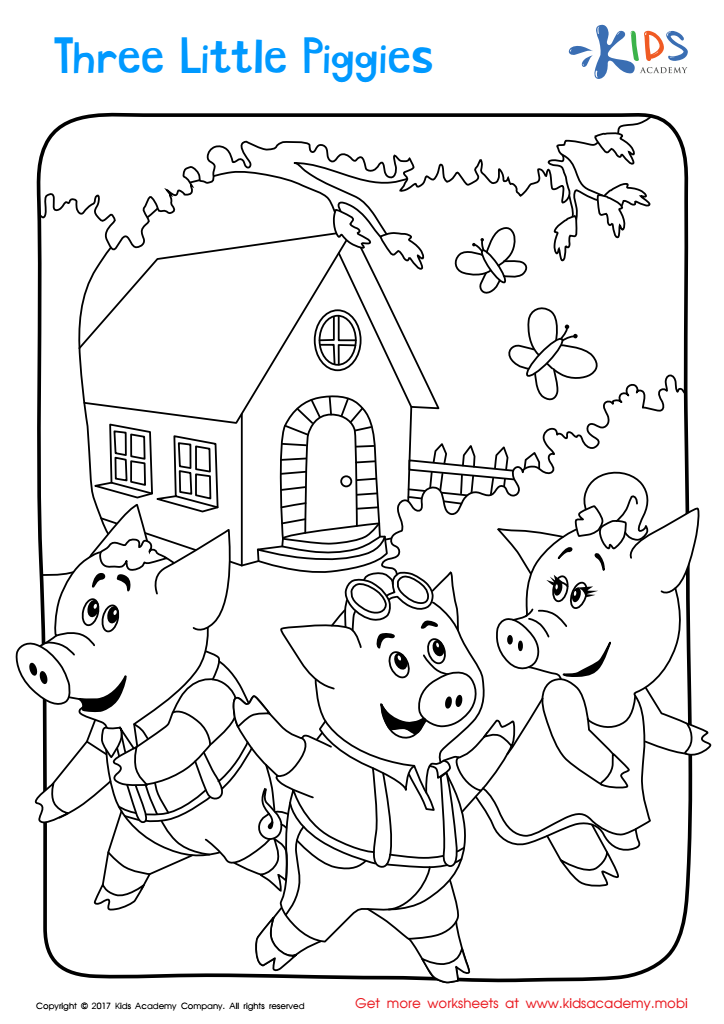
Three Little Piggies Printable Coloring Page
 Assign to My Students
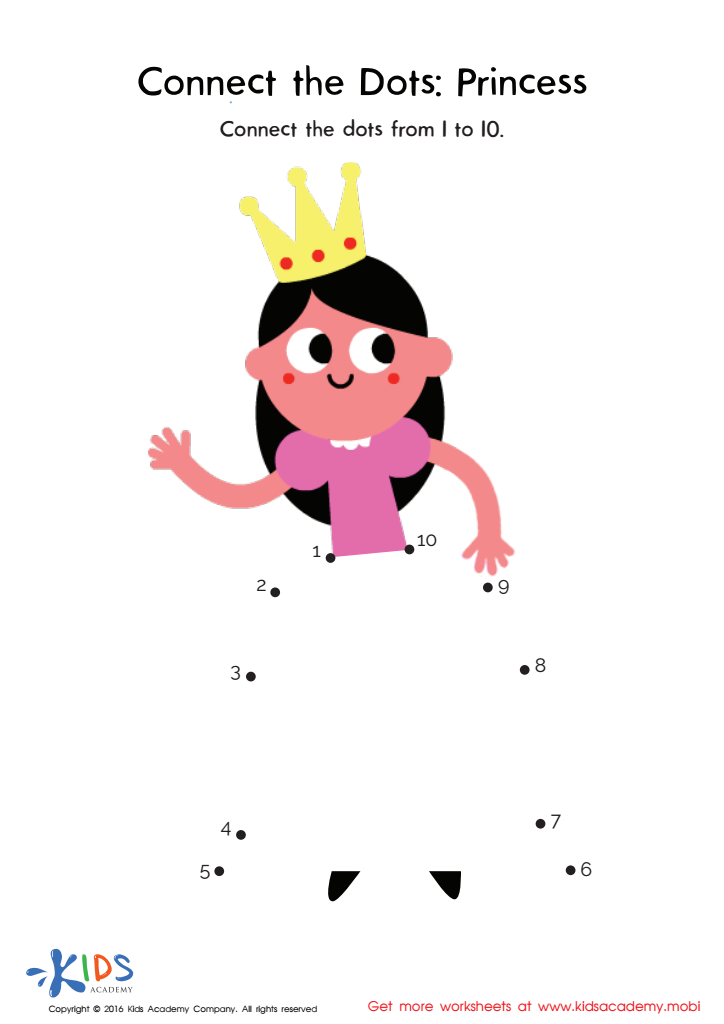
Princess Connect Dots Worksheet
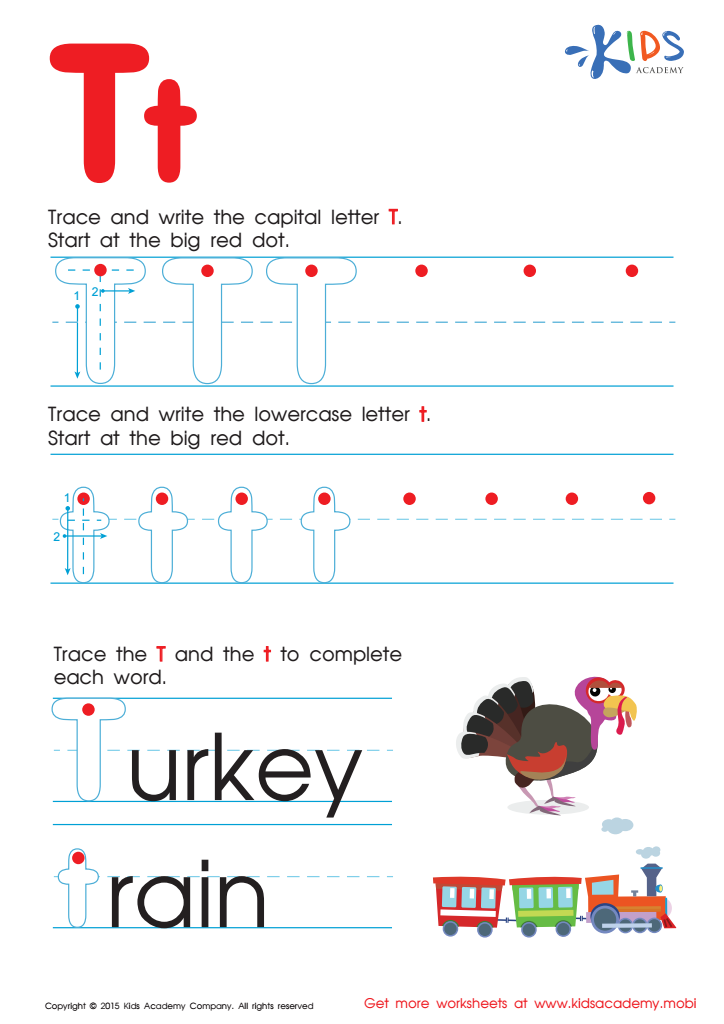
Letter T Tracing Page
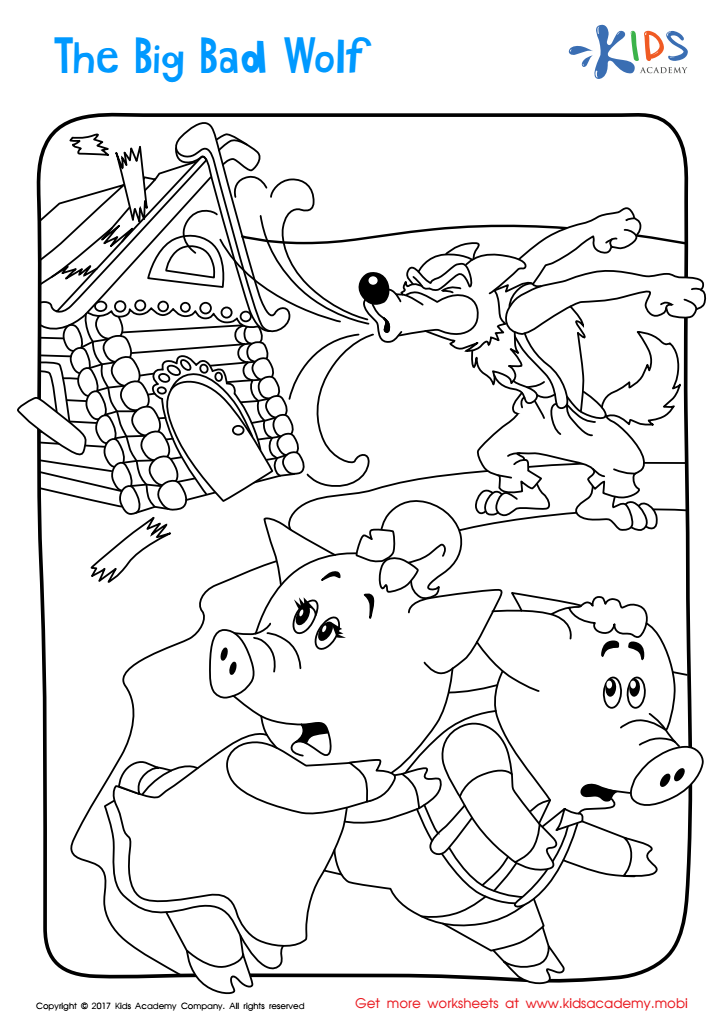
Big Bad Wolf Printable Coloring Page
Assign to My Students
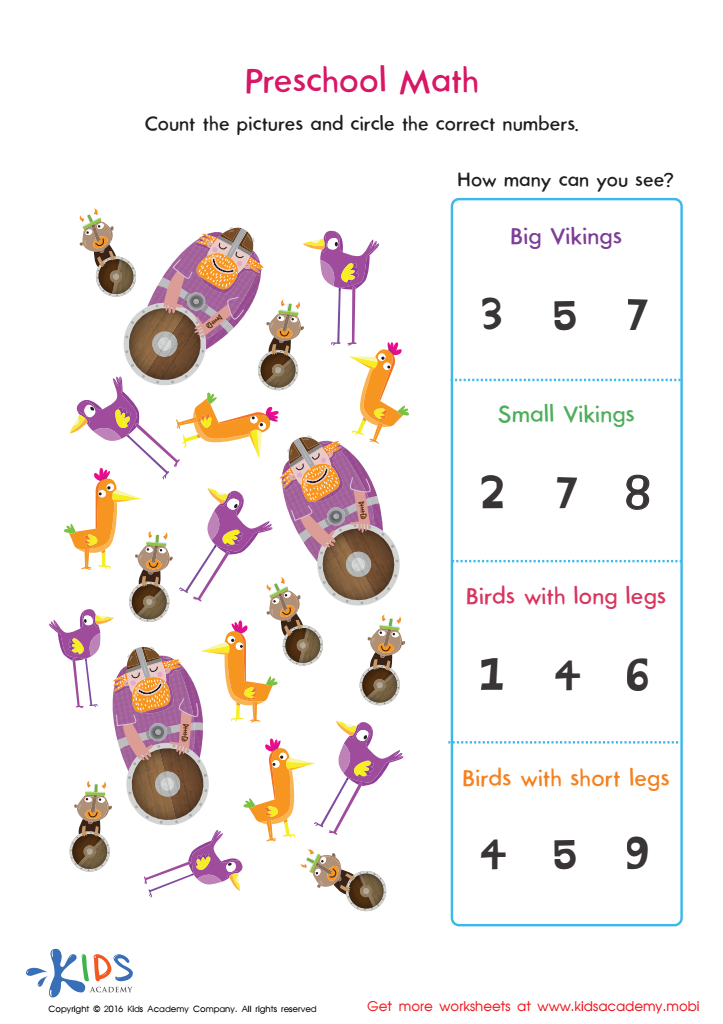
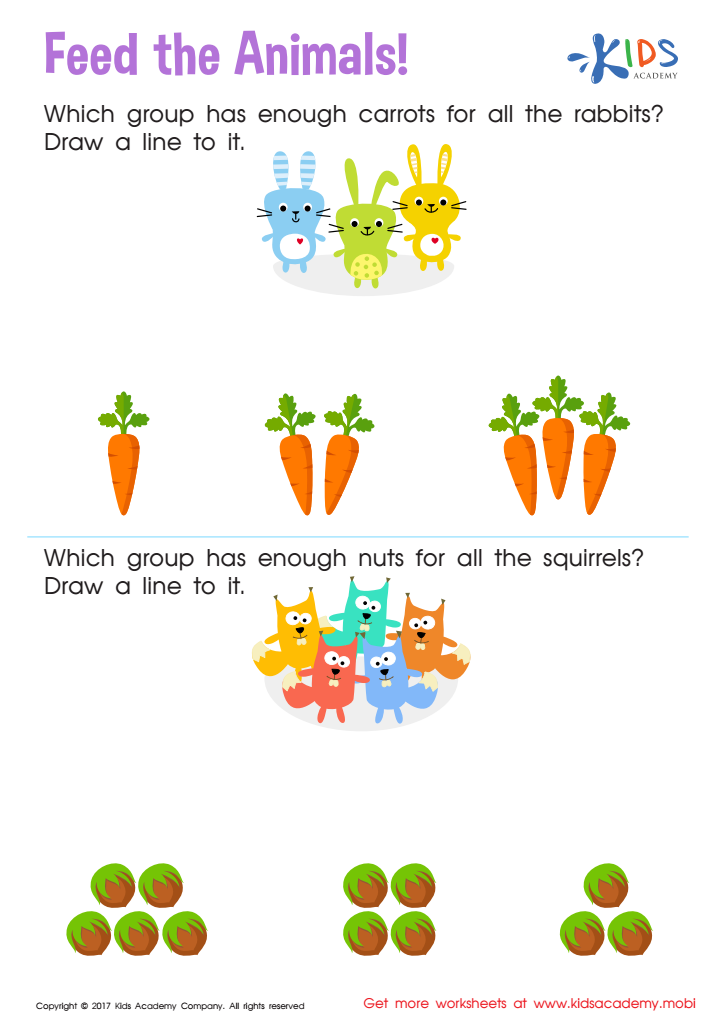
Count and Match: Feed the Animals Worksheet







Fine motor skills are crucial for children aged 6-7 as they form the foundation for various essential everyday activities and academic tasks. Parents and teachers should prioritize fine motor skills development because these skills impact a child’s ability to write, use scissors, button clothing, and manipulate small objects. Mastery in these areas enhances a child’s independence and boosts confidence, reducing frustration in tasks that seem simple to adults.
Engaging children in fine motor skills challenges can also foster creativity, problem-solving abilities, and cognitive engagement through hands-on activities that make learning fun. Activities like drawing, crafting, or even complex puzzles promote dexterity and coordination, laying a groundwork for later academic abilities. Fine motor skills are closely tied to successful writing experiences, which remain vital throughout a child's educational journey.
Additionally, focusing on these skills helps identify early developmental delays or difficulties, enabling timely support and intervention. When parents and educators collaborate on fine motor skills activities, they create a supportive environment that encourages growth and resilience. Ultimately, investing in fine motor skills empowers children to navigate their world with dexterity, persistence, and a positive attitude towards learning.








