Number Sequencing Extra Challenge Numbers Worksheets for Ages 6-7
6 filtered results
-
From - To
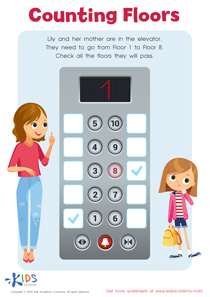
Enhance your child's number sequencing skills with our "Number Sequencing Extra Challenge Worksheets" designed for ages 6-7! These engaging worksheets offer a fun and interactive way to master number orders, helping to boost critical thinking and mathematical reasoning. Each worksheet presents a variety of challenging activities featuring a range of numbers, encouraging students to identify, complete, and extend patterns. Ideal for home or classroom use, these resources cater to diverse learning styles while promoting confidence in numeracy. Download the worksheets today and watch your young learner ace their number sequencing skills while enjoying the thrill of a challenge!
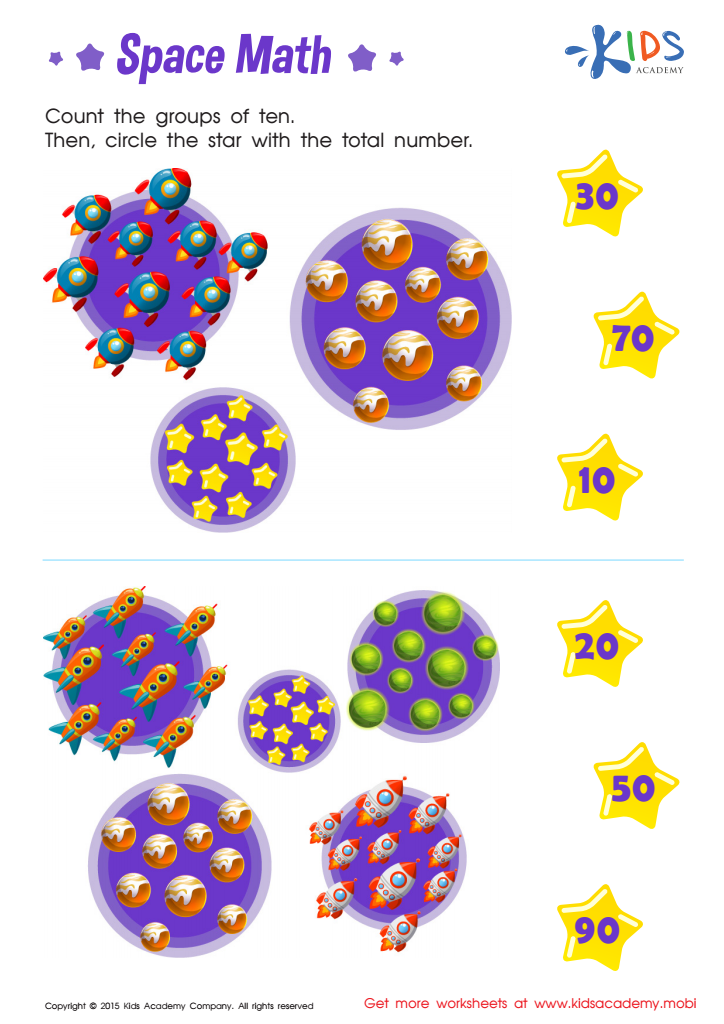
Learn dozens: Space math Worksheet
 Assign to My Students
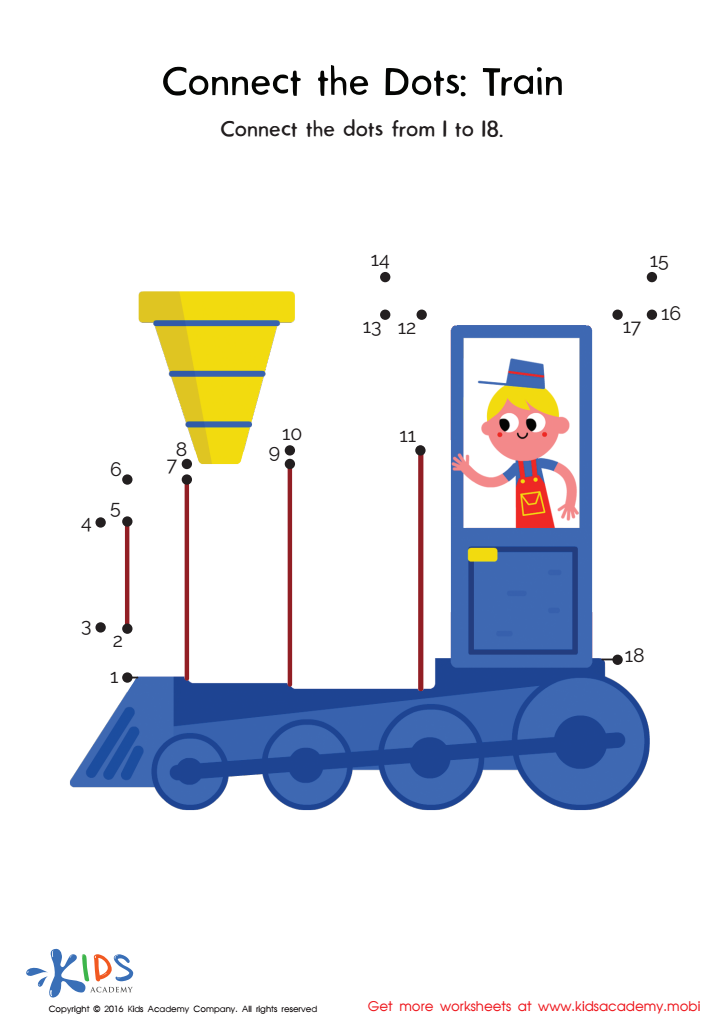
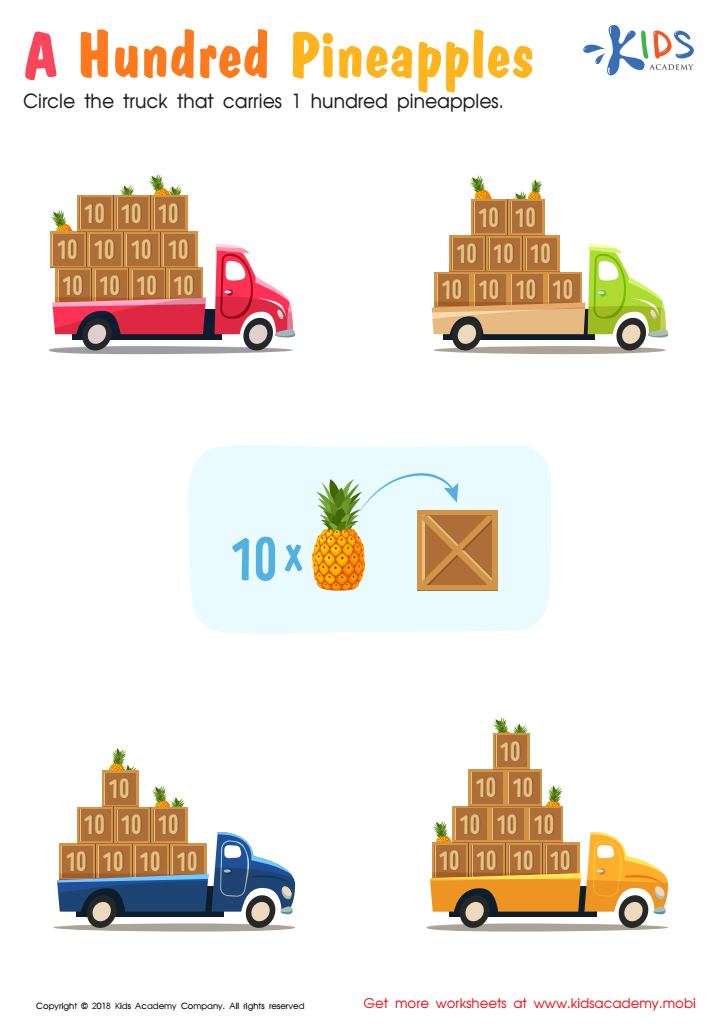
A Hundred Pineapples Worksheet

Pirate Ship Connect Dots Worksheet
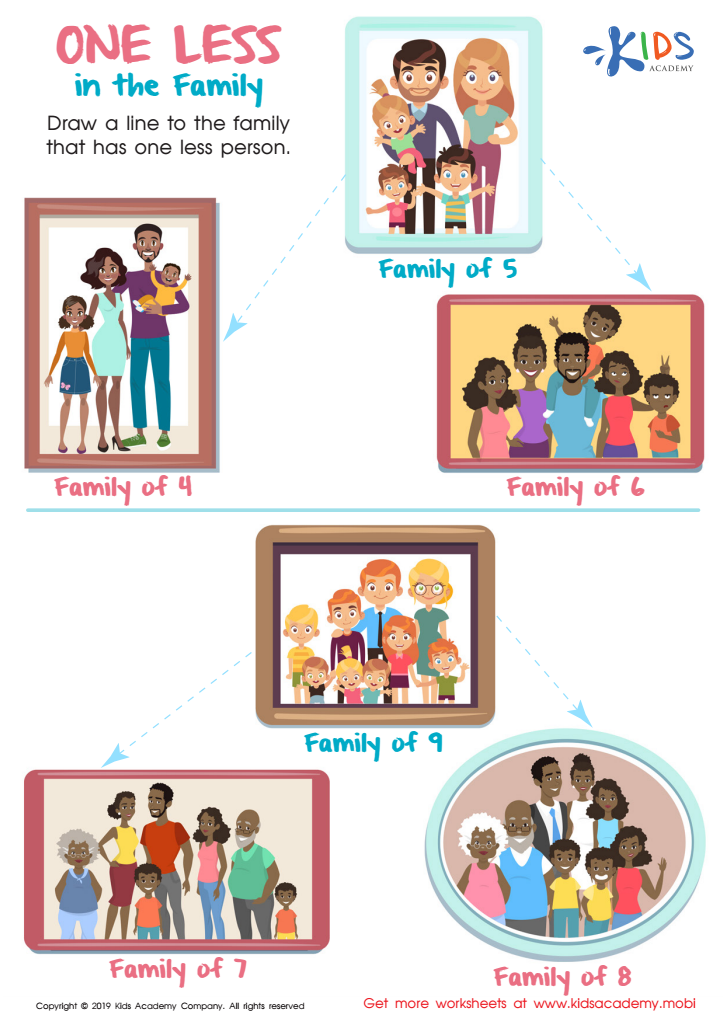
One Less in the Family Worksheet
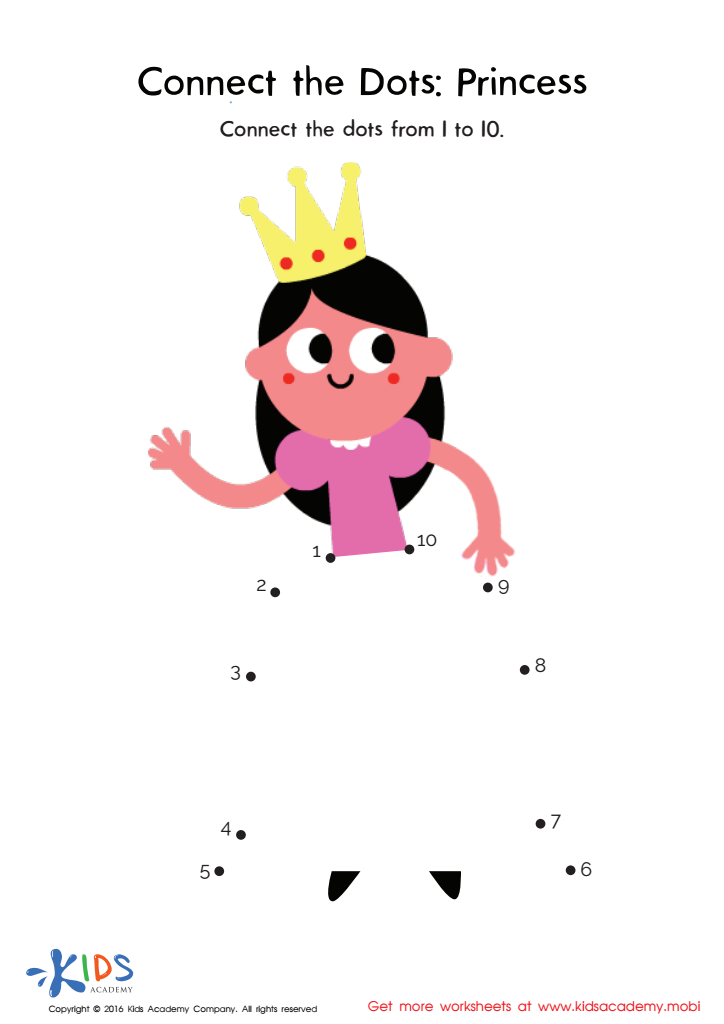
Princess Connect Dots Worksheet








Number sequencing is a crucial skill for children aged 6-7, laying the foundation for more complex mathematical concepts. Understanding number sequences enables young learners to recognize patterns, develop logical thinking, and enhance their problem-solving capabilities. When parents and teachers prioritize number sequencing challenges, they help children improve their ability to count forward and backward, identify what comes next in a pattern, and recognize relationships between numbers.
These extra challenges spark curiosity and encourage independent thinking. They can transform mere counting into an engaging activity that strengthens cognitive development. Children learn to anticipate sequences, which are present in daily activities, from telling time to understanding calendars. By playing with numbers in various settings, children feel more competent and confident in their mathematical abilities.
Furthermore, mastery of number sequencing paves the way for future success in arithmetic operations, fractions, and other advanced math concepts. Parents and teachers play a vital role in this process by providing stimulating activities and fostering a supportive learning environment. Engaging children in fun and challenging number sequencing exercises ultimately nurtures their love for math, setting a positive tone for their educational journey. Thus, focusing on number sequencing in early education is an investment in their long-term academic growth.