Shape Recognition Extra Challenge Tracing Shapes Worksheets for Ages 6-7
4 filtered results
-
From - To
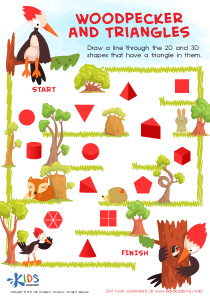
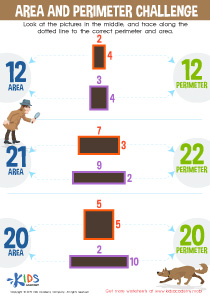
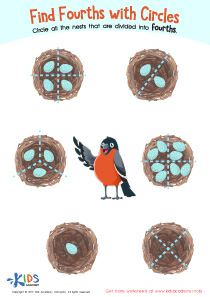
Enhance your child's geometric skills with our "Shape Recognition Extra Challenge Tracing Shapes Worksheets for Ages 6-7". Designed to be both engaging and educational, these worksheets help young learners master shape recognition and improve fine motor skills through fun tracing activities. Each worksheet presents various shapes and encourages students to trace them accurately, building foundational geometry knowledge. Ideal for at-home practice or classroom use, these extra challenging exercises keep kids motivated and entertained, boosting their confidence in math. Ignite a love for learning and watch as your child's ability to recognize and draw shapes flourishes!
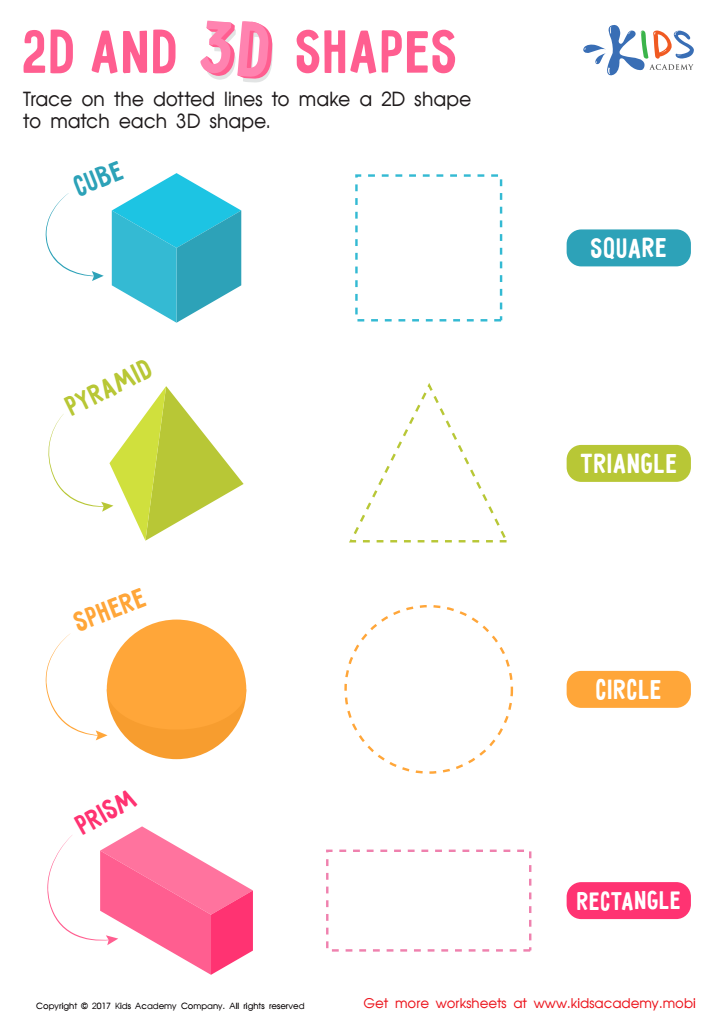
2D and 3D Shapes Worksheet
 Assign to My Students
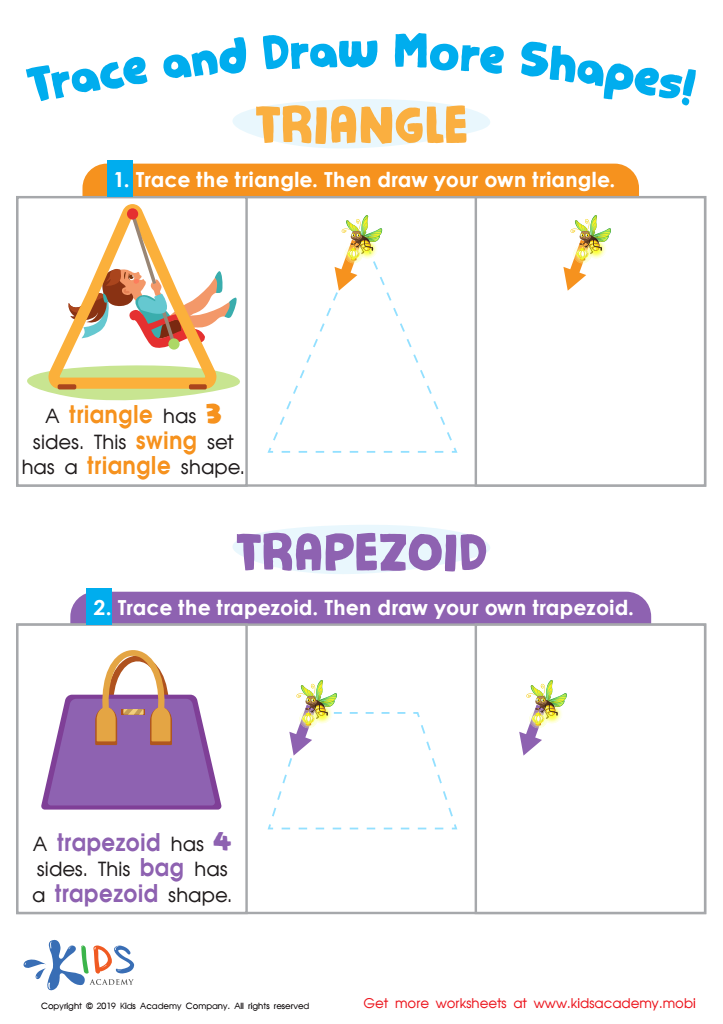
Trace and Draw More Shapes Worksheet
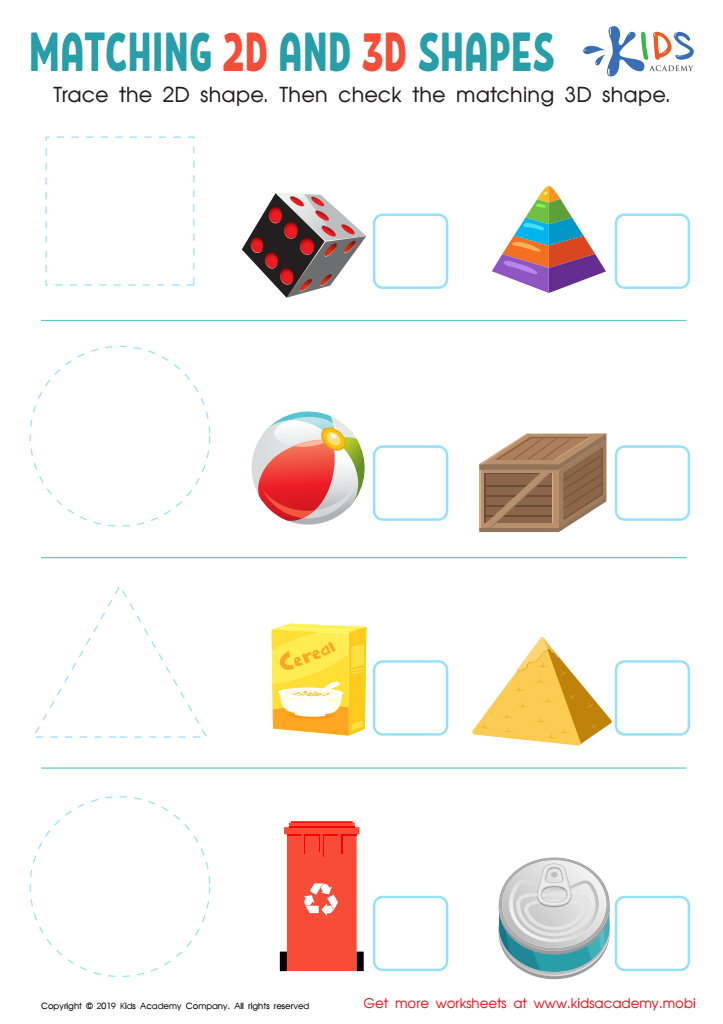
Matching 2D and 3D Shapes Worksheet
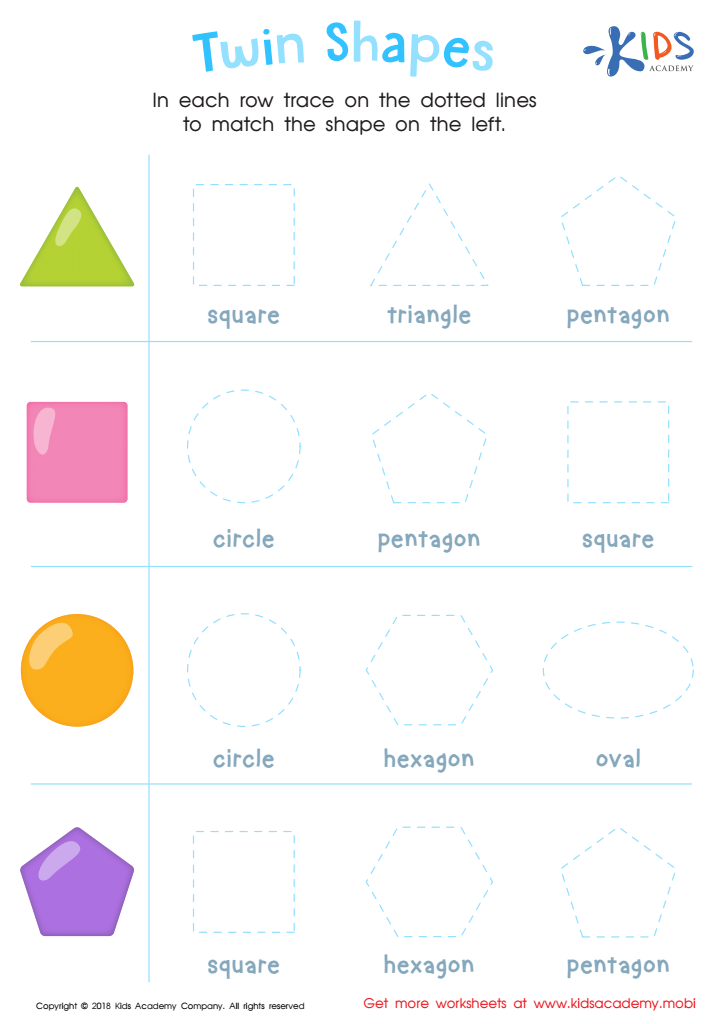
Twin Shapes Dot-to-Dot Worksheet








Shape recognition and tracing activities are crucial for the development of young children, particularly those aged 6-7. These activities help in enhancing fine motor skills as children learn to control the motion of their hands, improving precision and hand-eye coordination when tracing complex and various shapes. Moreover, engaging in shape recognition sharpens cognitive abilities. Identifying and categorizing different shapes builds foundational math skills, vital for grasping more advanced concepts like geometry, spatial reasoning, and problem-solving.
An Extra Challenge Tracing Shapes exercise pushes children slightly beyond their comfort zone, nurturing resilience and persistence. It invites critical thinking by presenting shapes in varied forms and sizes, prompting children to observe minute details and make careful decisions.
Socially and emotionally, activities centered around shape recognition and tracing are incredibly rewarding. As children complete challenges, they experience a sense of achievement, boosting their self-confidence and willingness to tackle other difficulties. Furthermore, these activities can foster collaborative learning when done in group settings, teaching children teamwork and communication skills.
For parents and teachers, integrating such exercises aids in identifying areas where a child may need additional support, ensuring personalized educational approaches. Therefore, investing time and resources into shape recognition and tracing tasks is an essential step in promoting a well-rounded developmental path for young children.