Problem-Solving Skills Extra Challenge Worksheets for Ages 6-8 - Page 3
78 filtered results
-
From - To
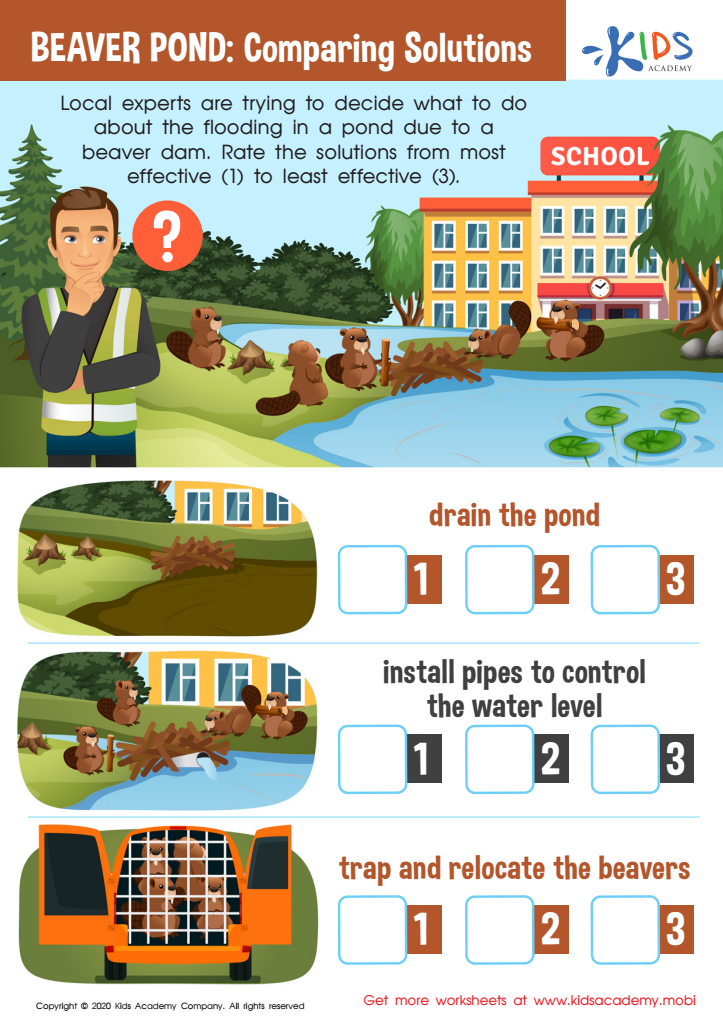
Beaver Pond: Comparing Solutions Worksheet
 Assign to My Students
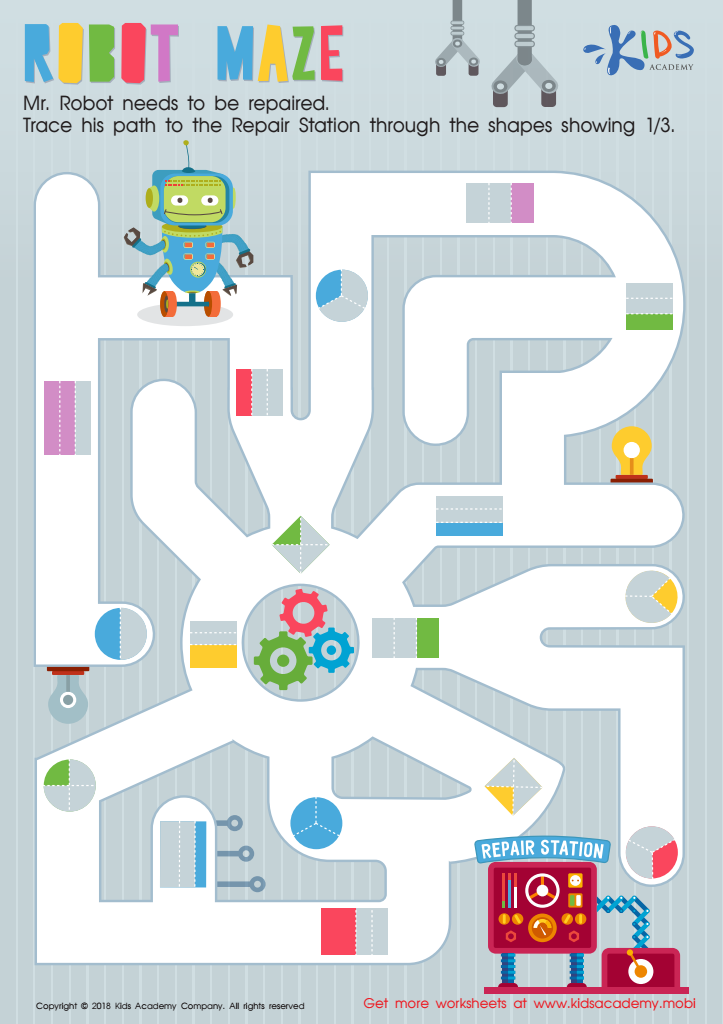
Robot Maze Worksheet
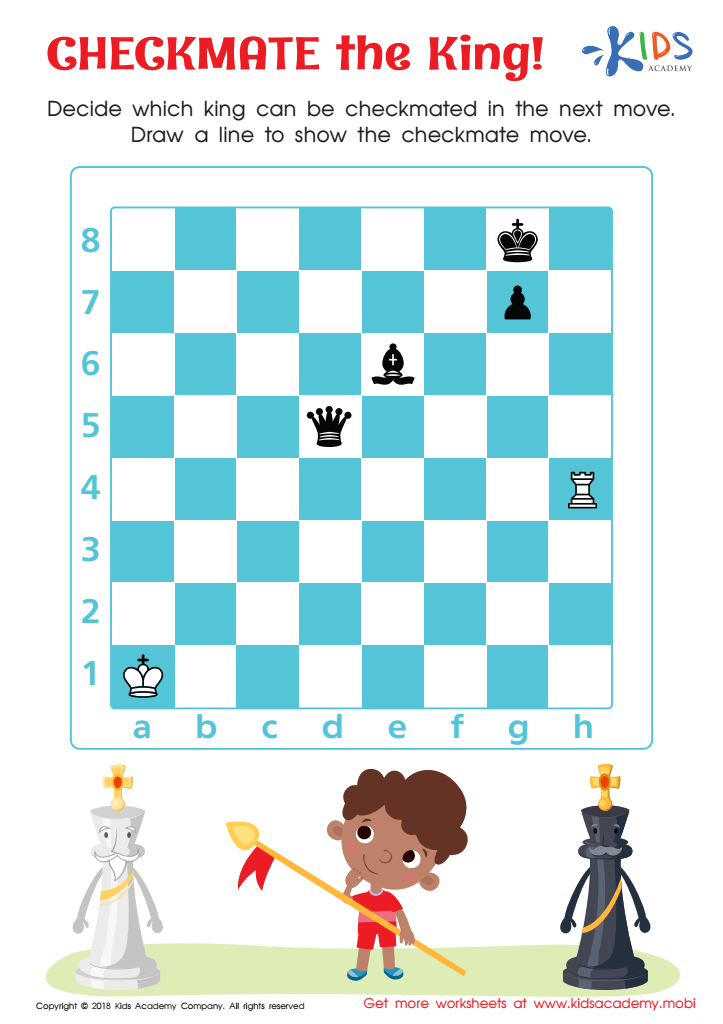
Checkmate the King Worksheet
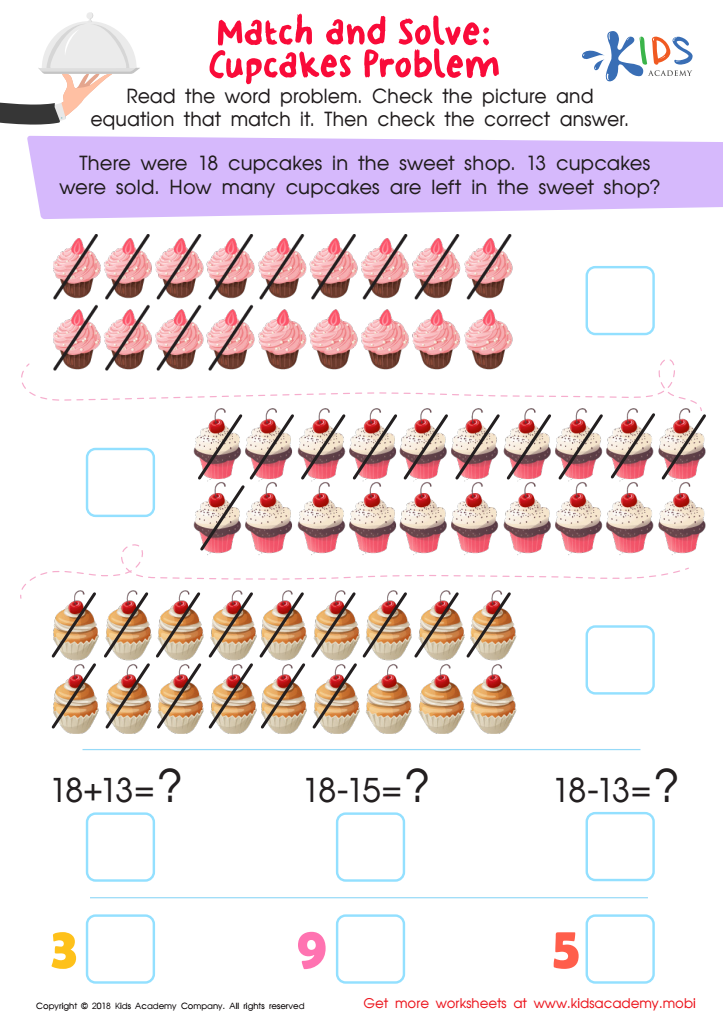
Match and Solve: Cupcakes Problem Worksheet
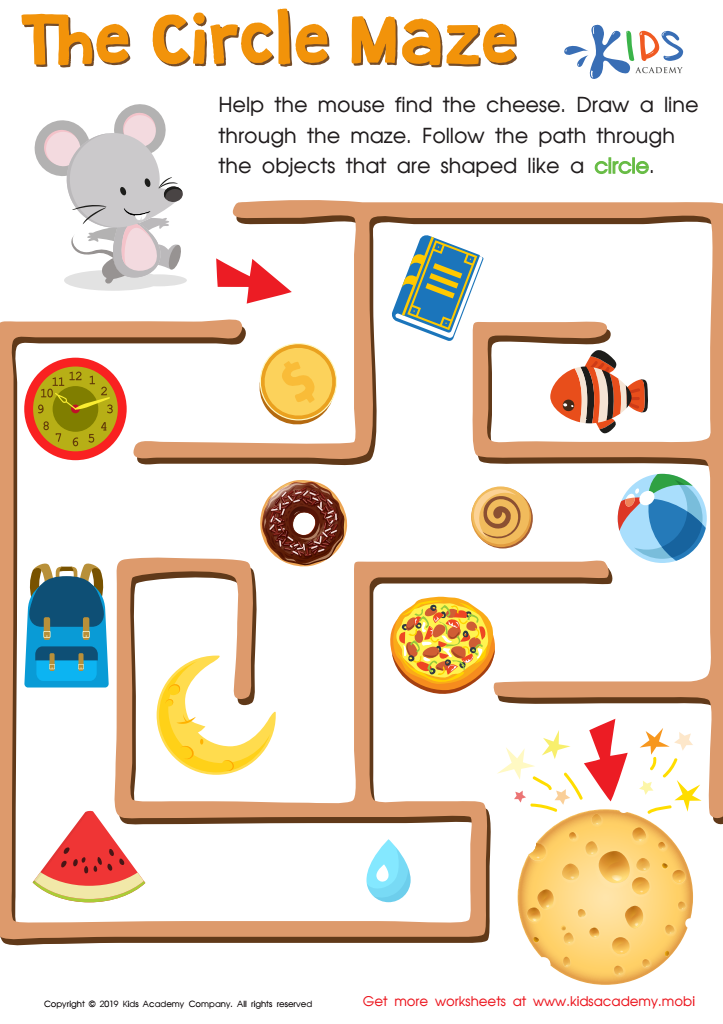
The Circle Maze Worksheet
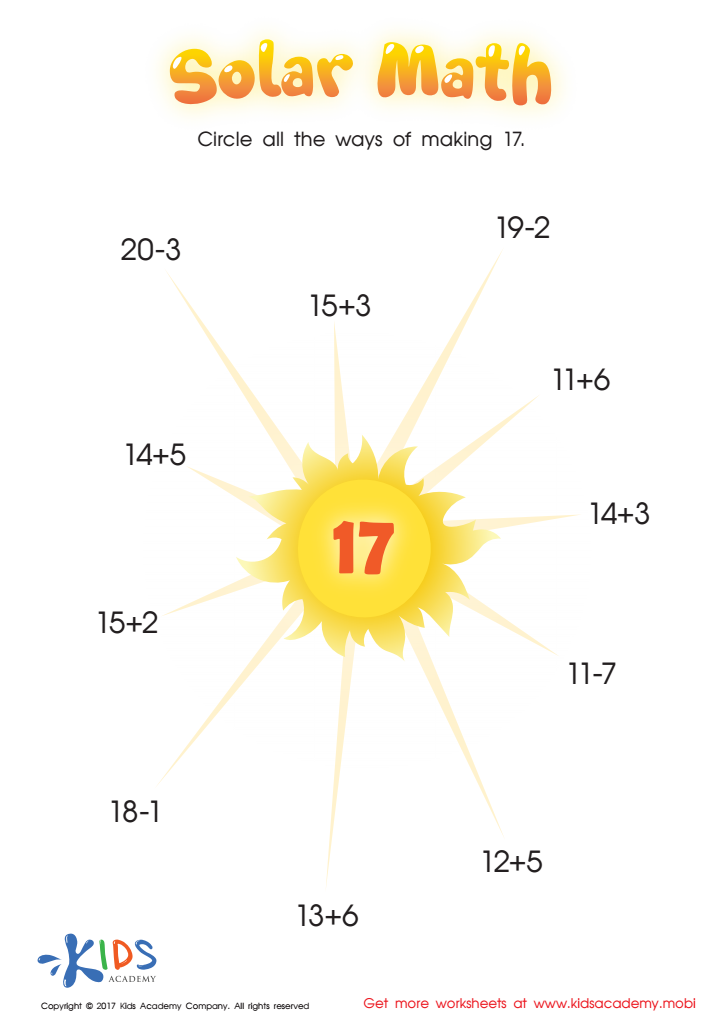
Solar Math Substraction Worksheet
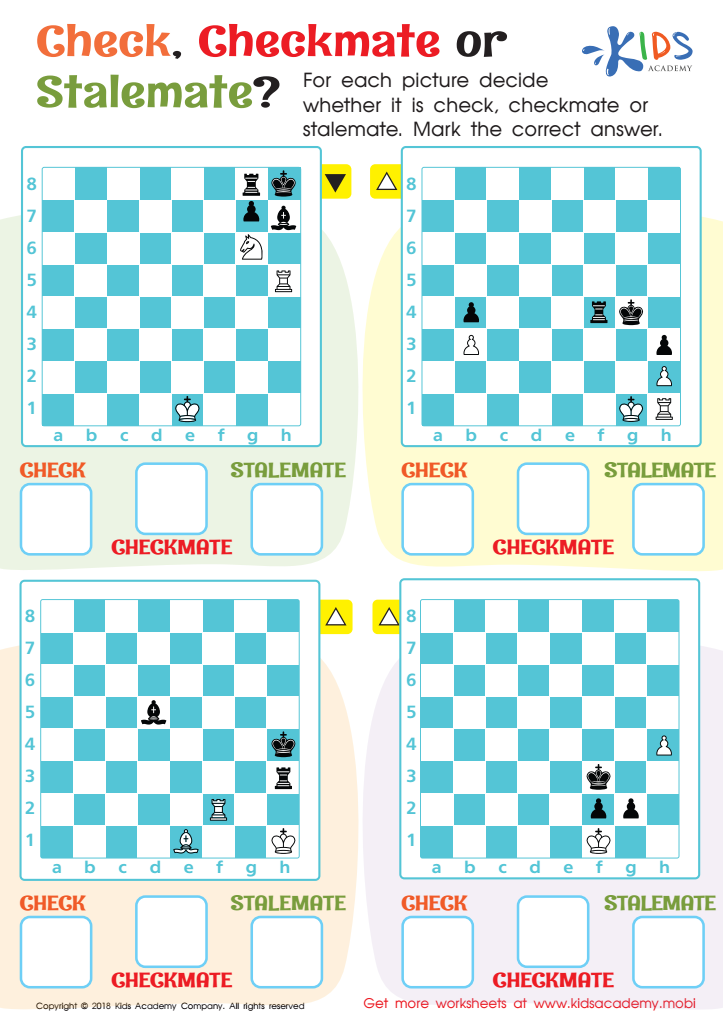
Check. Checkmate or Stalemate? Worksheet
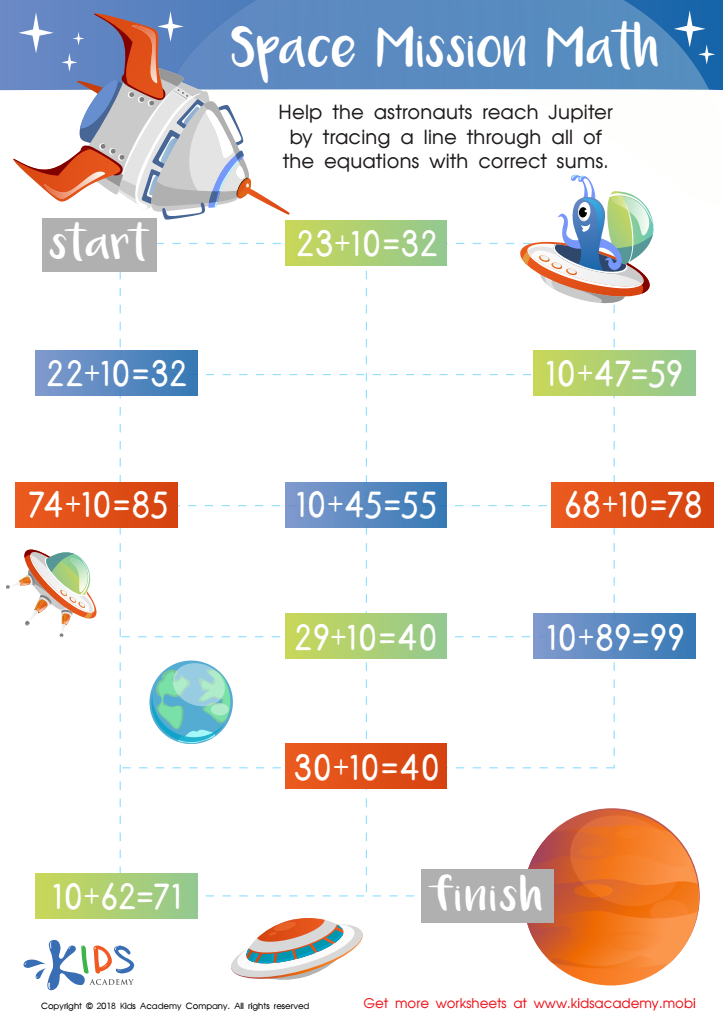
Space Mission Math Worksheet
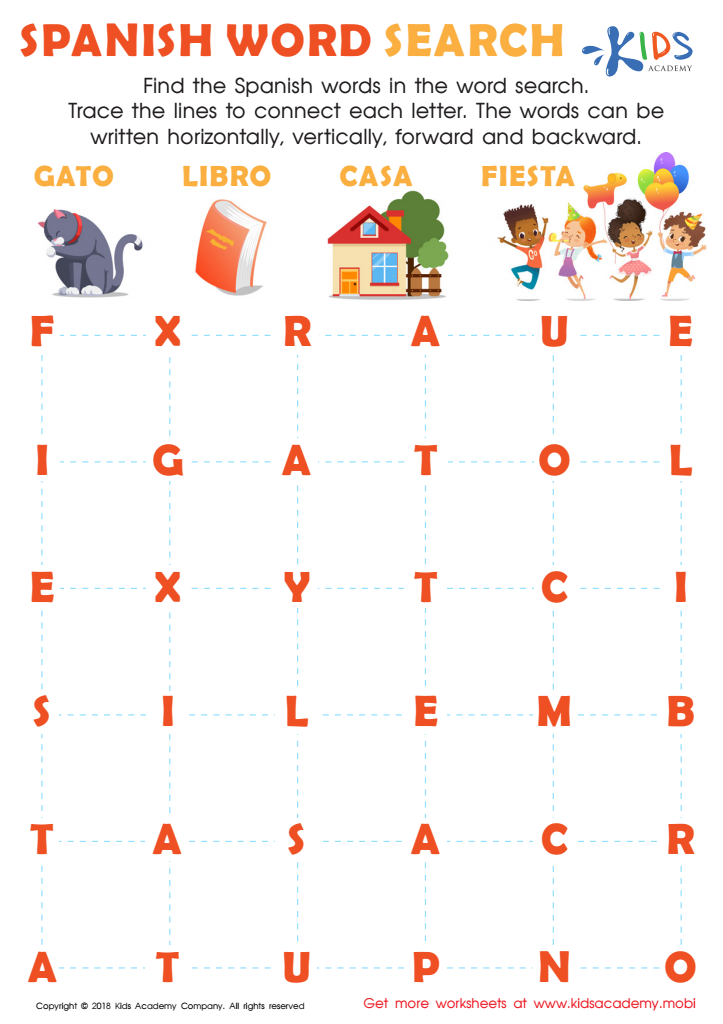
Spanish Word Search Worksheet
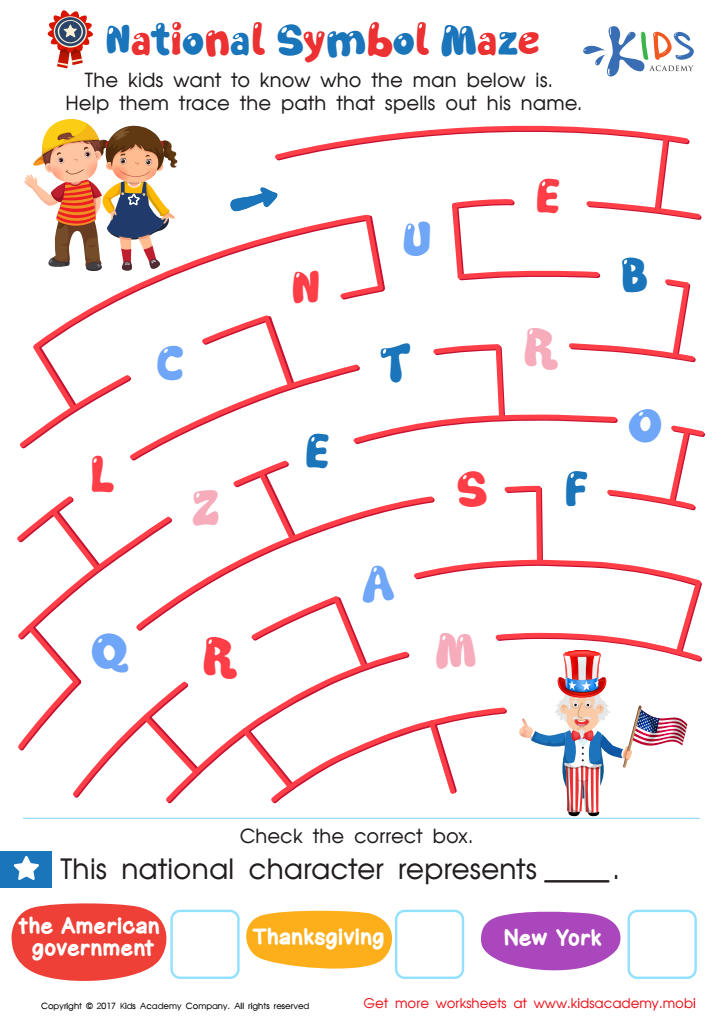
National Symbol Maze Worksheet
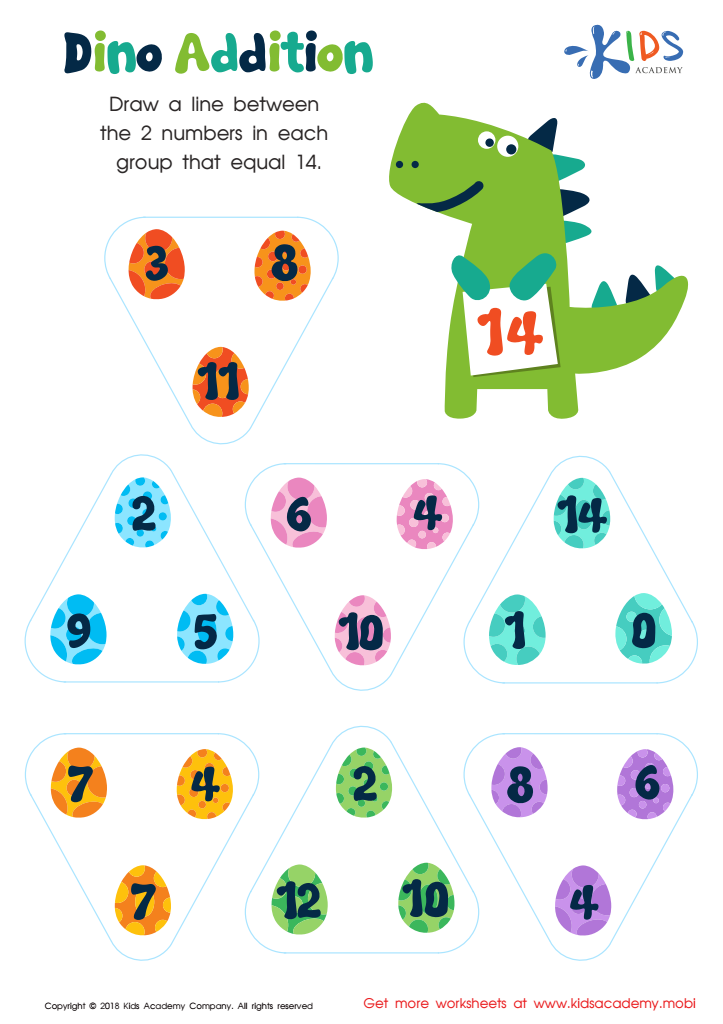
Dino Addition Worksheet
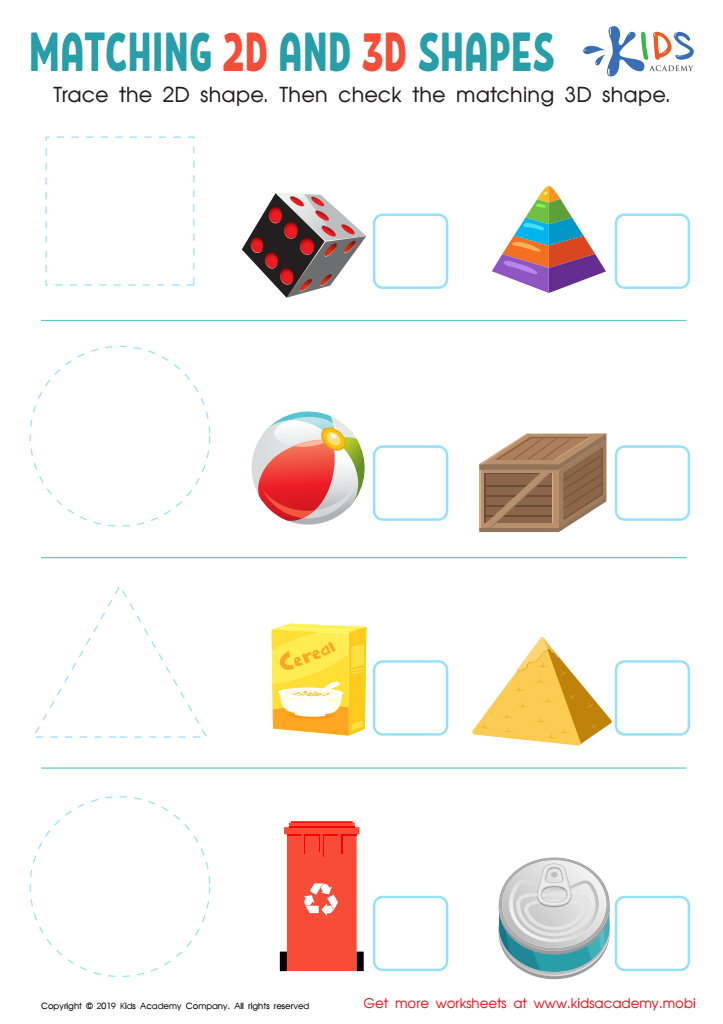
Matching 2D and 3D Shapes Worksheet
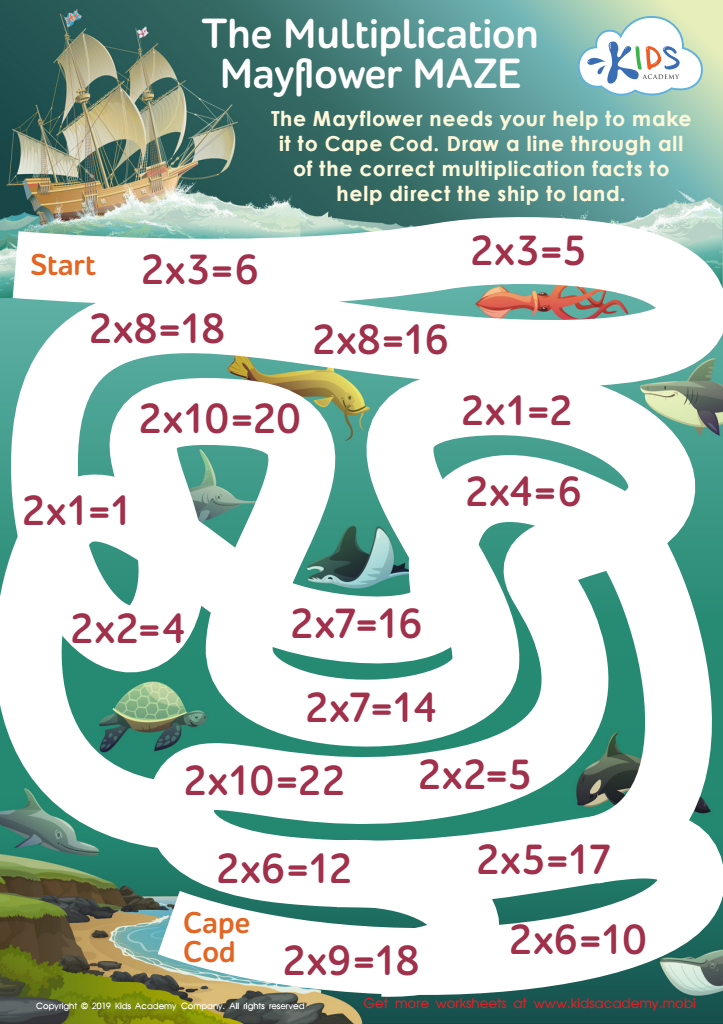
The Multiplication Mayflower Maze Worksheet
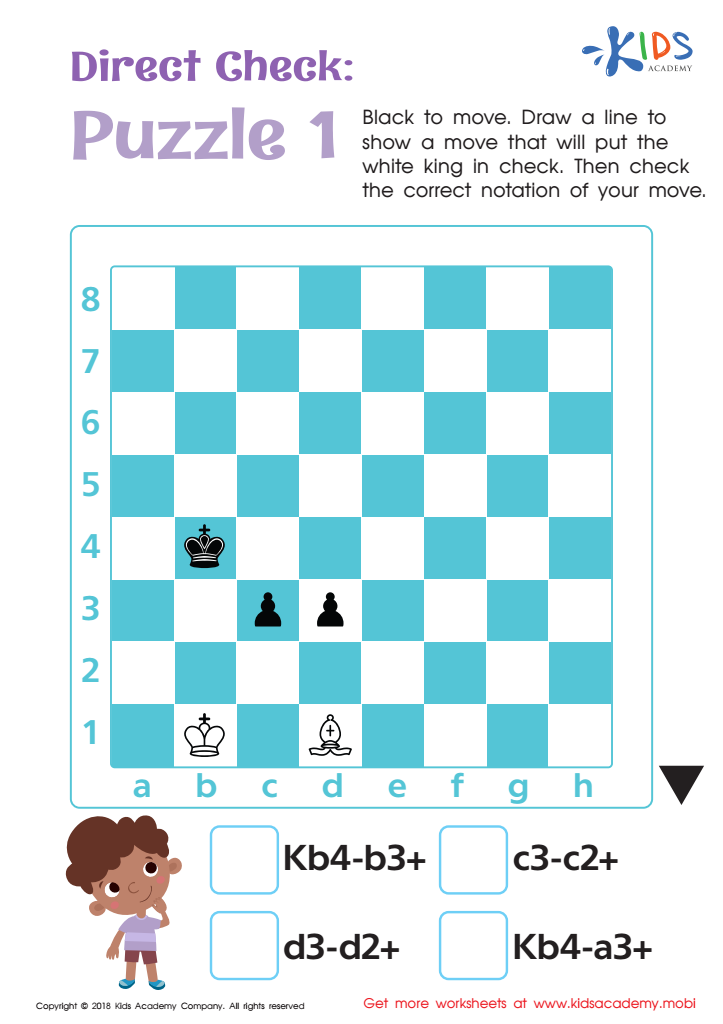
Direct Check: Puzzle 1 Worksheet

Leprechaun Maze Printable
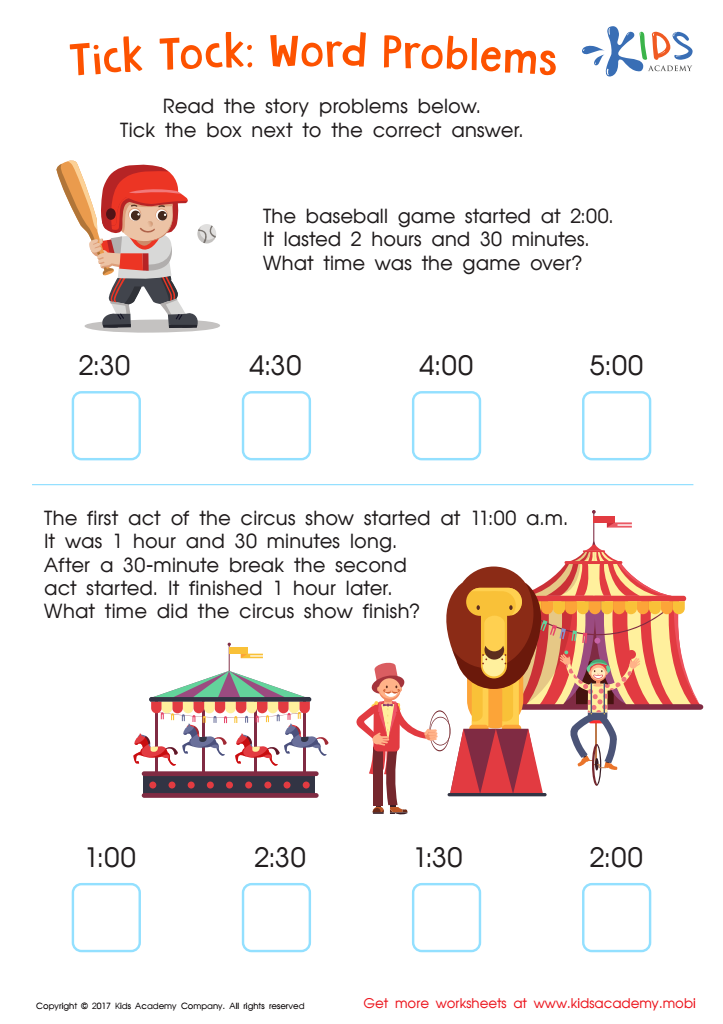
Tick Tock Word Problems Time Worksheet
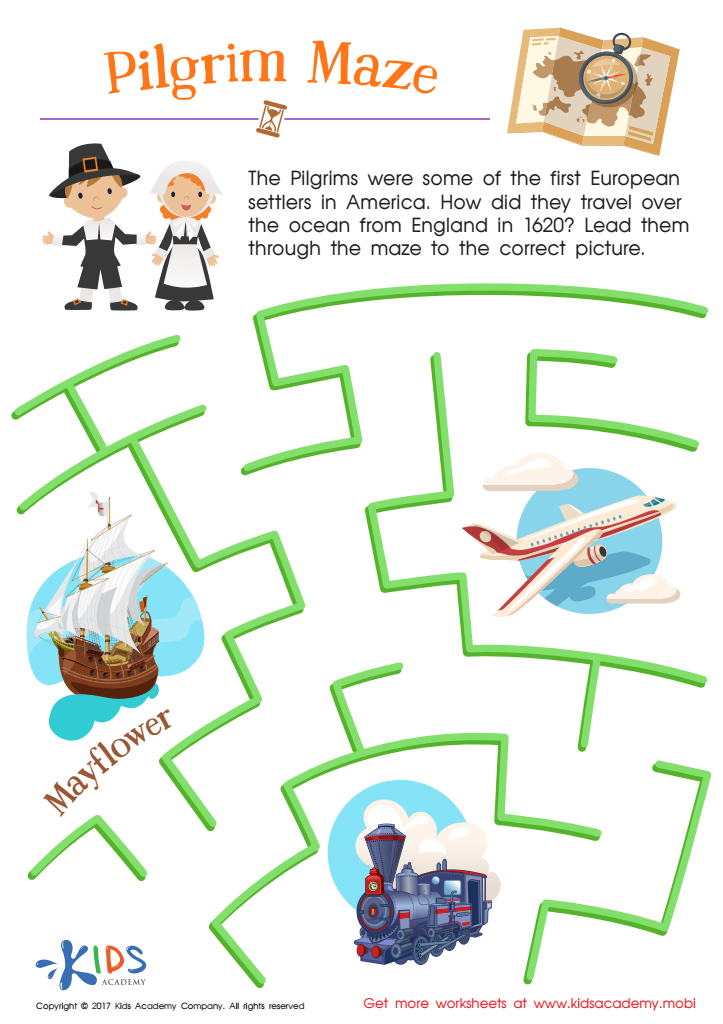
Pilgrim Maze Worksheet
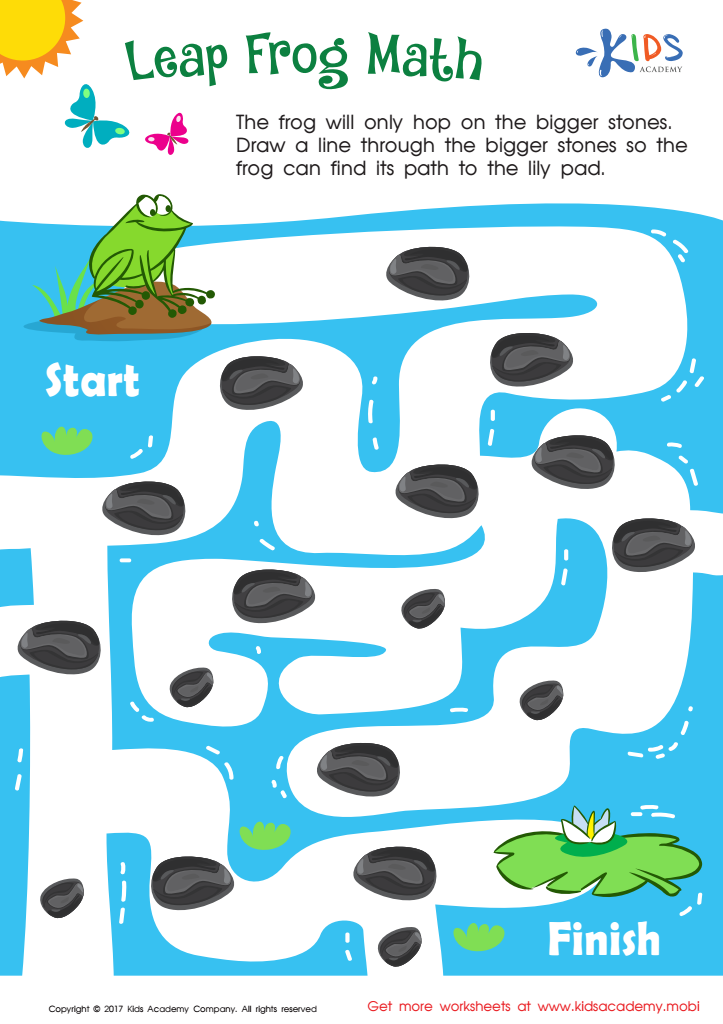
Math Puzzle Worksheet
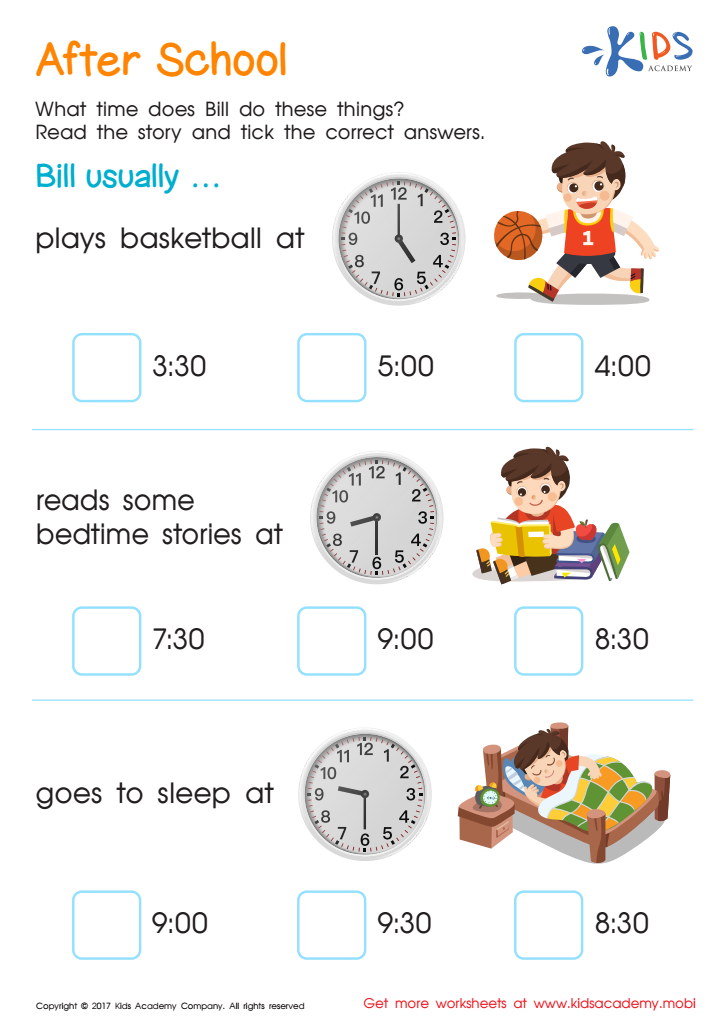
After School Time Printable
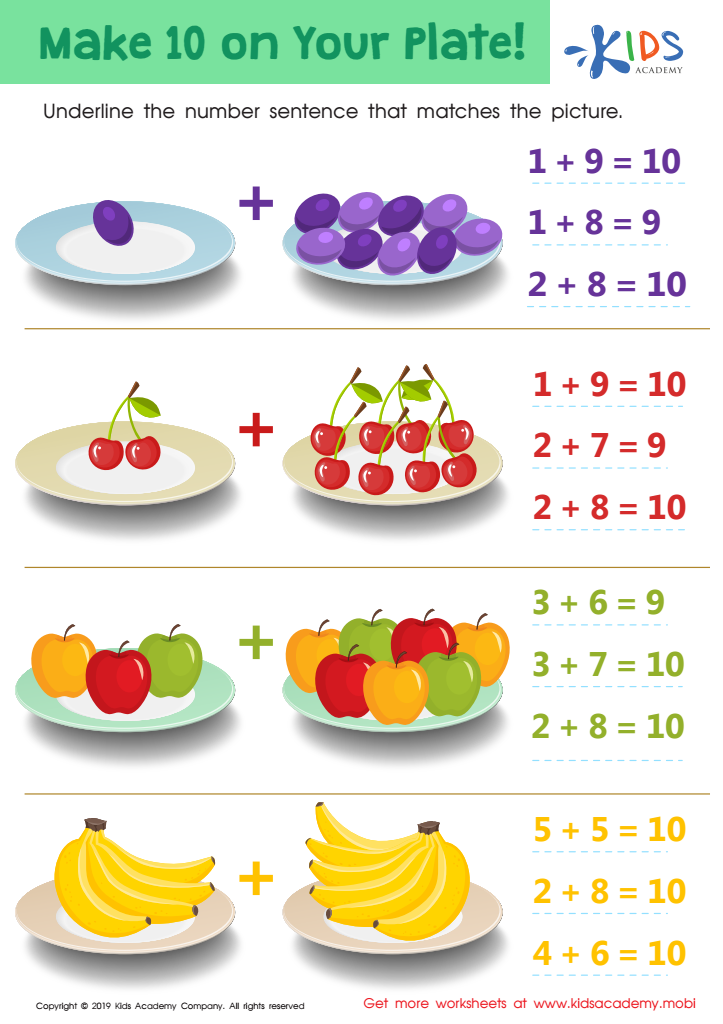
Make 10 on Your Plate! Worksheet
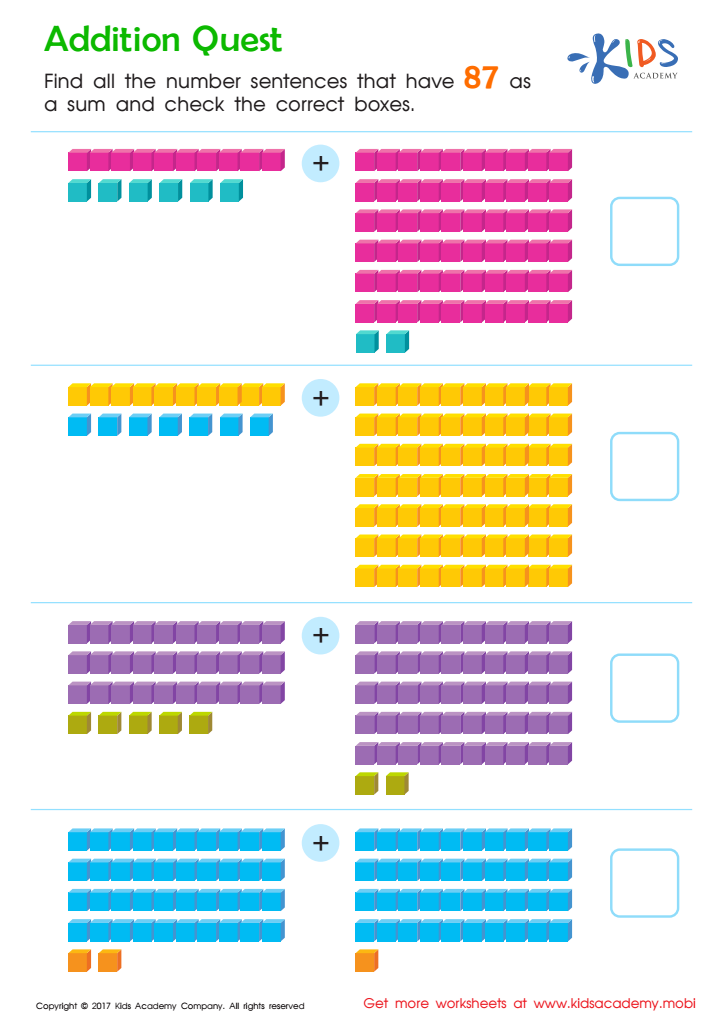
Addition Quest Worksheet: Part 1
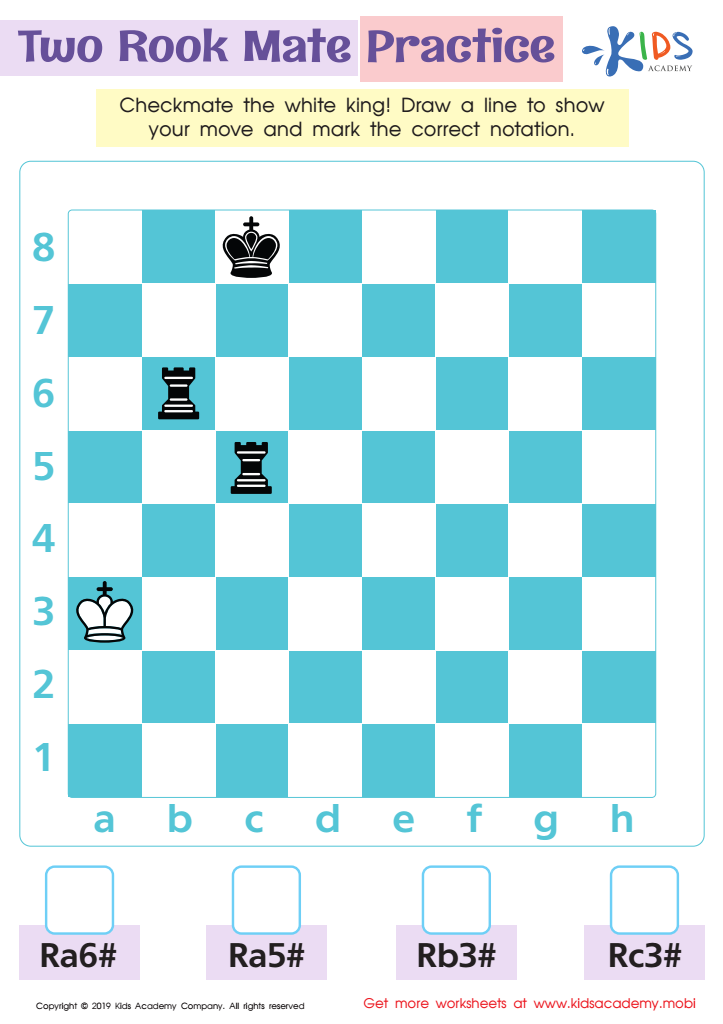
Two Rook Mate Practice Worksheet
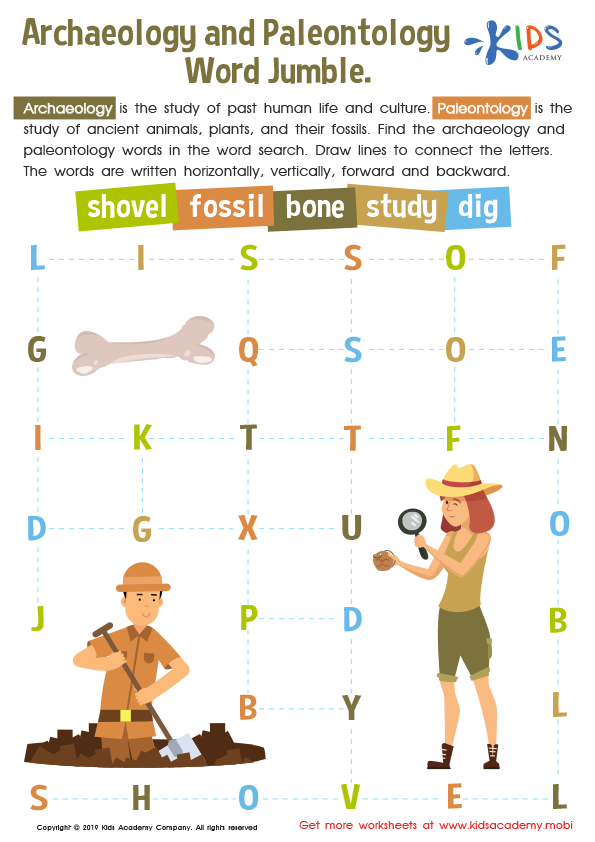
Archaeology and Paleontology Word Jumble Worksheet
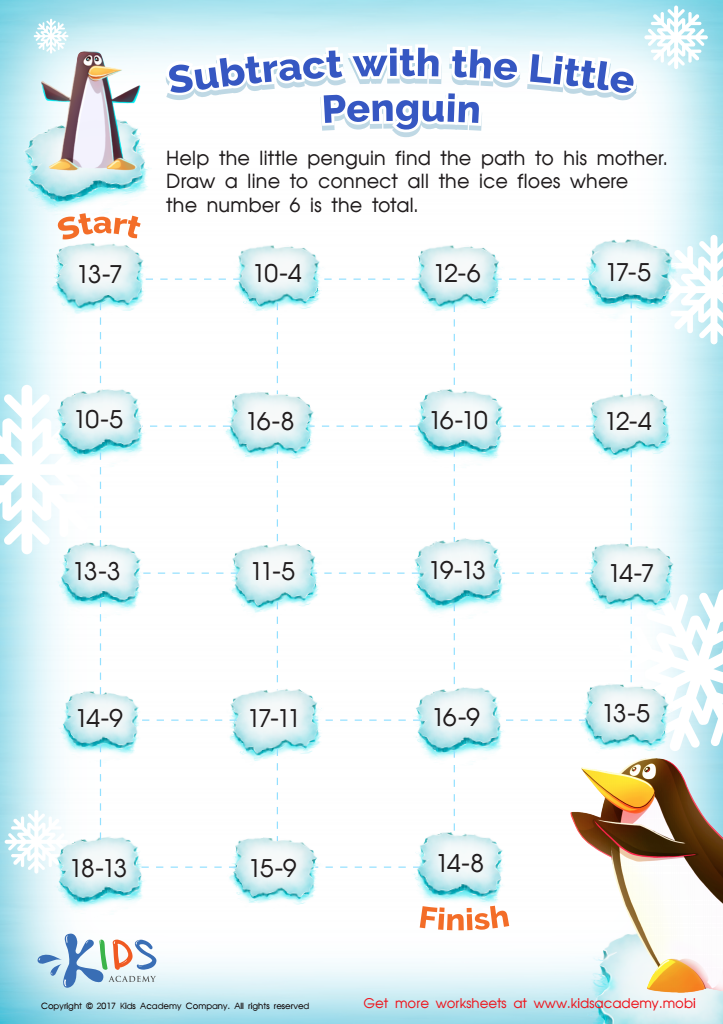
Subtract With The Little Penguin Substraction Worksheet





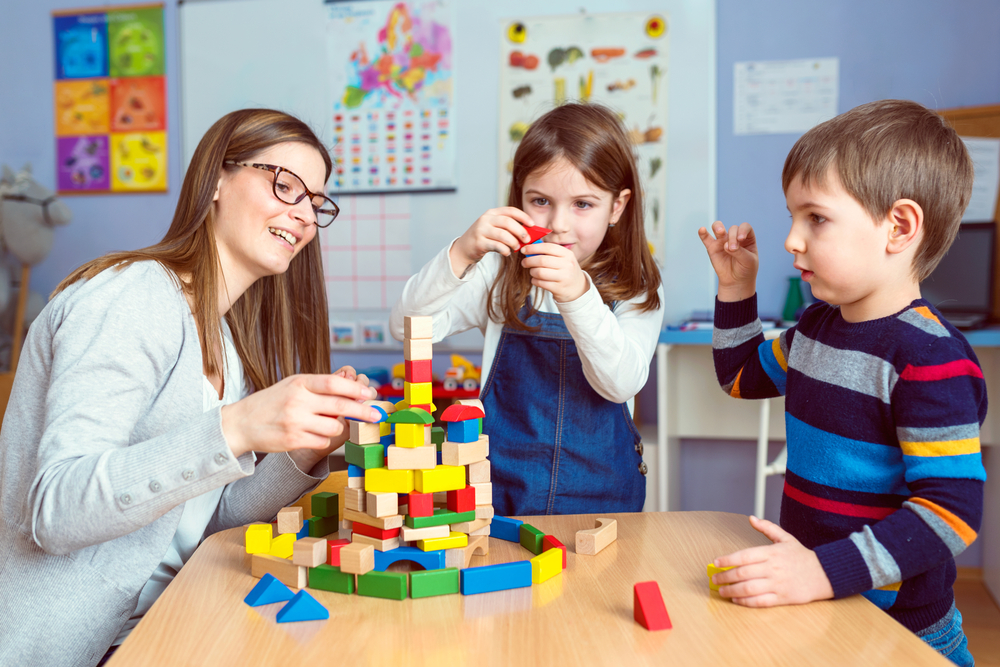


Parents and teachers should prioritize Problem-Solving Skills Extra Challenge for children aged 6-8 because these skills are foundational for lifelong learning and development. At this age, children are naturally curious and willing to explore, making it the perfect time to cultivate critical thinking abilities. Engaging in problem-solving activities enhances cognitive development, allowing children to learn how to approach challenges, analyze situations, and make decisions effectively.
Moreover, developing problem-solving skills fosters creativity and resilience. As children tackle various problems, they learn to think outside the box and develop multiple solutions, nurturing their innovative thinking. Additionally, encountering and overcoming difficulties builds perseverance and a growth mindset, essential traits for success in all areas of life.
Furthermore, in an increasingly complex world, these skills are vital for effective communication and collaboration. Children are often required to work in teams, and reinforcing problem-solving skills equips them with the ability to negotiate, share ideas, and respect diverse viewpoints.
Ultimately, prioritizing problem-solving in early education lays a foundation for future academic success and prepares children for real-world challenges. It empowers young learners to become independent thinkers, ready to navigate an ever-evolving society with confidence and competence.








