Number Sequencing Extra Challenge Worksheets for Ages 6-9
10 filtered results
-
From - To
Discover our "Number Sequencing Extra Challenge Worksheets for Ages 6-9," designed to engage young learners and boost their math skills. These worksheets offer a fun and interactive way to help children practice their number sequencing abilities, reinforcing their understanding of patterns and numerical order. Each activity challenges kids with various exercises that encourage critical thinking and problem-solving. Perfect for use at home or in the classroom, these extra challenges cater to different learning styles and abilities. Enhance your child’s comprehension and confidence in math with our carefully crafted worksheets that promote a love for learning while developing essential skills.
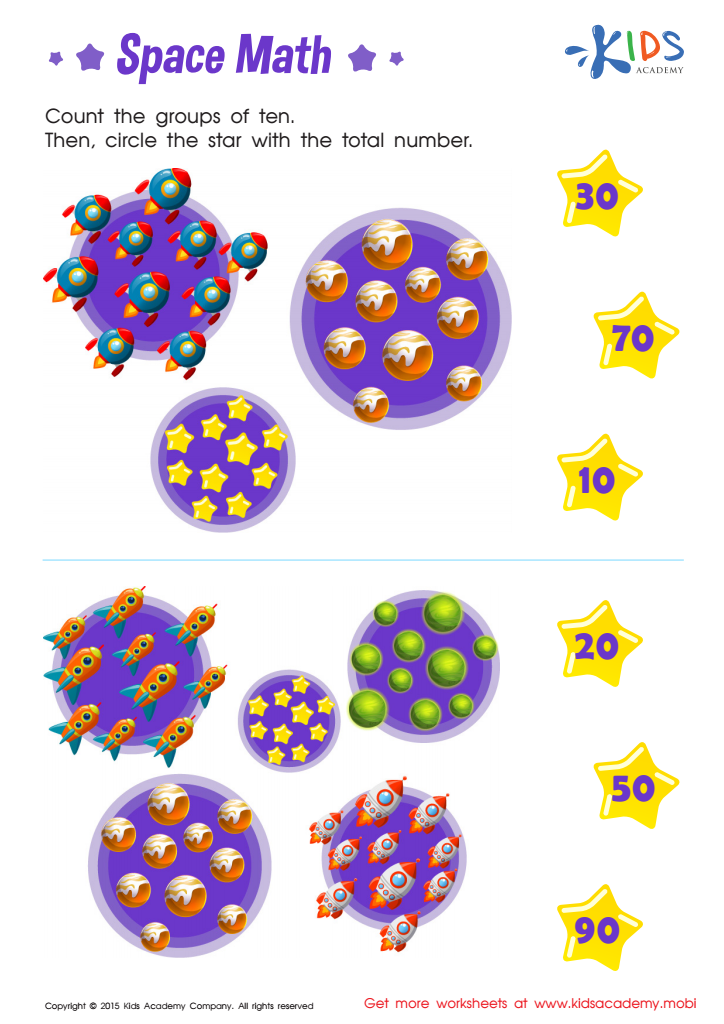
Learn dozens: Space math Worksheet
 Assign to My Students
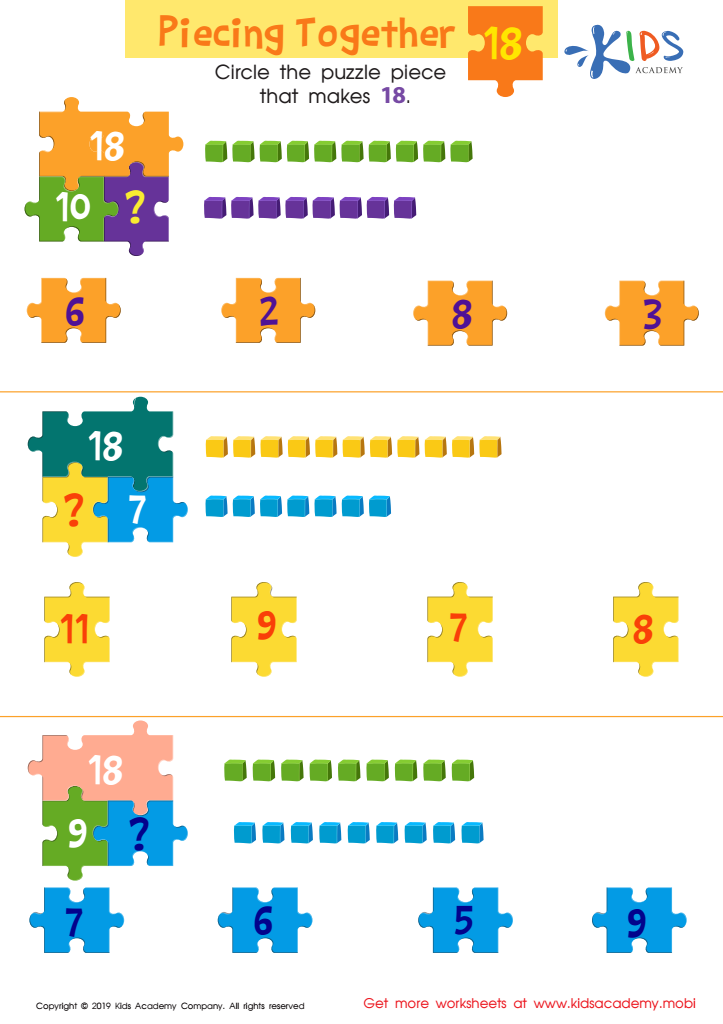
Piecing Together 18 Worksheet
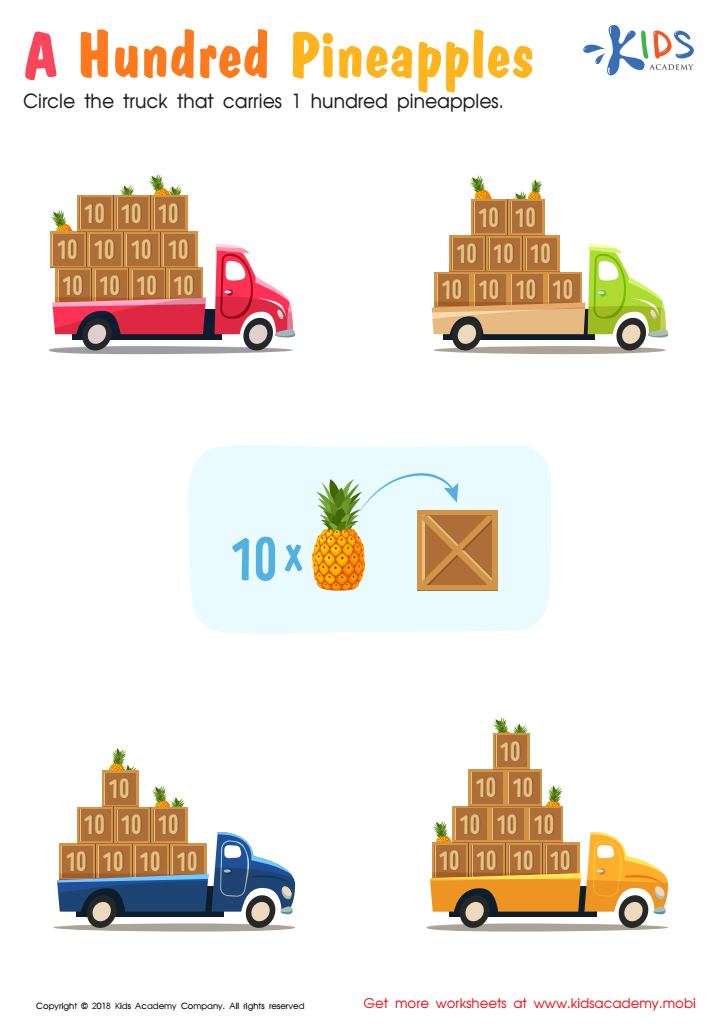
A Hundred Pineapples Worksheet
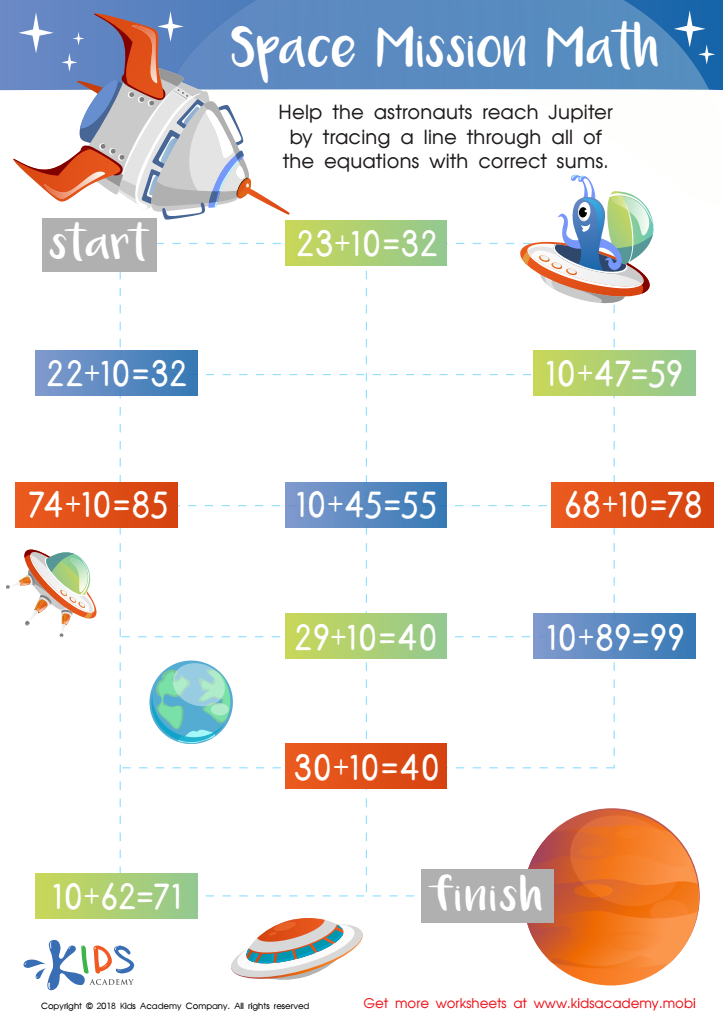
Space Mission Math Worksheet
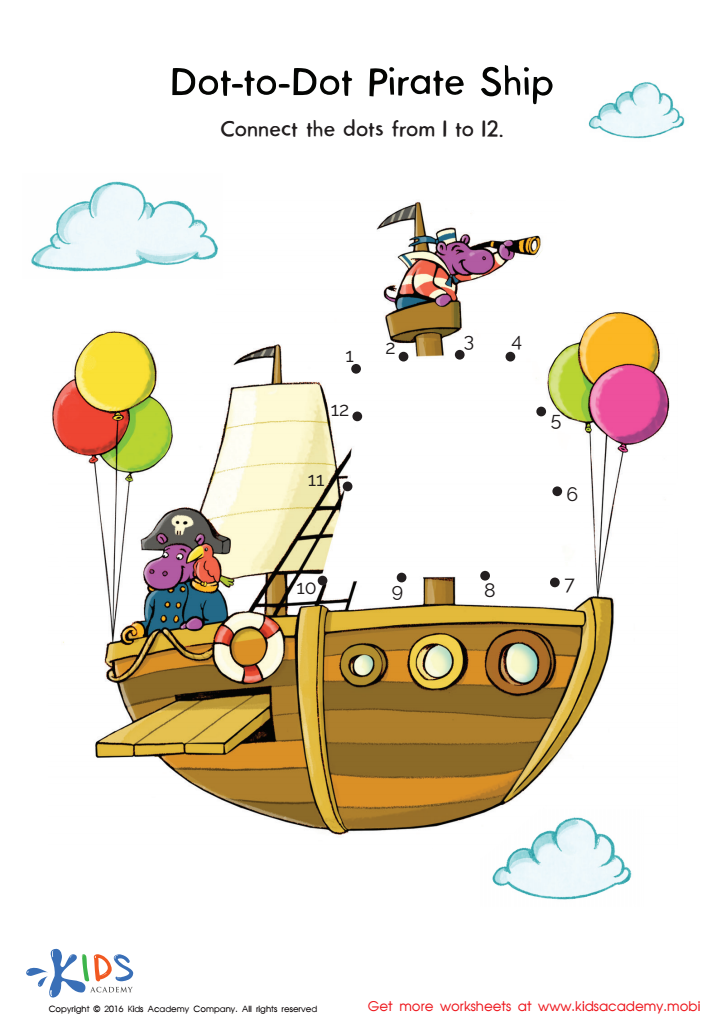
Pirate Ship Connect Dots Worksheet
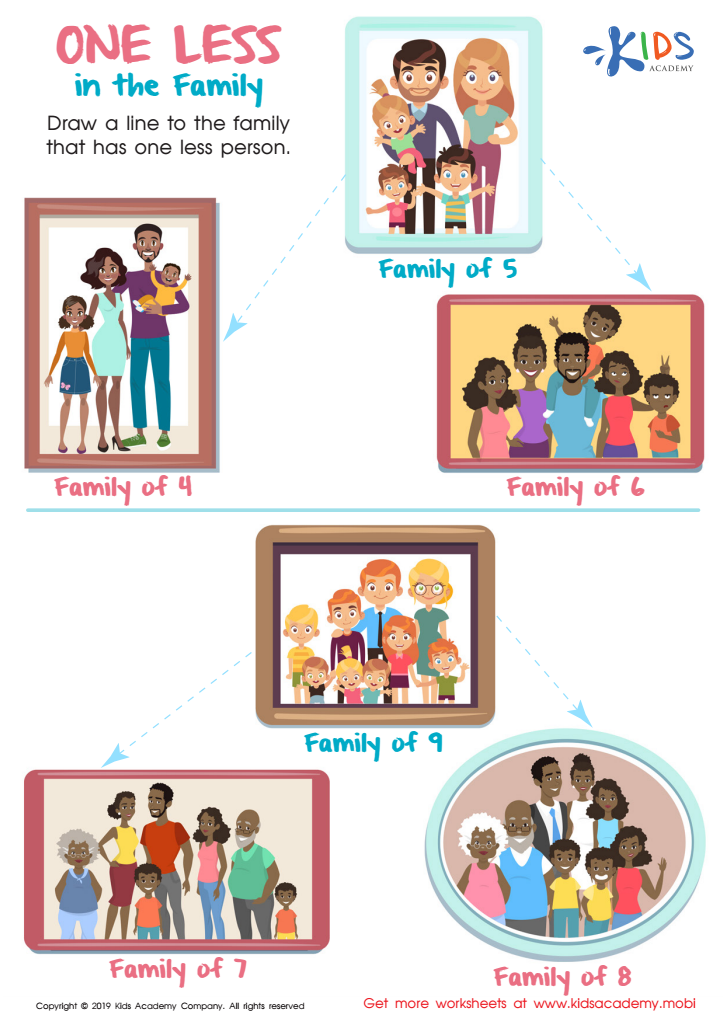
One Less in the Family Worksheet
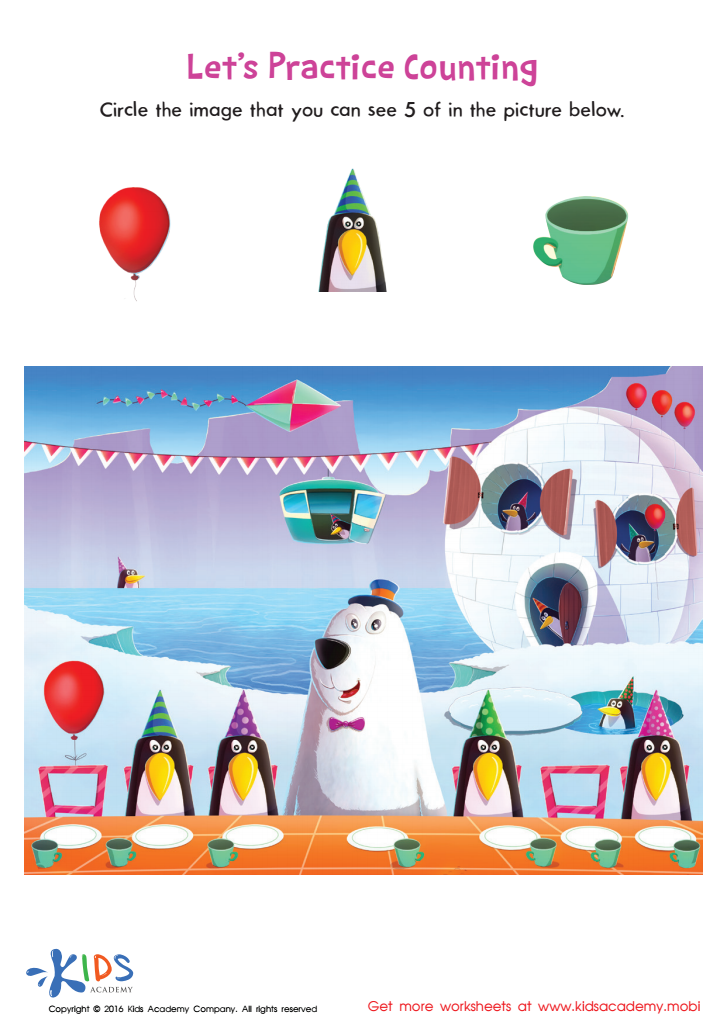
Counting Worksheet: Let's Practice Counting
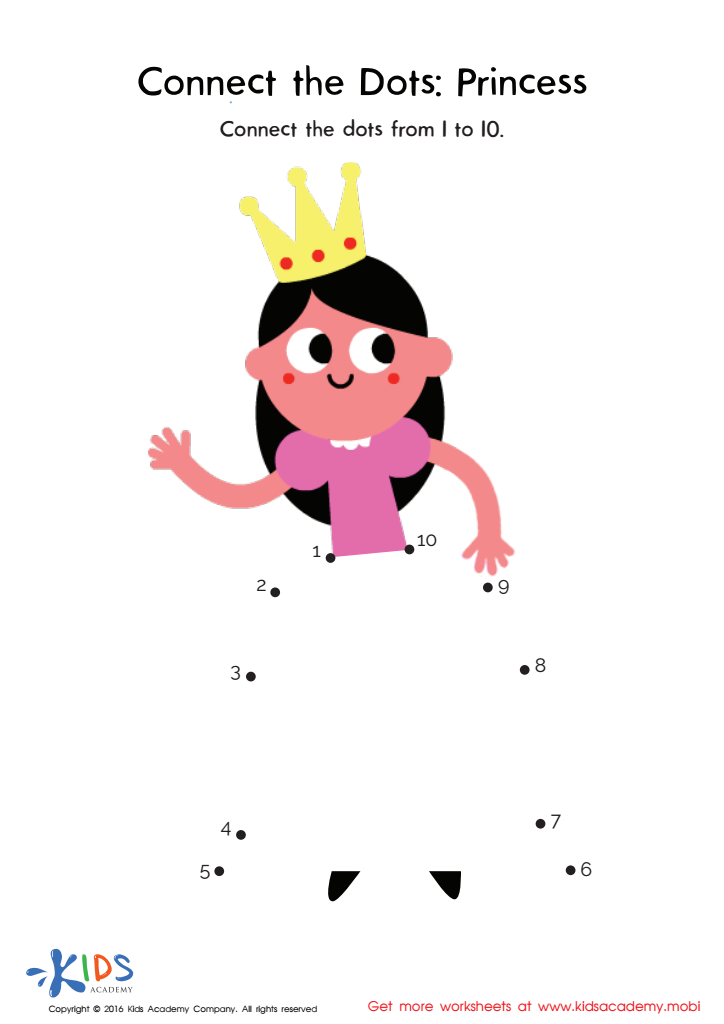
Princess Connect Dots Worksheet







Number Sequencing Extra Challenge activities for children aged 6-9 are essential for several reasons. First, these tasks enhance a child’s understanding of numerical patterns and order, fostering strong foundational math skills. By mastering number sequences, children develop logical thinking and problem-solving abilities, which are critical competencies in both academic and everyday situations.
Parents and teachers should also recognize the developmental benefits; engaging children with sequencing challenges can help improve cognitive skills such as memory, attention, and spatial awareness. Additionally, these activities entertain children, making learning enjoyable and interactive, which is crucial for maintaining their interest in mathematics.
Furthermore, number sequencing challenges can facilitate discussions about strategy and reasoning, allowing children to articulate their thought processes, thereby enhancing language and communication skills.
Lastly, cultivating a strong sense of number sense and sequencing helps prepare children for advanced mathematical concepts in the future, such as addition, subtraction, and even multiplication. By incorporating Number Sequencing Extra Challenge activities into the learning environment, parents and teachers play a pivotal role in building confidence, fostering a love for math, and supporting holistic development in children during these formative years.








