Problem-Solving Skills Extra Challenge Worksheets for 8-Year-Olds - Page 2
41 filtered results
-
From - To
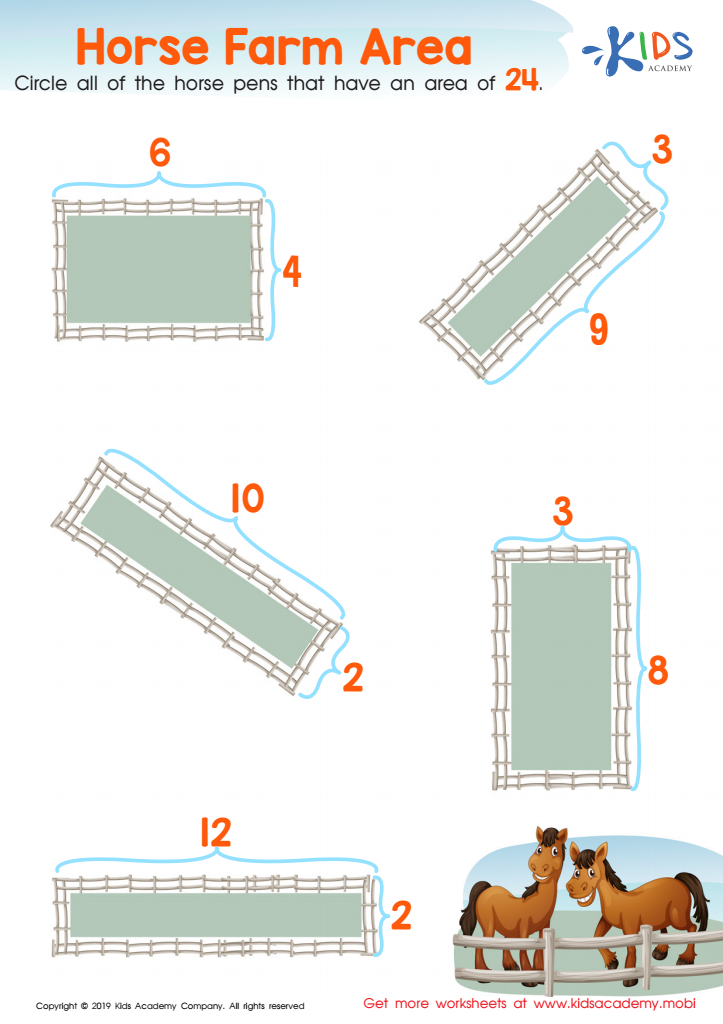
Horse Farm Area Worksheet
 Assign to My Students
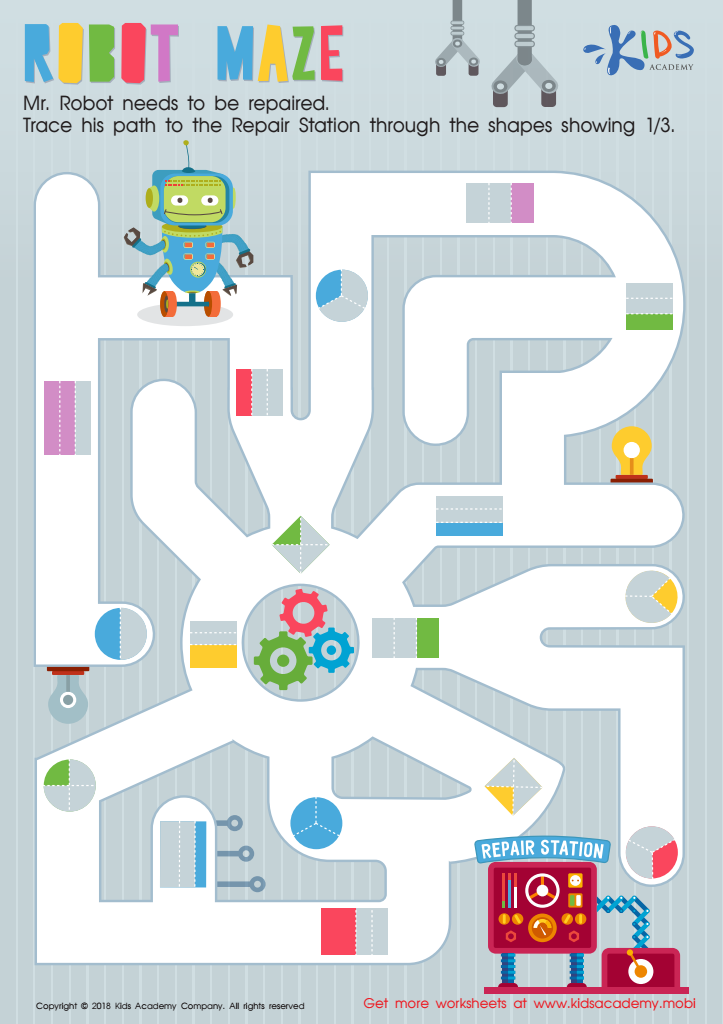
Robot Maze Worksheet
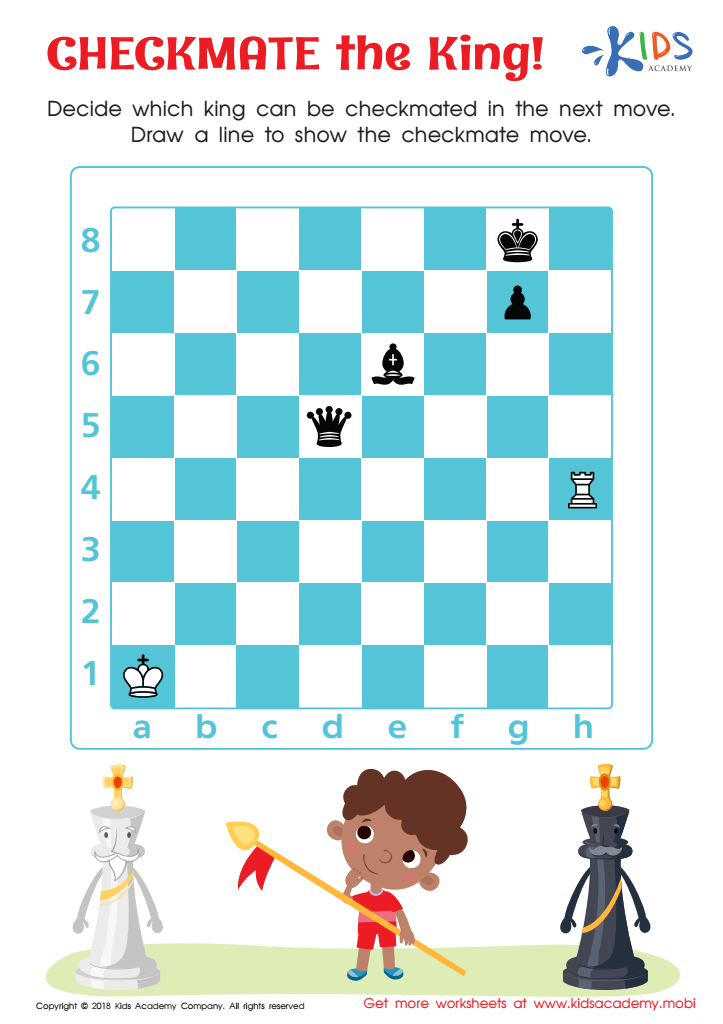
Checkmate the King Worksheet
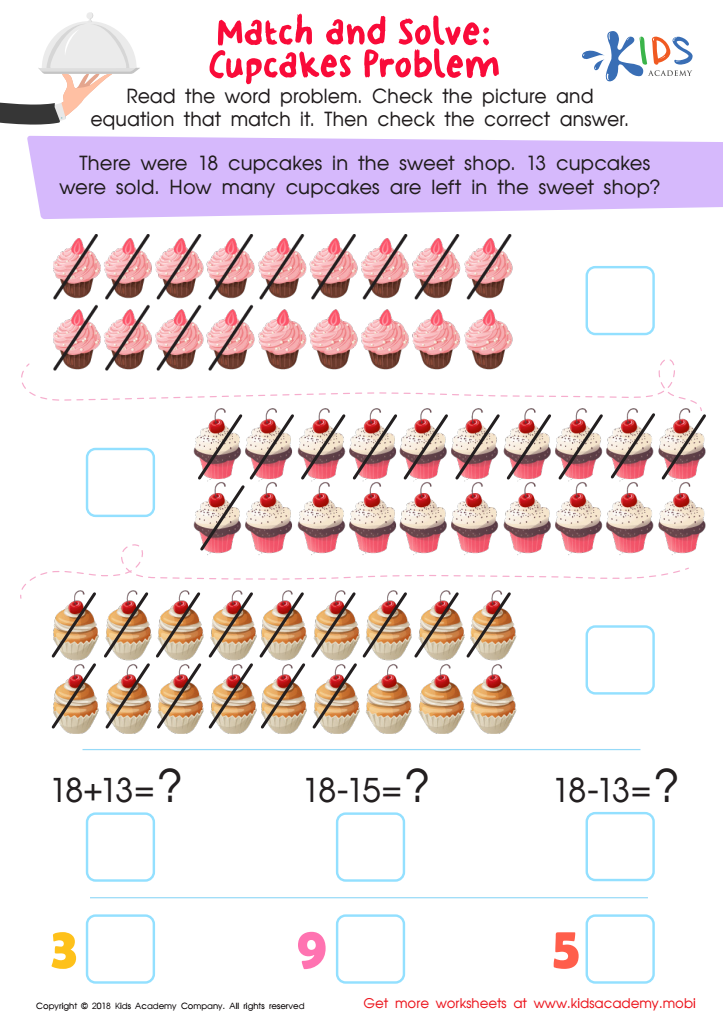
Match and Solve: Cupcakes Problem Worksheet
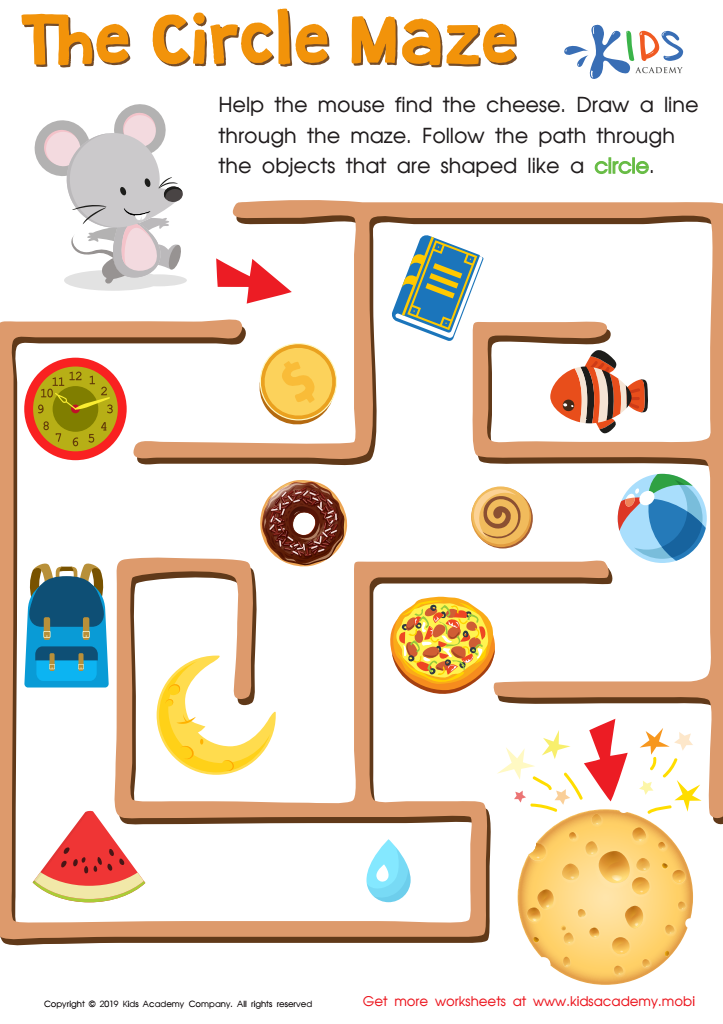
The Circle Maze Worksheet
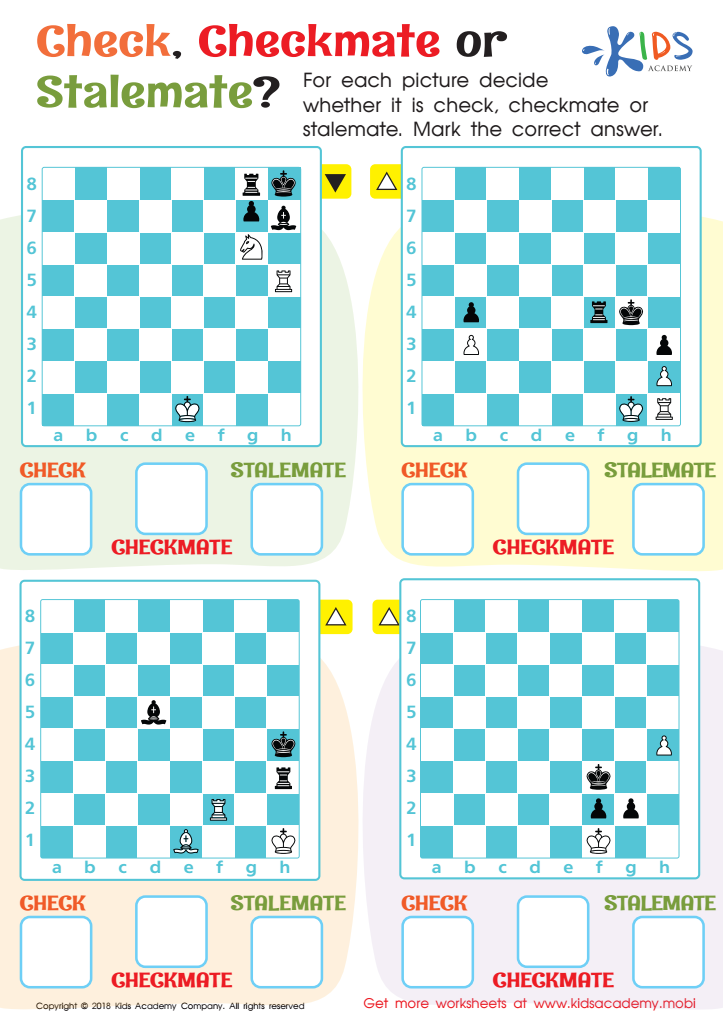
Check. Checkmate or Stalemate? Worksheet
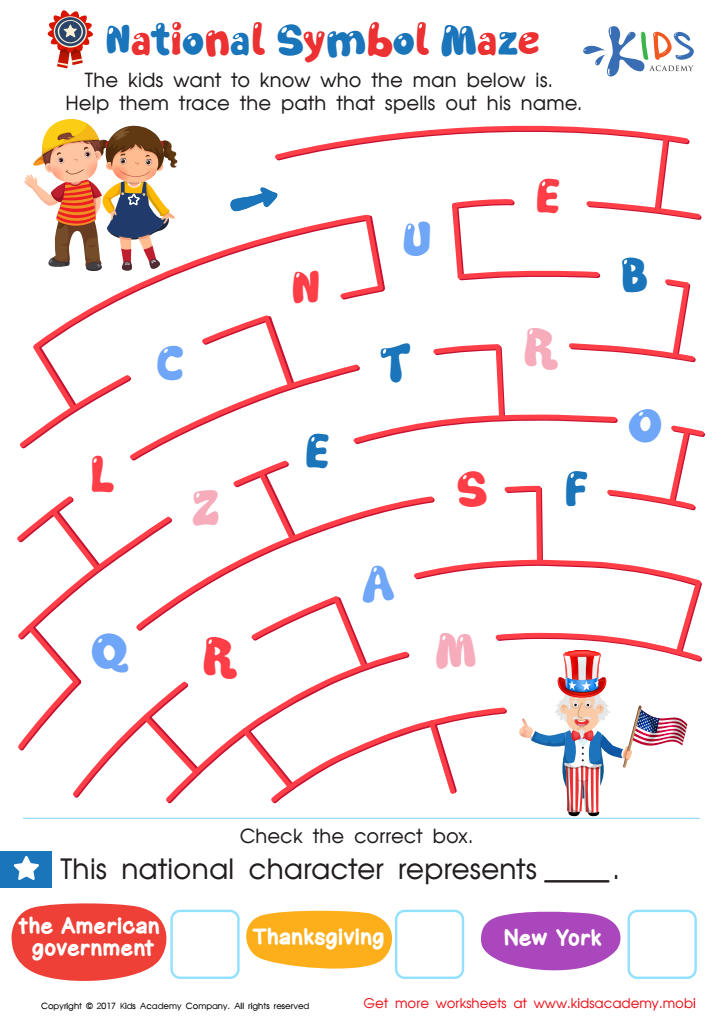
National Symbol Maze Worksheet
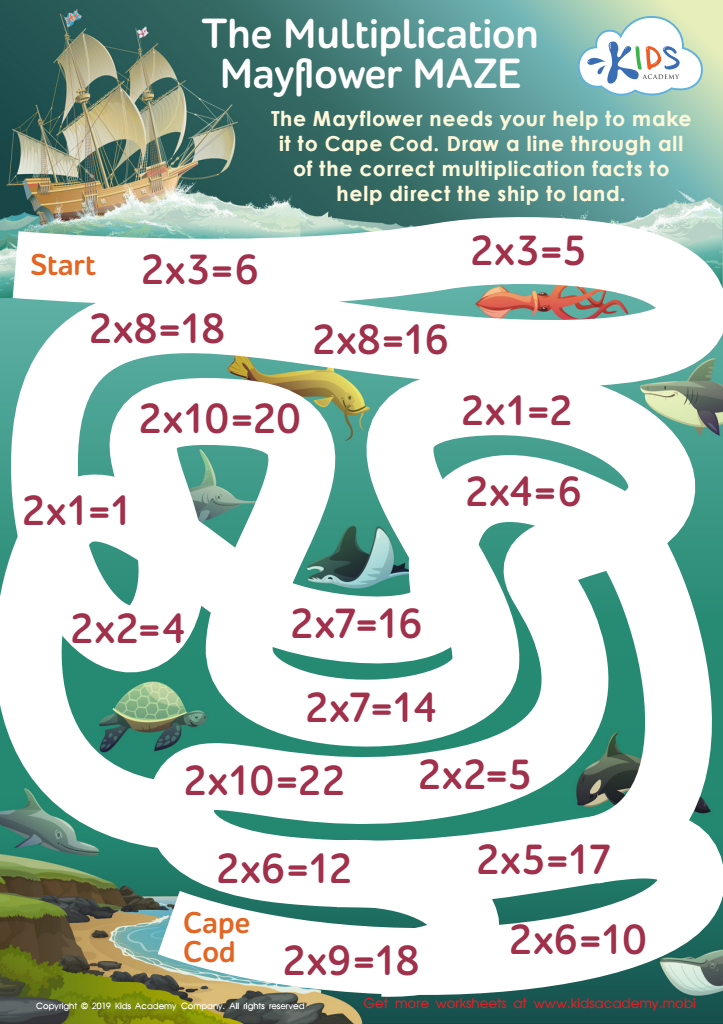
The Multiplication Mayflower Maze Worksheet
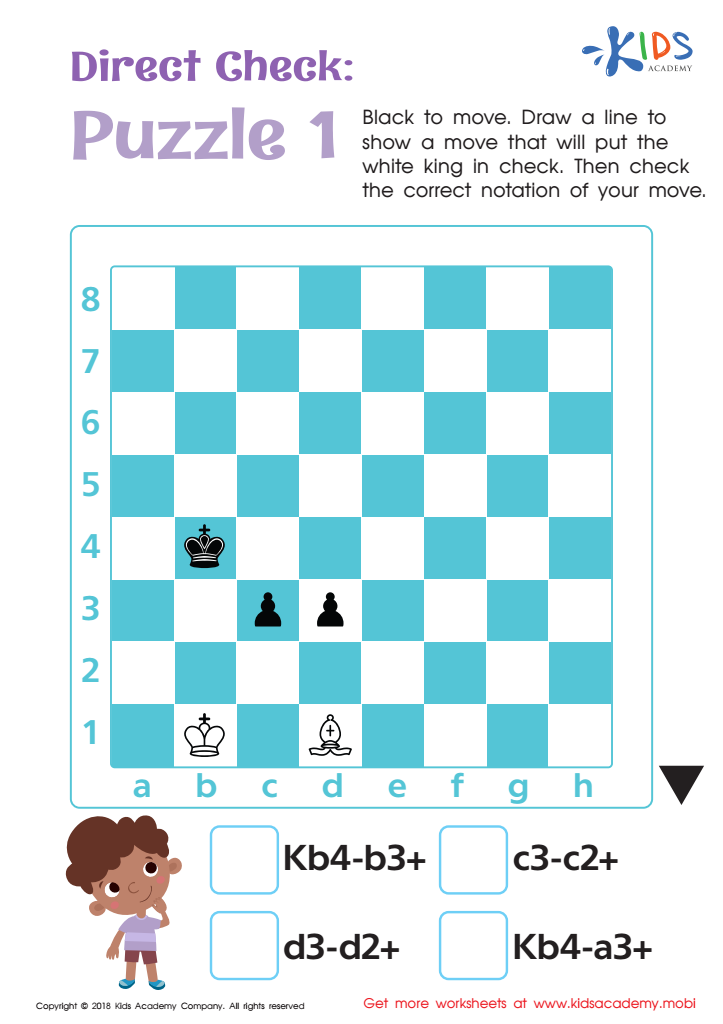
Direct Check: Puzzle 1 Worksheet
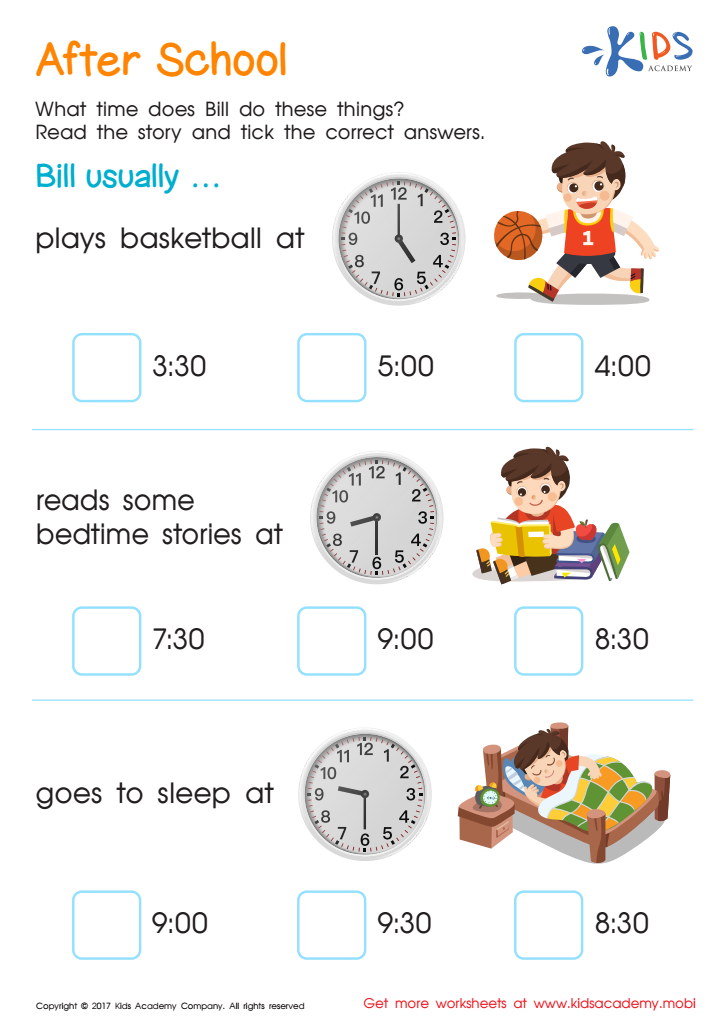
After School Time Printable
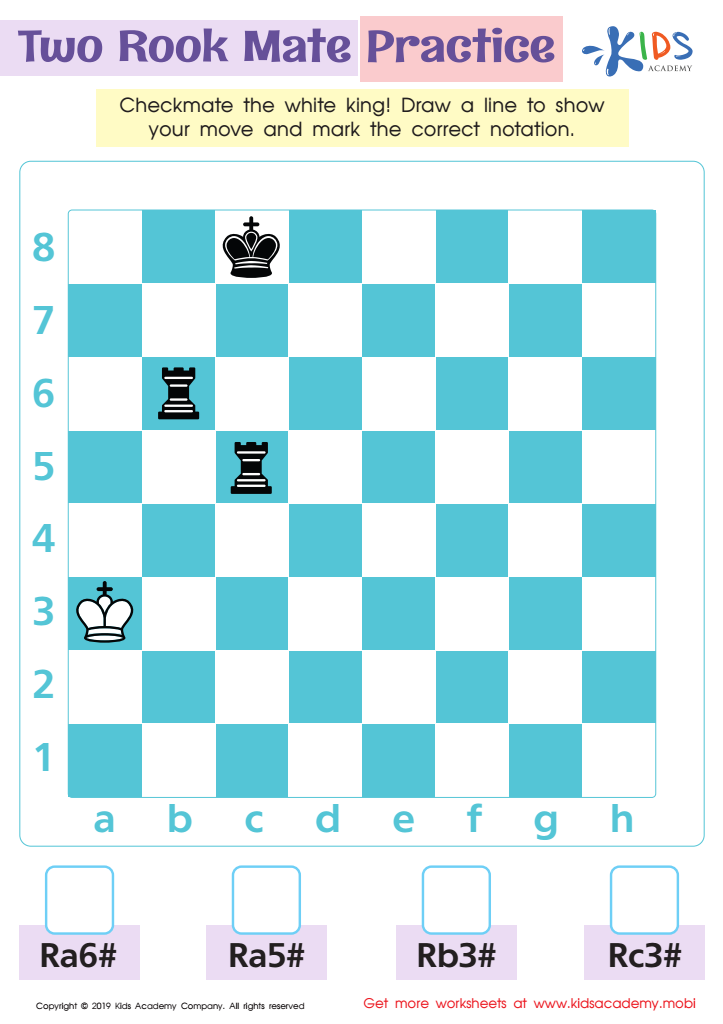
Two Rook Mate Practice Worksheet
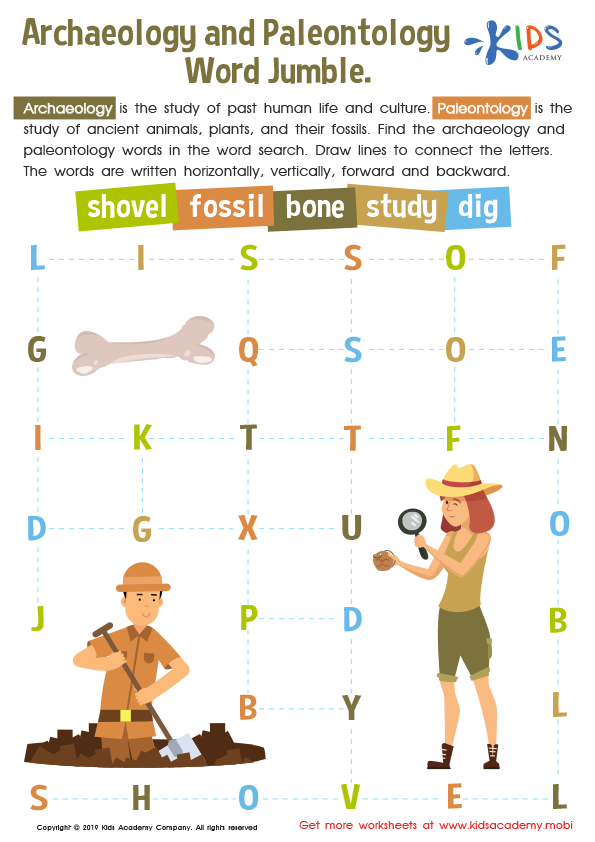
Archaeology and Paleontology Word Jumble Worksheet
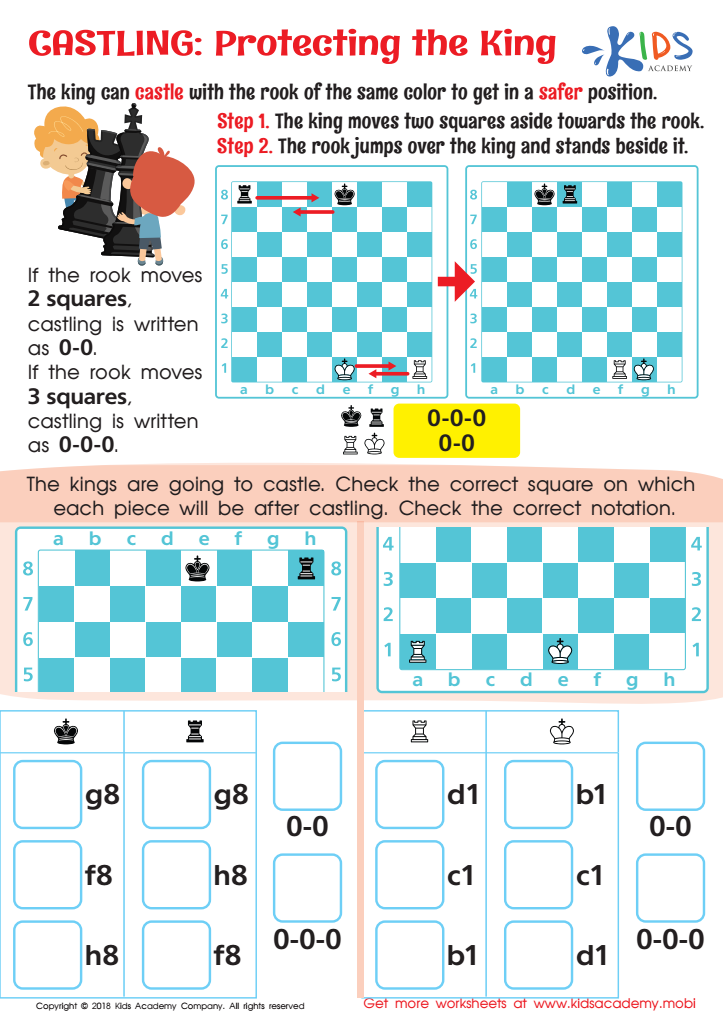
Castling: Protecting the King Worksheet
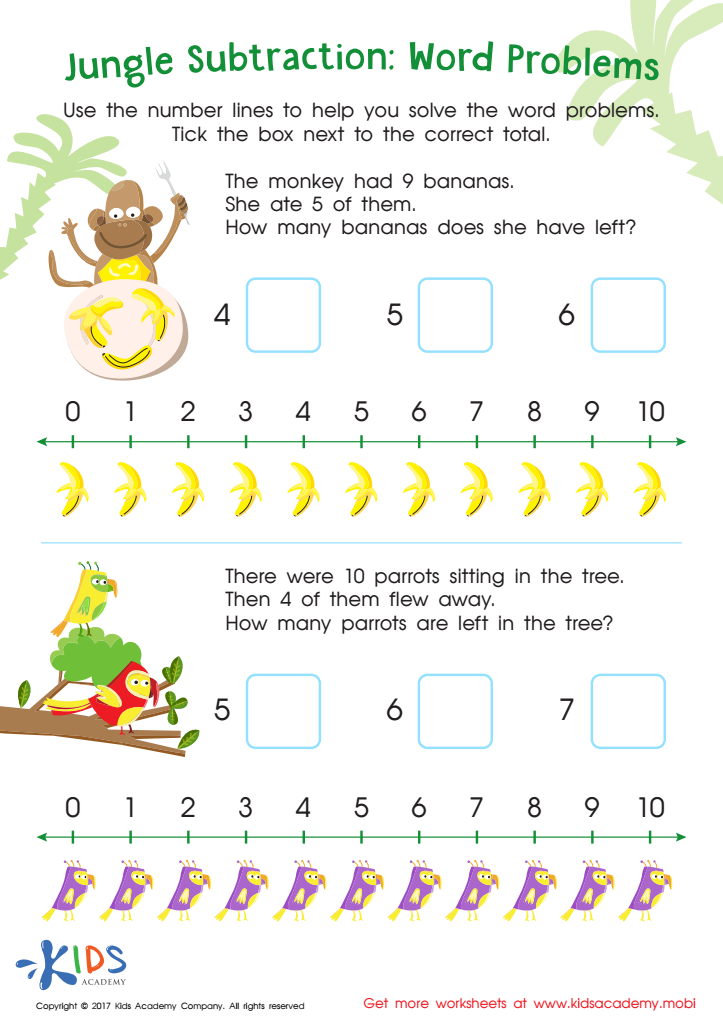
Jungle Subtraction Word Problems Substraction Worksheet
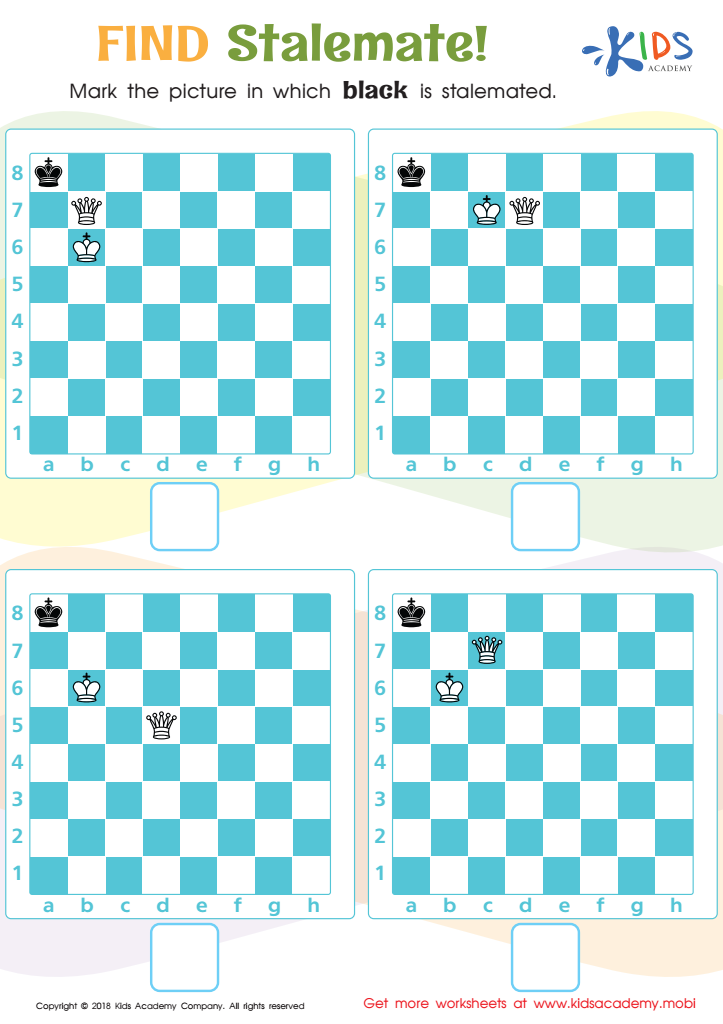
Find Stalemate! Worksheet
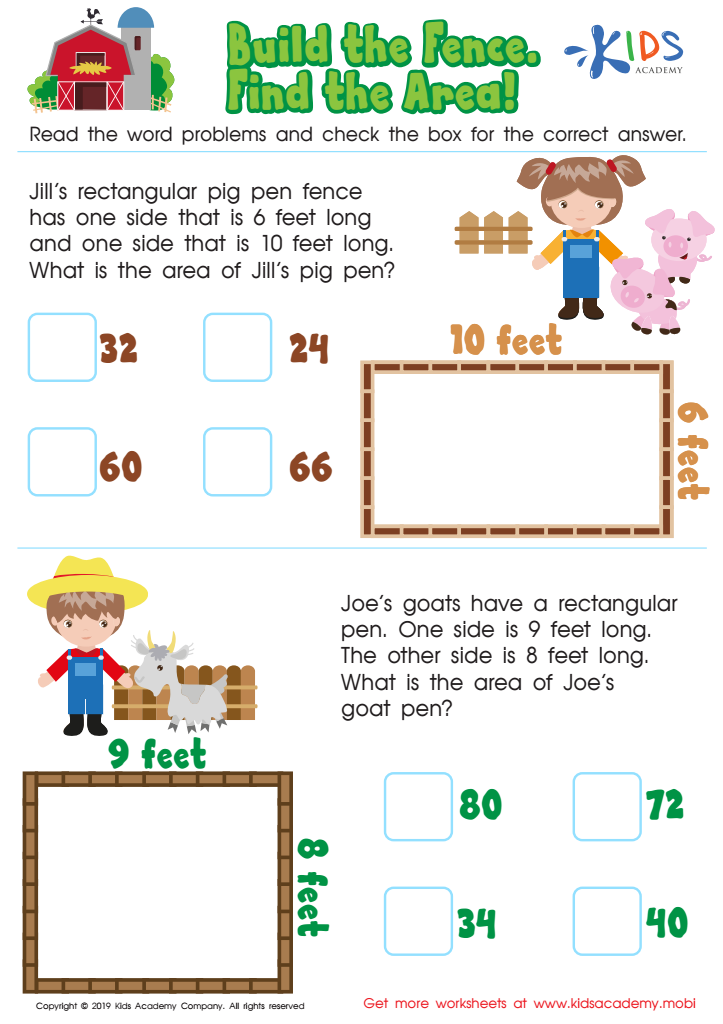
Build the Fence, Find the Area Worksheet






Problem-solving skills in 8-year-olds are essential for fostering cognitive and social development. They enable children to navigate everyday challenges creatively and independently, which builds confidence and resilience. Parents and teachers should place a high value on problem-solving for several reasons.
Firstly, robust problem-solving skills enhance critical thinking. When children tackle problems, they learn to think logically and systematically. They also practice stepping outside their comfort zone to explore multiple solutions, which encourages flexibility and innovation.
Secondly, strong problem-solving aptitude is closely tied to academic success. Skills developed through problem-solving apply to subjects like math, science, and reading comprehension. For instance, solving a complex math problem requires reasoning and strategic planning, both of which stem from strong problem-solving abilities.
Thirdly, problem-solving skills are crucial in interpersonal relationships. Children learn to resolve conflicts amicably, improving peer interactions and reducing behavioral issues. Developing these skills early sets the foundation for effective communication and collaborative teamwork throughout life.
Finally, teaching problem-solving nurtures lifelong learning. Children who master these skills tend to be more curious and enthusiastic about learning, knowing they possess the tools to tackle unfamiliar challenges. Thus, parents and teachers nurturing problem-solving in 8-year-olds are investing in a holistic development that critically augments both academic and personal growth.








