Fine Motor Skills Kindergarten ABC Coloring Pages Worksheets
18 filtered results
-
From - To
Enhance your child's fine motor skills with our engaging Kindergarten ABC Coloring Pages Worksheets! Designed specifically for young learners, these worksheets provide a fun and interactive way to develop essential hand-eye coordination and dexterity. Each page features vibrant alphabet-themed designs, encouraging creativity while teaching letter recognition. As children color and trace the letters, they not only improve their fine motor skills but also reinforce their early literacy foundations. Perfect for home or classroom use, these printable worksheets are a valuable resource for parents and educators seeking to make learning enjoyable. Start fostering your child's skills and creativity today!
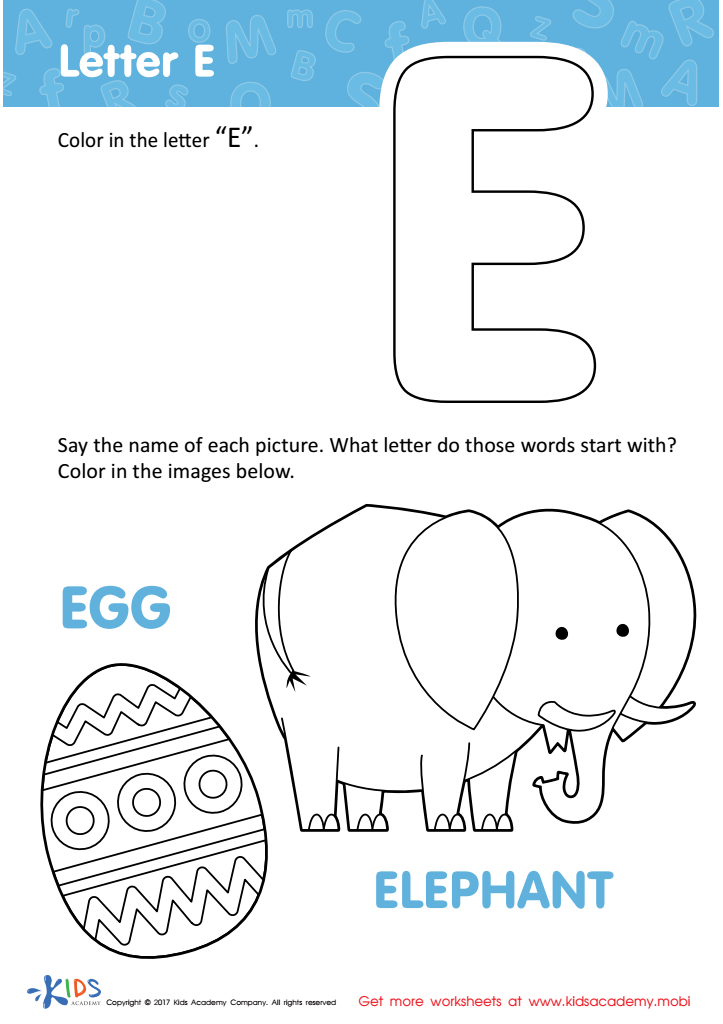
Letter E Coloring Sheet
 Assign to My Students
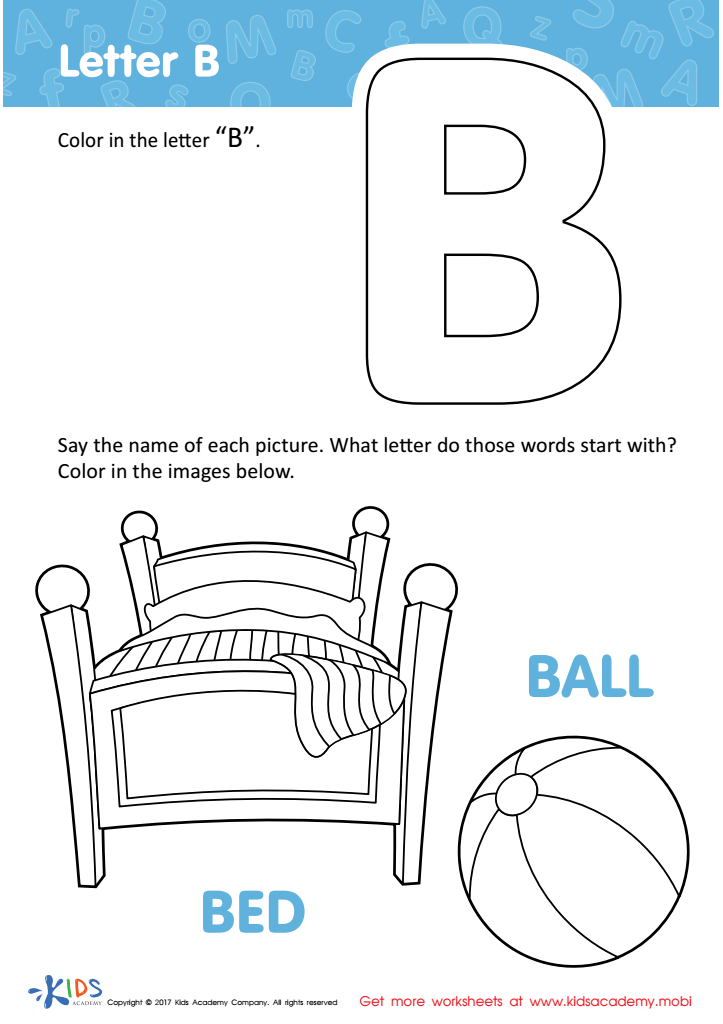
Letter B Coloring Sheet
Assign to My Students
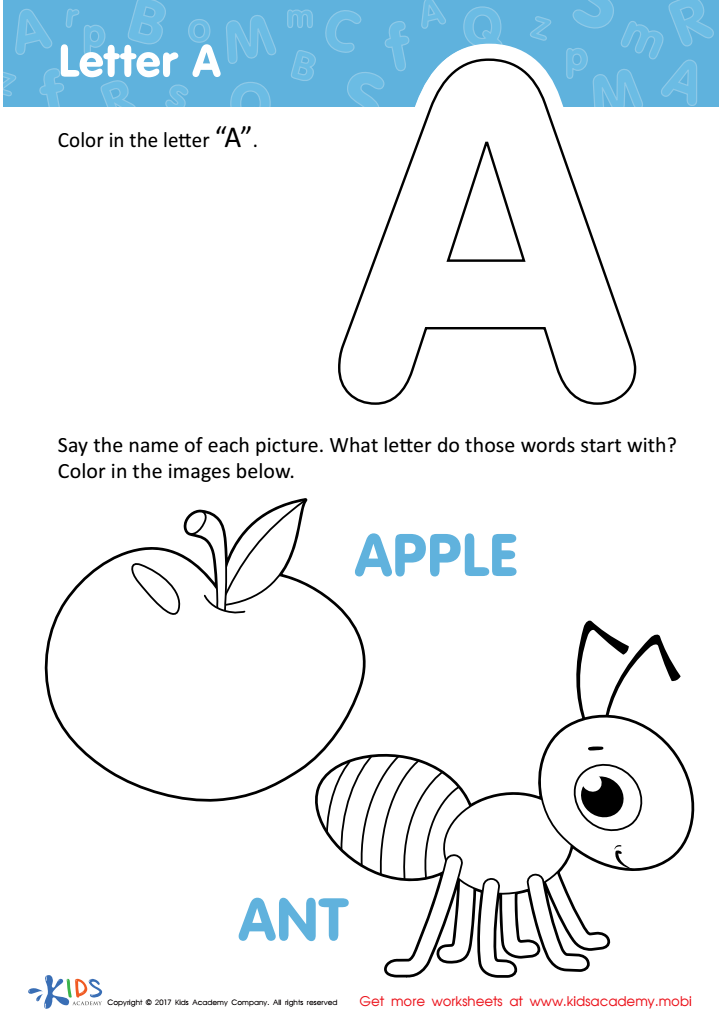
Letter A Coloring Sheet
Assign to My Students
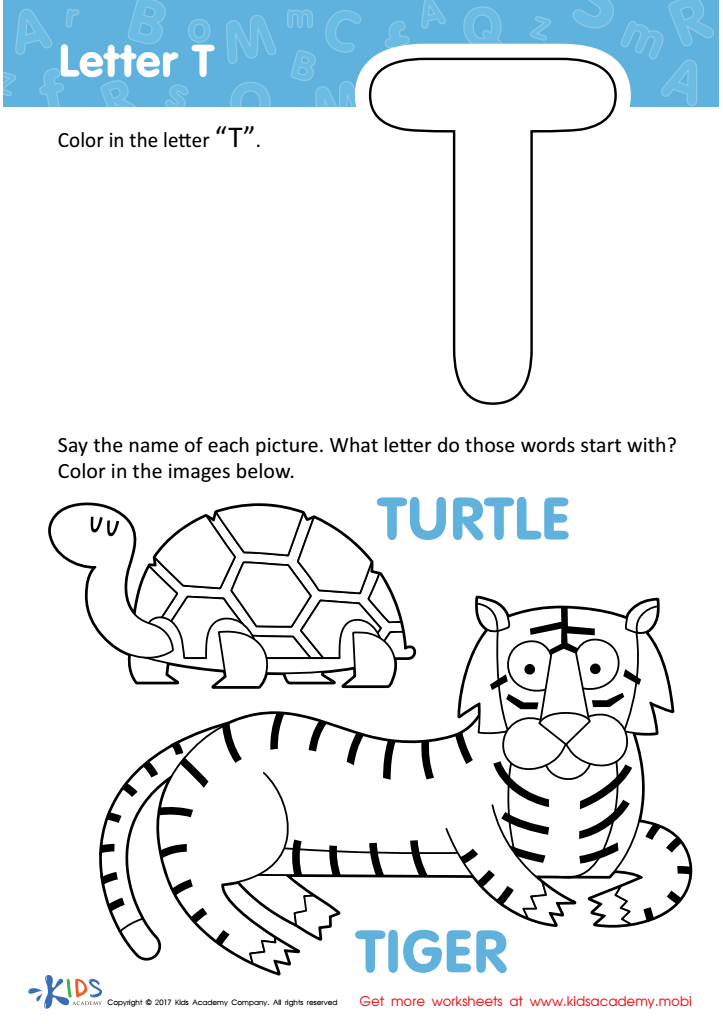
Letter T Coloring Sheet
Assign to My Students
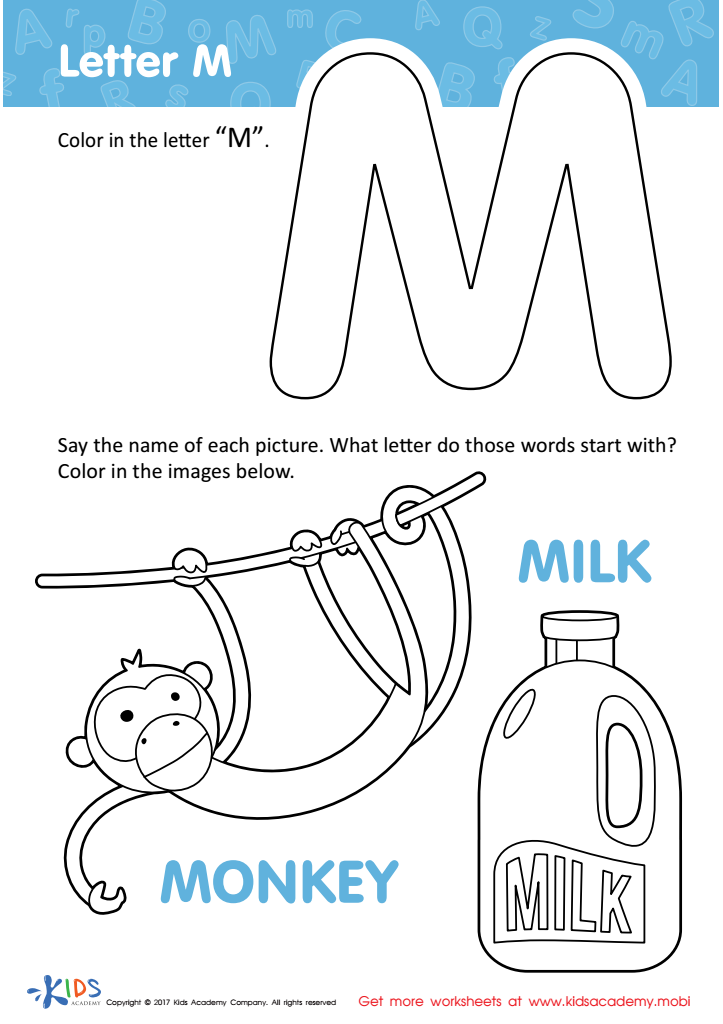
Letter M Coloring Sheet
Assign to My Students
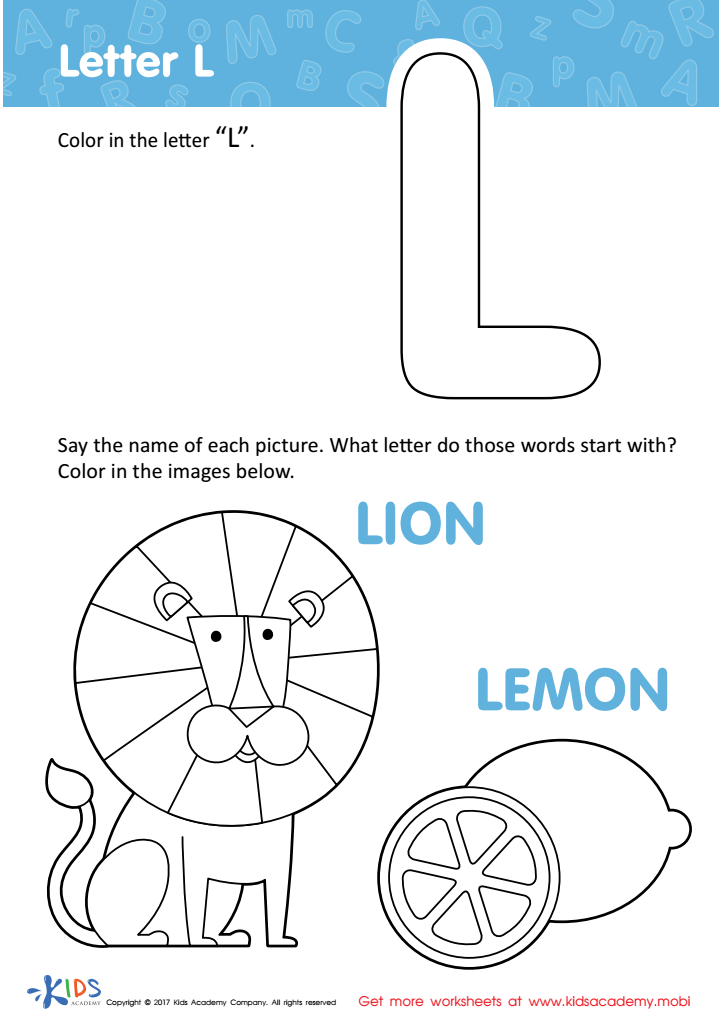
Letter L Coloring Sheet
Assign to My Students
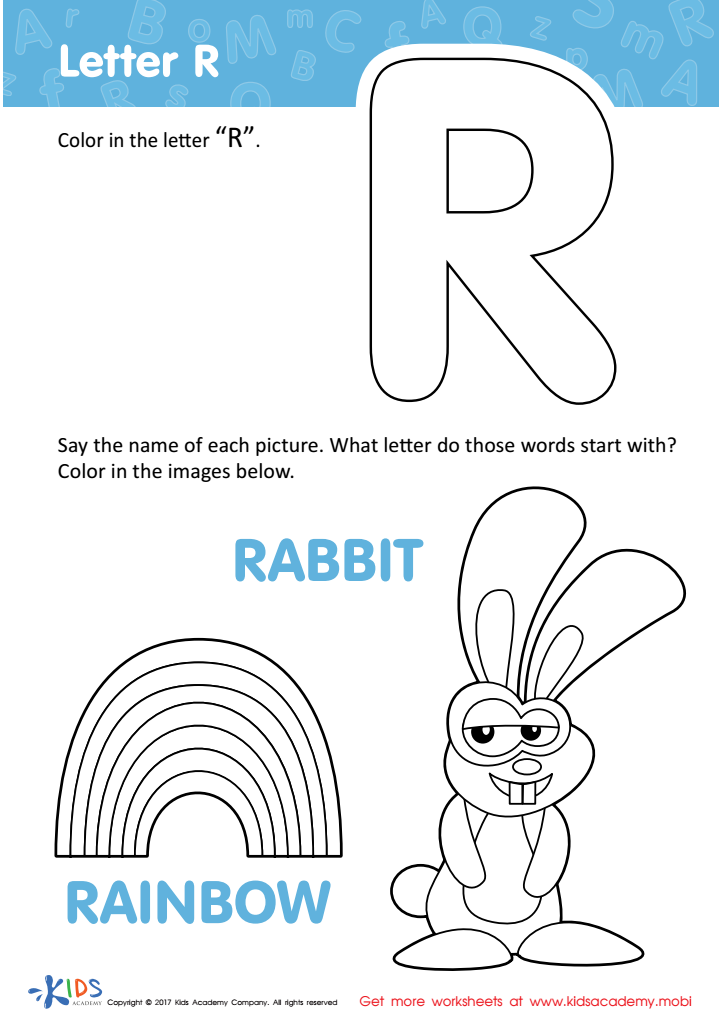
Letter R Coloring Sheet
Assign to My Students
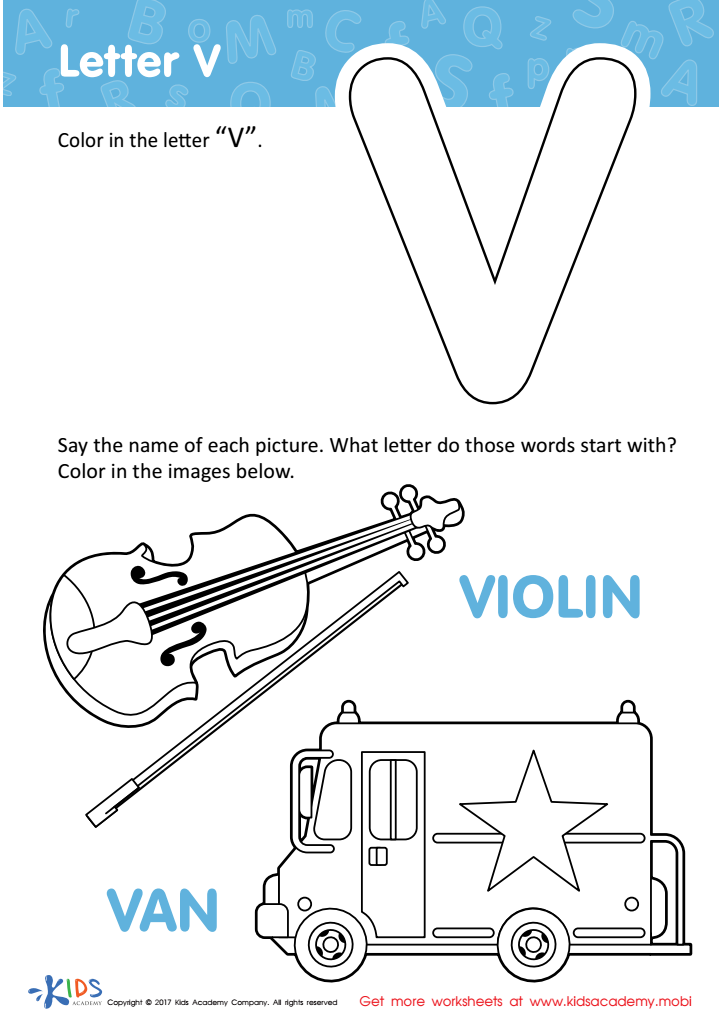
Letter V Coloring Sheet
Assign to My Students
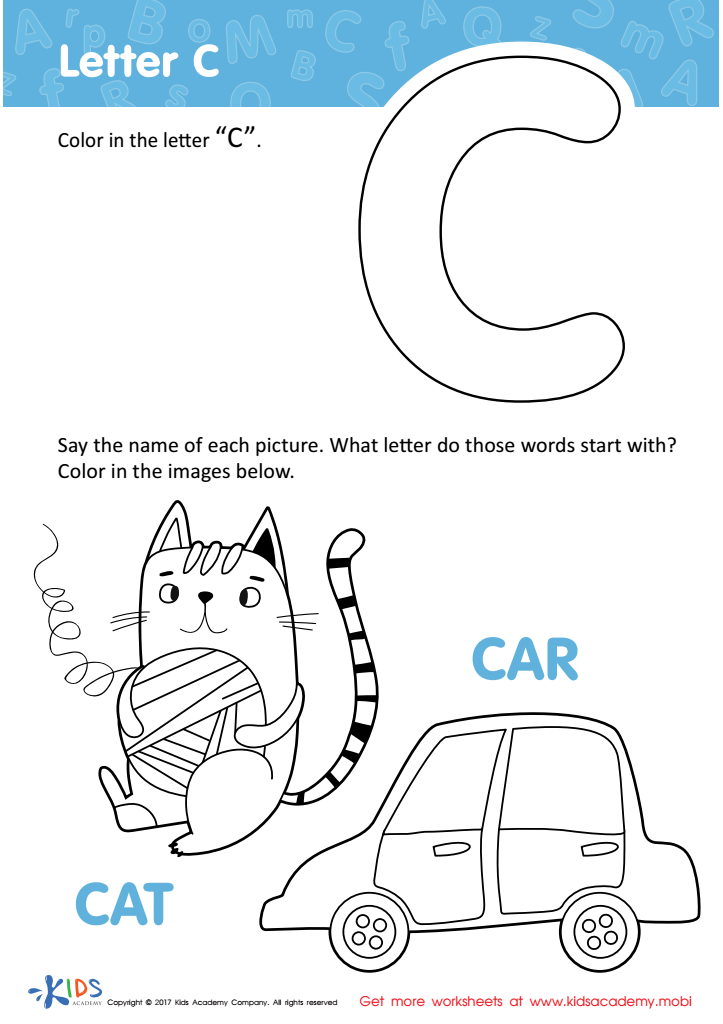
Letter C Coloring Sheet
Assign to My Students
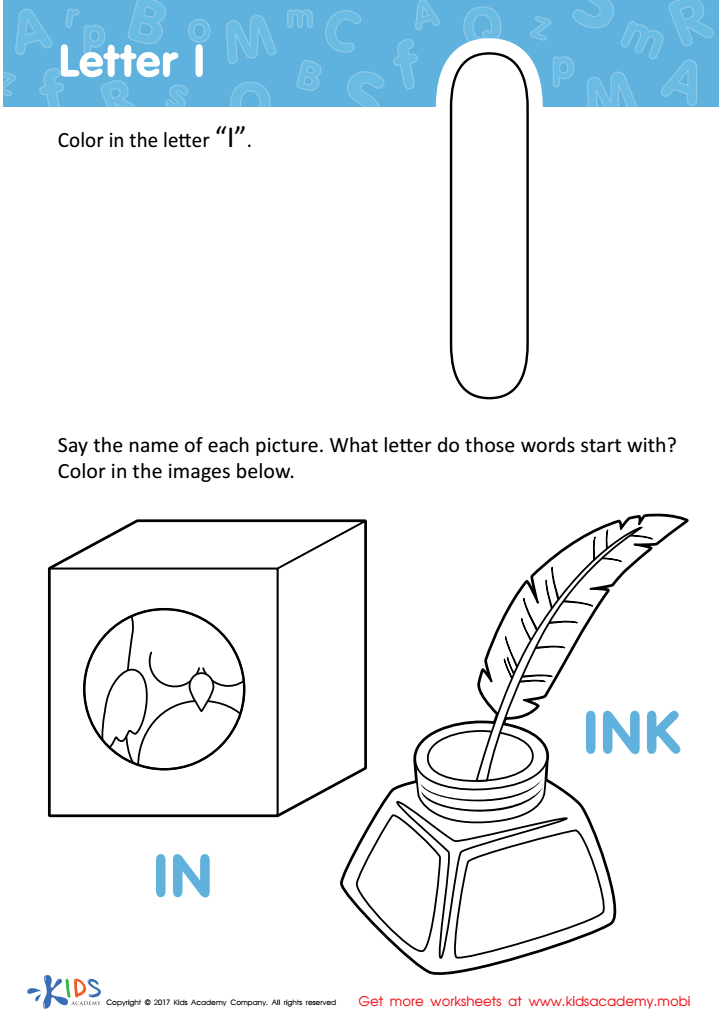
Letter I Coloring Sheet
Assign to My Students
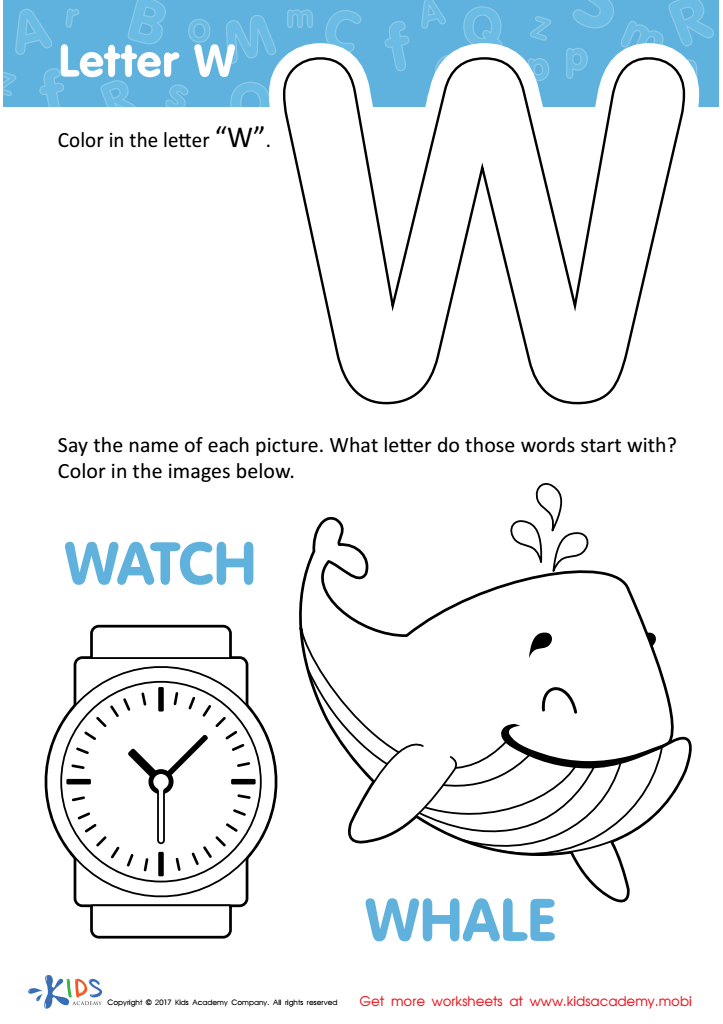
Letter W Coloring Sheet
Assign to My Students
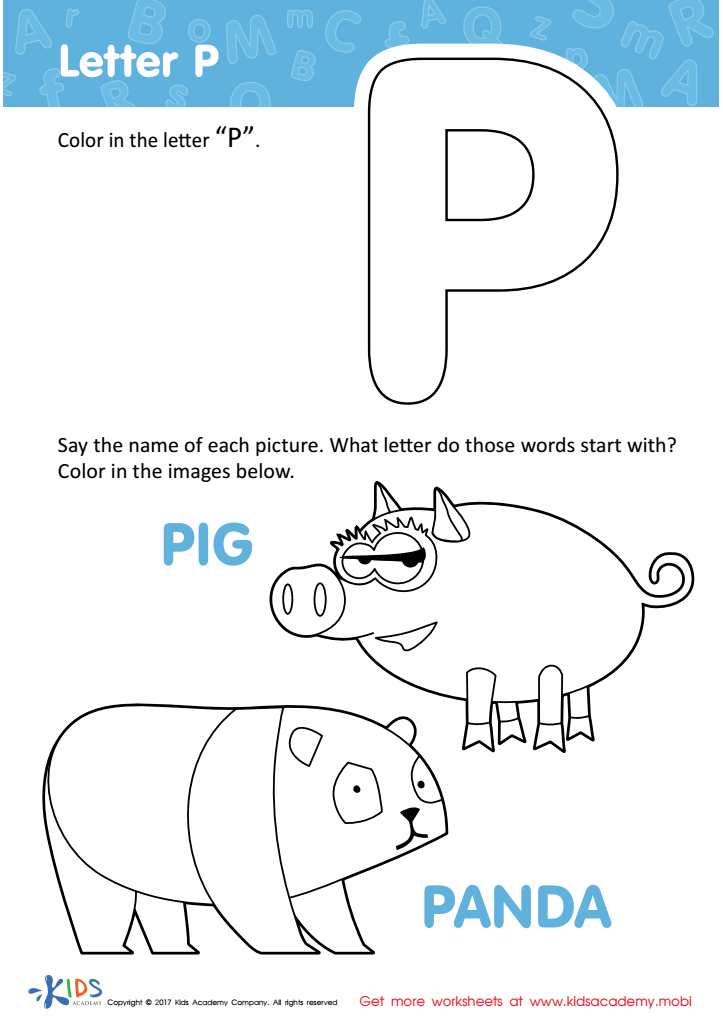
Letter P Coloring Sheet
Assign to My Students
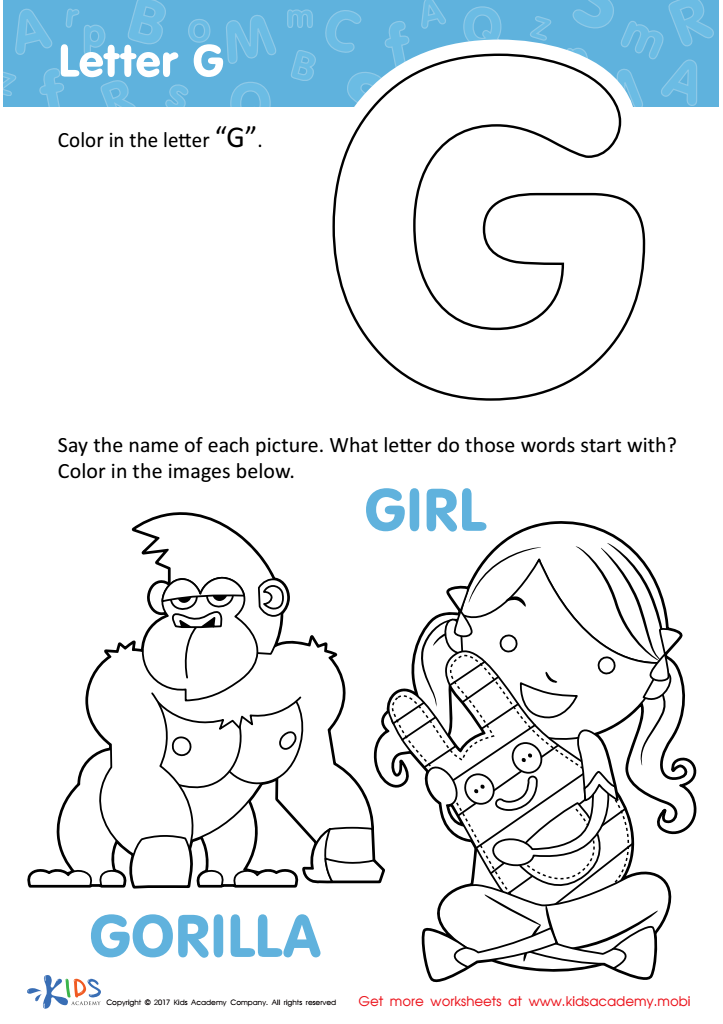
Letter G Coloring Sheet
Assign to My Students
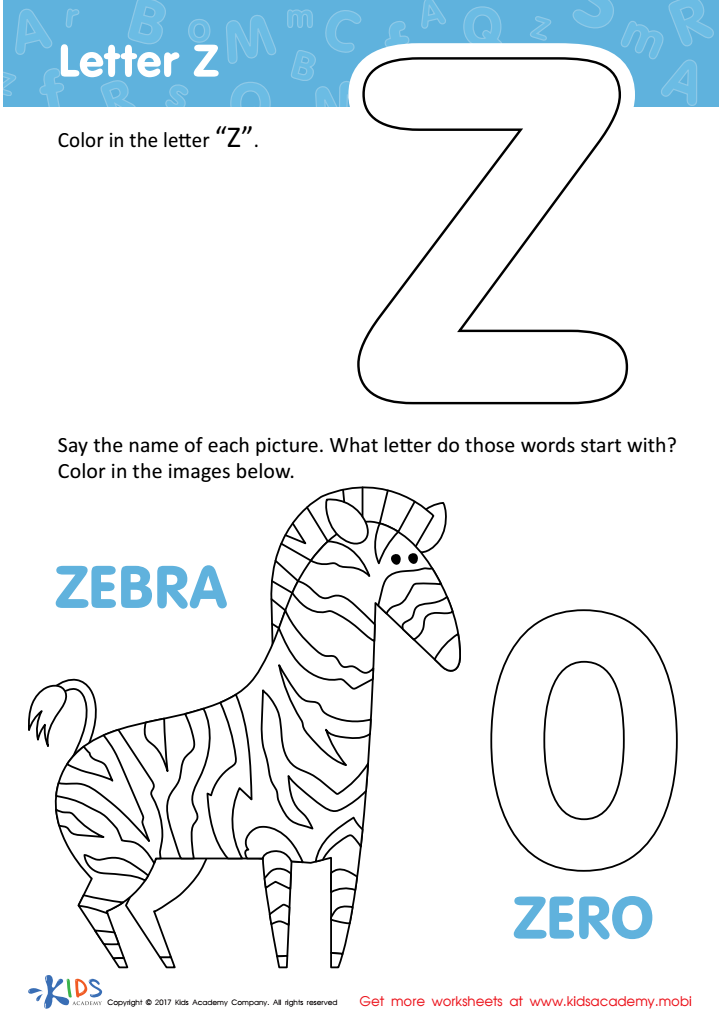
Letter Z Coloring Sheet
Assign to My Students
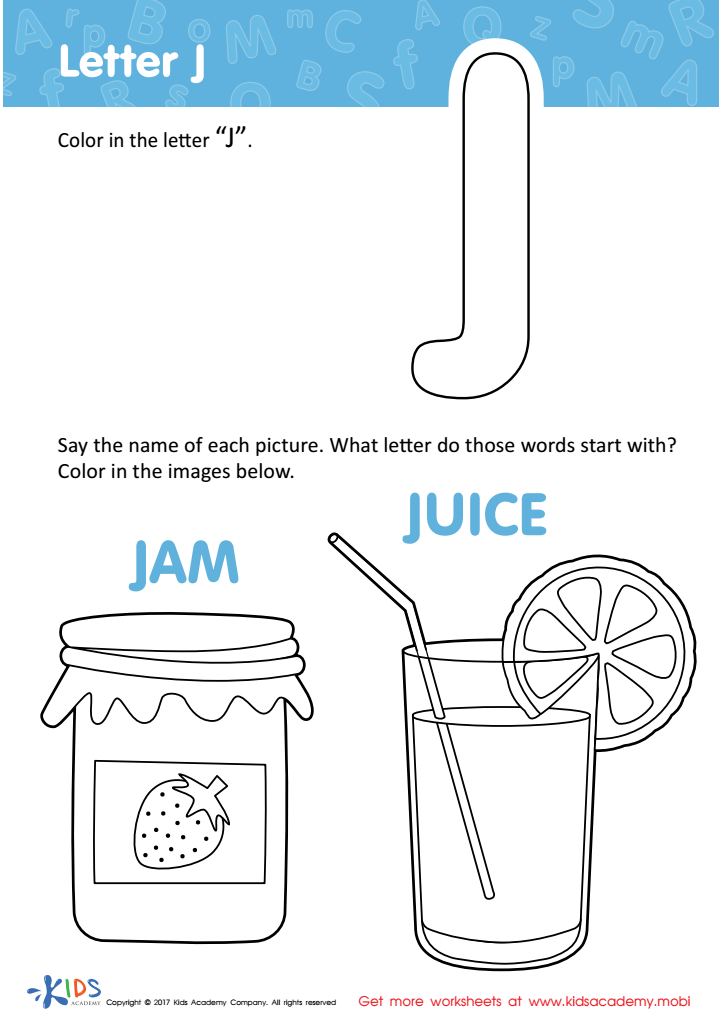
Letter J Coloring Sheet
Assign to My Students
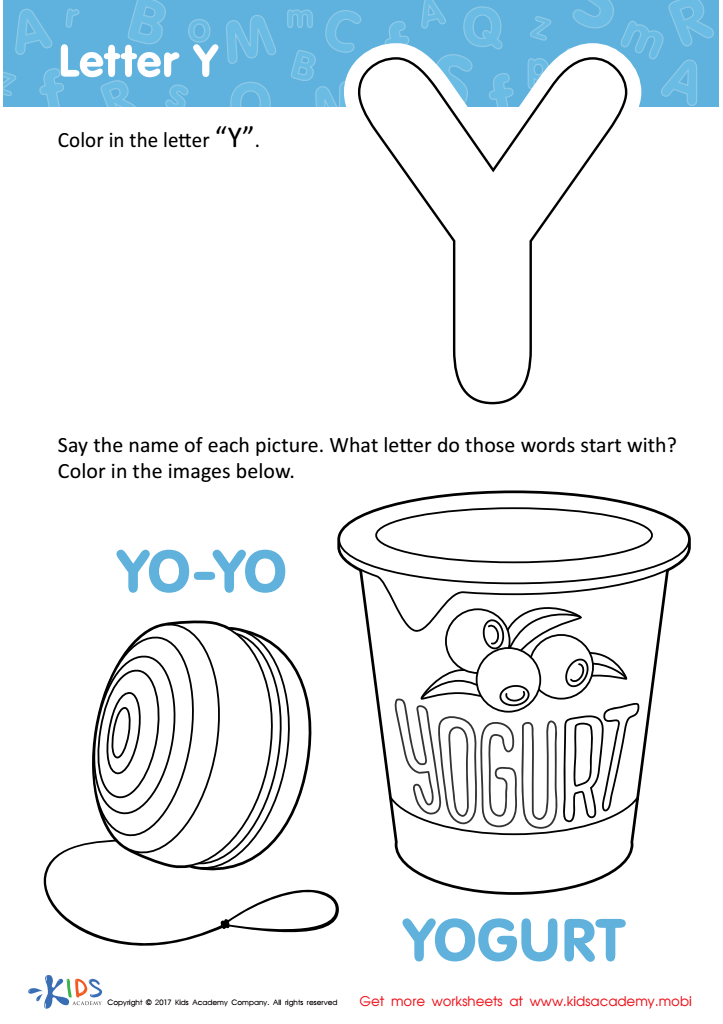
Letter Y Coloring Sheet
Assign to My Students
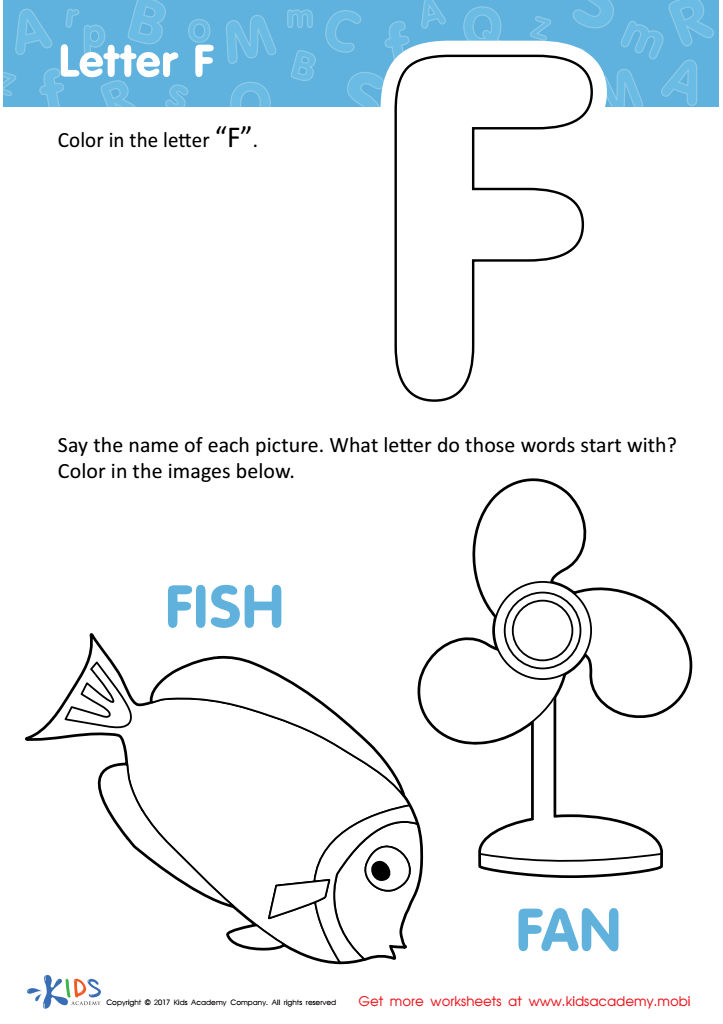
Letter F Coloring Sheet
Assign to My Students
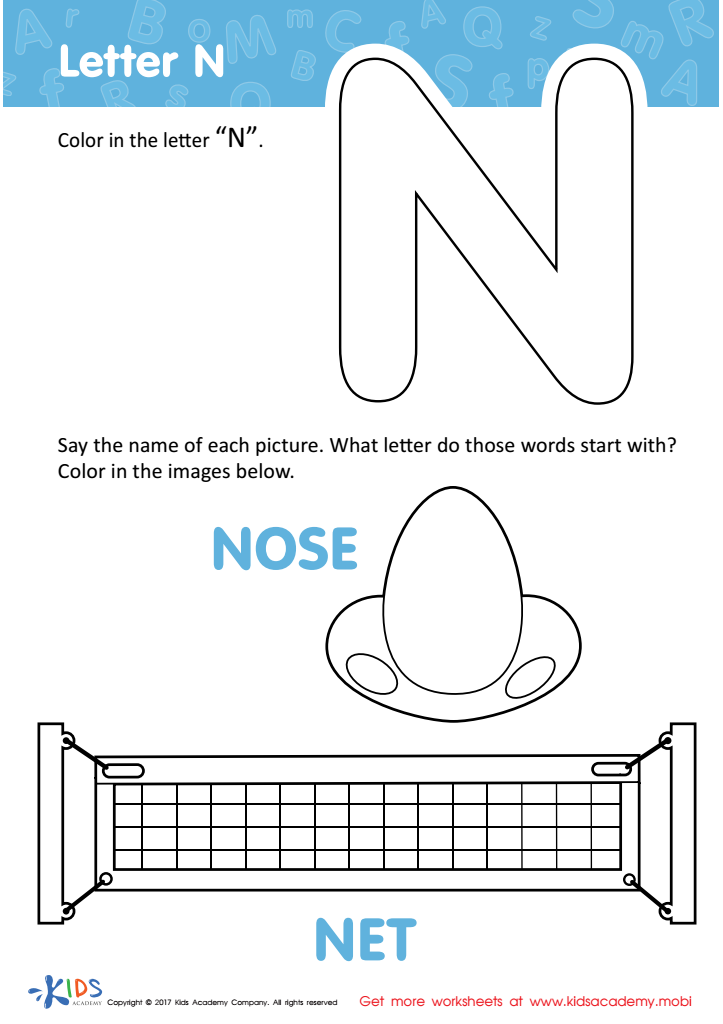
Letter N Coloring Sheet
Assign to My Students


Fine motor skills are critical for children's overall development, particularly in early education settings like kindergarten. Coloring pages featuring the alphabet not only engage young students but also foster essential fine motor skills that lay the groundwork for future academic success. When children manipulate crayons to color within the lines, they build hand-eye coordination, dexterity, and control over their finger movements. These skills are vital for tasks such as writing, cutting with scissors, and performing everyday activities.
In addition to enhancing motor skills, ABC coloring pages also stimulate cognitive learning. As children engage with letters through coloring, they reinforce letter recognition, phonetic awareness, and promote literacy. This practice cultivates creativity and self-expression, allowing children to explore different colors and patterns while expressing their individuality.
For parents and teachers, encouraging the use of alphabet coloring pages serves a dual purpose: honing fine motor skills while developing early literacy in a fun, engaging manner. This holistic approach benefits children not just academically but also socially and emotionally, as they gain confidence in their abilities. Therefore, prioritizing activities like ABC coloring pages in early education can have lasting positive effects on children's development.