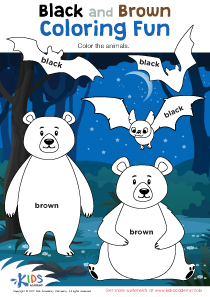
Handwriting practice Kindergarten English for Beginners Worksheets - Page 2
43 filtered results
-
From - To
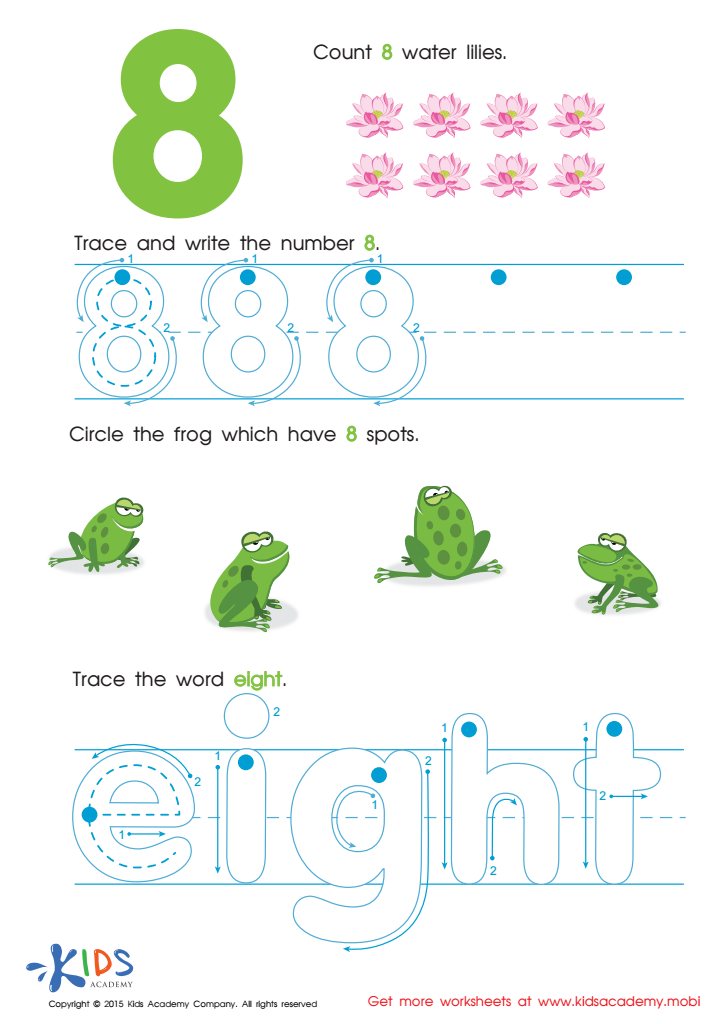
Learn Number 8 Easily Worksheet
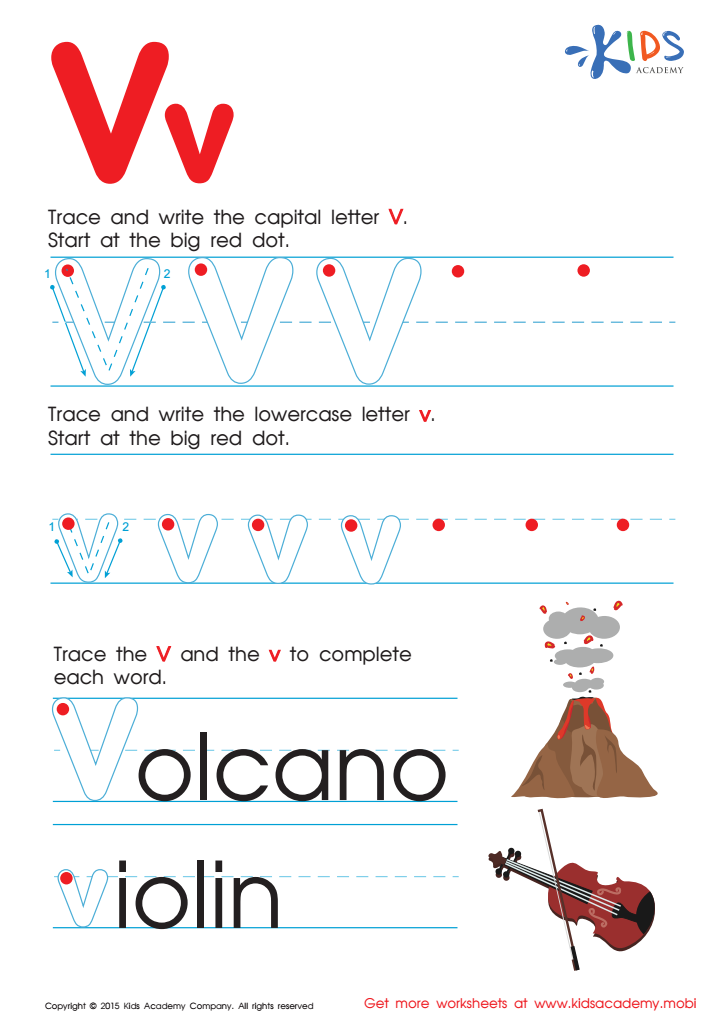
Letter V Tracing Page
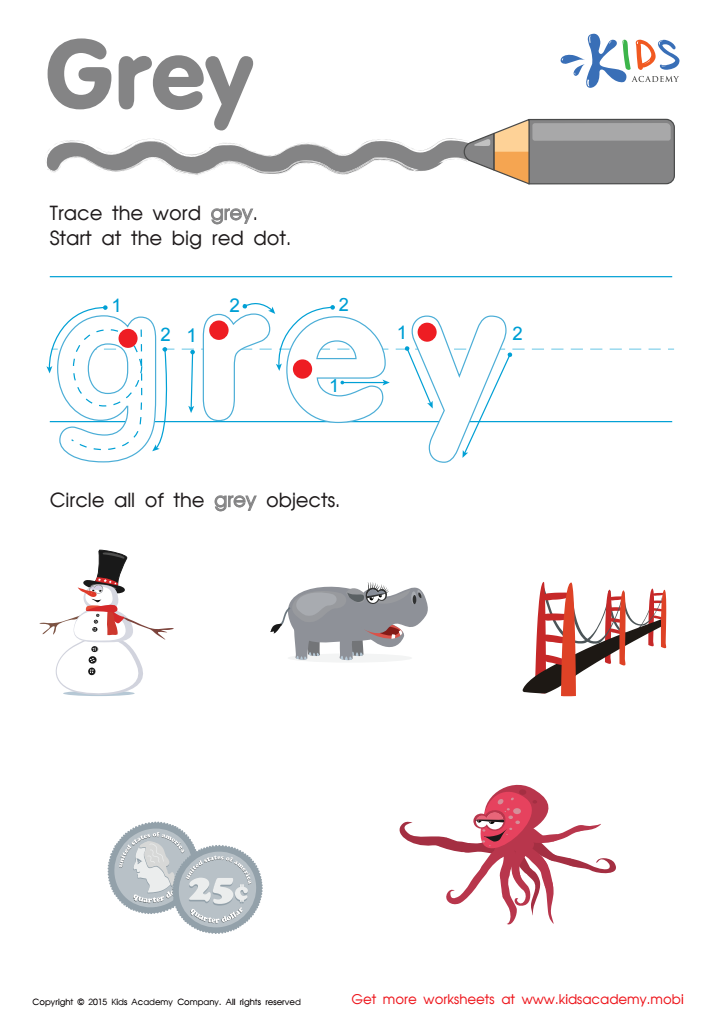
Grey Tracing Color Words Worksheet
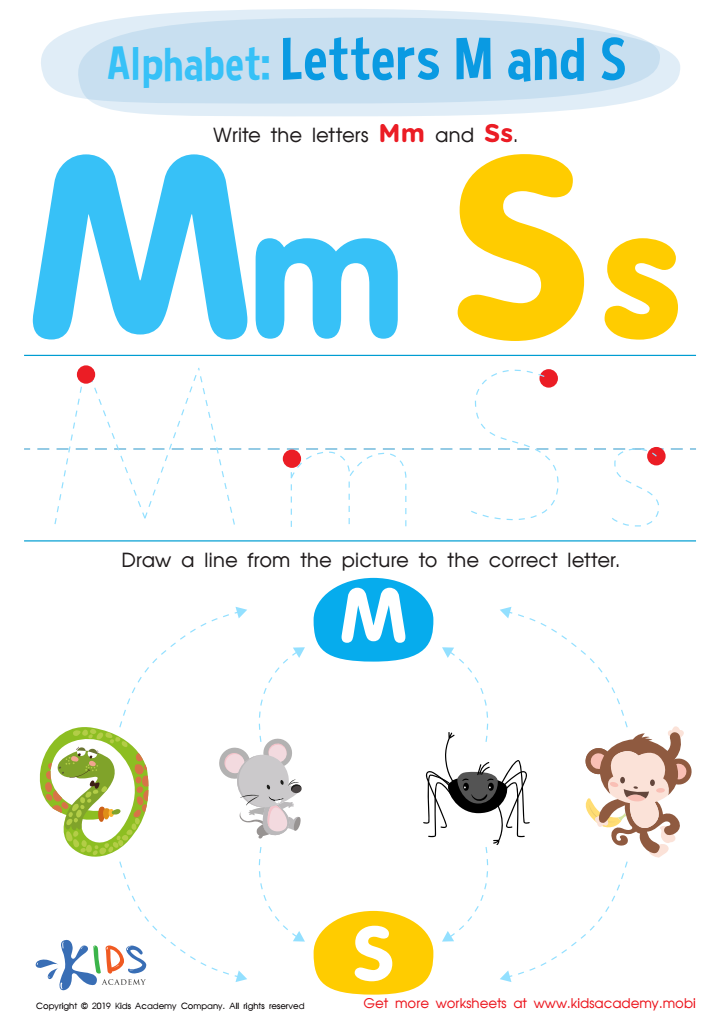
Letters M and S Tracing Worksheet

Letter A Tracing Worksheet
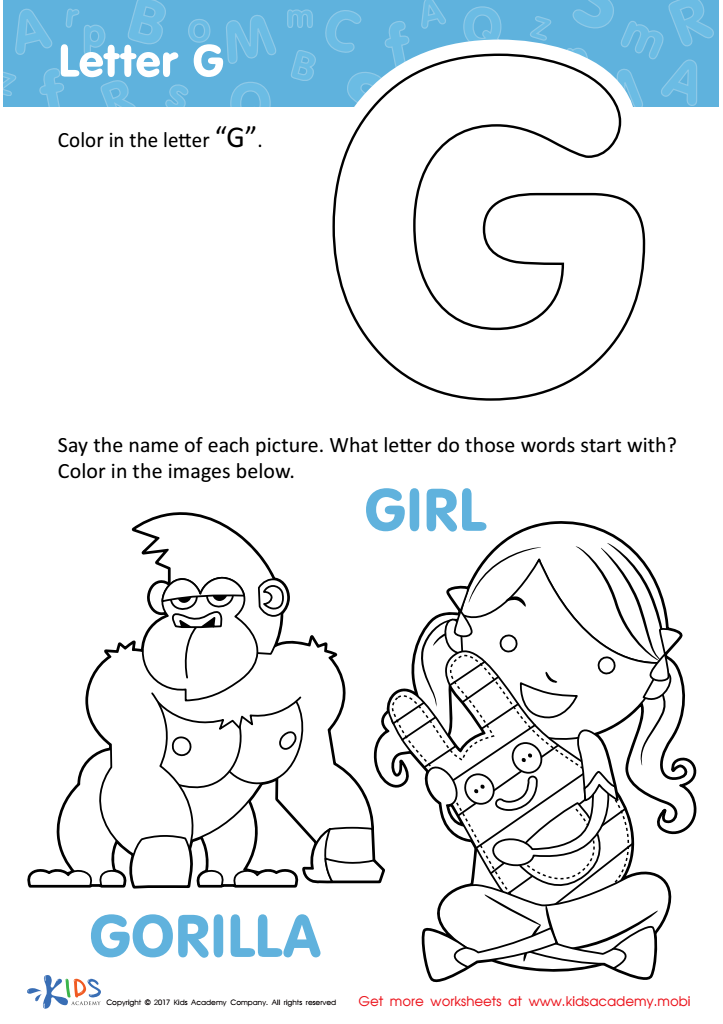
Letter G Coloring Sheet
 Assign to My Students
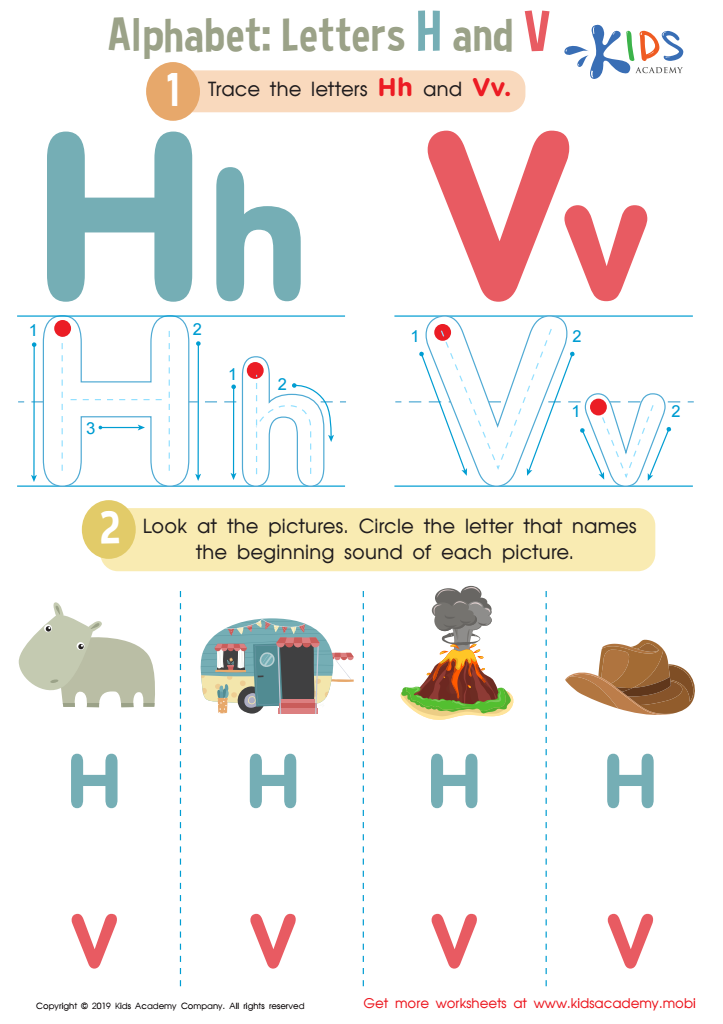
Letters H and V Tracing Worksheet
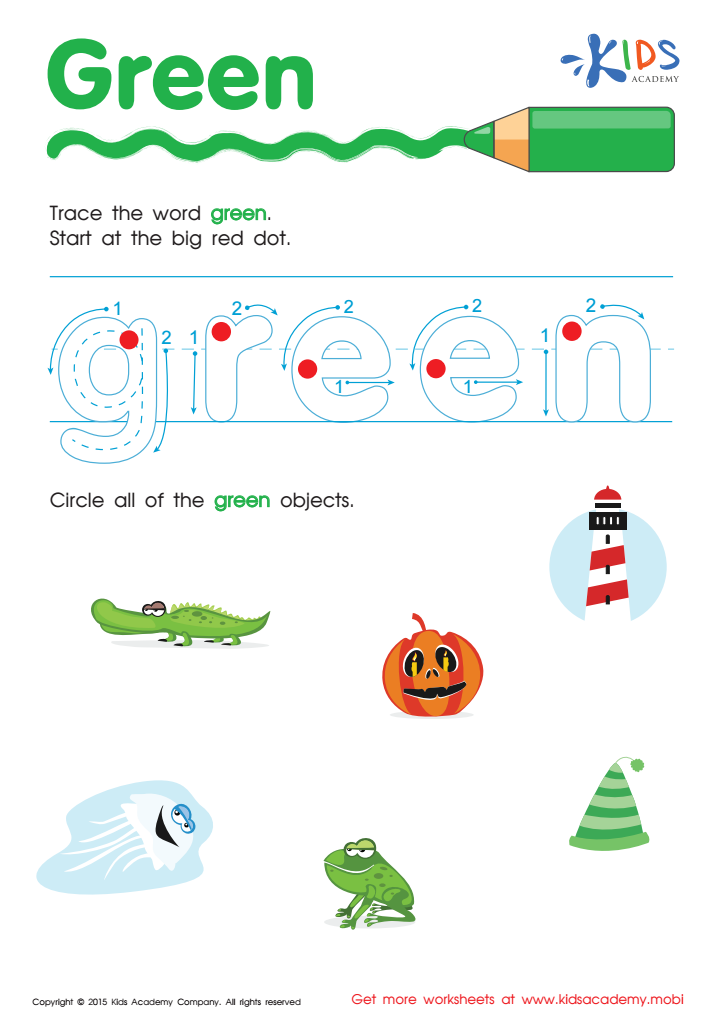
Green Tracing Color Words Worksheet
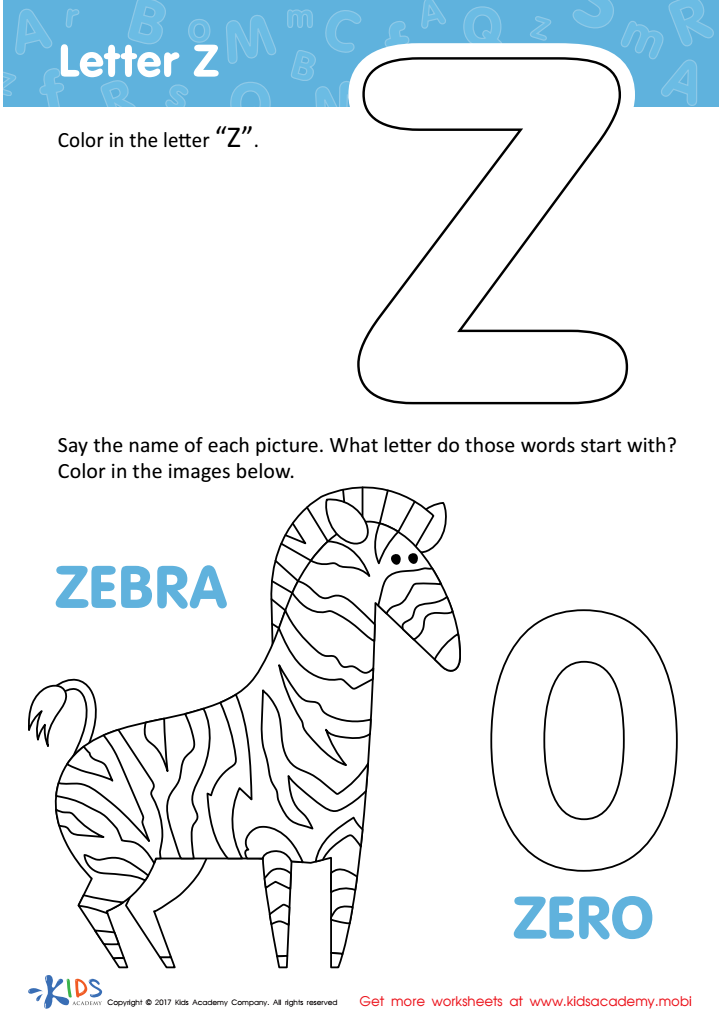
Letter Z Coloring Sheet
Assign to My Students
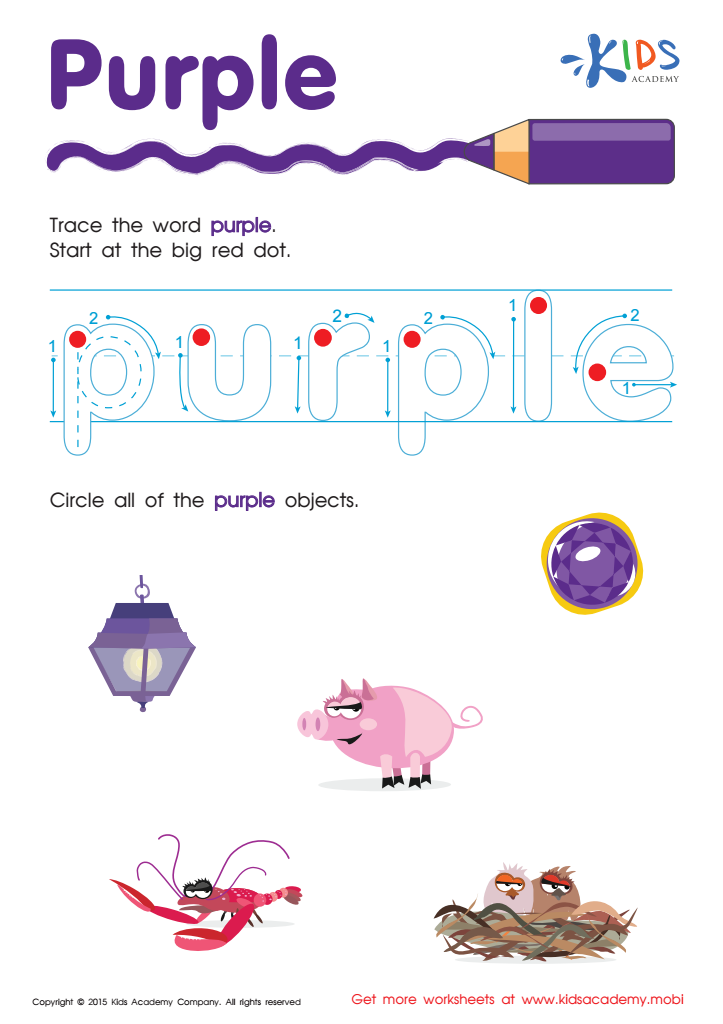
Purple Tracing Color Words Worksheet
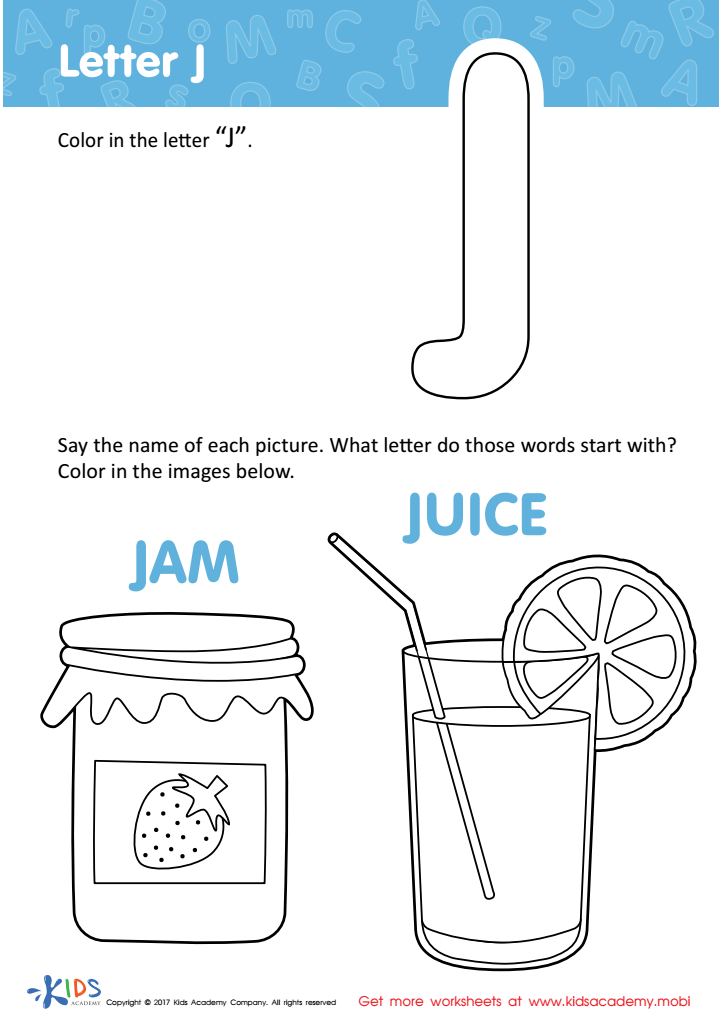
Letter J Coloring Sheet
Assign to My Students
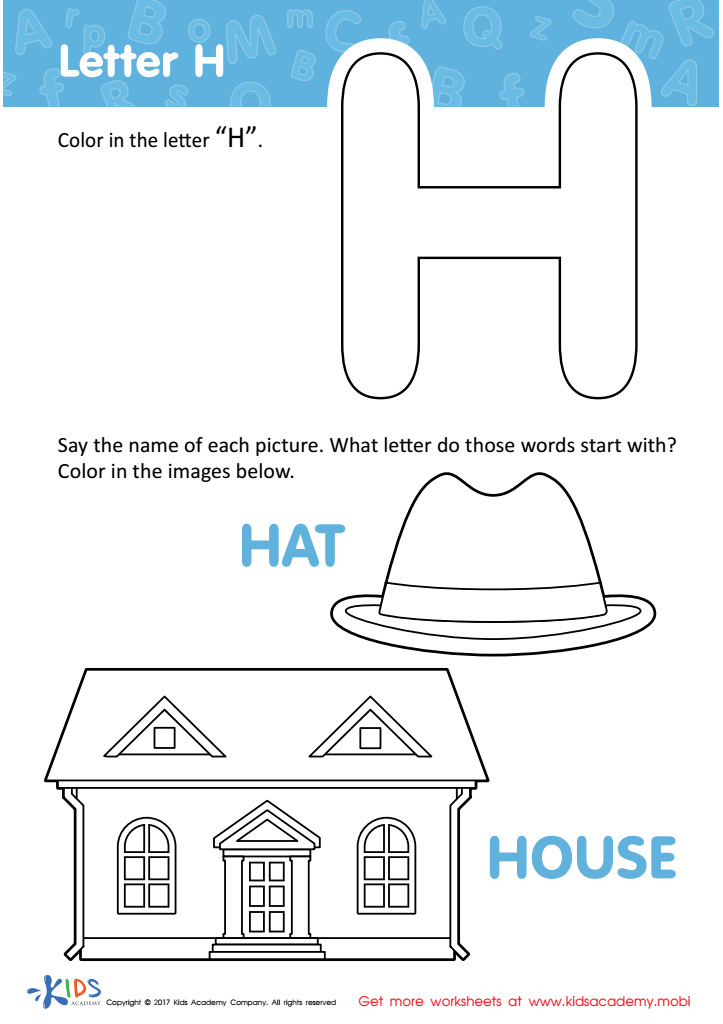
Letter H Coloring Sheet
Assign to My Students
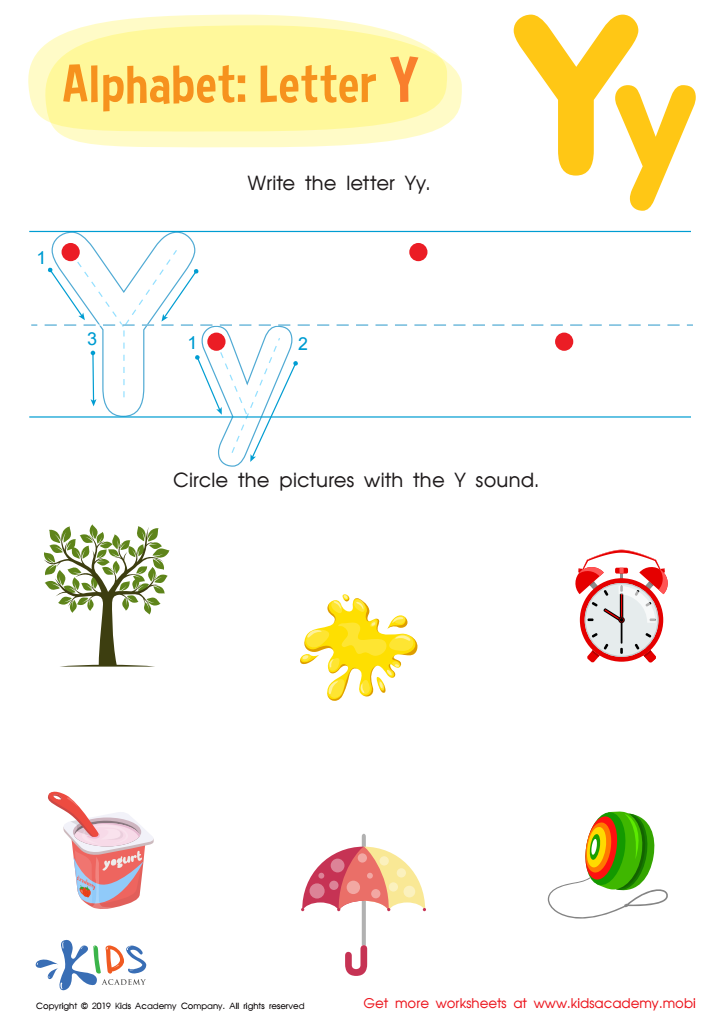
Letter Y Tracing Worksheet
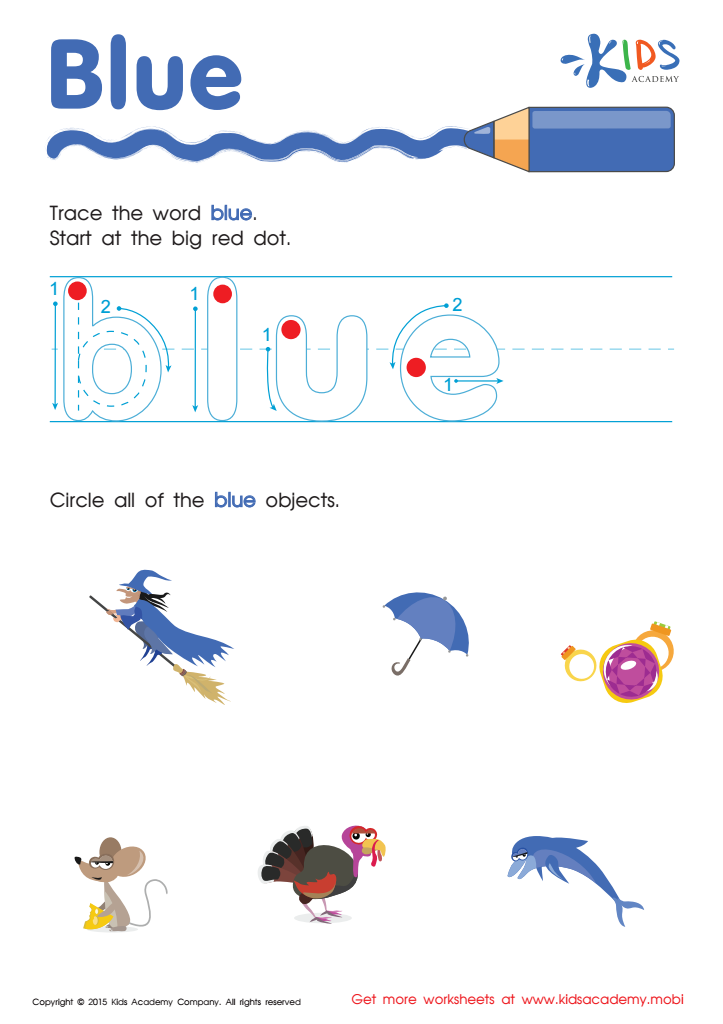
Blue Tracing Color Words Printable
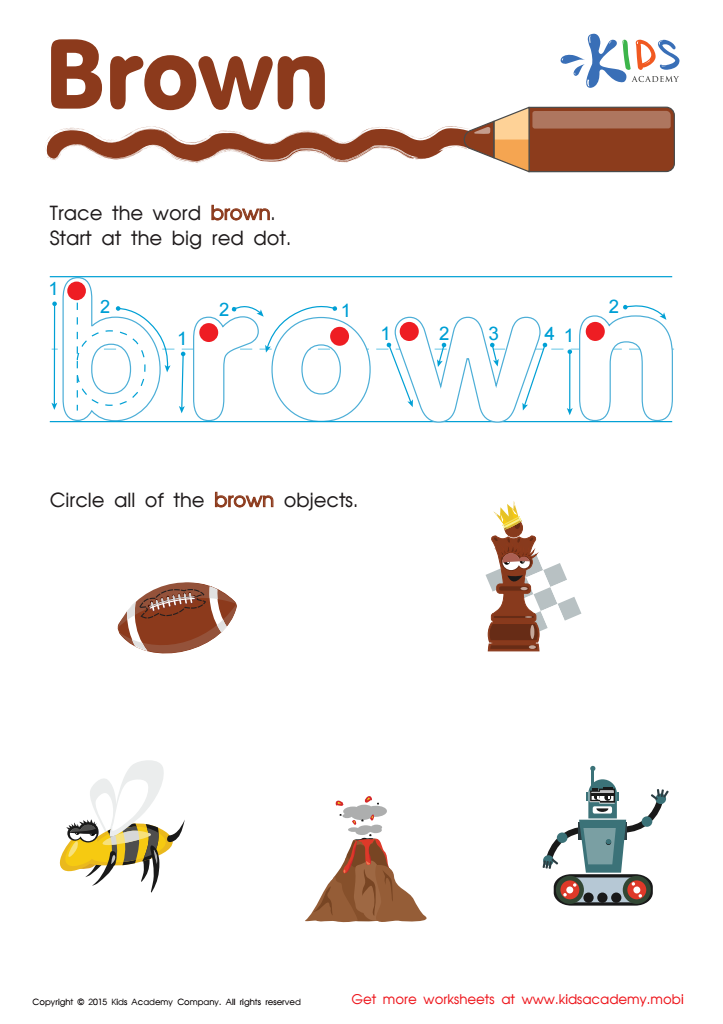
Brown Tracing Color Words Worksheet
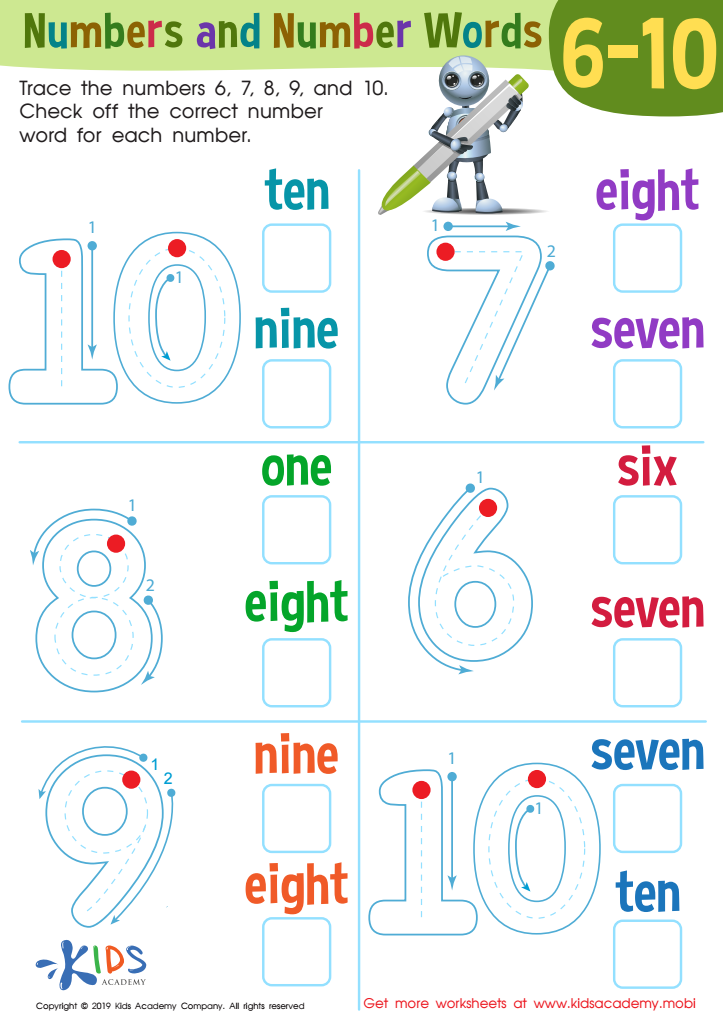
Numbers and Number Words 6–1 Worksheet
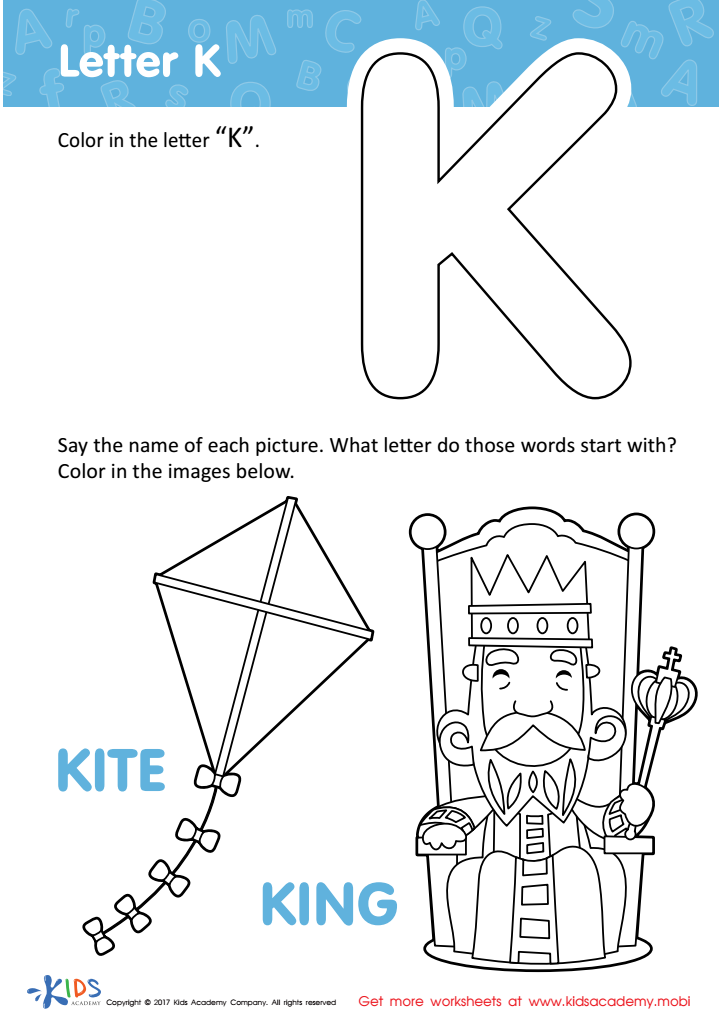
Letter K Coloring Sheet
Assign to My Students
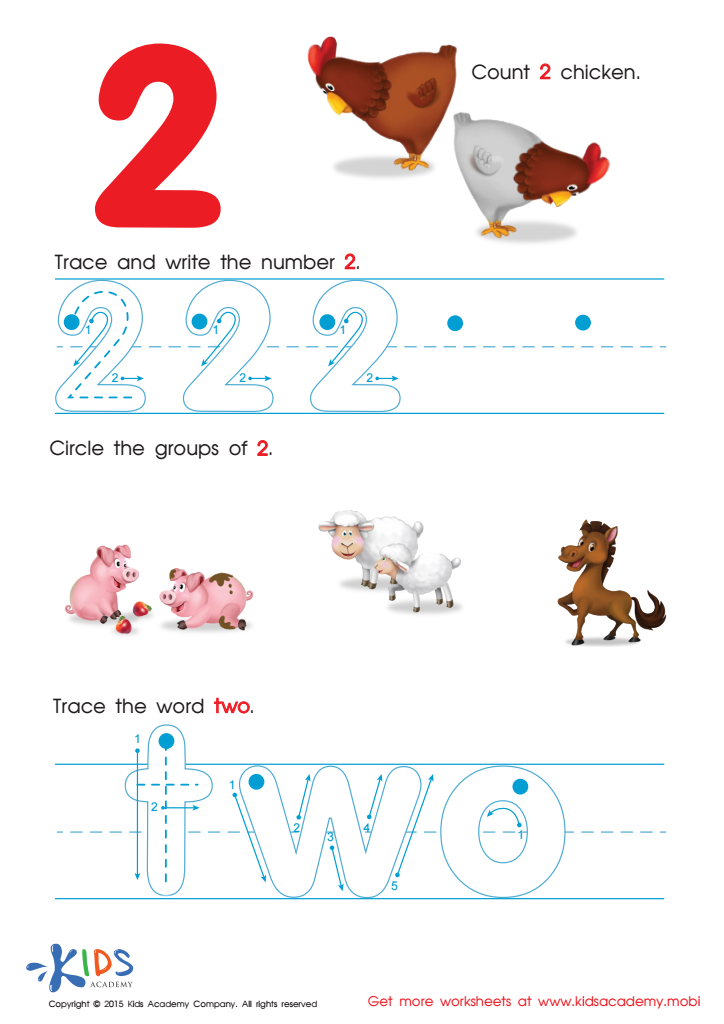
Learn to Write the Number 2 Worksheet

Letter N Coloring Sheet
Assign to My Students



Handwriting practice is essential for Kindergarten English learners, as it lays the foundational skills necessary for effective communication and literacy development. Firstly, developing fine motor skills through handwriting helps young children strengthen the small muscles in their hands and fingers, essential for various tasks beyond writing, such as self-care and manipulating objects. Secondly, consistent handwriting practice fosters letter recognition and phonetic awareness, crucial for reading readiness; identifying letters correctly supports spelling and comprehension as they progress.
Moreover, handwriting encourages cognitive development by promoting focus, memory, and concentration. Engaging with letters and words through writing allows children to internalize language concepts, enriching their vocabulary and forming connections between spoken and written language.
Additionally, practicing handwriting nurtures patience and persistence, vital character traits that support learning in other areas. It also boosts self-esteem, as students experience pride in their written work, affirming their abilities and accomplishments.
In summary, handwriting practice is more than just a skill; it plays a critical role in cognitive, motor, and emotional development, shaping students into confident and capable learners. Therefore, it is crucial for parents and teachers to prioritize and support their handwriting practice in kindergarten.