Animal identification Kindergarten Worksheets
12 filtered results
-
From - To
Discover our engaging Animal Identification Kindergarten Worksheets! Perfect for young learners, these worksheets are designed to build foundational skills in recognizing and naming various animals. Through fun, interactive exercises, children will enhance their vocabulary, boost their memory, and improve their observation skills. Each worksheet is beautifully illustrated and carefully curated to capture kids' attention and make learning enjoyable. Ideal for both classroom use and homeschooling, our Animal Identification worksheets ensure an enriching educational experience, preparing your little ones for future science lessons. Embrace the joy of learning about animals with Kids Academy today!
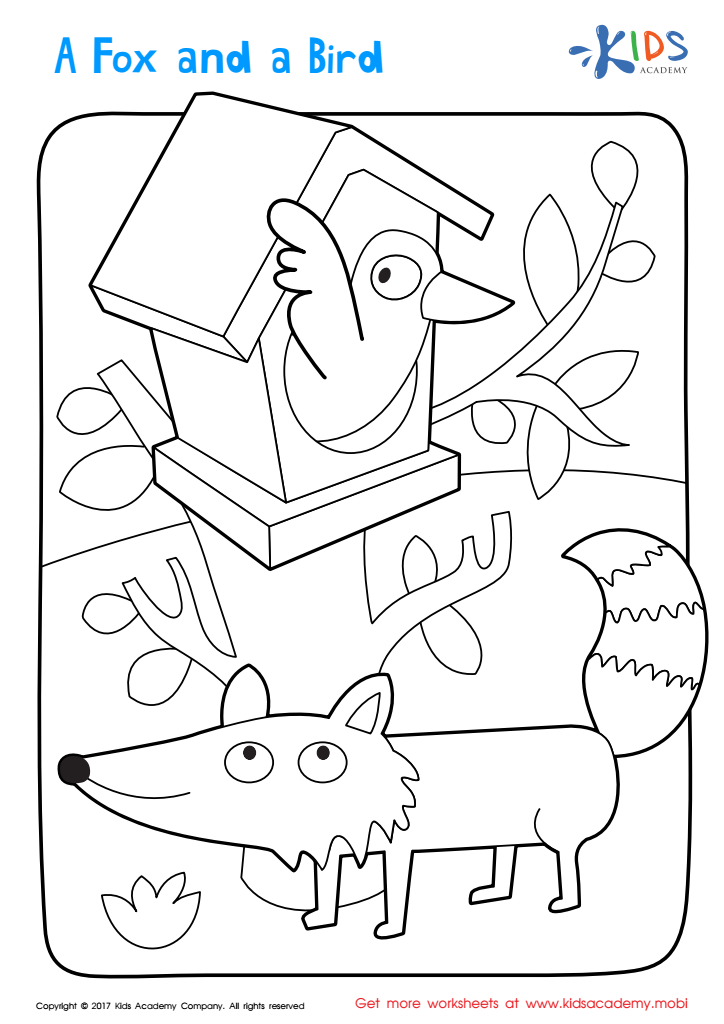
A Fox and Bird Coloring Page
 Assign to My Students
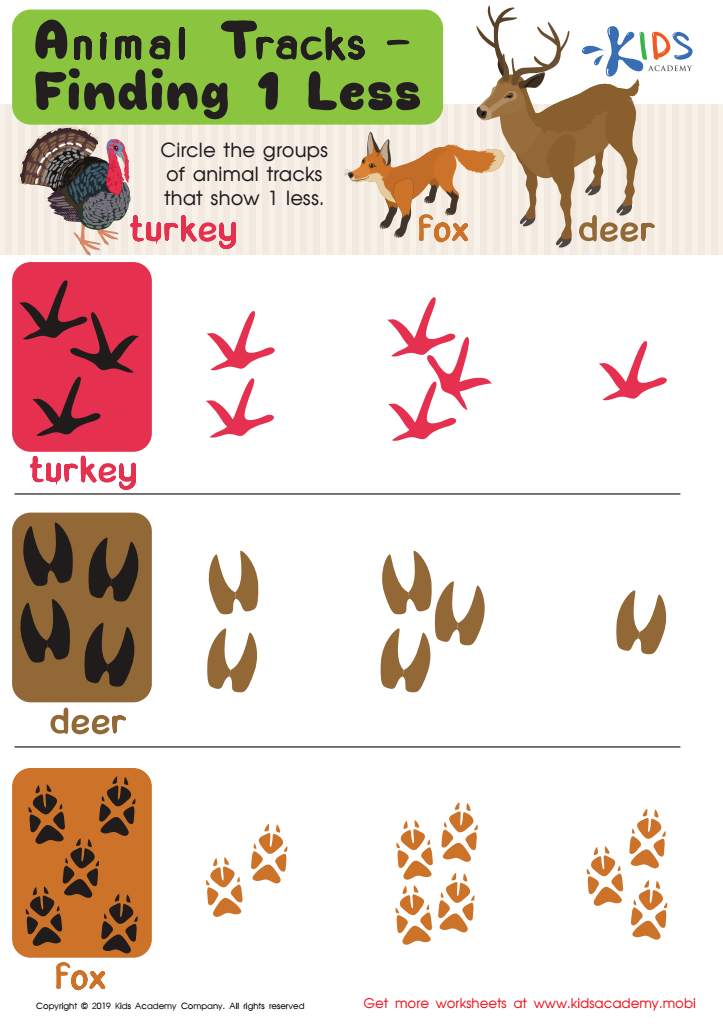
Animal Tracks: Find 1 Less Worksheet
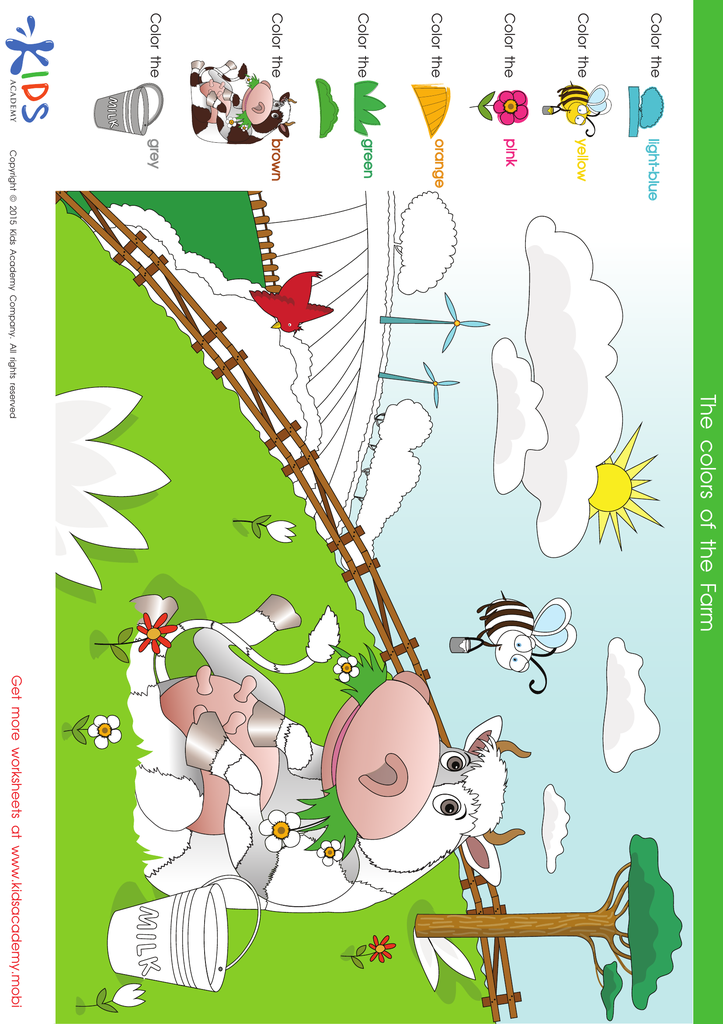
Color the Cow and the Fields Coloring Pages
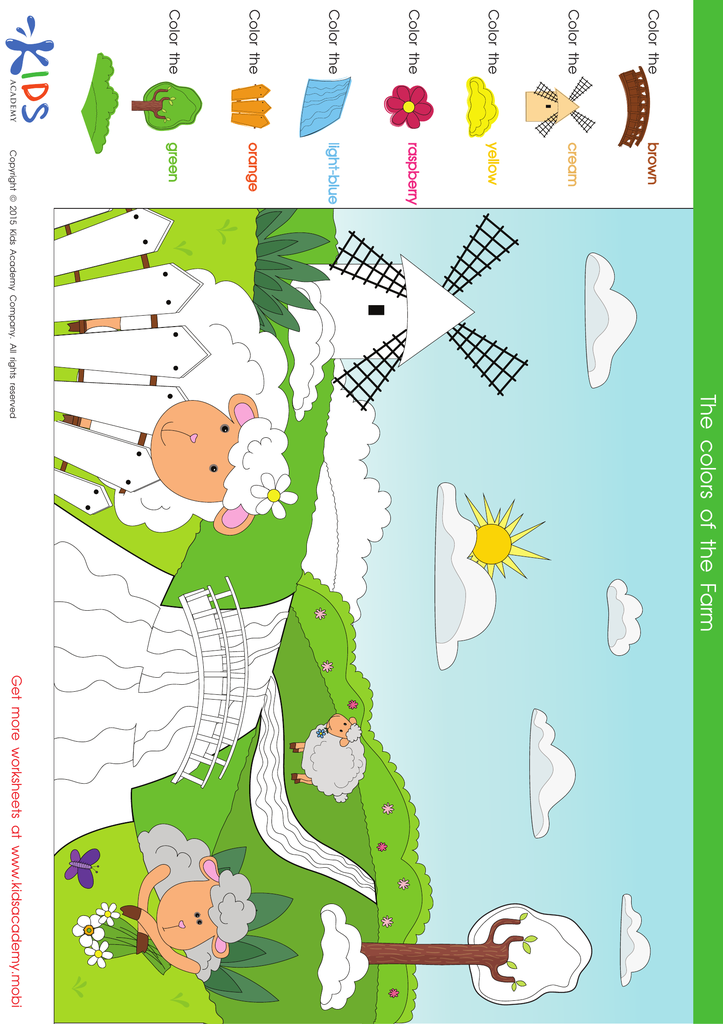
Color the Sheep in the Field Coloring Pages
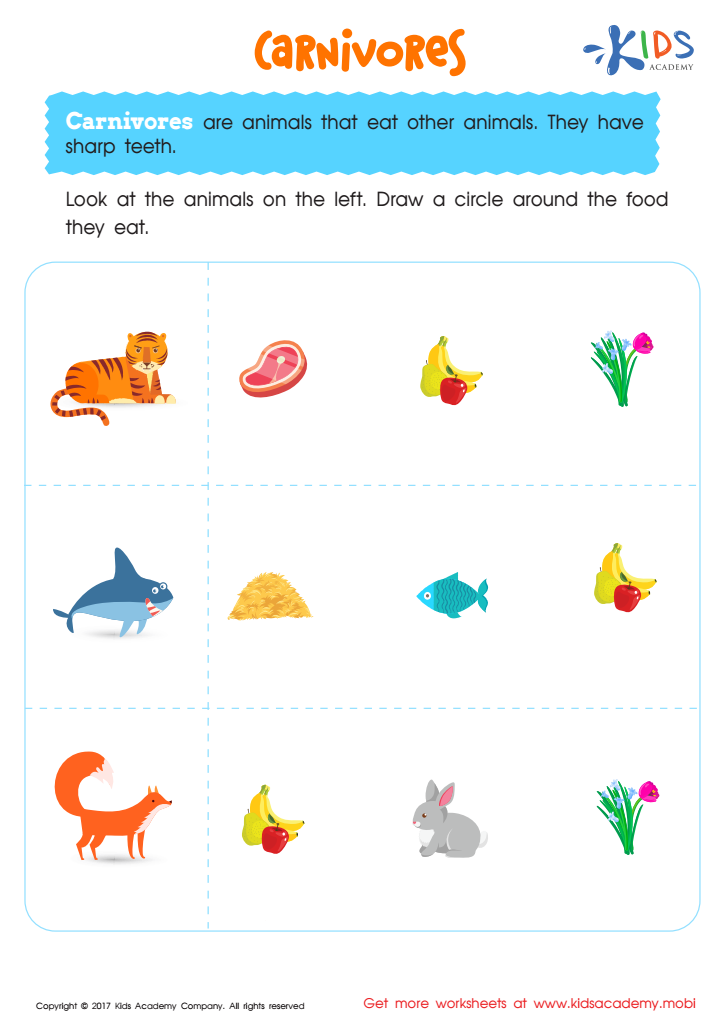
Carnivores Worksheet
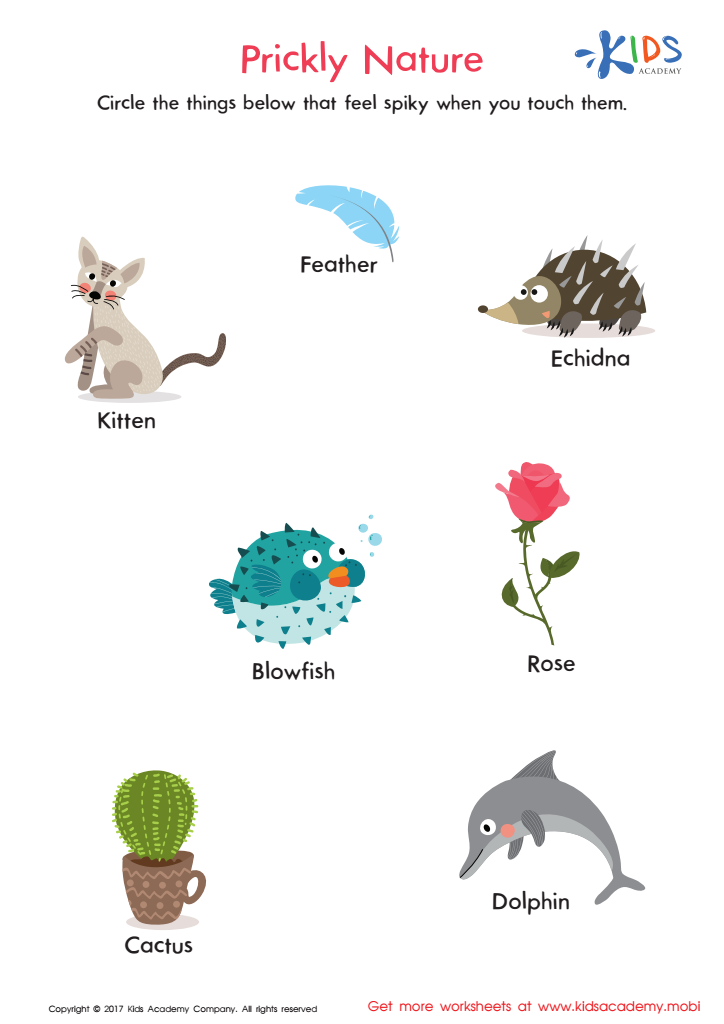
Prickly Nature Worksheet
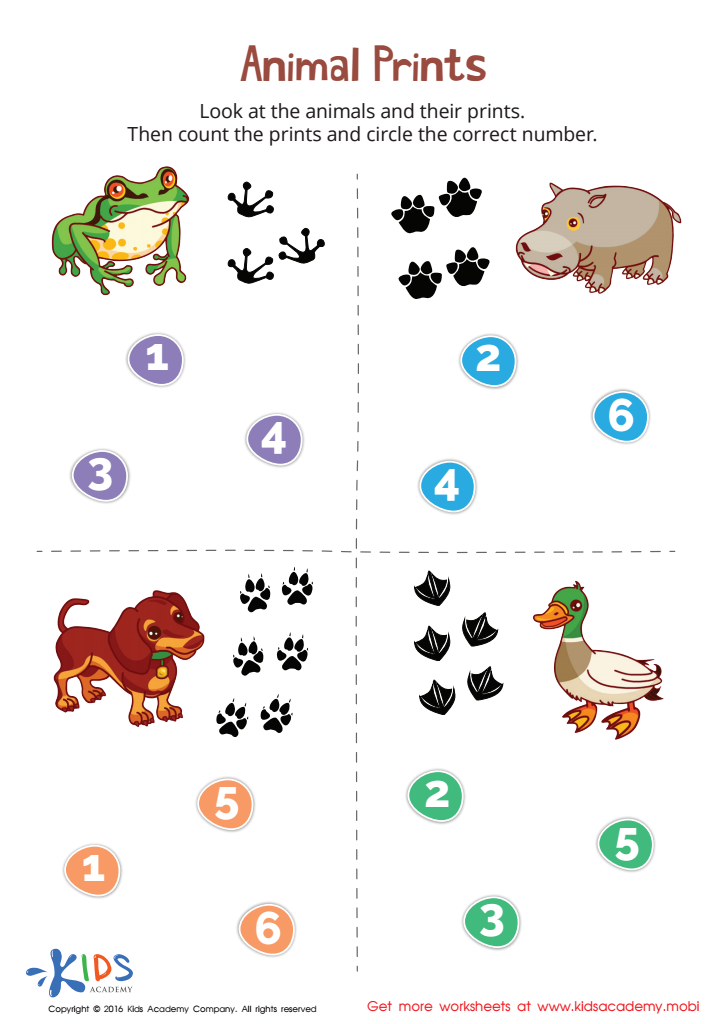
Animal Prints Match-Up Worksheet
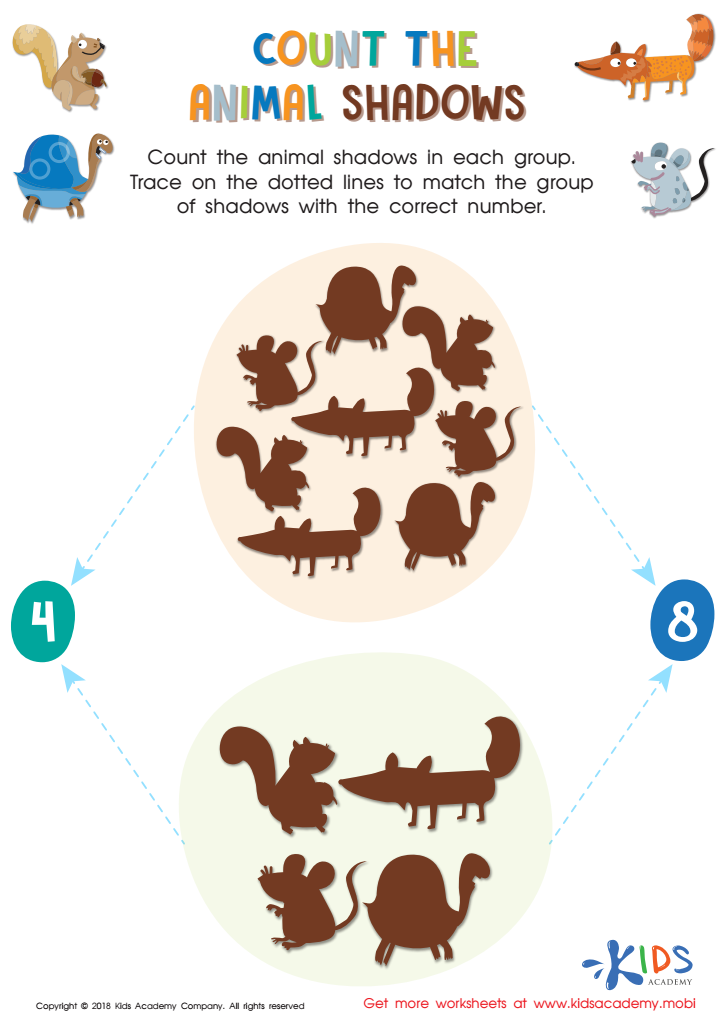
Count the Animal Shadows Worksheet
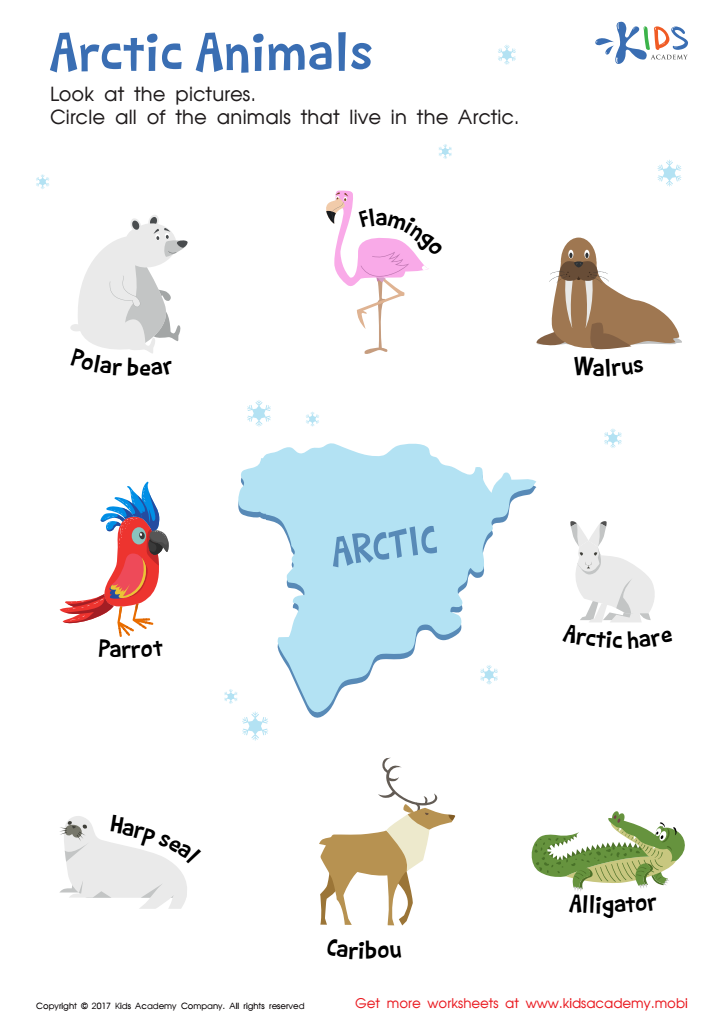
Arctic Animals Worksheet
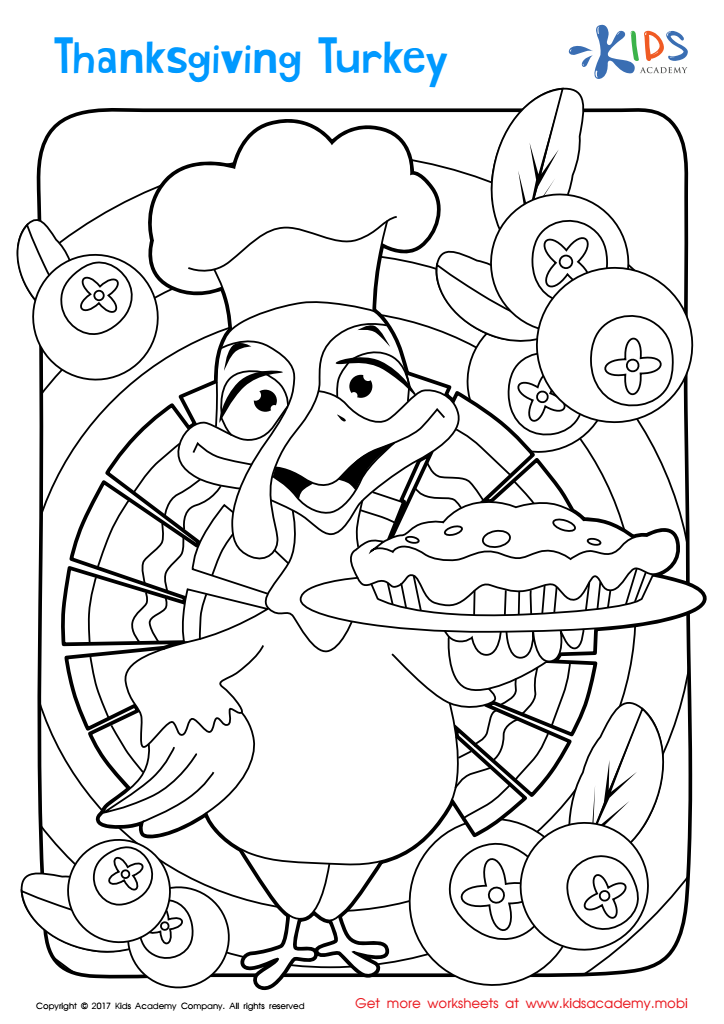
Turkey Thanksgiving Day Worksheet
Assign to My Students
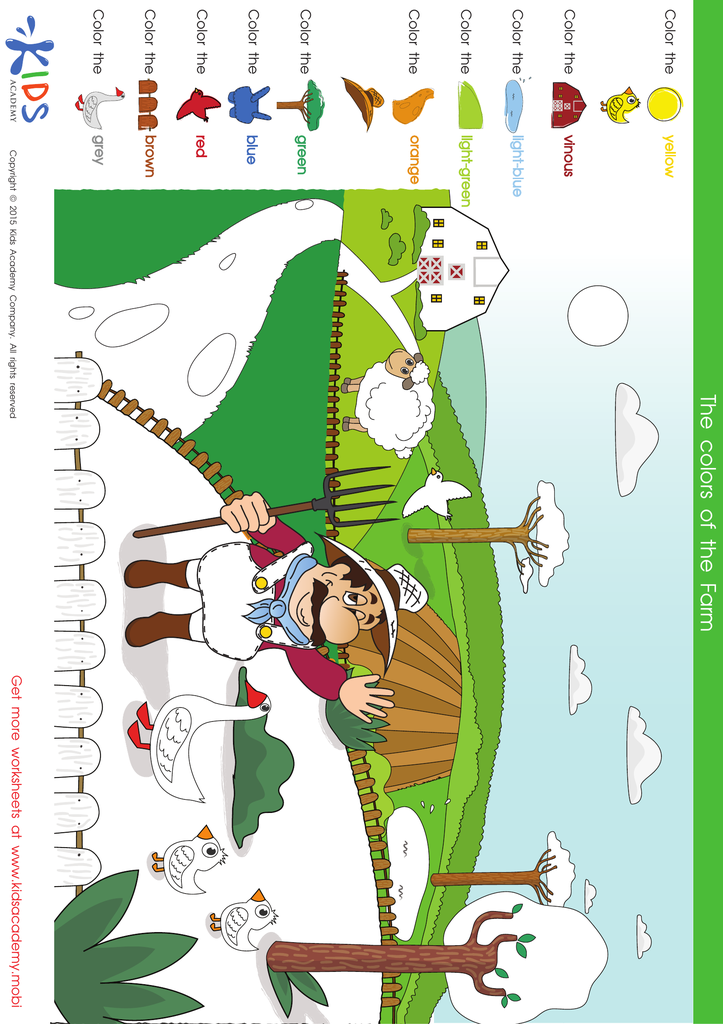
Color the Farmer and His Geese Coloring Pages
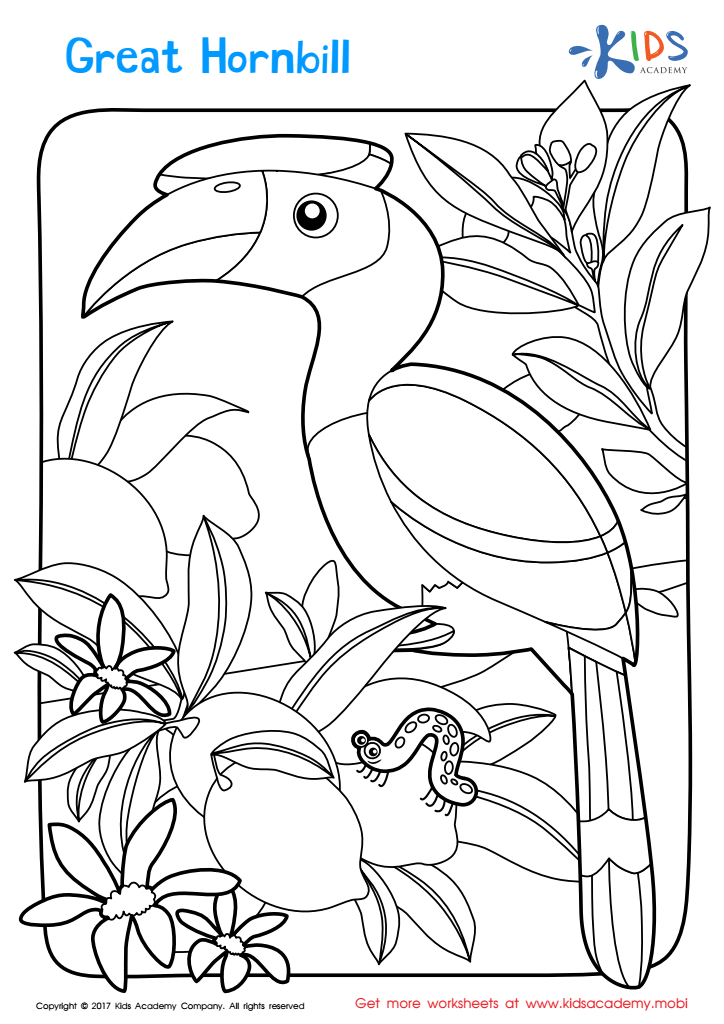
Great Hornbill Worksheet
Assign to My Students








Parents and teachers should care about animal identification in Kindergarten because it lays a foundational understanding of the natural world for young children. At this developmental stage, kids are naturally curious and eager to explore their surroundings. Learning to identify animals enhances their observational skills, fostering a sense of enquiry and promoting cognitive development through recognizing patterns and categorizing information.
Animal identification can also encourage empathy and environmental stewardship. As children learn about different species, their habitats, and behaviors, they develop an appreciation for biodiversity and begin to understand the importance of protecting wildlife and ecosystems. This can instill a lifelong interest in nature and conservation.
Integrating animal identification into lessons can make learning more engaging. Hands-on activities like nature walks, watching educational videos, or reading books about animals make scientific concepts more tangible and enjoyable. The excitement children feel when discovering a new animal can also assist in language development and literacy skills, as they learn new vocabulary and practice storytelling.
In sum, animal identification is more than just recognizing different species; it supports broader educational goals such as cognitive development, empathy, engagement in learning, and sets the stage for an ongoing curiosity about the world around them.








