Handwriting practice Kindergarten Worksheets - Page 3
75 filtered results
-
From - To
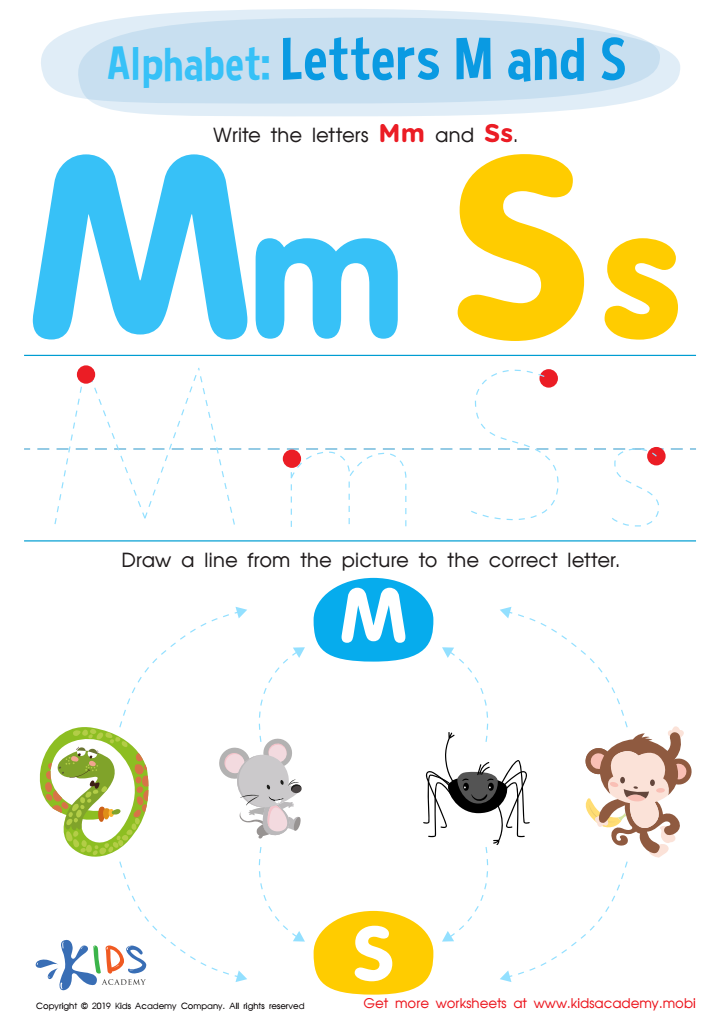
Letters M and S Tracing Worksheet
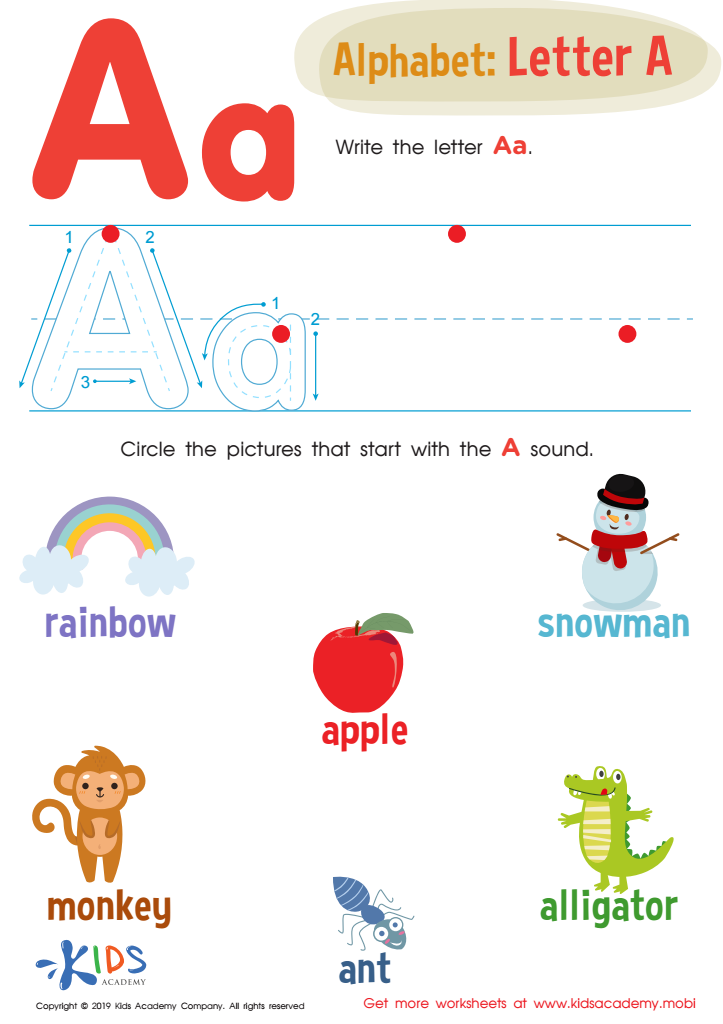
Letter A Tracing Worksheet
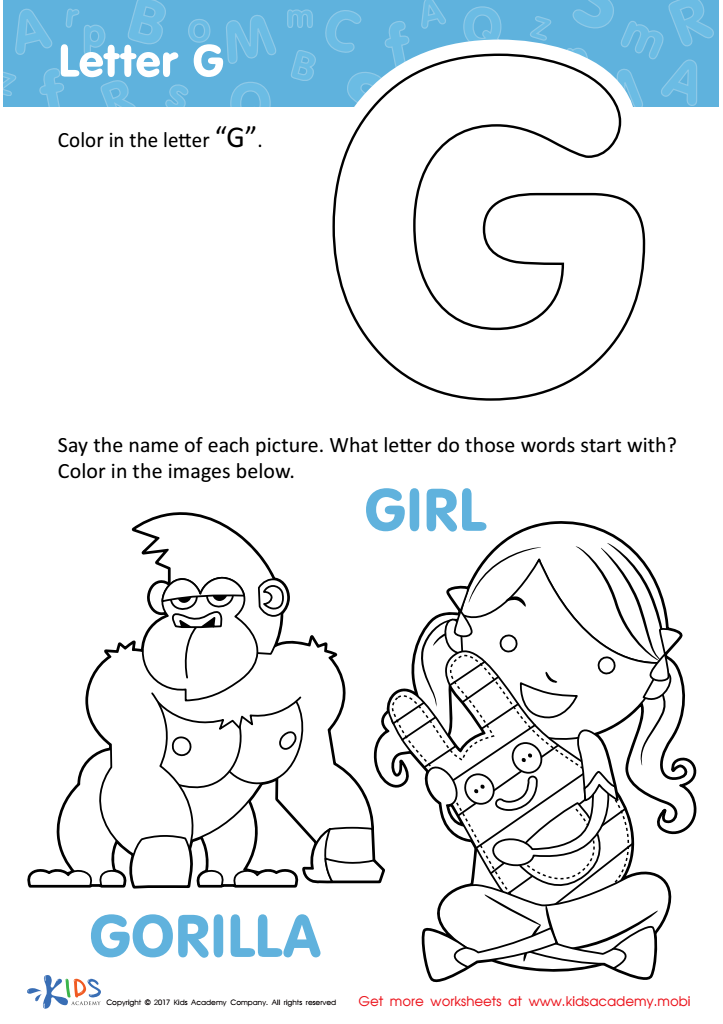
Letter G Coloring Sheet
 Assign to My Students
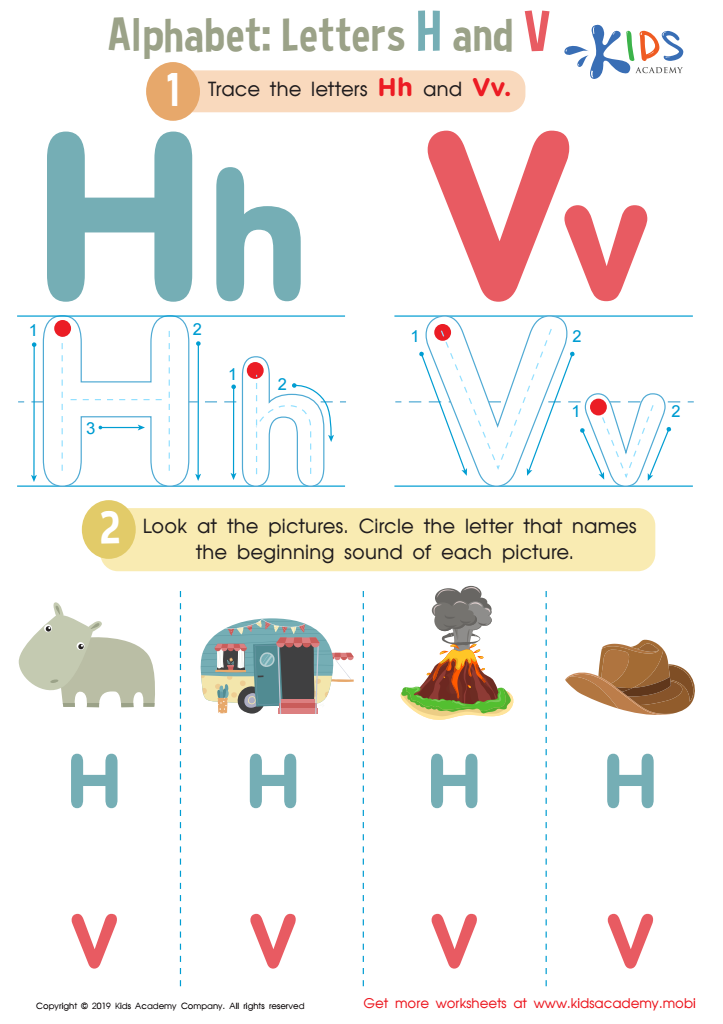
Letters H and V Tracing Worksheet
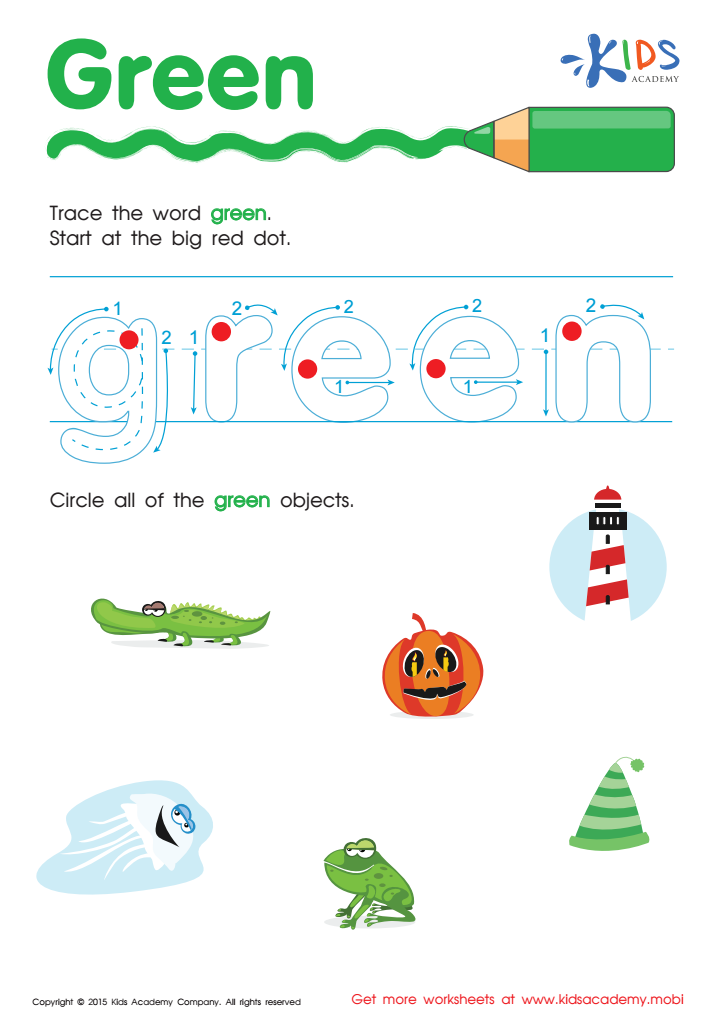
Green Tracing Color Words Worksheet
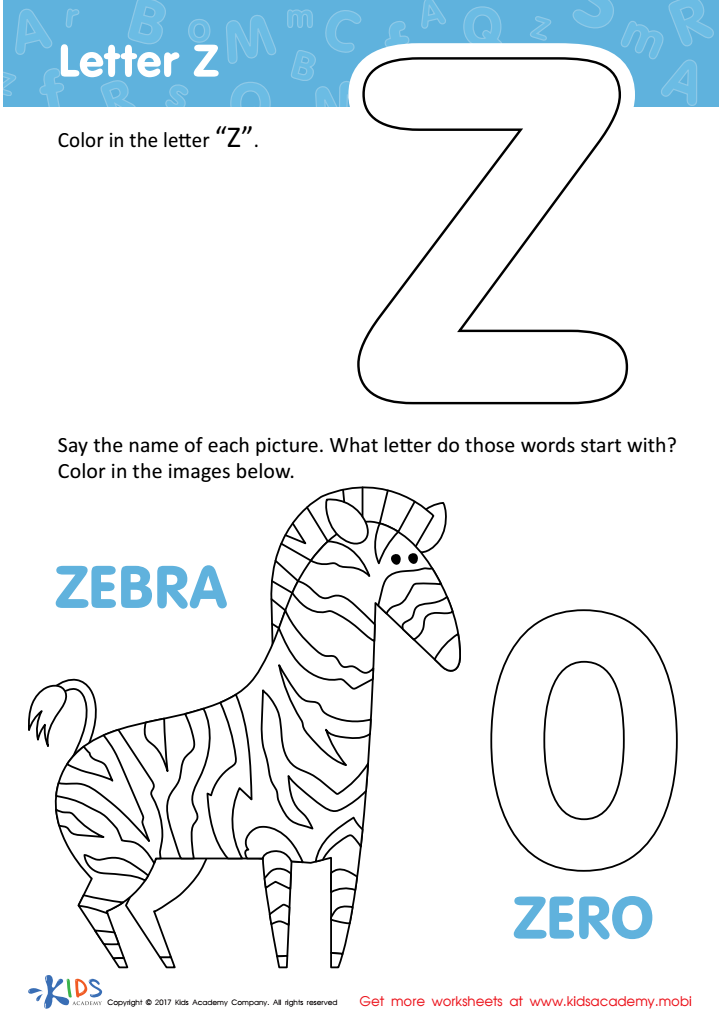
Letter Z Coloring Sheet
Assign to My Students
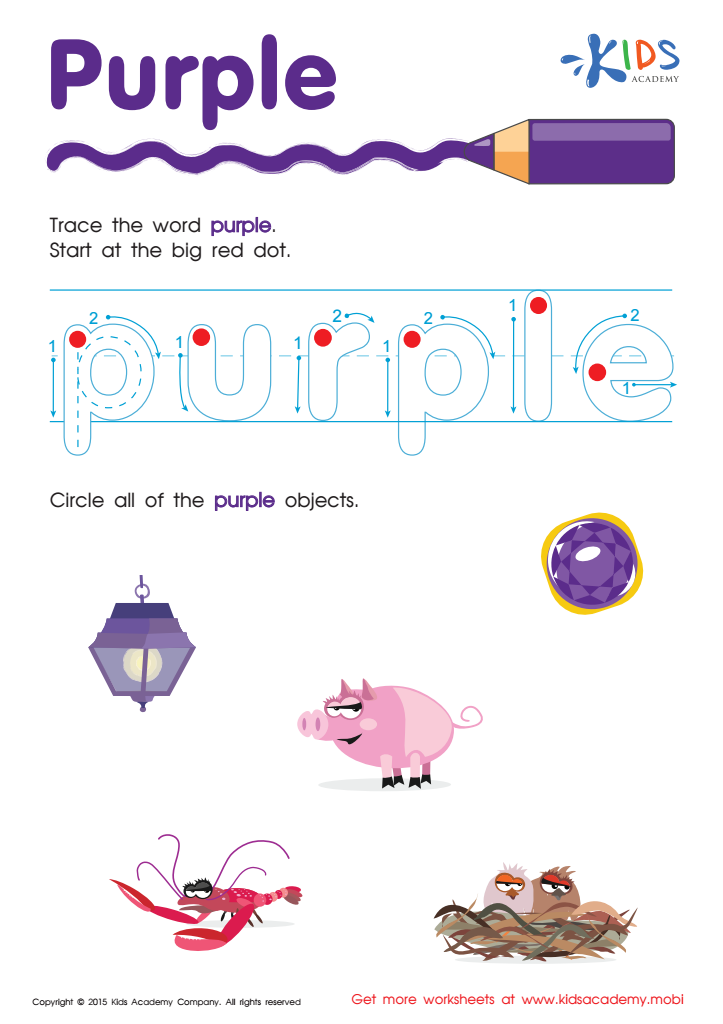
Purple Tracing Color Words Worksheet
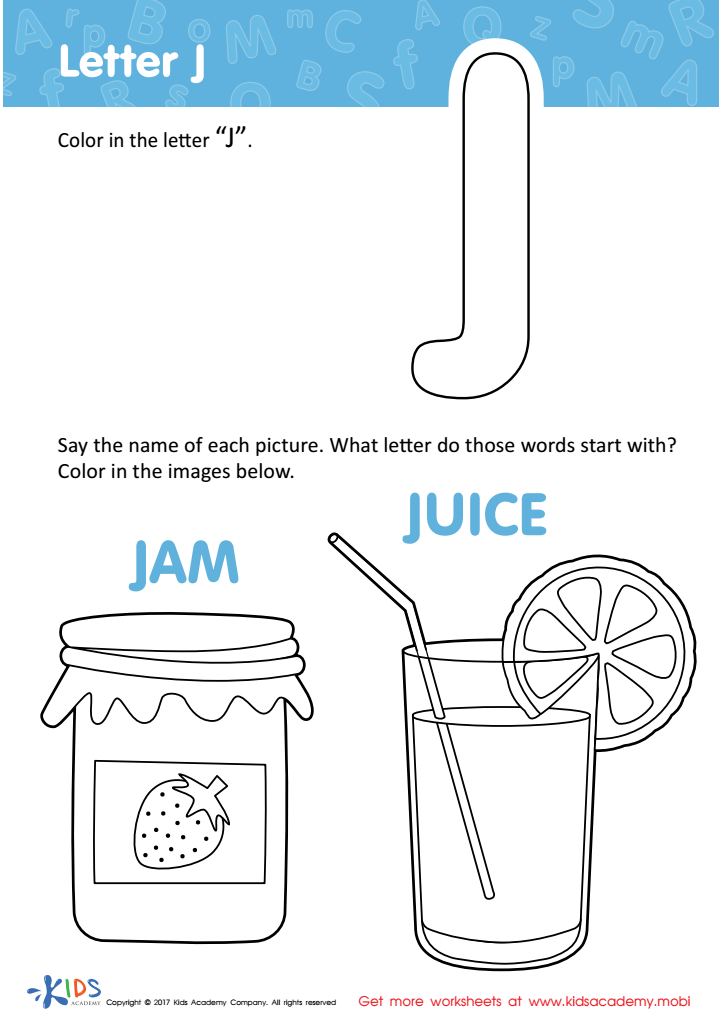
Letter J Coloring Sheet
Assign to My Students
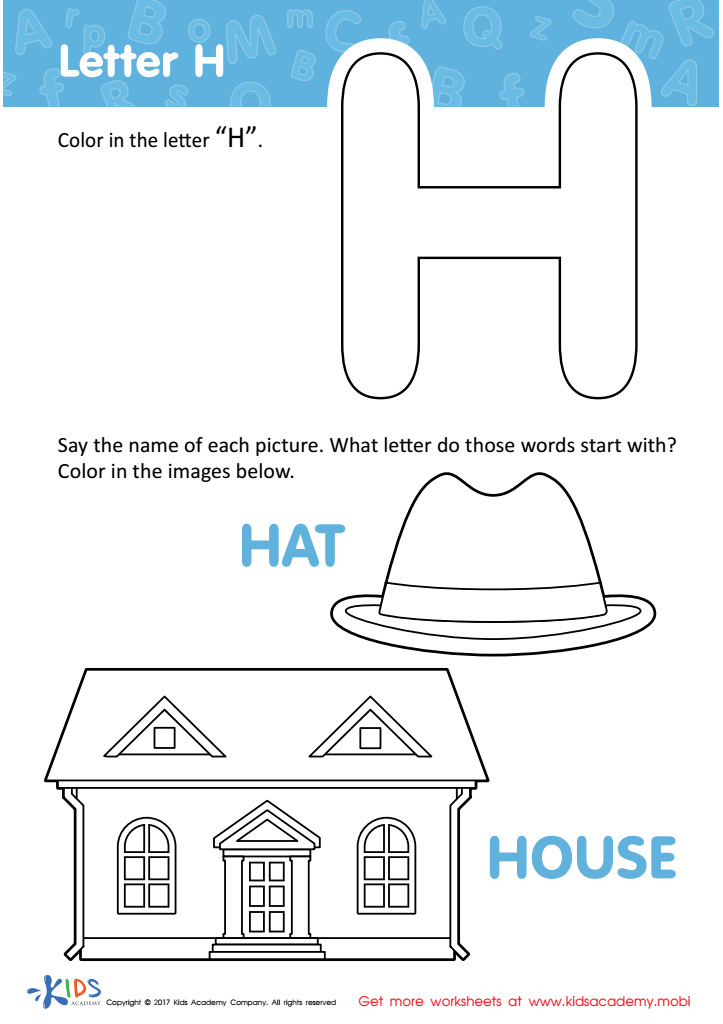
Letter H Coloring Sheet
Assign to My Students
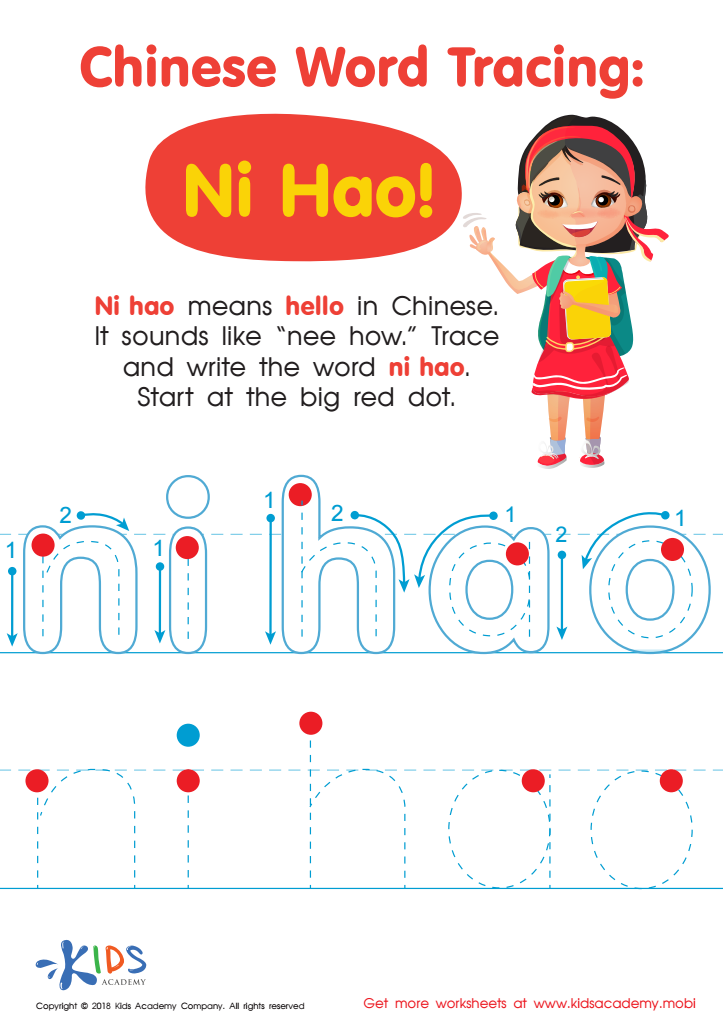
Chinese Word Tracing: Ni Hao Worksheet
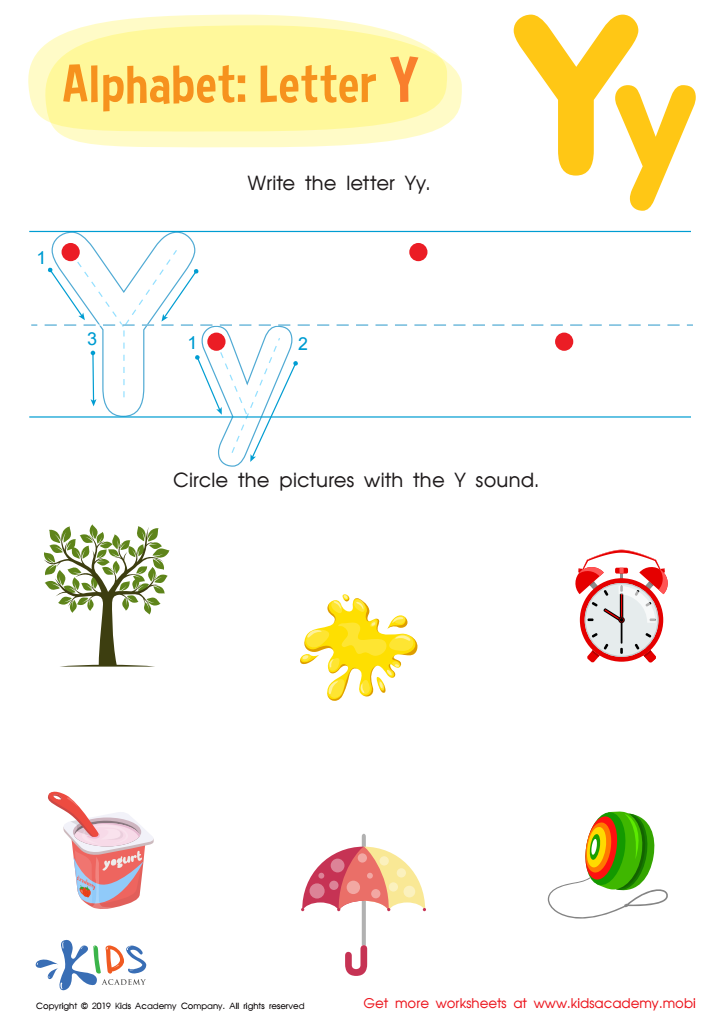
Letter Y Tracing Worksheet
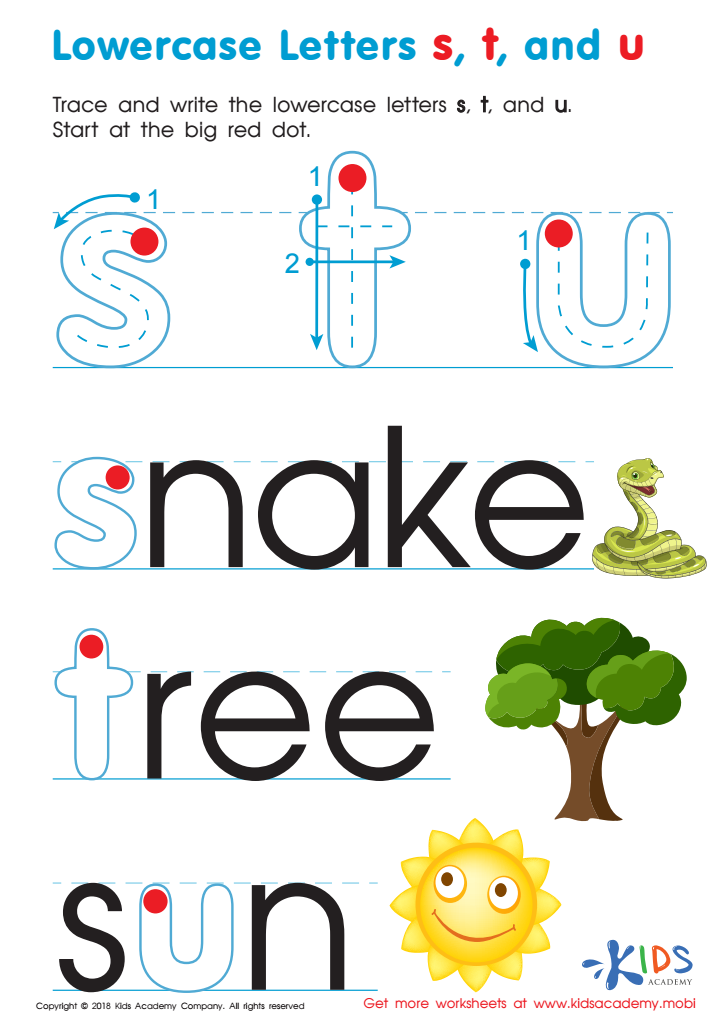
Lowercase Letters s t u Worksheet
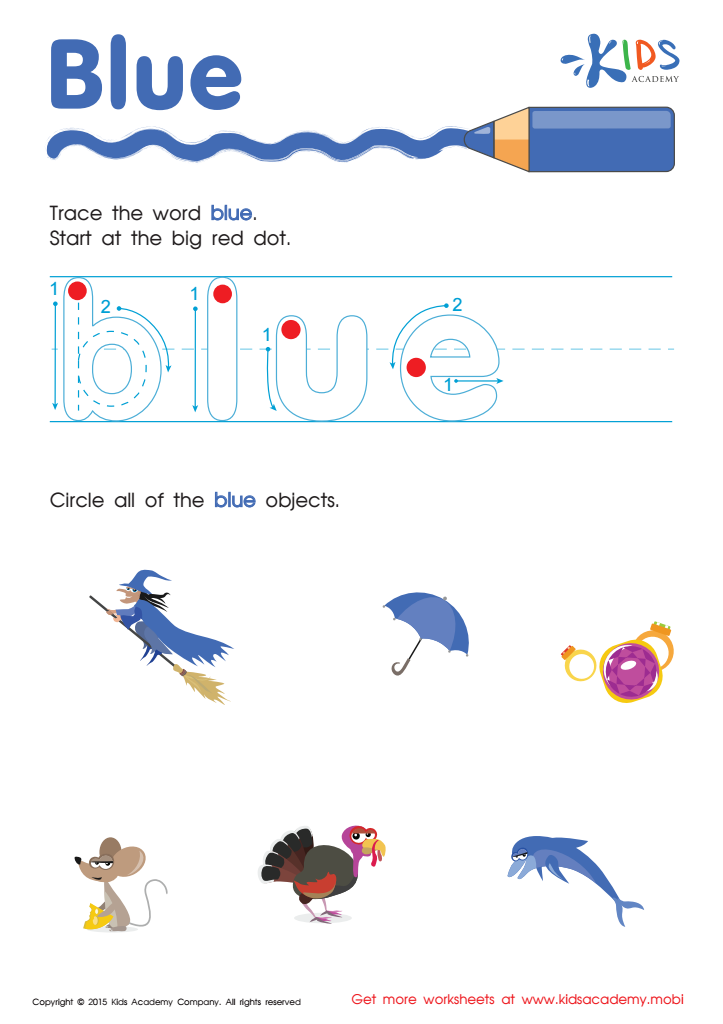
Blue Tracing Color Words Printable
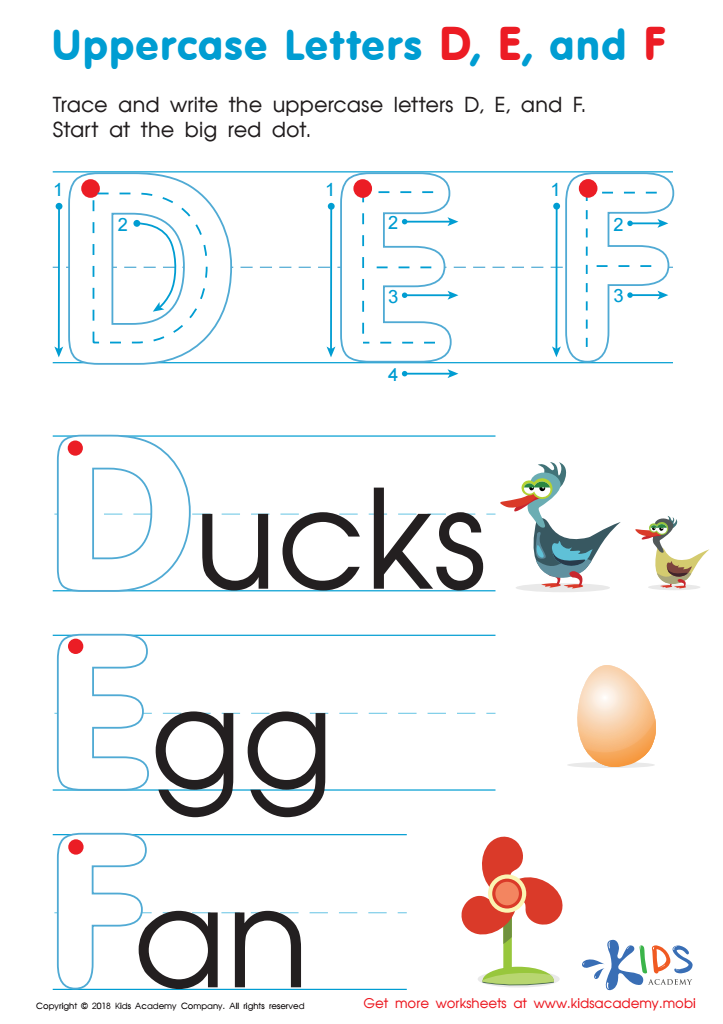
Uppercase Letters D, E, and F Worksheet
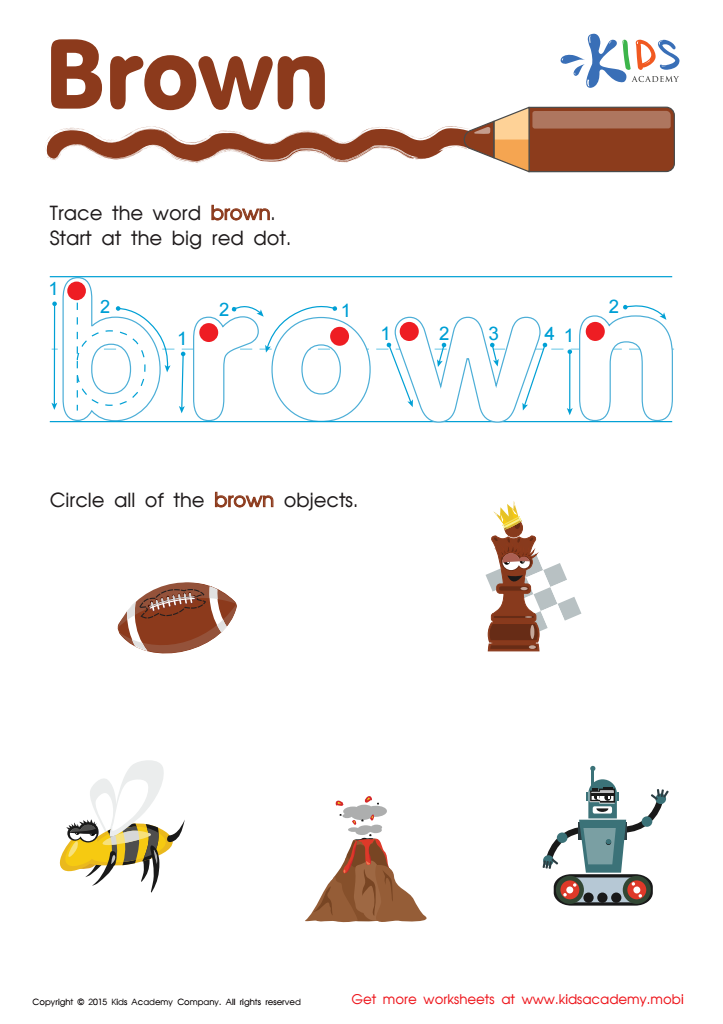
Brown Tracing Color Words Worksheet
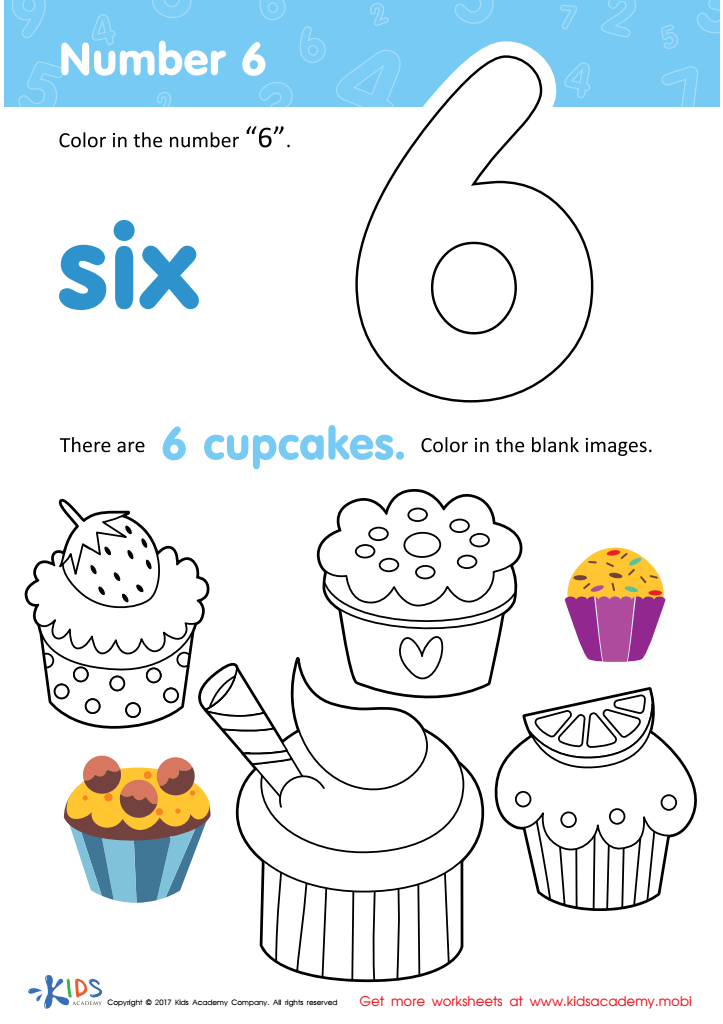
Number 6 Worksheet
Assign to My Students
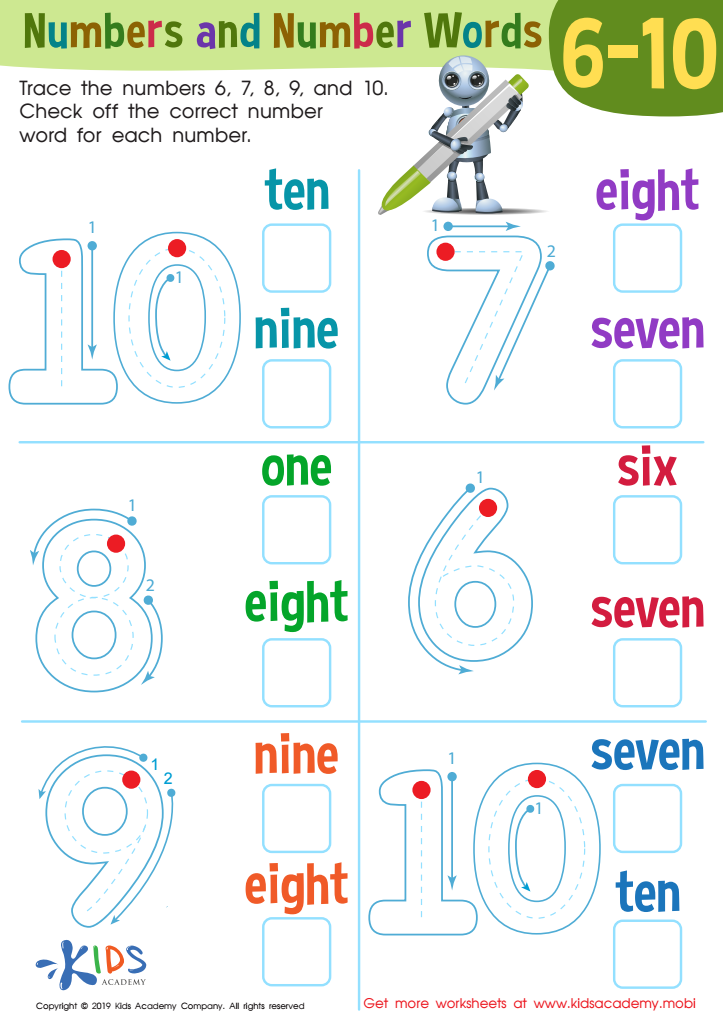
Numbers and Number Words 6–1 Worksheet
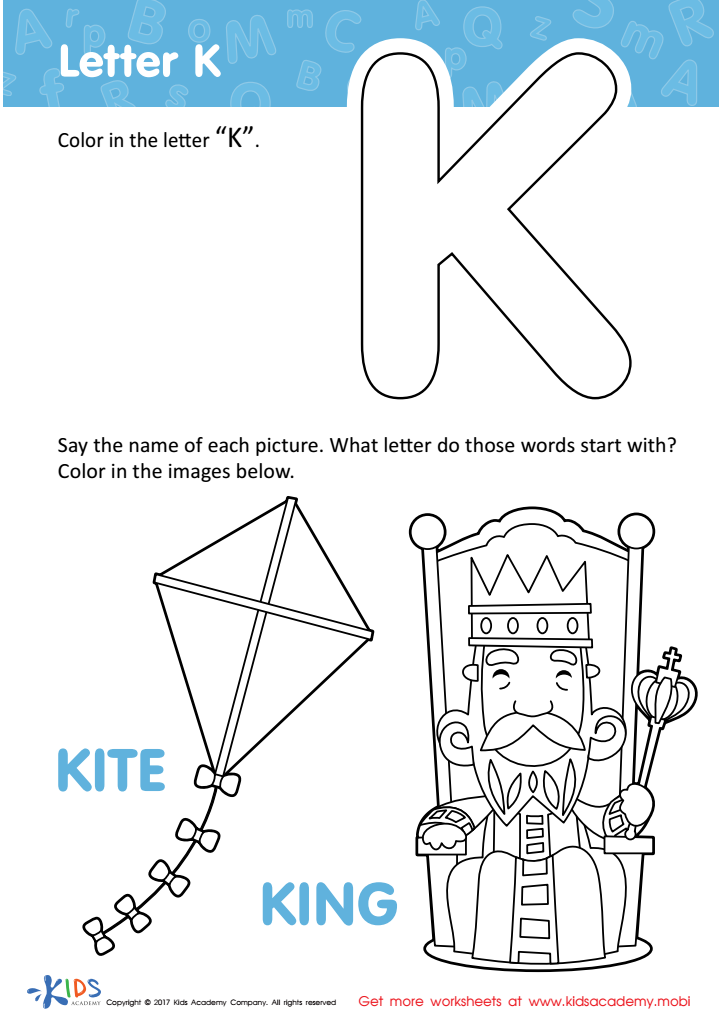
Letter K Coloring Sheet
Assign to My Students
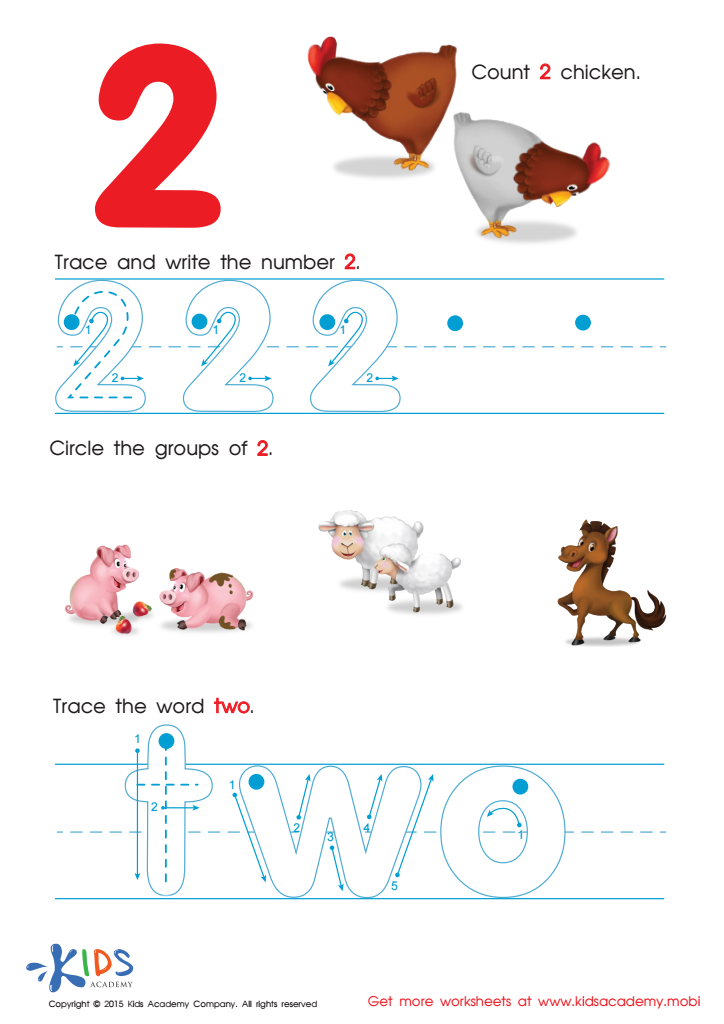
Learn to Write the Number 2 Worksheet

Count the Mushrooms and Trace the Number 3 Printable
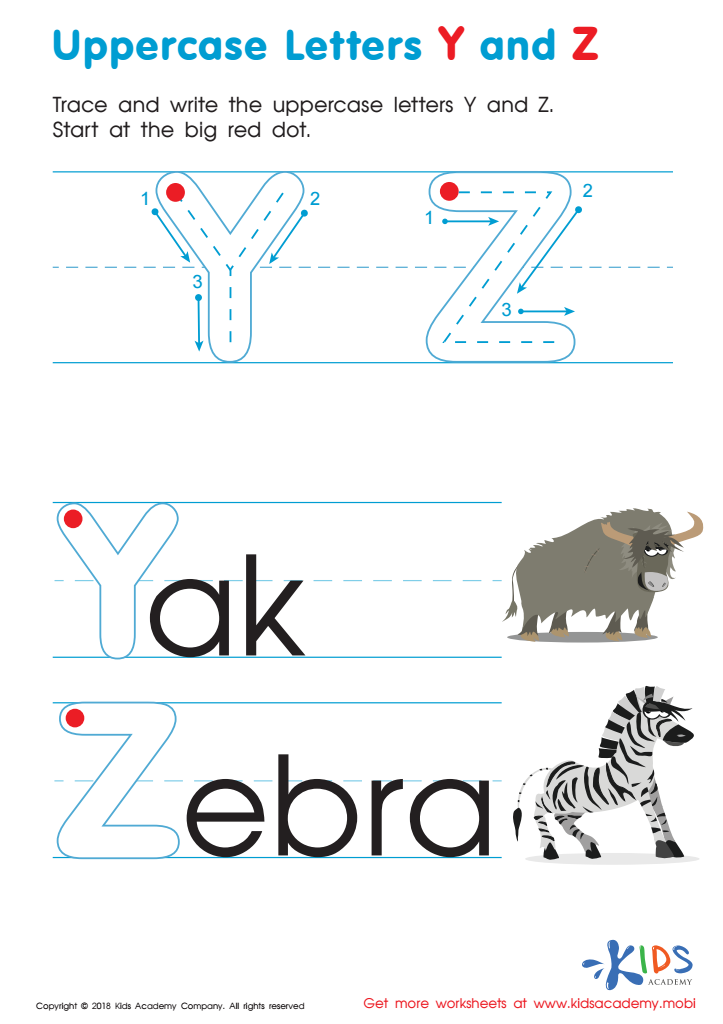
Uppercase Letters Y Z Worksheet
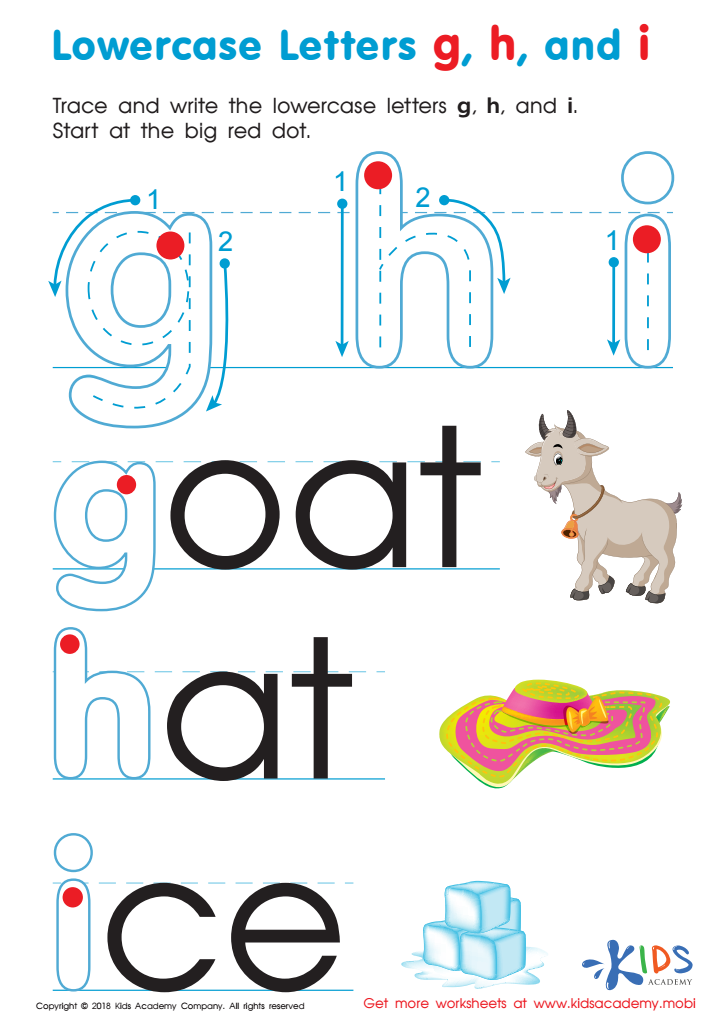
Lowercase Letters g h i Worksheet
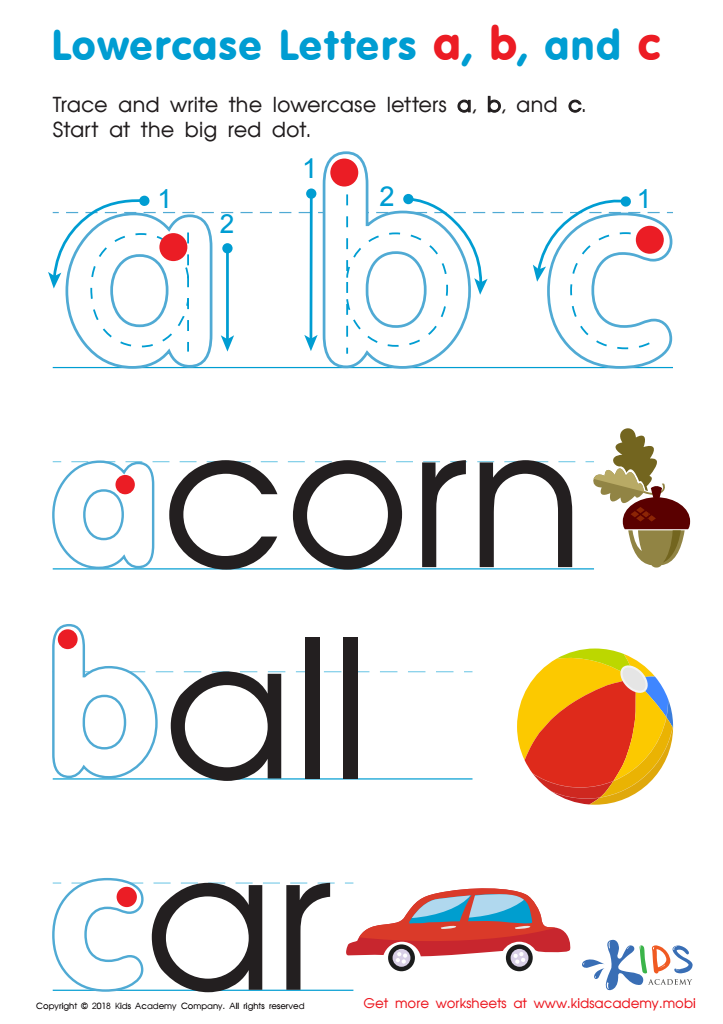
Lowercase Letters a b c Worksheet
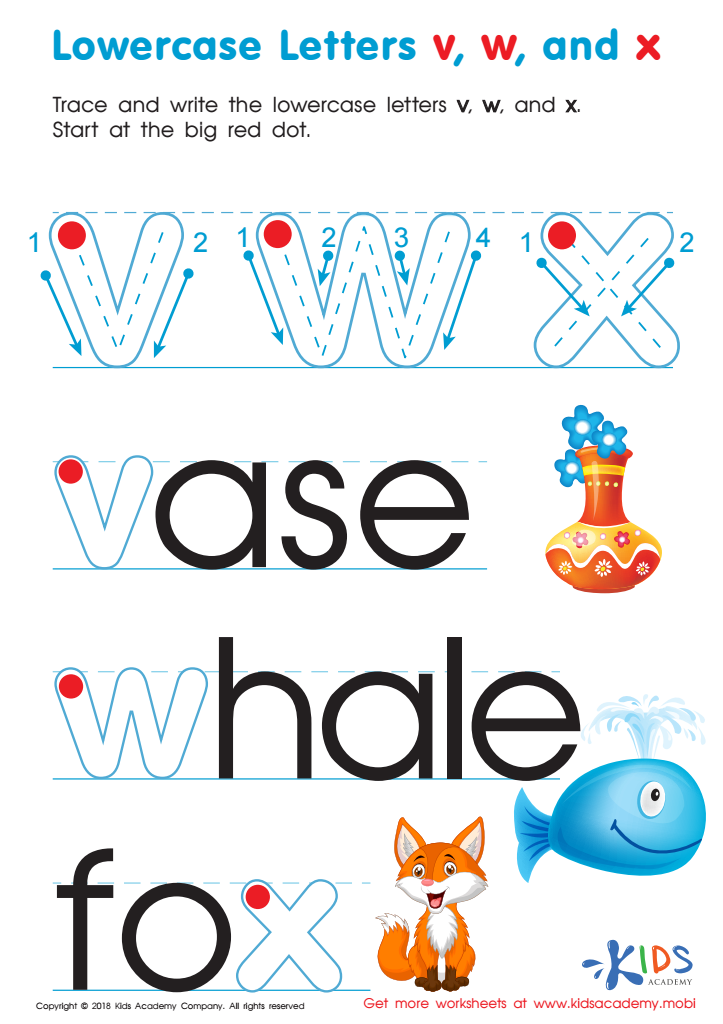
Lowercase Letters v w x Worksheet






Handwriting practice in kindergarten is crucial for several foundational reasons that parents and teachers should prioritize. Firstly, fine motor skills develop significantly during this stage, as children strengthen the small muscles in their hands and fingers through directed practice. Mastery of these skills is essential for not only writing but also everyday tasks such as buttoning a shirt or tying shoelaces.
Secondly, handwriting is linked to cognitive development. Engaging in the physical act of writing helps reinforce letter and word recognition, which in turn aids in reading proficiency. Children who write by hand tend to develop a deeper understanding of letter formation and phonetics compared to those who rely solely on typing or digital formats.
Moreover, handwriting practice fosters creativity and self-expression. As children create their own letters and form words, they develop a sense of ownership over their writing, which encourages them to experiment with their thoughts and ideas.
Finally, good handwriting contributes to effective communication. Clear, legible writing facilitates better understanding among peers and teachers, paving the way for constructive feedback and collaboration. Thus, prioritizing handwriting practice sets a solid foundation for academic success and personal expression in young learners.








