Visual perception Kindergarten Worksheets - Page 2
34 filtered results
-
From - To
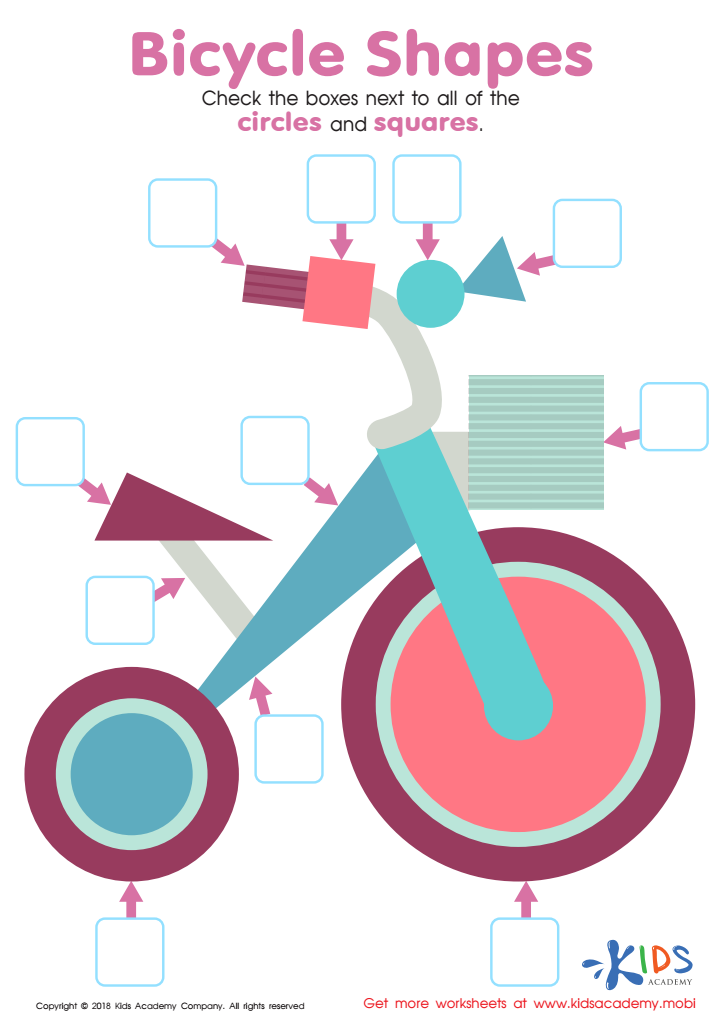
Bicycle Shapes Worksheet
 Assign to My Students
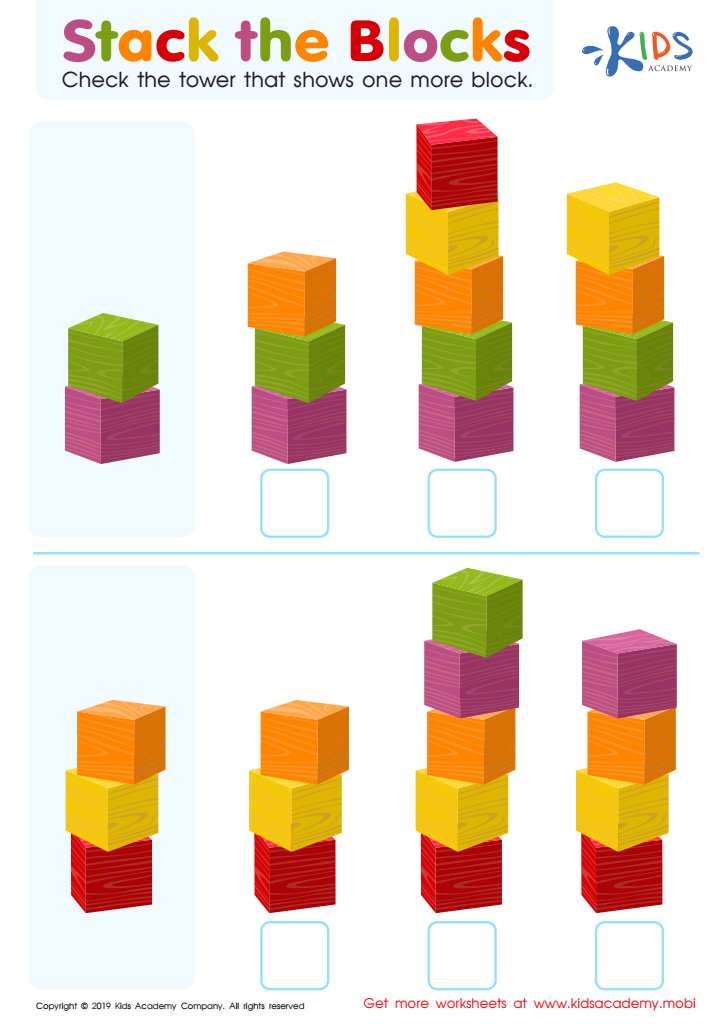
Stack the Blocks Worksheet
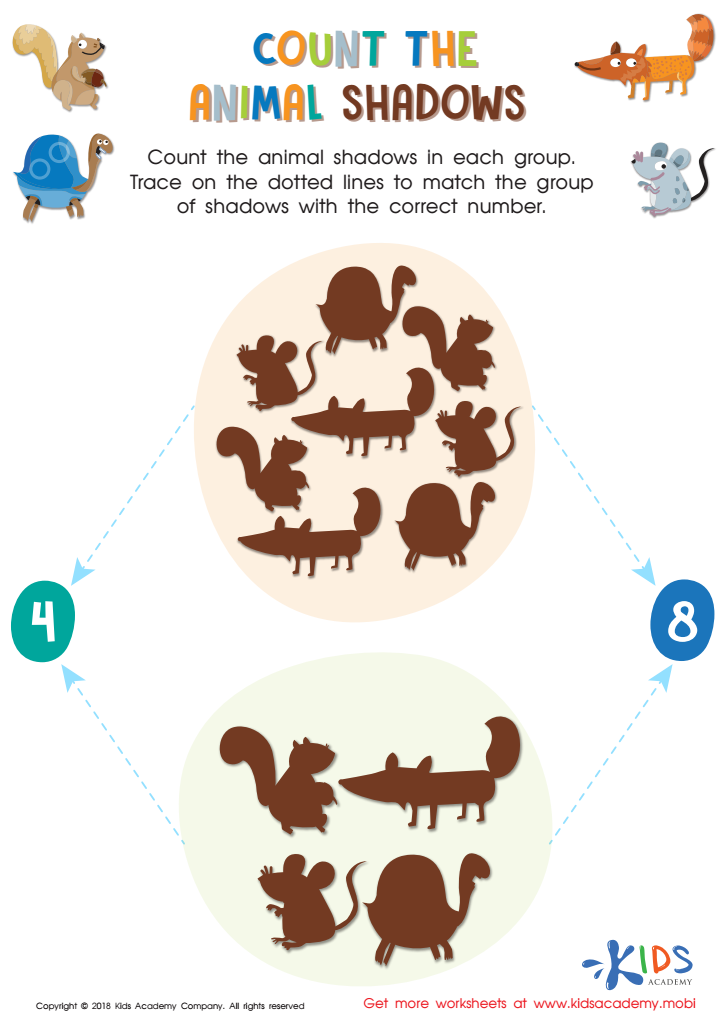
Count the Animal Shadows Worksheet
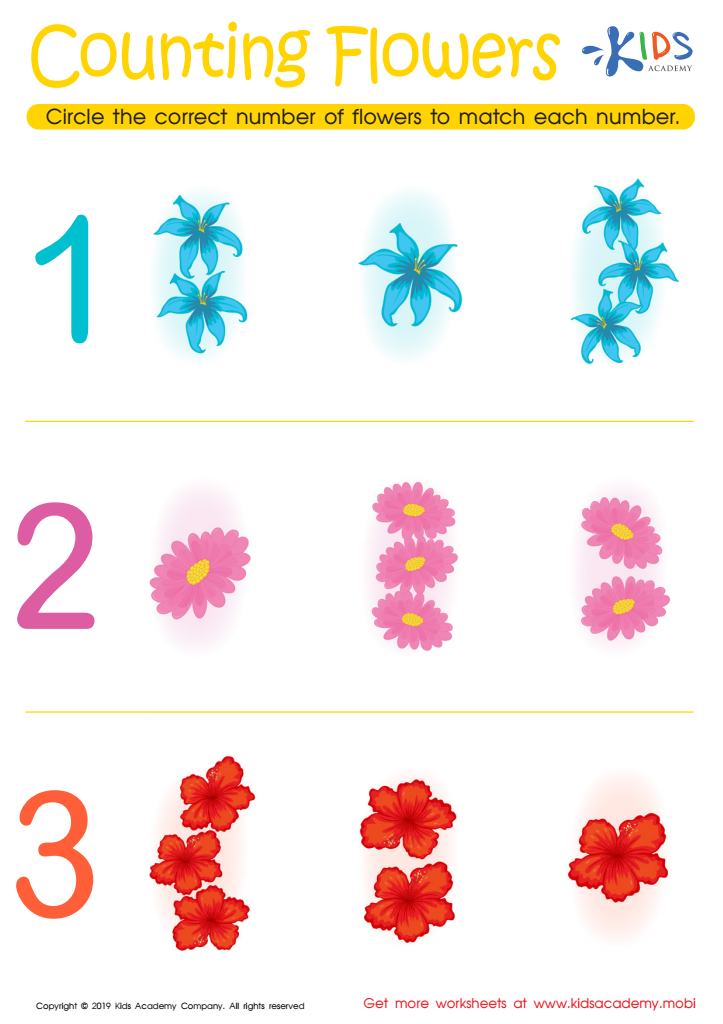
Counting Flowers Worksheet
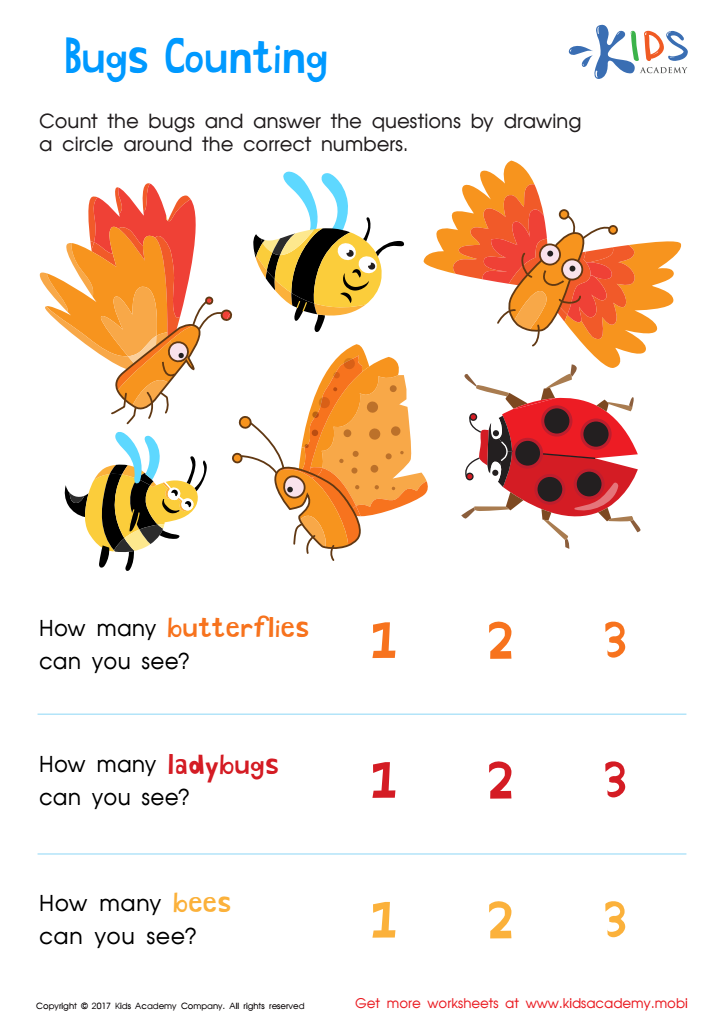
Bugs Counting Worksheet
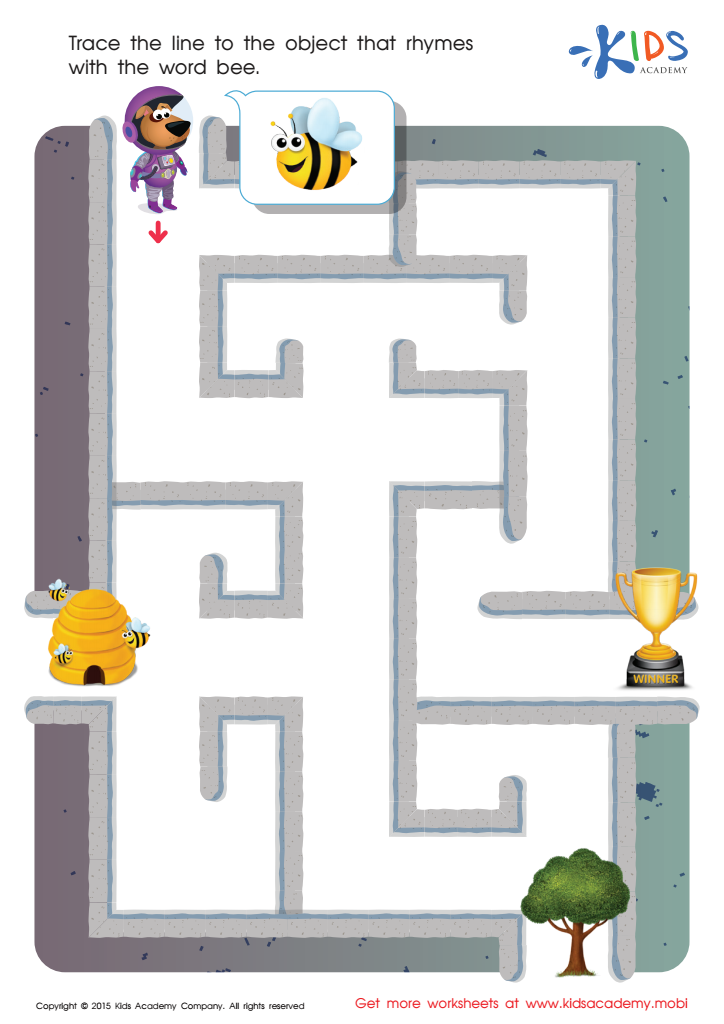
Bee Rhyming Words Worksheet
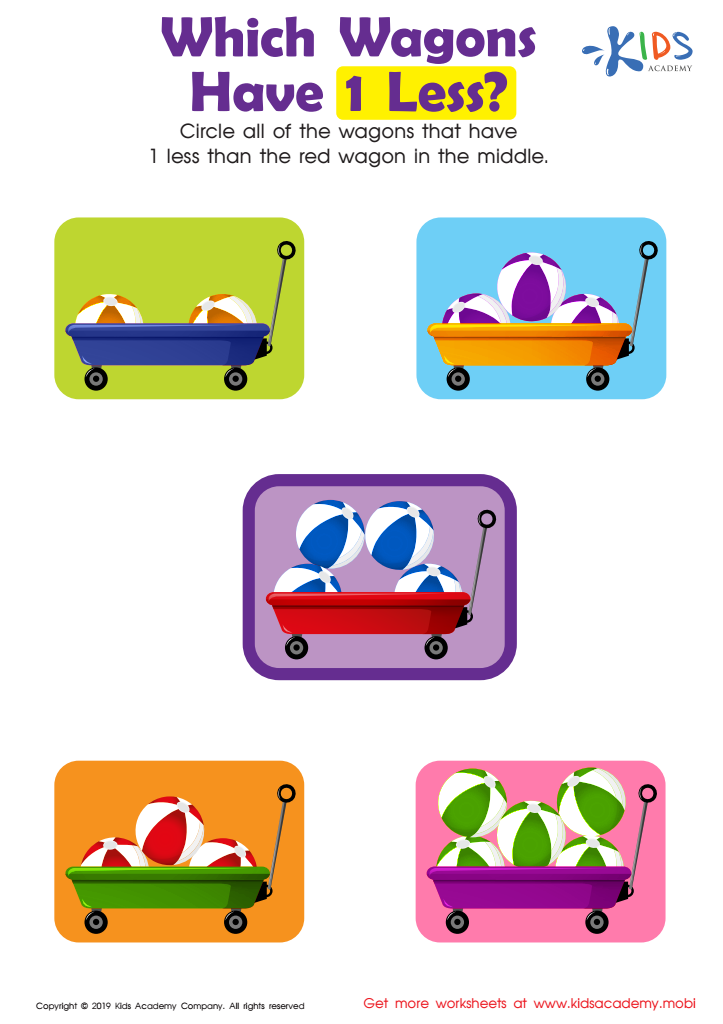
Which Wagons Have 1 Less? Worksheet
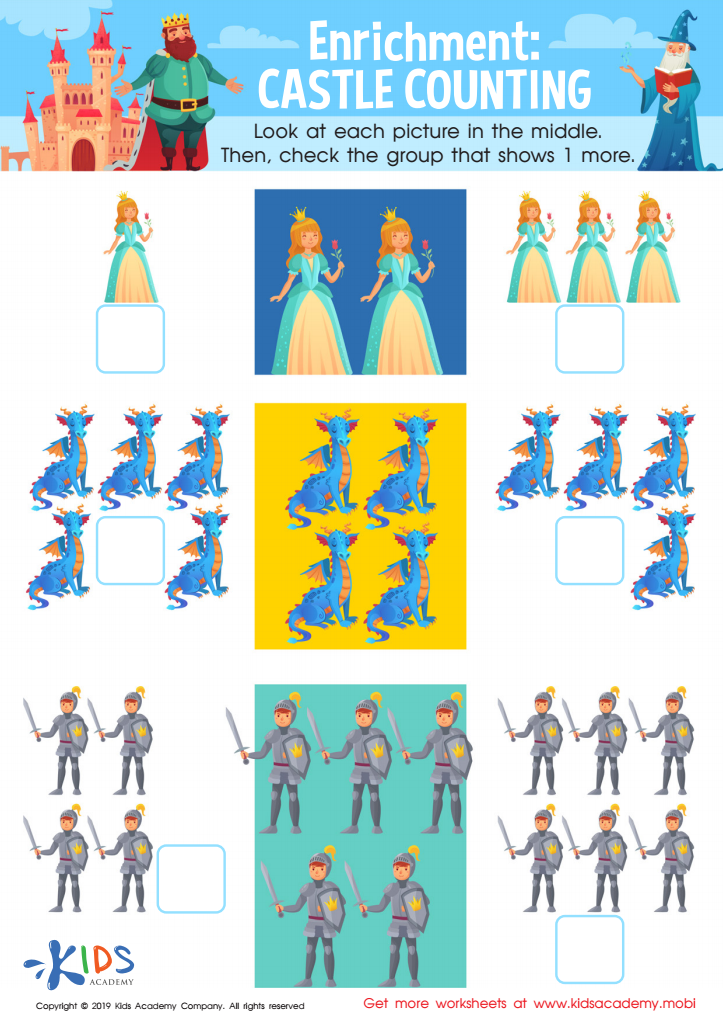
Enrichment: Castle Counting Worksheet
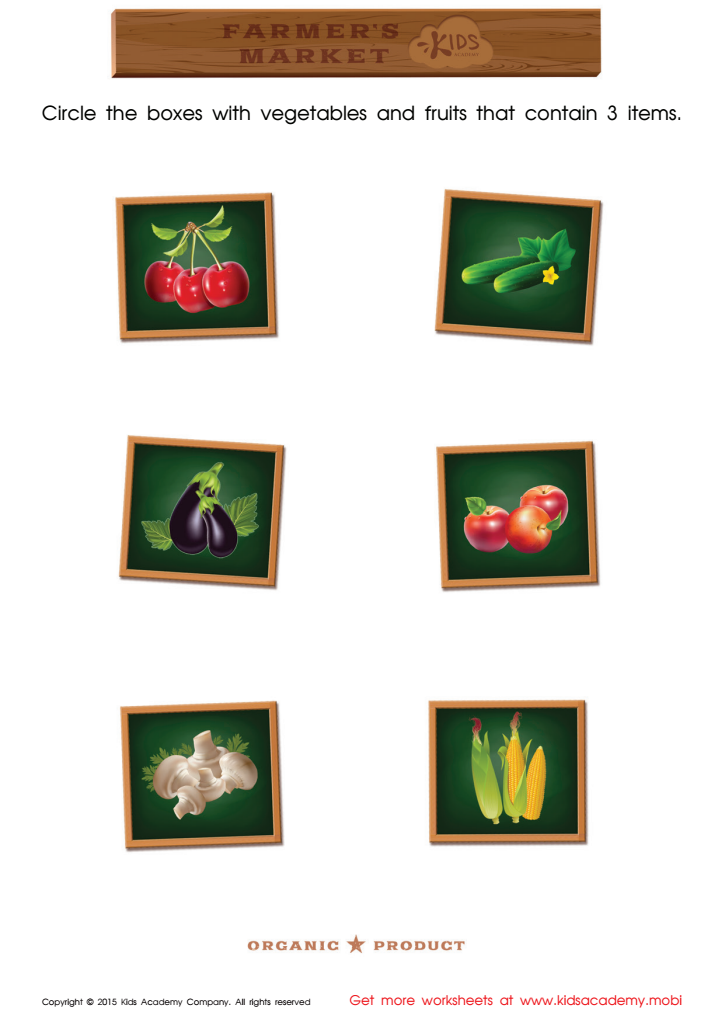
Count and Match Vegetables 1 – 5 Math Worksheet
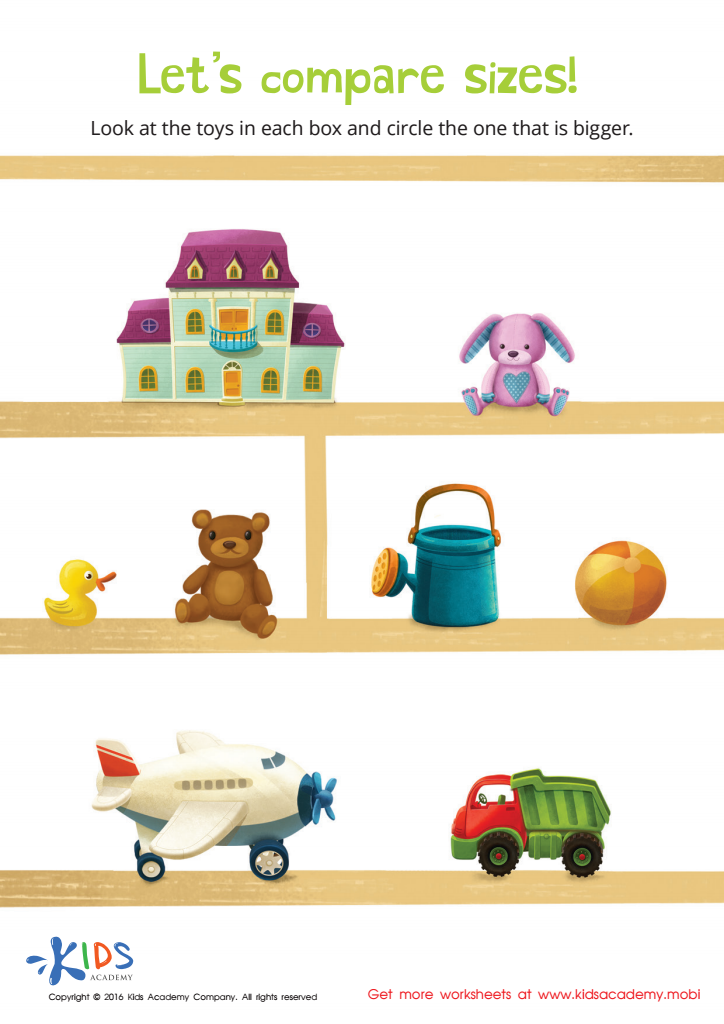
Classifying by Size Sorting Worksheet







Visual perception skills are crucial for young children's overall development and academic success, particularly in kindergarten where foundational learning begins. This set of skills enables children to make sense of and interpret what they see. It includes abilities like visual discrimination, spatial awareness, and visual memory, which are essential for reading, writing, and mathematics.
Good visual perception helps children differentiate between similar letters (such as "b" and "d") and shapes, making reading and writing tasks more manageable. Strong spatial awareness aids in understanding relationships between objects, which is vital for tasks such as solving puzzles or navigating a page of text.
When visual perception skills are underdeveloped, children may struggle academically and experience frustration, possibly leading to decreased self-confidence. If teachers and parents focus on nurturing these skills, they can help prevent or mitigate these challenges. Activities that support visual perception (like puzzles, matching games, and pattern recognition exercises) can be both fun and educational, offering a hands-on approach that suits young learners.
Investing time and attention in developing visual perception skills in kindergarten can build a strong foundation for future learning, contributing significantly to a child's success and confidence in school and beyond. It essentially helps set the stage for a lifelong love of learning.








