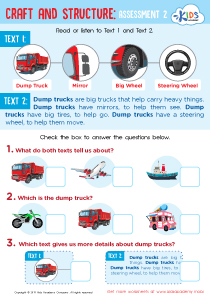
Comprehension skills Kindergarten Reading Fiction Worksheets
3 filtered results
-
From - To
Enhance young learners' reading development with our Comprehension Skills Kindergarten Reading Fiction Worksheets. These engaging and educational resources are designed to help children understand and retell stories, identify key elements, and foster a love for reading. Each worksheet includes a captivating fiction narrative followed by comprehension questions that encourage critical thinking and discussion. Ideal for classroom or home use, these activities support early literacy skills by promoting vocabulary growth, recognizing details, and enhancing overall understanding. Make reading fun and effective with our printable worksheets, laying the foundation for successful reading journeys. Start your child's adventure into the world of fiction today!
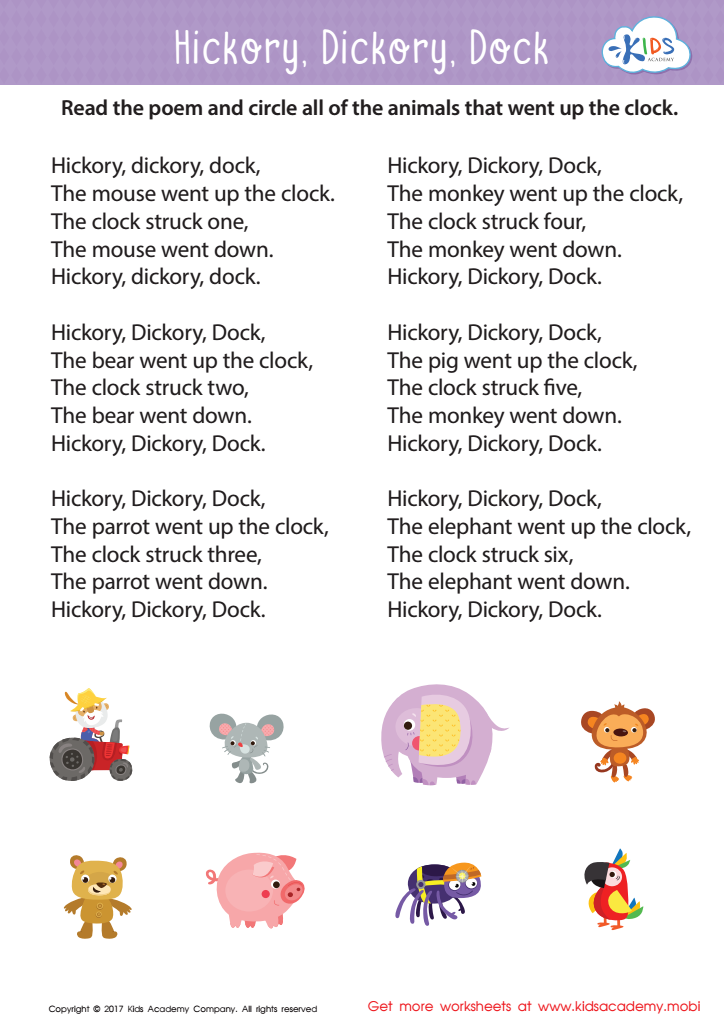
Hickory Dickory Dock Sequencing Worksheet
 Assign to My Students
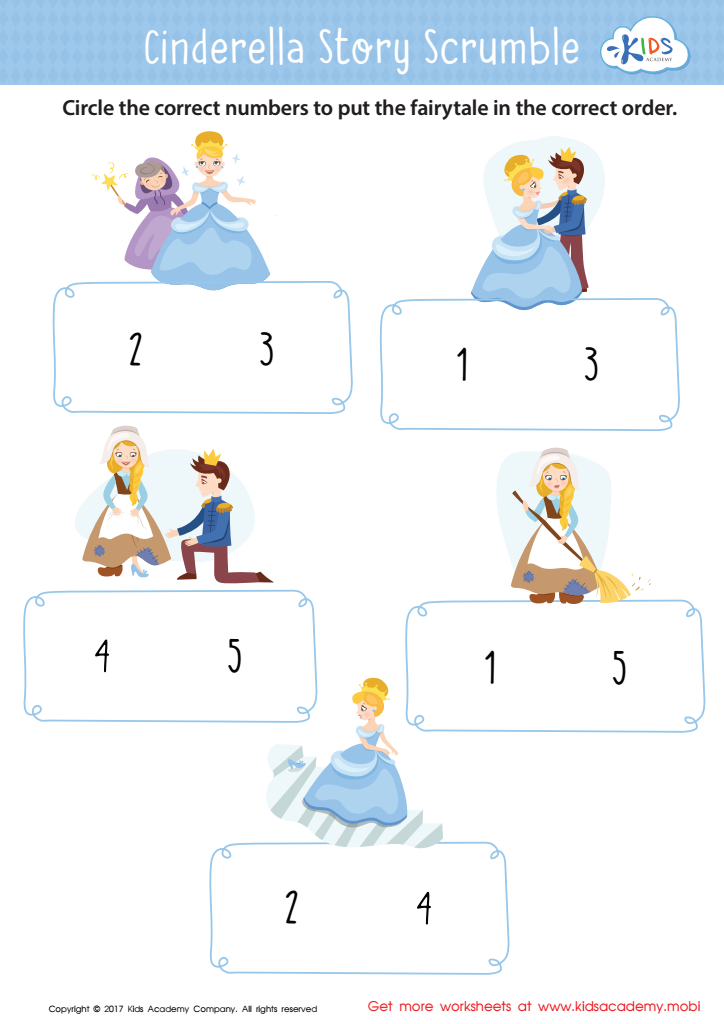
Cinderella Story Sequencing Worksheet
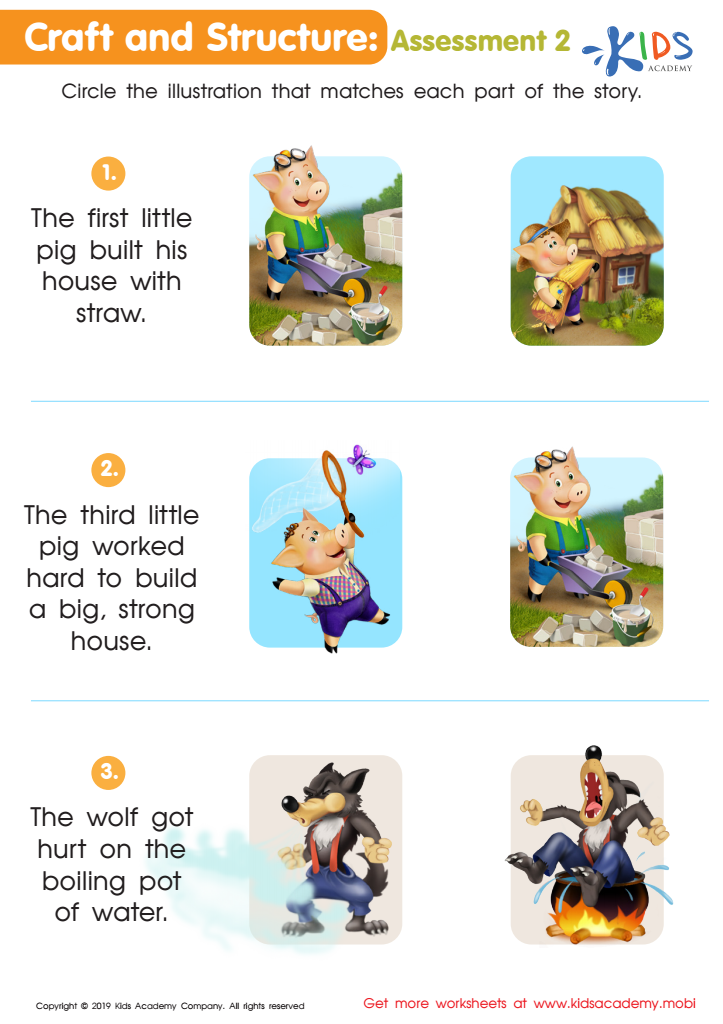
Craft and Structure: Assessment 2 Worksheet 2



.jpg)



Comprehension skills in kindergarten historically serve as the cornerstone of literacy development, playing a crucial role in a child's educational journey. When parents and teachers emphasize comprehension skills in the context of reading fiction, they nurture a child's ability to understand, interpret, and derive meaning from what they read. Firstly, comprehension enhances critical thinking. As children answer questions about a story's plot, characters, and setting, they learn to analyze and critique scenarios, fostering higher-order thinking skills essential for problem-solving.
Secondly, exposure to fiction stimulates imagination and creativity. Children begin to envision new worlds and scenarios, which broadens their mental horizons and enhances creativity—a vital skill in all academic endeavors and life. Additionally, reading fiction often introduces moral and ethical lessons subtly woven into narratives, aiding in social and emotional development. Children can empathize with characters, understand diverse perspectives, and recognize the outcomes of various actions.
Lastly, strong comprehension skills lay a solid foundation for future academic success. A child who understands fiction well in kindergarten is more likely to excel in advanced reading tasks in later grades. By fostering these skills early on, parents and teachers set children on a path toward lifelong learning, empowering them to become enthusiastic, proficient readers.