Vocabulary enhancement Kindergarten Animals Worksheets
3 filtered results
-
From - To
Explore our engaging Kindergarten Animals Worksheets designed to enhance vocabulary skills while introducing young learners to the fascinating world of animals. These worksheets are perfect for early grade teachers and parents looking to enrich their children's understanding through fun and interactive activities. Each worksheet features colorful illustrations, varied exercises, and easily understandable instructions that empower children to associate words with their corresponding animals. From identifying different species to matching names with pictures, our resources ensure a delightful learning experience. Discover how our thoughtfully crafted worksheets can make learning vocabulary exciting and memorable for your child. Start their adventure in language today!
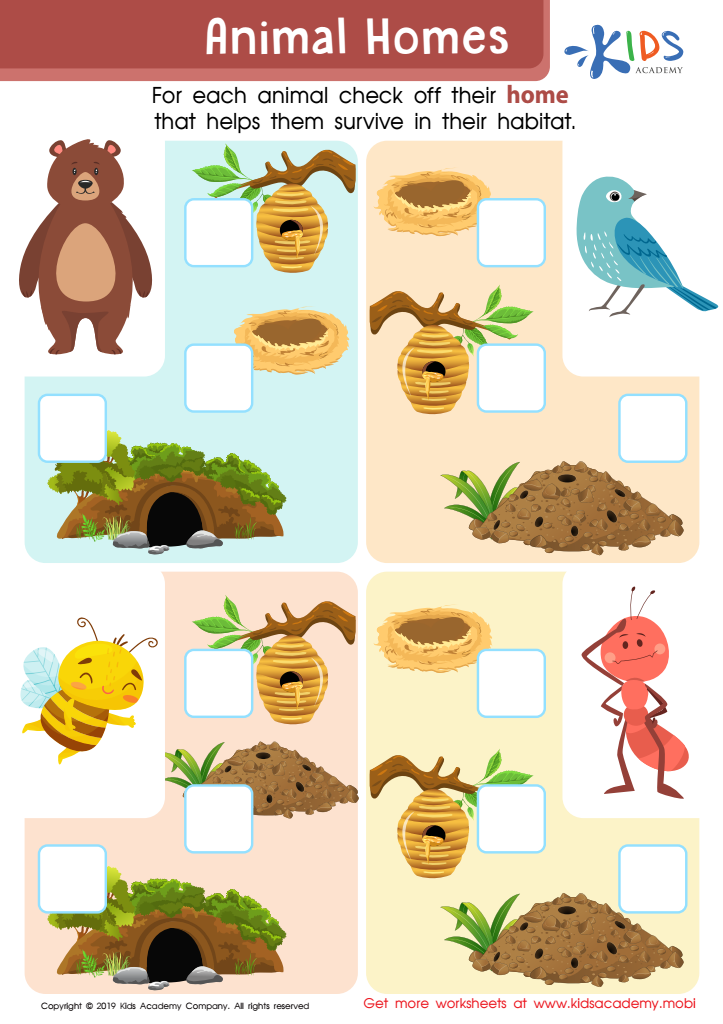
Animal Homes Worksheet
 Assign to My Students
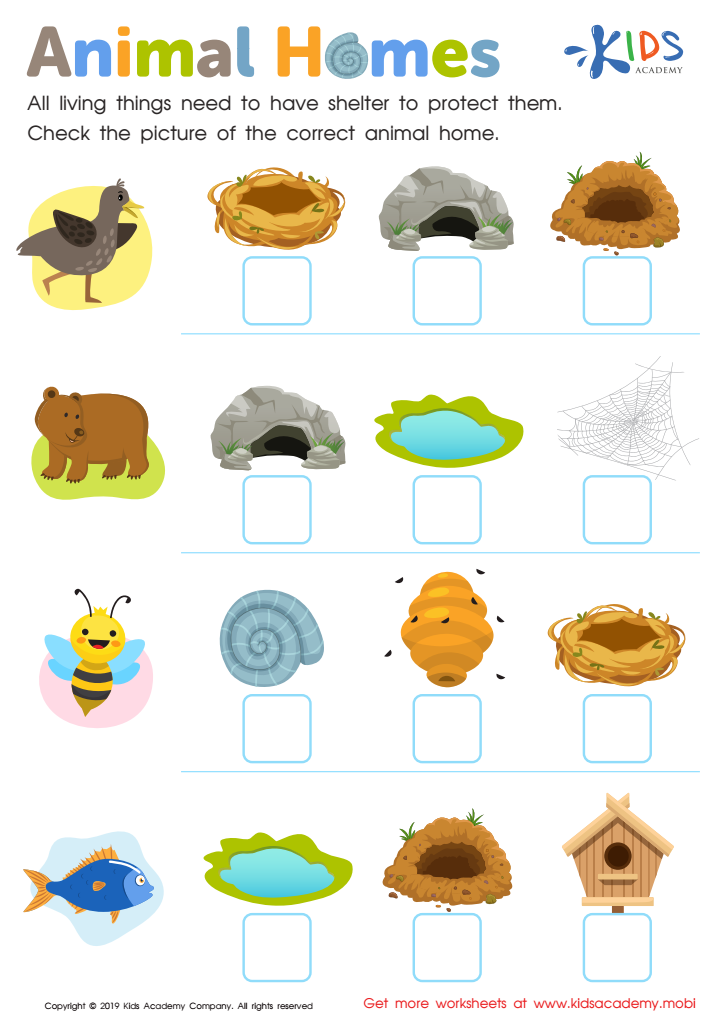
Animal Homes Worksheet
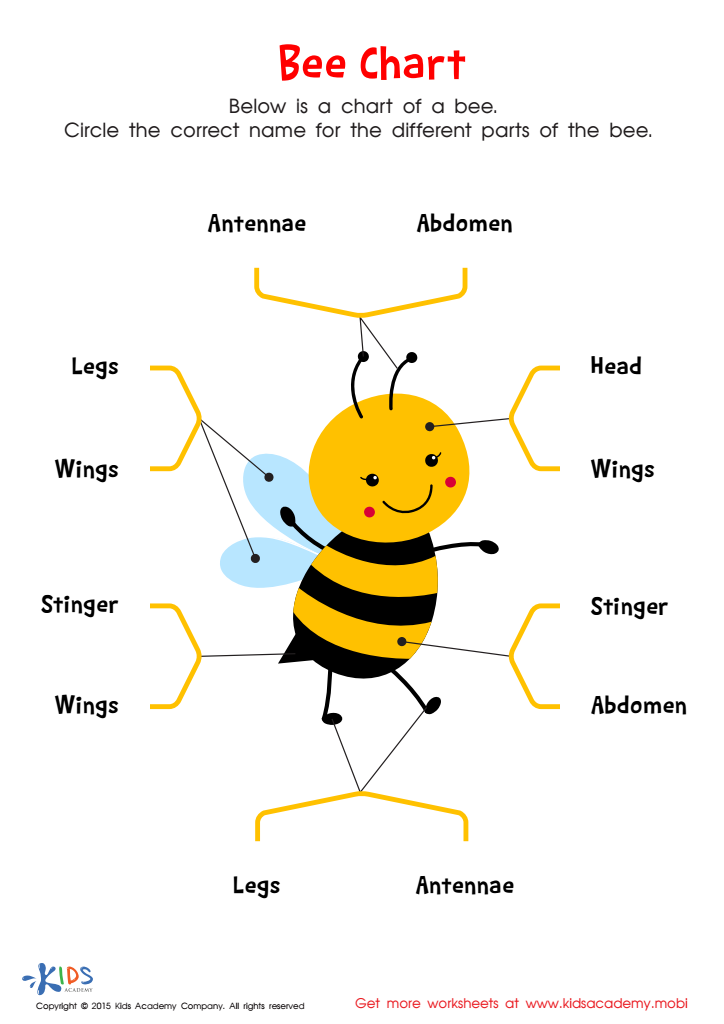


%20(1).jpg)





Vocabulary enhancement in kindergarten, particularly regarding animals, is crucial for several reasons. First, a rich vocabulary supports reading comprehension and overall academic success. When children learn specific animal names and associated terms, they can better engage with stories and factual texts, enhancing their understanding of the world around them.
Moreover, animal vocabulary presents opportunities for hands-on learning and sparks natural curiosity among young learners. Discussions about different animals can integrate science concepts, promote critical thinking, and even lead to investigative projects that deepen their understanding of ecosystems and habitats.
Additionally, fostering language development at this age increases communication skills. Children learn to express their thoughts, feelings, and ideas more clearly, promoting better interactions with peers and adults.
Language enriched with animal vocabulary can also lay the foundation for future learning in various subjects, helping children make connections between ideas.
Finally, teaching about animals can encourage empathy and environmental awareness, vital attributes in today's society. By enhancing vocabulary around animals, parents and teachers not only foster academic skills but also cultivate emotional and social development, ensuring a well-rounded educational experience for young learners.








