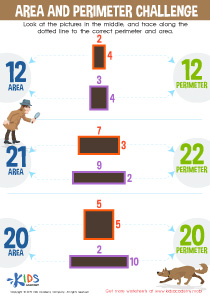
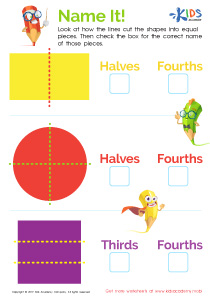
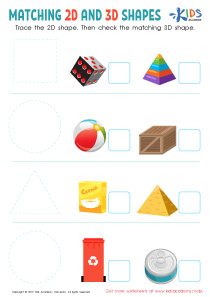
Problem-Solving Skills 2D Shapes Worksheets
9 filtered results
-
From - To
Enhance your child's problem-solving skills with our "Problem-Solving Skills 2D Shapes Worksheets." Specifically designed for early learners, these printable worksheets offer engaging activities combining 2D shape recognition and critical thinking exercises. Your student will tackle puzzles, identify geometric patterns, and navigate shape-based challenges that foster cognitive and spatial reasoning. Perfect for both classroom use and at-home practice, these worksheets provide a fun, interactive experience to strengthen your child's mathematical foundation and problem-solving abilities. Jumpstart your child's learning journey and watch them excel in math with our comprehensive and enjoyable 2D shapes worksheets!
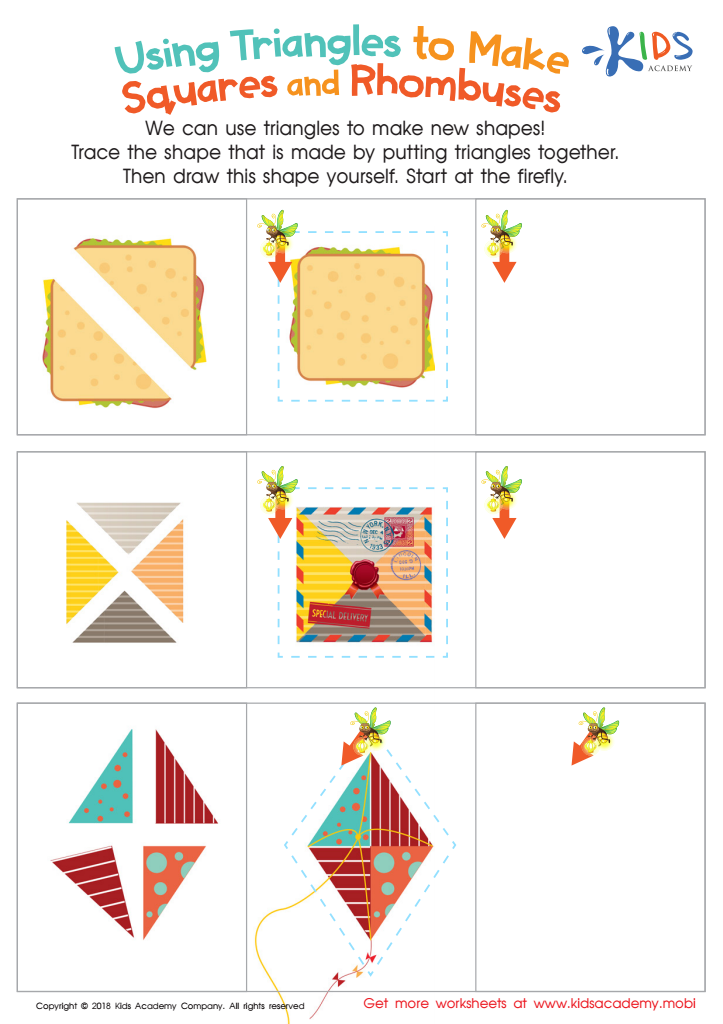
Using Triangles to Make Squares and Rhombuses Worksheet
 Assign to My Students


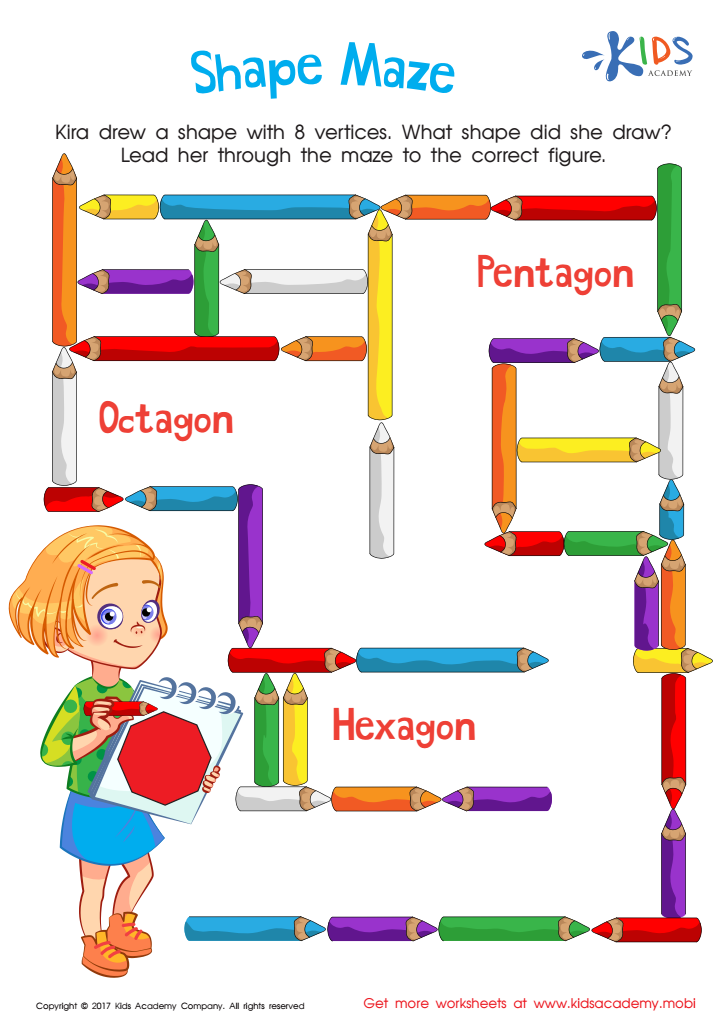
Shape Maze Worksheet
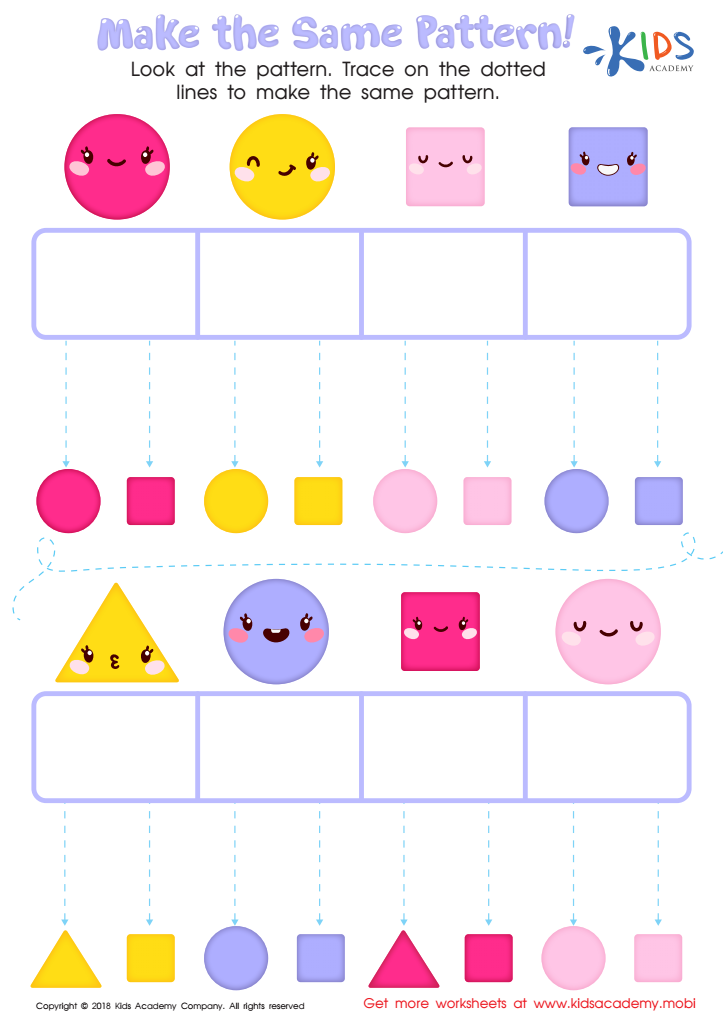
Make the Same Pattern Worksheet
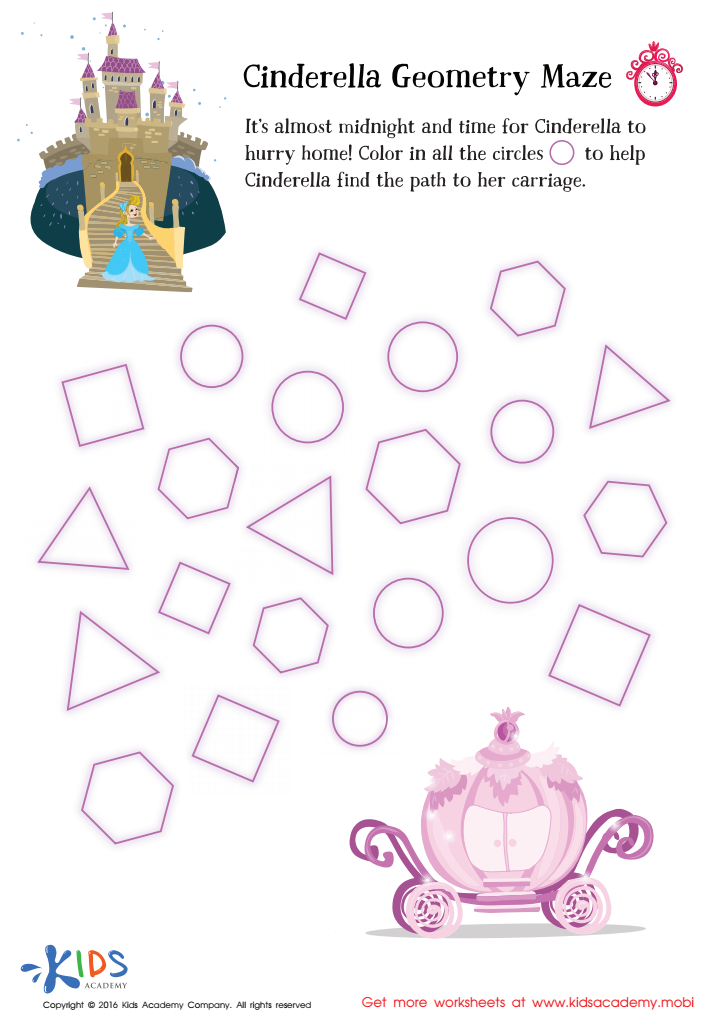
Cinderella Geometry Maze Worksheet
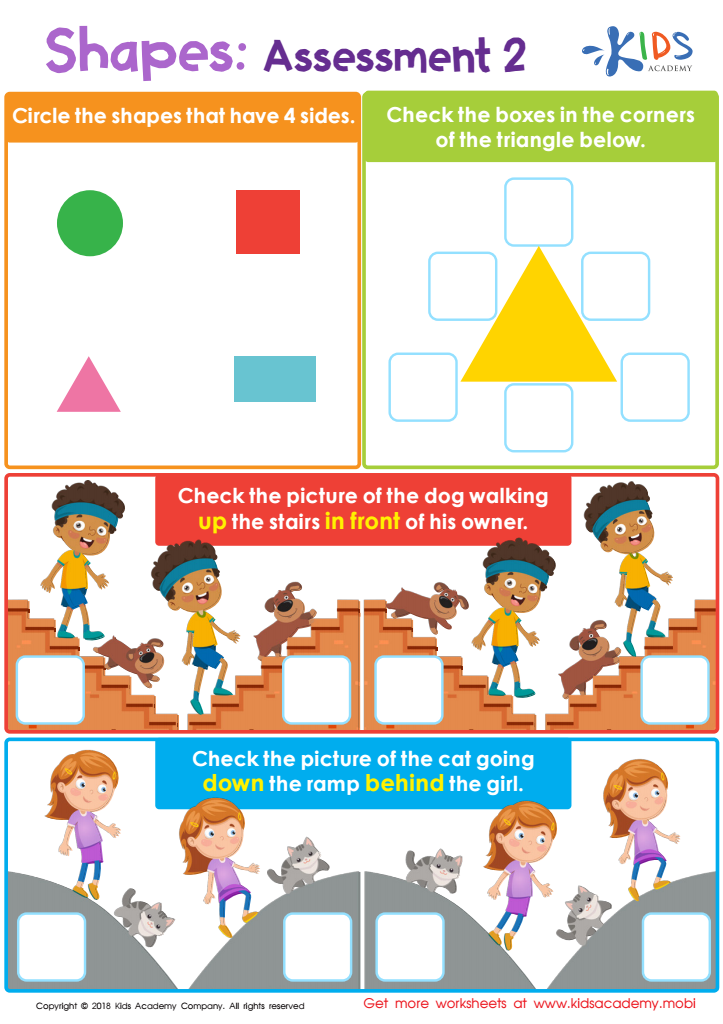
Shapes: Assessment 2 Worksheet
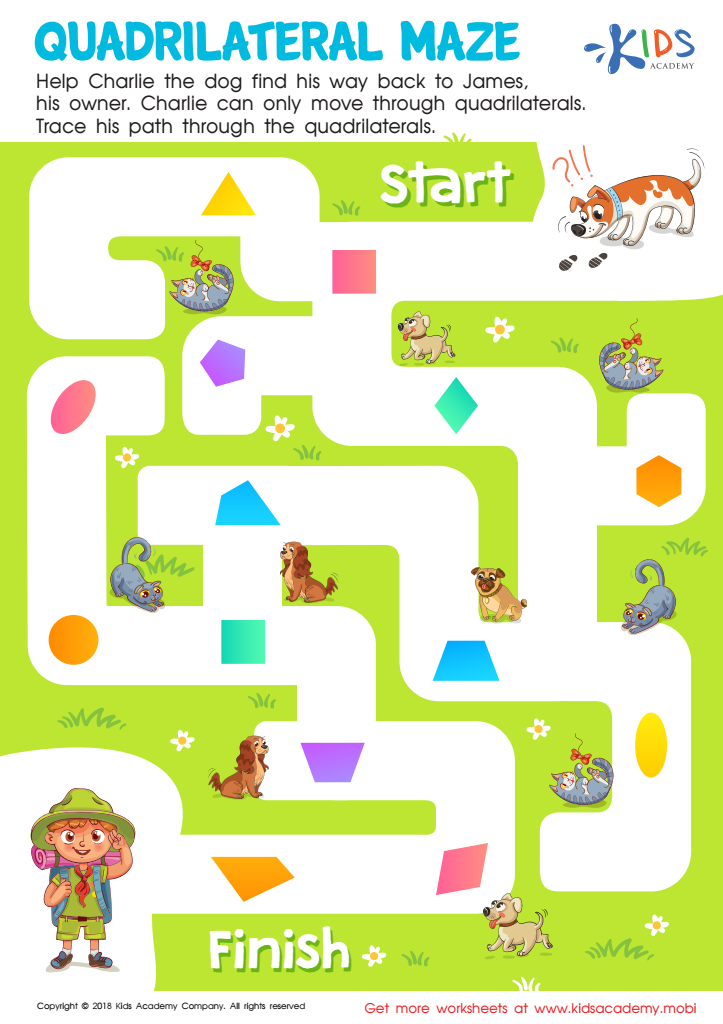
Quadrilateral Maze Worksheet
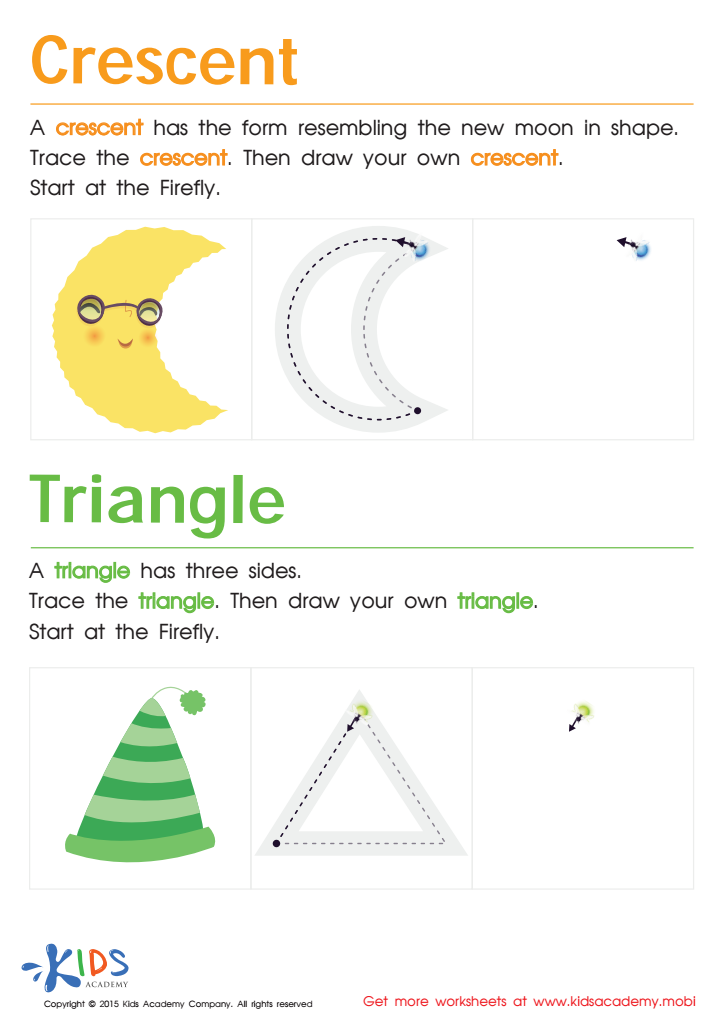
Learning to Draw Crescents And Triangles Worksheet
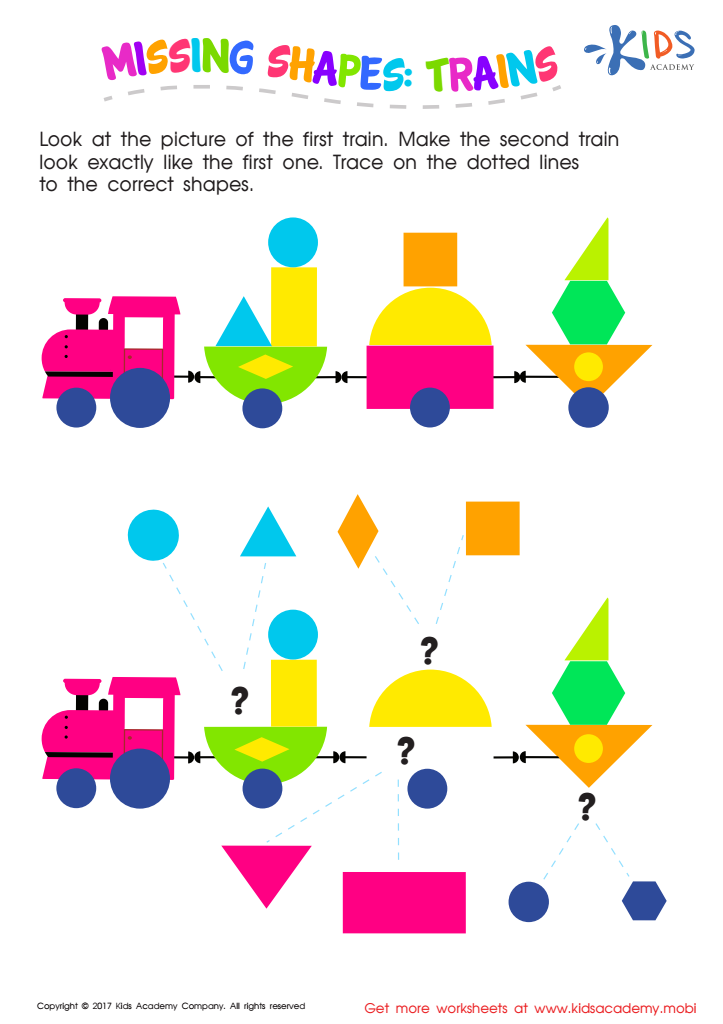
Missing Shapes: Trains Worksheet
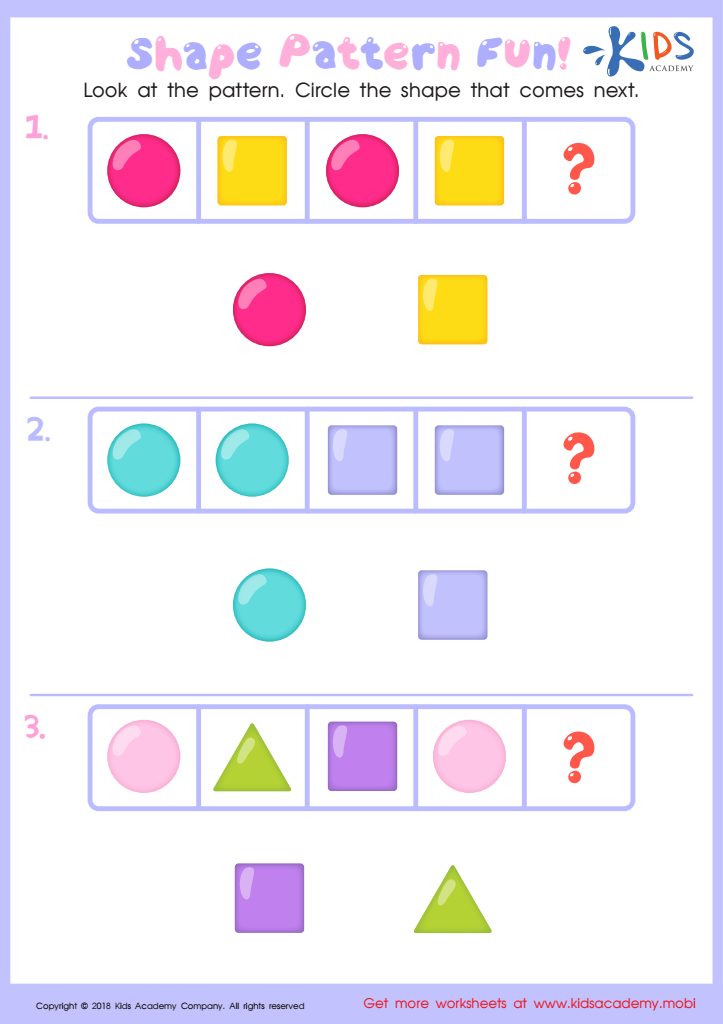
Shape Pattern Fun Worksheet








Understanding 2D shapes and problem-solving skills are foundational to a child's cognitive development and their ability to navigate the world. Learning to recognize and distinguish shapes fosters visual-spatial awareness, a skill necessary not only in everyday life but also in many career fields, such as engineering, architecture, and graphic design.
2D shapes act as building blocks for geometry, facilitating mathematic literacy. When children solve puzzles involving these shapes, they engage in critical thinking and enhance their ability to think abstractly. Important concepts such as symmetry, proportion, and geometry learned through 2D shapes lay groundwork for more advanced math courses, establishing a learnings for academic success.
Moreover, problem-solving skills nurt promote creativity, demonstrate resilience when facing challenges, nd encourage perseverance. As children work through identifying and manipulating shapes, they learn to try different approaches and understand that problems often have multiple solutions—an important life skill.
Parents and teachers play a crucial role in fostering these skills by providing learning opportunities and a supportive environment. Activities like puzzle-solving, shape-sorting games, and hands-on projects elevate learning experiences, clarify complex ideas, and make education enjoyable. Ultimately, nurturing problem-solving abilities and knowledge of 2D shapes empower children to think rationally and creatively, proving invaluable in their overall development and future successes.