Problem-solving abilities Geometry Worksheets
5 filtered results
-
From - To
Enhance your students' problem-solving abilities with our Geometry Worksheets, specifically designed to challenge and engage young learners! These printable resources cover essential geometry concepts, encouraging critical thinking and application in various contexts. From identifying shapes to understanding angles and calculating areas, students will develop foundational skills while having fun. Each worksheet includes a variety of real-world problems, stimulating curiosity and enhancing reasoning abilities. Ideal for classrooms or supplemental learning at home, our Geometry Worksheets cultivate confidence in mathematical problem-solving, paving the way for future success in math and beyond. Download now and watch your students excel in geometry!
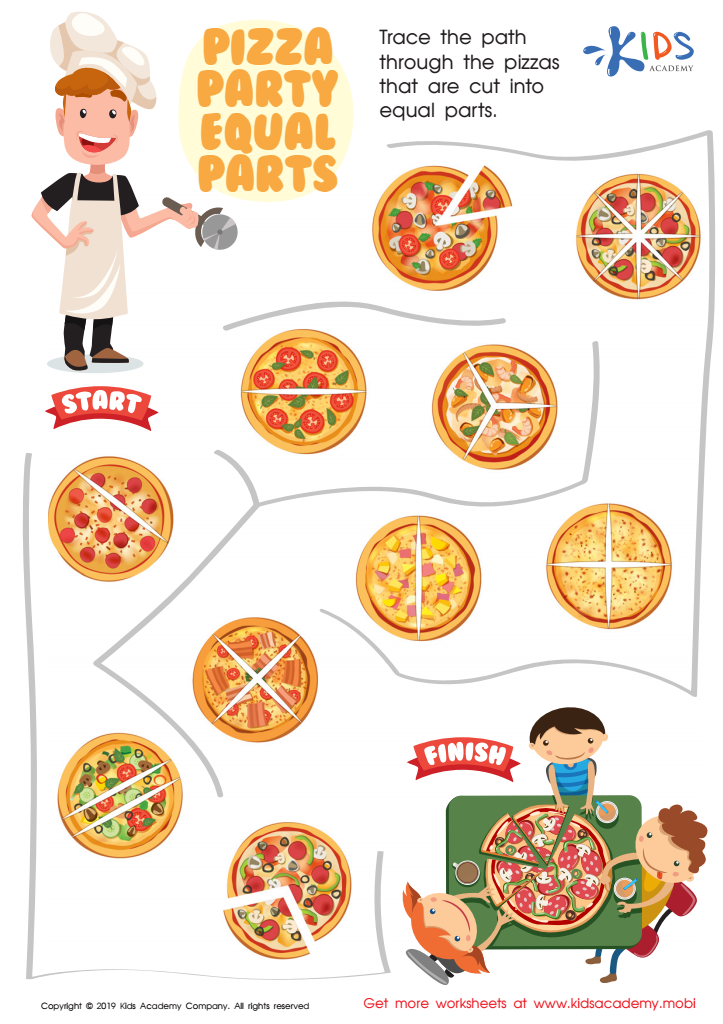
Pizza Party Equal Parts Worksheet
 Assign to My Students











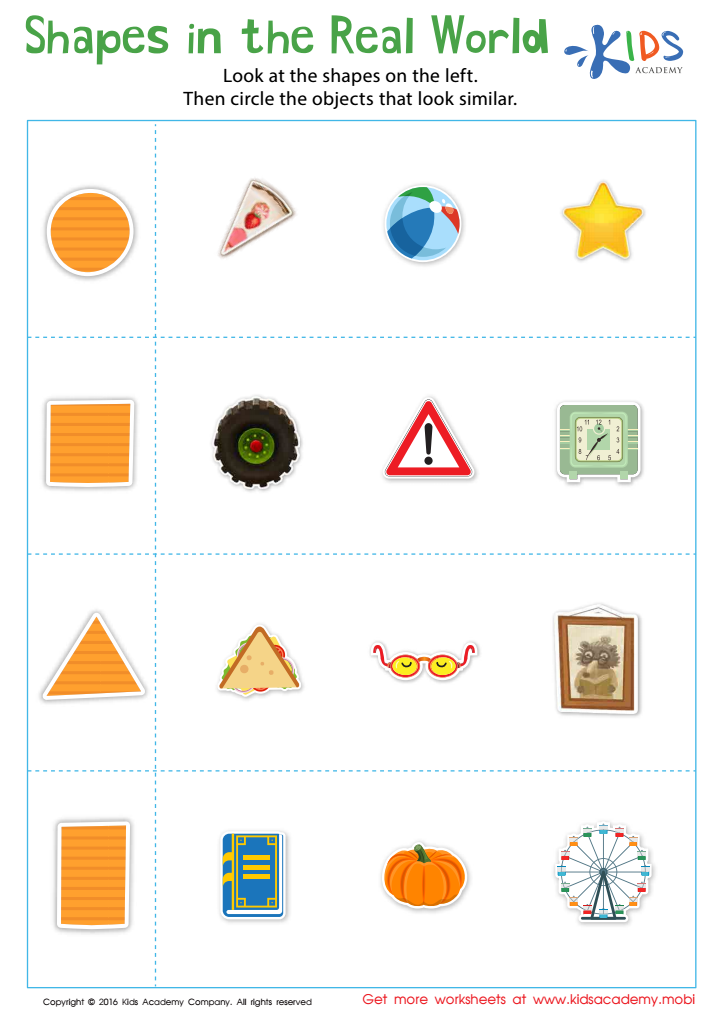
Shapes in the Real World Worksheet
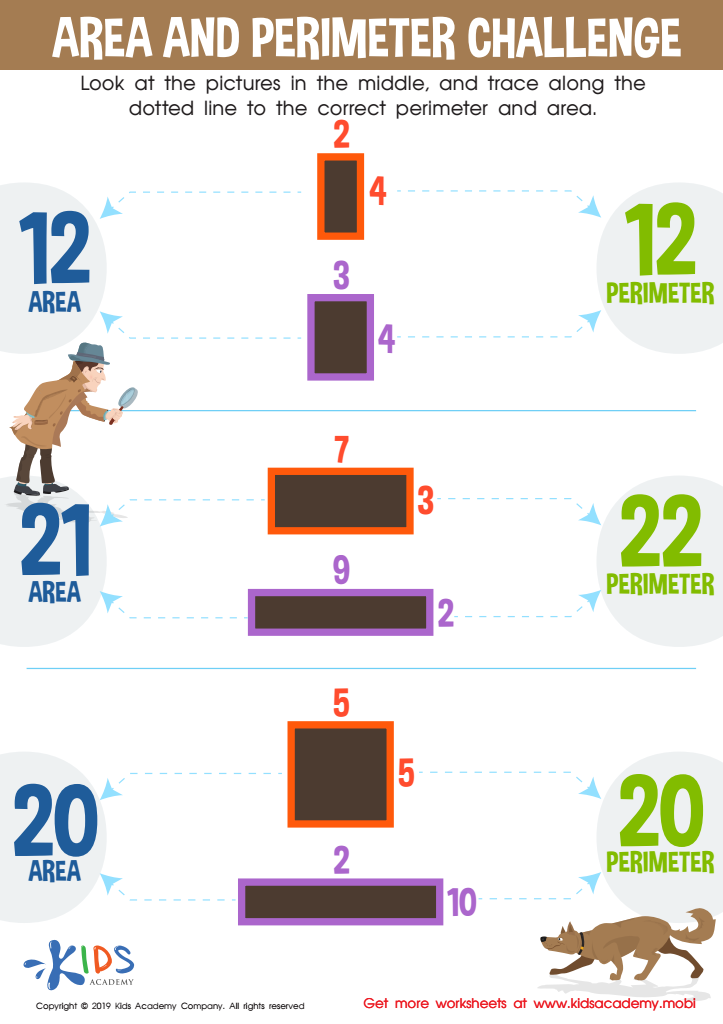
Area and Perimeter Challenge Worksheet
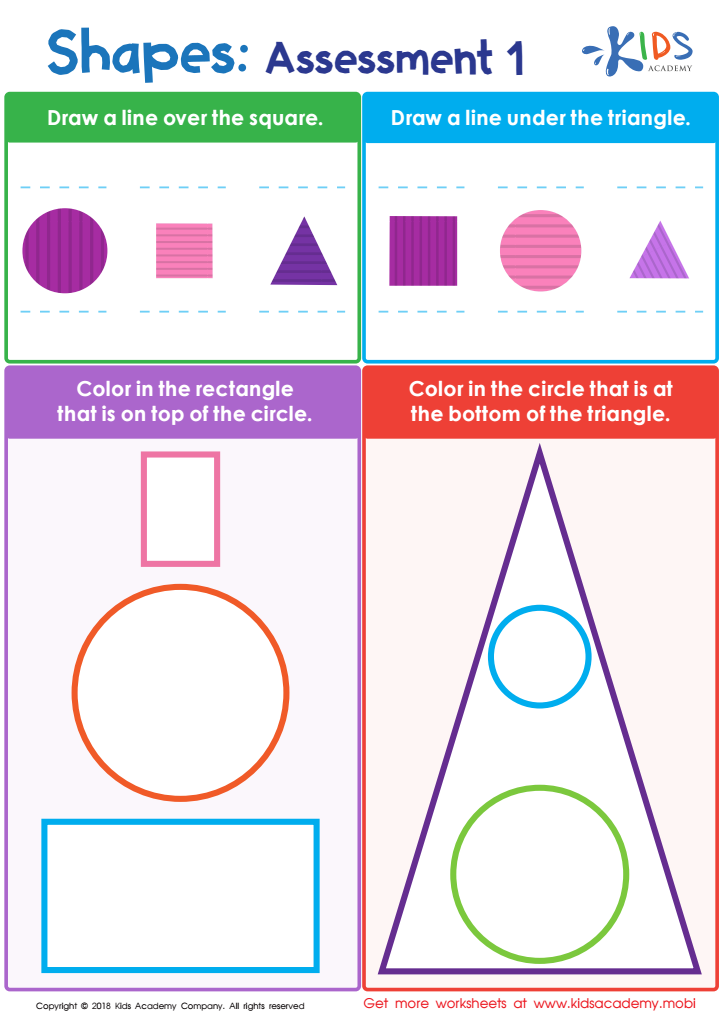
Shapes: Assessment 1 Worksheet
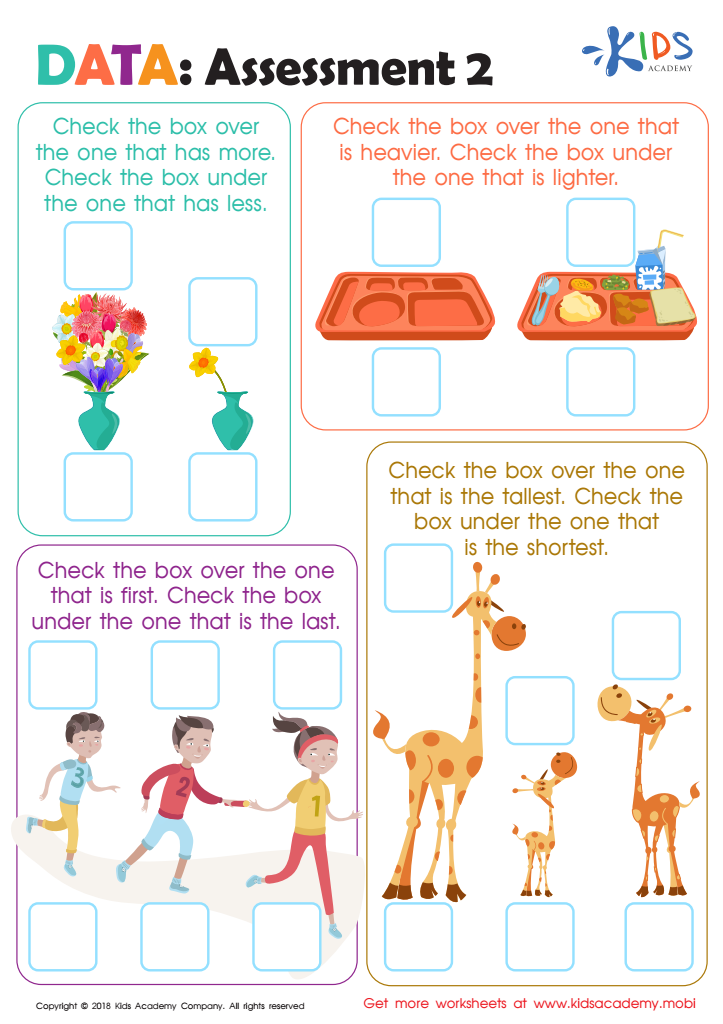
Data: Assessment 2 Worksheet








Problem-solving abilities in geometry are essential for young learners and significantly impact their overall development. First, geometry helps students comprehend spatial relationships, shapes, and sizes, laying the groundwork for critical thinking. By tackling geometric problems, children learn to analyze situations, create strategic plans, and evaluate the effectiveness of their solutions—skills that are transferable to various real-life contexts.
Additionally, geometry nurtures creativity as children visualize and manipulate shapes. This crucial skill enables them to form mental images and think abstractly, which can enhance their aptitude in fields like art, architecture, and engineering. Engaging with geometry also promotes persistence; as students encounter challenging problems, they learn the value of resilience and iterative thinking.
Moreover, problem-solving in geometry fosters collaboration and communication among peers, enhancing social skills. When children work in groups to tackle geometric challenges, they learn to articulate their thinking and consider the perspectives of others, contributing to their emotional and social development.
Ultimately, parents and teachers should prioritize problem-solving abilities in geometry because they cultivate essential skills that prepare students for academic success and equip them with tools necessary for everyday decision-making and future career opportunities. By fostering these skills early on, we empower students to embrace challenges with confidence.








