Shape comparison Geometry Worksheets
4 filtered results
-
From - To
Explore our engaging Shape Comparison Geometry Worksheets designed for early learners! These printable resources help children master the art of comparing different shapes, enhancing their understanding of geometric concepts. With a variety of activities, including visual comparisons and hands-on exercises, kids will develop critical observational skills. Our worksheets promote interactive learning, encouraging students to identify shapes by size, form, and attributes. Perfect for preschool and kindergarten classrooms, these resources cater to diverse learning styles. Download our Shape Comparison Geometry Worksheets today to make geometry fun and accessible, paving the way for a stronger foundation in math skills for your young learners!
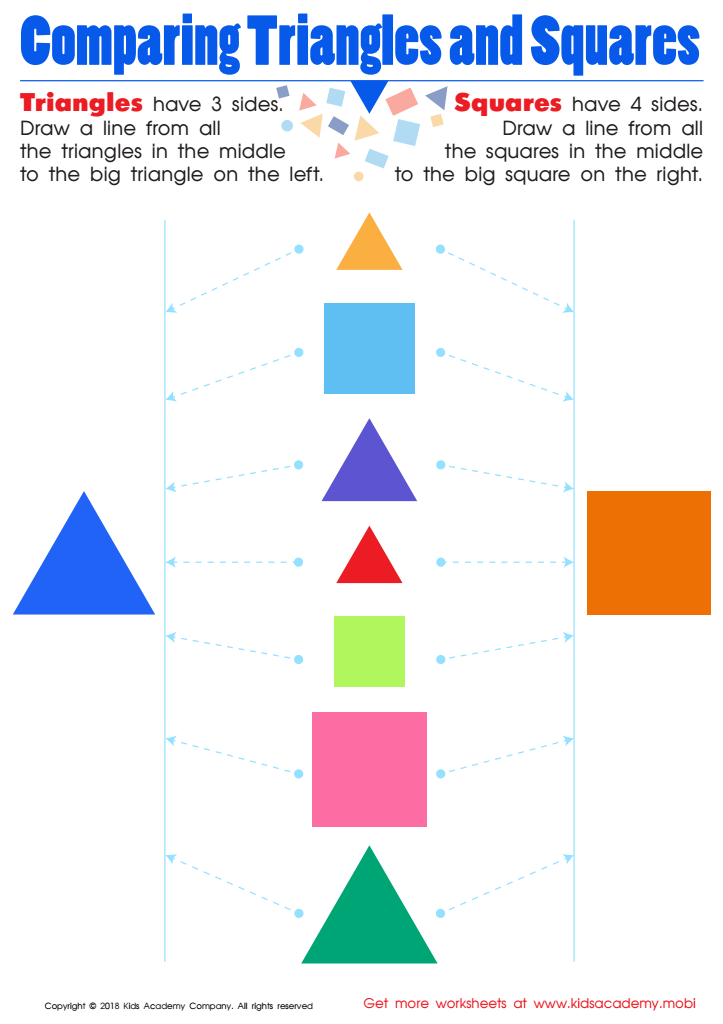
Comparing Triangles Squares Worksheet
 Assign to My Students











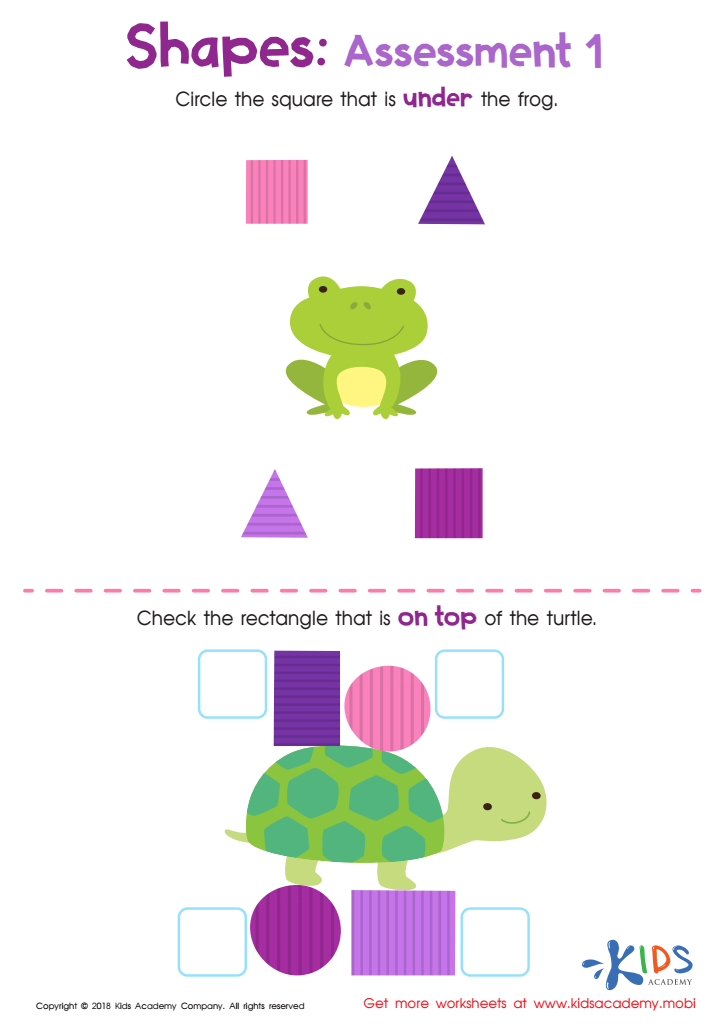
Geometry – Assessment 1 Worksheet
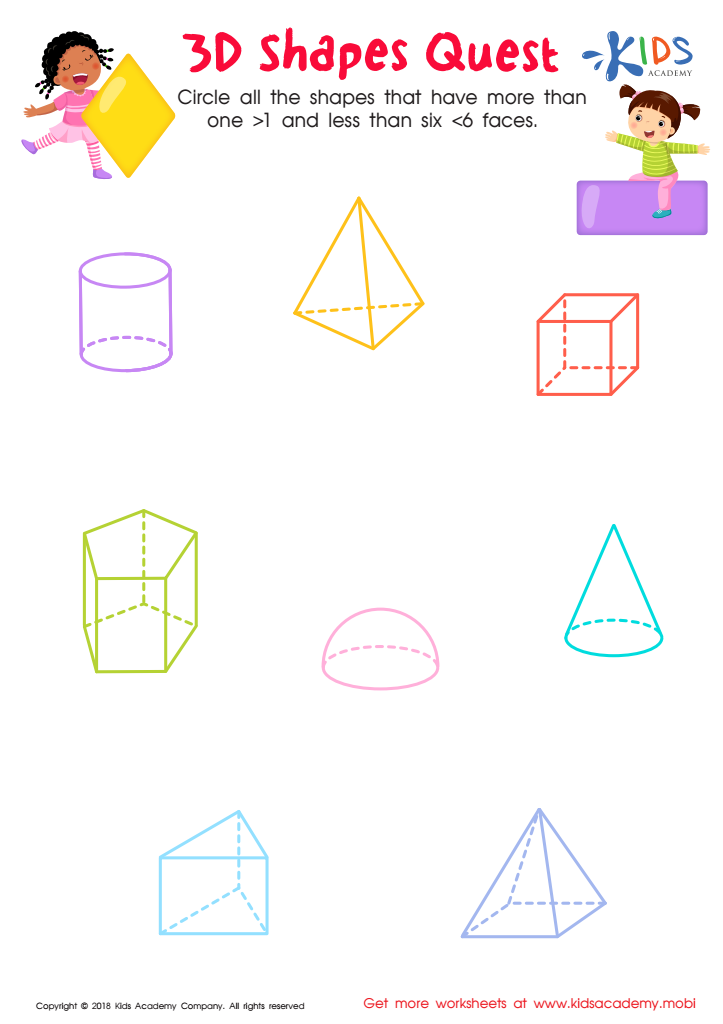
3D Shapes Quest Worksheet
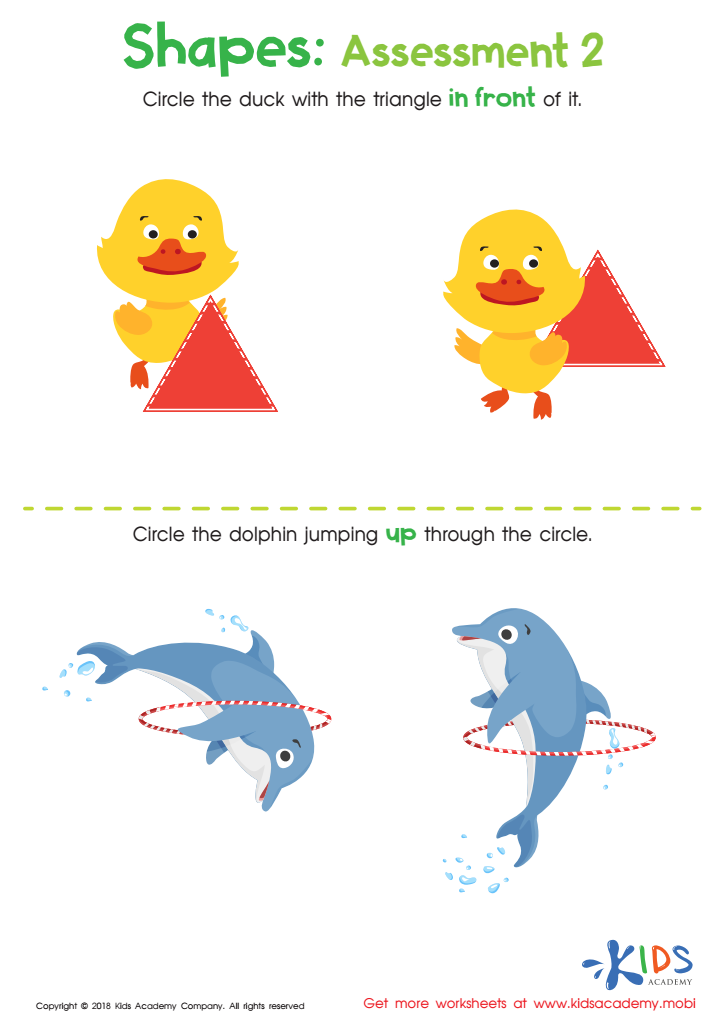
Geometry – Assessment 2 Worksheet








Shape comparison in geometry is a fundamental skill that lays the groundwork for children’s understanding of their surroundings. It promotes critical thinking and problem-solving abilities, enriching spatial reasoning and cognitive development. When parents and teachers emphasize shape comparison, they nurture a child’s ability to identify, categorize, and analyze different shapes, which is crucial in various real-world contexts.
Understanding shapes enhances children's ability to grasp more complex concepts in math and science later on. For instance, recognizing geometric patterns aids in developing skills in measurement, area, and volume. Shape comparison also encourages children to observe and make logical connections, fostering analytical thinking that is vital across subjects.
Moreover, shape comparison activities are interactive and engaging, making math enjoyable for young learners. These activities facilitate fine motor skills through hands-on manipulation of shapes, boosting both confidence and competence. By recognizing the importance of shape comparison, parents and teachers can foster a nurturing learning environment that not only hones mathematical expertise but also cultivates a lifelong love for learning. Ultimately, investing time in teaching shape comparison lays a strong foundation for children's academic success and everyday problem-solving skills, benefiting them in the long run.








