Animal identification Numbers Worksheets
4 filtered results
-
From - To
Introduce your young learners to the world of numbers and animals with our engaging Animal Identification Numbers Worksheets! These fun, interactive sheets combine math with animal identification skills, creating a unique learning experience. Perfect for early graders, each worksheet helps kids practice counting and number recognition by matching adorable animal pictures with their corresponding numbers. Richly illustrated and kid-friendly, our printable materials ensure that learning is always a playful adventure. Take the first steps in your child's educational journey with these fantastic resources, available now for download! Great for classroom use or home learning.
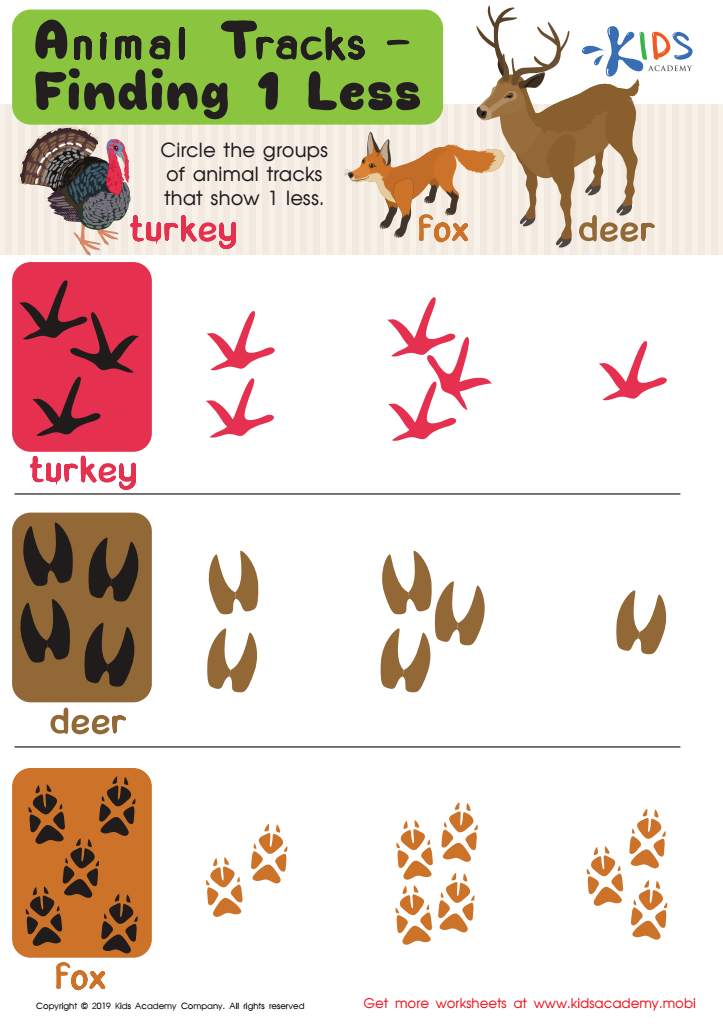
Animal Tracks: Find 1 Less Worksheet
 Assign to My Students
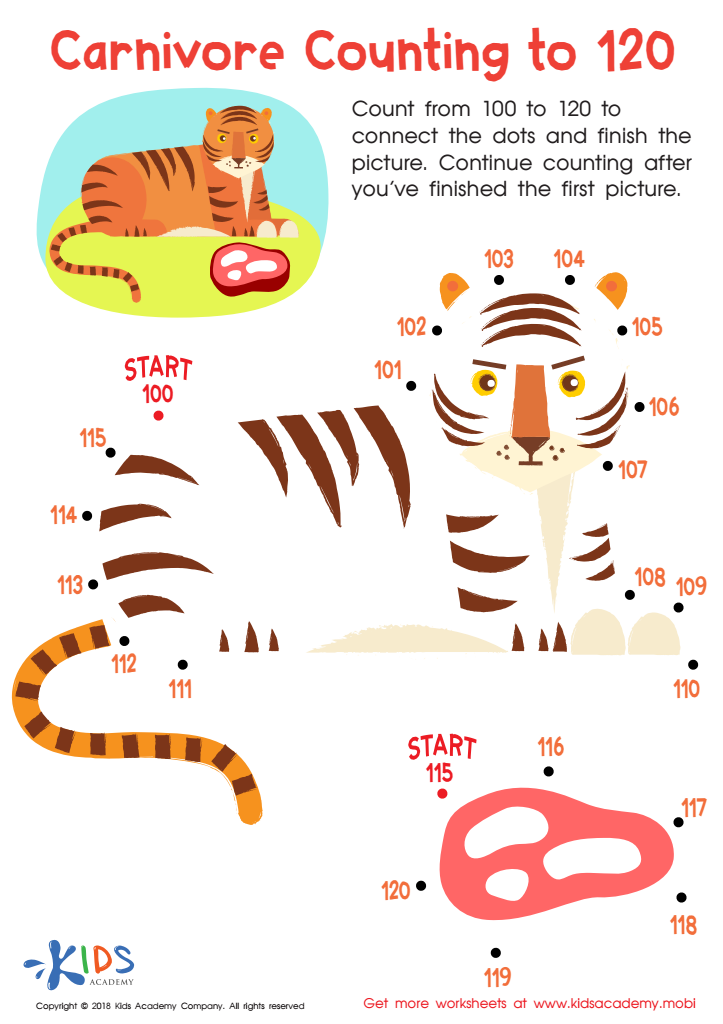
Carnivore Counting to 120 Worksheet
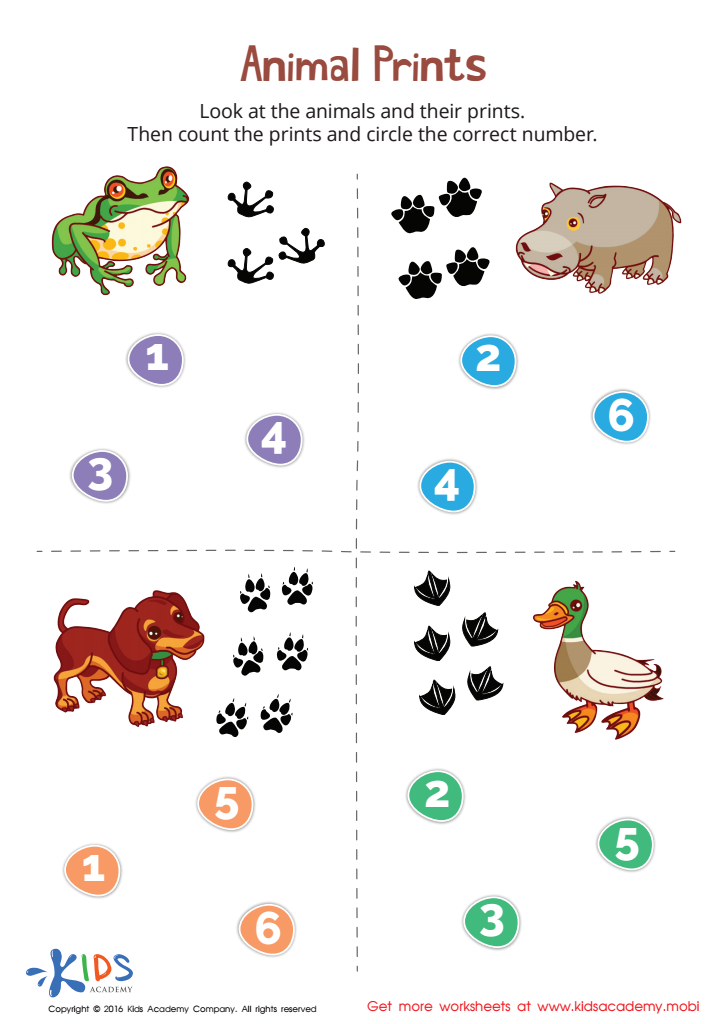
Animal Prints Match-Up Worksheet
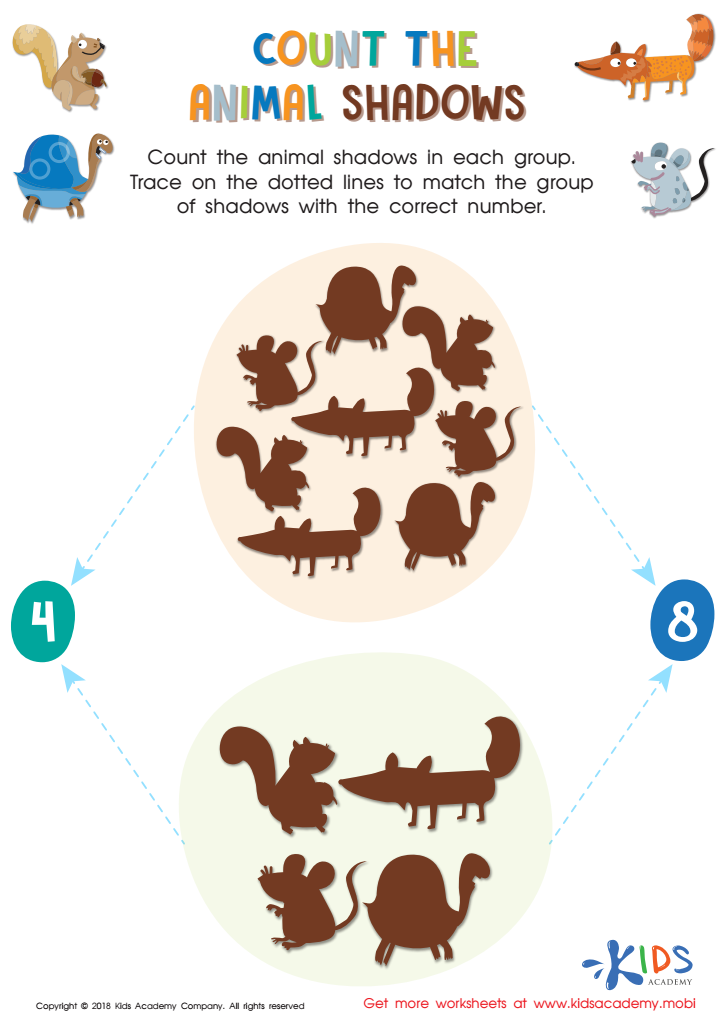
Count the Animal Shadows Worksheet








Animal Identification Numbers (AINs) are critical because they ensure the safety, health, and traceability of animals, which in turn has a broad impact on human health, food safety, and biosecurity. Parents and teachers should care about AINs as they play a crucial role in educating children on responsible practices, fostering empathy for animals, and understanding agricultural systems.
Firstly, teaching students about AINs cultivates a sense of responsibility and stewardship in young minds. By understanding how animals are traced and managed, children learn the importance of monitoring and caring for animal populations, which can extend to better responsibility towards pets and wildlife.
Secondly, from a health perspective, AINs enable quick responses to animal disease outbreaks. Traceability ensures that diseases can be tracked and controlled swiftly, minimizing risks to public health. Teaching children about these procedures helps develop awareness of how interconnected human and animal health systems are.
Finally, knowledge about AINs supports a comprehensive understanding of where food comes from and how it is produced. This awareness can translate into informed consumer choices and an appreciation of the agricultural industry, instilling respect for farmers and the intricate processes behind food production.
In essence, AINs are not just numbers; they represent a broader educational opportunity that underscores the importance of technology, safety, and empathy in our daily lives.








