Shape Recognition Math Worksheets
113 filtered results
-
From - To
Explore our engaging Shape Recognition Math Worksheets designed for early learners! These printable resources help children identify, compare, and categorize various shapes, building a foundational understanding of geometry. Each worksheet is specially crafted to promote hands-on learning through fun activities, including coloring, matching, and sorting shapes. Ideal for preschool and kindergarten, our worksheets enhance critical thinking and fine motor skills while making math enjoyable. Teachers and parents can find valuable tools to support children's development in a creative and interactive way. Enhance your child's shape recognition abilities and lay the groundwork for advanced math skills with these delightful worksheets!
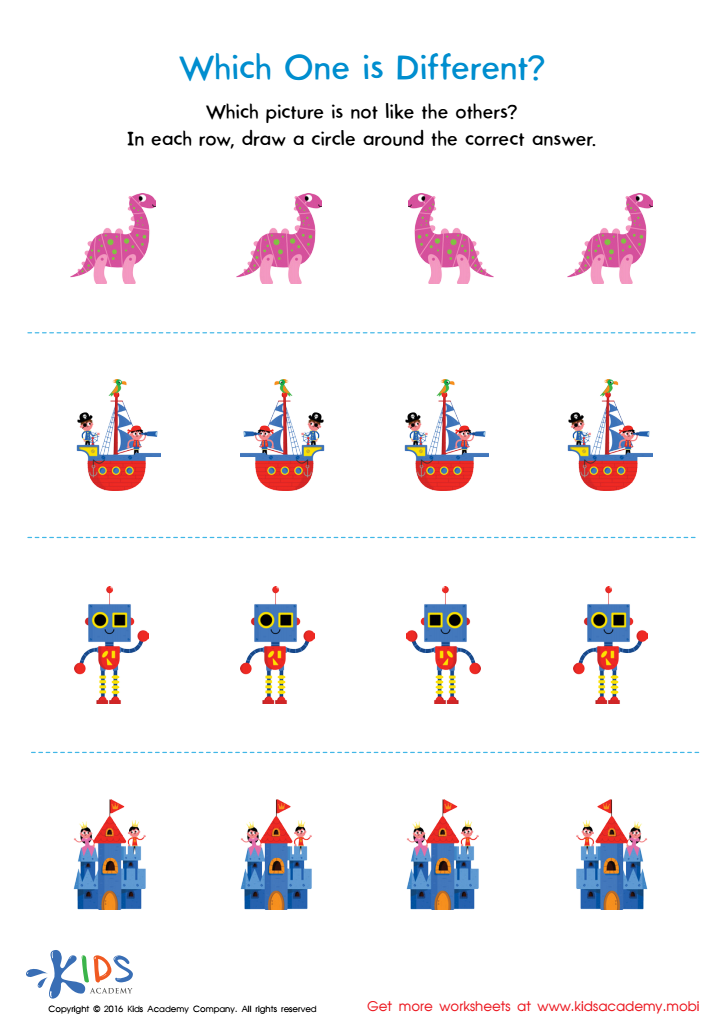
Which One Is Different Worksheet
 Assign to My Students
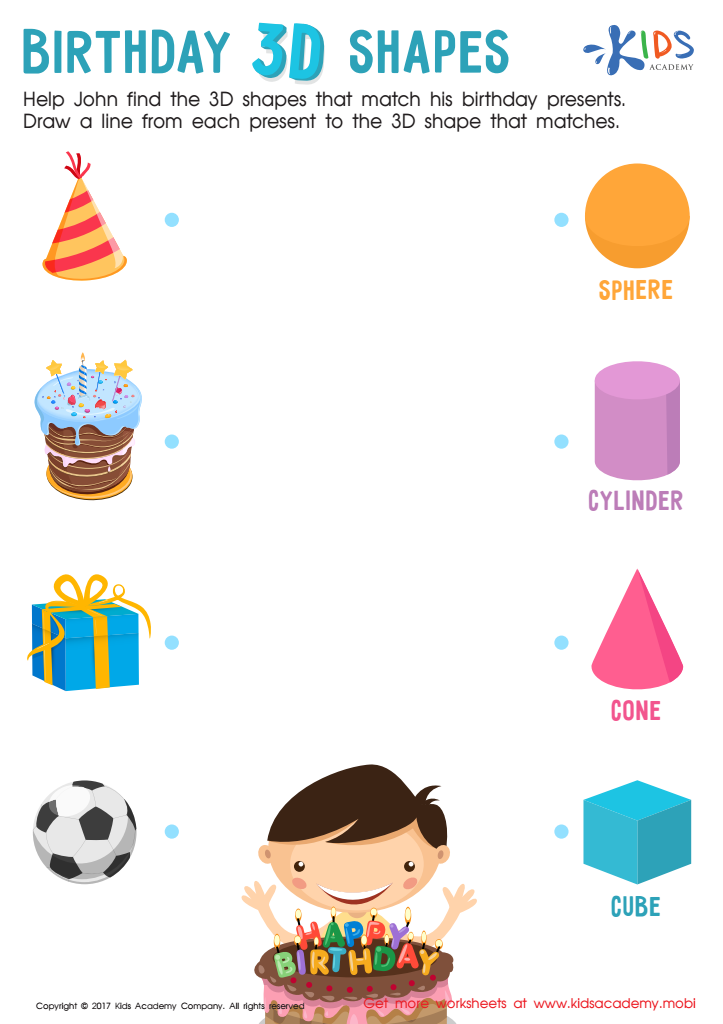
Birthday 3D Shapes Worksheet
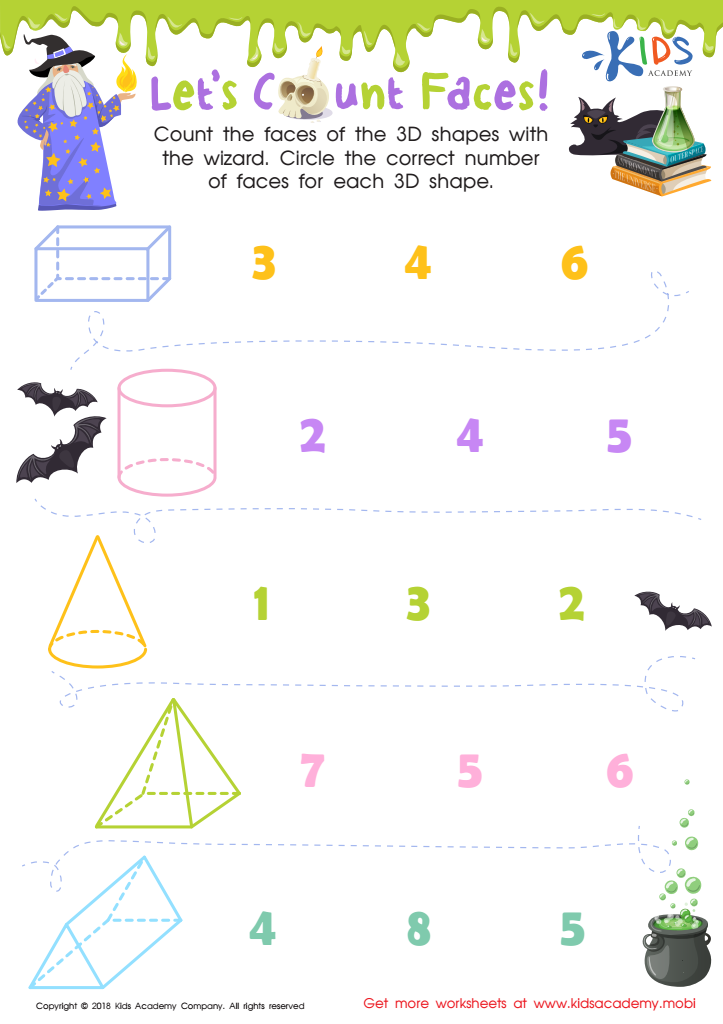
Let's Count Faces! Worksheet
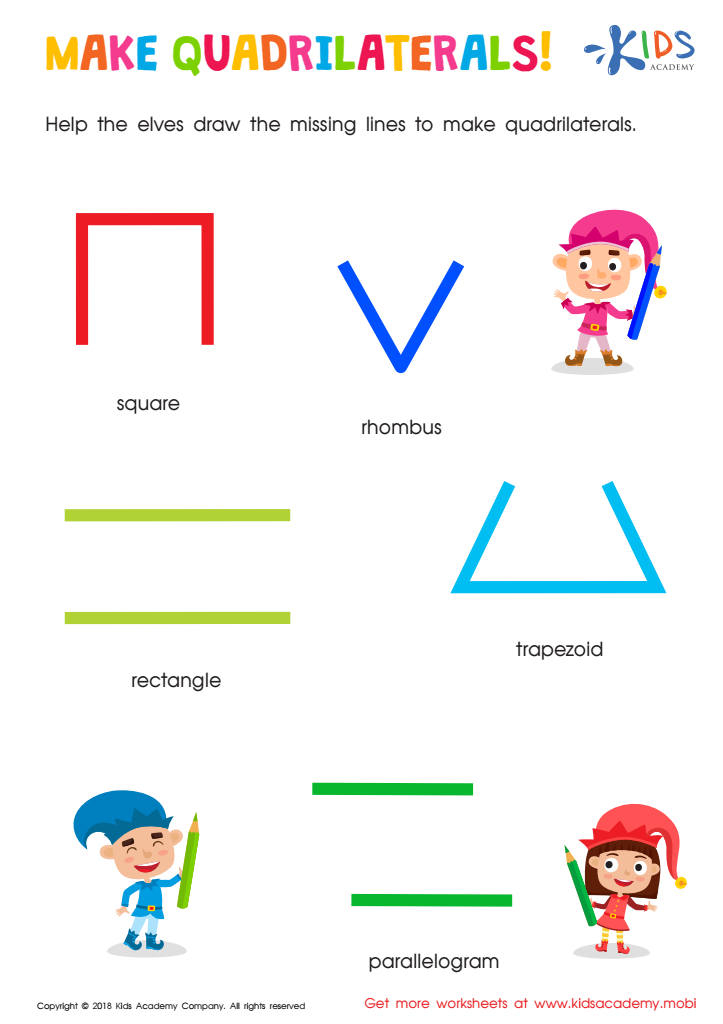
Make Quadrilaterals Worksheet
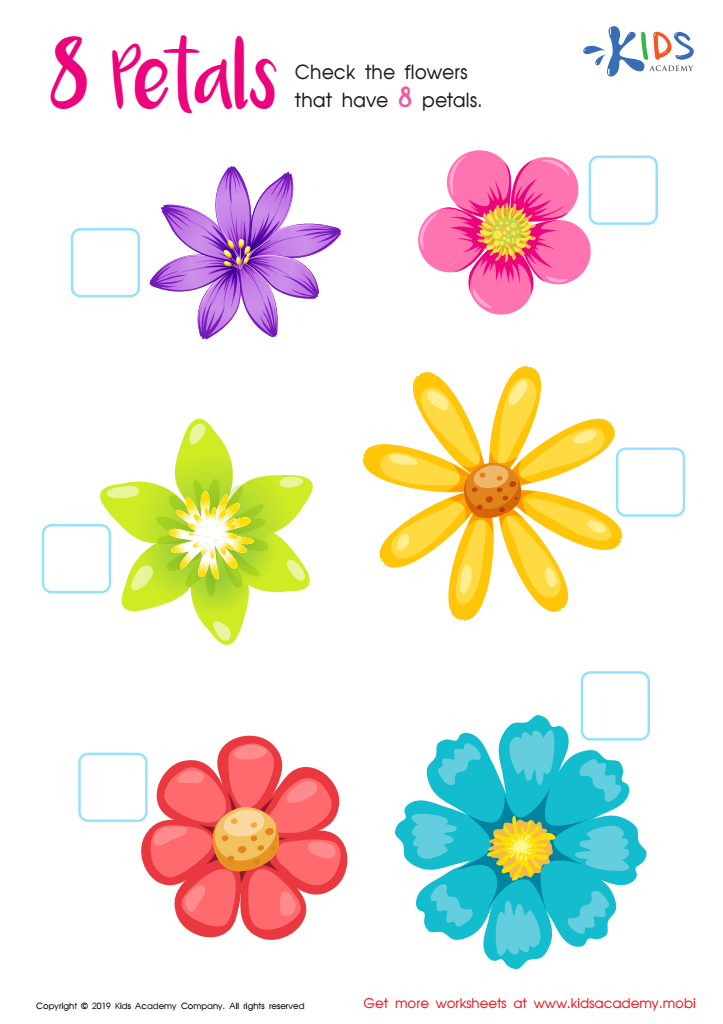
8 Petals Worksheet
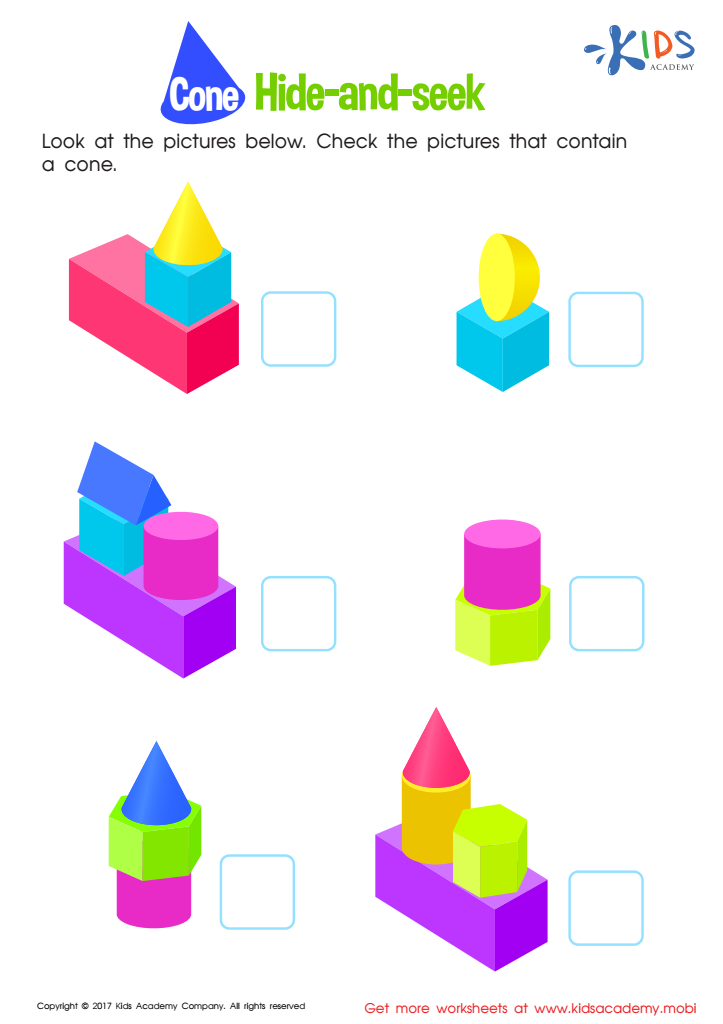
Cone Hide-and-Seek Worksheet
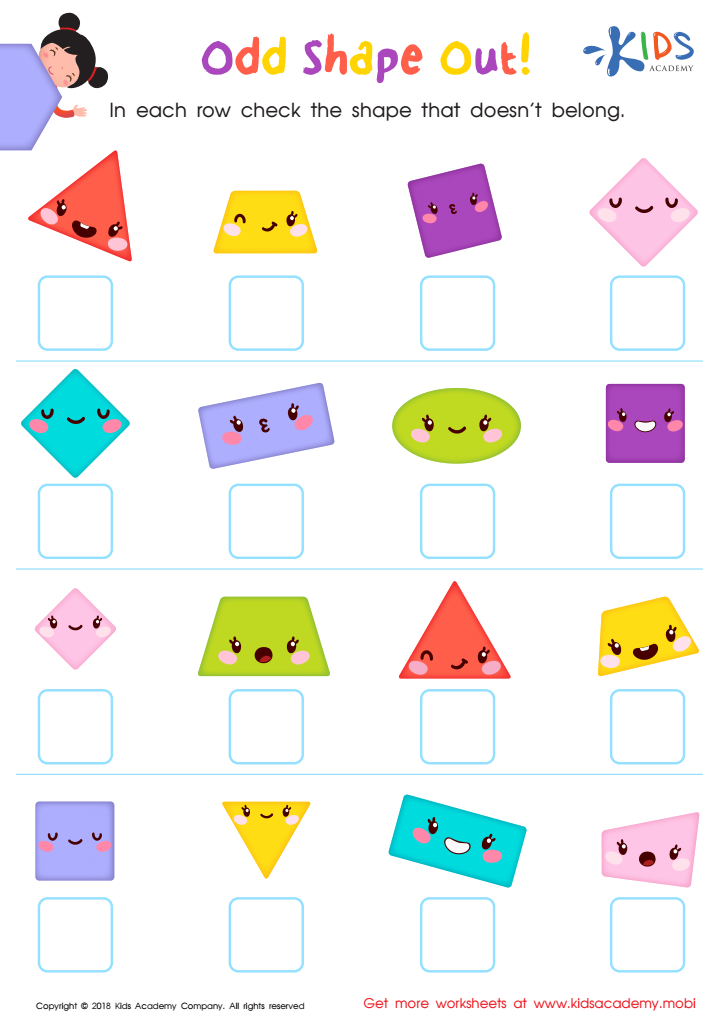
Odd Shape Out Worksheet for Grade 3
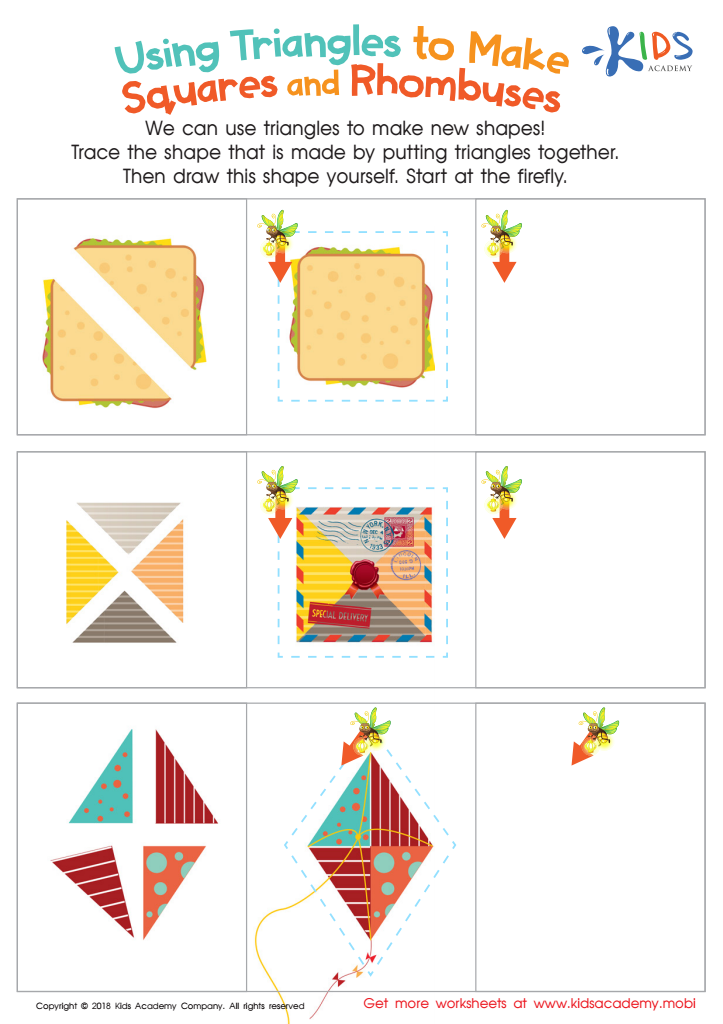
Using Triangles to Make Squares and Rhombuses Worksheet
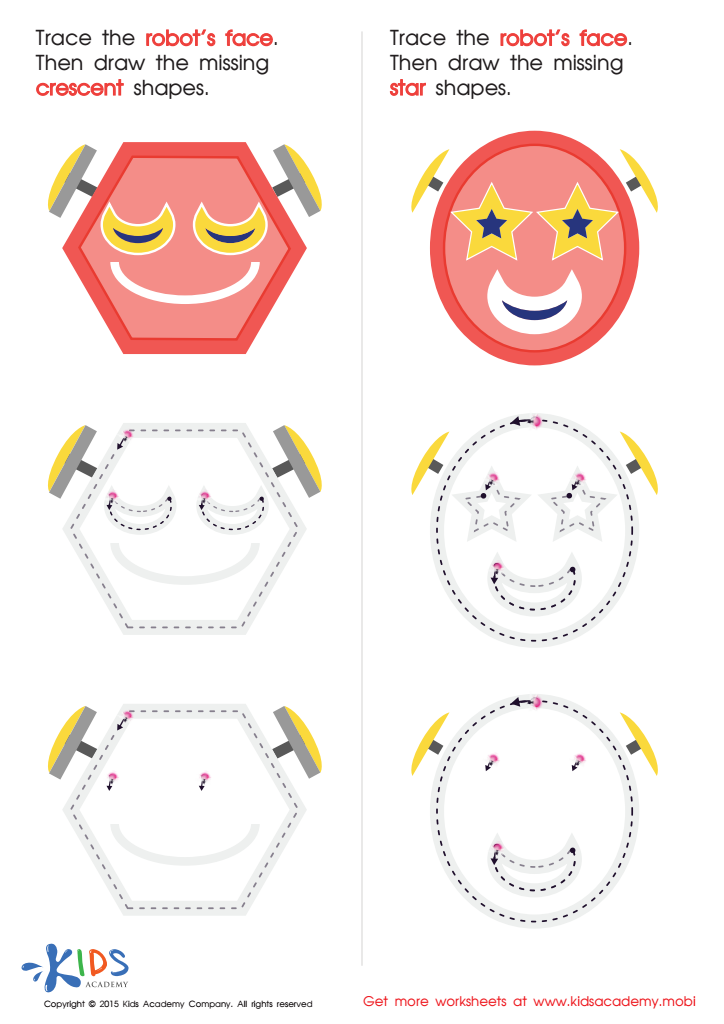
Composing a Robot's Face of Crescents And Stars Worksheet
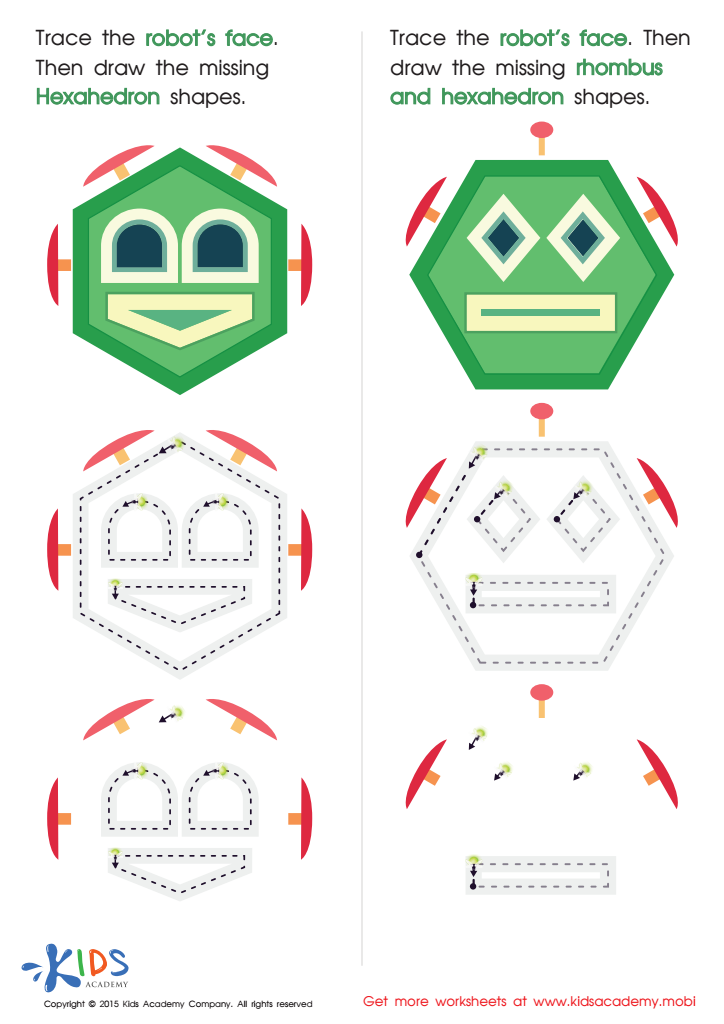
Practice Drawing Hexahedrons And a Rhombus Worksheet
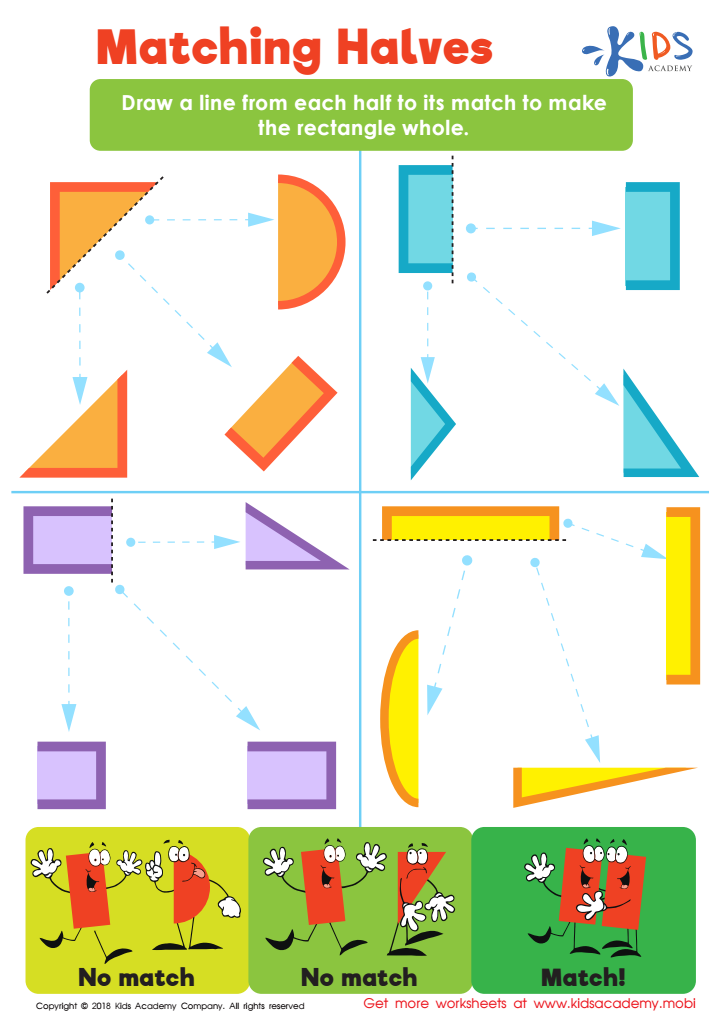
Matching Halves Worksheet
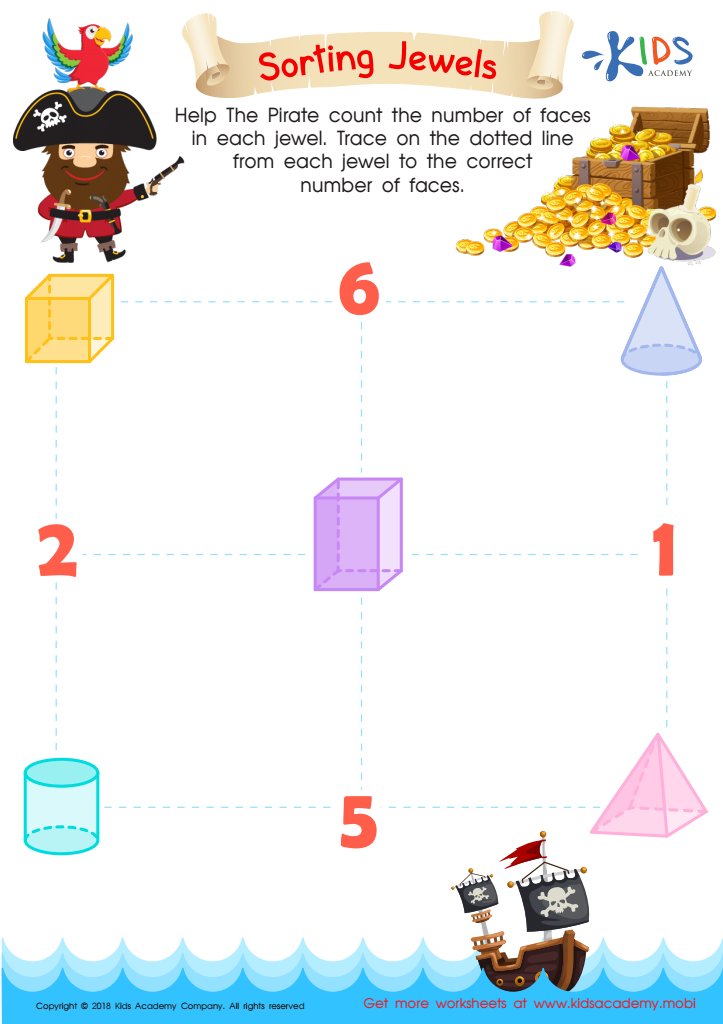
Sorting Jewels Worksheet
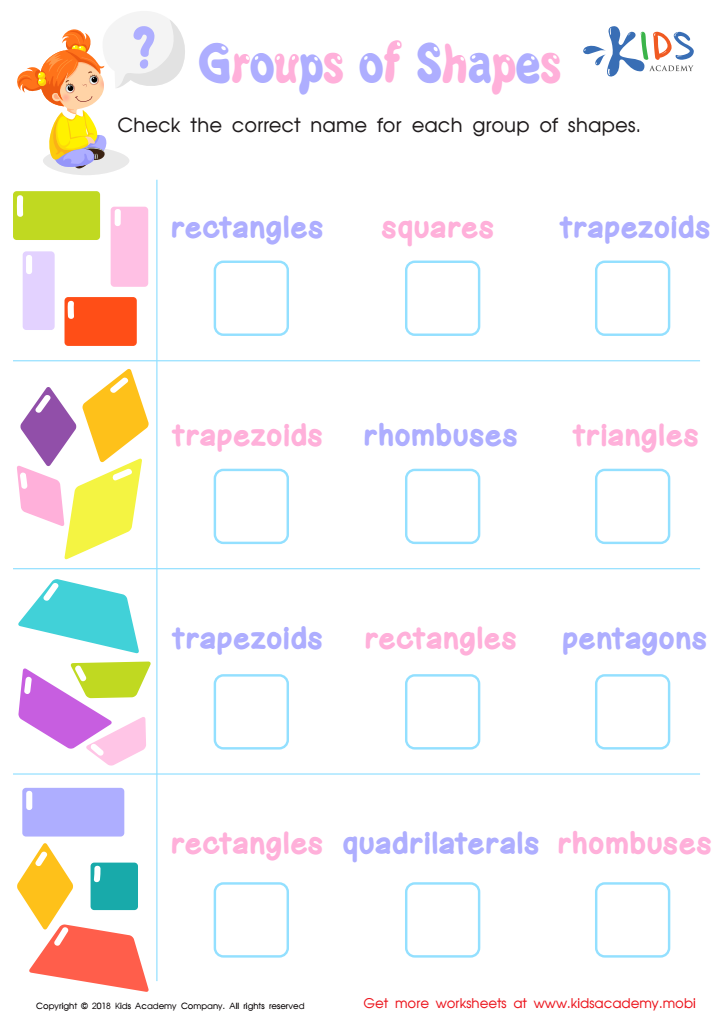
Groups of Shapes Worksheet
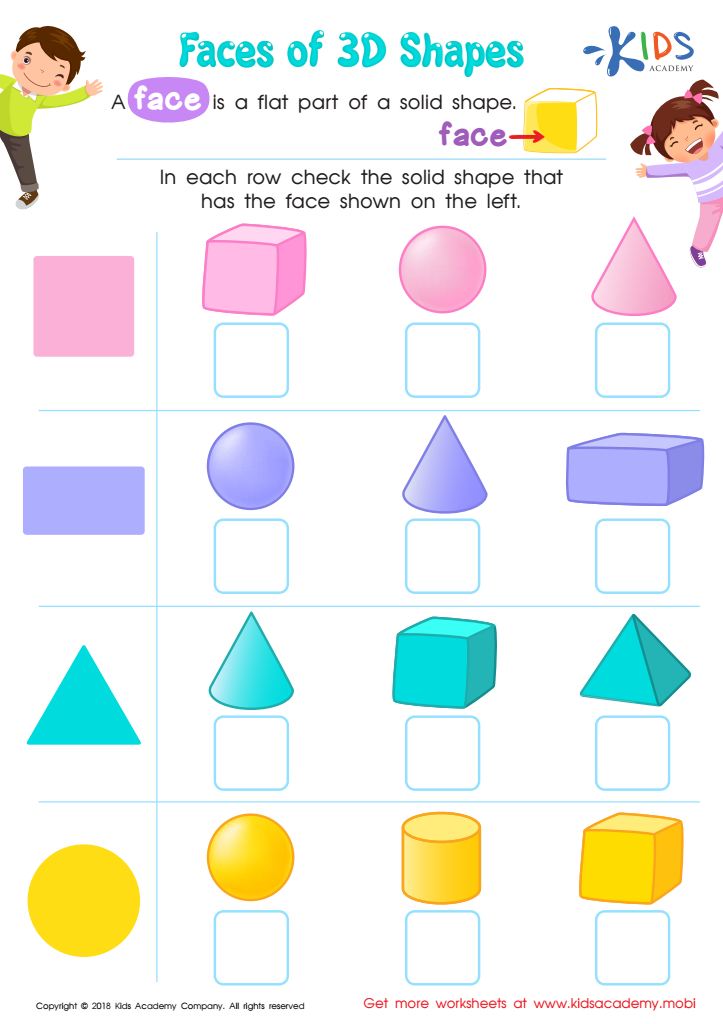
Faces of 3D Shapes Worksheet
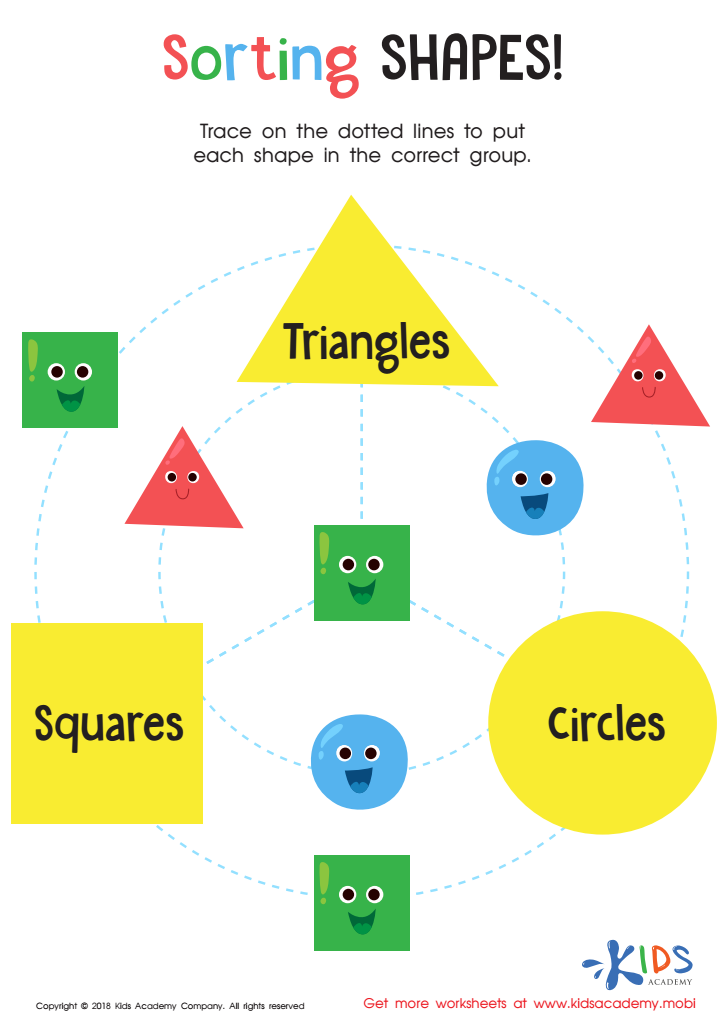
Sorting Shapes - Part 3 Worksheet
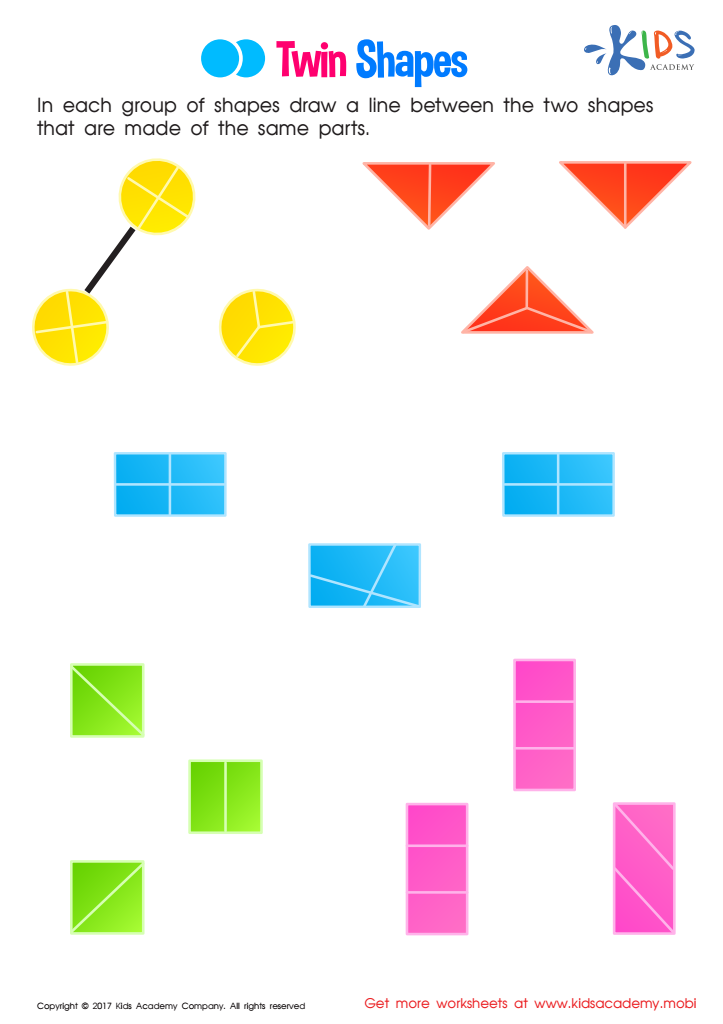
Twin Shapes Worksheet
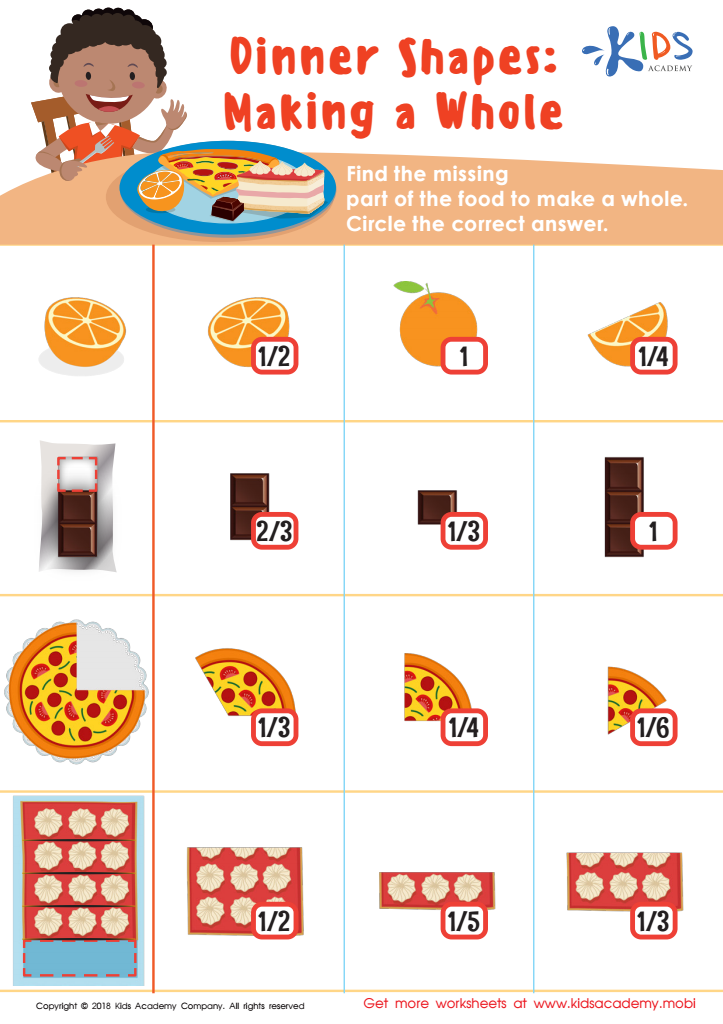
Dinner Shapes: Making a Whole Worksheet
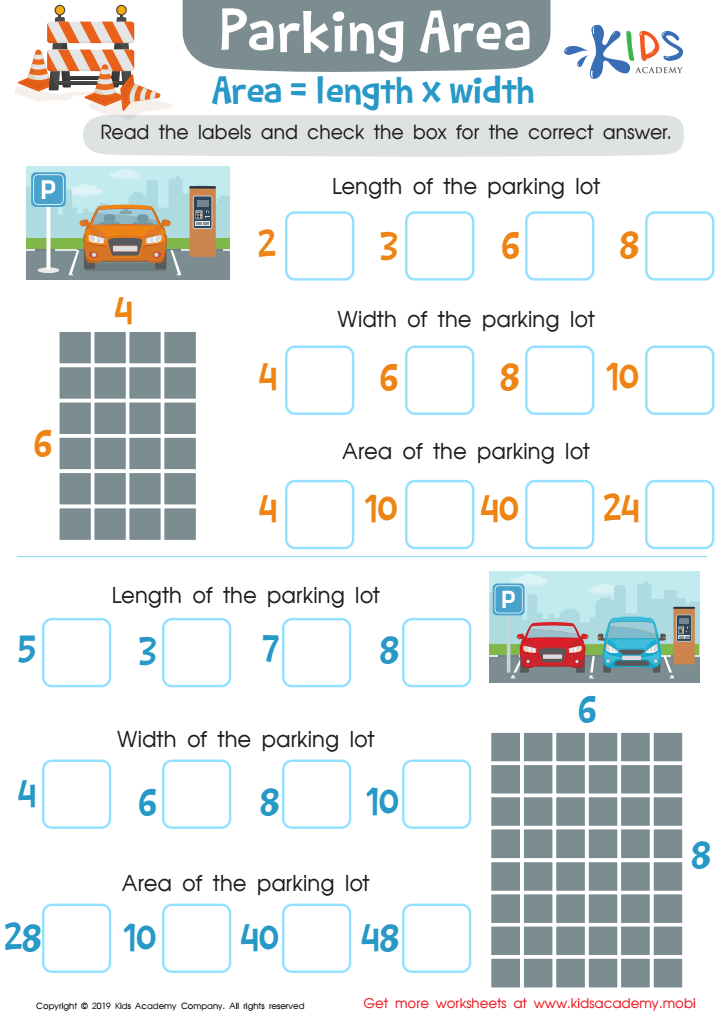
Parking Area Worksheet








Shape recognition is a fundamental aspect of early mathematics education that significantly influences a child's cognitive development. Parents and teachers should prioritize shape recognition for several reasons. First, it lays the groundwork for more complex mathematical concepts. Understanding shapes helps children grasp patterns, spatial awareness, and geometry, which are crucial skills as they advance academically.
Moreover, shape recognition supports problem-solving skills and enhances fine motor skills through hands-on activities such as drawing or building structures with various shapes. Encouraging shape exploration nurtures critical thinking, as children begin to categorize and relate shapes to their surroundings.
Additionally, engaging in shape recognition activities promotes language development. As children describe shapes, they acquire new vocabulary and learn to communicate their thoughts more effectively. This interaction fosters social skills during collaborative learning experiences.
Parents and teachers can also use shape recognition as a springboard for interdisciplinary learning, connecting math to art, science, and daily life experiences. Ultimately, by prioritizing shape recognition, caregivers equip children with essential skills that are not only vital for academic success but also enhance their overall growth and understanding of the world around them. This early foundation instills confidence and a positive attitude towards mathematics and learning.








