Visual perception improvement Math Worksheets
14 filtered results
-
From - To
Enhance your child's mathematical skills with our Visual Perception Improvement Math Worksheets. Designed specifically for young learners, these engaging activities help develop crucial visual perception abilities necessary for understanding and solving mathematical problems. Each worksheet combines vibrant illustrations, fun exercises, and educational puzzles to make learning both enjoyable and effective. Ideal for building a solid foundation in math, these worksheets improve pattern recognition, spatial awareness, and problem-solving skills. Perfect for classroom use or at-home practice, our visual perception math worksheets provide the tools needed for academic success and boosts confidence in young mathematicians. Visit Kids Academy today and start the journey to better math learning!
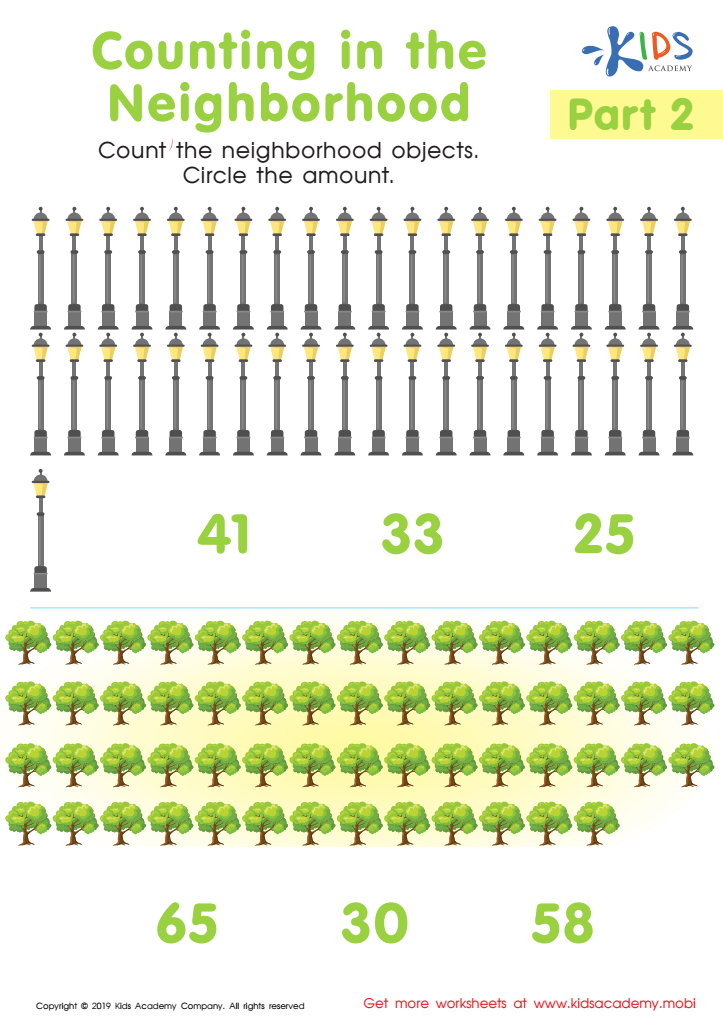
Counting In The Neighborhood Part 2 Worksheet
 Assign to My Students
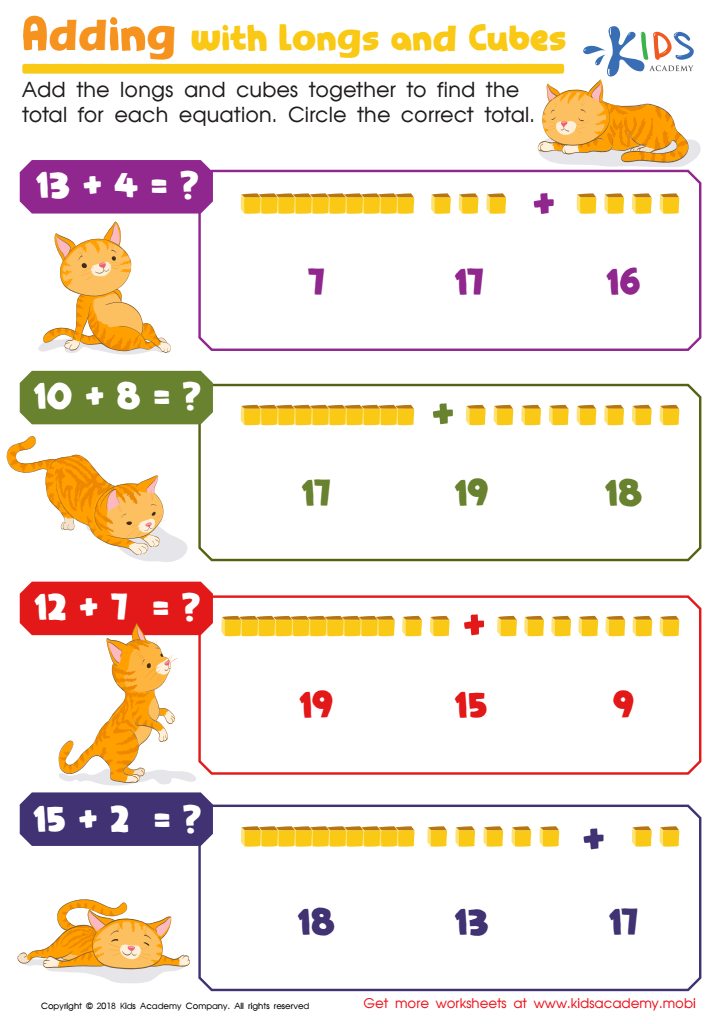
Adding With Longs and Cubes Worksheet
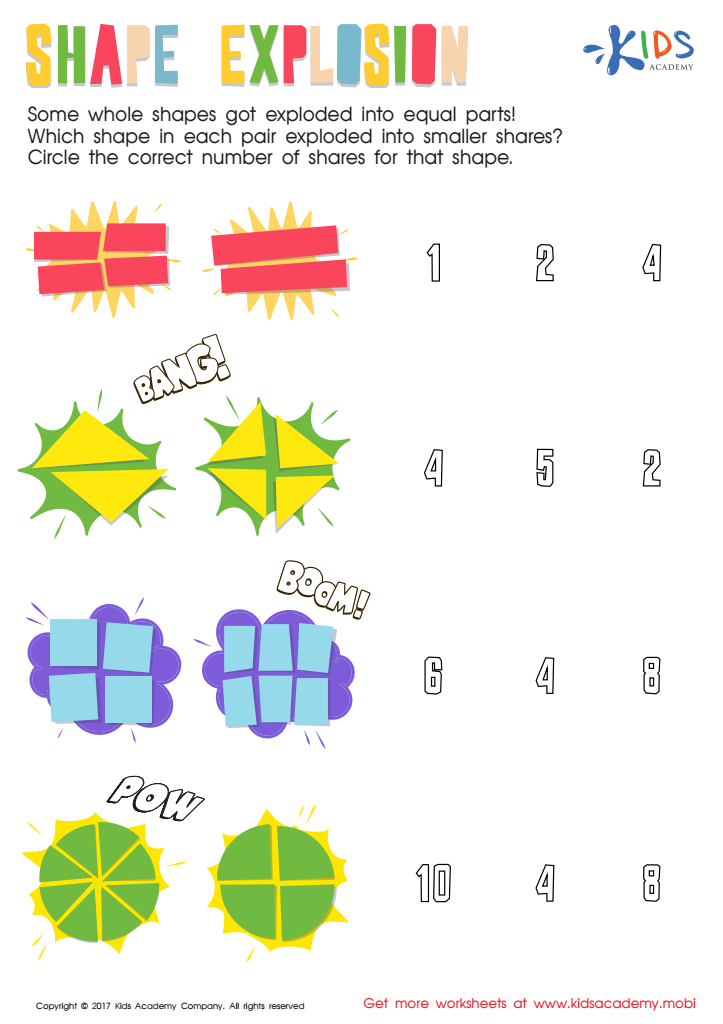
Shape Explosion Worksheet
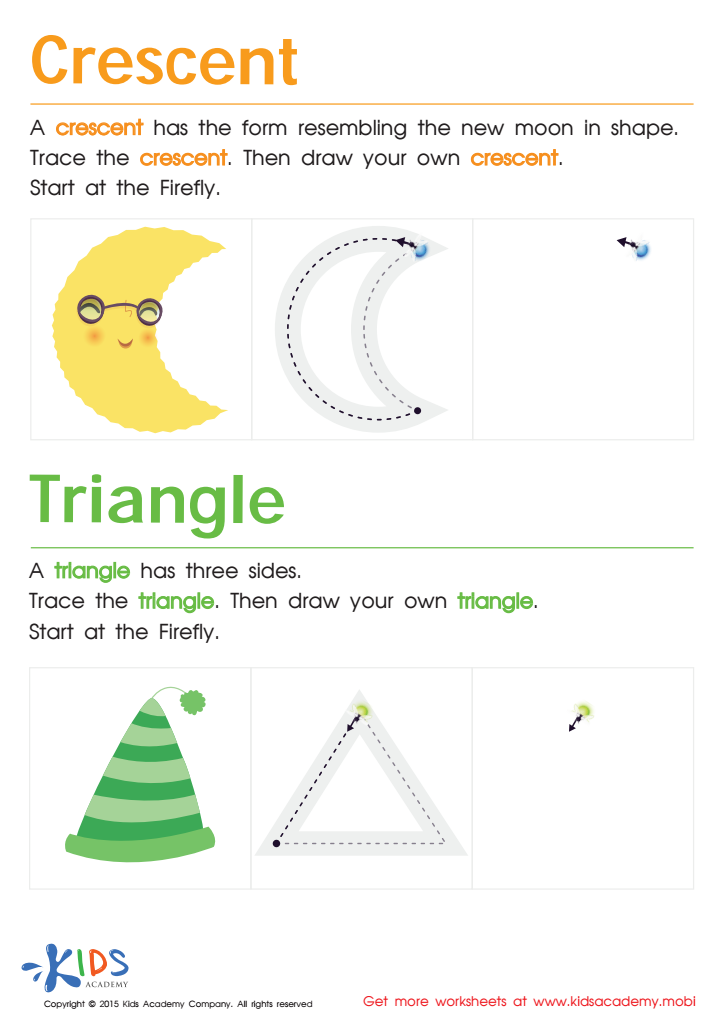
Learning to Draw Crescents And Triangles Worksheet
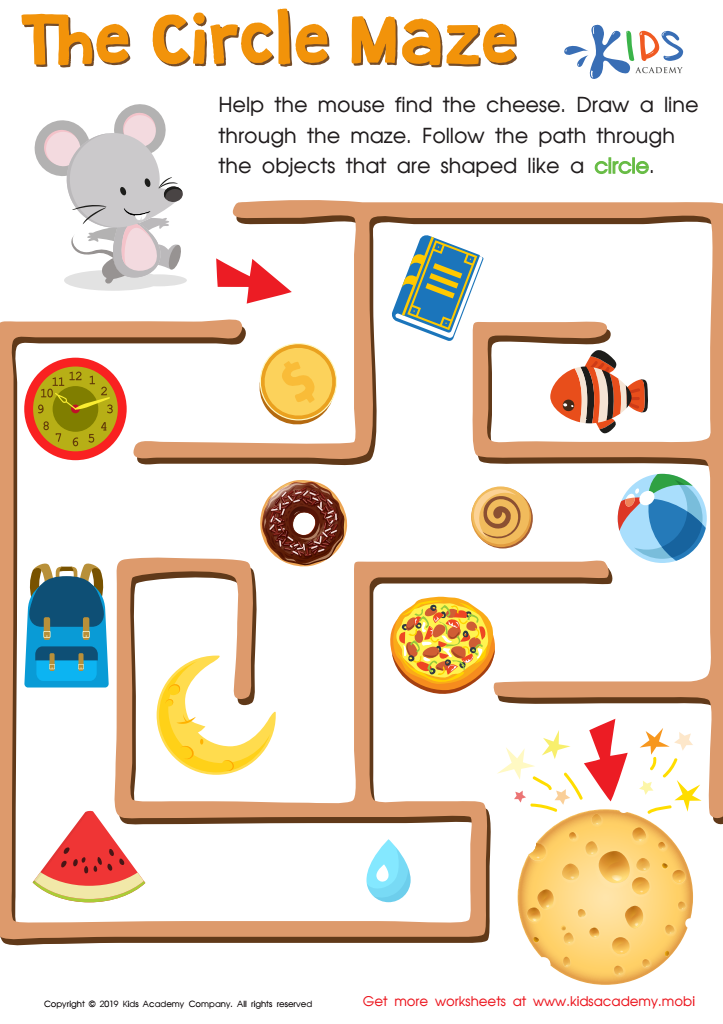
The Circle Maze Worksheet
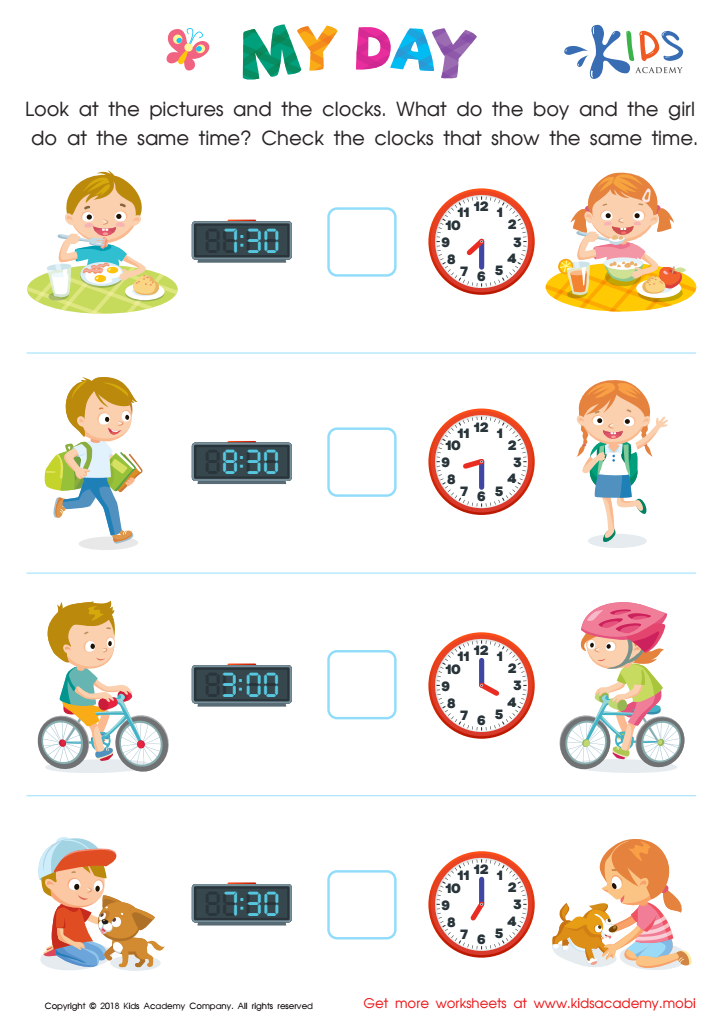
My Day Worksheet
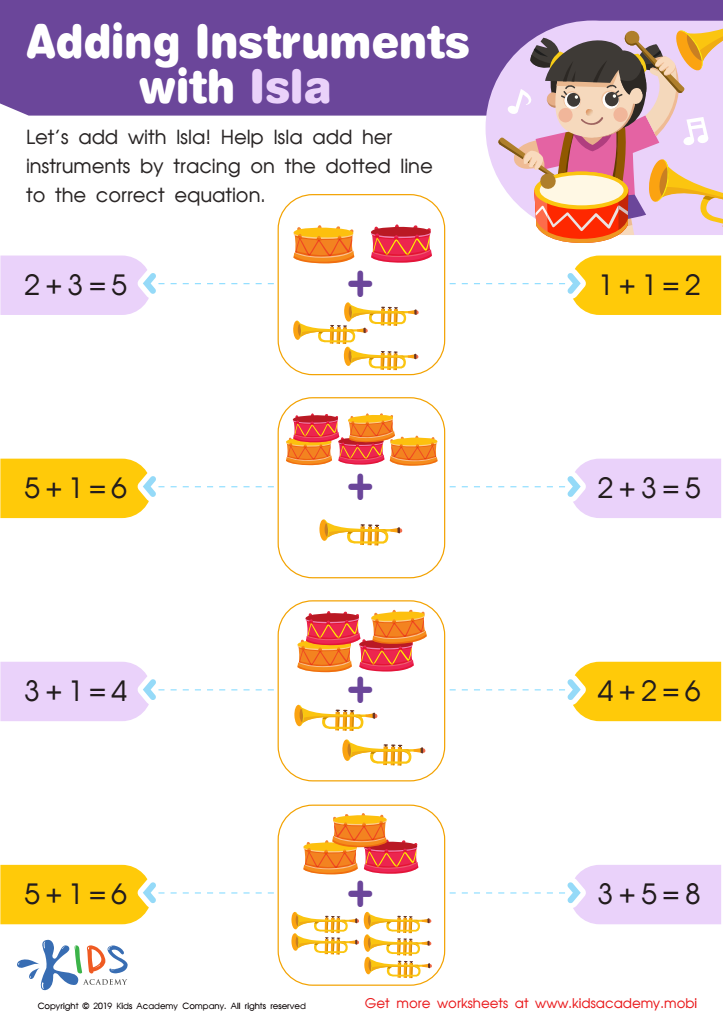
Adding Instruments with Isla Worksheet








Parents and teachers should care about visual perception improvement in math because it is a foundational skill that enhances a child's ability to understand and relate to mathematical concepts. Visual perception involves the brain's ability to interpret and make sense of visual information from the world around us, crucial for math learning. For young learners, this can mean recognizing numbers, understanding shapes, comprehending patterns, and spatial awareness—all essential components of early math education.
Moreover, children with strong visual perception skills are typically better at problem-solving and critical thinking. They can more easily grasp geometric concepts, follow along with story problems, and understand the relationship between different mathematical elements. For instance, recognizing that a collection of objects can be grouped in various ways lays the groundwork for understanding addition and subtraction.
Improvement in visual perception can lead to better academic performance and stronger confidence in math-related tasks. This is important because early success in math often leads to a positive attitude towards the subject, fostering long-term academic and professional success. Ultimately, nurturing these skills early on equips children with tools that support not only their math education but their overall cognitive development and problem-solving abilities.








