Number Sequencing Numbers up to 100 Worksheets
6 filtered results
-
From - To
Our "Number Sequencing Numbers up to 100 Worksheets" are designed to help young learners enhance their math skills in a fun and engaging way. These printable worksheets provide students with various activities and exercises that focus on ordering numbers from 1 to 100. Perfect for kindergarten to 2nd-grade children, the worksheets support fundamental math concepts, promote logical thinking, and improve number recognition and sequencing abilities. Our well-designed resources ensure that kids build a strong mathematical foundation while enjoying their learning journey. Download now to enrich your child’s numeracy skills with practical and engaging exercises!
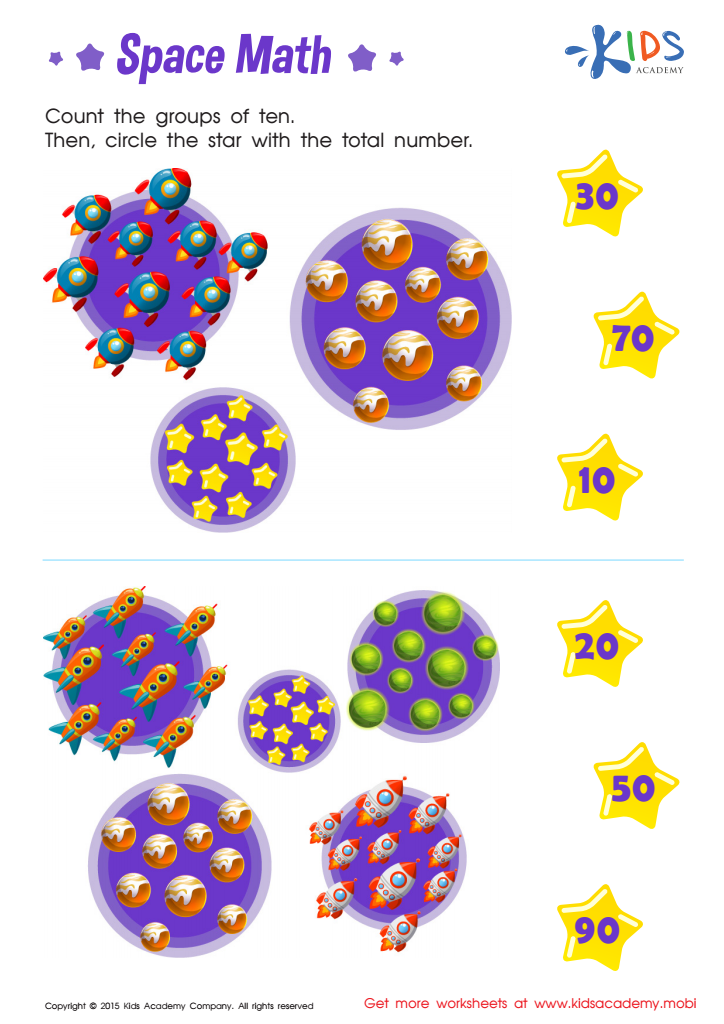
Learn dozens: Space math Worksheet
 Assign to My Students
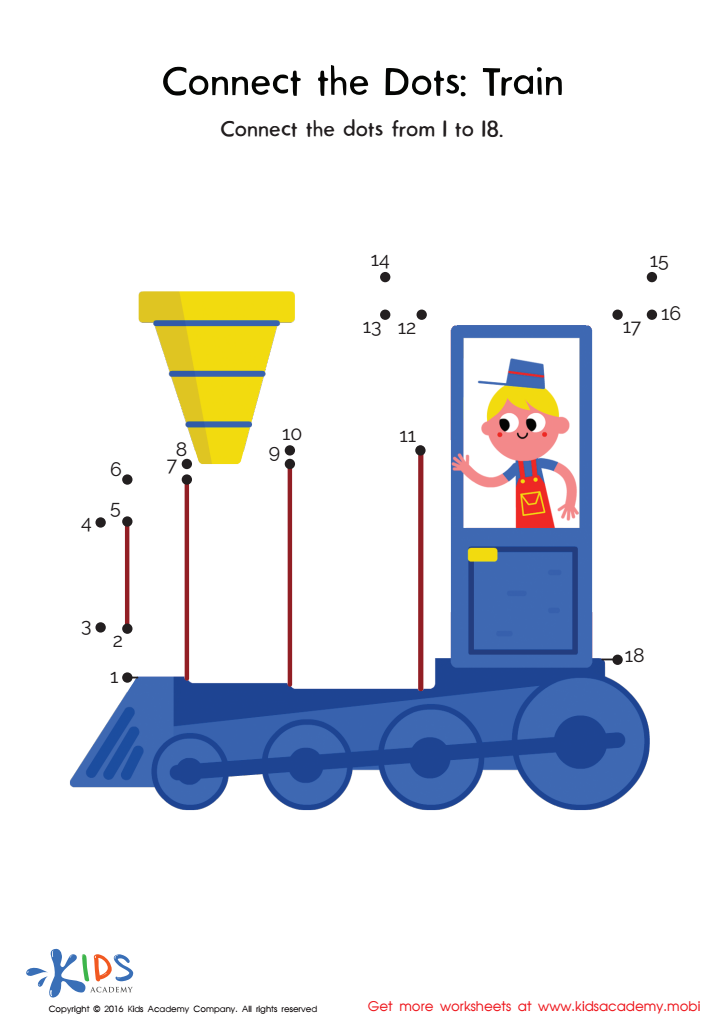
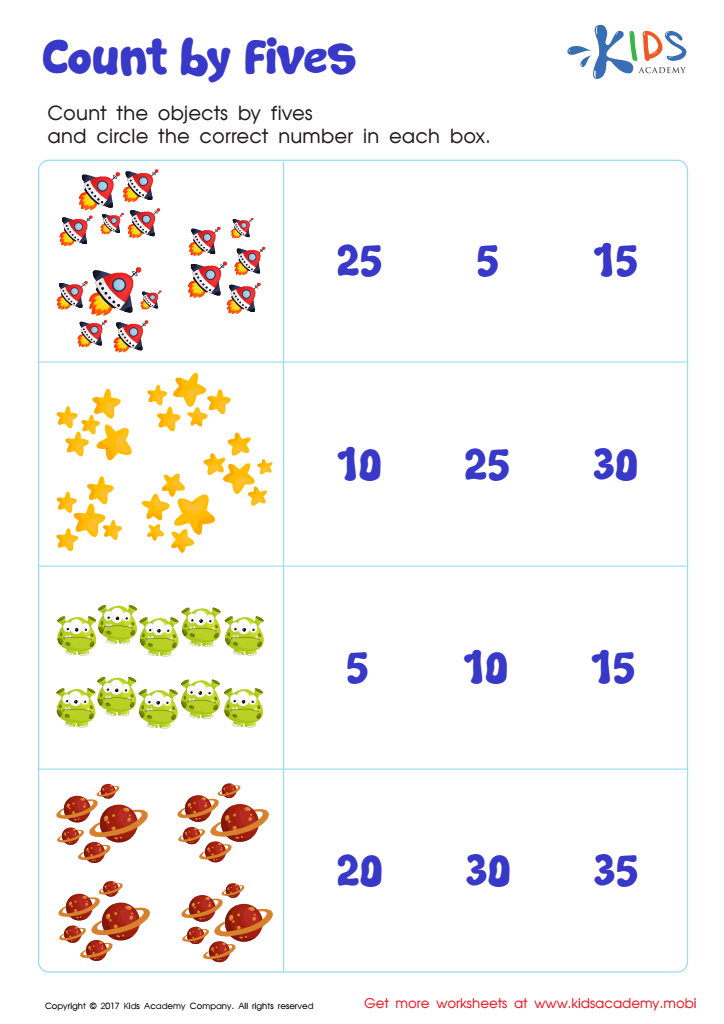
Skip Counting by 5s: Space Math Printable
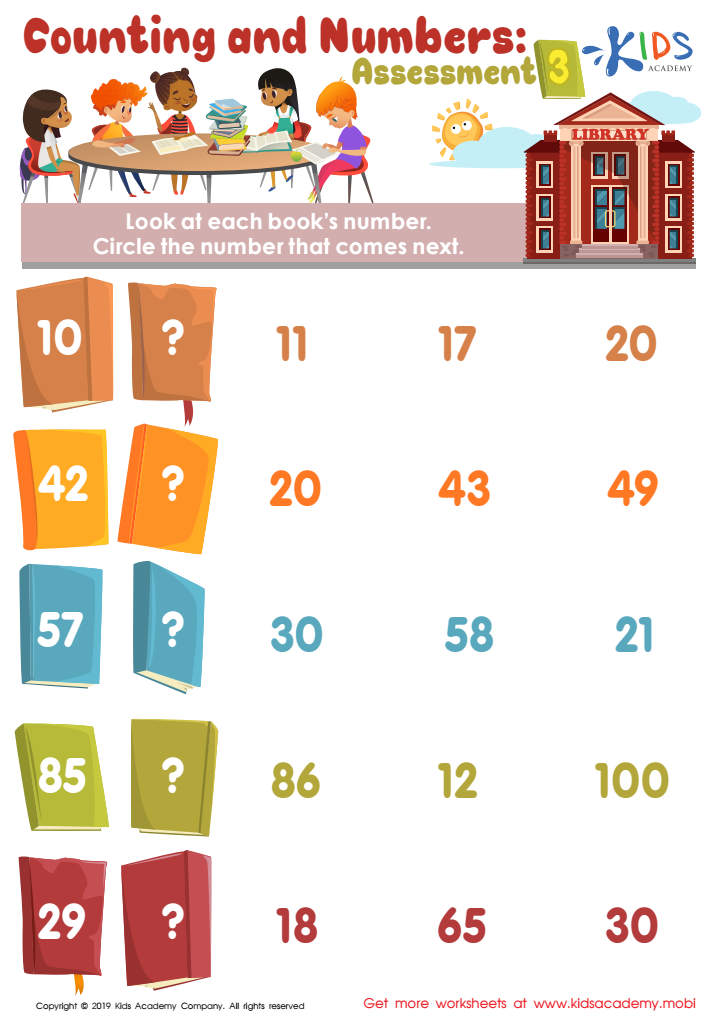
Counting and Numbers: Assessment Worksheet
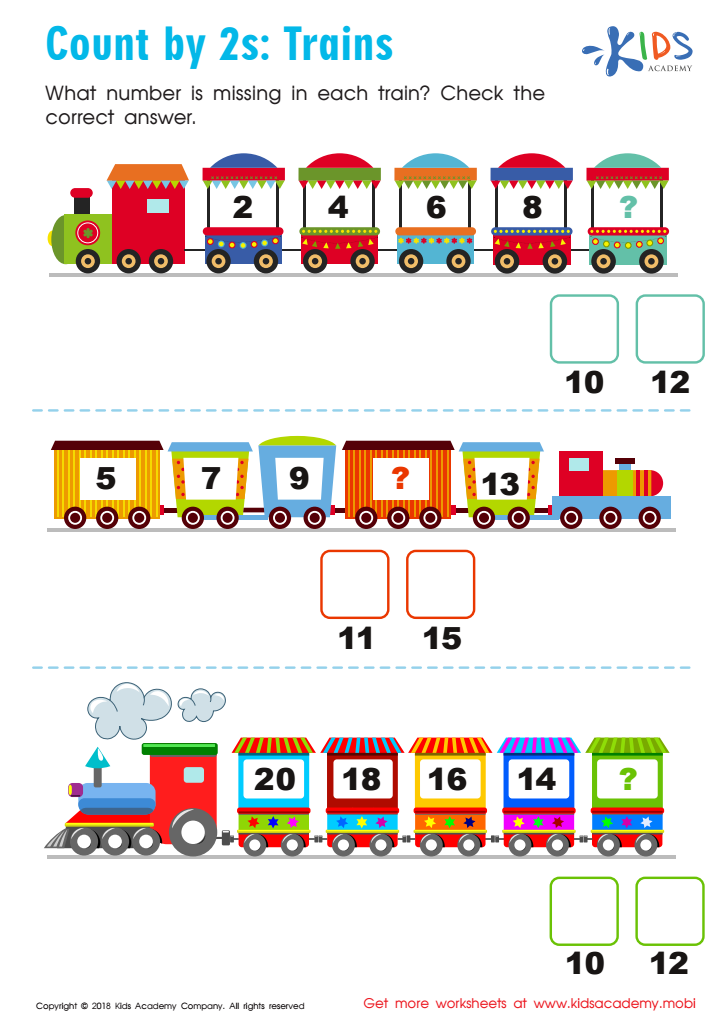
Count by 2's: Trains Worksheet
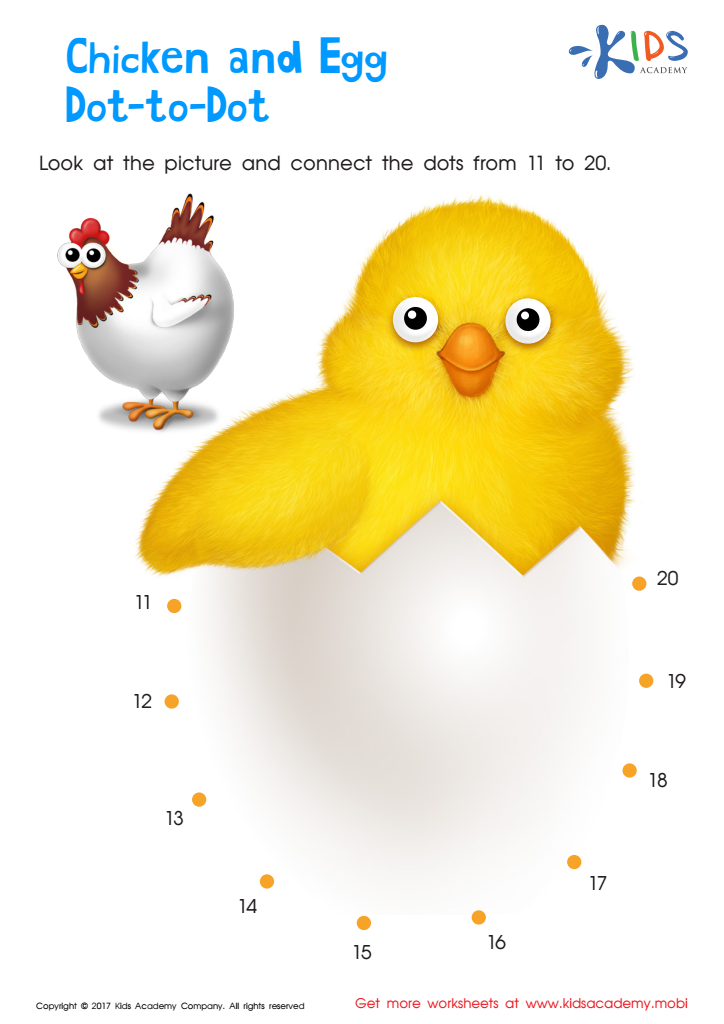
Ordering 11–20: Chicken & Egg Dot–to–dot Worksheet






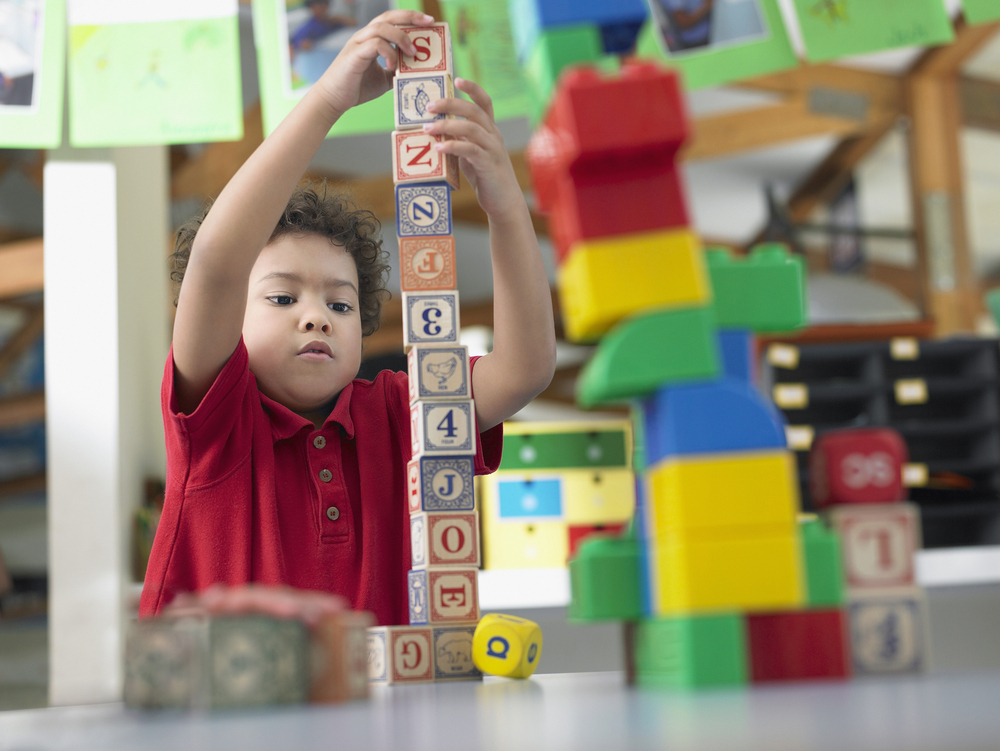

Number sequencing up to 100 is a foundational math skill that sets the stage for more complex mathematical understanding. When parents and teachers prioritize this skill, they are ensuring that children build a solid arithmetic foundation, which is crucial for their academic success.
Number sequencing involves recognizing patterns, understanding the order of numbers, and developing the ability to predict and identify the next number in a sequence. This skill is directly linked to numerical literacy and mental math prowess, both of which are essential for problem-solving in daily life as well as in advanced math classes. Furthermore, sequencing numbers enhance memory and cognitive capabilities by teaching children to follow a logical progression and recognize relationships between numbers.
Moreover, mastering number sequences up to 100 helps young learners improve their counting abilities, preparing them for future concepts such as addition, subtraction, multiplication, and division. It also supports them in tasks like comparing numbers, understanding greater-than and less-than relationships, and comprehending place value. Sequential skills are not only critical for math but also for developing skills in reading, following instructions, and general thinking patterns. Thus, involvement in this early skill offers children significant academic and cognitive benefits, effectively contributing to their holistic development.