Logical thinking Normal Worksheets for Ages 3-4
6 filtered results
-
From - To
Welcome to our Logical Thinking Worksheets for Ages 3-4! Designed to nurture critical thinking and problem-solving skills, these engaging worksheets help young learners explore patterns, categorization, and sequencing in a fun and interactive way. Each activity is tailored to suit early development stages, providing children with opportunities to enhance their cognitive abilities while enjoying creative learning. Parents and educators can utilize these resources to create an enriching environment that encourages exploration and discovery. Boost your child's logical reasoning skills and lay a strong foundation for future learning. Dive into our collection and watch their imaginations flourish!
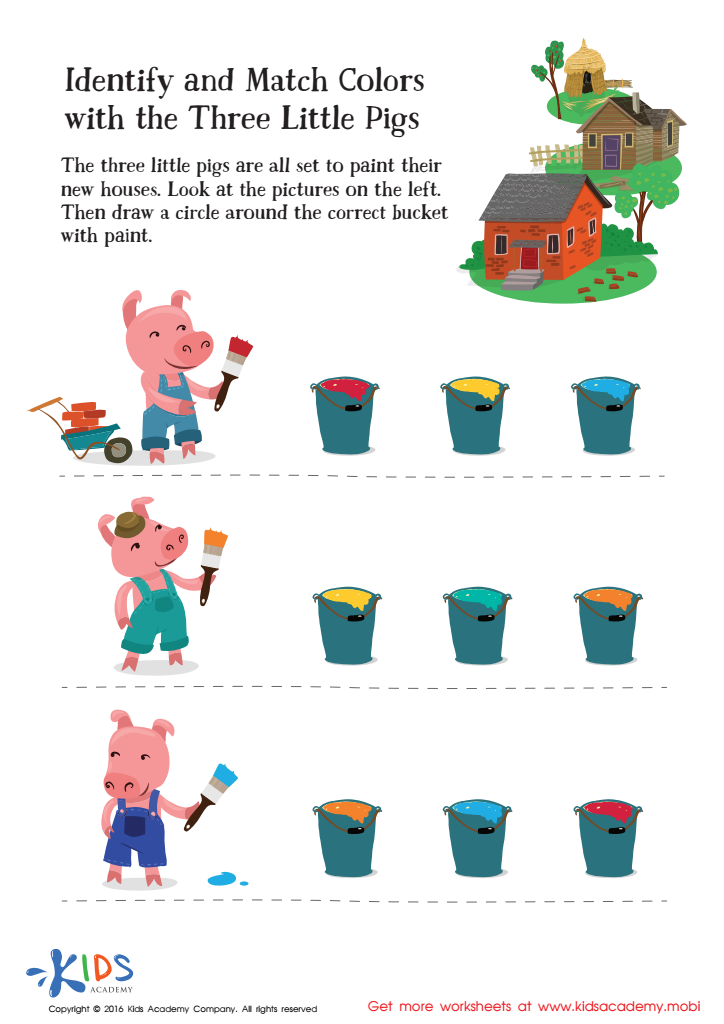
Fairy Tale Worksheet: Identify and Match Colors with Three Little Pigs
 Assign to My Students
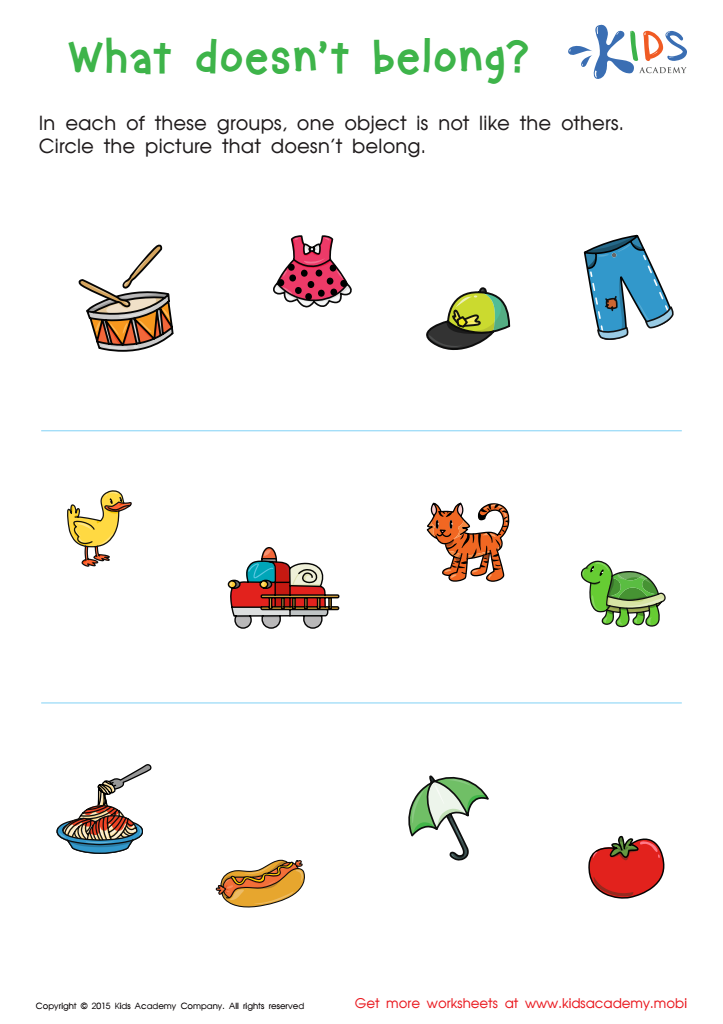
First Words: What Doesn't Belong Worksheet

Cinderella Geometry Maze Worksheet
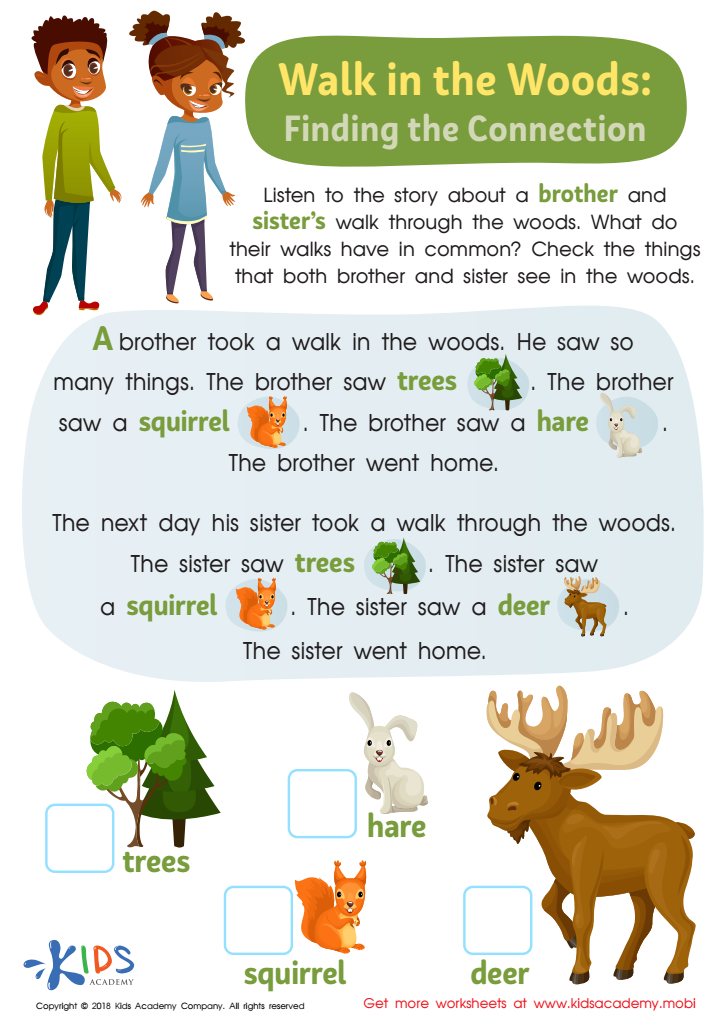
Walk In the Woods: Finding Connections Worksheet
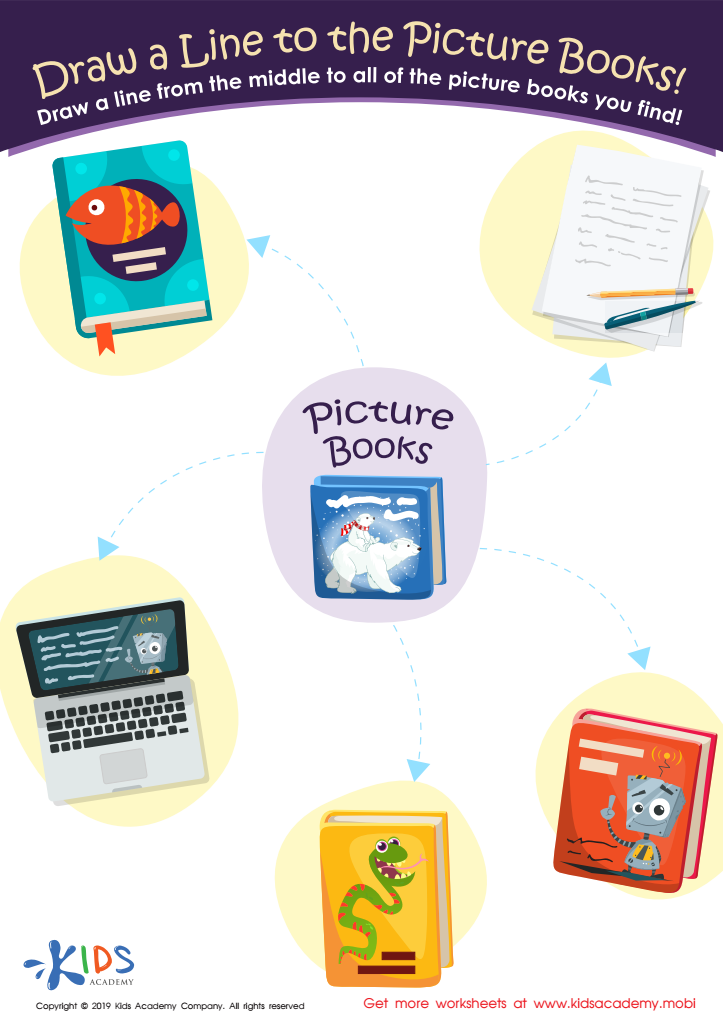
Draw a Line to the Picture Books Worksheet
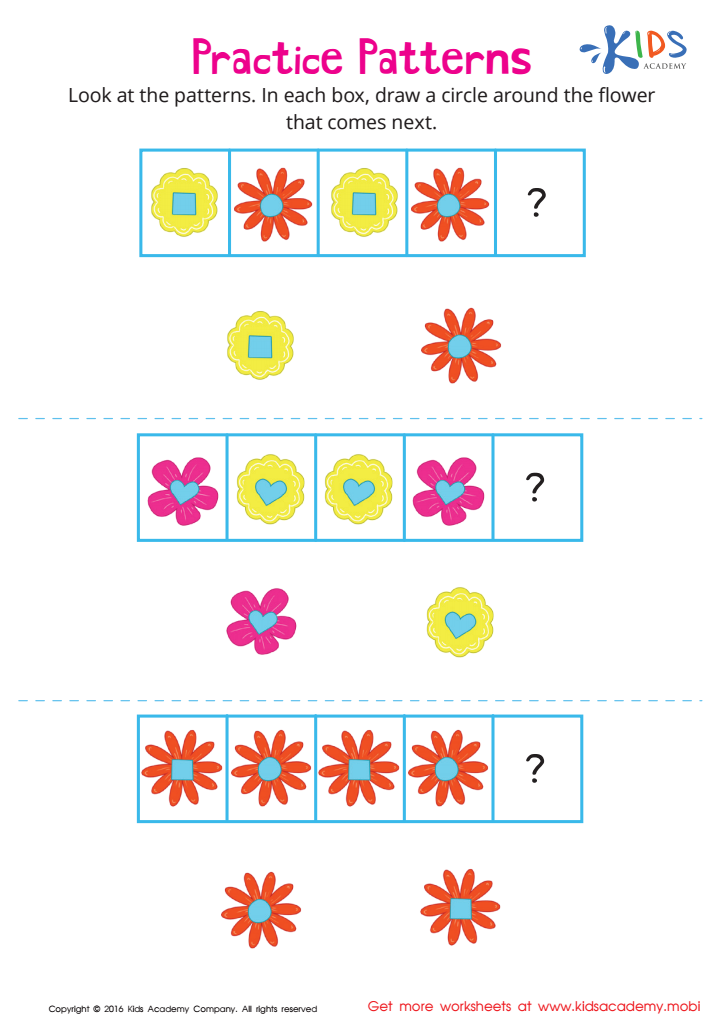








Logical thinking skills are crucial for children aged 3-4, as they serve as the foundation for a child's cognitive development. At this early age, children begin to explore their environment, ask questions, and seek to understand how things work. Engaging parents and teachers in fostering logical thinking is essential for several reasons.
Firstly, logical thinking promotes problem-solving abilities. Children learn to make connections between ideas, analyze situations, and identify solutions, skills that are essential not only in academic contexts but throughout life.
Secondly, developing these skills enhances language and communication abilities. As children think logically, they learn to articulate their thoughts, ask relevant questions, and express reasoning, which are key components in literacy development.
Moreover, exploring logical concepts fosters creative thinking and imagination, allowing children to approach problems from various angles.
Parents and teachers who focus on enhancing logical thinking can provide structured play, puzzles, and activities that stimulate curiosity and encourage children to think critically. This investment in logical reasoning not only empowers children academically but also sets the stage for future success in school and life, making it imperative for caregivers to prioritize these skills during early childhood.








