Pattern recognition Normal Worksheets for Ages 3-4
10 filtered results
-
From - To
Discover our engaging "Pattern Recognition Normal Worksheets for Ages 3-4," designed to enhance early learning through fun and interactive activities. Perfect for preschoolers, these worksheets introduce children to the essential skill of identifying and completing patterns, laying a strong foundation for critical thinking and problem-solving. With colorful illustrations and age-appropriate challenges, children will enjoy exploring patterns using objects, shapes, and colors. These worksheets not only improve cognitive development but also stimulate creativity and attention span. Empower your little learners by integrating pattern recognition into their play while promoting essential early learning skills today! Download a worksheet and watch your child's learning growth.
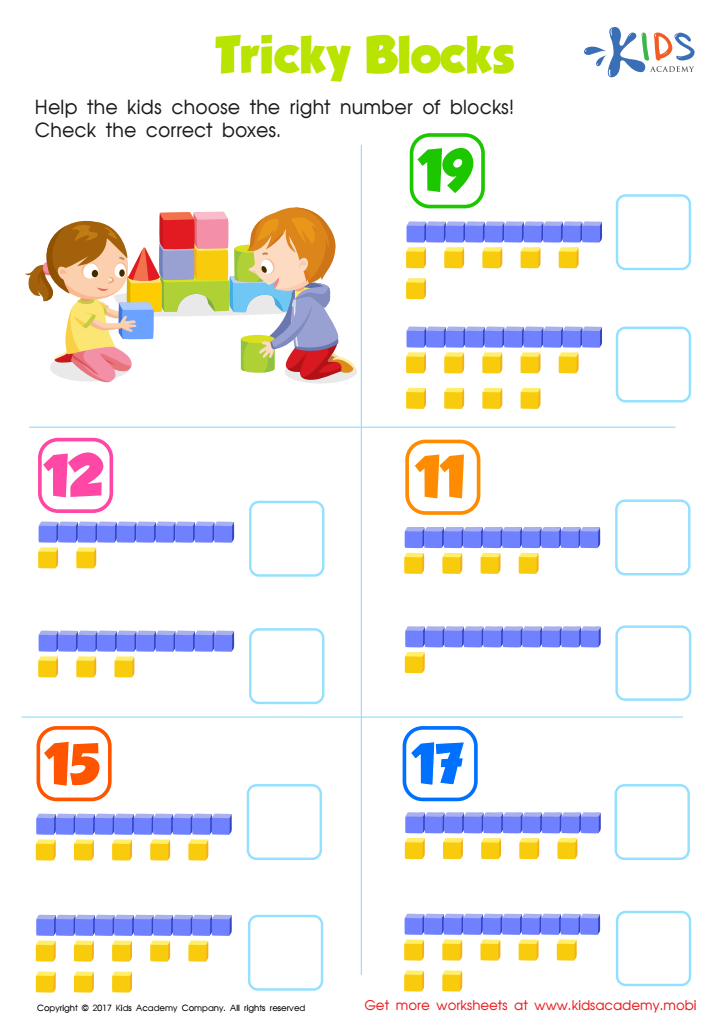
Tricky Blocks Worksheet
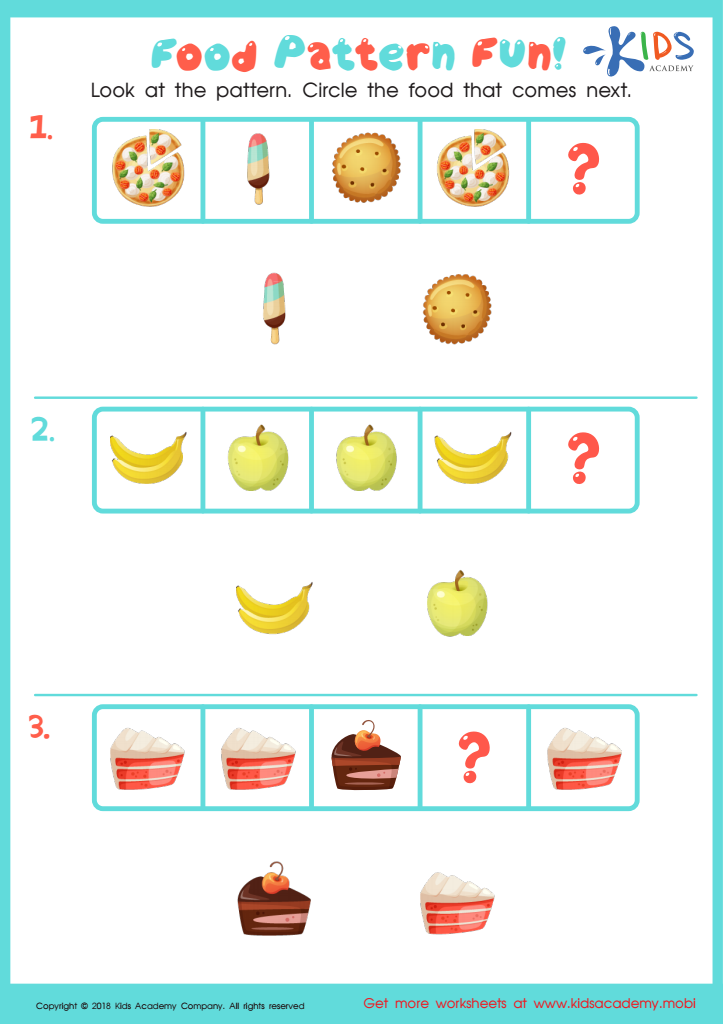
Food Pattern Fun Worksheet
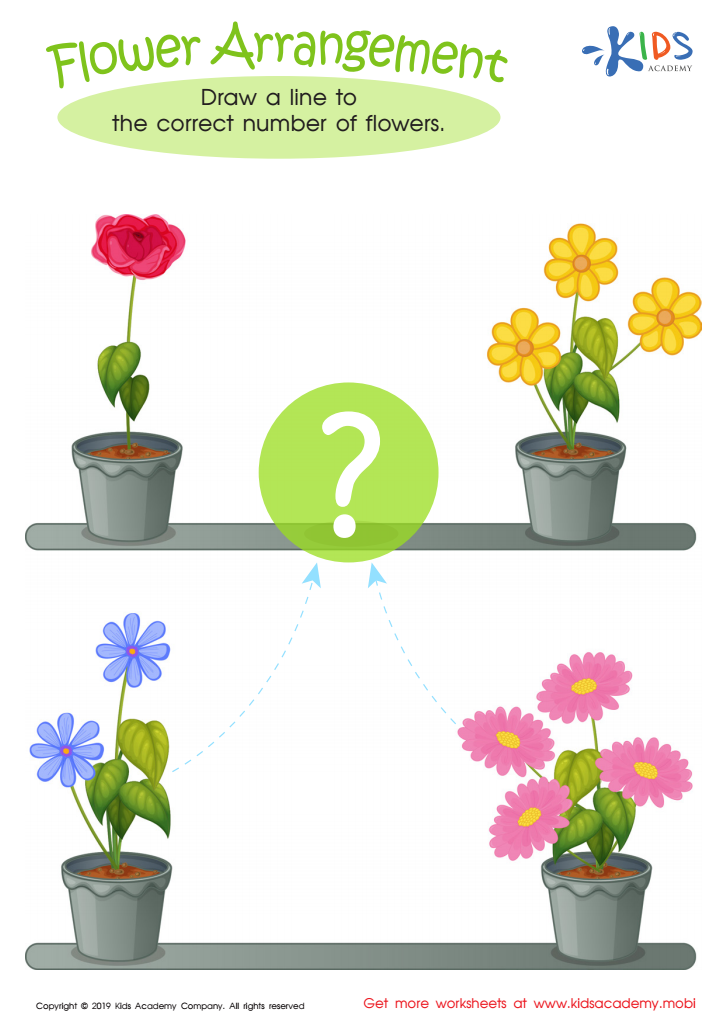
Flower Arrangement Worksheet
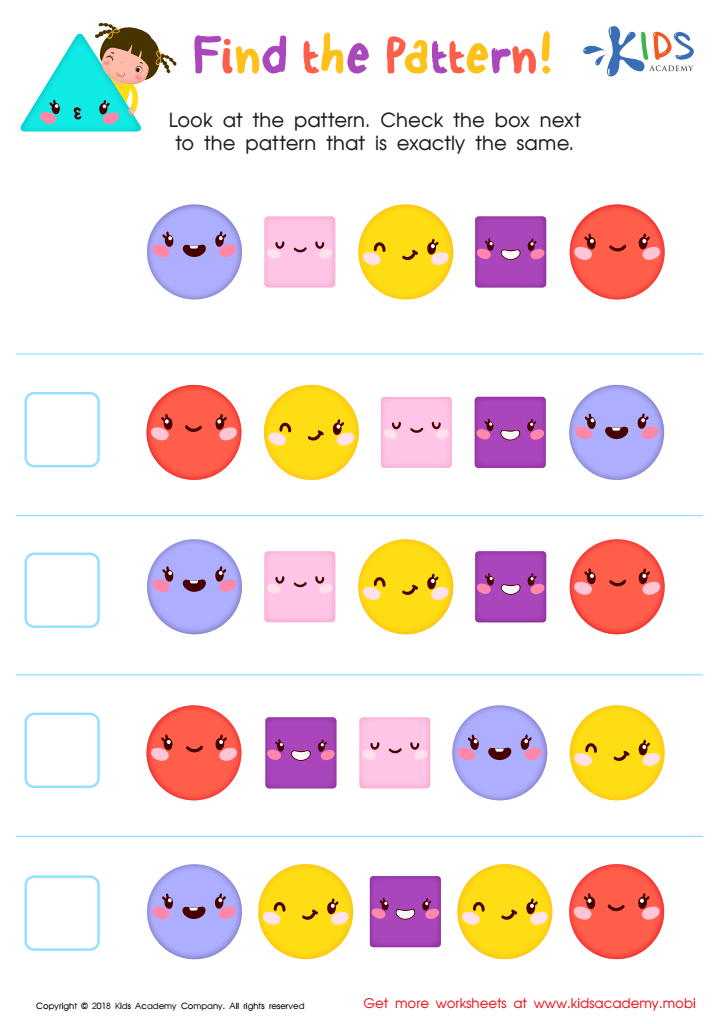
Find the Pattern Worksheet
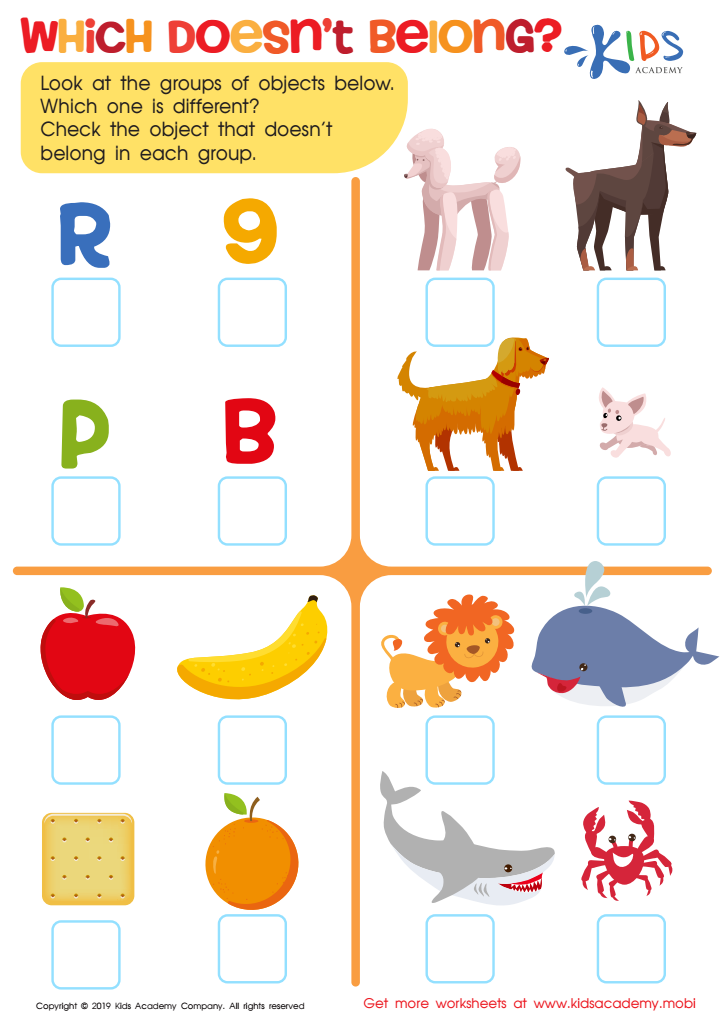
Which Doesn't Belong? Worksheet
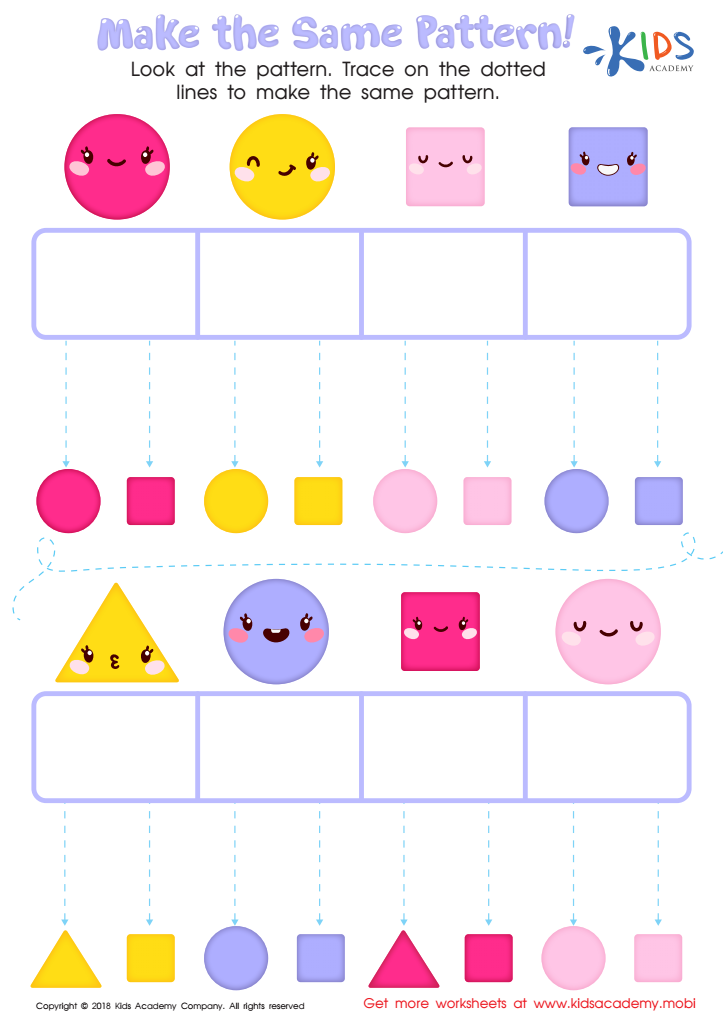
Make the Same Pattern Worksheet
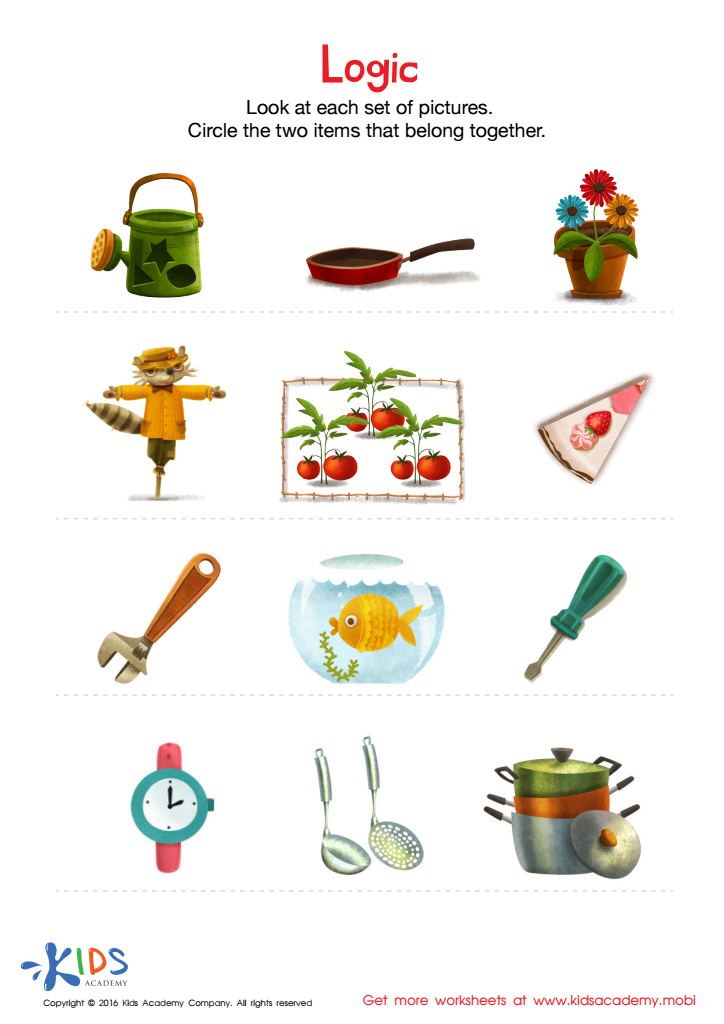
Logic Game Sorting Worksheet
Christmas: Christmas Tree Printable
 Assign to My Students
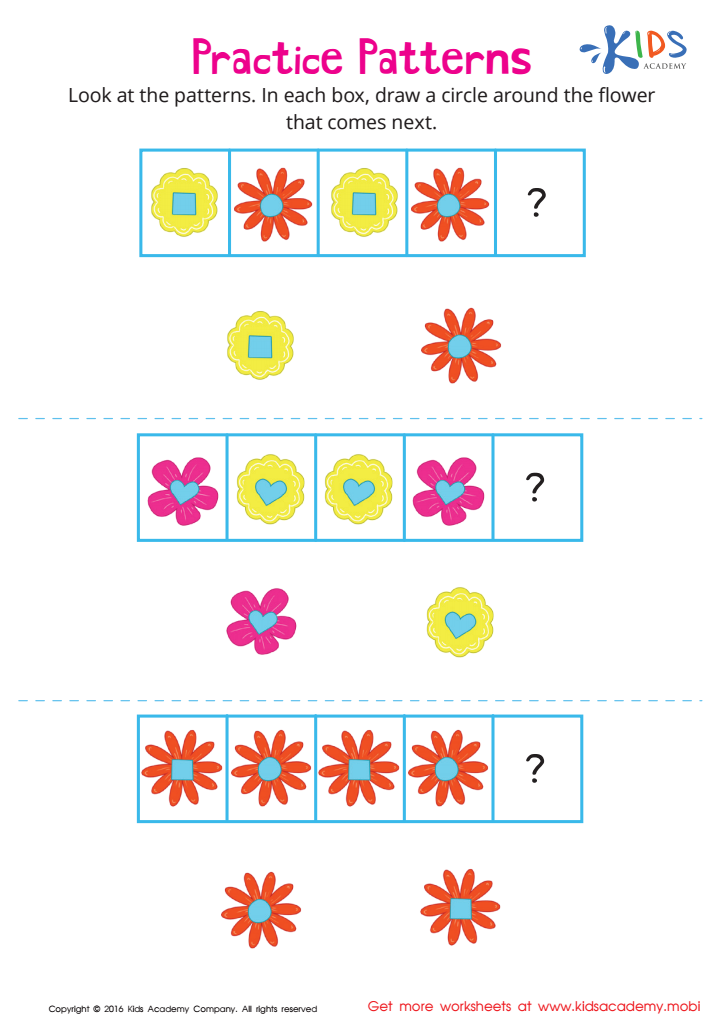
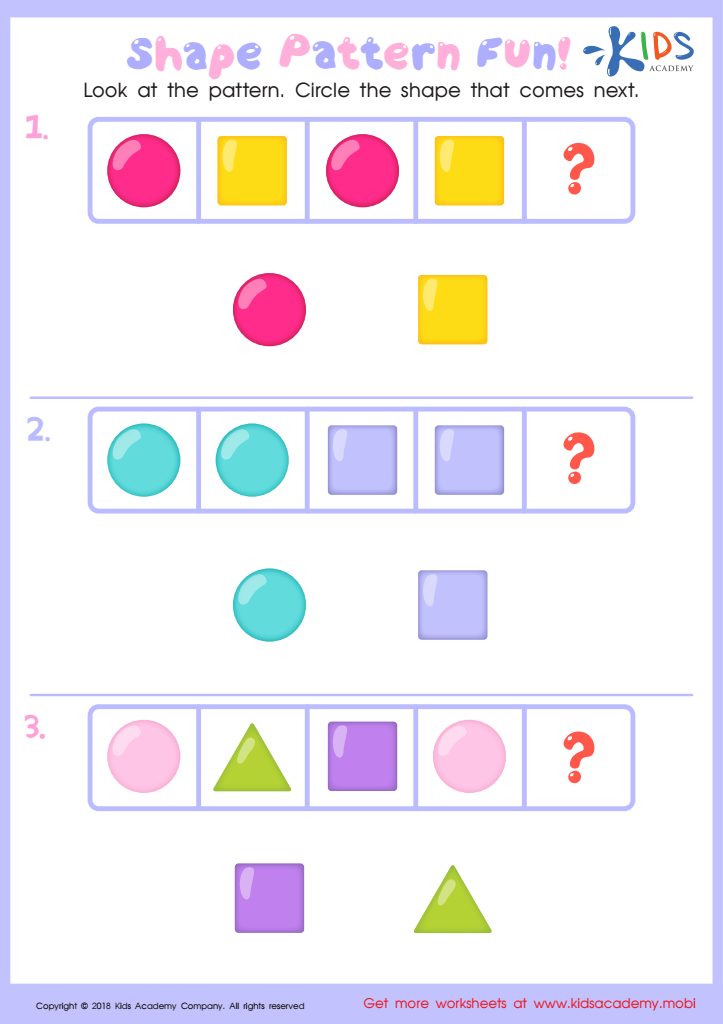
Shape Pattern Fun Worksheet








Pattern recognition is a vital skill for children aged 3-4, serving as a foundational building block for numerous cognitive and developmental areas. Parents and teachers should prioritize this skill as it enhances children’s critical thinking and problem-solving abilities. Recognizing patterns helps young learners make connections between concepts, which is essential for their understanding of mathematical principles and concepts later in life.
In early childhood, engaging in pattern recognition activities also promotes language development, as it encourages children to articulate their thought processes. Whether it’s through colorful blocks, rhythmic songs, or everyday objects, these activities build observational skills and increase attention spans.
Additionally, understanding patterns lays the groundwork for logical sequencing, an important precursor to reading and writing skills. Overall, fostering pattern recognition not only supports early mathematics and literacy but also nurtures creativity and confidence as children become adept at identifying relationships in their environment. Inviting parents and teachers to actively engage in these learning experiences enriches a child's educational journey and helps cultivate a lifelong love for learning. In essence, caring about pattern recognition in early childhood is an investment in a child’s holistic growth and academic success.








